Somewhere in the back of Bozeman’s old county jail sits a solitary confinement chamber that more than one visitor has described as genuinely unsettling. Down the hall, in the same building, a porcelain doll sits quietly in a case — carried west by a young girl’s family in a covered wagon in 1864.
- Gallatin History Museum occupies Bozeman’s actual former county jail, built in 1911 and used for prisoners until 1982
- The building includes original jail cells, a hanging gallows, and a solitary confinement chamber alongside pioneer-era exhibits
- Standout artifacts include a life-size pioneer cabin, five generations of wedding dresses from one local family, and a photo archive of more than 20,000 historic images
- Admission has shifted from historically free to a modest paid ticket — confirm current pricing before you go
- This is one of the best museums in Montana where the building’s own history is just as compelling as anything inside the display cases
Liked this article?
Add Roaming Montana as a preferred source so you see more of our articles and guides on Google.
A Jail That Became a Museum By Accident of Timing
This museum exists because a county jail became too small, not because anyone set out to build a history museum from scratch.
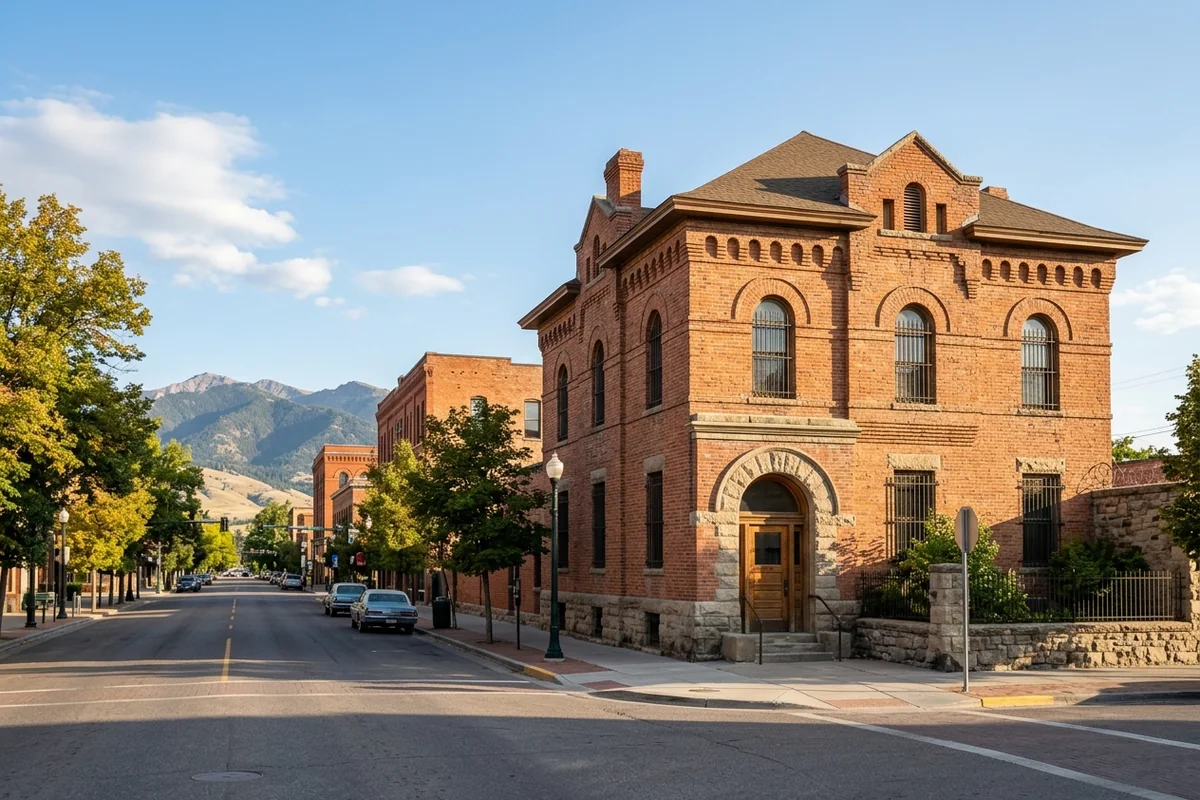
The Gallatin County Jail was built in 1911, designed by Fred Fielding Willson, a Bozeman-born architect who practiced in the city from 1909 to 1956. It was already considered a historic structure by the time the Gallatin Historical Society, founded in 1977, moved into just two rooms of the building in 1979.
Everything changed in January 1982, when the county’s remaining prisoners relocated to a newly built detention facility. County commissioners granted the Historical Society use of the entire jail building, and what had started as the Pioneer Museum in two borrowed rooms expanded into a full-building museum. The name officially changed to Gallatin History Museum in 2014, better reflecting the mission the organization had already been pursuing for decades.
The Jail’s Own Dark History
The building itself is one of the museum’s most compelling exhibits, and staff don’t shy away from its heavier past.
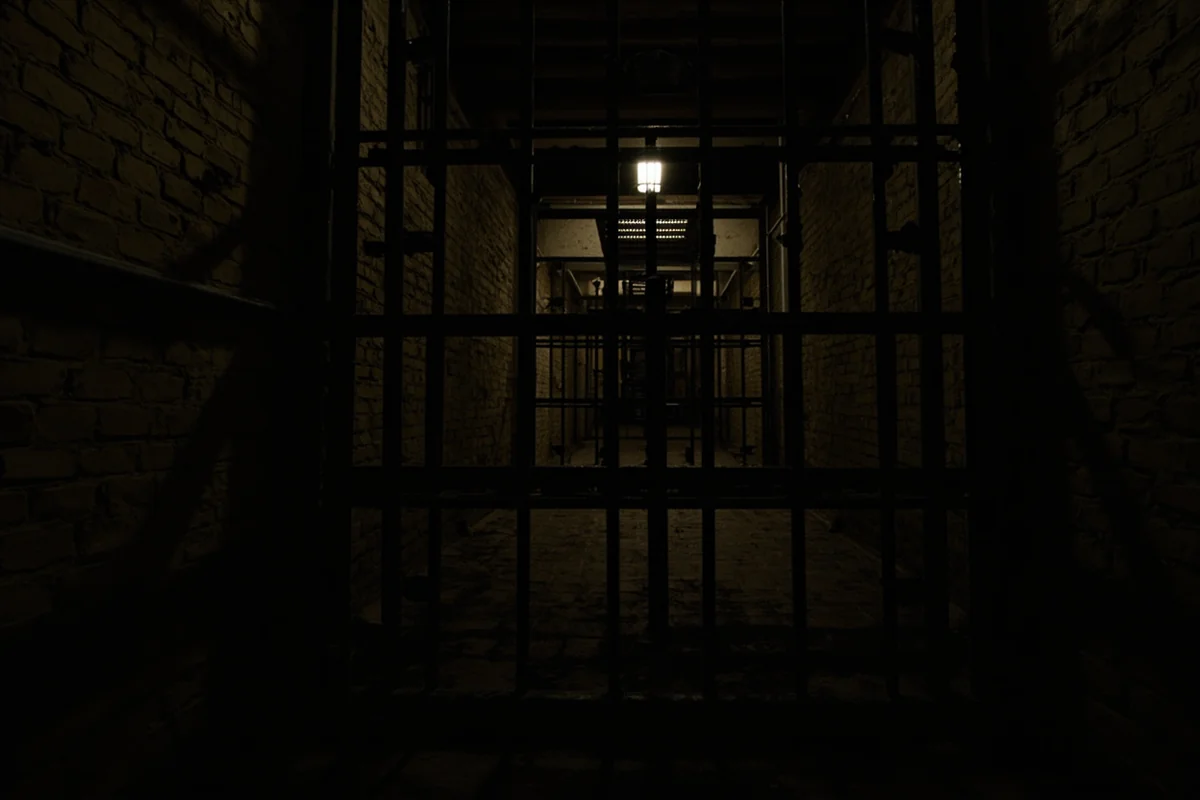
Original jail cells remain intact throughout the building, alongside a hanging gallows and a solitary confinement chamber that multiple visitors have specifically described as genuinely creepy to stand inside. The museum’s exhibits document real stories of escapes, at least one hanging, and various unresolved mysteries tied to Gallatin County’s early law enforcement history.
Architect Fred Fielding Willson designed a building meant to project real institutional authority, and that intent still comes through today. Thick brick walls, heavy iron cell doors, and a layout built specifically to contain rather than welcome give the ground floor a genuinely different atmosphere than the more inviting pioneer and photography exhibits elsewhere in the building. Walking from the cells directly into a room of vintage wedding dresses is a strange, effective kind of tonal whiplash that few Montana museums manage as naturally.
Staff are consistently praised for how they handle this material. Several visitors mention a knowledgeable employee providing a roughly ten-minute overview immediately after purchasing a ticket, setting context for the rest of the self-guided visit rather than leaving you to wander in without any framing.
Pioneer Life, One Wagon-Worn Doll at a Time
Beyond the jail’s own story, the museum holds a genuinely deep collection documenting everyday pioneer life in the Gallatin Valley, and a few specific artifacts stand out from the general “pioneer history” category most small museums default to.
A porcelain doll belonged to a young girl whose family traveled to Bozeman by covered wagon in 1864. It’s a small object, but it carries an outsized amount of history — a physical thing that survived a genuinely difficult overland journey and somehow made it into a museum case more than 160 years later.
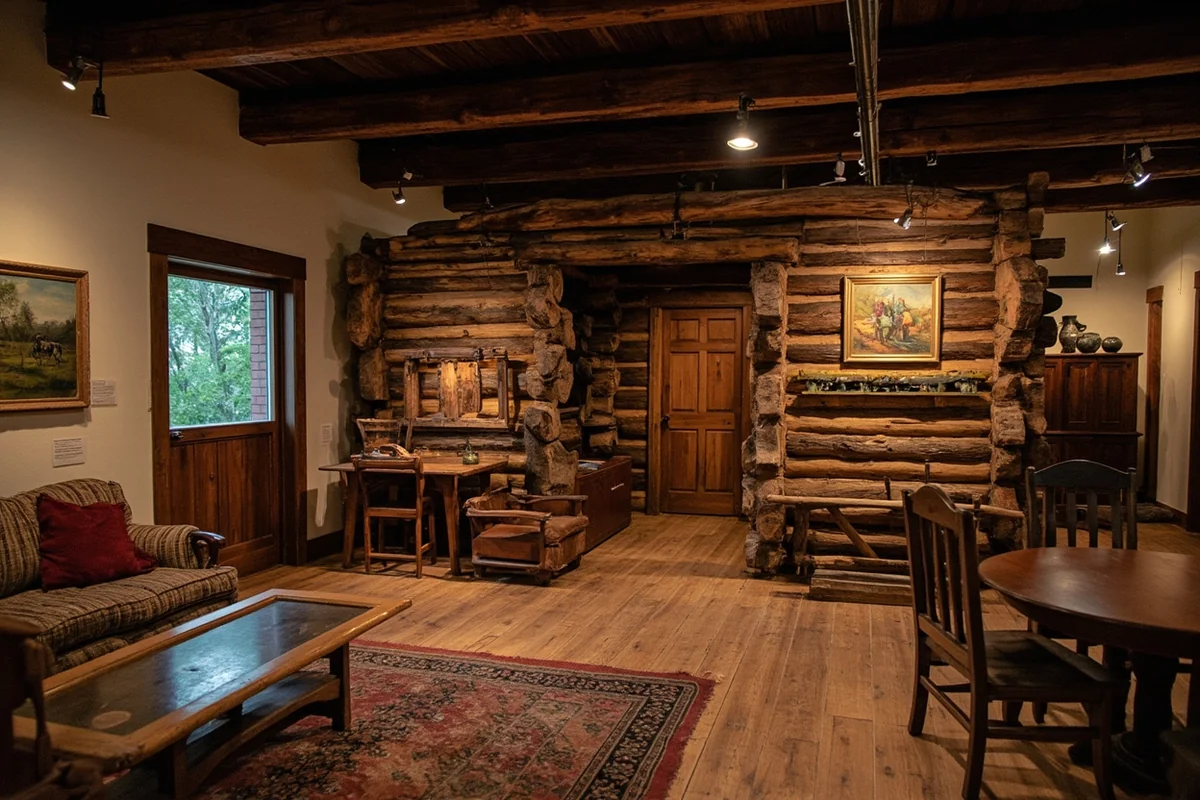
Elsewhere, the museum displays five generations of wedding dresses from the local Accola-Spain family, tracing a single Gallatin Valley family’s history through the clothing worn at their weddings across more than a century. A life-size reconstructed pioneer cabin, a model of old Fort Ellis, and Native American artifacts round out the ground-floor exhibits.
The Big Horn Gun, one of the museum’s most talked-about permanent pieces, adds a genuinely notable military history artifact to the collection, tied to the region’s frontier-era conflicts. [verify current exhibit details and historical context provided by the museum]
Upstairs: Cameras, Cheerleaders, and a Century of Bozeman Photography
The second floor shifts tone entirely, moving from frontier and jail history into a broader look at 20th-century Bozeman life.
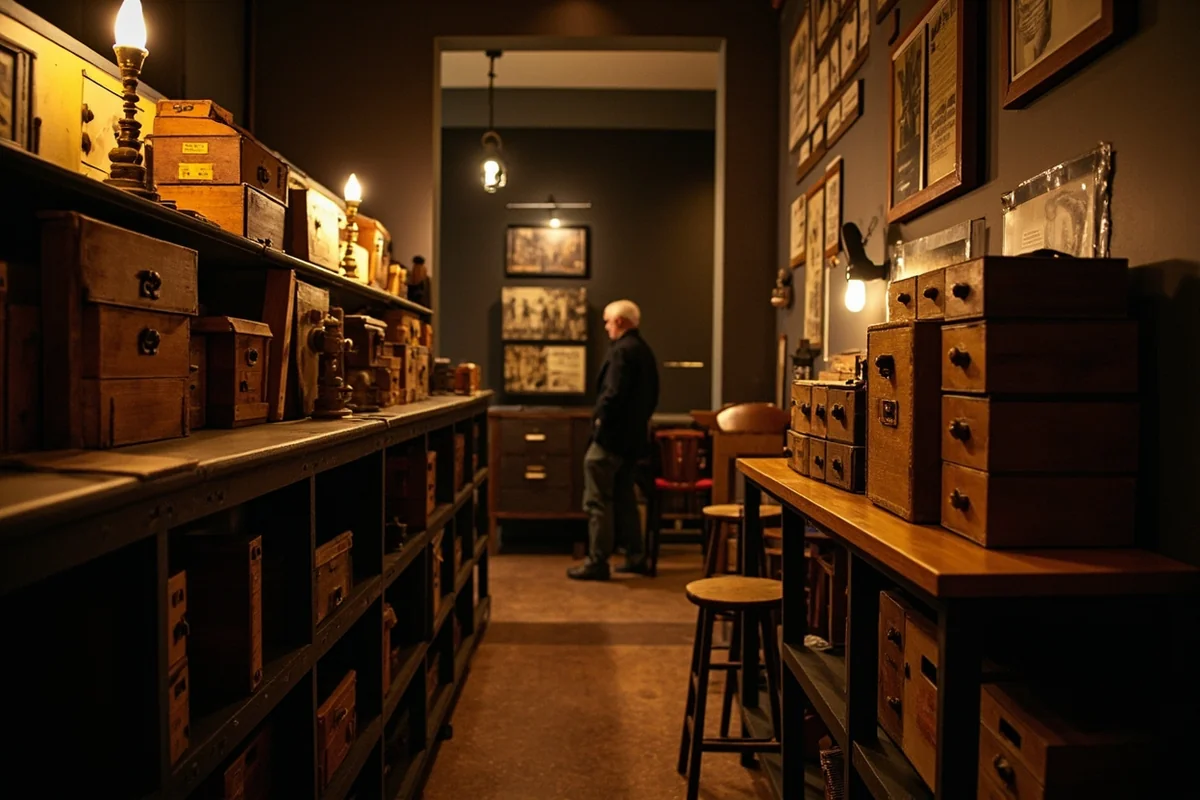
A dedicated photography display traces Bozeman’s visual history through the decades, paired with a genuinely substantial collection of vintage cameras and recording equipment. One room specifically honors the Ellen Theatre, a beloved historic Bozeman performance venue, while another covers the history of Montana State University’s cheer program — a specific, slightly unexpected niche most visitors don’t expect to find in a county history museum.
A room of vintage medical supplies rounds out the upstairs collection, giving the museum a genuinely wide-ranging feel once you get past the jail cells on the ground floor.
A Photo Archive and Research Library Worth Knowing About
If you’re researching Gallatin Valley family history or just deeply curious about the region, the museum’s holdings go well beyond what’s on public display.
The photo archive holds more than 20,000 historic images, reproducible for a small fee if you find something you want a copy of. The research library maintains extensive files on local families, places, and topics, along with newspapers, oral histories, maps, yearbooks, and books covering Montana, Lewis and Clark, and general local history.
The museum’s bookstore stocks hard-to-find materials specifically about Gallatin County history, priced reasonably rather than marked up for tourists. It’s a genuinely useful stop if you’re building a personal Montana history library rather than just picking up a generic souvenir.
Beyond the Building: Cemetery Preservation and Walking Tours
The Historical Society’s work extends well past the jail building itself, and a few of these projects are worth knowing about if you have extra time in Bozeman.
The museum has “adopted” Spring Hill Cemetery, partnering with the Montana Ghost Town Preservation Society and other organizations to preserve the site. Separately, the Society maintains self-guided walking tours covering three distinct areas: the Bozeman Historic Neighborhood, filled with Victorian mansions and upright farmhouses; Bozeman’s Historic Main Street, showcasing Art Deco, Mission Revival, and Italianate architecture along with neon signage and the city’s well-known revolving yellow horse landmark; and the Historic Sunset Hills Cemetery Tour.
None of these require a separate admission fee, and they’re a genuinely good way to extend a museum visit into a broader afternoon exploring Bozeman’s historic core on foot.
Visiting With Kids
School-age kids and older tend to do genuinely well here, and more than one reviewer specifically notes the museum as fun for children rather than just tolerable for them.
The jail cells and gallows have an obvious appeal for kids drawn to slightly spooky history, while the pioneer cabin and Fort Ellis model give younger visitors something more tangible and three-dimensional than wall text alone.
The staff introduction that runs right after ticket purchase tends to work especially well for families, giving kids a framed story to follow rather than turning them loose in a building full of unexplained artifacts.
I’d still keep an eye on how your specific kids respond to the solitary confinement chamber, since a few reviewers have described it as genuinely unsettling even for adults.
Given the museum’s modest size, this works well as a shorter stop that won’t overwhelm younger attention spans, especially if you’re pairing it with a longer visit to Museum of the Rockies the same day.
Frequently Asked Questions
Is this the same as the Pioneer Museum some older sources mention?
Yes — the museum operated under the name Pioneer Museum from 1982 until 2014, when it officially became Gallatin History Museum. You may still see the older name referenced in some directories and older articles.
Is the museum wheelchair accessible?
As a converted 1911 jail building, accessibility can be more limited than a purpose-built modern museum. I’d call ahead to ask about specific accommodations if this is a concern for your visit.
Can we do research on a specific Gallatin Valley family here?
Yes — the research library maintains extensive local family files, though it’s worth calling or emailing ahead to confirm current access procedures and whether an appointment is needed for deeper archival research.
Is there a gift shop?
Yes, and it’s genuinely worth browsing — the bookstore specifically stocks hard-to-find Gallatin County and Montana history books rather than generic souvenirs, priced reasonably rather than marked up for tourist traffic.
- Admission pricing information is inconsistently reported. Some older sources describe the museum as free, while more recent visitor accounts describe purchasing a ticket — confirm current pricing directly rather than trusting an older listing.
- The specific, personal artifacts rarely get individual mention. The 1864 wagon-journey doll and the five generations of wedding dresses are exactly the kind of detail that makes a visit memorable, and most generic listings skip them entirely.
- The self-guided walking tours and cemetery preservation work almost never get flagged, even though they’re free, easy additions to a museum visit.
- The solitary confinement chamber and hanging gallows get undersold or omitted, when they’re genuinely among the most talked-about parts of the museum in visitor reviews.
Personal Tips: What I Wish I Knew
- Don’t skip the ticket-purchase overview. Several visitors specifically credit the brief staff introduction with making the rest of the self-guided visit far more meaningful.
- Budget 1.5 to 2 hours. Multiple reviewers mention spending closer to two hours than the “quick stop” they originally expected.
- Park behind the courthouse. It’s genuinely easy, especially on Saturdays, and just a short walk to the museum entrance.
- Pair this with Museum of the Rockies and American Computer & Robotics Museum for a full Bozeman museum day — all three sit within easy reach of downtown and MSU’s campus.
- Confirm current hours before you go. The museum’s own materials note that hours shift seasonally, and recent listings show some inconsistency around exact closing times.
How This Fits a Bozeman Visit
Gallatin History Museum sits just two blocks from downtown Bozeman, immediately west of the county courthouse and next to Holy Rosary Catholic Church, making it an easy walk from most downtown lodging and dining.
If you’re building a full Bozeman museum day, pair this with Museum of the Rockies for dinosaurs and natural history, or American Computer & Robotics Museum for a completely different kind of history covering thousands of years of human invention.
Our Bozeman things-to-do guide covers the rest of what’s worth building into your visit, and our Montana museums guide maps how this stop fits into the state’s broader museum landscape.
Practical Info
| Address | 317 W Main St, Bozeman, MT 59715 |
| Phone | (406) 522-8122 |
| Hours | Tuesday–Saturday, roughly 10 a.m.–4 or 5 p.m.; closed Sunday and Monday; hours shift seasonally [verify current hours] |
| Admission | Modest ticket price; free for museum members [verify current pricing] |
| Time needed | 1.5–2 hours |
| Good for | History enthusiasts, families with older kids, genealogy researchers |
| Nearby pairing | Museum of the Rockies, American Computer & Robotics Museum |
Final Thoughts
Gallatin History Museum works because it never had to manufacture drama — a real jail, a real gallows, and a real solitary confinement cell already came with the building. Layer in a 160-year-old doll that survived a wagon crossing and five generations of a single family’s wedding dresses, and you’ve got a small downtown museum that consistently exceeds what first-time visitors expect walking in.
I’ve talked to more than one longtime Bozeman visitor who admitted they’d driven past this building for years without realizing what was inside it. Don’t make the same mistake on your next trip through town — two blocks off Main Street is a genuinely full afternoon of Montana history hiding inside a building most people assume is still a government office.
Pin this for your Bozeman trip planning, and don’t rush past the ground-floor jail cells on your way to the pioneer exhibits. If the solitary confinement chamber gave you the same chill it’s given other visitors, I’d love to hear about it in the comments.