There’s a 60,000-year-old cave bear skeleton from Siberia sharing museum space with a nearly pure, 28-ounce gold nugget dug out of the mountains just south of town. Neither costs you a dime to see.
- MBMG Mineral Museum sits on the Montana Tech campus in Butte, holding roughly 13,000 mineral specimens with about 1,300 on permanent display
- Admission has always been free, funded through the university and Montana’s mining research mission rather than ticket sales
- Highlights include a 27.5-ounce gold nugget, Yogo sapphires, a fluorescent mineral room, and a genuinely unexpected 60,000-year-old cave bear skeleton
- Museum staff can point you toward real rockhounding and sapphire-collecting spots in the surrounding area
- This is one of the best museums in Montana that most visitors to Butte never realize sits just up the hill from downtown
Liked this article?
Add Roaming Montana as a preferred source so you see more of our articles and guides on Google.
A Teaching Collection That Outgrew Its Classroom
This museum started small, in the most literal sense. In 1901, shortly after the Montana School of Mines enrolled its first students, the school assembled a teaching collection of roughly 200 mineral specimens.
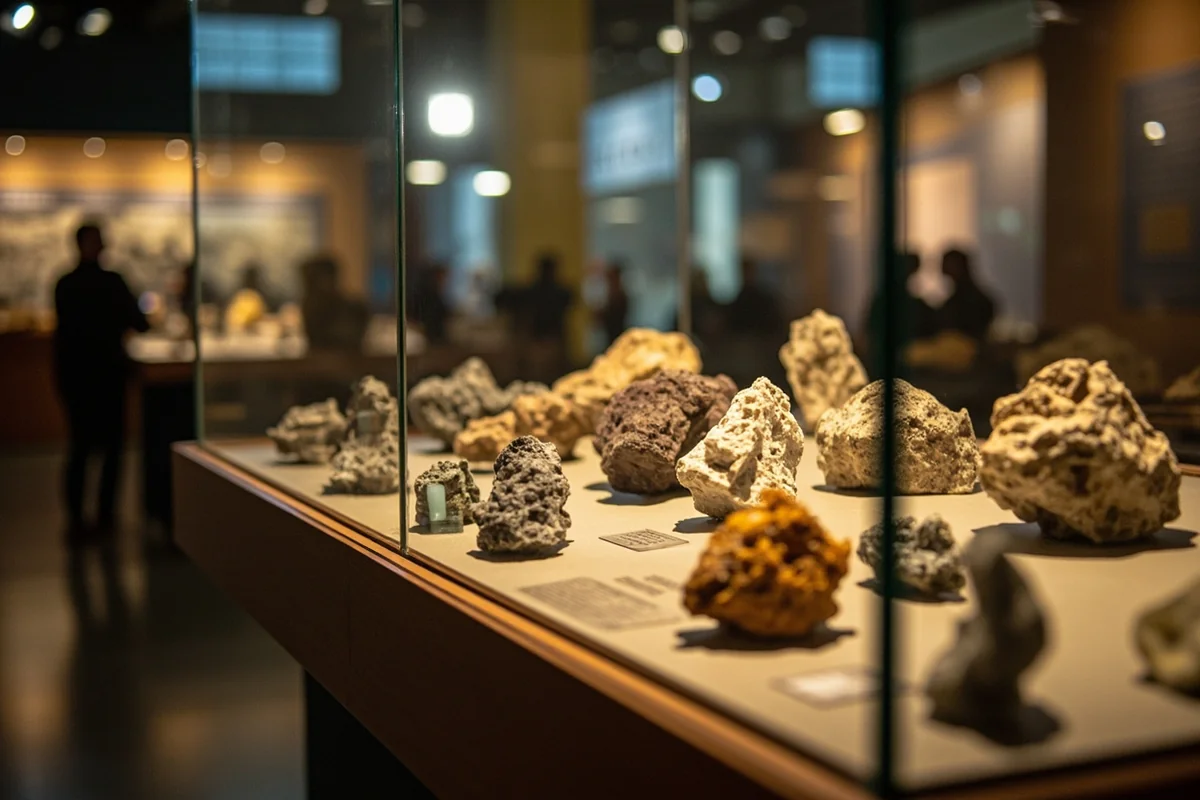
That modest classroom resource has grown, through more than a century of donations and public support, into a collection of approximately 13,000 specimens. Around 1,300 of those are on permanent public display today, spanning Montana geology, world minerals, and even a handful of meteorites.
The institution behind it changed names along the way — Montana School of Mines eventually became Montana Tech — but the museum’s original teaching mission never went away. It still functions as both a public attraction and an active resource for geology students on campus.
Gold Nuggets Worth Genuinely Stopping For
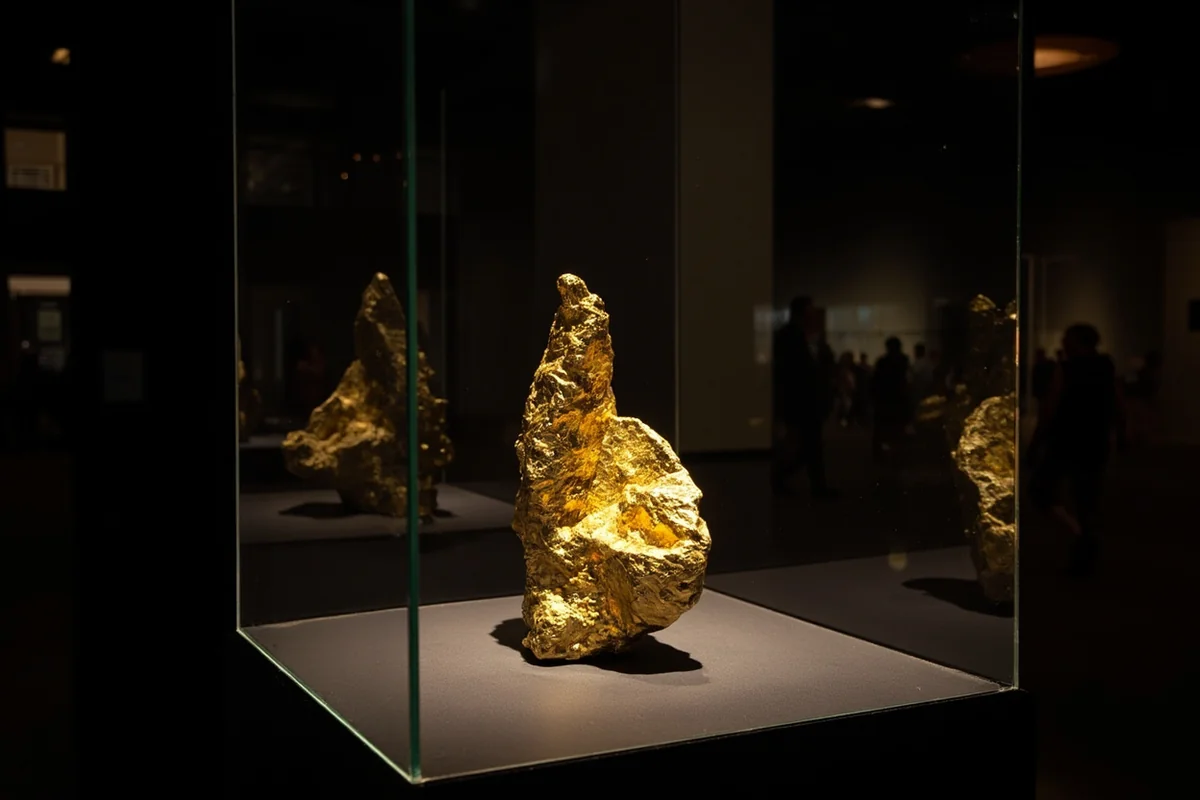
Two specific gold specimens here are worth building your visit around. A 27.5 troy ounce gold nugget, recovered from placer workings in the Highland Mountains south of Butte in 1989, sits on permanent display — a genuinely substantial chunk of Montana gold history you can walk right up to.
Separately, the museum holds the Centennial Gold Nugget, an ultra-pure specimen at roughly 97 percent gold, weighing around 28 ounces.
Seeing two nuggets of this scale in the same small museum, both tied directly to Montana ground rather than shipped in from elsewhere, is a genuinely rare experience for a free public museum.
A massive 400-pound smoky quartz crystal, also found locally, rounds out the collection’s most physically imposing pieces.
Montana’s Official Gemstones, On Display Together
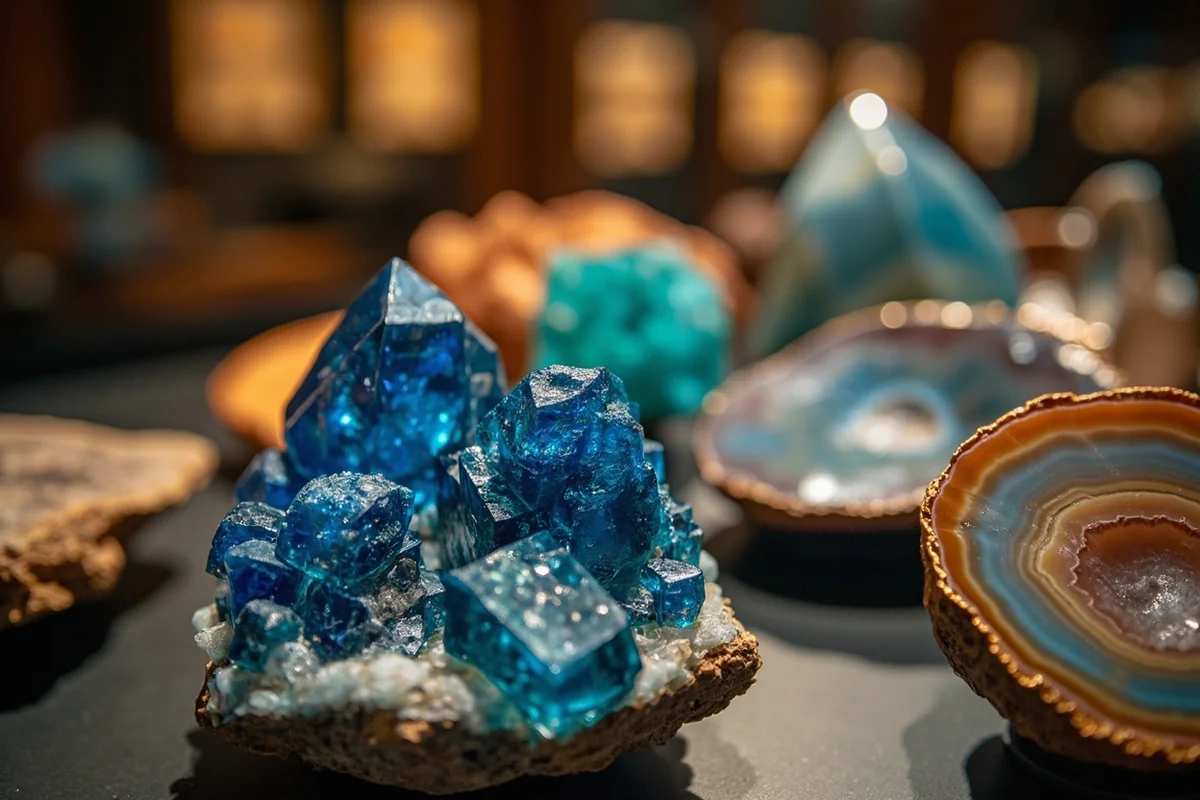
If you’re at all curious about Montana’s two official state gemstones, this is one of the few places you’ll see genuinely fine examples of both side by side.
Yogo sapphires — the deep, naturally vivid blue sapphires mined from Yogo Gulch — appear alongside beautifully polished Montana moss agate. Both are officially recognized state gemstones, and seeing quality specimens of each in one gallery gives you a real reference point before you go looking for your own in the field.
The museum also displays copper, zinc, and manganese ore specimens, the exact minerals that transformed Butte into the Richest Hill on Earth.
Standing in front of that ore, in a building perched on the hill overlooking Butte’s old mining district, connects the abstract mineral samples directly to the actual industrial history playing out just down the road.
If Yogo sapphire hunting or general Montana rockhounding interests you beyond just looking at specimens behind glass, museum curators and assistants are generally available to give visitors detailed advice on where to actually search in the surrounding area, along with any access restrictions worth knowing before you head out.
The Fluorescent Room and a Working Seismograph
Two exhibits here consistently surprise first-time visitors, and neither is what you’d expect from a standard mineral museum.
The Fluorescent Room takes ordinary, earth-toned mineral specimens and exposes them to ultraviolet light, revealing vivid pink, orange, and blue glows that aren’t visible under normal lighting at all. It’s a genuinely fun, almost theatrical moment in an otherwise academic collection, and reviewers consistently describe it as their favorite single exhibit in the building.
Less flashy but genuinely fascinating: the museum houses an Earthquake Studies Laboratory with real, operating seismographs on display.
This isn’t a static historical exhibit — it’s functioning scientific equipment, actively part of how Montana monitors its own seismic activity. If Montana’s earthquake history interests you, seeing actual working monitoring equipment adds a dimension a textbook description never could.
Meteorites and a Siberian Cave Bear
The collection’s range goes well beyond Montana rock and ore. Ten meteorites sit on display, including a substantial nickel-iron specimen recently found in Beaverhead County — genuine material from outside our planet, recovered from Montana ground.
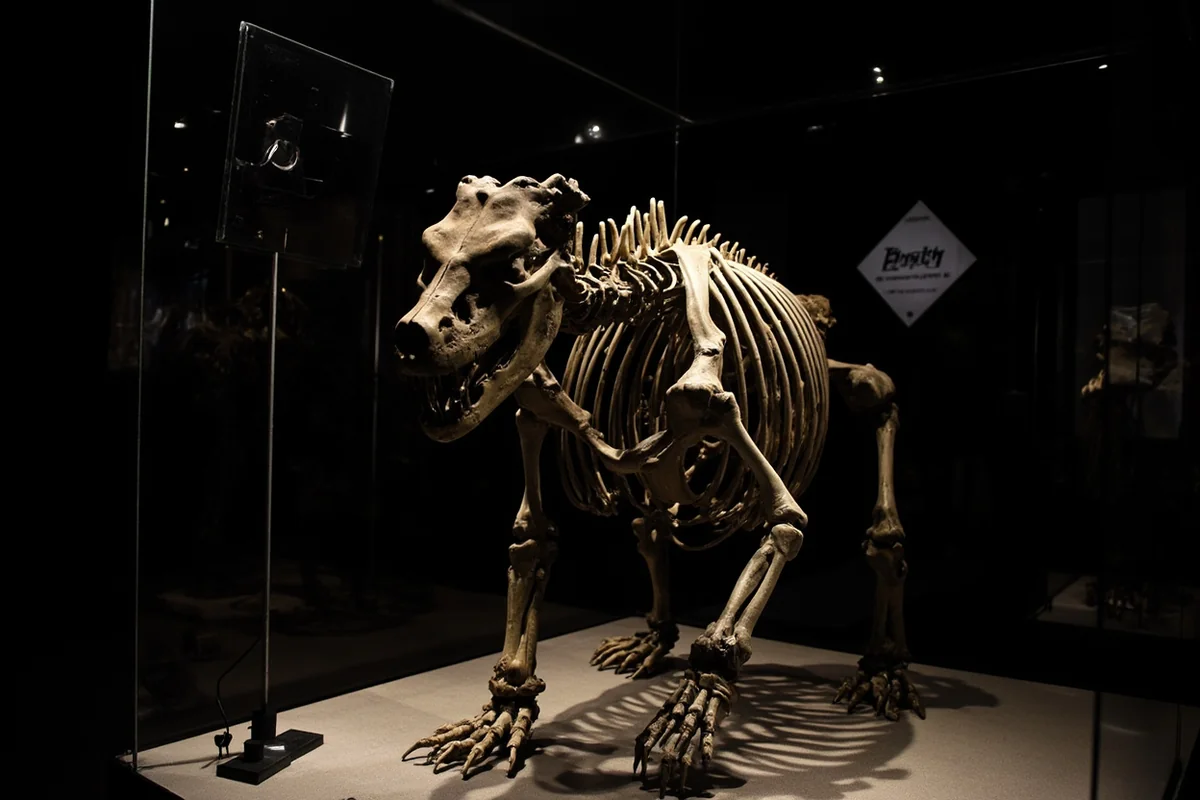
Then there’s Boris: a 60,000-year-old cave bear skeleton from Siberia, easily the most unexpected specimen in the building.
It’s not a mineral at all, but the museum displays it alongside its broader fossil collection from Montana and beyond, giving visitors a genuinely wide-ranging natural history experience well past what the “mineral museum” name alone suggests.
From One-Person Passion to Century-Long Institution
It’s worth knowing how directly this museum’s founding purpose still shapes it today. Montana Tech’s geology program and the Montana Bureau of Mines and Geology, which oversees the museum, treat it as genuinely active research and teaching infrastructure, not just a public display case.
Geology faculty regularly credit early exposure to collections like this one with pulling students into the field in the first place.
One Montana Tech geologist has been open about how formative visiting collections like this were to his own path into geology, describing the museum as at least partially responsible for his career — the kind of quiet, unglamorous influence a good regional museum can have that’s easy to overlook from the outside.
That teaching mission also explains why the collection keeps growing. Recent renovations at the museum focused specifically on preserving the existing geoheritage collection while expanding floor display space and improving the building for community events, rather than treating the space as finished or static. [verify current status of any ongoing renovation work before visiting]
Visiting With Kids
This museum tends to work well for kids with any curiosity about rocks, gems, or natural history, and the Fluorescent Room in particular is a reliable hit across age groups.
Watching ordinary-looking rocks suddenly glow under UV light is exactly the kind of visual, immediate payoff that holds young attention better than a wall of labeled specimens alone.
Boris the cave bear skeleton is another strong draw for kids, giving the visit a bit of the same appeal as a natural history museum dinosaur hall, just on a smaller, more intimate scale.
The genuine gold nuggets also tend to capture kids’ imagination in a way that’s hard to replicate with photographs or replicas.
Because admission is free, this is a genuinely low-stakes stop to build into a Butte day with children — if attention spans run short after twenty minutes, you haven’t lost anything by moving on to the next stop.
Frequently Asked Questions
Is this the same as the World Museum of Mining?
No — they’re separate institutions with different focuses. This museum, on the Montana Tech campus, centers on mineral and rock specimens themselves. The World Museum of Mining, a short drive away, centers on the actual mining operations, equipment, and mining-town history of Butte.
Do we need to pay for parking on campus?
Designated visitor parking is available on the southwest corner of campus, following posted signs from the main entrance. Confirm current campus parking policies if you’re visiting during the academic year, since some areas may require permits during school hours.
Is the museum accessible for visitors with mobility limitations?
Yes, elevator access is available between the Museum building and the adjacent Chemistry building, leading up to the second-floor gallery space.
Can we bring rocks or minerals we’ve found to have identified?
Museum staff and curators are generally knowledgeable and approachable about local geology, though I’d call ahead before assuming a formal identification service is available for casual visitors rather than assuming a walk-in appointment.
Most Butte travel content mentions this museum in a single line, if at all, overshadowed entirely by the nearby World Museum of Mining. A few specific gaps:
- The museum’s completely free admission rarely gets emphasized, even though it’s one of the better free stops in the entire state for anyone with any curiosity about geology.
- The rockhounding and sapphire-collecting advice from curators almost never gets mentioned, despite being genuinely useful, actionable local knowledge most visitors never think to ask about.
- The Earthquake Studies Laboratory gets skipped in most coverage, losing one of the more scientifically interesting parts of the collection.
- Boris the cave bear is rarely flagged, even though it’s exactly the kind of unexpected detail that makes a museum memorable.
- Being on a college campus creates real wayfinding confusion, and most guides don’t offer clear enough directions to actually find the building.
Personal Tips: What I Wish I Knew
- Follow the signs to the specific parking area on the southwest corner of campus, rather than trying to find street parking near the building itself.
- Budget an hour, more if the Fluorescent Room and Earthquake Lab genuinely interest you. More than one visitor has reported easily spending two hours here once they actually started looking closely.
- Ask staff about rockhounding opportunities while you’re there. This is genuinely one of the best free sources of local geology advice in the state, and it’s easy to miss if you just walk through the galleries without asking.
- Pair this with the World Museum of Mining on the same Butte day. One shows you the minerals themselves; the other shows you the actual mine yard and mining town those minerals came out of.
- Check current hours carefully — they shift by season. Summer and off-season hours differ enough that showing up expecting the wrong schedule could mean a locked door.
How This Fits a Butte Visit
Butte doesn’t pull the tourist crowds of Bozeman or Missoula, and that works entirely in this museum’s favor — you can spend real, unhurried time with the collection even during peak summer travel season.
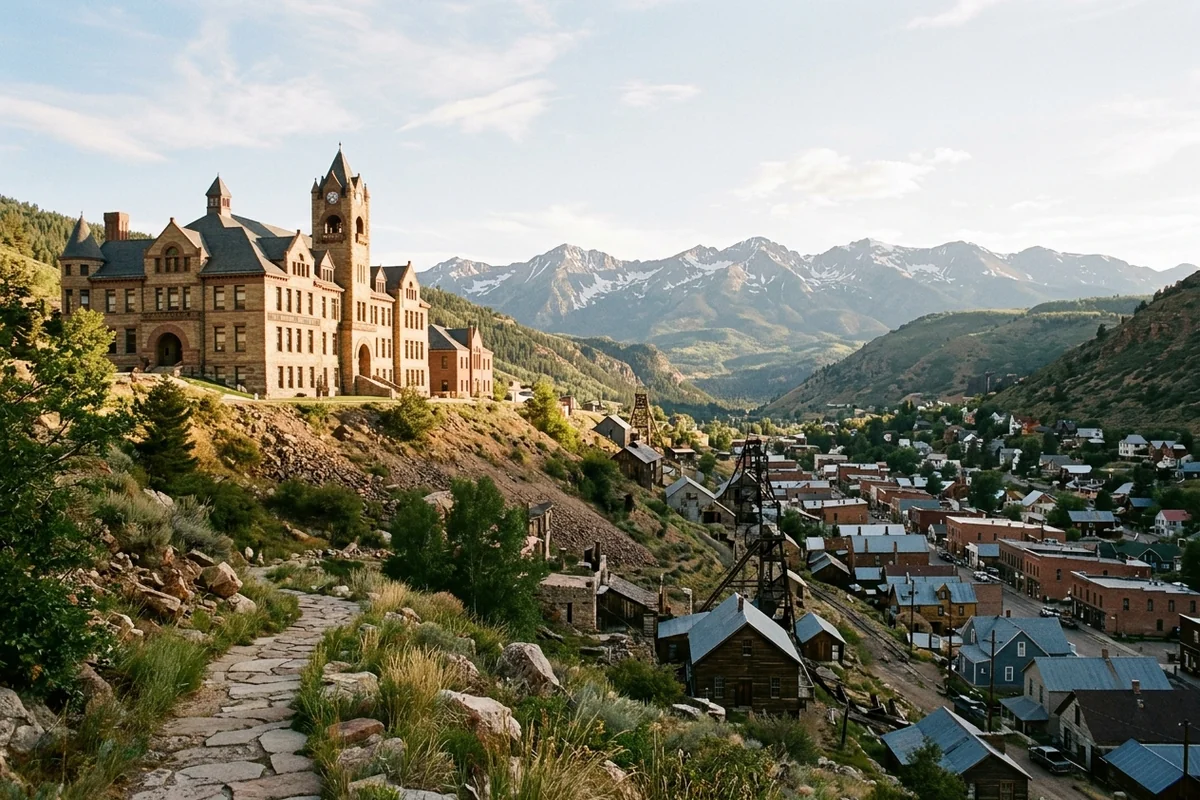
The museum sits on the Montana Tech campus, a short drive up the hill from downtown Butte and genuinely easy to combine with the rest of a Butte mining-history day. Pairing this with the World Museum of Mining gives you both the geological and the industrial side of Butte’s mining story in the same afternoon.
Our Butte things-to-do guide covers the rest of what’s worth seeing in town, and if gemstone hunting is part of your broader Montana trip, our Montana gemstone mining guide covers where else in the state to look. Our Montana museums guide maps how this stop fits into the state’s wider museum landscape.
Practical Info
| Address | 1300 W Park St, Butte, MT 59701 |
| Phone | (406) 496-4414 |
| Summer hours (June 15–Aug 15) | Tuesday–Saturday, 9 a.m.–4 p.m. |
| Rest of year (Aug 16–June 14) | Monday–Friday, 9 a.m.–4 p.m. [verify current hours, as some sources list slightly different seasonal windows] |
| Admission | Free; donations appreciated |
| Time needed | 1–2 hours |
| Good for | Rockhounds, geology enthusiasts, families, budget-conscious travelers |
| Nearby pairing | World Museum of Mining, rest of our Butte guide |
Final Thoughts
MBMG Mineral Museum is proof that some of Montana’s best free attractions hide in plain sight on a college campus most visitors drive right past.
A 28-ounce gold nugget, glowing fluorescent rocks, working seismographs, and a Siberian cave bear skeleton all sit inside one modest building overlooking the Richest Hill on Earth, and none of it will cost you anything to see.
I think what stays with visitors longest isn’t any single specimen, impressive as the gold nuggets are — it’s the realization that this entire collection started with 200 rocks gathered for a handful of mining students in 1901, and grew, piece by donated piece, into something genuinely worth a dedicated stop on your Montana itinerary.
Pin this for your Butte trip planning, and don’t skip the Fluorescent Room. If you’ve asked staff about local rockhounding spots and found something worth digging for, I’d love to hear about it in the comments.