A one-room schoolhouse in a town most people drive past on I-15 has hosted traveling exhibits from the actual Smithsonian Institution. That’s not the kind of thing you expect from a county museum with a population base this small.
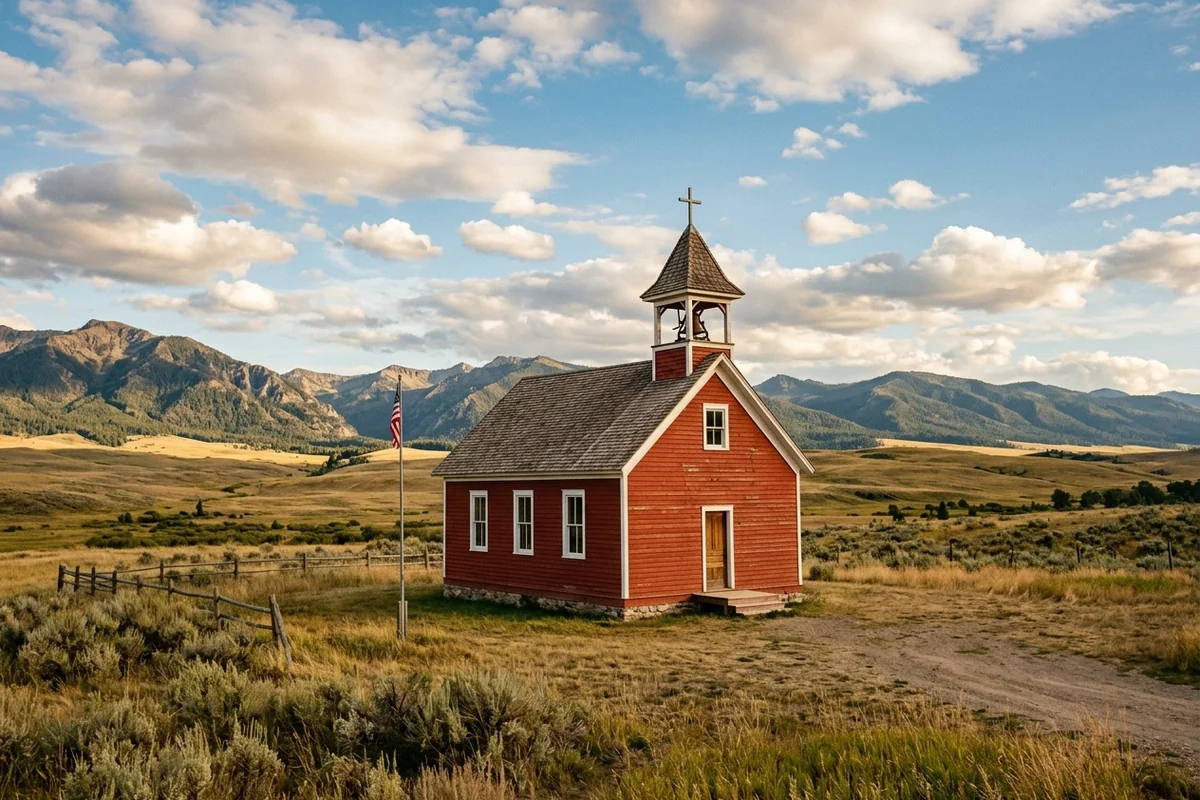
- Jefferson County Museum occupies the Old Red Schoolhouse in Clancy, built in 1898 and used as an actual school until it closed and was restored as a museum around 2000
- Two galleries cover permanent Jefferson County history — mining, ranching, and railroading — alongside rotating traveling exhibits that have included material from the Smithsonian Institution
- On-site genealogy resources include Ancestry.com and Newspapers.com access, plus digitized local newspapers dating back to 1885
- Jefferson County has at least three separate “Jefferson”-named history institutions, so it’s worth knowing which one you’re actually headed to
- This is one of the best museums in Montana that most I-15 road-trippers drive straight past without realizing it’s there
Liked this article?
Add Roaming Montana as a preferred source so you see more of our articles and guides on Google.
A Schoolhouse That Outlasted Its Original Purpose
The building itself has a genuinely long institutional history before it ever became a museum. Built in 1898, the Old Red Schoolhouse welcomed its first class of Clancy students in 1899 and continued serving the community as an actual working school for generations afterward.
When the school eventually closed, rather than let the building sit empty or face demolition, the community restored it and reopened it as the Jefferson County Museum around 2000.
That transition — real schoolhouse to real museum — happened because of sustained volunteer commitment rather than any large institutional funding push.
One name deserves specific mention here: Sherry Carlson has served continuously as a museum trustee since it first opened, a genuinely rare kind of long-term volunteer dedication that keeps small county museums like this one running decade after decade.
Two Galleries: Permanent History and a Rotating Surprise
The museum’s exhibit space splits into two distinct galleries, and each serves a genuinely different purpose.
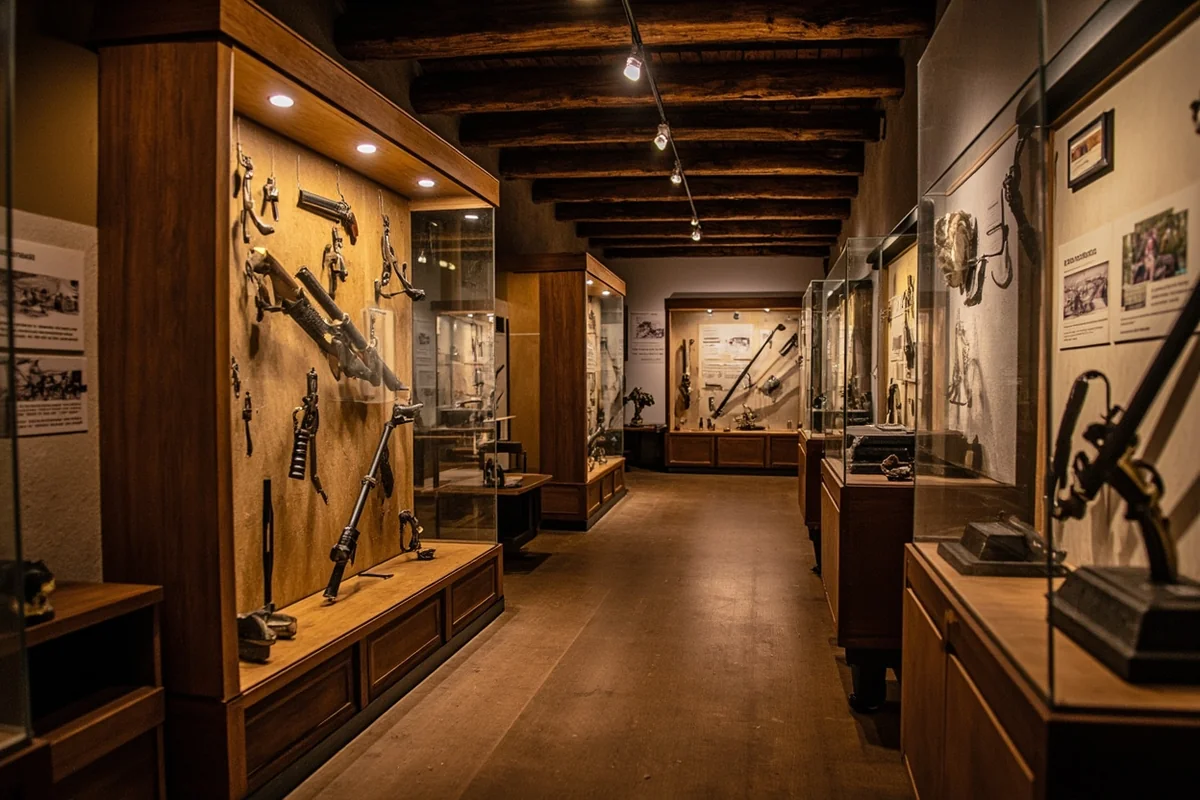
The first gallery holds Jefferson County’s core permanent history — mining, ranching, and railroading exhibits tracing the industries that actually built the county through the 19th century and beyond. Given the region’s mining-heavy identity, expect real depth here rather than a surface-level pioneer-life overview.
The second gallery is where this museum genuinely surprises people. Rather than sticking to purely local rotating content, it’s hosted traveling exhibits from the Montana Outfitters and Guides Association, the National Architectural Museum, local artists, and — most notably — the Smithsonian Institution.
Having genuine Smithsonian-affiliated traveling exhibit content pass through a converted one-room schoolhouse in a town this size is a real point of distinction most visitors never expect going in.
Train Wrecks, Wedding Gowns, and Genuinely Specific Exhibits
Beyond the two core galleries, the museum’s exhibit history reveals a genuinely eclectic range of specific themes that go well past a generic “county history” framing.
Past and rotating exhibits have covered vintage wedding gowns and early Jefferson County marriages, a display called “Hope in Hard Times,” the region’s railroad history — including material on the county’s more dramatic train wrecks — Native Peoples of Montana, ranching heritage, homestead-era hardship, and an ongoing “Jeffco Brands” collection of historic cattle brands.
That level of specificity is exactly what separates a genuinely well-curated small museum from a generic “artifacts in glass cases” experience. A dedicated train wreck exhibit, in particular, is the kind of oddly specific niche topic that sticks with visitors longer than a broad railroad-history overview would.
Genealogy Resources Most Small Museums Don’t Offer
This is a genuinely underrated part of the museum, and it’s worth knowing about before your visit even if history museums aren’t usually your thing.
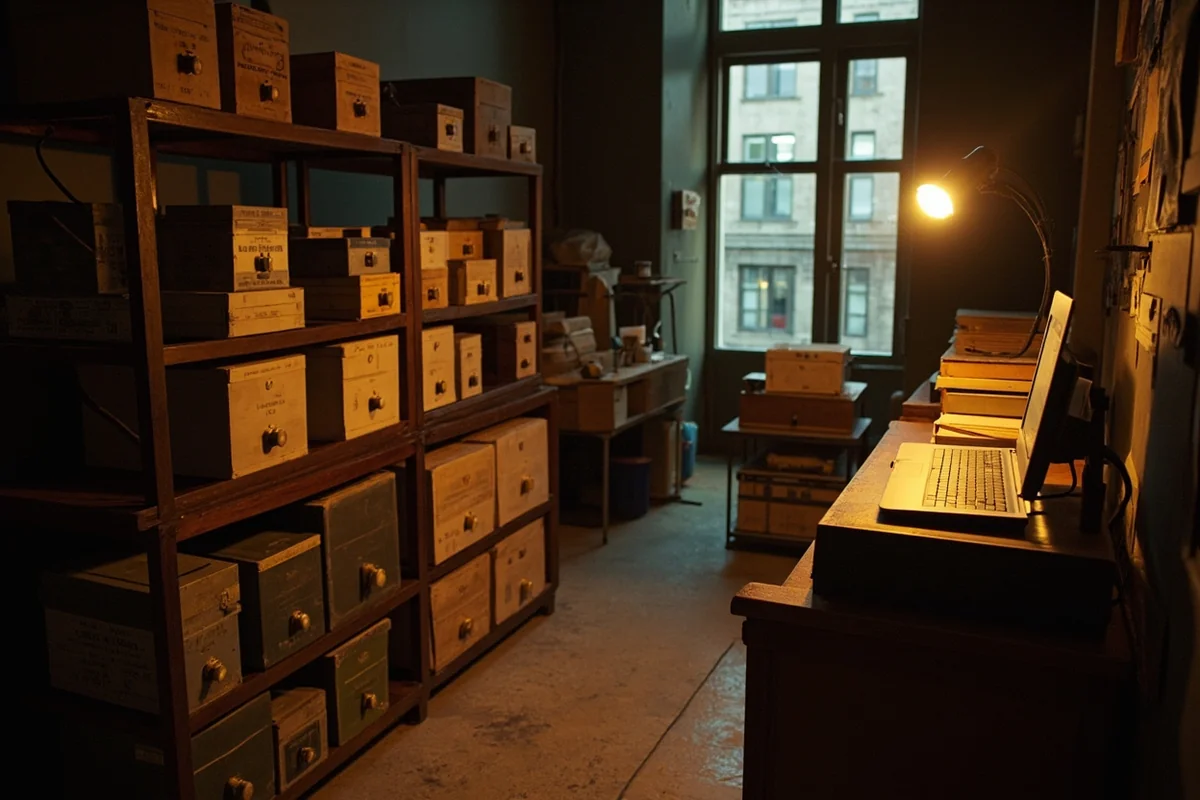
The museum provides on-site access to Ancestry.com and Newspapers.com, available to visitors who simply ask staff for the current password. That’s a real, modern research resource that a lot of larger, better-funded museums don’t offer directly on-site.
Beyond that, digitized editions of Jefferson County newspapers dating from 1885 through 1925 are available to browse online through the museum’s own resources, and the full collection of artifacts, documents, and photographs is searchable through an online database called PastPerfect — meaning you can actually research the collection before you ever set foot in Clancy.
Don’t Confuse This With the Other Jefferson Museums
Here’s a genuinely important clarification before you plan your Jefferson County museum visit, because there isn’t just one option, and the names overlap in a way that trips people up.
Jefferson County Museum, covered in this guide, sits in Clancy. A separate institution, the Jefferson Valley Museum, operates in Whitehall, housed across two historic buildings and covering the same broad Jefferson Valley region from a different town’s perspective.
And in the county seat of Boulder, the Jefferson County Heritage Center is restoring the town’s original 1888 bank building, working toward becoming Boulder’s own first dedicated historical museum.
Three different organizations, three different towns, all built around telling Jefferson County’s story. If you’re planning a museum-focused day in this part of Southwest Montana, it’s worth deciding ahead of time which one — or how many — you actually want to visit, rather than assuming they’re all the same stop.
The Mining Towns That Fed This Museum’s Collection
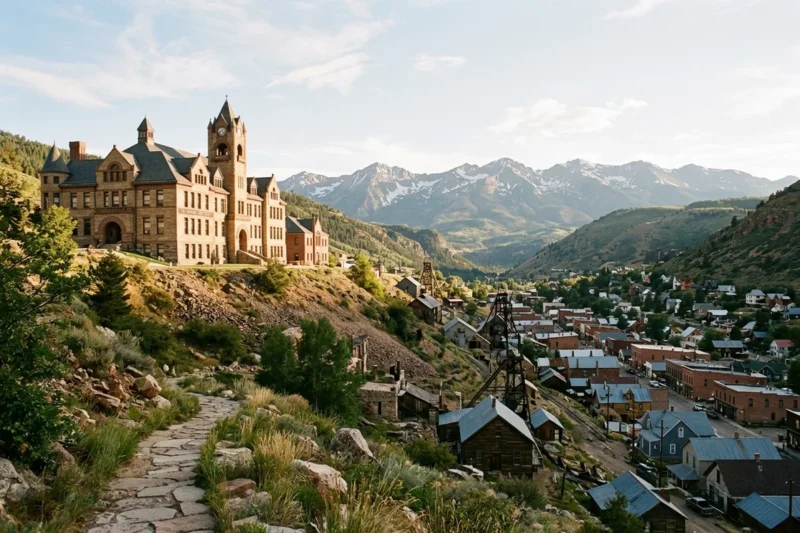
Understanding the broader Jefferson County mining landscape adds real context to what you’ll see inside the museum, because so much of the collection traces back to specific, now-vanished communities.
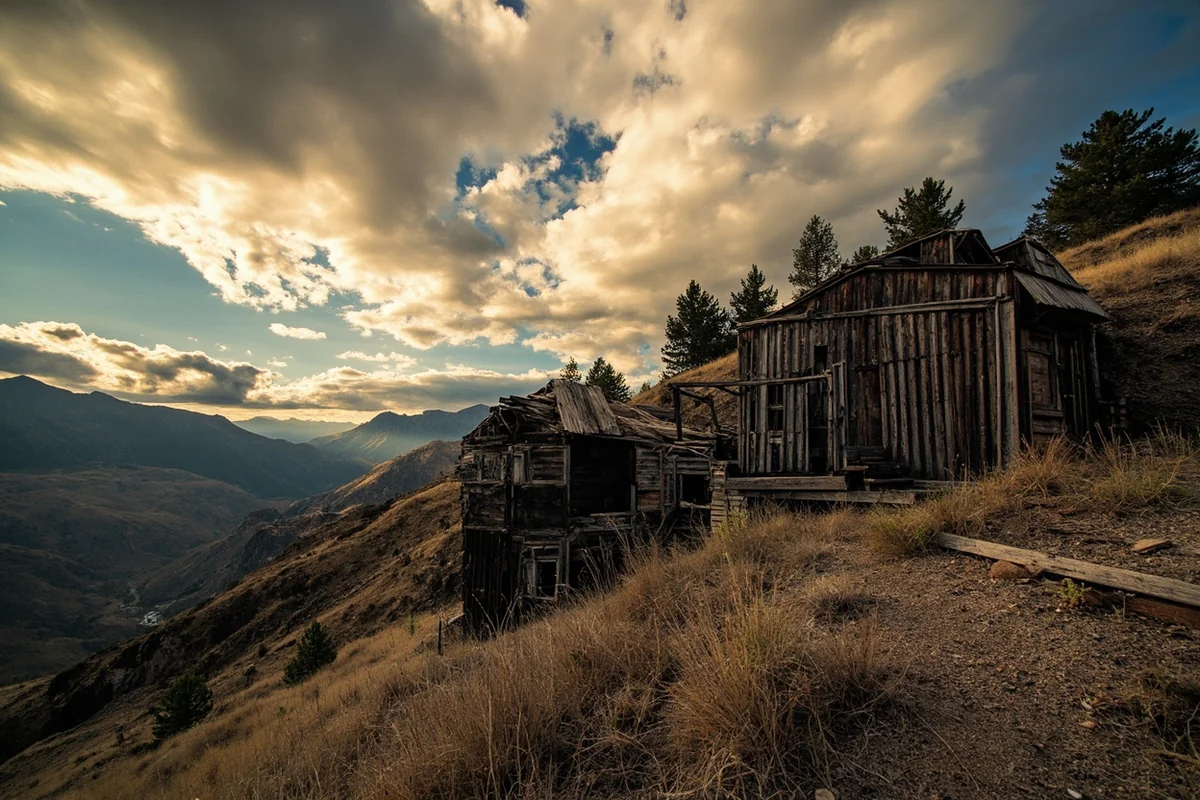
Comet, once home to an active mine, a large processing mill, and reportedly 22 saloons at its peak, sits privately owned today but remains open to public visits. Elkhorn, another former mining community in the county, similarly traces the same boom-and-bust pattern that defined so much of Southwest Montana’s late-1800s economy.
The museum’s mining exhibits and its “Basin & Comet” and “Boulder & Elkhorn” collection categories draw directly on artifacts and photographs from these specific communities, giving you names and faces behind the general mining-history narrative.
That connection between the museum’s indoor exhibits and the actual physical ghost towns still standing nearby is part of what makes a Jefferson County visit worth extending beyond just the museum itself. You’re not just reading about abstract “mining history” — you can drive to the actual places the artifacts came from.
Visiting With Kids
The museum offers children’s activities as part of its regular visitor services, and the schoolhouse setting itself gives kids a genuinely tangible sense of what a one-room education actually looked like generations ago — a good conversation starter for comparing historic and modern schooling.
The train wreck exhibits and mining artifacts tend to hold attention well for kids with any interest in trains or machinery, while the vintage wedding gown displays offer a different, more personal angle on local history that can spark good questions about how daily life and traditions have changed over generations.
Given the museum’s compact, manageable size across just two galleries, this works well as a shorter family stop, especially if you’re combining it with time outdoors at one of Jefferson County’s nearby natural attractions, like Tizer Botanical Gardens or the chiming rock formations found near Butte.
Frequently Asked Questions
Is this the same as the Jefferson Valley Museum in Whitehall?
No — they’re separate institutions in different towns, both covering aspects of the broader Jefferson Valley and Jefferson County region. Confirm which one you’re headed to before you set your directions.
Is the museum wheelchair accessible?
Yes, the museum is listed as handicapped accessible, a genuine plus for a converted 1898 schoolhouse building.
Can we access the genealogy tools without a museum visit?
The Ancestry.com and Newspapers.com access requires an on-site password from staff, so you’ll need to visit in person or contact the museum directly to arrange access. The digitized 1885–1925 newspaper collection and the PastPerfect artifact database, however, are both browsable online without visiting in person.
Is there parking available?
Yes, on-site parking is available, along with public restrooms and free wireless internet access.
How does this compare to other small Southwest Montana county museums, like Granite County Museum?
Both are genuinely strong small-town museums with real depth, but this one’s specific strength is its rotating traveling-exhibit gallery and genealogy resources, while Granite County Museum leans more heavily into its immersive recreated underground mining experience. Both are worth the stop if your route allows for it.
- The Smithsonian traveling exhibit connection rarely gets mentioned, despite being a genuinely remarkable credential for a museum this small.
- The genealogy and newspaper archive resources almost never come up, even though they’re a real, practical draw for anyone researching Jefferson County family history.
- The three-museum naming confusion causes genuine visitor mix-ups, and most generic listings don’t clarify which “Jefferson” museum they’re actually describing.
- The train wreck and vintage wedding gown exhibits get flattened into generic “local history” language, losing the specific, memorable detail that makes this collection interesting.
Personal Tips: What I Wish I Knew
- Take the Clancy exit off I-15 and follow the posted museum signs. It’s an easy stop if you’re already on the interstate, not a major detour.
- Ask staff about the current password for Ancestry.com and Newspapers.com access if you’re doing any family history research — it’s not something you’ll find advertised prominently, but it’s genuinely available.
- Check which rotating exhibit is currently on display before you visit if a specific theme interests you, since the second gallery’s content changes throughout the year.
- Confirm which “Jefferson” museum you’re headed to. If Clancy’s Old Red Schoolhouse is your destination, make sure you’re not accidentally driving to Whitehall or Boulder instead.
- Pair this with the region’s broader attractions. Jefferson County holds a genuinely unusual mix of stops nearby, from Boulder Hot Springs to Comet, a former mining town that once had 22 saloons and is now open to public visits.
How This Fits a Southwest Montana Road Trip
Jefferson County packs a surprising amount of variety into a relatively compact stretch of Southwest Montana, and this museum works well as a cultural anchor for a broader day exploring the area.
If mining history interests you beyond this museum’s exhibits, pairing it with World Museum of Mining in Butte or Granite County Museum in Philipsburg rounds out a fuller regional mining-history loop.
If you’re also researching how ranching and railroads shaped this stretch of Montana more broadly, our Grant-Kohrs Ranch guide covers a related piece of that same economic history a bit further west.
The area’s genuinely unusual attractions — the Free Enterprise and Merry Widow health mines, where visitors seek relief from various ailments through naturally occurring radon exposure, Comet’s ghost town remnants, and Lewis and Clark Caverns State Park — are all within a reasonable drive if you’re spending a full day in the county.
Boulder Hot Springs, a historic soaking destination in the county seat, rounds out a genuinely relaxing way to close out a day of museum-hopping. Our Montana museums guide maps how this stop connects to the state’s wider museum landscape.
Practical Info
| Address | 5 North Main Street, Clancy, MT 59634 |
| Phone | (406) 224-5106 |
| Directions | Take the Clancy exit off I-15, follow museum signs |
| Hours | [verify current hours at jeffersoncountymuseum.com] |
| Admission | [verify current pricing] |
| Time needed | 1–1.5 hours |
| Good for | History enthusiasts, genealogy researchers, families, road trippers on I-15 |
| Nearby pairing | Boulder Hot Springs, Comet ghost town, Lewis and Clark Caverns State Park |
Final Thoughts
Jefferson County Museum proves that a converted one-room schoolhouse in a small I-15 town can genuinely punch above its size.
Between real Smithsonian-affiliated traveling exhibits, on-site genealogy tools most small museums don’t bother offering, and specifically memorable displays like historic train wrecks and vintage wedding gowns, this is a far deeper stop than its modest footprint suggests.
I keep coming back to how much of this museum’s character depends on genuinely long-serving volunteers rather than paid institutional staff.
A schoolhouse that once taught Clancy’s children now teaches its visitors, kept running for over two decades by people who simply decided this history was worth the ongoing effort to preserve.
Pin this for your Southwest Montana trip planning, and double-check which Jefferson museum you’re actually headed to before you set your GPS. If you’ve done genealogy research using the museum’s on-site tools, I’d love to hear what you uncovered in the comments.