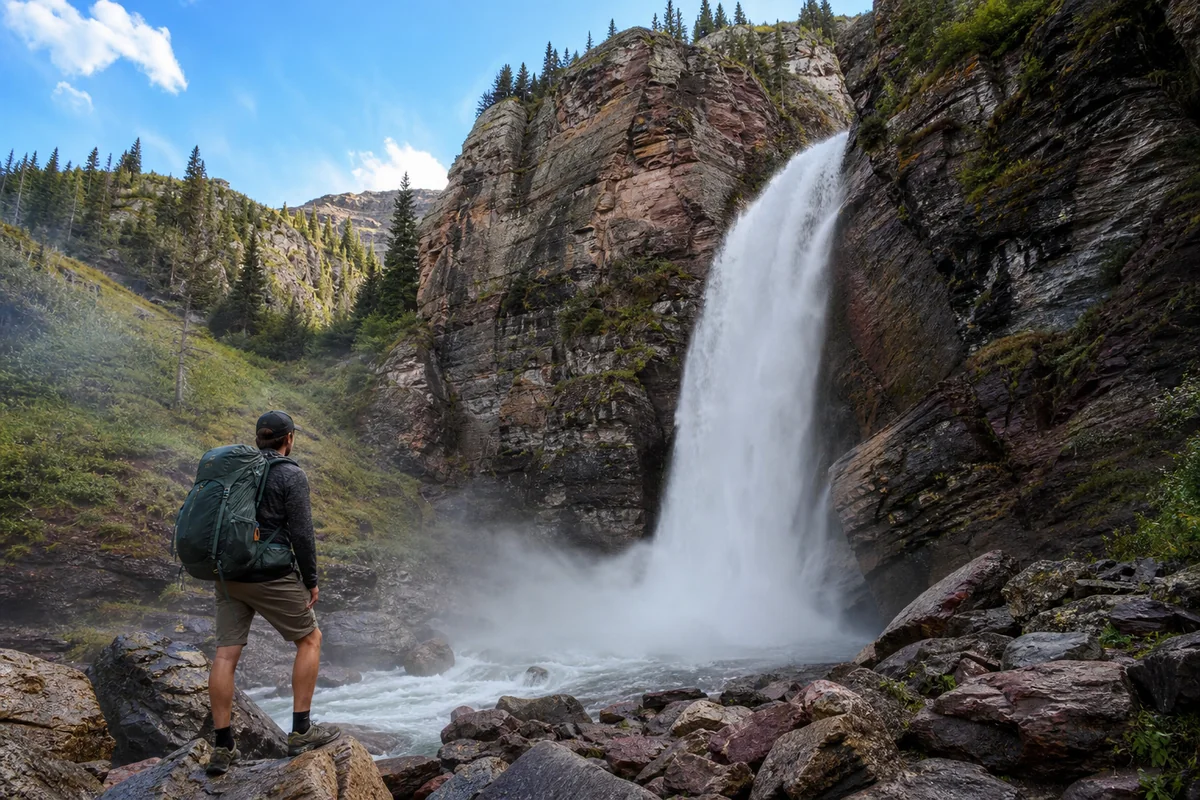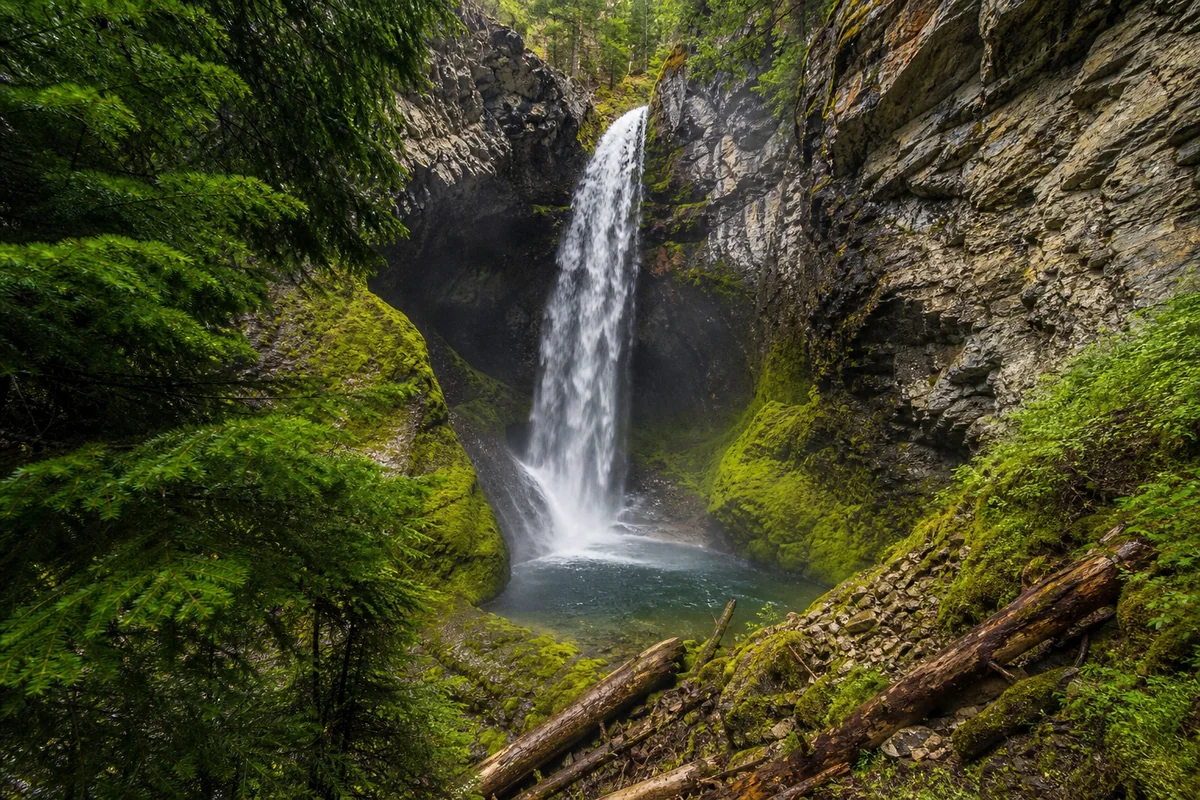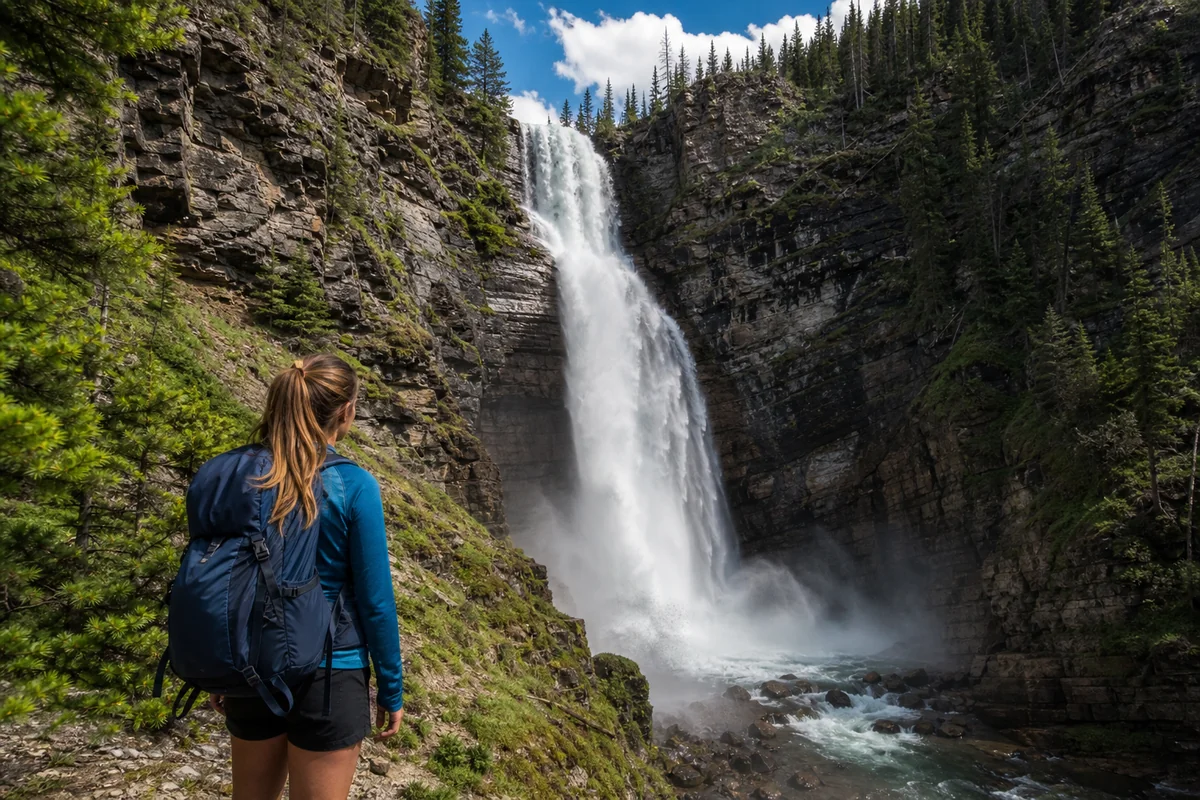
The morning I finally spotted Knowles Falls, I had been hiking through the Black Canyon of the Yellowstone for nearly three hours, and the roar of crashing water had been teasing me for the last mile.
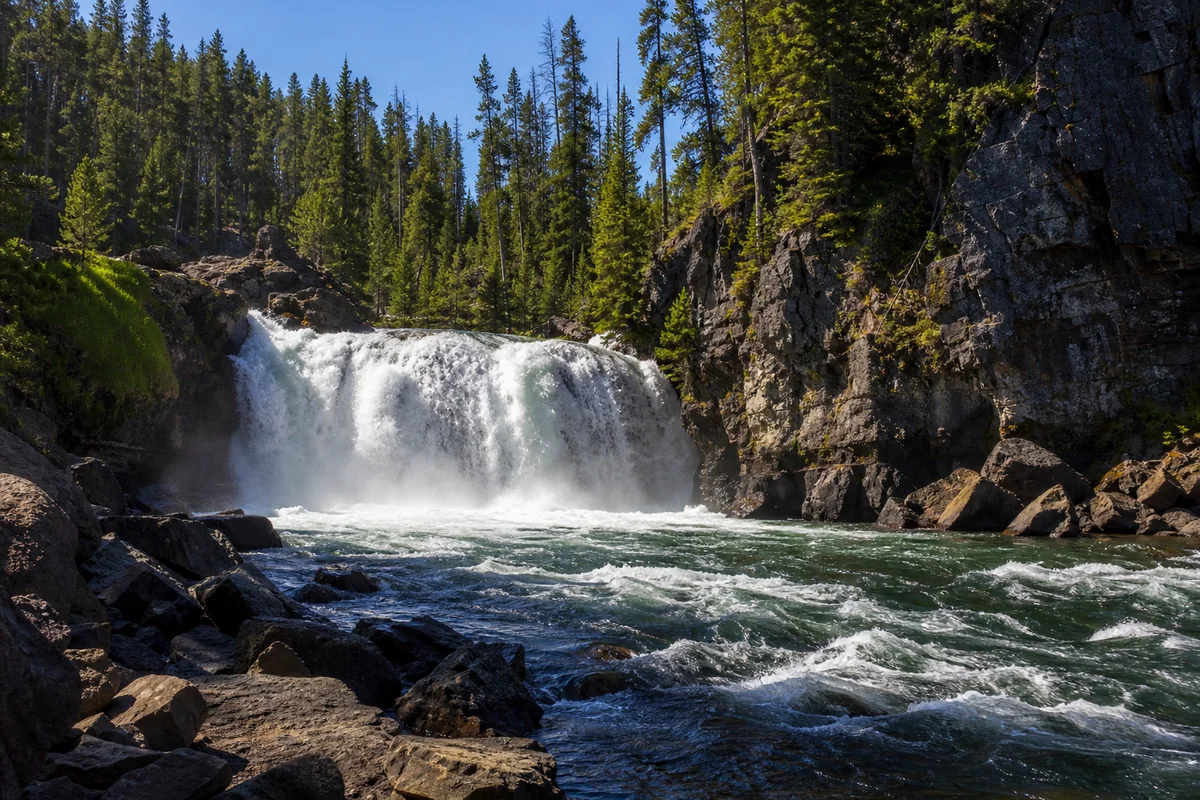
When the trail finally opened up to reveal this powerful 15-foot cascade thundering into the wild Yellowstone River, I understood immediately why seasoned backcountry hikers consider this one of Montana’s most rewarding waterfalls to visit.
This isn’t a roadside attraction—it’s a genuine wilderness experience that demands effort but delivers tenfold.
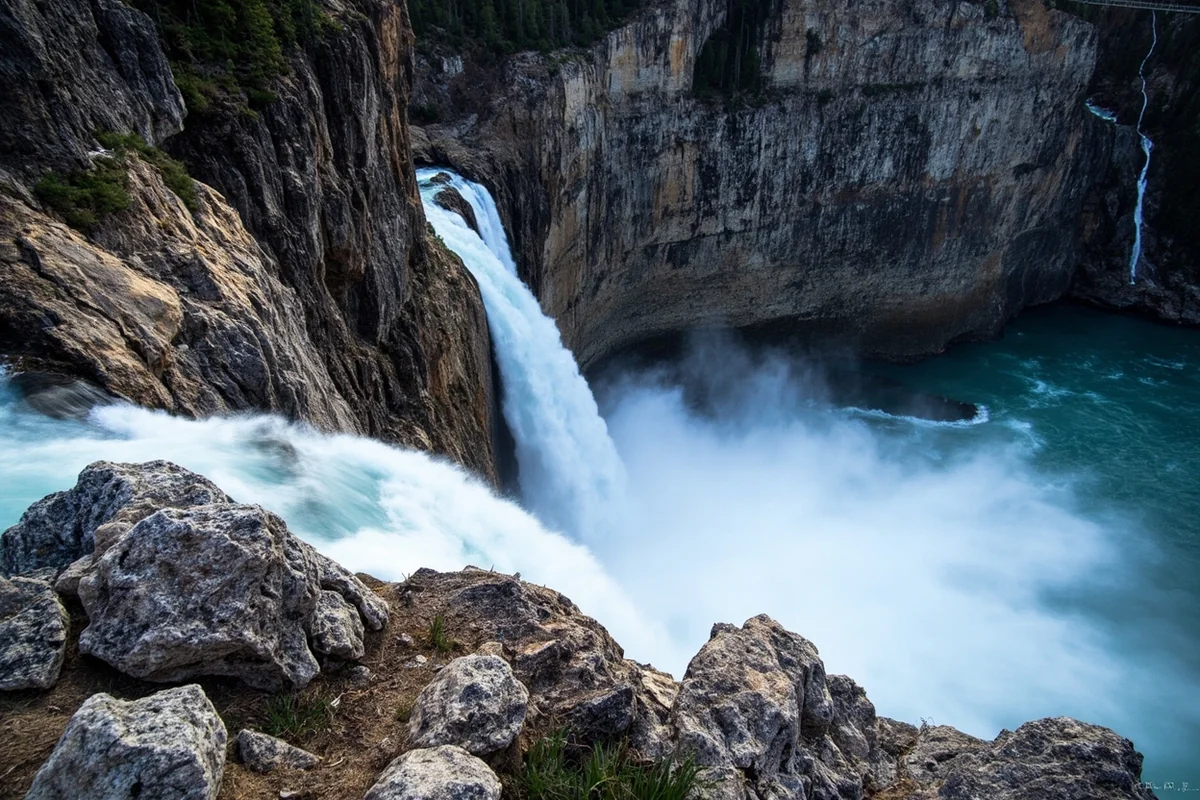
- Knowles Falls is a 15-foot waterfall on the Yellowstone River in the Black Canyon, accessible via the Blacktail Creek Trail or Yellowstone River Trail
- Expect a 9-10 mile round-trip hike with 1,400+ feet of elevation change—this is not a beginner trail
- Best visited June through September when trail conditions are optimal and river levels showcase the falls at their most powerful
- Backcountry permit required for overnight camping; day hiking doesn’t require permits but register at trailheads
- Wildlife encounters (bears, elk, bison) are common—carry bear spray and know how to use it
- The falls sit in a remote section of Yellowstone National Park’s Montana portion, far from the crowds
Liked this article?
Add Roaming Montana as a preferred source so you see more of our articles and guides on Google.
Why Knowles Falls Deserves a Spot on Your Montana Itinerary
Let me be honest with you: Knowles Falls isn’t going to win any height competitions. At roughly 15 feet, it’s modest compared to showstoppers like Morrell Falls or even Kootenai Falls in northwestern Montana.
But here’s what makes Knowles Falls special—the experience of getting there and the raw, untouched setting you’ll find. During my last summer visit, I encountered exactly two other hiking parties over the entire day. Compare that to the hundreds of tourists cramming onto boardwalks at Upper Falls in Yellowstone Canyon.
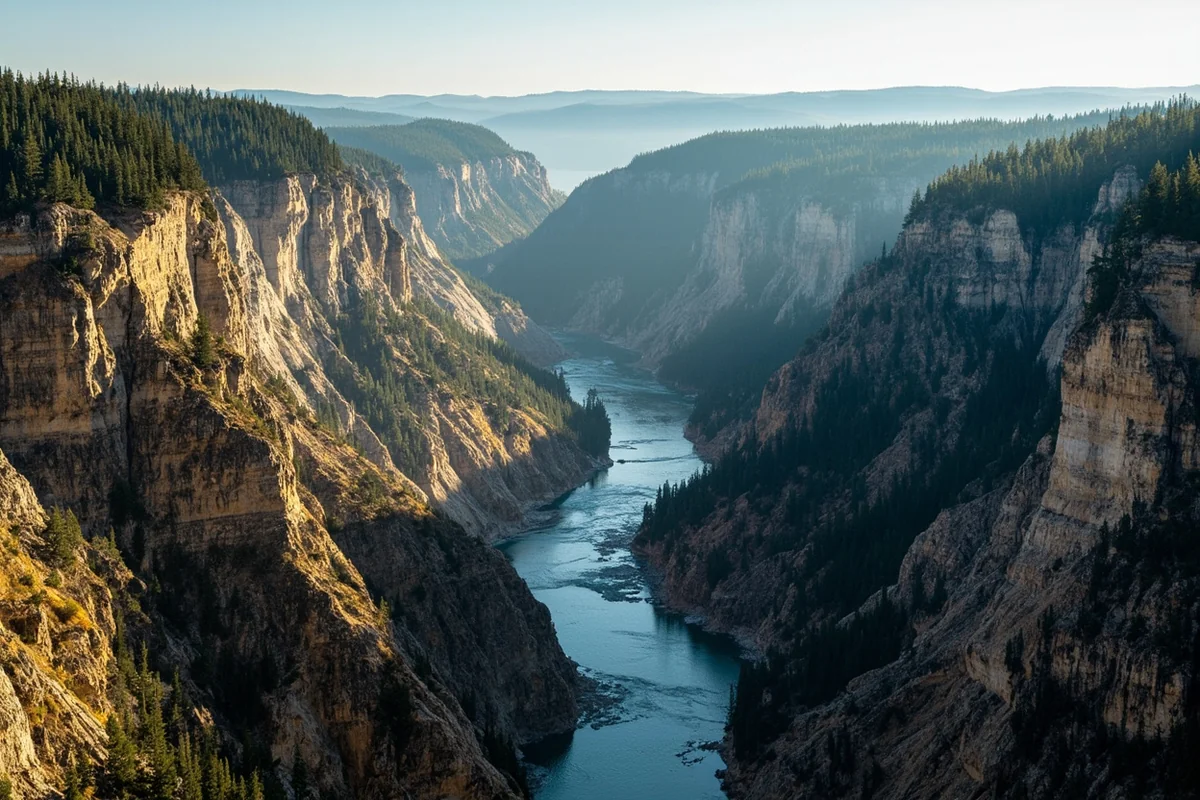
The falls drop into a section of the Yellowstone River that feels genuinely wild. The Black Canyon earned its name from the dark volcanic rock walls that tower above the river, and when you’re standing at Knowles Falls, you feel like you’ve stepped back into a pre-tourism Montana.
Getting Your Bearings: Where Exactly Is Knowles Falls?
Knowles Falls sits in the northern section of Yellowstone National Park, in the portion that technically extends into Montana. The falls mark a point along the Yellowstone River as it flows through the Black Canyon, downstream from Tower Fall and upstream from the park’s northern boundary near Gardiner, Montana.
The nearest recognizable landmark is the Blacktail Deer Plateau, which many visitors drive across on the Grand Loop Road between Mammoth Hot Springs and Tower Junction. From that plateau, you’ll descend dramatically into the canyon to reach the falls.
I think the geography here is important to understand before you go. The Black Canyon is a transition zone where the Yellowstone River drops roughly 1,000 feet in elevation over about 15 miles. This creates a series of rapids, cascades, and yes—waterfalls like Knowles Falls that punctuate the river’s descent.
Practical Location Details
| Detail | Information |
|---|---|
| Park Section | Northern Yellowstone (Montana portion) |
| Nearest Town | Gardiner, MT (approx. 15 miles by trail) |
| Nearest Park Entrance | North Entrance (Gardiner) |
| GPS Coordinates | Approximately 44.9847° N, 110.5106° W |
| Elevation at Falls | Approximately 5,800 feet |
| River Mile | Yellowstone River Mile 17 (from Gardiner) |
Trail Options: How to Actually Reach Knowles Falls
There are two primary routes to Knowles Falls, and your choice depends on your fitness level, time constraints, and whether you’re planning a day hike or overnight backpacking trip.
During my recent trip, I used the Blacktail Creek Trail and found it to be the more manageable option for a day hike.
Option 1: Blacktail Creek Trail (My Recommended Day Hike)
The Blacktail Creek Trailhead sits right off the Grand Loop Road, about 7 miles east of Mammoth Hot Springs. Parking is limited—maybe 8-10 vehicles—so I arrived before 8 AM on a July morning and had my pick of spots.
From the trailhead, the path descends through open sagebrush meadows before dropping into the Blacktail Creek drainage.
This descent is the part that’ll make your knees talk to you on the way back up. Over roughly 4.5 miles, you’ll lose about 1,100 feet of elevation as you work your way down to the Yellowstone River.
When the trail reaches the river, you’ll connect with the Yellowstone River Trail. Turn right (downstream) and follow the river for approximately half a mile to reach Knowles Falls.
Total distance: 9-10 miles round trip
Elevation change: Approximately 1,400 feet
Estimated time: 5-7 hours for fit hikers
Option 2: Yellowstone River Trail from Hellroaring Creek
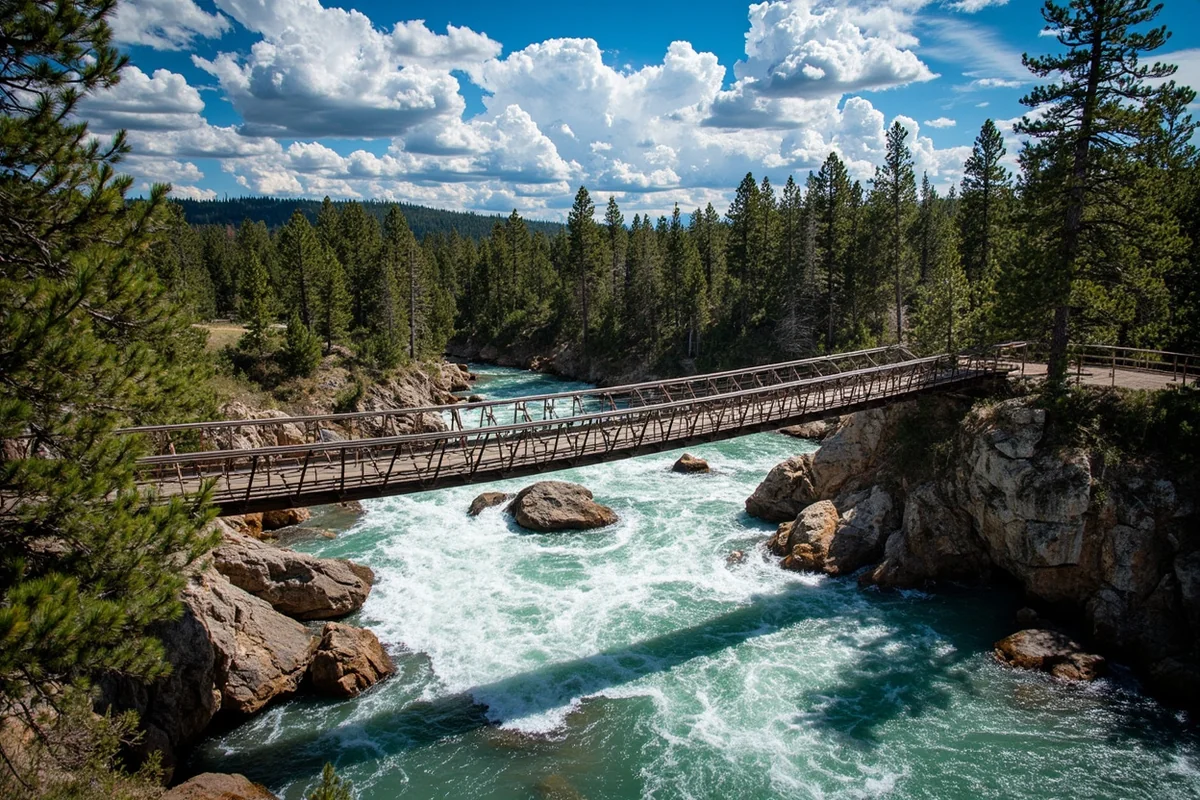
For a more ambitious route, you can access Knowles Falls via the Hellroaring Creek Trailhead, located about 3.5 miles west of Tower Junction. This approach requires crossing the Yellowstone River on a suspension bridge—which is an adventure in itself—and then hiking upstream along the river corridor.
I’ve done this route as an overnight trip, camping at one of the designated backcountry sites near Knowles Falls. The advantage is that you get more time at the falls and can explore the surrounding canyon without the pressure of a return hike before dark.
**Total distance:** Varies (10-14 miles depending on exact campsite)
**Elevation change:** 1,400+ feet
**Permit required:** Yes, for overnight camping
What to Expect at Knowles Falls: My Honest Assessment
When I reached Knowles Falls last summer, the first thing that struck me was the sound. The Black Canyon amplifies the roar of falling water, and you’ll hear the falls well before you see them. The acoustics of this narrow river corridor create an almost surround-sound experience.
The falls themselves drop approximately 15 feet over a series of ledges, creating more of a powerful cascade than a single vertical plunge. During my July visit, the water was still running high from late snowmelt, and the spray zone extended a good 30 feet from the base of the falls.
What I found most impressive was the setting. The Yellowstone River above the falls widens into a relatively calm pool, then funnels into a narrow chute before dropping over the cascade.
Below the falls, the river immediately enters another series of rapids. The contrast between calm water, violent falls, and churning whitewater all within a few hundred feet is genuinely dramatic.
The Best Viewing Spots
There’s no official viewing platform or boardwalk at Knowles Falls—this is backcountry Montana, after all. When I was there, I found the best views from the south bank of the river, slightly downstream from the falls.
Be extremely careful near the water. The rocks are slick with spray, and the current below the falls is powerful enough to sweep away an adult. I watched one hiker get far too close to the edge for my comfort, and the river showed no mercy in spraying him thoroughly.
If you’re a photographer, I’d suggest arriving in the early morning when the canyon walls block harsh overhead light. The falls face roughly northwest, so afternoon light can create challenging contrast situations. I got my best shots around 9 AM when soft light was filtering down into the canyon.
Seasonal Considerations: When Should You Visit?
Timing matters enormously for a Knowles Falls visit. During my experience across multiple seasons, here’s what I’ve observed:
June: Peak Water Flow (My Favorite Time)
If you want to see Knowles Falls at its most impressive, aim for mid to late June. Snowmelt from the Absaroka Range feeds the Yellowstone River, and water volume can be triple what you’ll see in late summer.
The tradeoff? Trail conditions can be muddy, mosquitoes are at their worst, and some creek crossings along the route may require wading. On my June visit, I ended up with wet boots from crossing a swollen tributary about a mile before the falls.
July-August: Most Comfortable Conditions
This is prime time for most visitors. Trail conditions are dry, wildlife is active but not as unpredictable as early season, and daylight hours give you plenty of margin for error. The falls will be less powerful than June but still impressive.
Afternoon thunderstorms are common in July, so I always plan to be back at the trailhead by early afternoon. Lightning in an exposed canyon is not something you want to experience.
September: The Sweet Spot
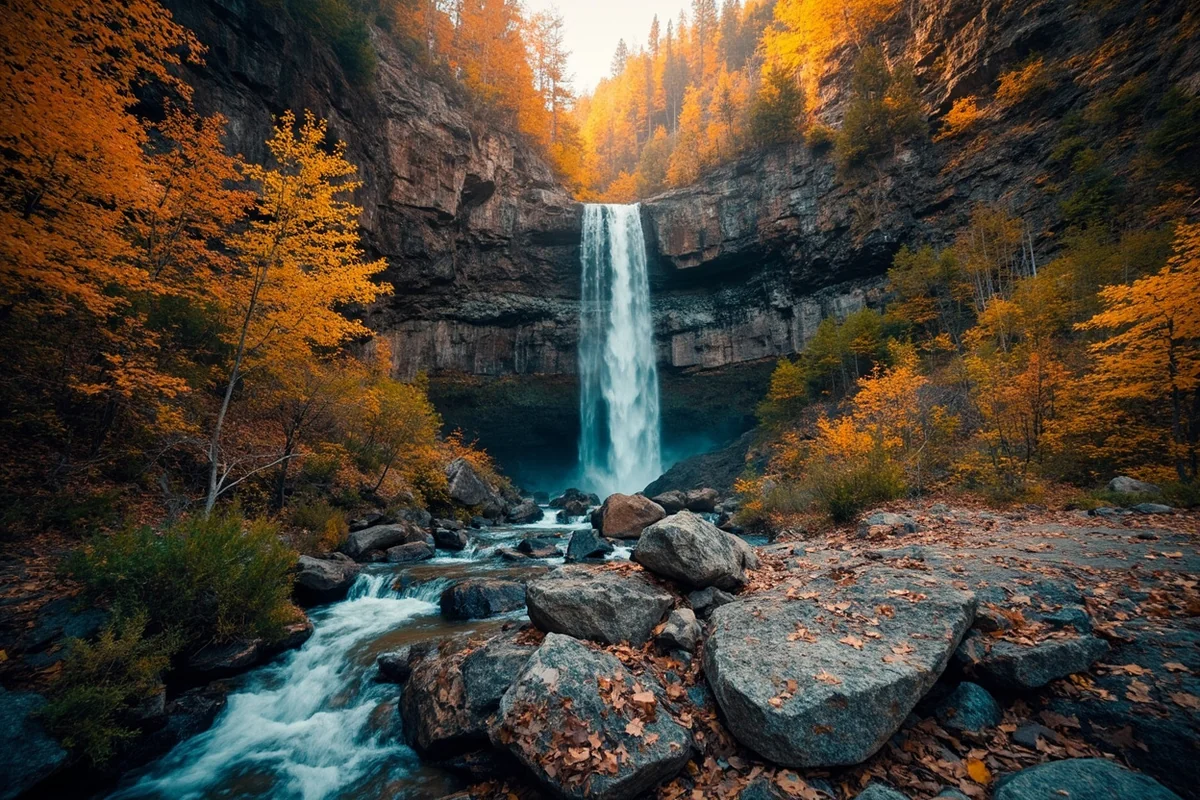
Fewer crowds, cooler temperatures, and the beginning of fall colors in the higher elevations make September a fantastic time to visit. Water levels are lower, but the falls still run year-round.
On a recent trip to Sacred Dancing Cascade in Glacier National Park, I was reminded how September hiking in Montana delivers perfect conditions. The same applies to the Yellowstone backcountry.
October-May: Limited Access
I don’t recommend attempting Knowles Falls during winter or early spring unless you’re an experienced backcountry traveler with proper gear. Snow can linger in the canyon through May, and the trail becomes treacherous with ice. The park may close certain backcountry areas during sensitive wildlife periods.
Essential Gear and Preparation
I’ve learned some hard lessons about backcountry preparedness in Yellowstone. Here’s what I now consider non-negotiable for a Knowles Falls hike:
The Must-Haves
- Bear spray: This is Yellowstone. Both grizzly and black bears are common in the Black Canyon. I’ve encountered bears on three separate trips to this area. Keep your spray accessible, not buried in your pack.
- At least 3 liters of water: There’s no potable water source along the trail unless you carry a filtration system. The elevation change and distance make dehydration a real risk.
- Sturdy hiking boots: The trail is rocky and uneven, with several sections of loose scree. Trail runners won’t cut it here.
- Trekking poles: With 1,400 feet of elevation to regain on the return trip, your knees will thank you.
- Layers: Canyon temperatures can swing 20-30 degrees from rim to river. I’ve started hikes in a fleece and ended up in a t-shirt at the falls.
- Headlamp: Even if you plan to return before dark, things happen. On one trip, a wildlife jam on the trail added an hour to my return time.
What I’ve Learned to Bring That Others Forget
A small towel or bandana is invaluable at Knowles Falls. The spray zone will soak you if you want to get close for photos, and wiping down your camera gear becomes necessary.
I also always carry a printed map of the trail system. Cell service is nonexistent in the canyon, and GPS apps can drain your battery quickly.
Wildlife You’ll Likely Encounter
The Black Canyon is one of the best wildlife corridors in northern Yellowstone. On my trips to Knowles Falls, I’ve encountered:
**Black bears:** Almost every trip. They’re usually browsing on the hillsides above the trail, but I’ve had them cross the path directly in front of me twice.
**Elk:** Especially common in early morning and evening. The canyon provides excellent habitat, and I once counted 17 elk in a single meadow along Blacktail Creek.
**Bison:** Less common in the canyon itself, but very present on the Blacktail Plateau where you’ll begin your hike. During my most recent visit, a small herd was grazing within 200 yards of the trailhead parking area.
**Mule deer:** Nearly guaranteed sightings along the upper portions of the trail.
**Bighorn sheep:** Occasionally spotted on the rocky outcrops above the river. I’ve only seen them once in this area, but they were spectacular.
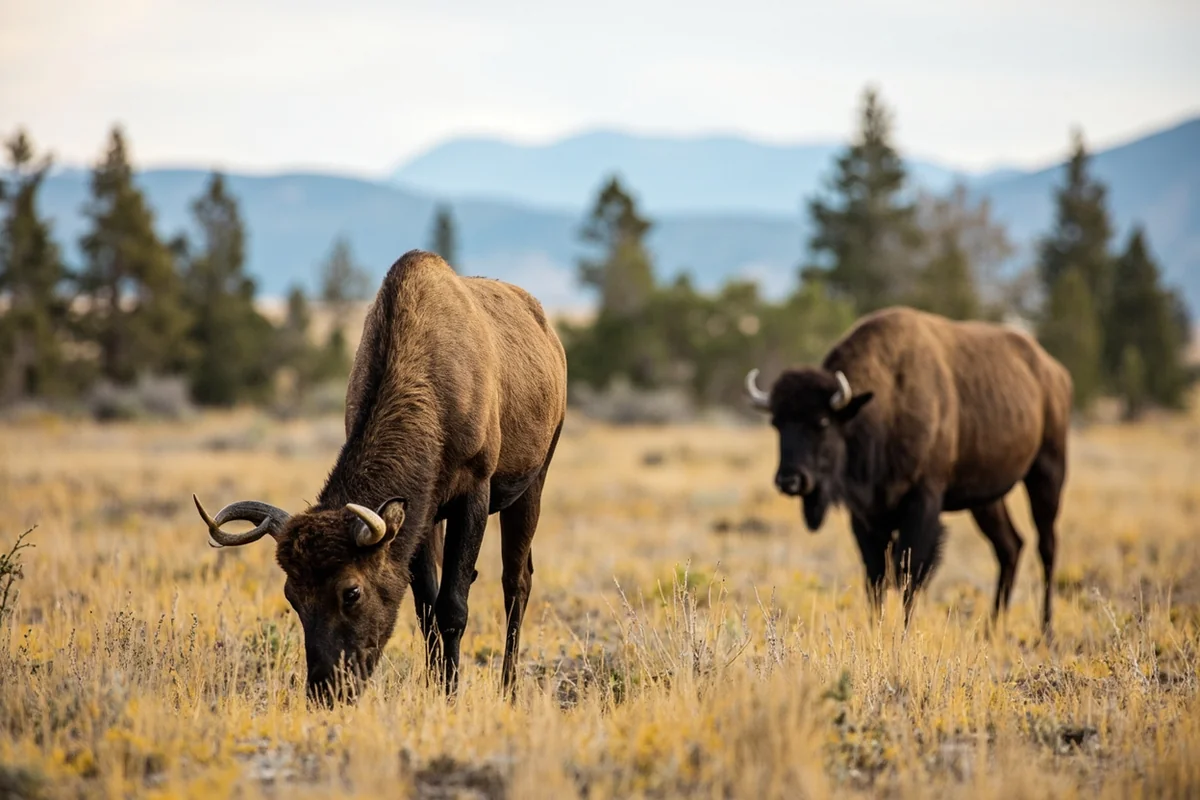
I always give wildlife at least 100 yards of space—more for bears and bison. The trail is narrow in places, so if you encounter an animal, I recommend backing up slowly to a wider section and waiting for them to move on.
Comparing Knowles Falls to Similar Montana Waterfalls
If you’re trying to decide whether Knowles Falls is worth the effort compared to more accessible options, here’s my honest comparison based on having visited many of Montana’s waterfalls:
For difficulty and commitment, Knowles Falls is comparable to reaching Impasse Falls in the Beartooth Mountains or Needle Falls in the Absarokas. These are all full-day adventures requiring solid fitness and navigation skills.
For overall experience, I’d put Knowles Falls in the same category as Rockwell Falls in Glacier National Park—both reward hikers with a genuine wilderness feel and relative solitude.
If you’re looking for something more accessible but still impressive, consider Ousel Falls near Big Sky or Palisade Falls near Bozeman. These offer great waterfall experiences with significantly less effort.
Backcountry Camping Options
Turning the Knowles Falls trip into an overnight adventure is something I highly recommend for those with backcountry experience. The designated campsites near the falls let you experience the canyon at dawn and dusk—magical times when wildlife is most active and the light transforms the landscape.
Permit Requirements
All overnight backcountry camping in Yellowstone requires a permit. You can reserve permits in advance through the park’s online system or obtain them in person at ranger stations. During peak season, the campsites near Knowles Falls book up quickly, so I recommend reserving at least a month ahead.
Permits typically cost $3 per person per night, plus a $25 administrative fee per reservation. Given the experience, I consider this an absolute bargain.
Campsite Conditions
The backcountry sites in the Black Canyon are primitive but well-maintained. Expect a designated tent pad, a bear pole for hanging food, and basic fire ring (check current fire restrictions before planning to cook over an open flame).
Water is available from the Yellowstone River, but you must filter or treat all water. I use a gravity filter system that handles the heavy sediment load common in the river during early summer.
Photo Opportunities Beyond the Falls
While Knowles Falls is the headliner, the trail offers numerous photography opportunities that I think rival the main attraction:
The suspension bridge at Hellroaring Creek provides dramatic shots of the river corridor. I’ve captured some of my favorite Yellowstone images from that bridge, looking upstream toward the canyon narrows.
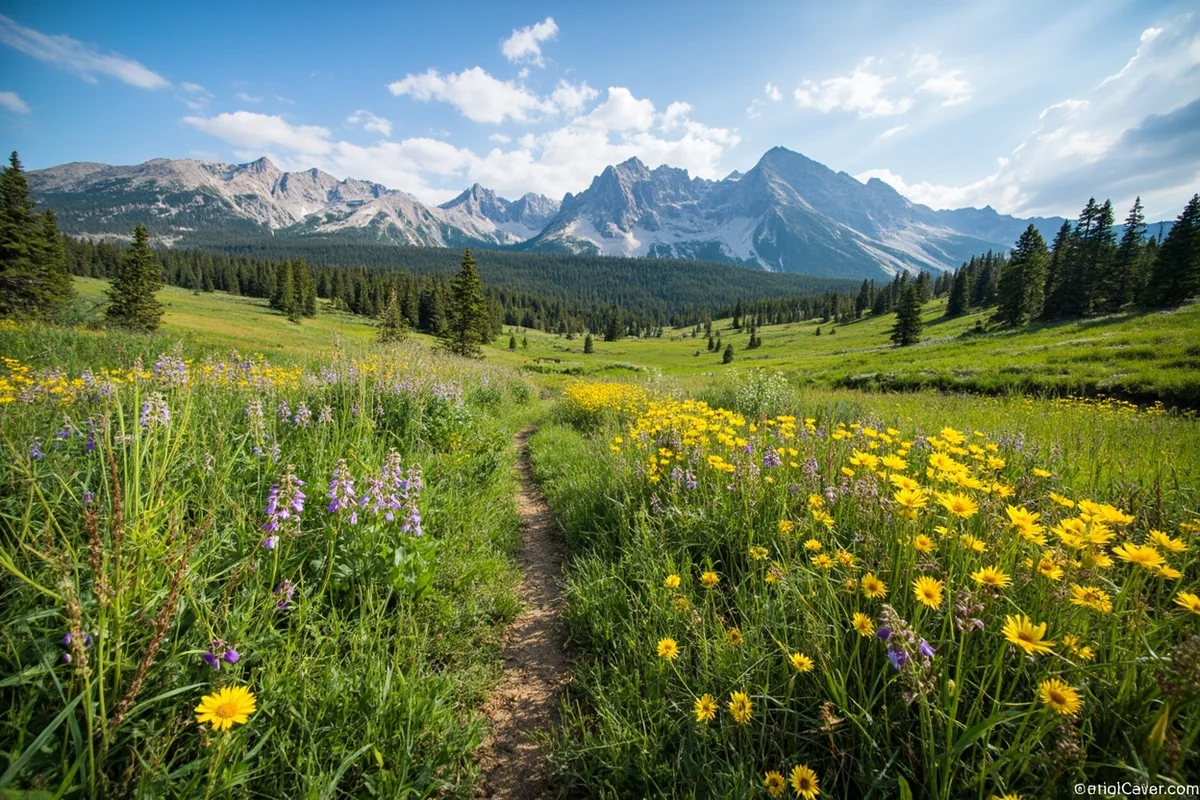
The Blacktail Creek drainage supports wildflower meadows that peak in mid-July. Lupine, Indian paintbrush, and arrowleaf balsamroot create colorful foregrounds for landscape shots.
The river itself, with its Class IV rapids above and below the falls, makes for compelling action photography. If you’re into long exposure work, the swirling eddies below Knowles Falls create surreal patterns with a 2-3 second exposure.
Combining Knowles Falls with Other Yellowstone Attractions
During my last visit to Knowles Falls, I built it into a longer northern Yellowstone itinerary that I think works well for visitors with limited time:
**Day 1:** Drive from Bozeman to Mammoth Hot Springs, explore the terraces, overnight at Mammoth Campground or Gardiner lodging.
**Day 2:** Early start for Knowles Falls via Blacktail Creek Trail. Return by late afternoon, then drive to Tower Junction for dinner at Roosevelt Lodge (the barbecue is excellent).
**Day 3:** Lamar Valley wildlife watching at dawn, then hike to Lost Creek Falls near Tower Fall, which offers an excellent contrast—a short, easy trail to a 30-foot waterfall.
This combination gives you both a challenging backcountry experience and more accessible highlights, without feeling rushed.
Common Mistakes I’ve Seen (and Made)
Over my multiple trips to Knowles Falls, I’ve observed some patterns among hikers who struggle:
**Starting too late:** The trailhead parking fills up, and afternoon heat makes the return climb brutal. I’ve seen exhausted hikers still miles from the trailhead at 5 PM because they started at noon.
**Underestimating the elevation change:** The 1,400-foot climb back out is relentless. Many hikers focus on the mileage and forget that it’s essentially climbing a 140-story building on uneven terrain.
**Not bringing enough water:** I’ve given away water to unprepared hikers more than once. This trail has no reliable water sources until you reach the river, and by then, you’ve done most of the work.
**Getting too close to the river:** The Yellowstone River claims lives every year. The current is deceptively powerful, and water temperatures hover around 50°F even in summer. A slip into the water near the falls could be fatal.
Historical and Geological Context
For those who appreciate understanding the landscape they’re hiking through, the Black Canyon has a fascinating story.
The canyon was carved over millions of years as the Yellowstone River cut through successive layers of volcanic rock deposited by eruptions of the Yellowstone supervolcano. The dark coloring that gives the canyon its name comes from rhyolite and basalt formations that oxidize to deep grays and blacks.
Knowles Falls itself exists because of a harder volcanic layer that resists erosion more effectively than the rock above and below it. As the river carved downward, this resistant layer created a step in the riverbed—the waterfall we see today.
The area was used as a travel corridor by Native American tribes for thousands of years before European exploration. Archaeological sites in the canyon area have yielded obsidian tools and other artifacts, though these locations are protected and not disclosed to visitors.
If You Only Have Limited Time
I understand that not everyone can commit to a 10-mile hike with serious elevation change. If you want a taste of the Black Canyon without the full Knowles Falls commitment, consider these alternatives:
The first two miles of the Blacktail Creek Trail provide excellent views of the Blacktail Deer Plateau and opportunities for wildlife viewing without the canyon descent. You can turn around at any point and still have a rewarding experience.
The Hellroaring Creek Trail to the suspension bridge and back is roughly 4 miles round trip and gives you incredible canyon views. From the bridge, you can look downstream toward where Knowles Falls is located, even if you can’t see the falls themselves.
For a completely different waterfall experience in the same region, Rainbow Falls near Mammoth is a short walk and offers a quick fix if weather or time constraints prevent the full Knowles Falls hike.
Final Thoughts: Is Knowles Falls Worth the Effort?
After multiple visits to Knowles Falls, I keep coming back. Not because the waterfall itself is the most spectacular I’ve seen in Montana—it’s not. But because the complete experience represents what I love most about traveling in this state.
You earn every view at Knowles Falls. The trail demands attention, fitness, and respect for the environment. In return, you receive something increasingly rare: genuine solitude in one of America’s most famous national parks.
When I stood at the base of Knowles Falls during my most recent visit, I was the only person there for over an hour. The sound of falling water, the cool spray on my face, the dark canyon walls rising around me—these are memories that no roadside viewpoint can provide.
If you’re the kind of traveler who believes the best experiences require effort, Knowles Falls belongs on your Montana list. It’s not for everyone, and that’s exactly the point.
For those seeking more accessible waterfall experiences, Montana has no shortage of options. Check out Memorial Falls near Great Falls for an easy urban adventure, or Skalkaho Falls in the Sapphire Mountains for a scenic drive to an impressive cascade.
But if you’re ready to challenge yourself and discover a wilder side of Yellowstone, I’ll see you on the trail to Knowles Falls.
Frequently Asked Questions
Where is Knowles Falls located in Montana and how do I get there?
Knowles Falls is located along the Yellowstone River in the Black Canyon area of Yellowstone National Park’s northern section, near Gardiner, Montana. The falls are most commonly accessed via a backcountry hike along the Yellowstone River Trail, starting from the Hellroaring Creek Trailhead about 3.5 miles one way. I recommend having a detailed trail map since the path involves some elevation changes and river crossings.
What is the best time of year to visit Knowles Falls Montana?
The best time to visit Knowles Falls is late spring through early fall, typically May through September, when trails are accessible and water flow is most impressive from snowmelt. I found early summer ideal because the falls are at peak flow and wildlife activity is high. Avoid late winter and early spring when trails may be snow-covered or muddy and potentially dangerous.
How difficult is the hike to Knowles Falls in Yellowstone?
The hike to Knowles Falls is considered moderate to strenuous, covering roughly 7 miles round trip with about 1,100 feet of elevation change. You’ll encounter steep switchbacks and a suspension bridge crossing at Hellroaring Creek, which can be challenging for inexperienced hikers. I’d recommend this trail for those with some backcountry hiking experience and good physical fitness.
Do I need a permit or pay fees to see Knowles Falls?
You’ll need a valid Yellowstone National Park entrance pass to access Knowles Falls, which costs $35 per vehicle for a 7-day pass or $80 for an annual park pass. No additional backcountry permit is required for day hikes to the falls. If you’re planning to camp overnight in the backcountry, you will need to obtain a free backcountry camping permit from a ranger station.
What should I bring on a hike to Knowles Falls Montana?
Pack plenty of water (at least 2-3 liters per person), bear spray, sturdy hiking boots, layers for changing mountain weather, and high-energy snacks for this all-day hike. I always carry a first aid kit, sun protection, and trekking poles for the steep sections. Since you’re in grizzly bear country, make noise on the trail and keep bear spray accessible at all times.
Is Knowles Falls worth the hike compared to other Yellowstone waterfalls?
Knowles Falls offers a remote, uncrowded experience that’s worth the effort if you want to escape the tourist crowds at popular spots like Lower Falls or Tower Fall. The 15-foot cascade may be smaller, but the pristine Black Canyon scenery and solitude make it a rewarding backcountry adventure. I think it’s perfect for experienced hikers seeking a more authentic Yellowstone wilderness experience.
Can you see wildlife on the trail to Knowles Falls?
The Knowles Falls trail passes through prime wildlife habitat where I’ve spotted mule deer, bighorn sheep, and even black bears during my hikes. The Yellowstone River corridor is known for grizzly bear activity, so always hike in groups and make noise around blind corners. Early morning or late afternoon hikes increase your chances of wildlife sightings along this less-traveled backcountry route.
Sources