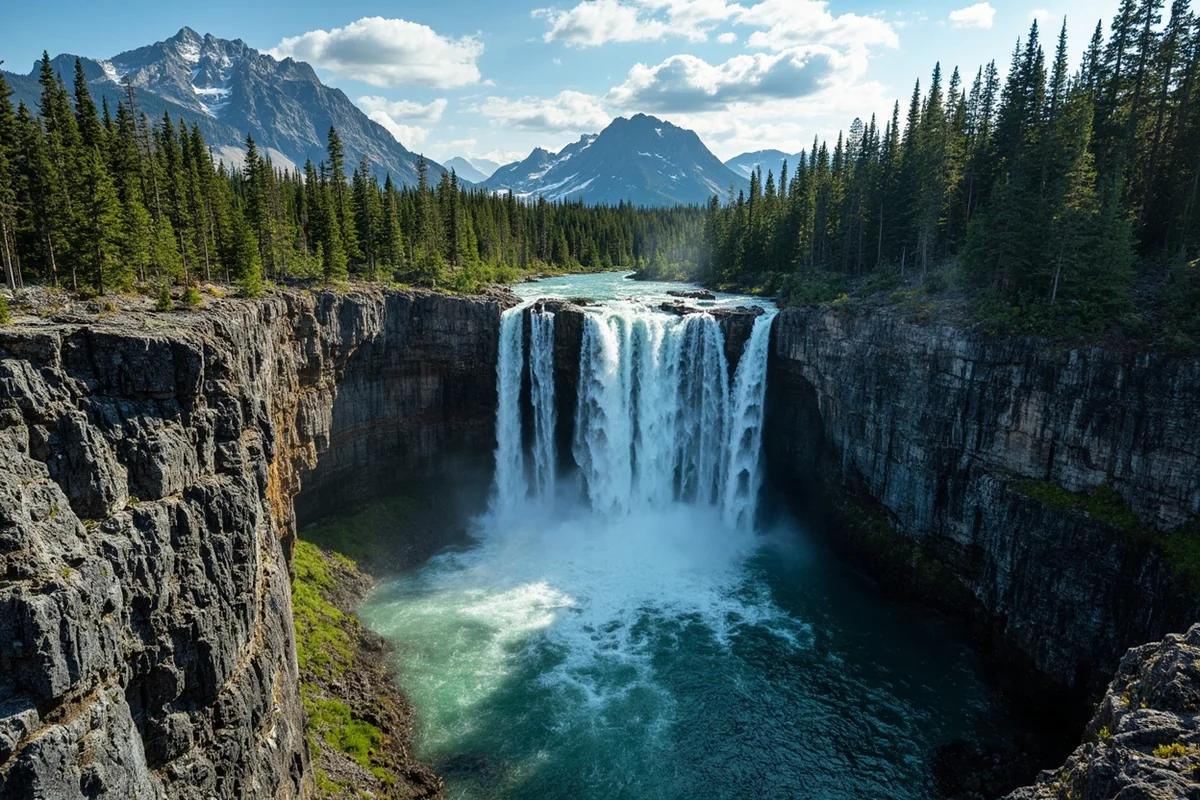
Standing at the edge of Impasse Falls last August, watching the water thunder into the rocky gorge below while I had the entire viewpoint to myself, I understood why some hikers guard this spot like a secret.
While most visitors flock to the popular cascades along Going-to-the-Sun Road, this backcountry gem in Glacier National Park rewards those willing to put in the miles with raw, untouched wilderness beauty that feels increasingly rare.
If you’re exploring Montana waterfalls and want something beyond the roadside attractions, Impasse Falls deserves a spot on your bucket list.
- Impasse Falls is located in Glacier National Park’s backcountry, accessible via the Belly River Trail system
- Round-trip distance is approximately 12-14 miles depending on your starting point
- Best visited mid-June through September when trails are clear of snow
- Permit required for overnight camping; day hiking is permit-free
- Bring bear spray—this is prime grizzly country
- Much less crowded than roadside waterfalls like McDonald Falls
Liked this article?
Add Roaming Montana as a preferred source so you see more of our articles and guides on Google.
What Makes Impasse Falls Special
I’ve chased waterfalls across Montana for years, from the easily accessible Kootenai Falls near Libby to remote cascades deep in the wilderness. Impasse Falls holds a unique place in my memory because of its dramatic setting and the effort required to reach it.
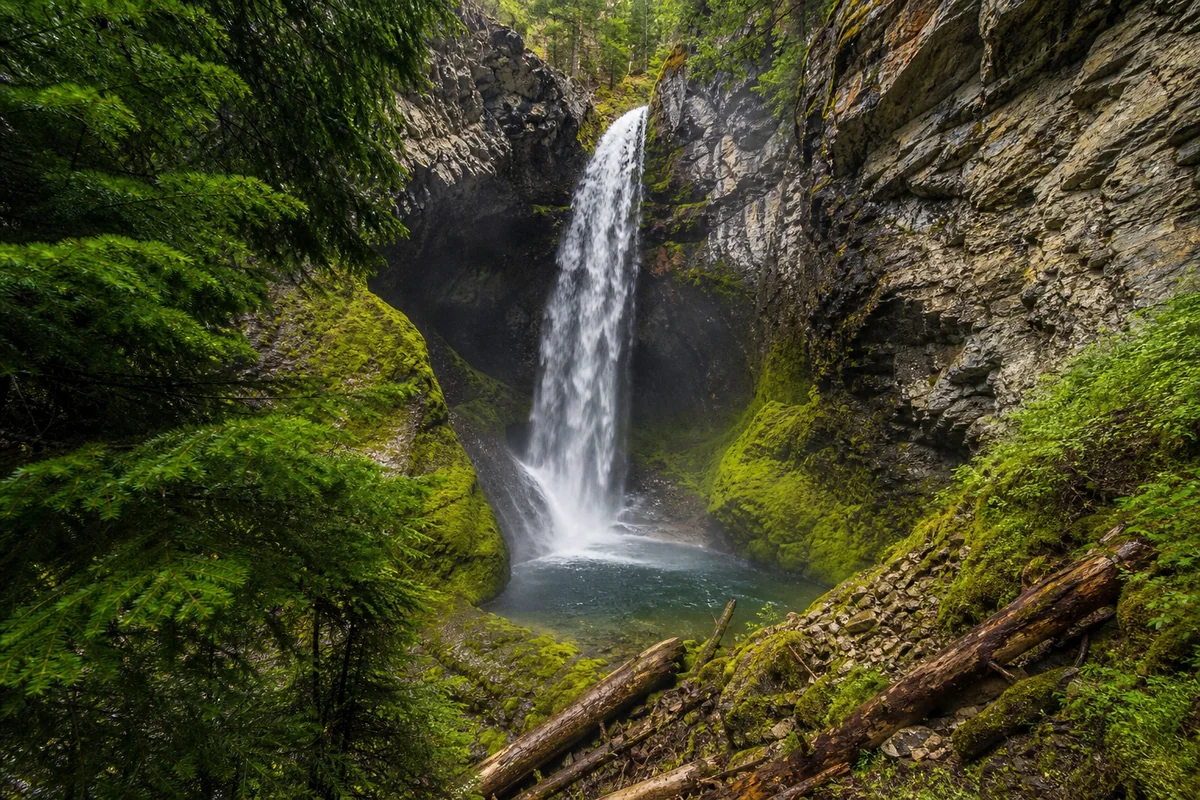
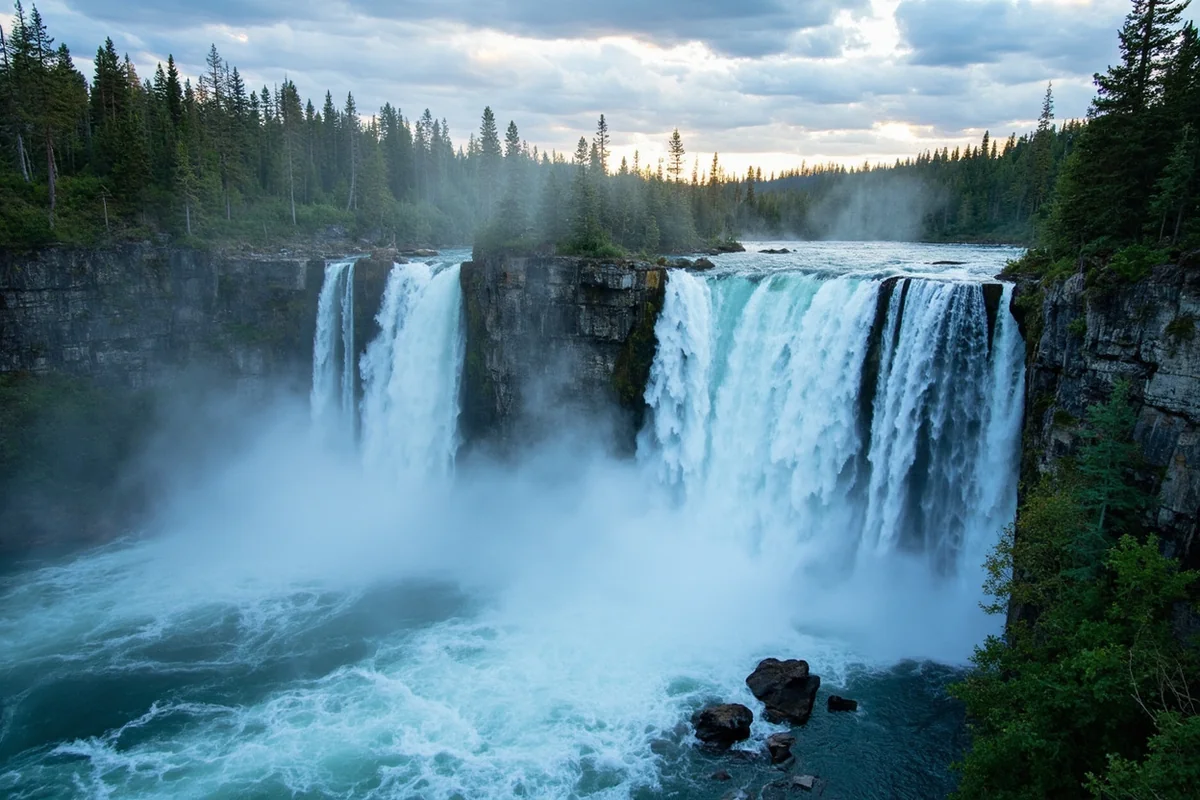
The falls themselves drop approximately 60 feet through a narrow chute carved into ancient rock. What strikes you first isn’t just the height—it’s the surrounding landscape.
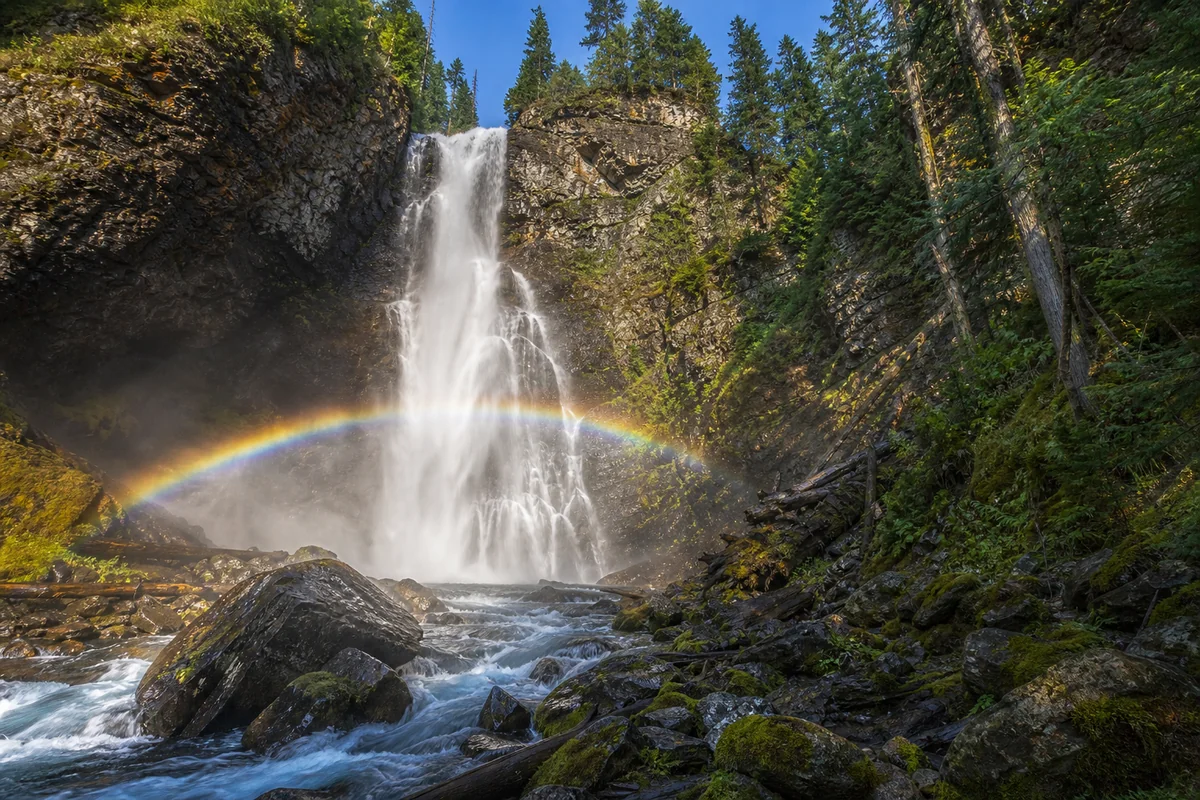
Rugged mountain peaks frame the cascade on three sides, creating an amphitheater effect that amplifies the roar of falling water. During my visit, the late afternoon sun hit the mist just right, creating a persistent rainbow that seemed painted into the scene.
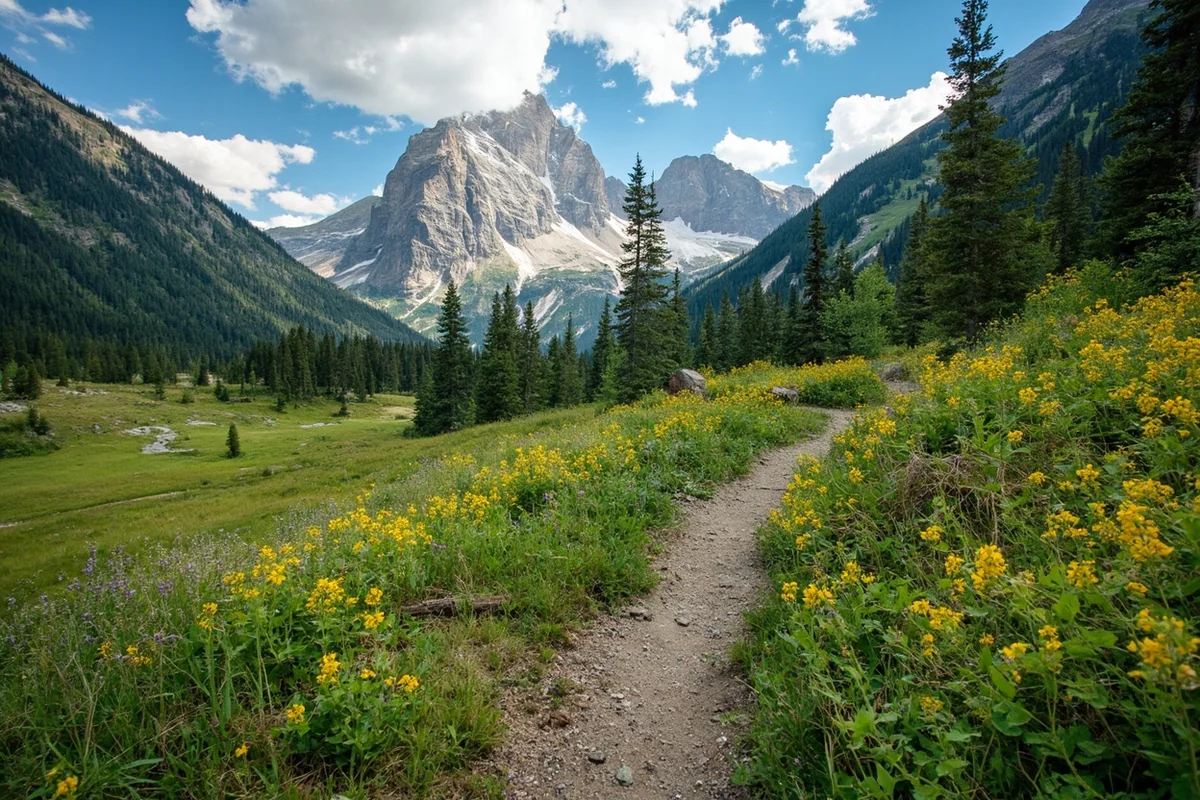
Unlike some Montana waterfalls that have been softened by easy access and heavy foot traffic, Impasse Falls retains a wild character. The approach trail winds through dense forests, across flower-filled meadows, and past smaller streams that hint at what’s coming.
Getting to the Trailhead
Let me save you the confusion I experienced on my first attempt. Impasse Falls lies in the Belly River drainage on the east side of Glacier National Park, and reaching the trailhead requires specific planning.
The primary access point is Chief Mountain Customs, located on Highway 17 near the Canadian border. This might sound complicated, but don’t let the international border proximity intimidate you.
From the gateway town of Babb, Montana, drive north on Highway 17 for approximately 15 miles. You’ll pass through stunning high prairie country with views that alone justify the trip.
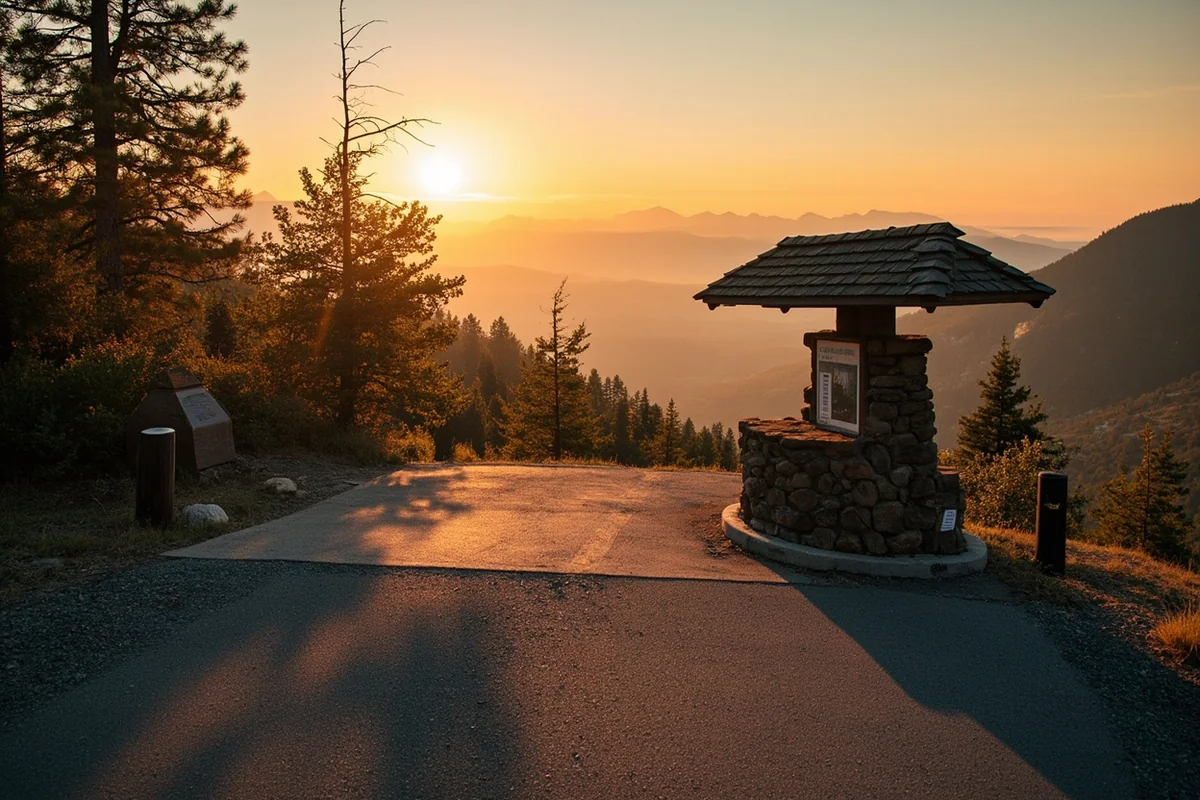
The Belly River Trailhead parking area sits just before the customs station. During my recent trip, I arrived at 6:30 AM on a Saturday in July and still found plenty of parking spaces—a stark contrast to Many Glacier or Logan Pass.
Important Road Considerations
Highway 17 typically opens in late May and closes after the first significant autumn snowfall, usually in October. The road is well-maintained but narrow in sections.
I strongly recommend checking current road conditions through the National Park Service website or calling the park information line before making the drive. During my August visit, the road was in excellent condition.
Cell service is spotty to nonexistent along Highway 17 and throughout the hike, so download offline maps and let someone know your plans before heading out.
The Trail to Impasse Falls: What to Expect
This isn’t a casual stroll like the path to Running Eagle Falls. The Belly River Trail demands respect and preparation, but the payoff is immense.
First Section: The Descent (Miles 0-3)
The trail begins with a surprise—you start by going downhill. Over the first three miles, you’ll lose approximately 800 feet of elevation as the path descends into the Belly River valley.
This feels great on the way in and becomes a cardiovascular reminder on the way out. I’ve learned to save energy for this final climb.
The forest here is a mix of lodgepole pine and spruce, with occasional openings that reveal distant peaks. During my summer visit, wildflowers carpeted the meadows—Indian paintbrush, beargrass, and mountain asters created a colorful tapestry.
Middle Section: River Valley Walking (Miles 3-5)
Once you reach the valley floor, the trail mellows considerably. You’ll walk alongside the Belly River, crossing several feeder streams on log bridges that range from sturdy to slightly sketchy.
This section is flat and relaxing, allowing you to appreciate the surrounding wilderness. I spotted a moose cow with her calf near one of the stream crossings on my August trip—a highlight I’ll never forget.
The trail passes through alternating stretches of dense forest and open meadows. Keep your bear spray accessible; this is prime grizzly habitat, and bears frequent the berry patches along the trail.
Final Push to Impasse Falls (Miles 5-7)
The last section before reaching Impasse Falls gains elevation more aggressively. You’ll climb approximately 600 feet over two miles as the trail approaches the falls.
The sound reaches you before the view. About half a mile out, I could hear a distant rumble that grew steadily louder with each step.
A spur trail branches left toward the falls viewpoint. This junction is marked but easy to miss if you’re focused on your feet. Watch for a worn path heading toward the sound of water.
At the Falls: Maximizing Your Experience
When I finally broke through the trees and caught my first full view of Impasse Falls, I sat down on a rock and just stared for probably fifteen minutes. After the effort to get there, the moment deserved appreciation.
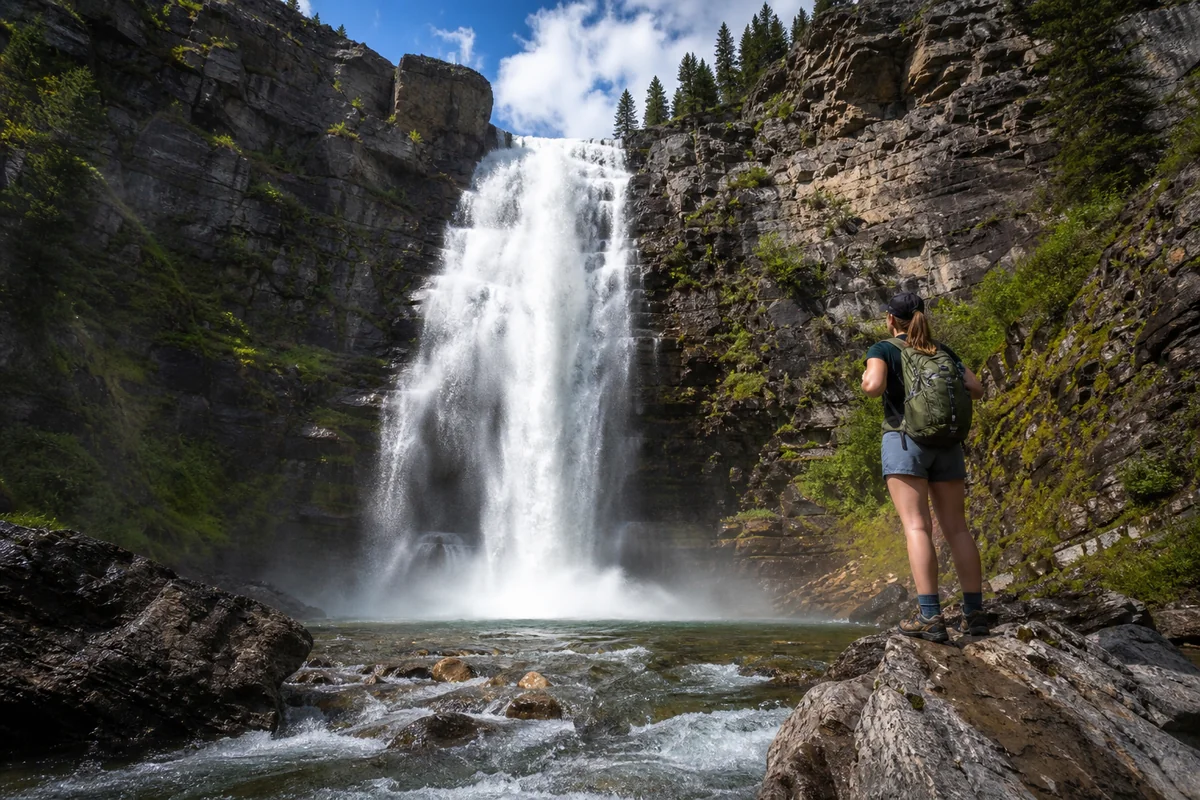
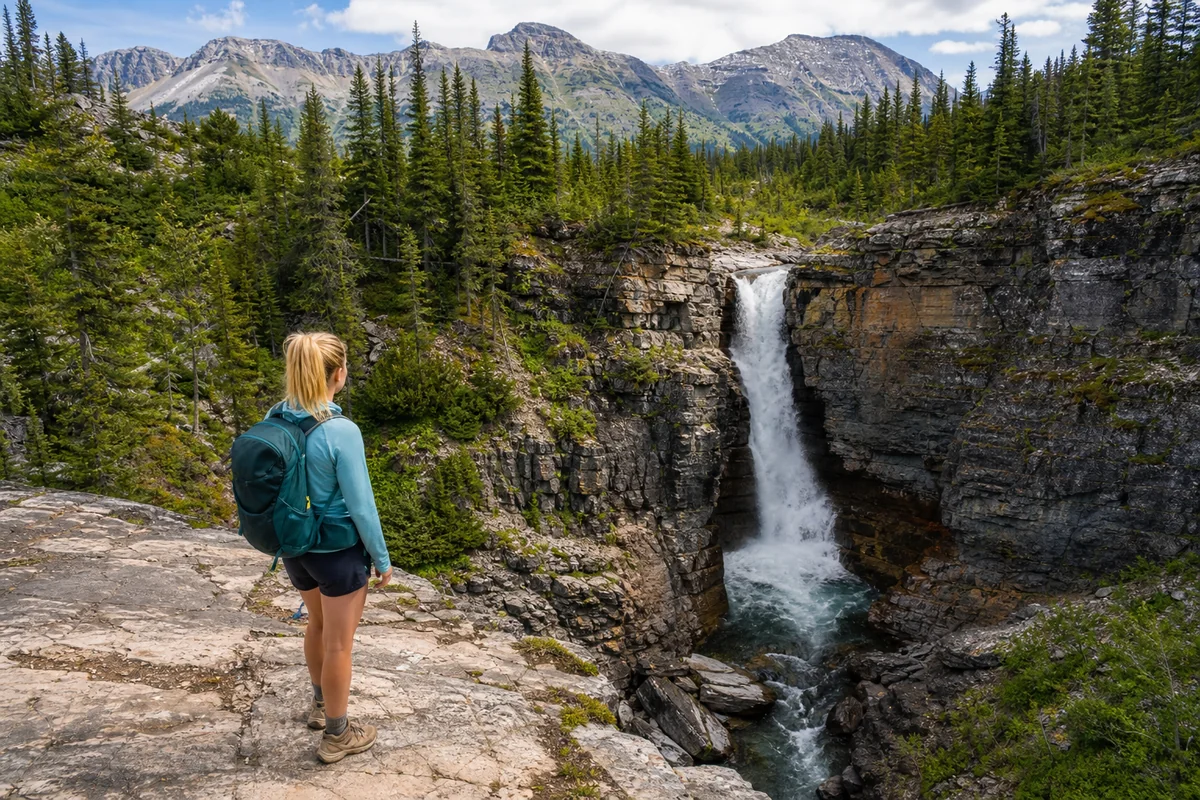
The main viewpoint sits on a rocky outcrop roughly 100 feet from the falls. From here, you can see the full drop and the pool below where the water crashes and churns.
Photography Tips
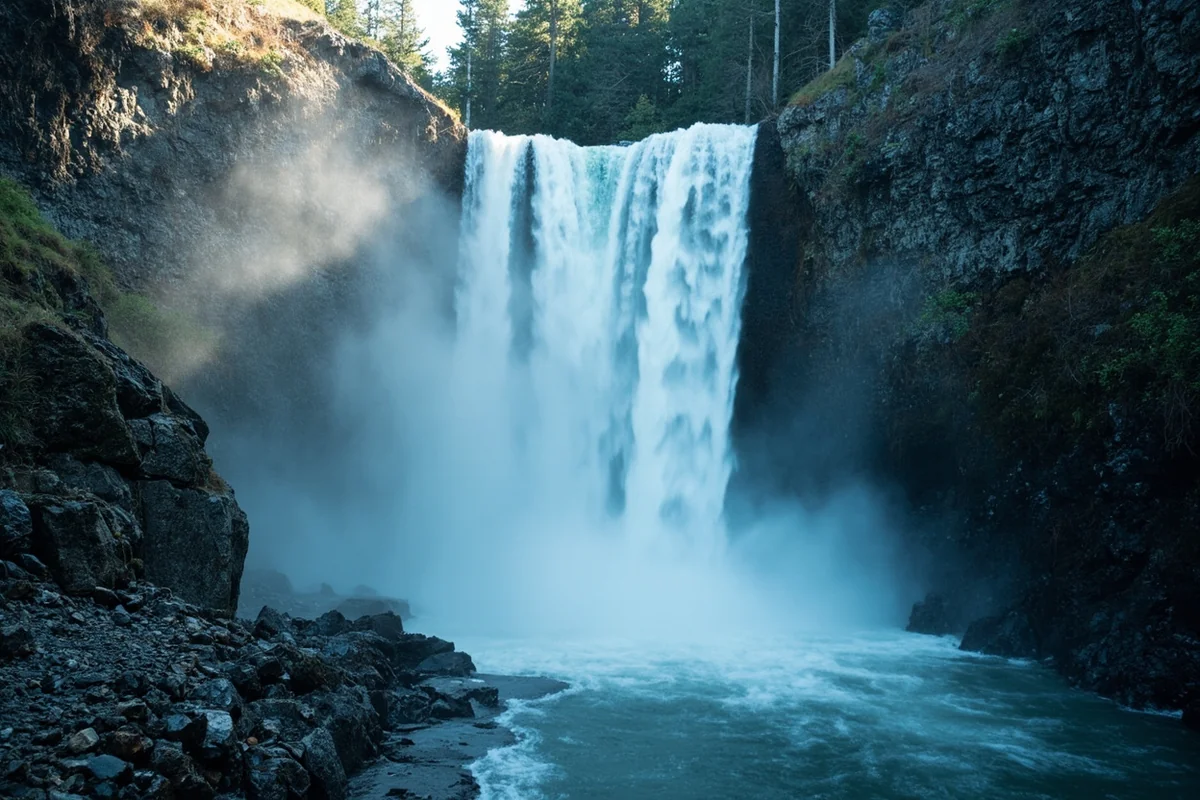
I learned some hard lessons about photographing this waterfall. The mist is heavier than it looks, so keep a lens cloth handy. Even standing well back, my camera collected water droplets within minutes.
Morning light is challenging due to the canyon orientation—the falls face mostly northeast. I found late afternoon light (around 4-6 PM in summer) provided the best illumination.
Bring a tripod if you want silky water effects. The forest canopy creates enough shade that longer exposures work even in daylight.
Finding Solitude
One of the greatest advantages of Impasse Falls is the relative lack of crowds. During my visit, I encountered perhaps eight other hikers over six hours at the falls.
Compare this to the sometimes chaotic scene at popular spots like Saint Mary Falls, where parking lots overflow and you might wait for photos.
For maximum solitude, visit on weekdays. I’ve found Tuesday through Thursday offer the lightest traffic on Glacier’s backcountry trails.
When to Visit Impasse Falls
Timing matters significantly for this hike. The Belly River area sits at elevation and holds snow longer than lower parts of the park.
Seasonal Breakdown
Mid-June through July: This is peak waterfall season. Snowmelt swells the cascade to its most impressive volume. Expect high water and potentially muddy trail conditions. Mosquitoes can be brutal—bring repellent.
August: My personal favorite time. Water levels remain good, bugs decrease, and the weather typically stabilizes. Wildflowers are past peak but still present.
September: Water volume drops noticeably, but fall colors begin appearing in the valley. Cooler temperatures make hiking more comfortable. Be aware of earlier sunsets.
October: Only attempt this hike early in the month before snow arrives. The falls are still beautiful with lower flow, and you might have the entire trail to yourself.
Practical Information Table
| Trail Distance | 12-14 miles round trip |
| Elevation Gain | Approximately 1,400 feet total |
| Difficulty | Moderate to strenuous |
| Time Required | 6-9 hours for day hike |
| Trailhead | Belly River Trailhead, Highway 17 |
| Best Months | Mid-June through September |
| Permit Needed | No (day hike); Yes (overnight) |
| Park Entrance Fee | $35 per vehicle (valid 7 days) |
What to Pack for Impasse Falls
After multiple trips to this area, I’ve refined my packing list to essentials that make the experience both safe and enjoyable.
The Non-Negotiables
Bear spray: This is grizzly country. Period. Carry bear spray in a hip holster where you can reach it in seconds, not buried in your pack. On my August trip, I saw fresh bear scat within the first mile.
Water and filtration: I carry three liters and a filter. The Belly River and its tributaries offer refill opportunities, but always filter or treat backcountry water.
Navigation tools: A paper map and compass backup your phone. Cell service disappears quickly, and GPS can fail. The Glacier National Park topographic map from Trails Illustrated is excellent.
First aid kit: You’re hours from help. My kit includes blister treatment, pain relievers, antihistamines, and basic wound care supplies.
Comfort Items That Matter
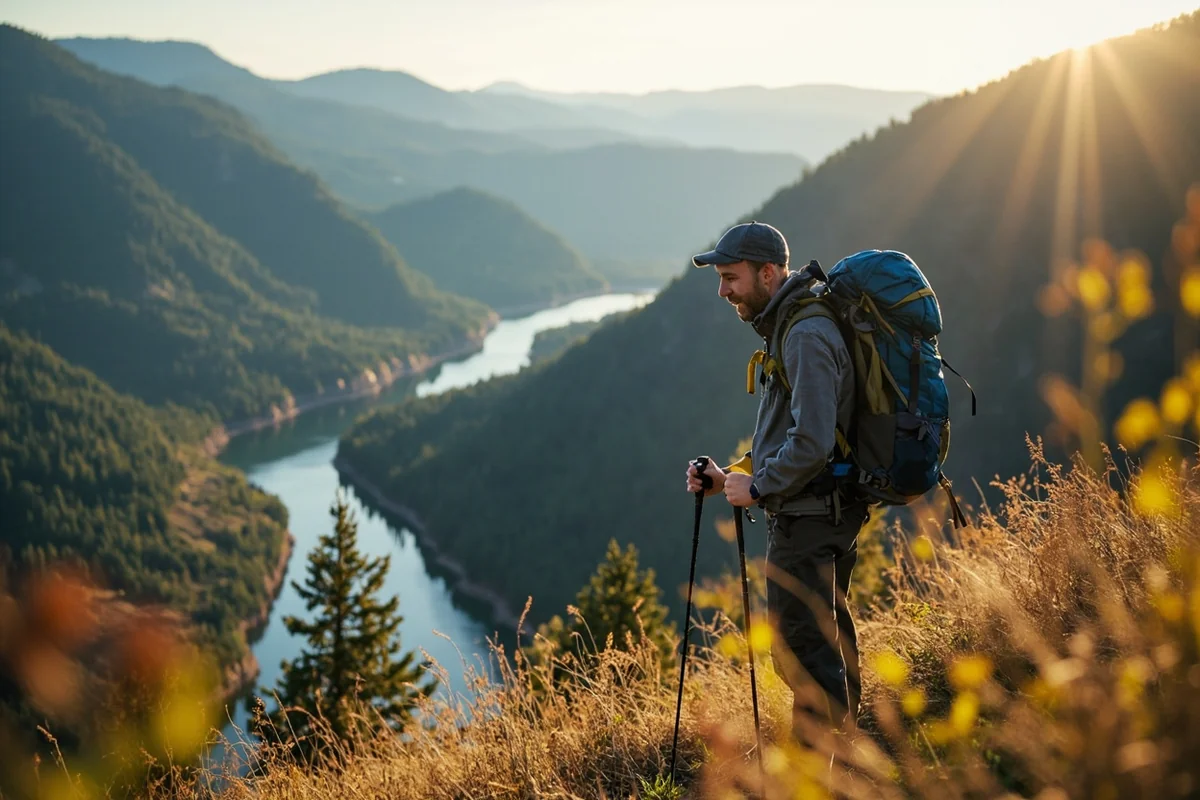
Trekking poles: The elevation changes make poles worth their weight. They also help with stream crossings and provide a small measure of psychological comfort in bear country.
Rain gear: Mountain weather changes rapidly. I’ve been caught in afternoon thunderstorms that appeared from nowhere. A lightweight rain jacket takes minimal space.
Extra layers: Even in summer, temperatures can drop significantly at the falls due to mist and shade. I always pack a fleece or light puffy jacket.
Lunch and snacks: This is a long day hike. I bring more food than I think I’ll need—a full lunch plus trail mix, energy bars, and dried fruit.
Wildlife Encounters and Safety
The Belly River drainage hosts some of the highest concentrations of grizzly bears in the lower 48 states. This isn’t meant to scare you away—it’s meant to ensure you’re prepared.
Bear Safety Basics
Make noise consistently while hiking. I talk, sing (badly), and call out around blind corners. Most bears want to avoid humans as much as we want to avoid them.
Hike in groups when possible. Solo hiking isn’t prohibited, but statistics show that groups of three or more rarely experience aggressive bear encounters.
Store all food, trash, and scented items in bear-resistant containers or hang them properly. If you stop for lunch, eat at least 200 feet from where you’ll be sitting.
Know what to do in an encounter. If you see a bear, don’t run. Speak calmly, make yourself appear larger, and back away slowly. If a grizzly charges, hold your ground—most charges are bluffs.
Other Wildlife
Beyond bears, I’ve encountered moose, mountain goats, and numerous deer along the Belly River Trail. Moose can be surprisingly aggressive, especially cows with calves. Give them wide berth.
The bird watching is excellent. During my visits, I’ve spotted golden eagles, Steller’s jays, and various woodpeckers. Bring binoculars if you’re interested in wildlife viewing.
Making It an Overnight Trip
While Impasse Falls works as a long day hike, spending a night in the backcountry enhances the experience tremendously.
Backcountry Camping Options
Glacier National Park requires permits for all overnight backcountry camping. Permits become available through the recreation.gov reservation system, with some walk-up permits available the day before or day of your trip.
The Belly River backcountry campgrounds are among the park’s most scenic. Elizabeth Lake Foot and Elizabeth Lake Head camps offer stunning settings within reasonable distance of the falls.
During my overnight trip, I stayed at Elizabeth Lake Foot campground. Waking up to mist rising off the lake with mountains reflected in the still water made the permit hassle worthwhile.
Permit Strategy
Belly River permits are competitive but less so than Granite Park or many Highline Trail options. Flexibility helps—be willing to adjust dates if your first choice isn’t available.
Apply for permits exactly when the reservation window opens. Set calendar reminders because popular dates go quickly.
If you can’t secure a permit, consider the day hike option. Starting early (6 AM or before) provides plenty of time to reach the falls, enjoy a leisurely lunch, and return before dark.
Combining Impasse Falls with Other Adventures
The east side of Glacier offers numerous waterfall opportunities that pair well with Impasse Falls.
Nearby Waterfalls Worth Visiting
If you’re based in the Many Glacier area, consider adding Redrock Falls to your itinerary. This shorter hike offers a beautiful cascade with less time commitment.
Ptarmigan Falls lies along the popular Ptarmigan Tunnel Trail and provides a dramatic destination for stronger hikers.
For something more accessible, Saint Mary Falls makes an excellent warm-up hike or alternative if weather or fitness concerns arise.
Building a Multi-Day Itinerary
My ideal eastern Glacier waterfall itinerary spans three days:
Day One: Arrive and explore shorter trails around Many Glacier or St. Mary. Hike to Running Eagle Falls for an easy introduction.
Day Two: Tackle Impasse Falls as an early-morning day hike or begin an overnight trip into the Belly River drainage.
Day Three: If you overnighted near Impasse Falls, hike out in the morning. Otherwise, explore the Many Glacier area and its accessible waterfalls.
Honest Assessment: Is Impasse Falls Worth the Effort?
After multiple visits, I still feel excited returning to Impasse Falls. But I also understand it’s not for everyone.
This Hike Is Right for You If:
- You’re comfortable with 12+ mile hikes and moderate elevation gain
- You prefer solitude over easily accessible attractions
- You’re prepared for true backcountry conditions including wildlife encounters
- You have a full day (minimum 7-8 hours) to dedicate to the experience
- You want to see a waterfall in a wild, unmanicured setting
Consider Alternatives If:
- You’re limited on time or hiking with young children
- You’re uncomfortable in grizzly bear habitat
- You prefer well-developed trails with facilities
- Mobility challenges make long-distance hiking difficult
Alternatives like Holland Lake Falls or Ousel Falls near Big Sky offer beautiful waterfall experiences with much less distance and difficulty.
Other Montana Waterfalls to Explore
If Impasse Falls has piqued your interest in Montana’s waterfall offerings, the state delivers options for every ability level and time constraint.
In Glacier National Park alone, you’ll find dramatic drops like Ipasha Falls and Piegan Falls that reward adventurous hikers.
For easier access cascades, McDonald Falls and Sacred Dancing Cascade lie right along Going-to-the-Sun Road.
Outside the park, consider Morrell Falls near Seeley Lake for a family-friendly option, or Memorial Falls near Great Falls for a less-visited gem.
The Skalkaho Falls along the Skalkaho Pass road provides a scenic drive combined with an easy waterfall visit.
In the northwest corner of the state, Kootenai Falls offers one of Montana’s most powerful waterfall experiences with minimal hiking required.
Final Thoughts on Impasse Falls
There’s something deeply satisfying about earning a view. Impasse Falls can’t be seen from any road, captured in a quick 10-minute walk, or visited without genuine effort.
That barrier to entry preserves something precious—a wilderness experience that feels increasingly rare in our connected, accessible world.
When I stood at Impasse Falls last summer, watching the water crash over ancient rocks while eagles circled overhead, I felt the specific reward that only comes from earning your destination.
Montana offers dozens of beautiful waterfalls with easy access. I’ve visited and loved many of them. But Impasse Falls represents something different—a place where the journey and destination merge into a single worthwhile experience.
If you have the fitness, preparation, and desire for a genuine backcountry adventure, put Impasse Falls on your list. Start early, respect the wildlife, carry the ten essentials, and go discover why some of us consider it among Glacier’s finest hidden treasures.
The falls will be waiting, just as they’ve been waiting for thousands of years, for those willing to make the walk.
Frequently Asked Questions
Where is Impasse Falls located in Montana and how do I get there?
Impasse Falls is located in the Absaroka-Beartooth Wilderness near the Boulder River south of Big Timber, Montana. To reach the trailhead, drive about 50 miles south from Big Timber on Main Boulder Road, a partially unpaved forest road that’s accessible to most vehicles in summer months.
How difficult is the hike to Impasse Falls Montana?
The hike to Impasse Falls is considered moderate to strenuous, covering roughly 4-5 miles round trip with elevation gains through rugged wilderness terrain. I recommend solid hiking boots and trekking poles, as the trail can be rocky and uneven with some stream crossings along the way.
What is the best time of year to visit Impasse Falls?
The best time to visit Impasse Falls is late June through September when the access road is clear of snow and the trail is passable. Early summer offers the most impressive water flow from snowmelt, while late summer provides easier hiking conditions and fewer mosquitoes.
Do I need a permit or pay any fees to visit Impasse Falls Montana?
No permits or entrance fees are required to visit Impasse Falls since it’s located within the Absaroka-Beartooth Wilderness on national forest land. However, wilderness regulations apply, so practice Leave No Trace principles and be aware that group sizes may be limited to 15 people.
What should I bring for a day hike to Impasse Falls?
Pack plenty of water (at least 2 liters per person), bear spray, layered clothing, and sturdy waterproof hiking boots for creek crossings. I always bring a topographic map or downloaded GPS since cell service is nonexistent in this remote area of Montana’s wilderness.
Are there camping options near Impasse Falls Montana?
Several primitive campsites are available along the Boulder River corridor, and dispersed camping is permitted in the Absaroka-Beartooth Wilderness if you’re at least 200 feet from water sources. For developed camping, Aspen Campground and other Forest Service sites along Main Boulder Road offer basic amenities for around $10-15 per night.
Is Impasse Falls Montana dog-friendly and safe for families?
Dogs are allowed on the trail to Impasse Falls but must be under control, and I’d recommend keeping them leashed due to wildlife encounters and cliff edges near the falls. The hike isn’t ideal for young children due to its length and rugged terrain, but older kids with hiking experience can handle it with proper preparation.