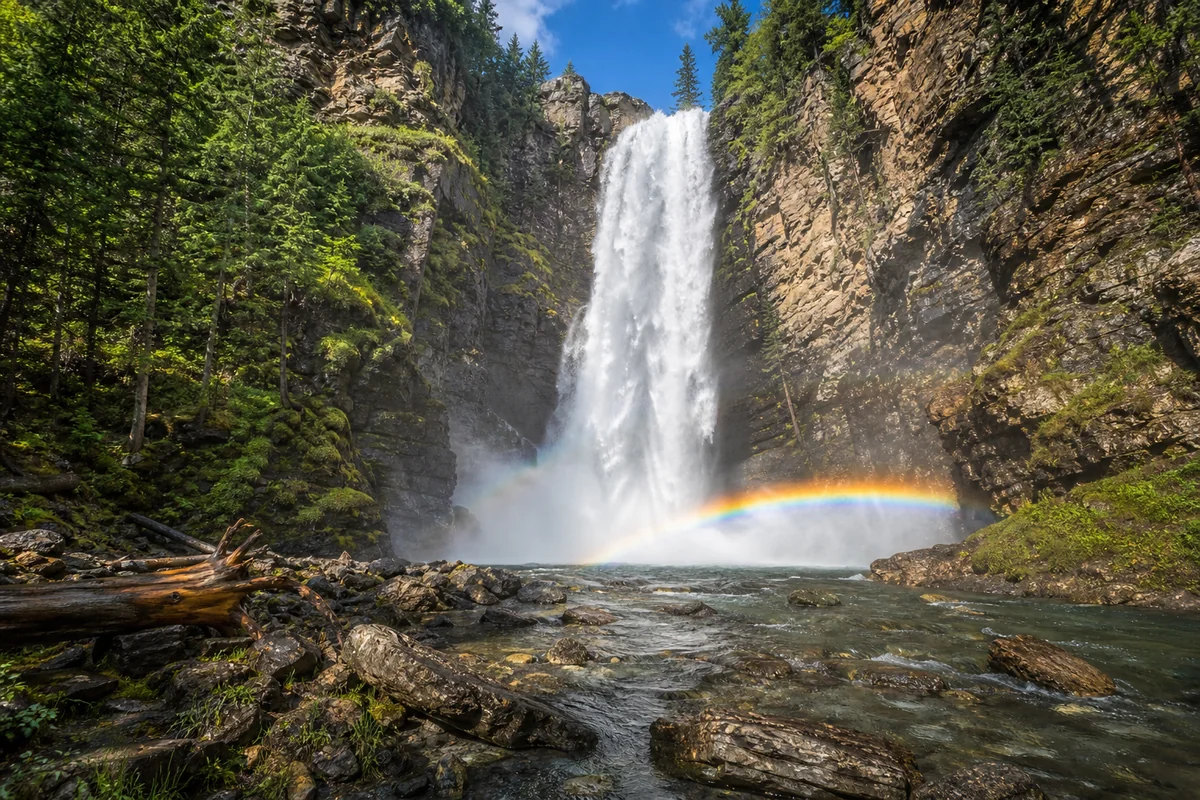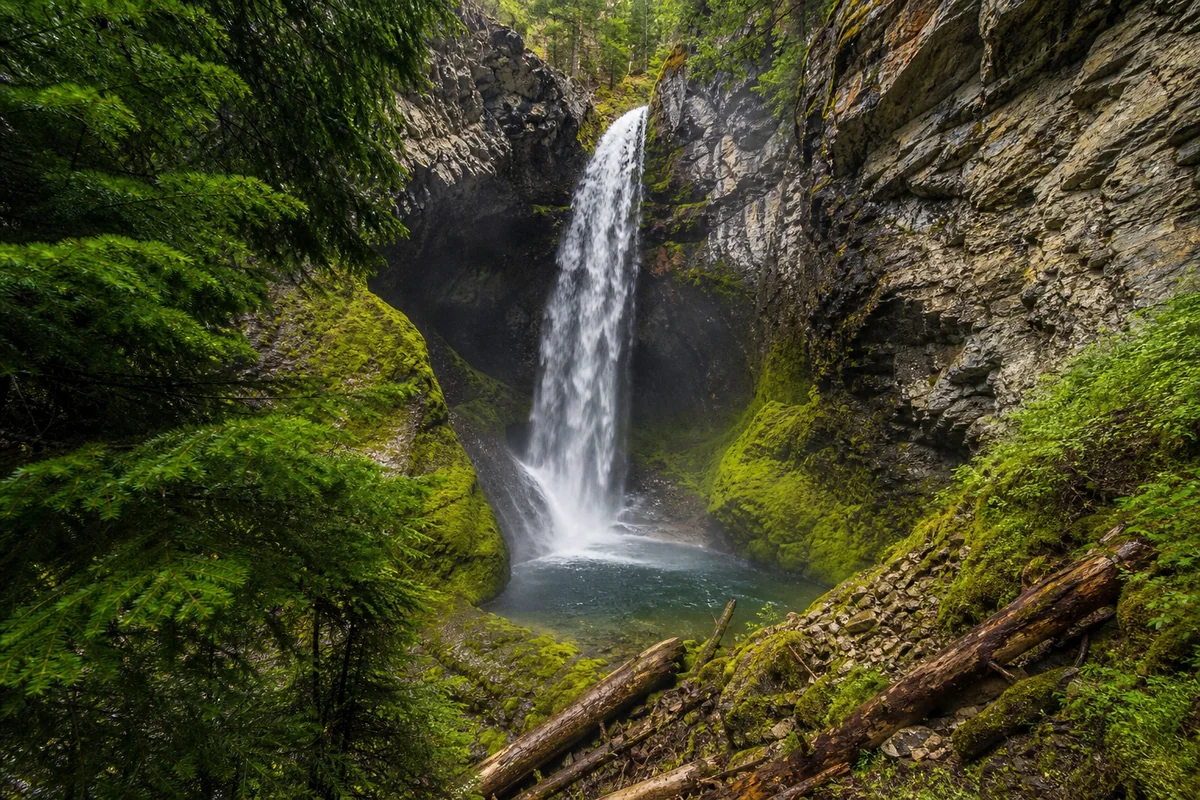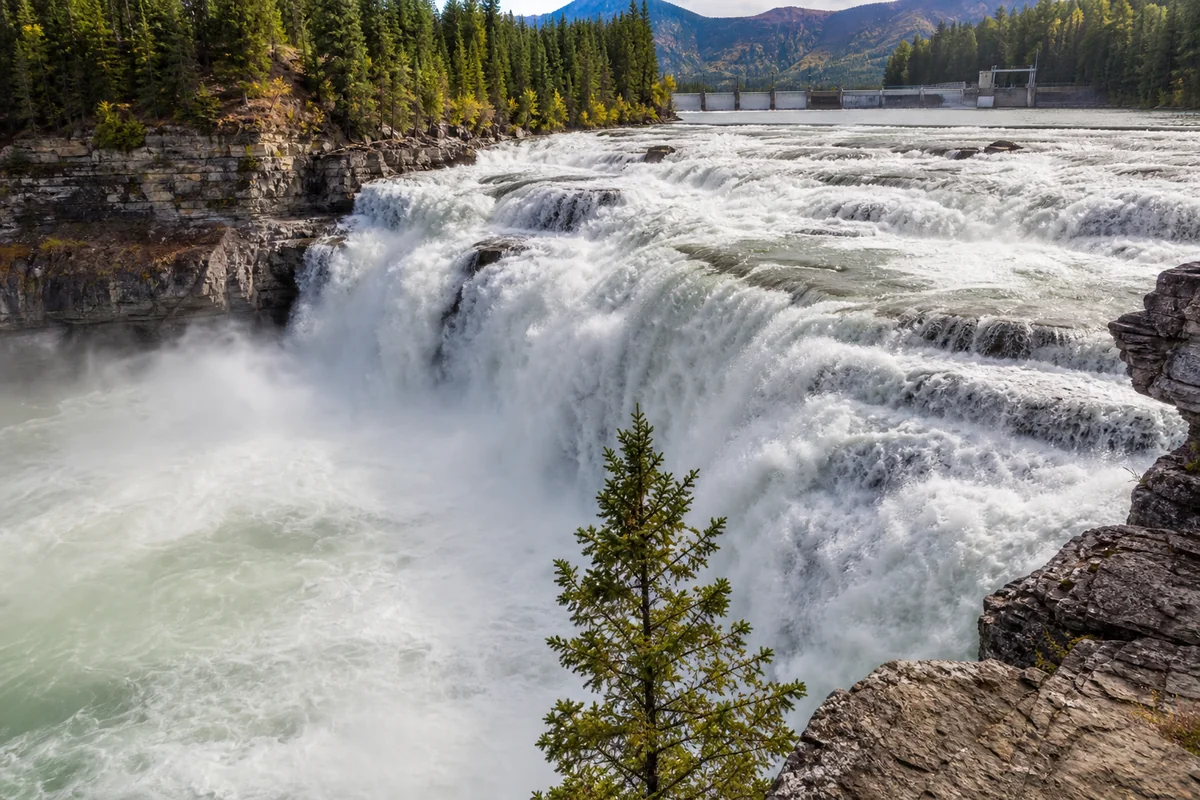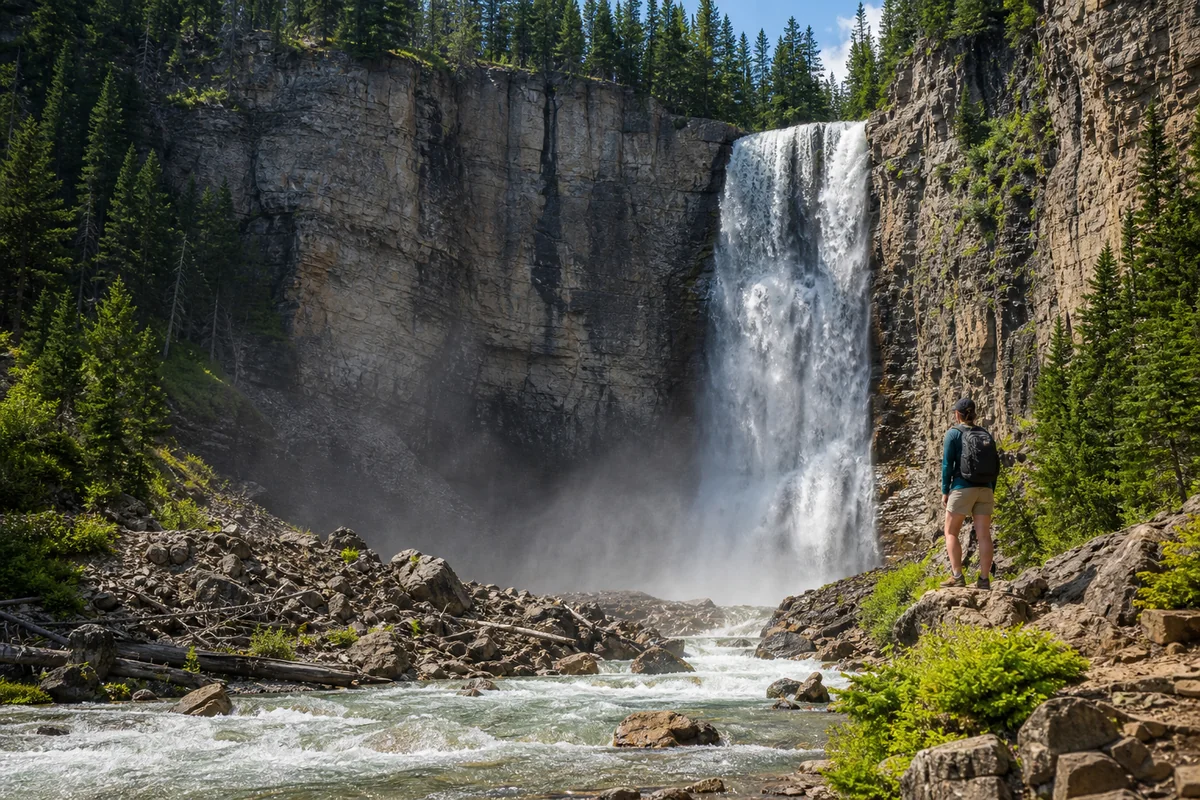
The morning mist was still clinging to the canyon walls when I first heard it—a deep, resonant thunder that seemed to vibrate through my chest before I even caught sight of the water.
Raven Quiver Falls doesn’t announce itself gently; it commands attention with the kind of raw power that makes you understand why early settlers gave it such a dramatic name. After spending years exploring Montana waterfalls, I can honestly say this cascade caught me completely off guard.
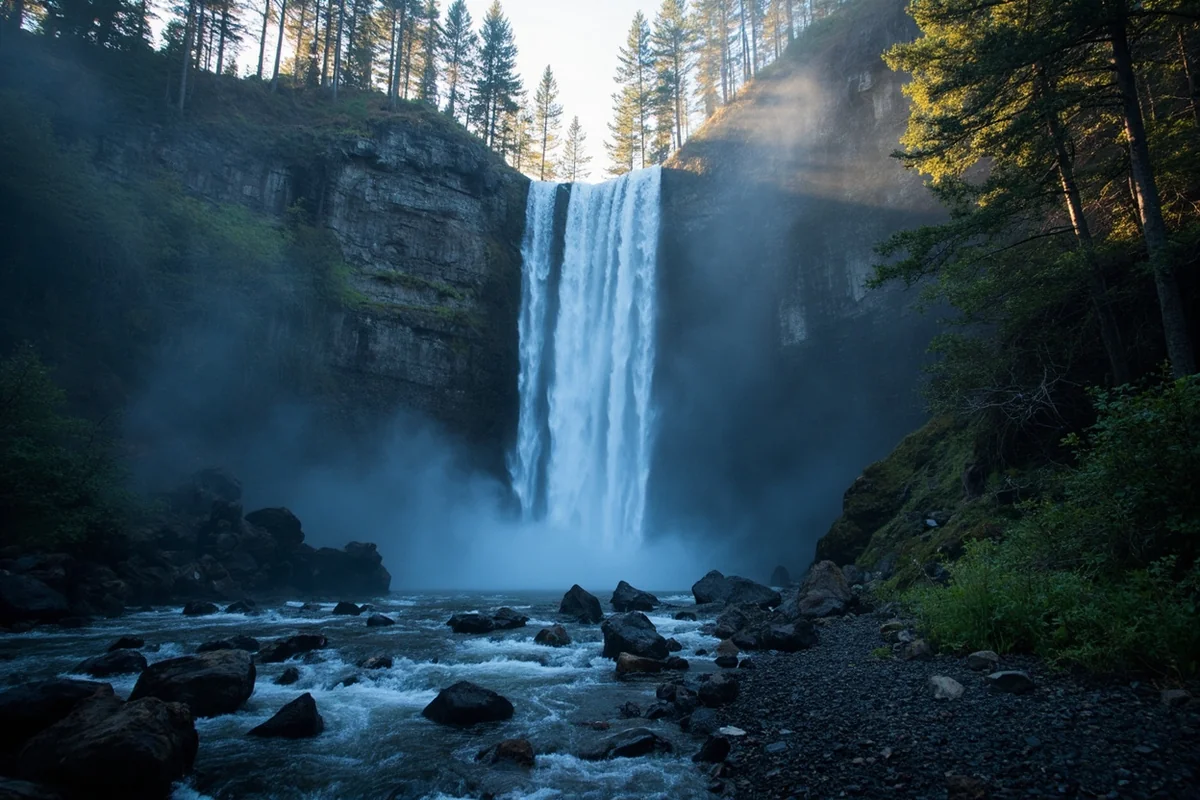
- Raven Quiver Falls drops approximately 85 feet through a narrow granite chute in Montana’s remote backcountry
- The hike is 6.4 miles round-trip with 1,400 feet elevation gain — moderate to strenuous difficulty
- Best visited late May through early July for peak water flow
- No permit required, but limited parking accommodates only 8-10 vehicles
- Allow 4-5 hours for the full experience including photography stops
- Cell service is nonexistent — download offline maps before you go
Liked this article?
Add Roaming Montana as a preferred source so you see more of our articles and guides on Google.
What Makes Raven Quiver Falls So Special
I’ve stood at the base of countless waterfalls across Montana, from the easily accessible Kootenai Falls to the remote Grotto Falls deep in the backcountry. But Raven Quiver Falls occupies a unique space in my memory—and in Montana’s waterfall landscape.
The name itself tells a story. Local historians believe “Raven Quiver” references the way ravens would shake and ruffle their feathers near the falls, startled by the thunderous noise echoing off the canyon walls. When I visited last summer, I watched a pair of ravens doing exactly that, perched on a dead pine overlooking the cascade.
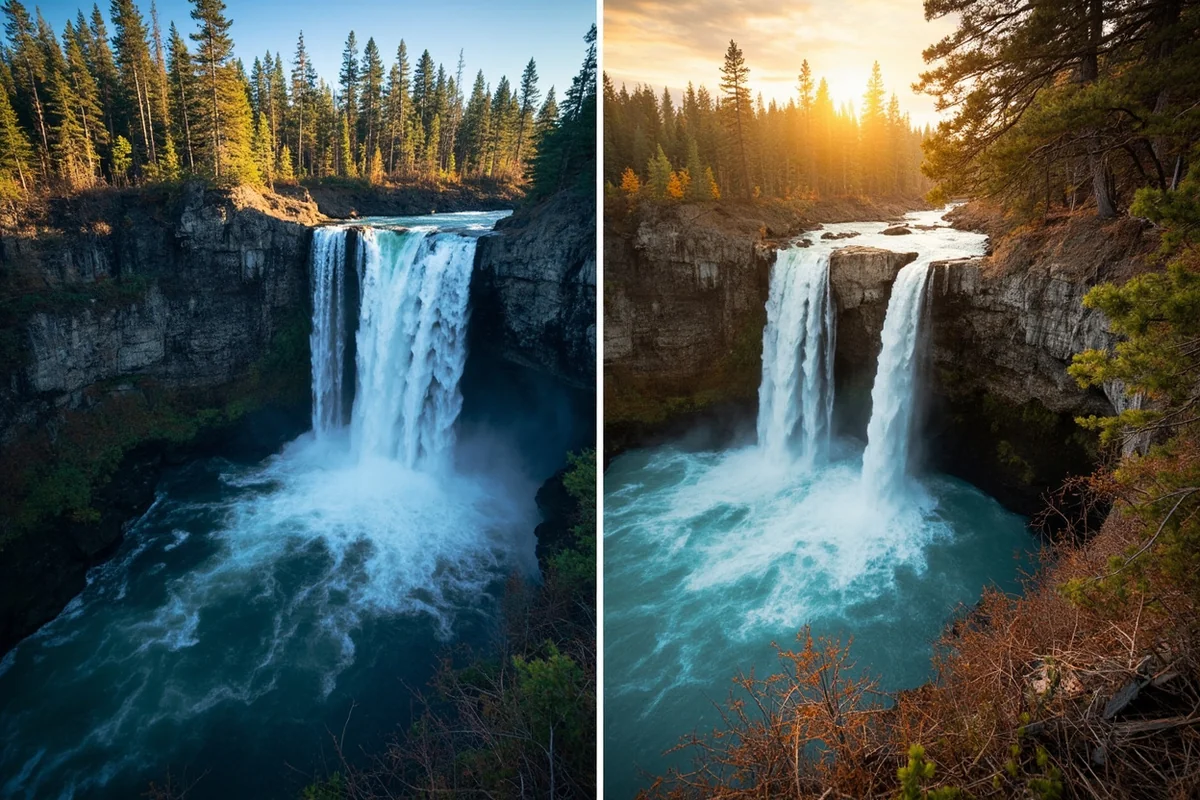
What sets this waterfall apart is its unusual geology. Unlike the wide, curtain-style falls common in Glacier National Park, Raven Quiver Forces through a narrow granite chute barely twenty feet wide. This compression creates incredible hydraulic pressure, launching water outward in a distinctive arc before it crashes into the pool below.
The spray reaches nearly a hundred feet in all directions during peak flow. I learned this the hard way when my camera lens fogged up within seconds of reaching the main viewpoint.
Getting to the Trailhead: Directions and Access
Let me be straight with you—getting to Raven Quiver Falls requires some effort before you even start hiking. The trailhead sits at the end of a gravel forest service road that sees minimal maintenance.
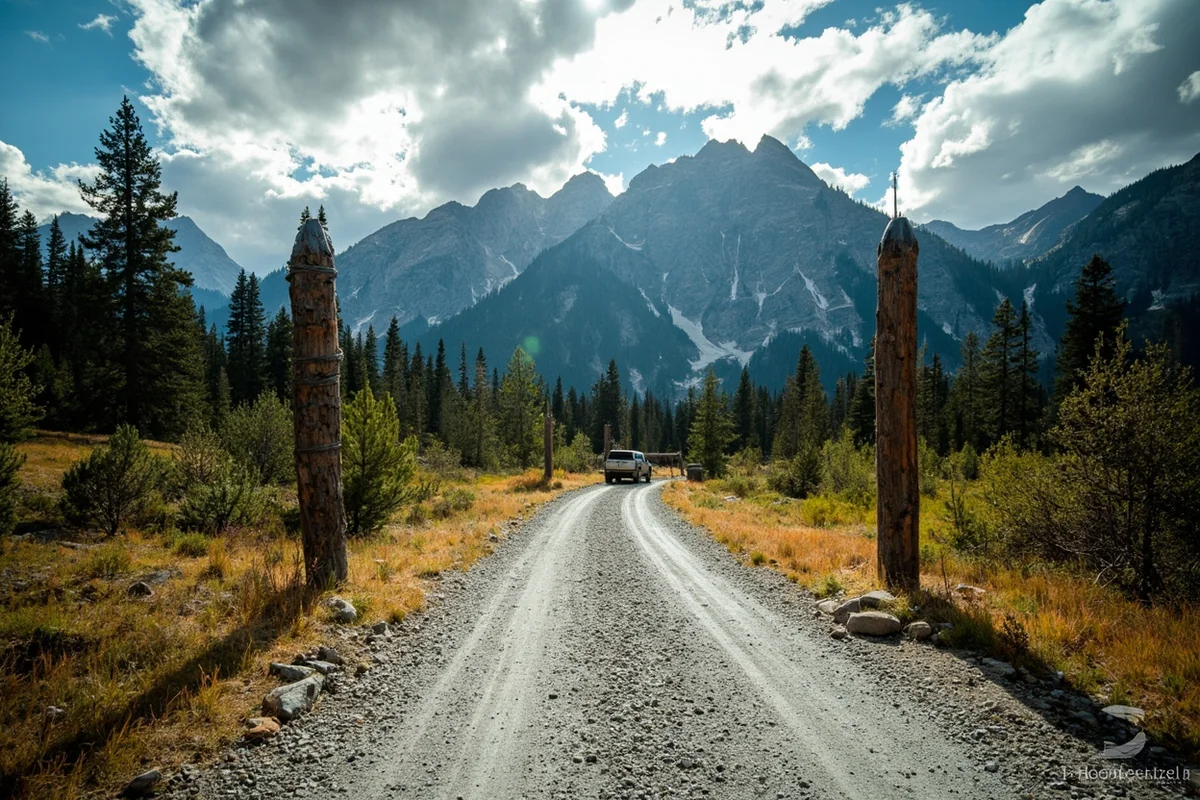
From Missoula, the drive takes approximately two hours and fifteen minutes under optimal conditions. Head north on Highway 93 toward Kalispell, then turn east onto Forest Road 1624 about eight miles past Ravalli. Follow FR 1624 for sixteen miles—this is where things get interesting.
The last four miles of road are rough. I’m talking washboard gravel, occasional potholes deep enough to swallow a small dog, and several creek crossings that can become impassable during spring runoff. During my June visit, I white-knuckled my Subaru through two creek crossings that pushed the limits of my ground clearance.
| Starting Point | Distance | Drive Time |
|---|---|---|
| Missoula | 78 miles | 2 hr 15 min |
| Kalispell | 52 miles | 1 hr 40 min |
| Great Falls | 145 miles | 3 hr 30 min |
| Helena | 118 miles | 2 hr 45 min |
A high-clearance vehicle isn’t strictly required, but I’d strongly recommend one. I watched a Honda Civic attempt the road during my visit—the driver turned around after the first creek crossing, and honestly, that was the smart call.
Parking Situation and Arrival Strategy
The trailhead parking area is primitive at best. We’re talking a cleared dirt pullout that fits eight to ten vehicles comfortably, maybe twelve if everyone parks thoughtfully (spoiler: they won’t).
I arrived at 6:45 AM on a Saturday in mid-June and snagged the third spot. By 8:30 AM, cars were parking along the roadside for a quarter mile in each direction. If you’re planning a weekend visit during peak season, treat this like a Glacier National Park hike—arrive early or prepare for frustration.
There are no facilities at the trailhead. No restrooms, no trash cans, no bear boxes. Pack out everything you pack in, and handle your business before you arrive.
The Hike: Trail Description and What to Expect
The trail to Raven Quiver Falls follows an old logging road for the first mile before transitioning to a proper single-track path. I found this initial section deceptively easy—flat terrain, wide trail, wildflowers blooming in the clearings. Don’t let it fool you.
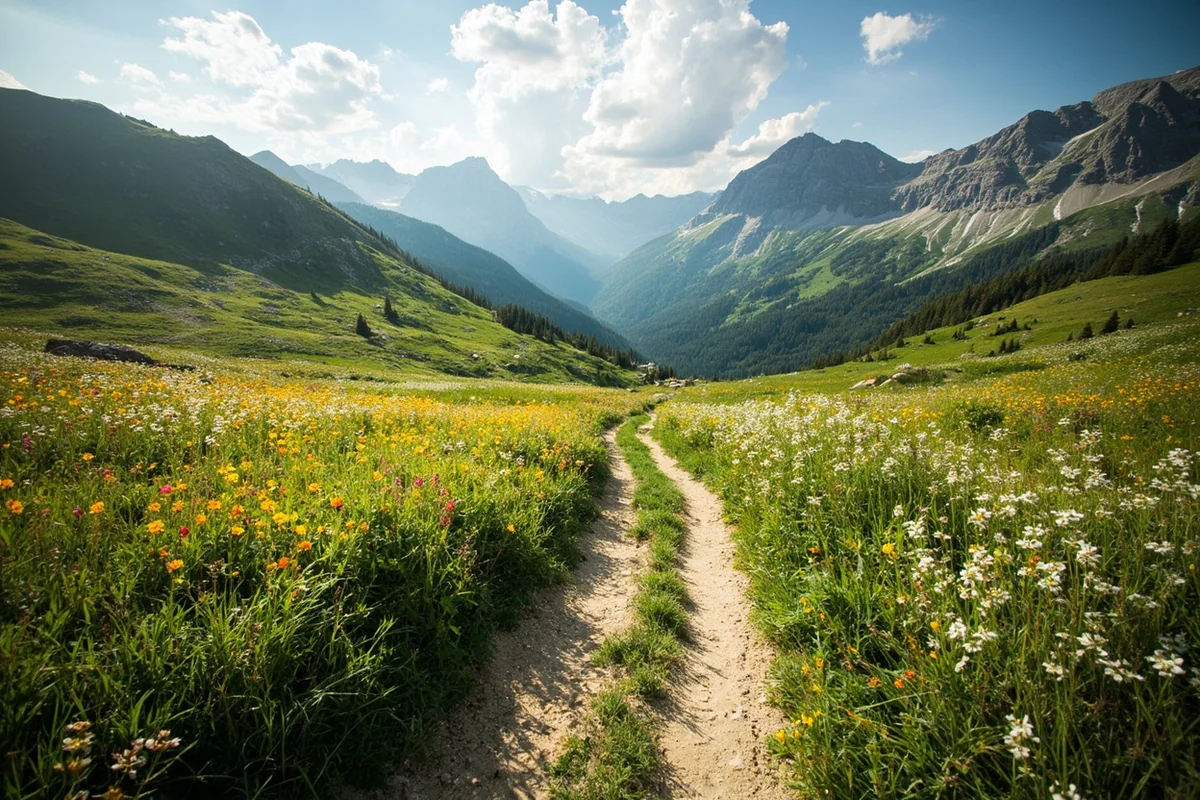
After that first mile, the trail begins climbing in earnest. You’ll gain about 800 feet of elevation over the next two miles through dense lodgepole pine forest. The trail is well-marked with orange diamond blazes, though I noticed a few confusing junctions where game trails intersected the main path.
During my hike, I made a wrong turn at mile 1.8 and spent twenty minutes bushwhacking before realizing my mistake. Keep an eye out for the blazes, and when in doubt, stay on the more worn path.
Mile-by-Mile Breakdown
Miles 0-1: Easy walking on an old roadbed. You’ll cross two small streams on sturdy log bridges. This section is pleasant and scenic, passing through several meadows where I spotted deer grazing in the morning light.
Miles 1-2: The climb begins. Switchbacks through forest with occasional glimpses of the surrounding peaks. My legs started burning here, and I was grateful for the trekking poles I’d brought along.
Miles 2-2.8: The steepest section. You’ll gain 400 feet in less than a mile through a series of tight switchbacks. Take your time. I passed a family who was clearly struggling, and I could relate—this section kicked my butt too.
Miles 2.8-3.2: The trail levels out as you enter a rocky gorge. You’ll hear the falls before you see them. That sound—a constant, building roar—pushed me through my exhaustion like nothing else could.
Trail Conditions by Season
I’ve talked with rangers and other hikers about conditions throughout the year, and here’s the consensus:
- Late May through June: Peak water flow, but snow may linger on upper sections of trail. Bring microspikes just in case.
- July: Ideal conditions. Trail is completely clear, water flow remains impressive.
- August: Trail is dry and dusty. Water flow decreases significantly.
- September through October: Fall colors are stunning, but the falls can reduce to a trickle in dry years.
- November through May: Not recommended. Road is typically impassable, and avalanche danger exists in the canyon.
At the Falls: Viewpoints and Photography
When you finally emerge from the forest and catch your first full view of Raven Quiver Falls, take a moment. Sit down on one of the flat rocks near the trail’s end and just absorb it.
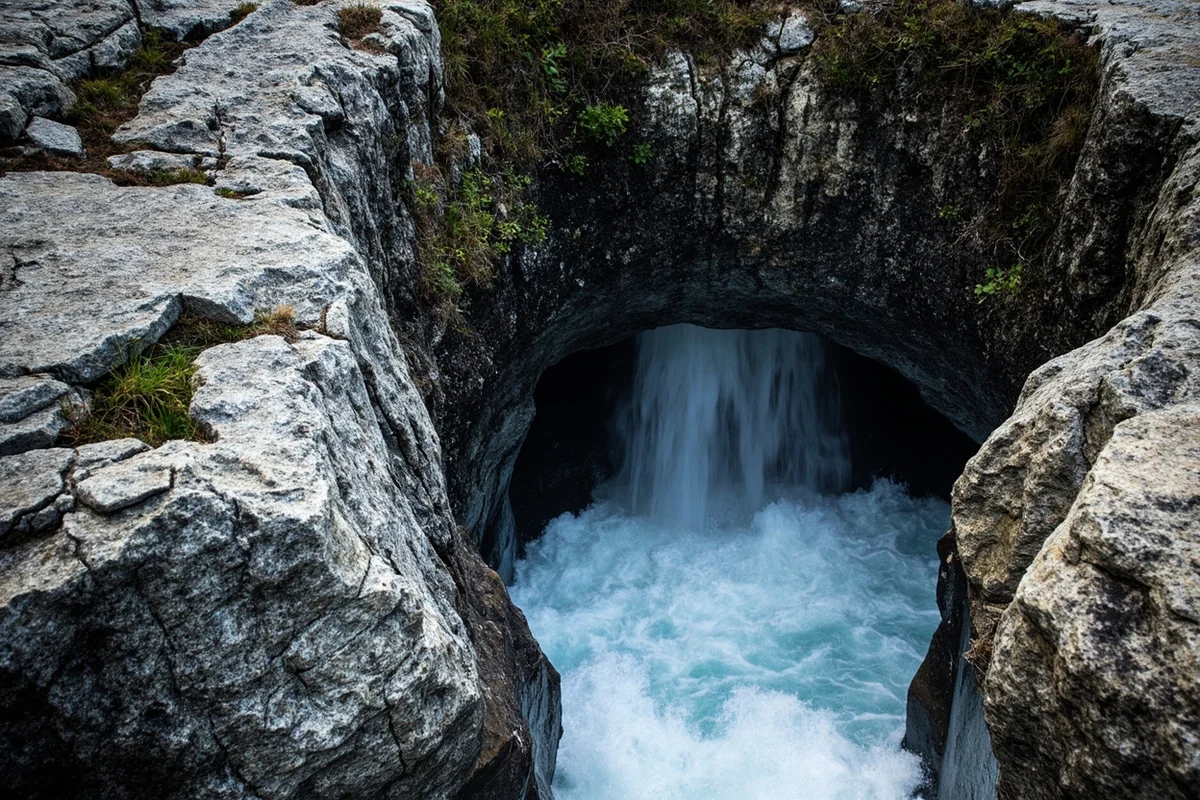
The main viewpoint sits about 150 feet from the base of the falls—close enough to feel the spray on windy days, far enough to capture the entire cascade in a single frame. I spent over an hour at this spot during my visit, watching the light change as the sun crept over the canyon rim.
For photographers, I have some specific advice drawn from my own frustrating trial-and-error:
Morning light is magic. The canyon faces east, which means direct sunlight hits the falls between 8:30 and 10:30 AM during summer months. After that, the falls fall into shadow, which can create harsh contrast issues.
Bring a polarizing filter. The spray creates constant mist in the air, and a polarizer will cut through the haze while saturating the colors of the surrounding rock and vegetation.
Use a faster shutter speed than you think. I initially tried the classic “silky water” long exposures, but the violent motion of Raven Quiver Falls actually looks more dramatic frozen in time. Try 1/500 or faster to capture individual droplets.
Secondary Viewpoints Worth Exploring
Most visitors stick to the main viewpoint, but scrambling reveals additional perspectives that few people see.
To the left of the main viewpoint, a faint use trail climbs about fifty vertical feet to a rocky outcropping. From here, you can see down into the churning pool at the base of the falls—a perspective that photographs beautifully.
To the right, another use trail descends toward the creek below the falls. This is slippery and requires careful footwork, but it leads to a massive boulder that offers an eye-level view of the cascade. I spent twenty minutes here, getting thoroughly soaked and loving every second of it.
Be careful exploring these unofficial routes. The rocks are perpetually wet and slick, and a fall could result in serious injury with no cell service to call for help.
Wildlife and Natural Features
Raven Quiver Falls sits in prime Montana wilderness, and the wildlife reflects that. During my single visit, I encountered more animals than I typically see in a week of hiking.
The ravens, of course, are ever-present. I counted seven individuals circling above the falls during my time there, their croaking calls somehow audible above the water’s roar. Watching them ride the thermals created by the canyon walls was mesmerizing.
On the hike in, I spotted a cow moose and her calf feeding in a willow-choked meadow about a mile from the trailhead. I gave them a wide berth—cow moose with calves are notoriously unpredictable—but watching from a distance was a highlight of the day.
Bears are present in the area. I saw no bears during my visit, but I did see fresh scat on the trail twice. Make noise, carry bear spray, and store food properly if you’re planning an overnight trip in the vicinity.
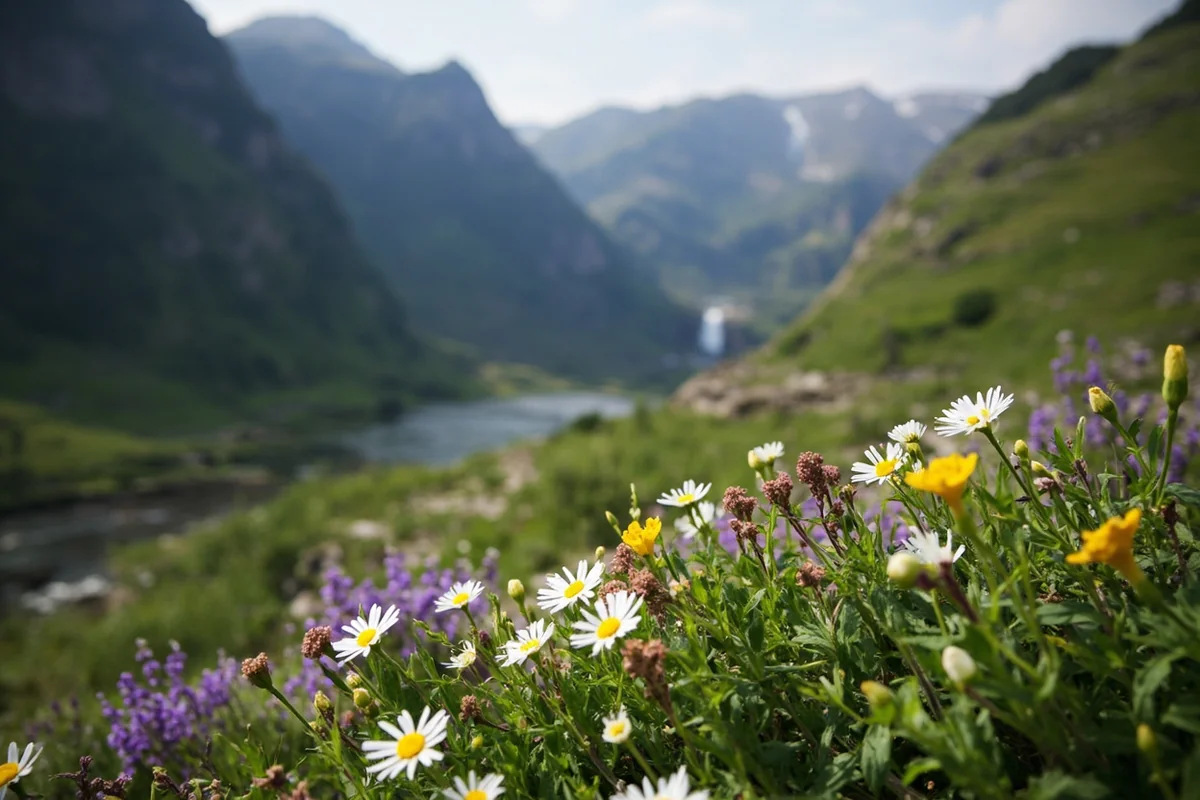
The wildflower display in late June was exceptional. Indian paintbrush, lupine, arnica, and fireweed carpeted the meadows along the first mile of trail. Photographers will want to bring a macro lens alongside their wide-angle options.
What to Bring: A Practical Packing List
After hiking to dozens of Montana waterfalls, including gems like Morrell Falls and Holland Lake Falls, I’ve refined my packing list for this specific type of adventure.
Essential items:
- At least two liters of water per person (no reliable water sources on trail)
- Bear spray, accessible on your hip or chest strap
- Rain jacket or windbreaker (spray will soak you near the falls)
- Downloaded offline map (no cell service)
- First aid kit with blister supplies
- High-energy snacks
- Trekking poles (highly recommended for steep sections)
- Sunscreen and sunglasses
Nice to have:
- Camera with waterproof housing or rain cover
- Microfiber towel for drying gear
- Spare socks (trust me on this one)
- Binoculars for wildlife viewing
- Packable down layer for rest stops
I cannot stress the rain jacket enough. Even on a sunny day, you will get wet near the falls if you approach any of the closer viewpoints. My friend made the mistake of wearing a cotton t-shirt and was miserably cold for the entire hike back.
Comparing Raven Quiver Falls to Other Montana Waterfalls
Where does Raven Quiver Falls rank among Montana’s waterfall offerings? After exploring extensively throughout the state, I’ll share my honest assessment.
For raw power and dramatic impact, Raven Quiver Falls competes with the best. The narrow chute creates a visual intensity that wider falls simply can’t match. It’s not as tall as Memorial Falls or as photographically iconic as Running Eagle Falls, but it offers something uniquely its own.
If you’re looking for easier alternatives that deliver similar remote wilderness vibes, consider Palisade Falls near Bozeman or Ousel Falls in Big Sky. Both require less driving on rough roads and shorter hikes.
For those seeking an even more challenging adventure, Impasse Falls and Passage Creek Falls offer similar backcountry experiences with steeper trails and even fewer visitors.
The lack of crowds at Raven Quiver Falls is both a blessing and a concern. I saw only twelve other hikers during my entire day—a stark contrast to the hundreds who swarm Saint Mary Falls in Glacier National Park daily. Enjoy the solitude, but also recognize the additional responsibility it places on you for self-rescue and safety.
Safety Considerations and Honest Warnings
I try to be enthusiastic about the places I write about, but I’d be doing you a disservice if I didn’t address safety concerns directly.
This is genuine backcountry. The nearest medical facility is over two hours away. If you twist an ankle at the falls, you’re looking at a painful three-mile hobble back to your car, followed by a long drive on rough roads. Carry a first aid kit and know how to use it.
The approach road floods. Those creek crossings I mentioned can become impassable within hours of heavy rain. I’ve heard stories of hikers getting stranded when thunderstorms upstream raised water levels while they were at the falls. Check weather forecasts carefully and have a backup plan.
Hypothermia is a real risk. The combination of waterfall spray and mountain temperatures can drop your core temperature quickly. Even in July, I’ve seen days where temperatures at the falls hovered in the low fifties. Bring warm layers.
No one is coming to rescue you quickly. Without cell service, an emergency would require someone to hike out and drive to an area with coverage. Carry a personal locator beacon or satellite communicator if you have one.
I don’t share this to scare you off—Raven Quiver Falls is absolutely worth visiting. But I’ve seen too many visitors underestimate Montana’s backcountry, and I want you to return home safely with amazing memories.
Nearby Attractions and Trip Planning
If you’re making the drive to Raven Quiver Falls, consider extending your trip to explore the surrounding area. Several excellent destinations sit within reasonable driving distance.
Skalkaho Falls can be visited as part of a scenic loop drive if you’re approaching from the south. The Skalkaho Pass Road is spectacular in its own right, winding through alpine meadows and past mountain lakes.
For those coming from the north, detour to McDonald Falls in Glacier National Park for a completely different waterfall experience. The contrast between the easily accessible McDonald Falls and remote Raven Quiver Falls highlights Montana’s incredible diversity.
If you’re planning a multi-day waterfall tour, I’d suggest combining Raven Quiver Falls with visits to Lost Creek Falls and Rock Creek Falls. All three offer that genuine backcountry feel without requiring technical skills or overnight gear.
For Glacier National Park enthusiasts, consider adding Ptarmigan Falls or Redrock Falls to your itinerary. Both require hiking but reward with stunning alpine scenery.
Accommodation Options
There are no hotels or lodges near the Raven Quiver Falls trailhead. Your options fall into three categories:
Dispersed camping: Free camping is permitted on national forest land surrounding the area. I noticed several established primitive sites along the forest road within a few miles of the trailhead. These are first-come, first-served with no facilities.
Established campgrounds: The nearest developed campground is approximately 25 miles west, near the Highway 93 corridor. Sites include fire rings, picnic tables, and vault toilets.
Town lodging: For those preferring beds and showers, the small town of Ravalli offers limited motel options. Missoula provides the full range of hotels, restaurants, and services about two hours away.
Personally, I dispersed camped the night before my hike, which allowed me to hit the trail before sunrise and enjoy the falls in solitude. The night sky from my campsite was spectacular—zero light pollution and a brilliant Milky Way stretching overhead.
Best Times to Visit: Seasonal Breakdown
Timing your visit to Raven Quiver Falls can make or break the experience. Here’s what I’ve learned from multiple conversations with rangers, local hikers, and my own observations:
Late May: The falls run at peak volume as snowmelt feeds the cascade. Trail conditions can be challenging with lingering snow at higher elevations. Road may still be partially closed.
June: The sweet spot. Massive water flow, reliable trail access, comfortable temperatures. This is when I made my visit, and I’d do it again in a heartbeat.
July: Excellent conditions overall. Water flow begins decreasing mid-month but remains impressive. Wildflowers peak in meadows. Can be crowded on weekends.
August: The trade-off month. Perfect hiking weather, but water flow drops noticeably. Some years the falls look disappointing by late August.
September: Fall colors arrive. Water flow is minimal but the golden larch trees along the canyon rim create stunning photography opportunities.
October and beyond: Not recommended. Road conditions deteriorate, snow arrives, and the falls can freeze in sections, creating dangerous icy conditions.
Leave No Trace and Stewardship
Places like Raven Quiver Falls remain special precisely because they see limited visitation. As more people discover this waterfall—partly, I recognize, because of articles like this one—we all share responsibility for protecting it.
During my visit, I packed out not only my own trash but also an abandoned water bottle and granola bar wrapper I found near the main viewpoint. It took me thirty seconds and cost me nothing. Please do the same.
Stay on established trails, even when use paths tempt you toward “better” viewpoints. The vegetation around alpine waterfalls is fragile and slow to recover from trampling.
Respect wildlife by maintaining distance and never feeding animals. That friendly chipmunk begging for your trail mix isn’t being cute—it’s been conditioned by irresponsible visitors, and that conditioning often proves fatal.
If you’re camping in the area, practice proper food storage. Bears habituated to human food create dangerous situations for everyone and often end up being killed as a result. A moment of laziness on your part could mean death for a bear.
Final Thoughts: Is Raven Quiver Falls Worth the Effort?
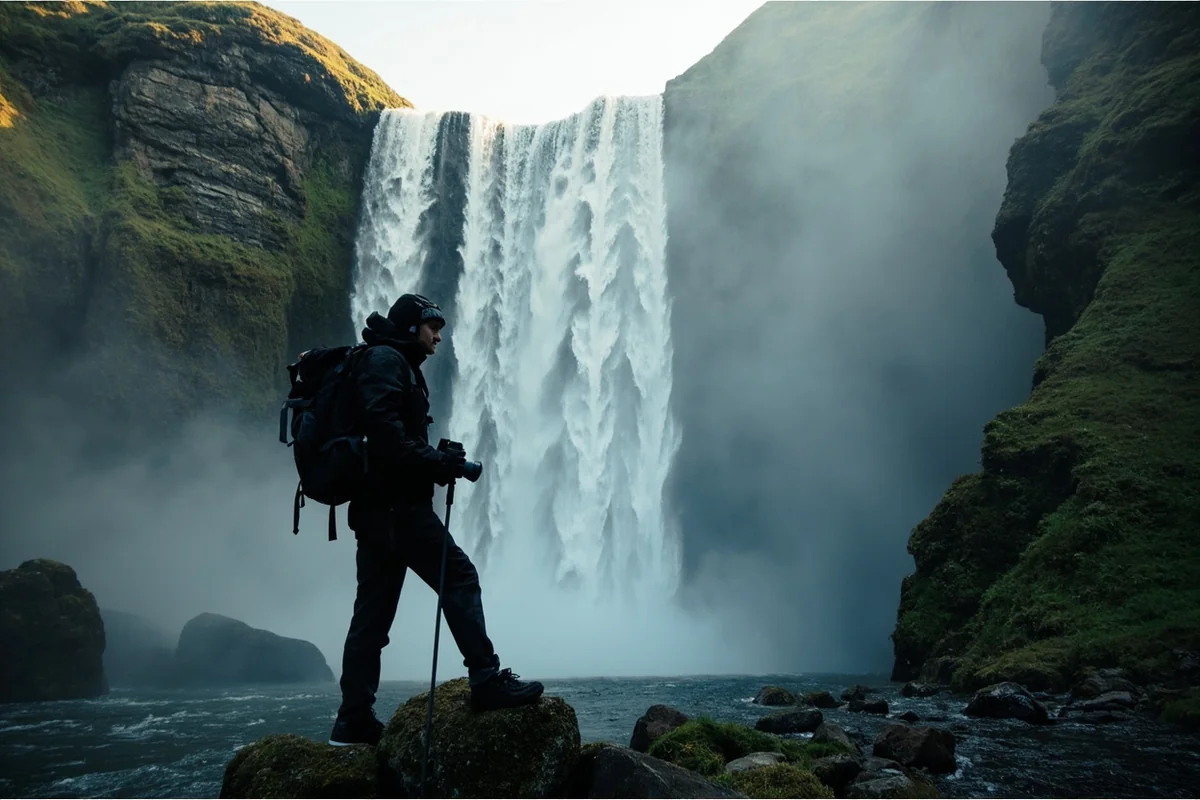
Standing at the base of Raven Quiver Falls, soaked with spray and slightly out of breath from the climb, I asked myself this exact question. The drive was long. The road was rough. The hike was harder than expected.
Was it worth it?
Absolutely, without hesitation.
Montana’s backcountry waterfalls demand more from visitors than roadside attractions, but they give more in return. The solitude, the raw power, the sense of discovery—these experiences simply cannot be replicated at a crowded scenic overlook.
Raven Quiver Falls isn’t for everyone. If you’re looking for easy, Instagram-ready accessibility, head to Rainbow Falls in Great Falls or Silken Skein Falls. Both deliver stunning visuals with minimal effort.
But if you’re willing to work for your rewards—if you crave that feeling of standing somewhere few others have stood—Raven Quiver Falls belongs on your Montana bucket list.
I’ll be going back. Next time, I’m planning a three-day trip to explore more of the surrounding wilderness and catch the falls in different light conditions. Maybe I’ll see you on the trail.
Whatever you decide, travel safely, tread lightly, and remember that places like Raven Quiver Falls exist only because people before us chose to protect them. Let’s make sure those who come after us have the same opportunity.
Frequently Asked Questions
Where is Raven Quiver Falls located in Montana?
Raven Quiver Falls is tucked away in the remote wilderness of northwestern Montana, approximately 45 miles from the nearest town of Libby. The falls are accessible via Forest Service roads, though I recommend a high-clearance vehicle for the final stretch of unpaved road leading to the trailhead.
How long is the hike to Raven Quiver Falls Montana?
The trail to Raven Quiver Falls is roughly 3.2 miles round trip with moderate elevation gain of about 600 feet. I typically budget 2-3 hours for the complete hike, allowing plenty of time to enjoy the falls and take photos along the way.
What is the best time of year to visit Raven Quiver Falls?
Late spring through early summer (May through July) offers the most impressive water flow at Raven Quiver Falls due to snowmelt from the surrounding peaks. I’ve found that visiting mid-June provides the perfect balance of powerful cascades and accessible trail conditions without lingering snow.
Is Raven Quiver Falls Montana dog-friendly?
Yes, dogs are welcome on the trail to Raven Quiver Falls but must be kept on a leash due to wildlife activity in the area. The terrain can be rocky near the falls, so I recommend bringing booties for dogs with sensitive paws and packing extra water for your four-legged hiking companion.
What should I bring when hiking to Raven Quiver Falls?
Pack sturdy hiking boots with ankle support, bear spray, plenty of water, and layers since mountain weather changes quickly. I always bring a waterproof jacket because mist from the falls can soak you, plus a camera with a polarizing filter to capture the cascades without glare.
Is there an entrance fee or permit required for Raven Quiver Falls?
There’s no entrance fee or permit required to visit Raven Quiver Falls since it’s located on National Forest land. However, you’ll want to display a Northwest Forest Pass ($5 daily or $30 annually) at the trailhead parking area to avoid a citation.
Can you swim at Raven Quiver Falls in Montana?
Swimming isn’t recommended at the base of Raven Quiver Falls due to strong currents, cold water temperatures averaging 45°F even in summer, and submerged rocks. There is a calmer pool about 200 yards downstream where I’ve seen visitors safely wade and cool off on hot days.
Sources