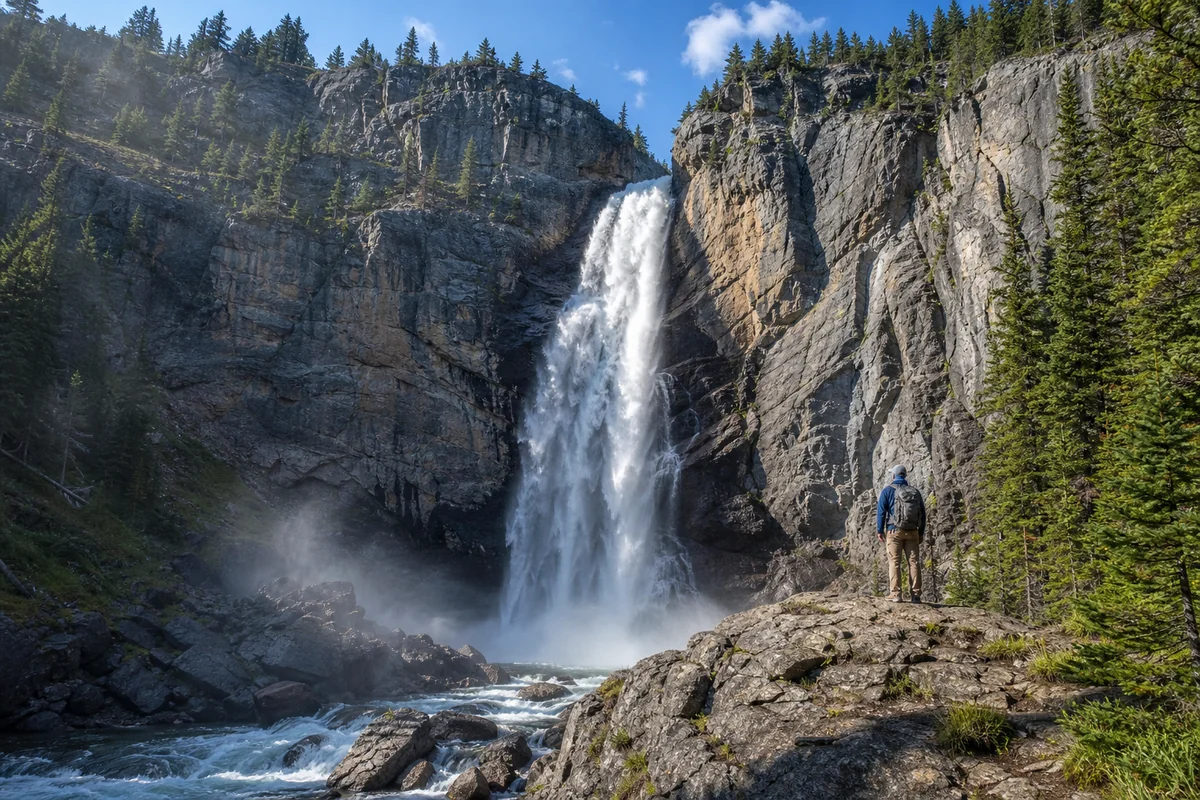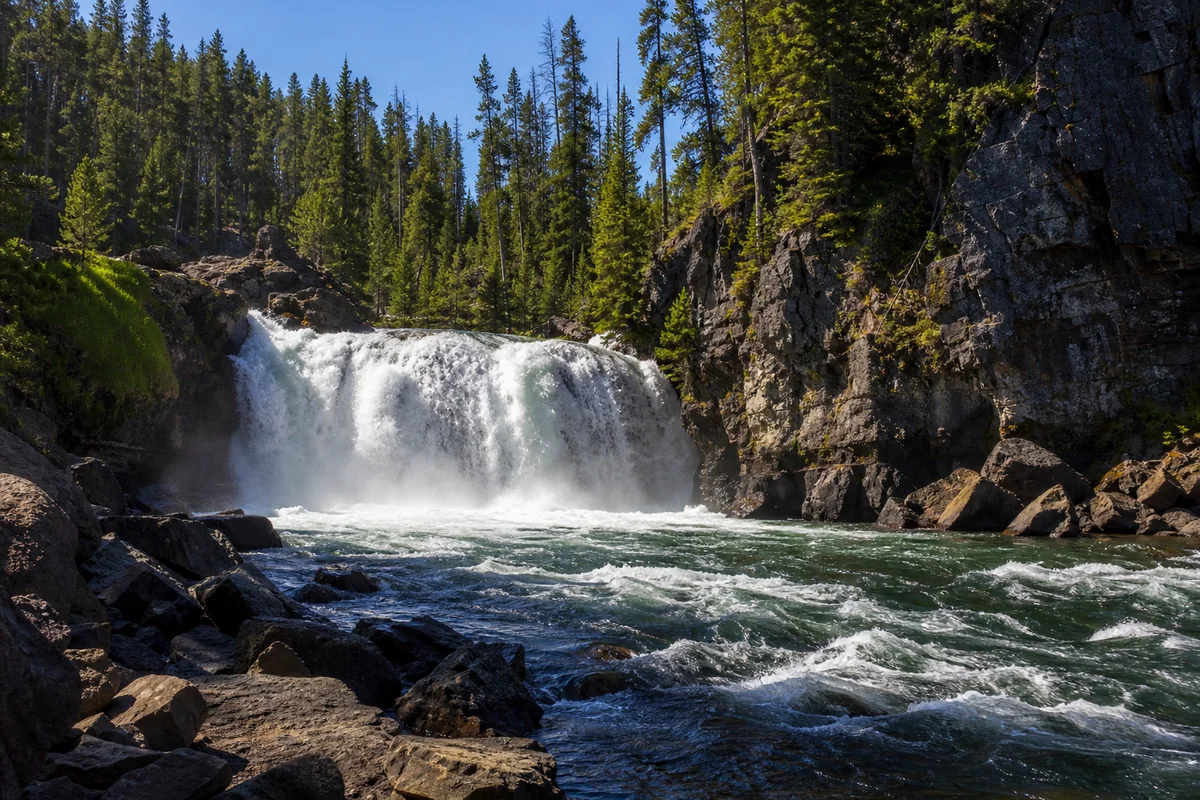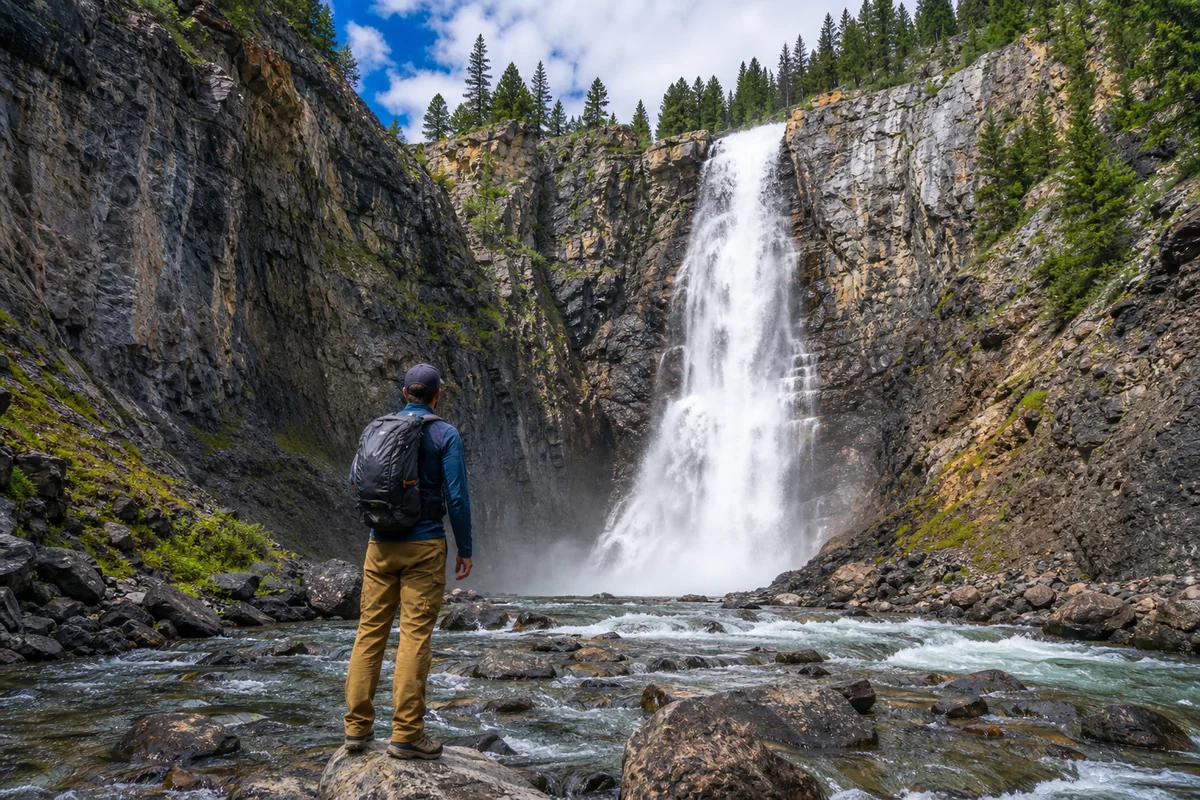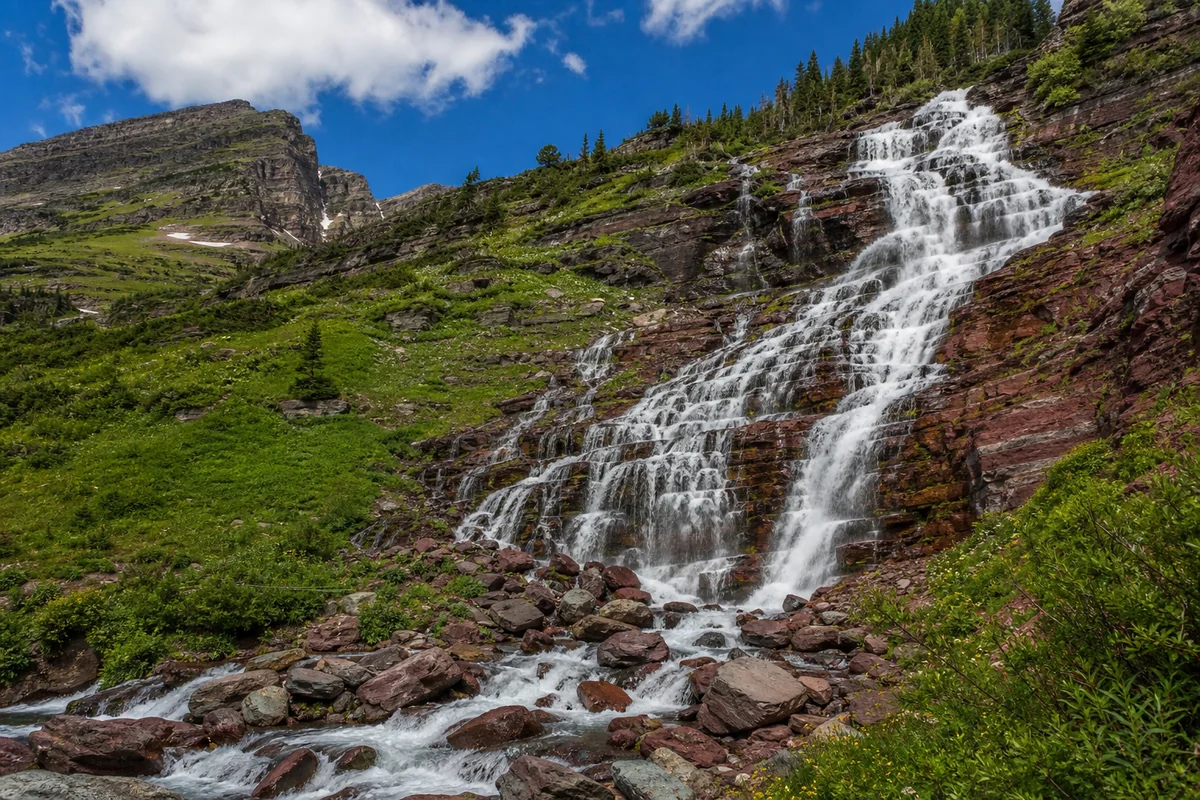
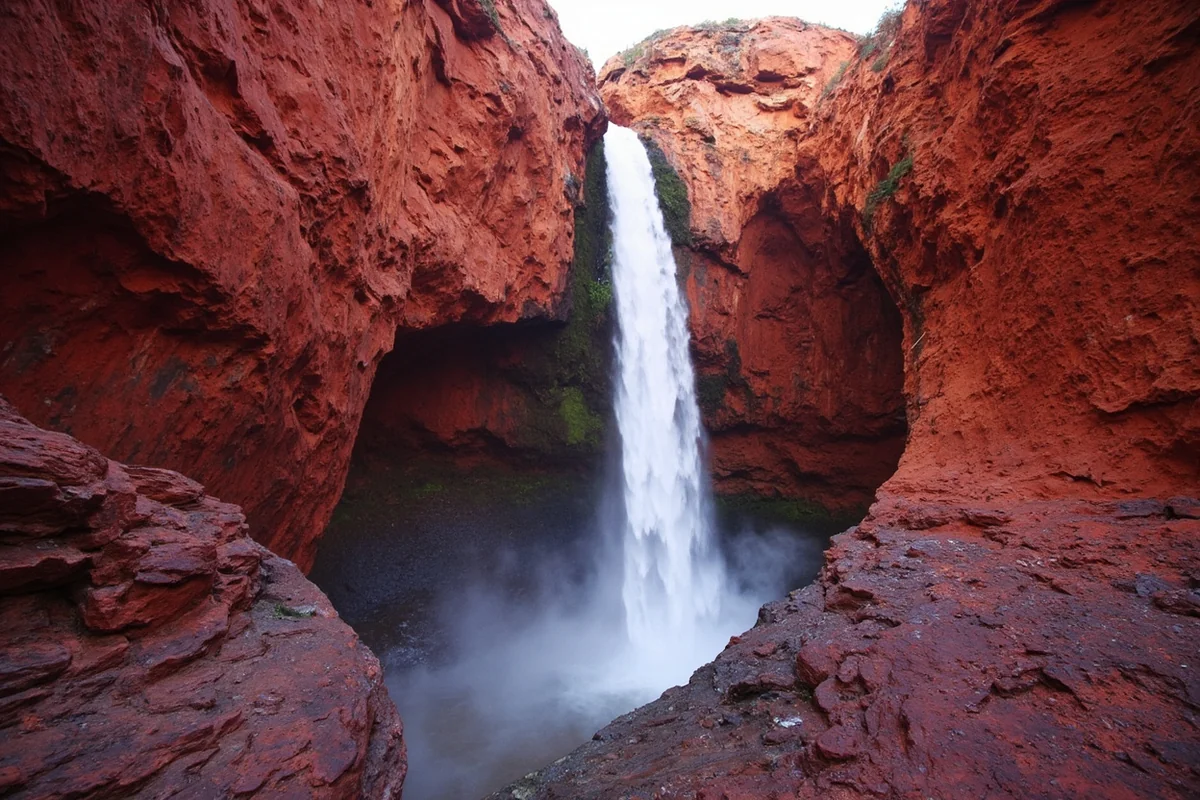
The moment I rounded the bend on the Going-to-the-Sun Road last summer and caught my first glimpse of Sacred Dancing Cascade tumbling down the mountainside, I understood why the Blackfeet people considered this place spiritually significant.
The water doesn’t simply fall here—it performs, twisting and leaping across ancient red rock in a mesmerizing display that genuinely looks like a celebration. Among all the Montana waterfalls I’ve explored over the years, few have stopped me in my tracks quite like this one.
- Sacred Dancing Cascade is located along the Going-to-the-Sun Road in Glacier National Park, visible from a roadside pullout near mile marker 15
- Best viewing: Late May through mid-July when snowmelt peaks; morning light offers best photography
- No hiking required for basic viewing, but a short scramble gets you closer
- Park entrance fee required ($35/vehicle in 2024); vehicle reservation may be needed June-September
- Combine with nearby McDonald Falls and other Going-to-the-Sun Road waterfalls for a full day trip
- Bring layers—temperatures can drop 20°F from the valley even in summer
Liked this article?
Add Roaming Montana as a preferred source so you see more of our articles and guides on Google.
Why Sacred Dancing Cascade Deserves Your Attention
I’ll be honest—when I first heard the name “Sacred Dancing Cascade,” I assumed it was tourist-board hyperbole. But standing at the viewpoint during my visit last June, watching the morning sun catch each twist and turn of the falling water, I realized the name couldn’t be more accurate.
The cascade drops approximately 200 feet down a steep mountainside, but it’s not a single dramatic plunge. Instead, the water bounces, spreads, and reconvenes across a series of ledges in what genuinely resembles choreographed movement.
What makes this waterfall particularly special is the rock formation behind it. The distinctive red and green argillite that defines so much of Glacier’s visual character creates a stunning backdrop. When I was there, the late afternoon light turned the entire scene into shades of burnt orange and emerald.
Where Exactly Is Sacred Dancing Cascade?
Sacred Dancing Cascade sits within Glacier National Park, fed by snowmelt and springs from the mountains above the Going-to-the-Sun Road. You’ll find it on the west side of the park, roughly 7 miles east of the Lake McDonald Lodge.
The GPS coordinates are approximately 48.6567° N, 113.7542° W, though honestly, you won’t need them. The cascade is visible directly from the road, and there’s a designated pullout where most visitors stop.
Getting There: The Practical Details
From West Glacier entrance, take the Going-to-the-Sun Road east. After passing Lake McDonald and the historic Lake McDonald Lodge, continue climbing. You’ll spot the cascade on your right (south side of the road) near mile marker 15.
If you’re coming from the east side via St. Mary, you’re looking at roughly 35 miles of mountain driving. The cascade will be on your left after you descend from Logan Pass.
| Starting Point | Distance | Drive Time | Notes |
|---|---|---|---|
| West Glacier Entrance | 12 miles | 25-35 minutes | Most scenic approach; passes Lake McDonald |
| Lake McDonald Lodge | 7 miles | 15-20 minutes | Road begins climbing; watch for wildlife |
| Logan Pass | 18 miles | 45-60 minutes | Descending route; afternoon shadows on cascade |
| St. Mary Entrance | 35 miles | 1.5-2 hours | Full Going-to-the-Sun Road experience |
Vehicle Reservations and Entry Fees
Here’s something that catches many first-time visitors off guard: between late May and early September, you need a vehicle reservation in addition to your park entrance fee to drive the Going-to-the-Sun Road corridor during peak hours (6 AM to 4 PM).
During my trip last summer, I made the mistake of arriving without a reservation on a July Saturday. I had to wait until 4 PM to enter, which actually worked out beautifully for photography but wasn’t my original plan.
Reservations are released in batches—some 120 days in advance, others 24 hours before. I recommend the 24-hour option if you’re flexible, as it’s easier to snag than the long-range dates.
Park entrance fees for 2024:
- Private vehicle: $35 (valid 7 days)
- Motorcycle: $30
- Individual (foot, bike): $20
- Annual Glacier Pass: $70
- America the Beautiful Annual Pass: $80 (covers all federal recreation sites)
The Best Time to Visit Sacred Dancing Cascade
Timing matters enormously here. I’ve visited Sacred Dancing Cascade three times across different seasons, and the experience varies dramatically.
Peak Flow: Late May Through Mid-July
This is when Sacred Dancing Cascade truly earns its name. Snowmelt from the surrounding peaks feeds the cascade at maximum volume, and the water practically explodes down the mountainside.
During my late June visit, the spray was reaching the road. I had to wipe my camera lens every few minutes, but the power of the water was absolutely worth the inconvenience.
The tradeoff? Crowds. The Going-to-the-Sun Road is at peak popularity during these months, and that small pullout fills quickly.
Summer Flow: Late July Through August
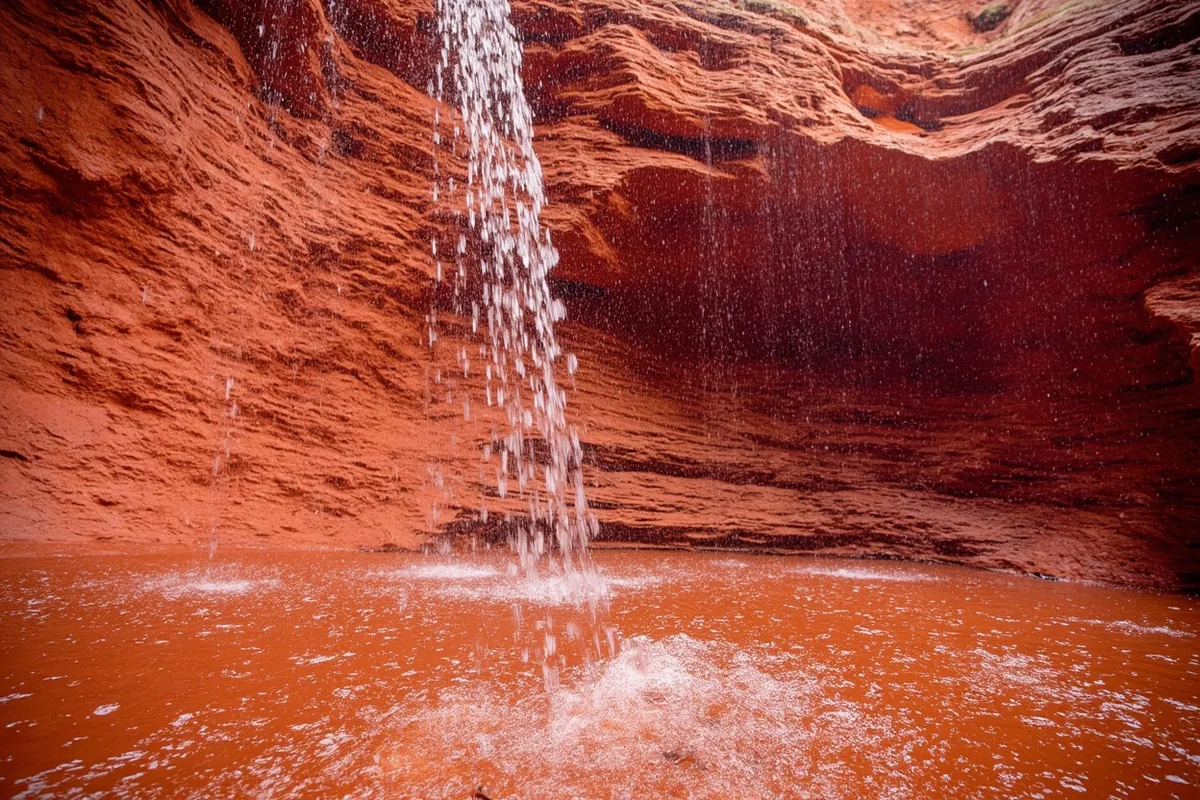
By late July, the cascade mellows. You’ll still see a beautiful waterfall, but it transforms from a thundering spectacle into something more delicate and lace-like.
I actually prefer photographing the cascade during this period. The reduced flow reveals more of the rock structure, and you can see the water’s path more clearly.
Fall: September Through Early October
September brings a surprise at Sacred Dancing Cascade: the surrounding vegetation turns golden, creating a completely different color palette. The flow is minimal, but the falls remain photogenic.
Just be aware that the Going-to-the-Sun Road typically closes for the season sometime between mid-October and early November, depending on weather.
Winter and Spring
The road closes to vehicles at Lake McDonald Lodge during winter, making Sacred Dancing Cascade inaccessible except to the most dedicated cross-country skiers or snowshoers—and even then, avalanche danger makes the attempt inadvisable.
The road typically reopens in late May or early June, though exact dates vary by snow conditions.
Viewing Options: From Roadside to Scramble
One of the things I appreciate most about Sacred Dancing Cascade is its accessibility. You can enjoy this waterfall without any hiking at all, but you can also get closer if you’re willing to put in some effort.
Option 1: The Roadside Pullout (Easiest)
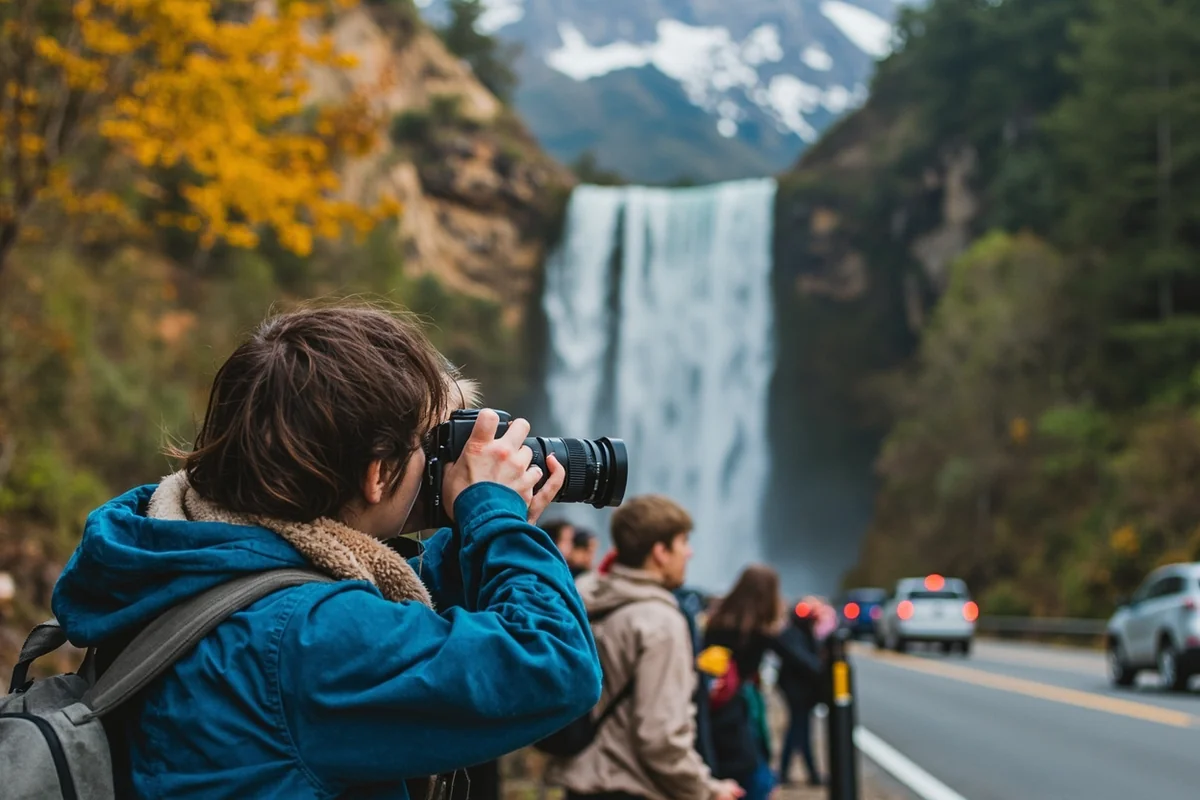
The designated pullout accommodates maybe 8-10 vehicles, and from here you have an unobstructed view of the cascade. During my visits, I’ve seen visitors in wheelchairs, families with strollers, and elderly travelers all enjoying the falls without any difficulty.
Bring binoculars if you have them—you can pick out incredible details in the cascade’s path when you zoom in.
Option 2: The Informal Trail (Moderate)
There’s no official trail to Sacred Dancing Cascade, but over the years, visitors have worn a faint path that gets you somewhat closer. I followed it during my second visit and want to be completely transparent about what to expect.
The “trail” starts at the west end of the pullout and descends about 150 feet through forest. It’s steep, rocky, and can be slippery when wet. I would not recommend this with children or anyone with mobility concerns.
The reward? A viewpoint that puts you roughly level with the middle section of the cascade. You can feel the mist on your face, and the sound is immersive rather than distant.
My Honest Assessment
For most visitors, the roadside view is genuinely excellent. I’ve spent more time at the pullout than scrambling closer because the full cascade is actually more impressive from a distance where you can appreciate its complete descent.
Photography Tips From My Experience
I’ve photographed Sacred Dancing Cascade in morning light, afternoon shade, and the golden glow of evening. Here’s what I’ve learned:
Best Light Conditions
Morning is magical here. The cascade faces generally northeast, so early morning sun (roughly 7-9 AM in summer) illuminates the falls directly while the surrounding forest remains in shadow. This creates natural contrast that makes the white water pop against the dark rock.
By afternoon, the cascade falls into shadow. This isn’t necessarily bad—the soft, even light can be excellent for capturing the delicate spray patterns—but it lacks the drama of morning.
Equipment Recommendations
A telephoto lens (70-200mm or similar) is your friend here. From the roadside, the cascade fills the frame nicely at around 150mm, allowing you to isolate different sections.
For that classic silky water effect, bring a tripod and neutral density filter. During my last visit, I used a 6-stop ND filter with a 2-second exposure at f/16, and the results were exactly what I’d hoped for.
A polarizing filter helps cut glare from wet rocks and can deepen the blue of the sky above the cascade.
Smartphone Photography
Don’t have a fancy camera? No problem. I’ve taken stunning shots with my phone from the pullout. Use the zoom function sparingly (digital zoom degrades quality), and try the panoramic mode to capture the cascade’s full height within the landscape context.
Combining Sacred Dancing Cascade With Other Attractions
No one visits Glacier National Park for a single waterfall, and the Going-to-the-Sun Road offers enough attractions to fill several days.
Nearby Waterfalls Worth Adding to Your Itinerary
McDonald Falls sits just a few miles west of Sacred Dancing Cascade and offers a completely different experience—a powerful cascade on McDonald Creek that you can access via a short walk. I always visit both when I’m in the area.
If you continue east toward Logan Pass, you’ll encounter several more opportunities to stretch your legs and chase water. The Oberlin Falls trail near the pass is particularly rewarding, offering a short hike to a beautiful cascade in an alpine setting.
For those willing to venture further into the park, Saint Mary Falls on the east side provides a moderate hike to one of the park’s most photographed waterfalls. I recommend pairing it with Running Eagle Falls near Two Medicine for a full day of waterfall exploration.
A Sample Day Itinerary
Here’s how I structured my most recent day trip to maximize waterfall viewing:
- 6:30 AM: Enter park via West Glacier (reservation starts at 6 AM)
- 7:00 AM: Sacred Dancing Cascade for morning light photography
- 8:30 AM: Continue east to Silken Skein Falls viewpoint
- 9:30 AM: Logan Pass for Hidden Lake Overlook trail and alpine scenery
- 12:30 PM: Descend east side to Saint Mary Falls trail
- 3:00 PM: Two Medicine area for Running Eagle Falls
- 5:30 PM: Return via Two Medicine Road, exit at East Glacier
This itinerary requires two vehicles or a shuttle arrangement, but it’s my favorite way to experience multiple waterfalls in a single day.
Wildlife to Watch For
During my visits to Sacred Dancing Cascade, wildlife sightings have been a regular bonus.
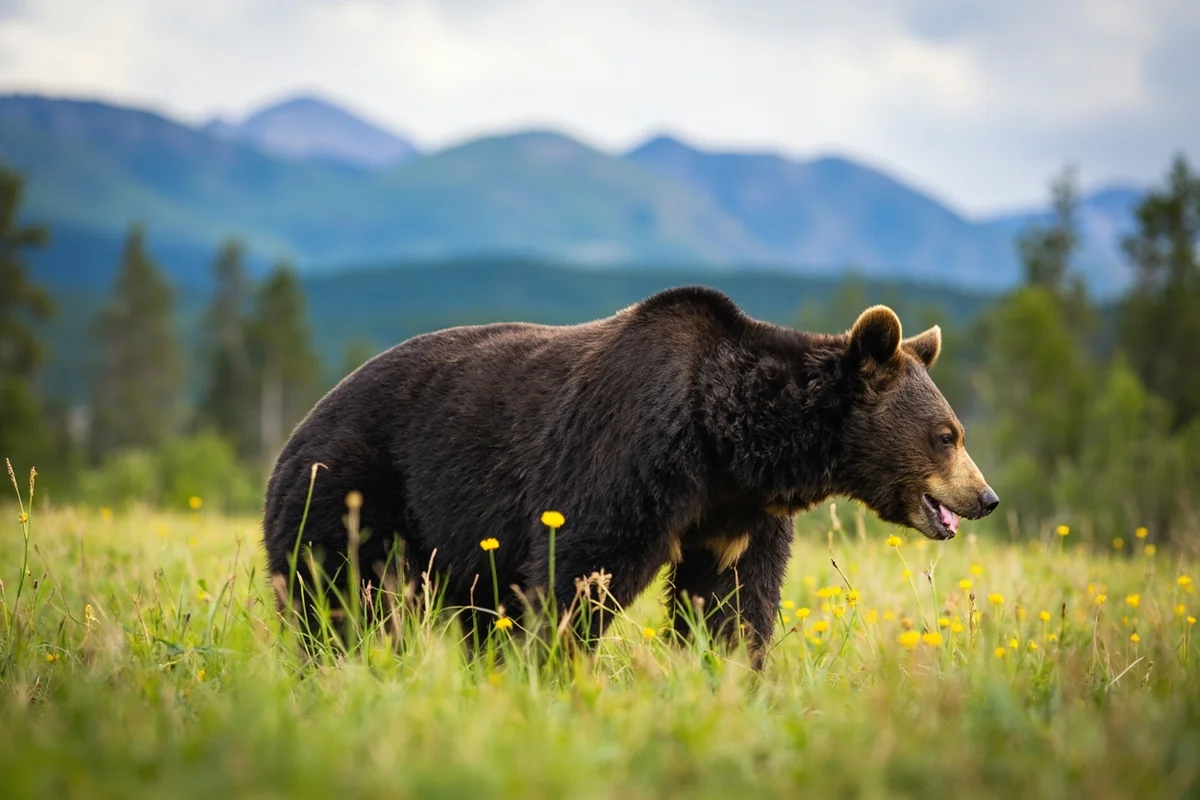
The forested area around the cascade supports healthy populations of black bears. On my June visit, I watched a sow and two cubs foraging in the meadow visible from the pullout. Keep your distance (at least 100 yards), stay in your vehicle, and enjoy the show.
Mountain goats frequent the rocky areas above the cascade. Bring binoculars and scan the ledges—their white coats stand out against the dark rock.
I’ve also spotted moose in the wetlands along McDonald Creek just below the cascade viewpoint. Early morning and evening offer the best chances.
What to Pack for Your Visit
Based on my experiences, here’s what I recommend bringing:
The Essentials
- Layers: Temperatures at the cascade can be 15-20°F cooler than the valley floor. On my July visit, it was 72°F at West Glacier and 54°F at the pullout.
- Rain jacket: Weather changes rapidly in Glacier. I’ve been caught in three surprise thunderstorms over the years.
- Water and snacks: Services are limited along the Going-to-the-Sun Road. Pack more than you think you’ll need.
- Bear spray: Available for purchase or rent in West Glacier. Know how to use it before you need it.
- Binoculars: Enhances wildlife viewing and lets you appreciate cascade details.
- Camera with telephoto lens: The cascade is best captured zoomed in.
- Tripod: For long-exposure waterfall photography.
Nice to Have
- Microfiber cloth: For wiping mist from camera lenses.
- Trekking poles: If you plan to attempt the informal scramble trail.
- Sunscreen and hat: The alpine sun is intense, even on cool days.
- Park map: Cell service is unreliable throughout Glacier.
Practical Considerations and Honest Advice
Let me share some things I wish I’d known before my first visit to Sacred Dancing Cascade.
The Pullout Is Small
Seriously small. If you arrive mid-morning on a summer weekend and it’s full, you cannot simply park along the road. There’s no shoulder, and parking on the roadway is both illegal and dangerous.
My strategy: arrive before 8 AM, or wait until after 5 PM when day-trippers begin heading out.
The Road Is Challenging
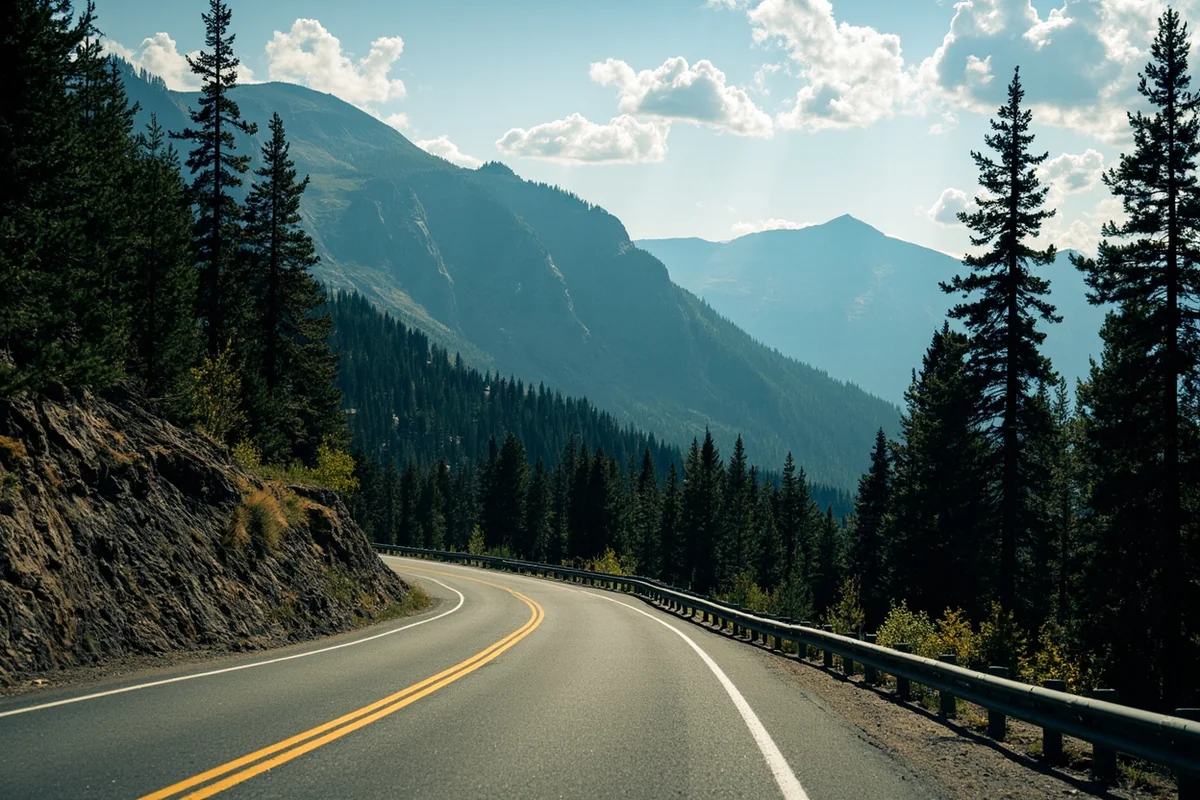
If you’re uncomfortable with heights, narrow roads, or tight turns, the Going-to-the-Sun Road will test you. The section near Sacred Dancing Cascade features steep dropoffs and limited guardrails.
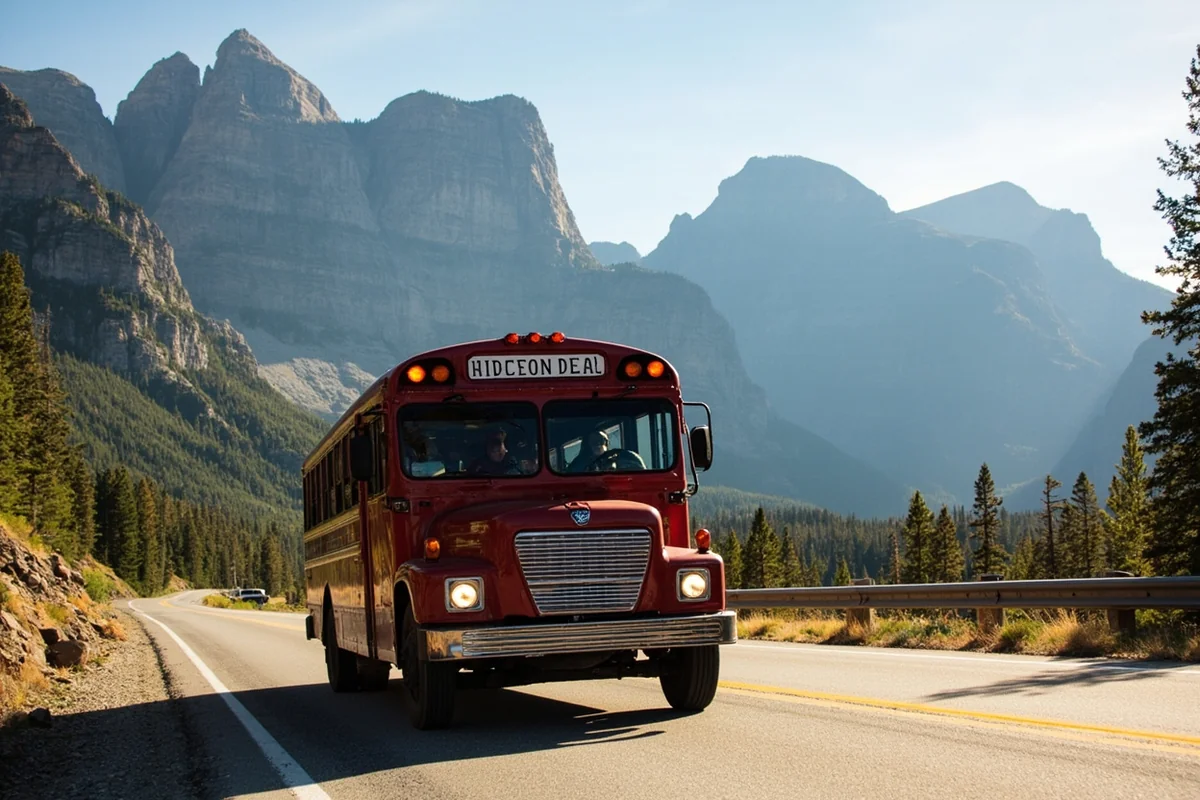
Consider taking one of the historic red bus tours operated by the park concessioner. You’ll have a driver familiar with the route, and you can focus entirely on the scenery.
Services Are Limited
The nearest restrooms to Sacred Dancing Cascade are at Lake McDonald Lodge (7 miles west) or Avalanche Creek picnic area (about 3 miles west). Plan accordingly.
The nearest gas is in West Glacier or St. Mary—fill up before entering the park.
Cell Service Is Basically Nonexistent
I’ve tried every major carrier at the Sacred Dancing Cascade pullout, and none provide reliable service. Download offline maps before your visit, and don’t count on being able to look anything up once you’re there.
The Cultural Significance of the Name
The name “Sacred Dancing Cascade” isn’t a random poetic invention—it reflects the genuine spiritual importance this landscape held for the Blackfeet people who lived in and around this region for thousands of years before the establishment of Glacier National Park.
The Blackfeet, along with the Salish and Kootenai tribes, considered these mountains sacred ground. Water, particularly moving water, held spiritual significance in many indigenous traditions of the Northern Rockies.
While I can’t speak to the specific ceremonies or beliefs associated with this particular waterfall (and wouldn’t presume to), I can say that visiting Sacred Dancing Cascade with an awareness of this deeper history adds a layer of meaning to the experience.
If you’re interested in learning more, the visitor centers at West Glacier and St. Mary offer exhibits on the indigenous history of the region.
Exploring Beyond Sacred Dancing Cascade
For waterfall enthusiasts looking to extend their Montana adventure, the state offers incredible diversity beyond Glacier National Park.
If you’re heading toward the southwest part of the state, Palisade Falls near Bozeman provides an accessible paved trail to a dramatic 80-foot plunge. I visited last September and found it significantly less crowded than anything in Glacier.
The Kootenai Falls in northwest Montana remains one of my favorite waterfalls in the entire state—a thundering cascade on the Kootenai River that’s easily accessible via a short trail.
For something more remote and challenging, Holland Lake Falls near the Swan Valley rewards hikers with a beautiful cascade in a wilderness setting. The 3-mile round trip hike is moderate and incredibly scenic.
More Glacier Waterfalls to Consider
Within Glacier itself, several waterfalls complement a visit to Sacred Dancing Cascade:
Piegan Falls offers a spectacular alpine waterfall accessible via the Siyeh Pass Trail. This is a longer hike but worth every step.
The Redrock Falls trail in the Many Glacier area combines multiple waterfalls with stunning valley views.
For something off the beaten path, Ptarmigan Falls rewards dedicated hikers with a remote cascade that few visitors ever see.
Where to Stay Near Sacred Dancing Cascade
Your accommodation choice significantly impacts your Sacred Dancing Cascade experience. Here are my recommendations based on personal experience:
Inside the Park
Lake McDonald Lodge: This historic lodge is just 7 miles from the cascade and offers classic national park lodging. I stayed here two summers ago and loved walking to the lakeshore at sunset. Book 6-12 months in advance for summer dates.
Rising Sun Motor Inn: On the east side of the park, this is a good option if you’re planning to explore both sides of Going-to-the-Sun Road. More basic than Lake McDonald Lodge, but perfectly comfortable.
Outside the Park
West Glacier: The most convenient gateway, with options ranging from rustic cabins to chain hotels. I’ve stayed at the Belton Chalet—a historic property with excellent dining—and recommend it for a special occasion.
Whitefish: About 30 miles from West Glacier entrance, this charming town offers more dining and nightlife options. I find it worth the extra driving time for the restaurant selection alone.
Columbia Falls: Closer to the park than Whitefish and generally more affordable. A solid middle-ground option.
When the Cascade Isn’t Flowing
I want to address something honestly: if you visit Sacred Dancing Cascade in late August, September, or early October, you may find the flow disappointing compared to photos you’ve seen online.
During my early September visit, the cascade was reduced to a thin ribbon across the rock face. It was still beautiful, but it wasn’t the dramatic spectacle of peak season.
If you’re visiting during lower-flow periods, consider this an opportunity rather than a disappointment. The reduced water reveals incredible geological details—layers of ancient sediment, patterns of erosion, and colors normally hidden by spray.
Additionally, other attractions in the park are at their best in September. Wildlife is active before winter, the crowds have thinned, and fall colors are emerging. Adjust your expectations, and you’ll still have an amazing experience.
Conservation and Respect
Glacier National Park faces significant challenges from climate change. The glaciers that give the park its name are retreating rapidly—some estimates suggest they could disappear entirely within a few decades.
Waterfalls like Sacred Dancing Cascade depend on snowpack and glacial melt. Changes to precipitation patterns and warmer temperatures are already affecting flow patterns throughout the park.
When you visit, please:
- Stay on designated trails and pullouts
- Pack out all trash
- Don’t approach or feed wildlife
- Follow all park regulations
- Consider supporting park conservation efforts
I believe we have a responsibility to experience these places respectfully so future generations can enjoy them too.
My Final Thoughts on Sacred Dancing Cascade
I’ve been fortunate enough to visit dozens of waterfalls across Montana and the broader American West. Sacred Dancing Cascade holds a special place in my memory for several reasons.
First, its accessibility. Not everyone can hike miles into the backcountry to reach a waterfall, and Sacred Dancing Cascade delivers a genuine spectacular experience from a simple roadside pullout.
Second, its setting. The Going-to-the-Sun Road is engineering marvel carved through some of the most dramatic mountain scenery in North America. Sacred Dancing Cascade is just one highlight on a journey that offers dozens.
Third, its character. This waterfall truly does seem to dance. There’s a joyfulness to the way the water moves down the mountainside that I haven’t experienced anywhere else.
If you’re planning a trip to Glacier National Park, don’t relegate Sacred Dancing Cascade to a quick photo stop. Arrive early, bring a chair or blanket, and spend some time watching the water move. You might find, as I did, that this cascade rewards patience and attention in ways that rushing past never could.
For more waterfall adventures in Montana, I’d also recommend adding Morrell Falls near Seeley Lake and Ousel Falls near Big Sky to your itinerary. Both offer rewarding hikes to spectacular cascades in very different settings than what you’ll find along the Going-to-the-Sun Road.
And if you’re feeling ambitious, the Memorial Falls near Great Falls and Skalkaho Falls in the Sapphire Mountains offer excellent options outside the national park system—often with significantly fewer crowds.
Montana’s waterfalls are one of the state’s greatest treasures. Sacred Dancing Cascade exemplifies why. I hope you get the chance to experience it yourself.
Frequently Asked Questions
Where is Sacred Dancing Cascade located in Montana?
Sacred Dancing Cascade is located in Glacier National Park, about 2 miles east of Lake McDonald Lodge along the Going-to-the-Sun Road. The waterfall sits at an elevation of around 4,000 feet and is easily visible from the roadside, making it one of the most accessible waterfalls in the park.
How do I get to Sacred Dancing Cascade from the Going-to-the-Sun Road?
You can view Sacred Dancing Cascade directly from a pullout on Going-to-the-Sun Road, approximately 2.3 miles from the Lake McDonald Lodge junction. There’s a small parking area where you can stop safely, though spots fill quickly during peak summer months. I recommend arriving before 9 AM to secure parking.
What is the best time of year to visit Sacred Dancing Cascade?
The best time to visit Sacred Dancing Cascade is late May through early July when snowmelt creates the most dramatic water flow. Going-to-the-Sun Road typically opens fully by late June or early July, though the section near Sacred Dancing Cascade often opens earlier. By late August, water levels drop significantly, reducing the cascade’s visual impact.
Do I need a park entrance fee or reservation to see Sacred Dancing Cascade?
Yes, you’ll need to pay the Glacier National Park entrance fee of $35 per vehicle, valid for 7 days. During peak season from late May through mid-September, you’ll also need a vehicle reservation ($2) to enter the park between 6 AM and 3 PM. I’d suggest booking reservations on Recreation.gov at least two weeks in advance.
Can I hike to the base of Sacred Dancing Cascade?
There is no official maintained trail to the base of Sacred Dancing Cascade, and scrambling off-trail is discouraged due to steep, slippery terrain and ecological sensitivity. The best viewing is from the roadside pullout or by walking a short distance along the road’s edge. For a closer waterfall experience nearby, consider hiking to Avalanche Gorge instead.
What should I bring when visiting Sacred Dancing Cascade in Glacier National Park?
Bring bear spray ($40-50 rental available at park entrances), layered clothing since temperatures near the falls can be 10-15 degrees cooler, and a camera with polarizing filter to capture the cascade without glare. I always pack rain gear even on sunny days because mist from the falls and sudden mountain weather can leave you soaked.
How long should I plan to spend at Sacred Dancing Cascade?
Most visitors spend 15-30 minutes photographing and enjoying Sacred Dancing Cascade from the pullout. I recommend building it into a full day driving the Going-to-the-Sun Road, combining it with stops at McDonald Falls, Avalanche Creek, and Logan Pass for a complete Glacier waterfall experience.
Sources: