Montana’s state record walleye, over 17 pounds, came out of this lake — and most travelers driving I-15 near Shelby have never even heard of it.
- Lake Elwell, also called Tiber Reservoir, sits on the Marias River about 15 miles southwest of Chester in north-central Montana
- With roughly 180 miles of shoreline, it’s a genuine fisherman’s destination, home to the state record walleye at over 17 pounds
- This guide covers the tipi rings and sandstone formations along the shore, free camping options, boating logistics, and the wind you need to plan around
- Named for Judge Charles B. Elwell, a former director of the Montana Reclamation Association
Liked this article?
Add Roaming Montana as a preferred source so you see more of our articles and guides on Google.
Two Names for the Same Lake
You’ll see this lake called both Lake Elwell and Tiber Reservoir depending on the source, and both names are correct. Officially, it’s Lake Elwell, named for Judge Charles B. Elwell, a former director of the Montana Reclamation Association.
Tiber Reservoir refers to the same body of water, named for the nearby dam. I’ve heard locals use both names interchangeably without much distinction, so don’t be confused if you see conflicting references while planning a trip out here.
A Dam Built for Flood Control and Irrigation
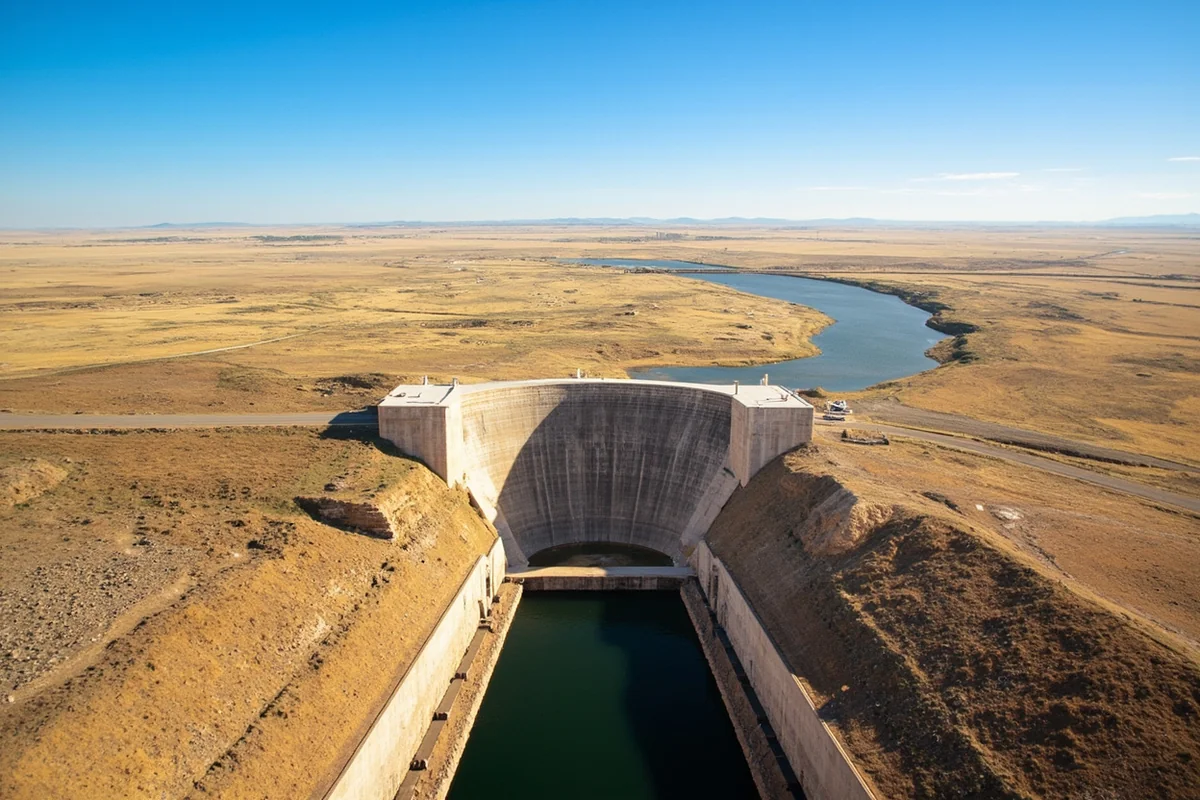
Tiber Dam was completed in 1956 as an earth-filled structure on the Marias River, standing 211 feet tall and stretching 4,300 feet long. It was built primarily for flood control and irrigation, part of the Lower Marias Unit of the Pick-Sloan Missouri Basin Project.
Today, the dam also provides municipal and industrial water for the town of Chester, the Rocky Boy Indian Reservation, and several small communities along Highway 2.
I find this kind of layered infrastructure history genuinely interesting — a project built for one primary purpose ends up supporting an entire regional water system decades later.
The State Record Walleye
This is the detail that should get any serious angler’s attention. Lake Elwell holds Montana’s state record for walleye, a catch weighing in at over 17 pounds. That’s a genuinely significant fish, and it cements this reservoir’s reputation among anglers who chase trophy walleye specifically.
Beyond that record catch, northern pike, sauger, native trout, ling, and perch round out a genuinely diverse fishery here. Some anglers even try bow fishing for carp, which can exceed 20 pounds in this reservoir.
Trout Fishing Below the Dam
If walleye isn’t your priority, the stretch of the Marias River just below Tiber Dam offers some of the better trout fishing in this part of the state. The first 12 miles or so below the dam hold large brown trout, typically 3 to 10 pounds, in fair numbers.
Rainbow trout are present too, though in lower numbers than the local brown trout population. I’d treat this as a genuinely different fishing experience from the reservoir itself — moving water, different technique, different mindset entirely.
Tipi Rings and Windblown Sandstone
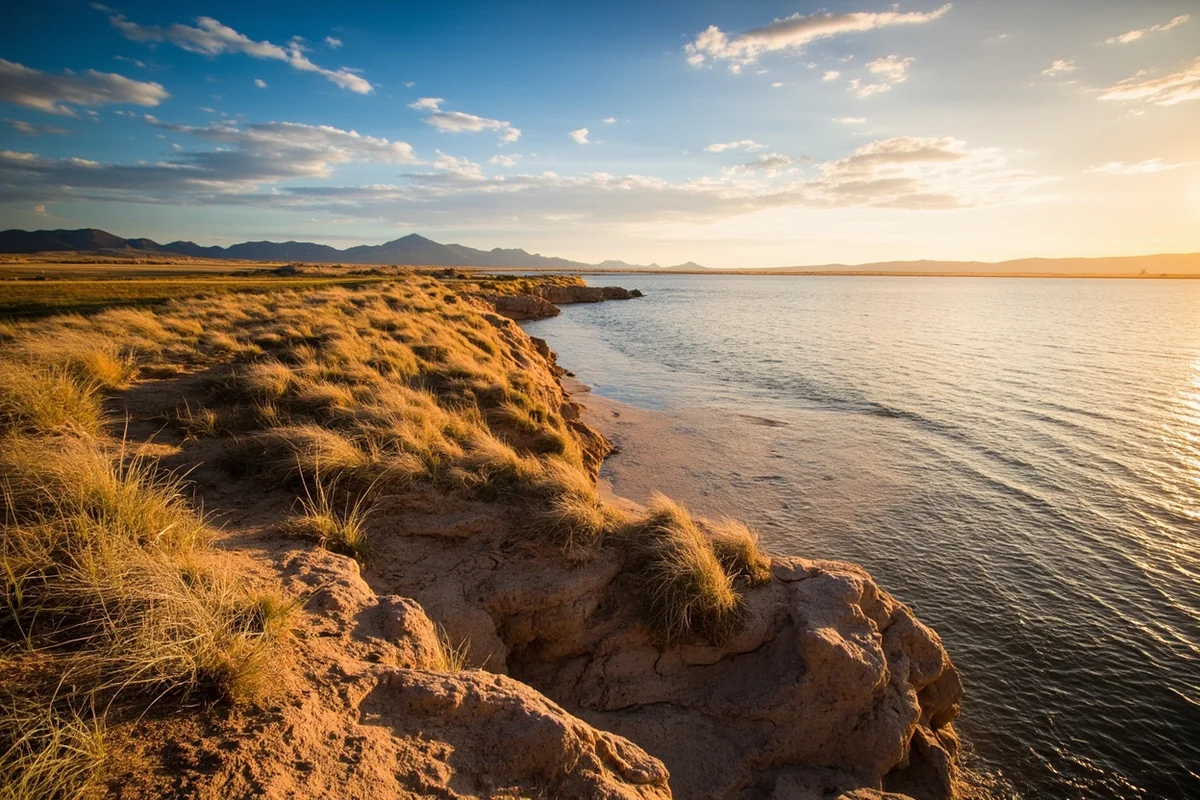
Beyond the fishing, Lake Elwell’s shoreline holds genuine historical and geological interest. Naturally formed sandstone formations, shaped by decades of relentless prairie wind, create dramatic shapes along parts of the shore.
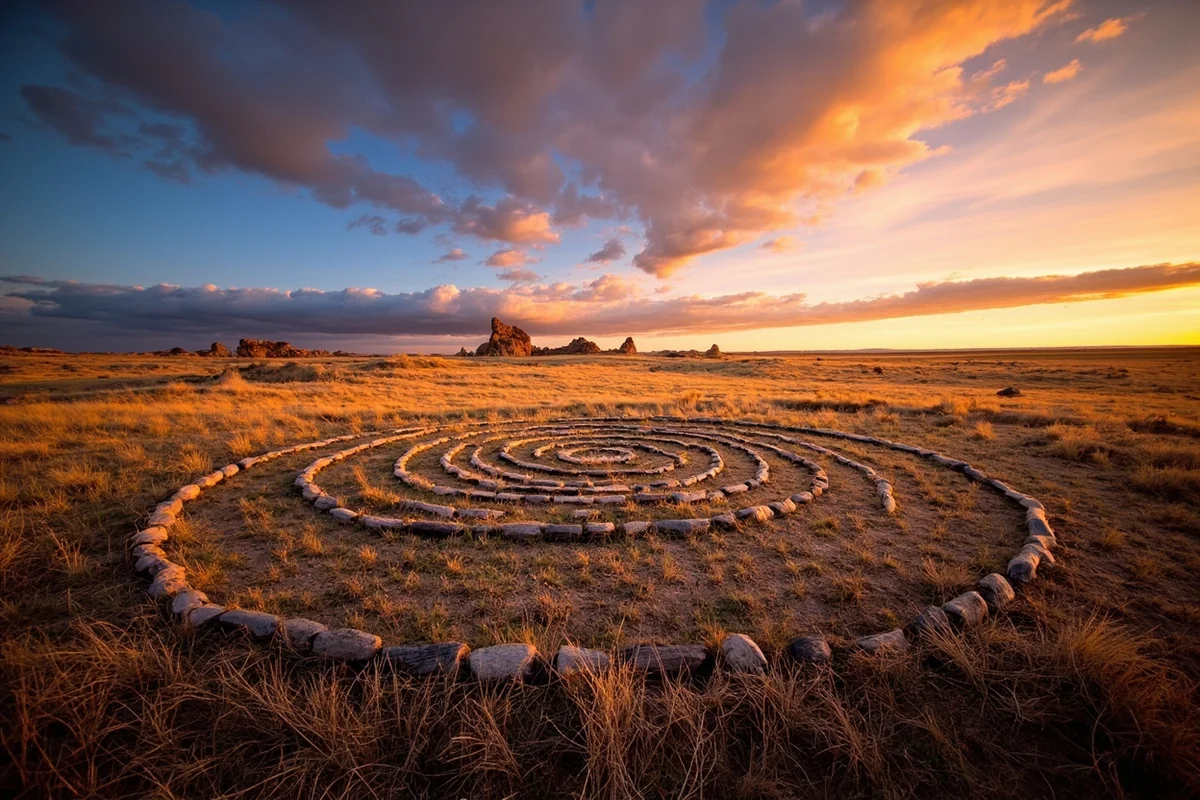
Tipi rings — the circular stone arrangements once used to anchor traditional dwellings — are also visible in the area, a tangible reminder of the Indigenous peoples who lived across this landscape long before any dam existed.
I’d take some time to look for these features rather than rushing straight to the water, since they add real depth to a visit here.
One of the World’s Largest Earthen Dikes
Surrounding the lake and dam, you’ll find one of the largest earthen dikes in the world, stretching more than three miles long.
I think this kind of scale is easy to underestimate until you’re actually standing near it — this isn’t a modest levee, it’s a genuinely massive piece of engineering built to manage a river system across an enormous stretch of open prairie.
Driving Across the Dam
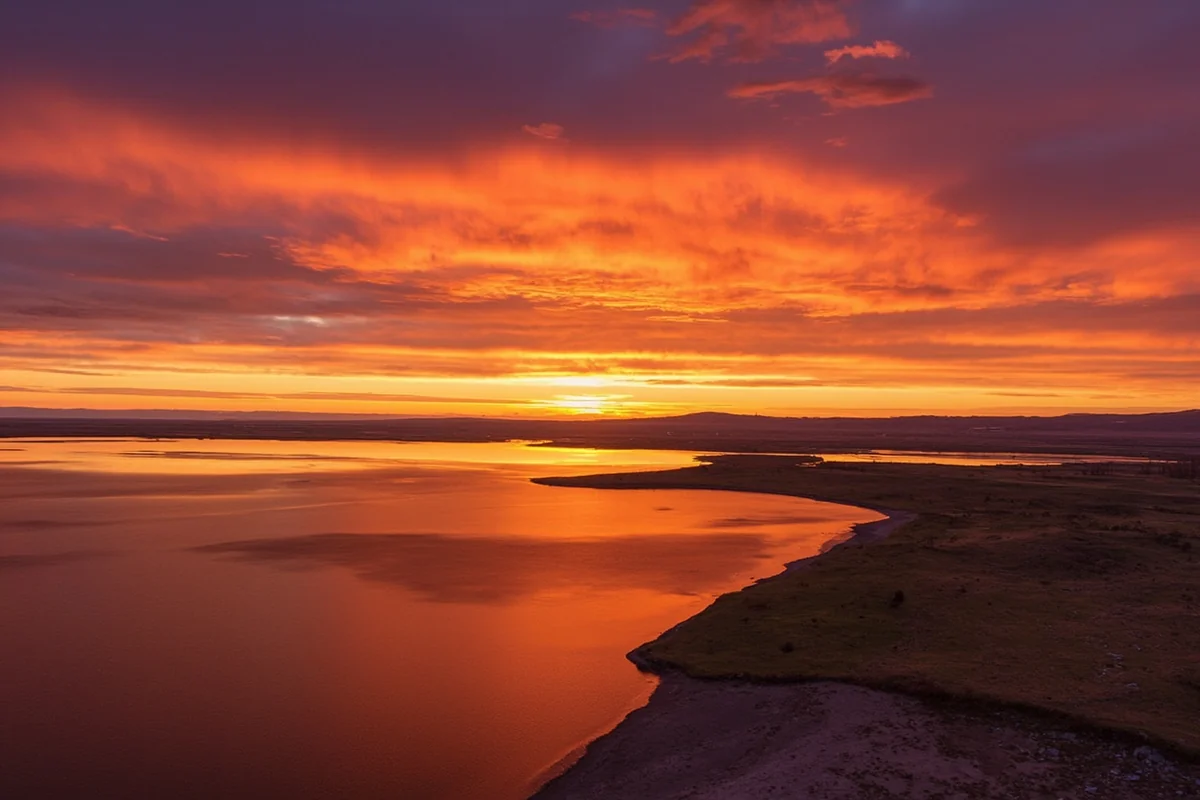
The approach to the dam offers genuinely striking views of the reservoir, and I’d recommend timing your drive for sunset if your schedule allows it. I’ve photographed both ends of the dam at that hour and come away with some of my favorite shots from this entire cluster of lakes.
One important note: you’re not permitted to stop while actually driving across the dam itself. I’d plan your photo stops for either end instead, where the views are genuinely just as good without the safety concerns of stopping on the structure.
The Bootlegger Trail
Both the northern and southern legs of this trail run reasonably close to the reservoir and dam, adding a hiking option to a trip that’s otherwise centered on fishing and boating.
I’d research current trail conditions before committing to a specific route, since exact access points shift periodically [verify current Bootlegger Trail access].
Camping at Lake Elwell
This is genuinely one of the better free-camping destinations in this entire guide. Sites throughout the area run first-come, first-served, and most are primitive without hookups or potable water, though vault toilets are available at the developed campgrounds.
Tiber Marina Campground, on the lake’s east end, offers the most amenities in the area, including gas, oil, water, showers, bait, and tackle. Some sites here sit close to the water, though I’d arrive early to claim one during peak season.
Sanford Park, accessible via a turn off the main Tiber Road, offers a more sheltered camping option among a grove of trees, along with a boat launch and good birdwatching given its proximity to the lake, the Marias River, cliffs, and surrounding grain fields.
VFW Campground provides primitive camping with a boat ramp and picnic shelter, though no water is available, and stays are limited to 14 days.
I’d genuinely recommend picking up a free map of the recreation area at the Liberty Quick Stop in Chester before heading out, since the roads, while well-signed, cover a lot of ground and it’s easy to miss options without a map in hand.
Wind: A Real Factor Here
Given the open, exposed plains setting, Lake Elwell gets genuinely windy on a regular basis. I’ve camped here with essentially no shelter and found it considerably more challenging in a tent than it would have been in an RV or camper.
If you’re tent camping and want more protection, I’d consider Sanford Park below the dam specifically, since its position among hills and trees offers noticeably more shelter than the open shoreline sites elsewhere around the lake.
Watercraft Inspection Checkpoints
As you drive toward Lake Elwell, you may encounter watercraft inspection checkpoints designed to prevent the spread of aquatic invasive species. If you’re towing a kayak, boat, canoe, or any other watercraft, you’re required to stop at these checkpoints.
I’d build a little extra time into your travel schedule to account for this, especially during busy summer weekends when checkpoint lines can add a genuine delay.
Wildlife Around Lake Elwell
The surrounding plains support hawks, eagles, deer, antelope, snakes, rodents, and coyotes, giving this a genuinely different wildlife profile from the mountain lakes elsewhere in this guide.
I’d note that bears are essentially a non-issue this far out into open grassland, which is a welcome change of pace if you’ve been practicing strict bear-aware camping elsewhere in Montana.
That said, I’d still store food properly, since mice and other small critters are genuinely persistent around campsites here.
Personal Tips / What I Wish I Knew
Pick up a map in Chester before heading out. The Liberty Quick Stop’s free recreation area map saved me from missing several worthwhile stops on my own visit.
Bring shelter from wind if you’re tent camping. I’d prioritize Sanford Park below the dam if you want more protection than the open shoreline sites provide.
Stop for watercraft inspection without complaint. These checkpoints protect the whole state’s water systems from invasive species, and the delay is genuinely minor in the bigger picture. For more on why this matters statewide, see how Montana’s history of water management projects has shaped current conservation priorities.
Bring binoculars for the Marias River birdwatching area below the dam. My Montana bird species guide covers what else to look for if this becomes a bigger part of your trip.
Look for tipi rings and sandstone formations, not just fish. I nearly missed these on my first visit by heading straight for the water without exploring the shoreline itself.
Practical Info: Lake Elwell
| Also known as | Tiber Reservoir |
| Location | About 15 miles southwest of Chester, on the Marias River |
| Shoreline | Roughly 180 miles |
| Fishing | Walleye (state record 17+ lbs), northern pike, sauger, trout, perch |
| Camping | Free, first-come first-served; Tiber Marina, Sanford Park, VFW Campground |
| Boating | Marina and 5 boat ramps; watercraft inspection checkpoints in effect |
Frequently Asked Questions
Is Lake Elwell the same as Tiber Reservoir?
Yes, both names refer to the same body of water. Lake Elwell is the official name, honoring Judge Charles B. Elwell, while Tiber Reservoir references the nearby dam.
What is the state record walleye from Lake Elwell?
Over 17 pounds, making this reservoir a genuine destination for anglers chasing trophy walleye in Montana.
Is camping at Lake Elwell free?
Yes, most campgrounds around the lake are free and first-come, first-served, though amenities vary by location.
Do you need to stop for boat inspections at Lake Elwell?
Yes, watercraft inspection checkpoints are in place to prevent the spread of aquatic invasive species, and stopping is required if you’re towing any kind of watercraft.
Is Lake Elwell windy?
Yes, given its open, exposed plains setting, wind is a genuine and regular factor here — I’d plan camping shelter accordingly.
The Lewis and Clark Connection
Interpretive panels along the main Tiber Road cover the Lewis and Clark Expedition’s passage through this general area in the early 1800s, long before any dam existed here.
I’d stop and read these if you’re at all interested in that history, since they add genuine depth to what might otherwise feel like a purely modern recreation stop.
Standing near the dam today, with the reservoir stretching out where the free-flowing Marias River once ran, it’s worth remembering that this exact landscape looked completely different to the expedition members who passed through more than two centuries ago.
A Photographer’s Reservoir
I mentioned photographing the dam at sunset earlier, and I think this whole area rewards photographers more than its remote location might suggest.
The combination of dramatic sandstone formations, open prairie sky, and the sheer scale of the dam and dike system creates genuinely striking compositions.
I’d plan around golden hour specifically if photography matters to your visit, both for the quality of light and because the crowds thin out considerably by evening, giving you more room to work without other visitors in your frame.
Comparing Lake Elwell to Fresno Reservoir
Both of these Hi-Line reservoirs serve similar practical purposes, but they feel genuinely different to visit. Fresno Reservoir, closer to Havre, has a more developed, community-supported feel thanks to the volunteer walleye club’s ongoing improvements.
Lake Elwell feels more remote and rugged by comparison, with its free primitive camping and genuinely wild shoreline features like the tipi rings and sandstone formations.
I’d recommend Fresno if you want more amenities and a gentler introduction to Hi-Line reservoirs, and Lake Elwell if you want a more self-sufficient, exploration-focused trip.
Final Thoughts
Lake Elwell rewards serious anglers and curious travelers alike, offering a state-record fishery alongside genuine historical and geological interest most visitors never expect from a Hi-Line reservoir. Between the tipi rings, the sandstone formations, and that three-mile earthen dike, this is a far richer stop than its remote location might suggest.
For another Hi-Line reservoir worth combining with a visit, see my guide to Fresno Reservoir, or check out the complete guide to Montana’s best lakes for the rest of the state.
For the historical backdrop of projects like Tiber Dam, my Montana history guide provides useful context, and for the birding opportunities along the Marias River, my Montana bird species guide covers what to watch for.
If you’re basing your trip out of Great Falls, the drive to Lake Elwell makes a solid day trip or overnight camping outing.