A volunteer fishing club keeps this reservoir’s campground running, and I think that tells you everything about how this part of Montana takes care of its own.
- Fresno Reservoir sits about 14 miles west of Havre in Hill County, formed by Fresno Dam on the Milk River
- With 5,760 surface acres and 65 miles of shoreline, it’s free to enter and genuinely popular for swimming, boating, and walleye fishing
- This guide covers the swimming beach, Kremlin Bay, the volunteer-run campground, and the nearby Bear Paw Ski Bowl
- Summer temperatures in the 50s to 80s make this one of the warmer, more swimmable reservoirs on Montana’s Hi-Line
Liked this article?
Add Roaming Montana as a preferred source so you see more of our articles and guides on Google.
A Dam Built for Irrigation, Not Recreation
Fresno Dam went up on the Milk River between 1937 and 1939, part of the U.S. Bureau of Reclamation’s Milk River Project. Its primary purpose has always been irrigation water for the surrounding agricultural land, and that mission continues today.
Recreation came later, as a genuinely welcome secondary benefit of a reservoir built for entirely practical reasons. I think that history is worth knowing before you arrive expecting a purpose-built resort lake — this is working infrastructure that happens to also be a great place to spend a summer day.
A Reservoir Kept Running by Volunteers
This is the detail I find most endearing about Fresno Reservoir. The Fresno Chapter of Walleyes Unlimited manages a campground and pavilion above the main beach, and members have contributed countless volunteer hours improving the entire recreation area over the years.
I’ve visited this reservoir at different points over the years and noticed real, tangible improvements each time — the kind of steady, incremental upgrades that only happen when a community genuinely cares about a place rather than treating it as an afterthought. That volunteer spirit shapes the whole feel of a visit here.
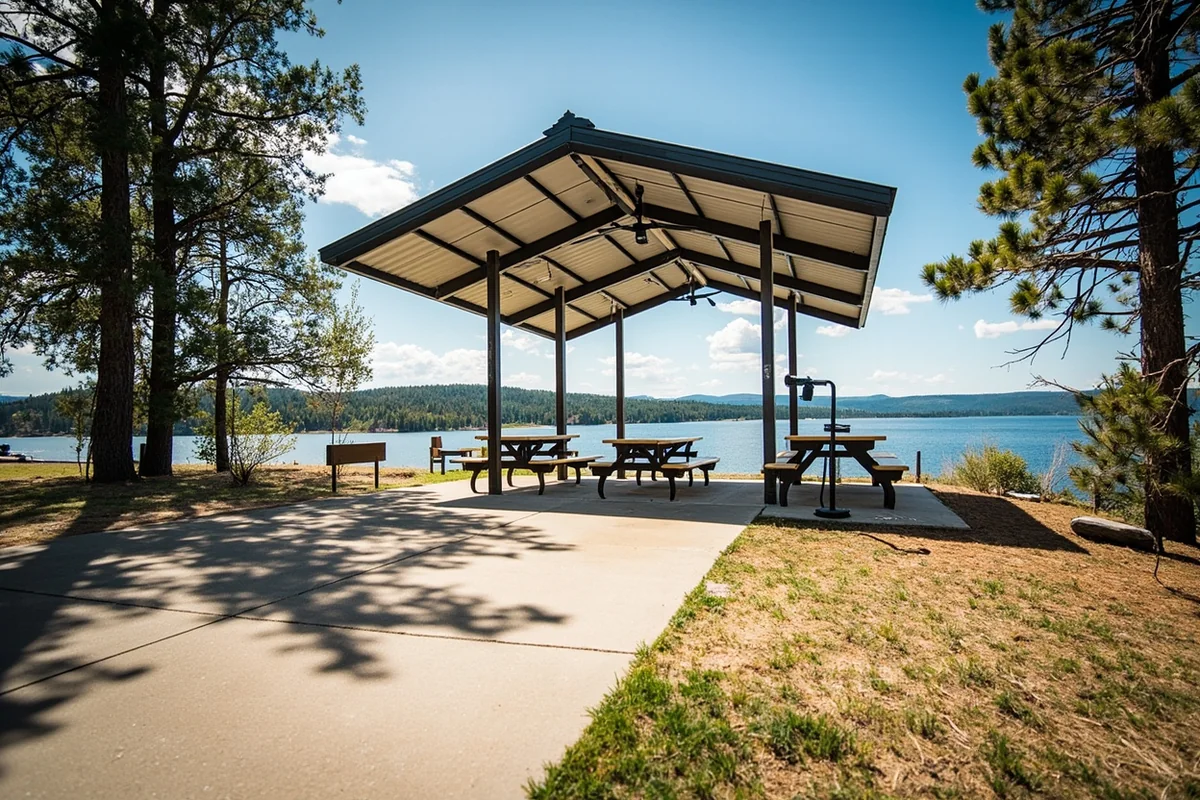
Swimming at Fresno Reservoir
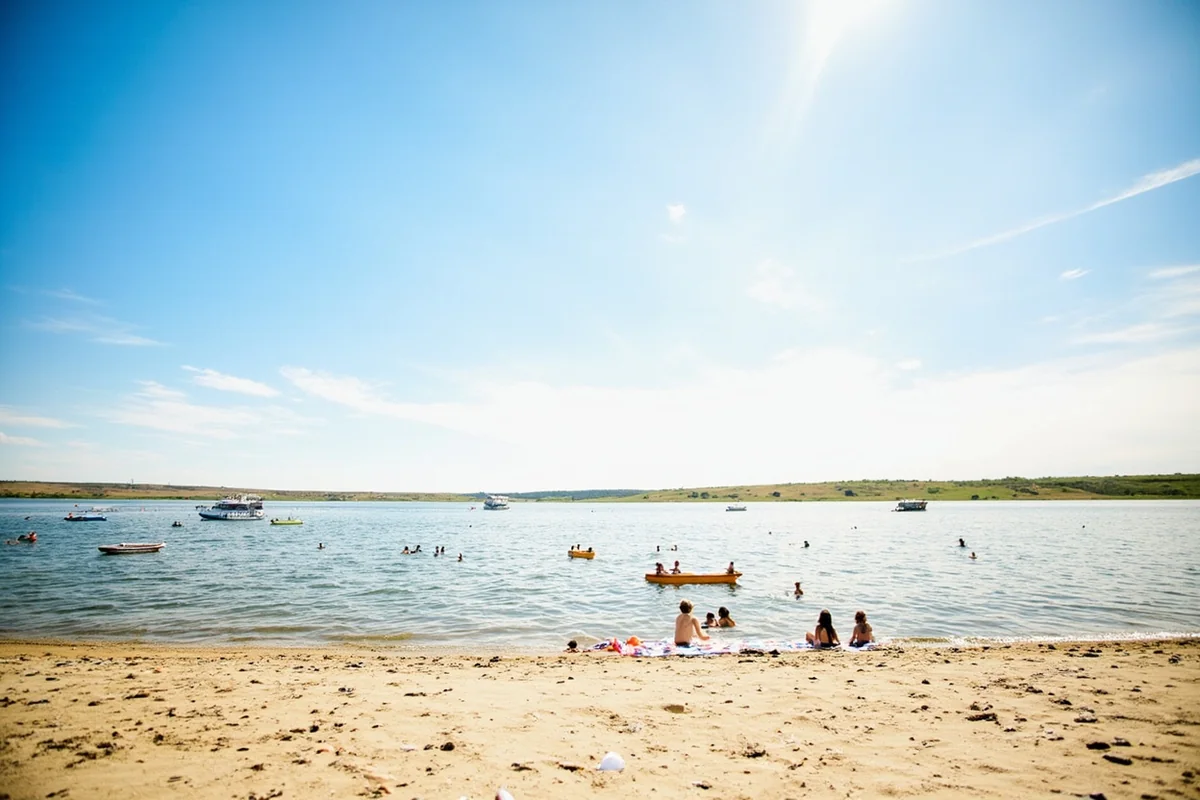
The calm, expansive water here makes Fresno Reservoir one of the more family-friendly swimming spots on Montana’s Hi-Line. With 5,760 acres of surface area, there’s plenty of room to spread out even on a busy weekend.
Summer temperatures typically range from the 50s to 80s, making this one of the warmer reservoirs I’ve swum in across this part of the state.
I’d note that the designated swimming beach operates during daytime hours only, and winter cold — often dropping to around zero — makes this strictly a warm-season destination.
Kremlin Bay: A Local Favorite
On the reservoir’s west side, Kremlin Bay offers a concrete boat ramp, restrooms, and its own campground. I’ve heard this spot described more than once as a personal favorite among locals who know the reservoir well, and I understand why once you’ve spent an afternoon here.
It tends to draw a quieter crowd than the main beach area, making it a solid choice if you want reservoir access without quite as much company.
Boating and Water Sports
Beyond swimming, Fresno Reservoir supports water skiing, wakeboarding, tubing, and knee boarding, with rental services available on-site for jet skis and other water toys. The main boat launch, located on the south side off Fresno Reservoir Road, offers two lanes with a dock and paved parking.
I’d call this one of the more full-service reservoirs in this guide when it comes to water sports access, especially given how remote and quiet the surrounding Hi-Line landscape otherwise feels.
Fishing Fresno Reservoir
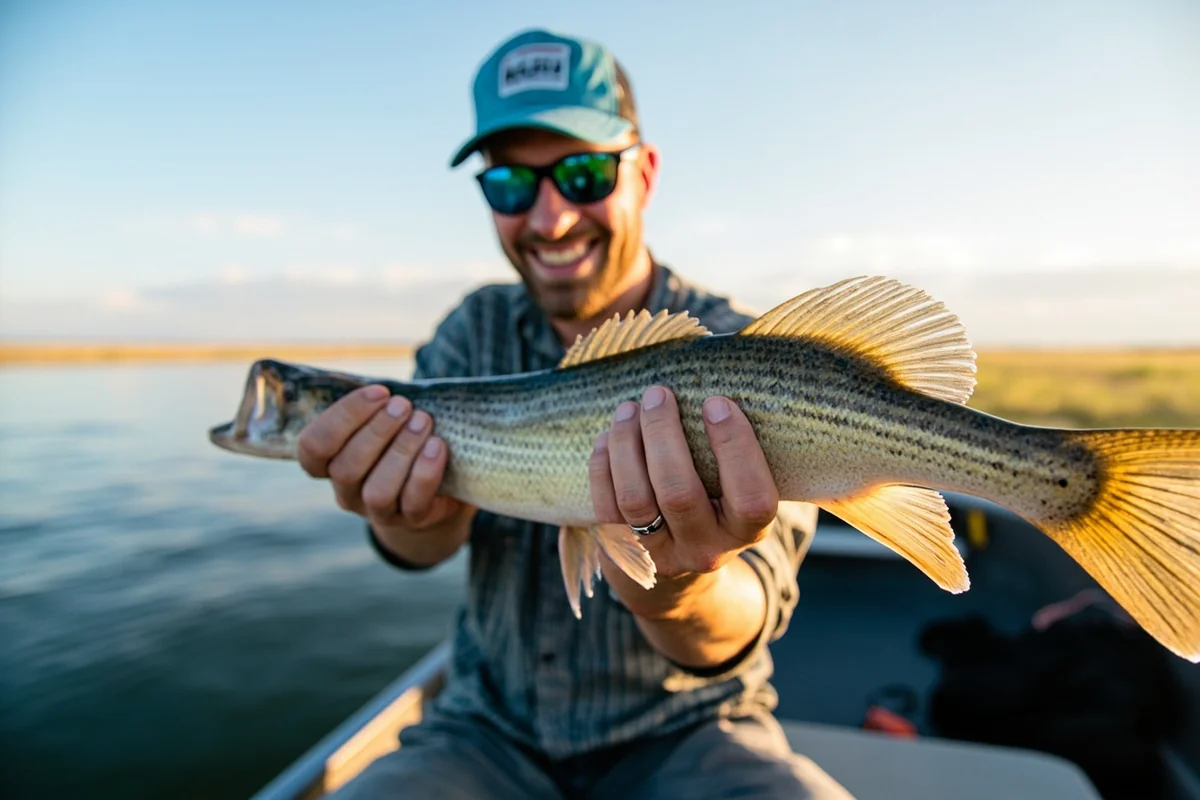
Walleye, northern pike, and perch anchor the fishing reputation here, and the reservoir draws a dedicated following of anglers from across this part of the state. I’d say the fishing culture here runs deep, reflected clearly in the volunteer walleye club that helps maintain the whole recreation area.
A standard Montana fishing license covers the reservoir, and I’d check current regulations before your trip since specific rules can shift by season [verify current fishing regulations].
Bear Paw Ski Bowl: An Unexpected Winter Neighbor
About 29 miles south of Havre, this small ski area offers a genuinely old-fashioned winter alternative to the reservoir’s summer scene.
Run entirely by volunteer skiers, it operates weekends only from January through March, with 10 kilometers of slopes ranging from easy to difficult, though most terrain suits intermediate skiers best.
I’d point this out specifically because it’s connected to the area by the Amtrak train line, an unusual and genuinely charming detail for such a small, rustic operation. If you’re exploring this region in winter rather than summer, it’s worth knowing this exists.
Hiking Nearby: Lower Rotary Canyon Loop
For a shorter but substantial hike near the reservoir, this trail covers just over a mile and takes most hikers under half an hour. Despite the short distance, it’s one of the more popular trails in the area, and I’d expect company here, particularly between April and November.
The trail follows a trickling creek through Rotary Canyon, offering solid views of Bearpaw Lake and the surrounding Bears Paw Mountains.
Spring brings blooming wildflowers, while fall delivers red and orange changing leaves in nearby Beaver Creek Park. Hikers wanting more distance can combine this with the Upper Rotary Canyon Loop Trail for a longer outing.
With only about 190 feet of elevation gain, this trail suits nearly any fitness level, making it a good family option if you want to break up a day at the reservoir with a short walk.
Wildlife Around Fresno Reservoir
The prairie and wetland habitat surrounding the reservoir supports a solid range of birds, particularly waterfowl using the open water as a resting stop during migration.
I’d bring binoculars along regardless of your main reason for visiting, since casual birding here has consistently surprised me with how much shows up even on a quick look.
For a broader sense of what to expect across this part of the state, my Montana bird species guide covers species commonly found in similar Hi-Line habitats.
Getting to Fresno Reservoir
From Havre, head west on Highway 2 for about 14 miles to reach the reservoir’s main access points. I’d note that this stretch of highway runs through genuinely open, agricultural country, so I wouldn’t expect much in the way of services along the way — fuel up in Havre before you head out.
If you’re approaching from further afield, Havre makes the obvious home base, with a fuller range of hotels, restaurants, and services than any of the smaller communities closer to the reservoir itself.
A Reservoir Worth Slowing Down For
I think Fresno Reservoir rewards exactly the kind of unhurried, low-key visit that doesn’t always get emphasized in Montana travel content focused on Glacier and Yellowstone. There’s real value in a destination that doesn’t require advance reservations, entrance fees, or careful timing to enjoy.
I’ve brought visitors here who arrived expecting a quick stop and ended up staying the better part of a day, simply because the combination of open water, decent fishing, and genuine small-town hospitality made it easy to settle in.
That’s not a dramatic sell, but I think it’s an honest one, and honest recommendations matter more to me than manufactured hype.
A Practical Stop on a Hi-Line Road Trip
Given its position along Highway 2, Fresno Reservoir works naturally as a stop for anyone driving the Hi-Line corridor across northern Montana. I’d build in at least a half day here if your route already passes through Havre, since the reservoir offers a genuine change of pace from long stretches of open highway driving.
Personal Tips / What I Wish I Knew
Visit Kremlin Bay if the main beach feels too busy. I’ve found this to be the better choice for a quieter afternoon without sacrificing boat access, especially on holiday weekends when the main beach draws a bigger crowd than usual.
Bring cash or be ready to support the volunteer campground. Given how much of this recreation area depends on volunteer effort, I try to be a considerate, low-impact visitor here more than I might at a heavily staffed state park.
Check current water conditions before a late-summer visit. Since the reservoir also serves irrigation purposes, water levels can shift meaningfully as the season progresses [verify current reservoir levels before planning specific activities].
Combine a summer reservoir trip with a mental note to return for Bear Paw Ski Bowl in winter. Few visitors realize both exist so close together, serving completely different seasons, and each one alone is worth the drive out from Havre.
Practical Info: Fresno Reservoir
| Location | About 14 miles west of Havre, Hill County |
| Size | 5,760 surface acres, 65 miles of shoreline |
| Entry fee | Free |
| Best season | Summer, when water temperatures range from the 50s to 80s |
| Fishing | Walleye, northern pike, perch; standard Montana license required |
| Nearby winter option | Bear Paw Ski Bowl, about 29 miles south of Havre |
Frequently Asked Questions
Is Fresno Reservoir free to visit?
Yes, the reservoir is free to enter, making it an accessible destination for travelers exploring Montana’s Hi-Line region.
Who manages Fresno Reservoir?
The U.S. Bureau of Reclamation owns and manages the reservoir as part of the Milk River Project, with significant volunteer support from the Fresno Chapter of Walleyes Unlimited for the campground and recreation facilities.
What fish can you catch at Fresno Reservoir?
Walleye, northern pike, and perch are the primary catches, drawing a dedicated local fishing community.
Is Fresno Reservoir good for swimming?
Yes, its calm water and summer temperatures in the 50s to 80s make it one of the warmer, more family-friendly swimming spots on the Hi-Line.
Is there a ski area near Fresno Reservoir?
Yes, Bear Paw Ski Bowl operates about 29 miles south of Havre, run by volunteers on weekends from January through March.
The Milk River’s Bigger Story
Fresno Reservoir sits on the Milk River, a tributary of the Missouri that carries genuine historical significance across Montana’s Hi-Line. This river system has supported irrigation, communities, and wildlife across a huge stretch of north-central Montana for well over a century.
I find it worth understanding this broader context, since Fresno Reservoir represents just one piece of a much larger water management story that shaped how this entire region developed. The Milk River Project, of which this reservoir is a part, remains a foundational piece of Hi-Line agriculture even today.
What Makes This Corner of Montana Different
Havre and the surrounding Hi-Line region feel genuinely different from the mountain towns that dominate most Montana travel content. This is open, agricultural country, closer in spirit to the northern Great Plains than to the Rockies most visitors picture when they think of the state.
I think Fresno Reservoir captures that regional identity well. It’s not trying to be a mountain lake with dramatic peaks in the background — it’s a working reservoir that happens to double as a genuinely pleasant place to spend a summer day, exactly the kind of practical, unpretentious recreation that defines this part of Montana.
A Reservoir for Every Kind of Visitor
Between the swimming beach, the boat launches, the fishing access, and the volunteer-maintained campground, I think Fresno Reservoir does a genuinely good job serving a wide range of visitors without feeling overcrowded or overdeveloped.
Families gravitate toward the main beach, serious anglers head for Kremlin Bay or work the deeper water by boat, and campers looking for something quieter can usually find it without much searching.
I’d contrast this with some of the more famous Montana lakes in this guide, where different user groups sometimes compete for the same limited space. Fresno Reservoir’s scale and relatively modest visitor numbers mean that kind of friction rarely comes up here.
Final Thoughts
Fresno Reservoir shows what a community-supported recreation area can look like when locals take genuine ownership of a place. Between the swimming, the walleye fishing, and that unexpected volunteer ski area down the road, this Hi-Line reservoir offers more than its remote location might suggest at first glance.
For another Hi-Line reservoir worth combining with a visit, see my guide to Lake Elwell, or check out the complete guide to Montana’s best lakes for the rest of the state.
For the nearest major town, my Havre guide covers services and lodging beyond the reservoir itself, and for the broader history of projects like this one, my Montana history guide provides useful additional context.
For seasonal timing, my Montana in July guide covers what to expect during peak summer visits.