Two ranchers and a warrior died in a running gun battle across this exact basin in 1885, and I’d wager almost nobody swimming or fishing anywhere else in Montana has ever heard the story.
- Hailstone Lake sits inside Hailstone National Wildlife Refuge, about 5 miles east of Rapelje in Stillwater County
- It’s a small, unstaffed refuge with no facilities, no fees, and no boats allowed on the 300-acre lake itself
- This guide covers the refuge’s genuine 1885 battle history, the honest story of a failed 1930s dam project, birdwatching, and hunting access
- Come here for solitude and wildlife, not amenities — this is about as unpolished as a named Montana lake gets
Liked this article?
Add Roaming Montana as a preferred source so you see more of our articles and guides on Google.
A Battle Fought Over Stolen Horses
Long before this was a wildlife refuge, Hailstone Basin was the site of a genuine armed conflict. On February 16, 1885, Piegan warriors had stolen numerous horses from both Crow and local ranching interests, then fled to this exact basin.
Crow warriors enlisted help from ranchers based in nearby Park City, and the pursuit ended in a running gun battle right across the ground that now makes up this refuge. Two ranchers and one Piegan warrior died in the fighting.
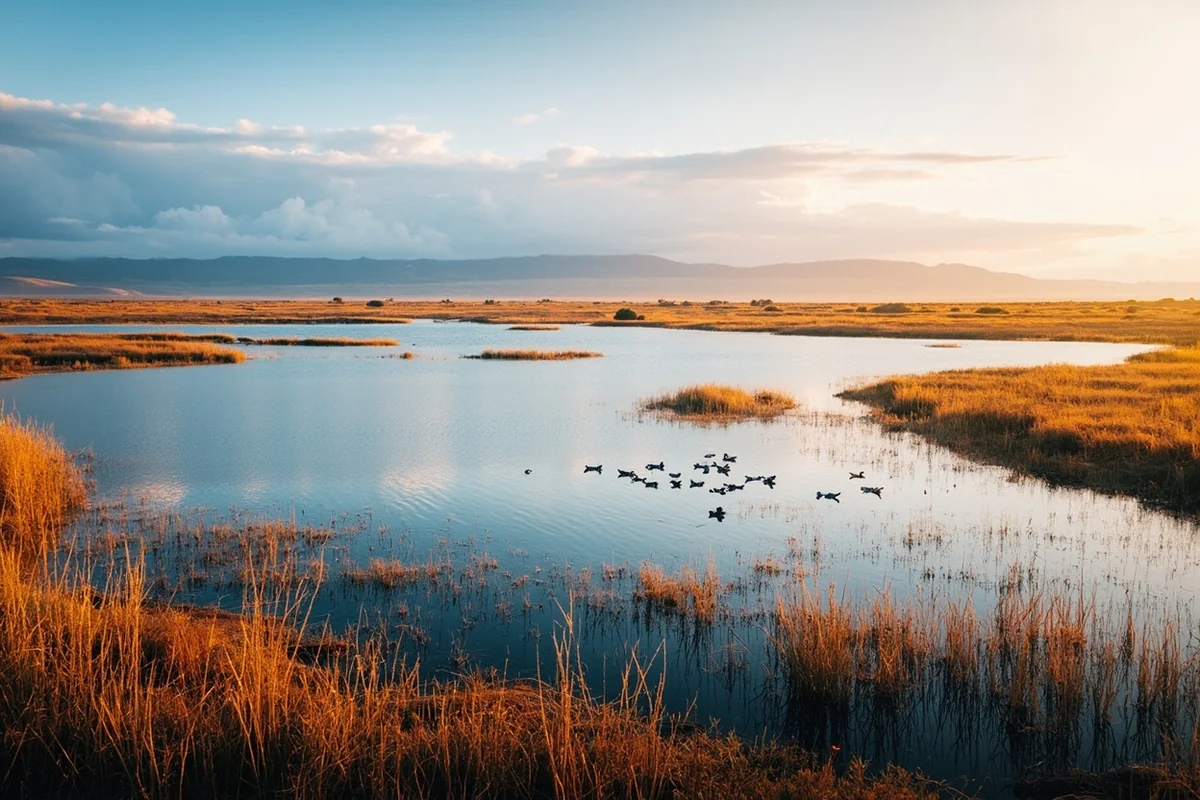
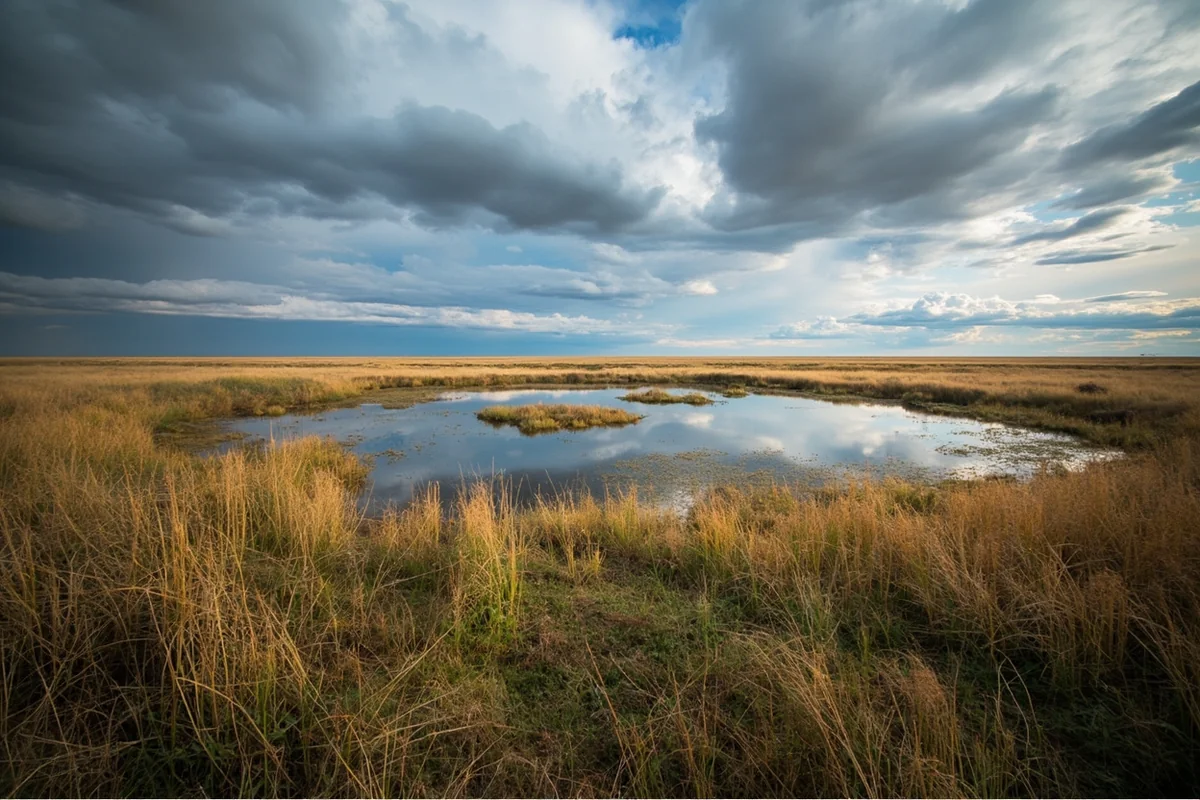
I find this story genuinely striking precisely because nothing about the quiet, marshy basin today hints at it. Standing here watching waterfowl paddle across still water, it’s hard to picture the same ground as the scene of a fatal 19th-century skirmish over stolen horses.
From Natural Basin to Failed Reservoir and Back
Hailstone Lake started as a natural basin, but the Works Progress Administration enlarged it to about 300 acres in 1939, creating what became known as Hailstone Reservoir.
That New Deal-era project reflects the same wave of infrastructure building that shaped so much of rural Montana during the Depression.
Here’s the honest part of the story that I think deserves more attention than it usually gets: over the following decades, runoff into the reservoir concentrated salts and heavy metals in the mud beneath the water, gradually turning it into an unhealthy water resource.
In 2011, the U.S. Fish and Wildlife Service made the deliberate decision to remove the earthen dam entirely, returning the area to a natural, flow-through water system.
I appreciate that this story doesn’t get smoothed over in the refuge’s own materials. It’s a genuine example of a well-intentioned mid-century engineering project causing unforeseen environmental harm, followed by a modern effort to actually fix it rather than just manage around the problem indefinitely.
An Unstaffed Refuge With No Facilities
I want to set expectations clearly here: Hailstone National Wildlife Refuge has no welcome center, no interpretive displays, no restrooms, and no staff on-site. This is about as bare-bones as a named destination gets in this entire lake cluster.
There are no fees to enter, and no designated trails either — the U.S. Fish and Wildlife Service simply invites visitors to explore the grounds as they see fit, while asking that you limit your impact on sensitive habitat.
Any garbage you generate during a visit needs to leave with you, since there’s no collection service of any kind.
I’d treat a visit here as genuinely self-sufficient exploration rather than a typical park stop. Bring what you need, and expect to find nothing waiting for you when you arrive beyond the landscape itself.
Boats Are Not Permitted
Unlike nearly every other lake in this guide, Hailstone Lake doesn’t allow boats of any kind. This is a wildlife refuge first and a recreation destination a distant second, and that restriction reflects the priority clearly.
I’d come here expecting a shoreline and hiking experience rather than any kind of water-based activity. That’s an unusual restriction in this cluster, and one worth knowing before you pack a kayak expecting to use it.
Bird Watching at Hailstone
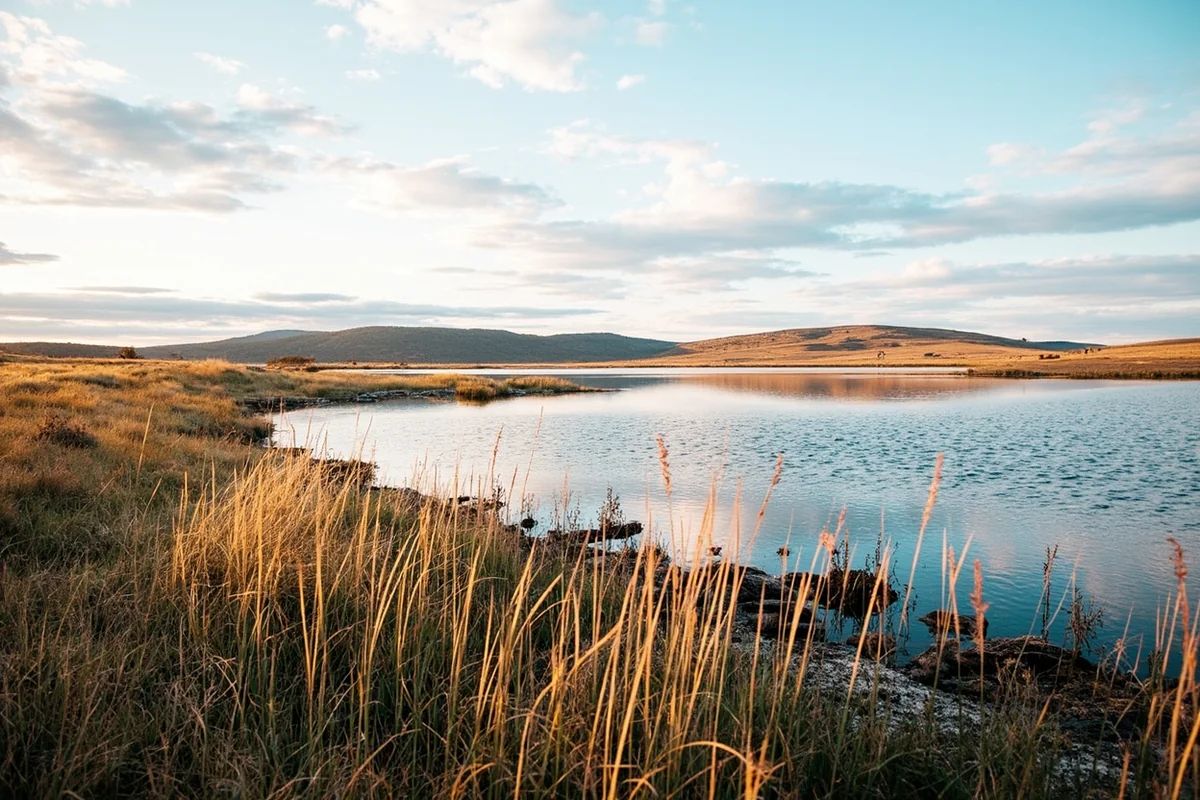
This is genuinely the main draw here, and the refuge delivers on it. More than 200 species of birds have been documented at the broader Hailstone-Grass Lake complex, making it one of the finest wetland and waterfowl habitats in central Montana.
Resident species include greater sage-grouse and singing grassland songbirds like western meadowlarks, which I’ve found genuinely abundant here even on a quick visit.
During spring through early summer, the refuge serves as an important staging, feeding, and nesting area for migrating waterfowl and shorebirds, including species like mountain plover and lark sparrow.
I’d bring binoculars without question and treat this as a legitimate birding destination in its own right, not just an afterthought on a bigger Montana itinerary or a quick stop between other, more famous attractions.
No Hard Border With the Neighboring Refuge
Hailstone National Wildlife Refuge is bordered on three sides by Grass Lake National Wildlife Refuge, and there’s no hard boundary line between the two.
I’ve heard this leads visitors to wander from one refuge into the other without fully realizing it, since nothing marks the transition on the ground.
I’d treat this as a feature rather than a problem — it means a single visit here effectively gives you access to two connected refuges, doubling your wildlife-viewing territory without any extra planning required.
Wildlife Beyond the Birds
Pronghorn antelope and mule deer both use the refuge and surrounding Waterfowl Production Area regularly, and the refuge has historically supported a colony of black-tailed prairie dogs, a state species of concern.
Horned lizards, sometimes called horned toads, and rattlesnakes also live in this landscape, which is worth knowing if you’re planning to hike off any kind of established path.
Given the sparse, unstaffed nature of this refuge, I’d exercise more caution here than at a busier, better-marked destination. Wear boots that protect against both rattlesnakes and prickly pear cactus, both genuinely present hazards on the ground here.
Hunting Access
Hailstone Refuge is open to hunting for big game, waterfowl, and upland game birds, provided visitors hold a valid Montana hunting license and comply with all applicable state regulations. Non-toxic shot is required for waterfowl and upland game bird hunting specifically.
I’d research current hunting seasons and specific refuge regulations before planning a hunting trip here, since rules can shift and this remains a managed conservation area first [verify current hunting regulations and season dates].
Getting to Hailstone Lake
From Rapelje, head east for about 4 miles on the Molt-Rapelje Road until you reach Hailstone Basin Road. Turn north and continue 1.5 miles to the signed refuge entrance.
A two-track trail crosses the refuge from southeast to northwest, giving you a rough route to follow if you want some structure to your exploration, even though no formal trail system exists.
Rapelje: A Town Worth a Look
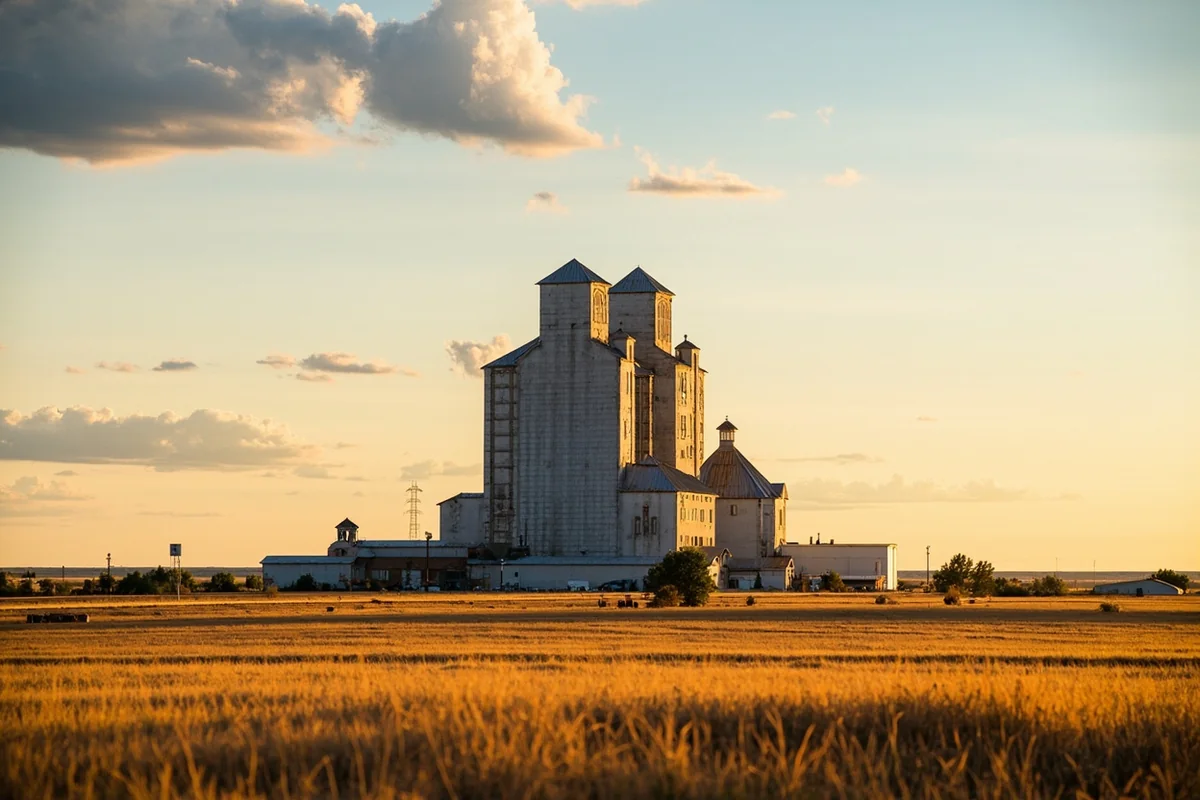
Before or after visiting the refuge, Rapelje itself is worth a slow look. With just over 100 residents, the town is marked by four iconic grain elevators rising above the prairie, a genuinely striking visual against the flat surrounding landscape.
I’d recommend a stop at the Rapelje Stockman Cafe for coffee and a hearty, homemade meal — the kind of unpretentious small-town spot that tells you more about rural Montana life than any museum could.
Personal Tips / What I Wish I Knew
Come prepared for zero facilities. I mean this literally — no restrooms, no water, no staff. Pack accordingly and plan your stop times around services in Rapelje instead, or in Billings if you need a fuller range of options before or after your visit.
Visit the Stockman Cafe in Rapelje. It’s a small detail, but it rounds out the visit with a genuine taste of the community that surrounds this refuge, and it’s exactly the kind of stop my Montana history guide touches on when discussing small agricultural towns across the state.
Wear real boots, not sandals. Between rattlesnakes and prickly pear cactus, casual footwear is a genuinely bad idea here, especially if you plan to wander off the two-track path at all.
Don’t expect marked trails. The two-track path gives some structure, but this is open-exploration territory, closer to hiking on undeveloped land than following a maintained park trail.
Practical Info: Hailstone Lake
| Location | About 5 miles east of Rapelje, Stillwater County |
| Lake size | About 300 acres |
| Refuge size | Roughly 2,750 acres including easements and WPA land |
| Entry fee | Free, day-use only |
| Boating | Not permitted |
| Facilities | None — unstaffed refuge, no restrooms or water |
Frequently Asked Questions
Is there a fee to visit Hailstone Lake?
No, Hailstone National Wildlife Refuge is free to visit and open for day use, with no facilities or staff on-site.
Can you boat on Hailstone Lake?
No, boats of any kind are not permitted, keeping this a wildlife-first destination rather than a recreational lake.
What happened at Hailstone Basin in 1885?
A gun battle broke out between Piegan and Crow warriors, with local ranchers from Park City assisting the Crow, after stolen horses led to a pursuit that ended in this basin. Two ranchers and one Piegan warrior died.
Why was the dam at Hailstone Lake removed?
Heavy metals and salts had accumulated in the reservoir’s mud over decades, degrading water quality. The U.S. Fish and Wildlife Service removed the dam in 2011 to restore a natural flow-through system.
Can you hunt at Hailstone National Wildlife Refuge?
Yes, hunting for big game, waterfowl, and upland game birds is permitted with a valid Montana hunting license and required non-toxic shot for bird hunting.
Understanding the Charles M. Russell Refuge Connection
Hailstone National Wildlife Refuge operates as one of several satellite refuges managed under the Charles M. Russell National Wildlife Refuge Complex, alongside Grass Lake and other nearby units in what’s known as the Big Lake Complex.
The District Manager for the Charles M. Russell Wetland Management District oversees Hailstone from an office based in Lewistown, considerably far from the refuge itself.
I think this administrative structure explains a lot about why Hailstone feels so unstaffed and minimally developed compared to a destination with its own dedicated visitor center.
Resources across this whole complex of satellite refuges get spread thin by design, prioritizing habitat protection over visitor infrastructure.
The Bigger Picture: Executive Order 9292
Hailstone’s origin as a protected area traces back to December 31, 1942, when President Franklin D. Roosevelt signed Executive Order 9292 establishing what’s now the Hailstone Waterfowl Production Area and National Wildlife Refuge.
That order created an easement refuge of 2,748 acres specifically to provide a rest stop and breeding ground for migratory waterfowl.
I find it worth noting that this happened during the middle of World War II, a period when America’s attention was overwhelmingly focused elsewhere.
That a conservation order like this still got signed and implemented during such a demanding national moment says something about the genuine, bipartisan commitment to wildlife habitat that existed even then.
What a Visit Here Actually Feels Like
I want to paint a realistic picture rather than an idealized one. A visit to Hailstone Lake typically means driving down a quiet gravel road, parking near an unmarked entrance, and walking out into open prairie and wetland with no other visitors in sight.
There’s a genuine stillness here that’s hard to find at busier, more developed destinations. I’ve spent an hour at Hailstone without seeing another vehicle or person, just birds, wind, and open sky in every direction. That kind of solitude isn’t for everyone, but for the right kind of traveler, it’s exactly the point.
Final Thoughts
Hailstone Lake closes out this guide fittingly, as one of the rawest, least-polished destinations in the entire 46-lake collection. No facilities, no fees, no boats — just a genuine wildlife refuge sitting on ground that once saw real bloodshed, now quietly rebuilding itself after its own environmental mistakes, one migration season at a time.
For the broader refuge system this belongs to, see my guide to Montana’s wildlife refuges, or check out the complete guide to Montana’s best lakes to explore the other 45 lakes across the state.
For the history behind Executive Order-era conservation projects like this one, my Montana history guide provides useful context, and for the nearest larger town, my Billings guide covers services and lodging beyond Rapelje’s limited options.
For the broader birding opportunities across the state, my Montana bird species guide rounds out your planning.