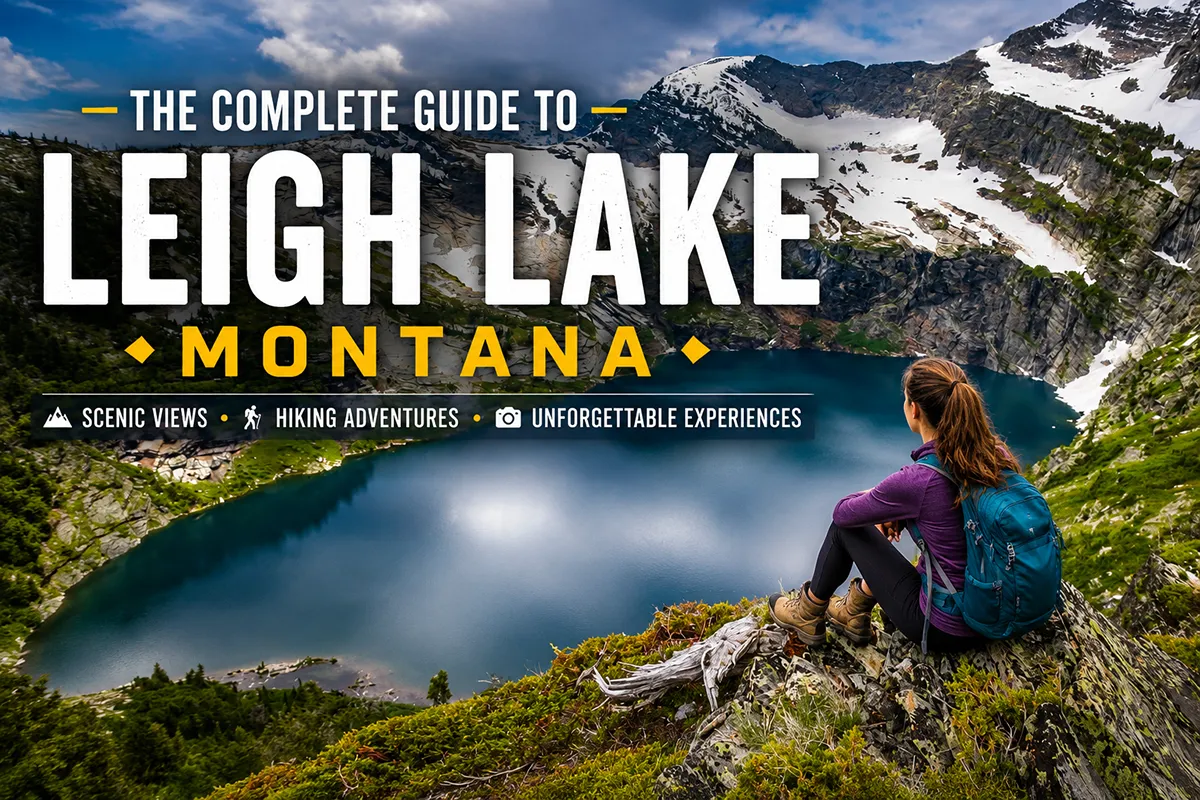
I’ve stood at the shore of this lake in July and watched actual chunks of glacier ice drift past. Nobody, including longtime locals, can tell you exactly how deep the water beneath them runs.
- This guide covers the Leigh Lake in the Cabinet Mountains Wilderness near Libby — not the smaller pond of the same name in Glacier National Park’s Many Glacier area
- It’s a genuinely difficult 2.7-mile round-trip hike into the Kootenai National Forest, with no official depth measurements ever recorded
- This guide covers the trail, the floating glacier ice, the poor fishing, and why this remains one of Montana’s least-visited notable lakes
- No motorized boats, no campgrounds, and no cell service — this is backcountry in the truest sense
Liked this article?
Add Roaming Montana as a preferred source so you see more of our articles and guides on Google.
A Quick Note on Naming Confusion
Montana has two different lakes called Leigh Lake, and mixing them up leads to a genuinely different trip than you might expect. This guide covers the Leigh Lake in the Cabinet Mountains Wilderness near Libby.
A much smaller pond, also called Leigh Lake, sits in Glacier National Park’s Many Glacier area between Lake Josephine and Grinnell Lake.
That one is a quiet, easily-missed stop along an established trail network. The Cabinet Mountains version described here is an entirely different, much more demanding destination.
Why Nobody Knows How Deep This Lake Is
This is one of my favorite pieces of trivia about any lake in this entire cluster. Leigh Lake has no officially recorded depth measurement.
Locals and hikers estimate it at more than 200 feet in places, but that’s genuinely just an estimate. I find something appealing about a lake this significant still holding onto a basic mystery in an age when almost everything gets measured and mapped.
Getting There: A Genuinely Difficult Approach
From Libby, take Highway 2 south toward Glacier National Park. About 8 miles along, turn onto Bear Creek Road, then after roughly 3 miles, turn again onto Leigh Creek Road, also marked as Forest Road 4786.
This final stretch runs single-lane and gravel, climbing about 2 more miles before reaching the trailhead.
From there, the Leigh Lake Trail itself covers 2.7 miles round trip and is rated difficult, climbing steeply through forest before entering the Cabinet Mountains Wilderness boundary just before the half-mile mark.
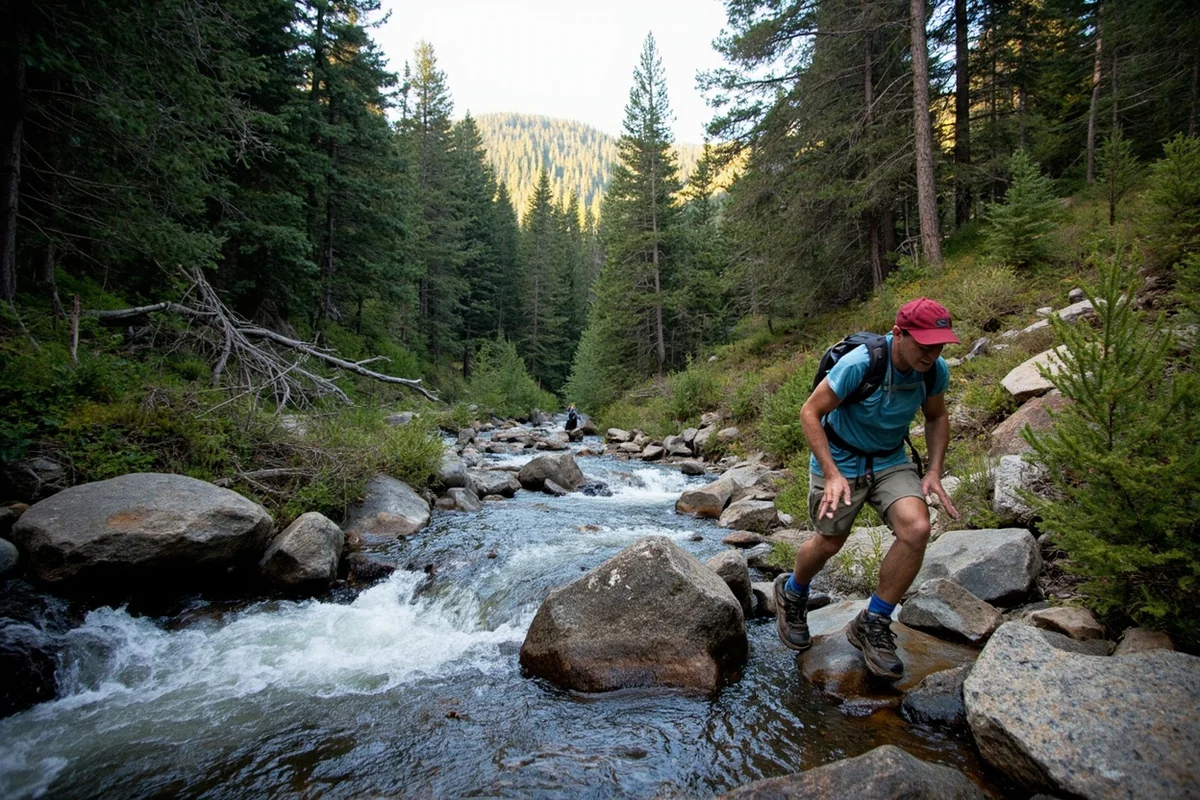
I’d budget around three hours round trip for the hike alone, not counting time at the lake itself. Expect stream crossings, rocky sections, and a real, sustained climb — this isn’t a casual afternoon stroll.
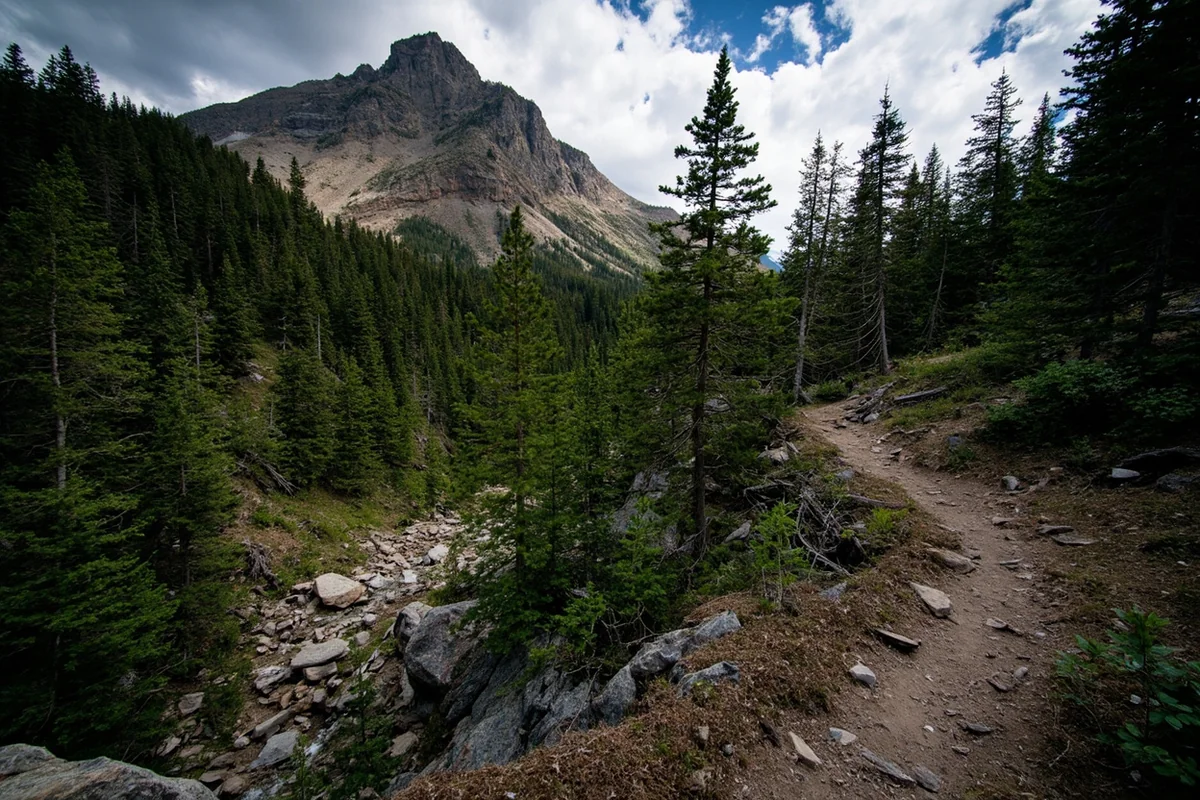
Snowshoe Peak and Floating Ice
Blackwell Glacier sits high on Snowshoe Peak, directly overhead from the lake’s basin. Meltwater and occasional ice chunks flow down from this glacier, and I’ve genuinely seen ice still floating in the lake as late as July.
That combination — a craggy, dramatic peak backdrop plus literal glacier ice on the water in the middle of summer — makes this one of the more visually striking alpine lakes I’ve visited anywhere in Montana. Photos genuinely undersell it.
The Season Here Is Short
Most of the lake’s incoming water comes from precipitation and mountain snowmelt, and this region sees consistently high snowfall given its elevation above 5,000 feet. That translates into a short accessible season.
I’d plan a visit for June through October, and even within that window, expect variability year to year depending on how much snow fell the previous winter.
Only experienced winter travelers attempt this area once snow arrives, and several trailheads become impossible to reach by car, requiring snowshoeing in just to reach the actual hiking trail.
Fishing Leigh Lake: Don’t Expect Much
I’ll be straightforward here: the fishing at Leigh Lake has a genuinely poor reputation, and sparse weed cover is often cited as the reason.
Species present include bass, bluegill, brook trout, cutthroat trout, largemouth bass, rainbow trout, and sunfish, but nobody I’ve talked to claims consistently good luck here.
If fishing is your primary goal for a Montana trip, I’d look elsewhere in this cluster. If you’re coming for the scenery and the wilderness experience, the underwhelming fishing won’t matter much.
No Motors, Minimal Boat Access
Motorized watercraft are prohibited here, and getting any boat to the shore at all is a genuine challenge given the terrain and access. Most visitors who do bring a small canoe or packraft carry it in by hand.
I’ve never brought a boat here myself, and I don’t think most visitors do either. This is fundamentally a hiking and scenery destination rather than a paddling one.
No Facilities, No Campgrounds
There’s genuinely nothing built up around Leigh Lake. No campgrounds, no facilities, no lodging anywhere nearby, aside from a small number of primitive camping spots set back the required distance from the shoreline.
I’d treat this as a day-hike destination for most visitors, packing in everything you need and packing it back out. If you’re set on camping, come prepared for a genuinely primitive experience with no amenities whatsoever.
Why This Lake Stays So Quiet
Between the difficult access road, the demanding trail, the short season, and the lack of any facilities, Leigh Lake filters out all but the most committed visitors naturally. I think that’s exactly why it’s stayed as pristine and undeveloped as it has.
Compared to more accessible lakes in this cluster, Leigh Lake asks considerably more of anyone who wants to see it. What you get in return is a genuinely wild alpine lake that few Montana visitors, even longtime residents, have ever actually seen in person.
Combining a Visit With Lake Koocanusa
Given its location near Libby, I’d consider pairing a Leigh Lake hike with a visit to nearby Lake Koocanusa, especially if you’re already making the drive out to this corner of the state. The two offer genuinely different experiences within a reasonable driving distance of each other.
Personal Tips / What I Wish I Knew
Don’t attempt this hike in anything but solid hiking boots. The rocky sections and stream crossings genuinely punish inadequate footwear, and I’ve watched hikers turn back partway up in sandals or worn-out sneakers that simply couldn’t handle the terrain.
Check current wilderness area regulations before camping. Since this falls within designated wilderness, specific rules around campsite distance from water and group size may apply [verify current Cabinet Mountains Wilderness regulations]. My best time to visit Montana guide also covers broader seasonal planning that applies to remote hikes like this one.
Tell someone your exact plans before heading out. Given the difficulty of the trail and the complete lack of cell service, I never attempt this hike without someone knowing my route and expected return time.
Bring bear spray and expect zero cell service. This is genuine backcountry, and self-sufficiency matters more here than at almost any other lake in this guide.
Don’t confuse this with the Many Glacier Leigh Lake. If you’re specifically trying to reach the small pond near Grinnell Lake and Lake Josephine instead, this guide and its directions won’t get you there.
Practical Info: Leigh Lake
| Trail distance | 2.7 miles round trip |
| Difficulty | Difficult |
| Best season | June through October |
| Depth | Unrecorded; estimated 200+ feet |
| Boating | No motorized watercraft; hand-carried boats only |
| Facilities | None; primitive camping only, set back from shoreline |
Frequently Asked Questions
Is there more than one Leigh Lake in Montana?
Yes, this guide covers the Leigh Lake in the Cabinet Mountains Wilderness near Libby. A separate, much smaller Leigh Lake sits in Glacier National Park’s Many Glacier area.
How deep is Leigh Lake?
No official depth measurement exists. Estimates suggest more than 200 feet in places, but this has never been formally surveyed.
Is the fishing good at Leigh Lake?
No, it has a genuinely poor reputation, largely attributed to sparse weed cover, despite holding several fish species.
Can you see glacier ice at Leigh Lake?
Yes, meltwater and ice from Blackwell Glacier on Snowshoe Peak can still be visible floating in the lake as late as July in some years.
Is Leigh Lake a good hike for beginners?
No, it’s rated difficult, with steep sections, stream crossings, and a genuinely remote setting — I’d reserve this for hikers with some backcountry experience.
The Cabinet Mountains Wilderness Context
Leigh Lake sits within the largest section of the Cabinet Mountains Wilderness Area, itself part of the broader Kootenai National Forest. This designation matters practically, not just administratively.
Wilderness area status means no mechanized equipment of any kind, stricter group size limits in many cases, and a genuine commitment to keeping the area undeveloped.
I think this designation is exactly why Leigh Lake has retained the wild, undisturbed character that makes it worth the difficult trip in the first place.
The broader wilderness area protects some of the most rugged terrain in northwest Montana, and Leigh Lake represents just one accessible piece of a much larger, mostly trail-less landscape.
What Makes the Water So Clear
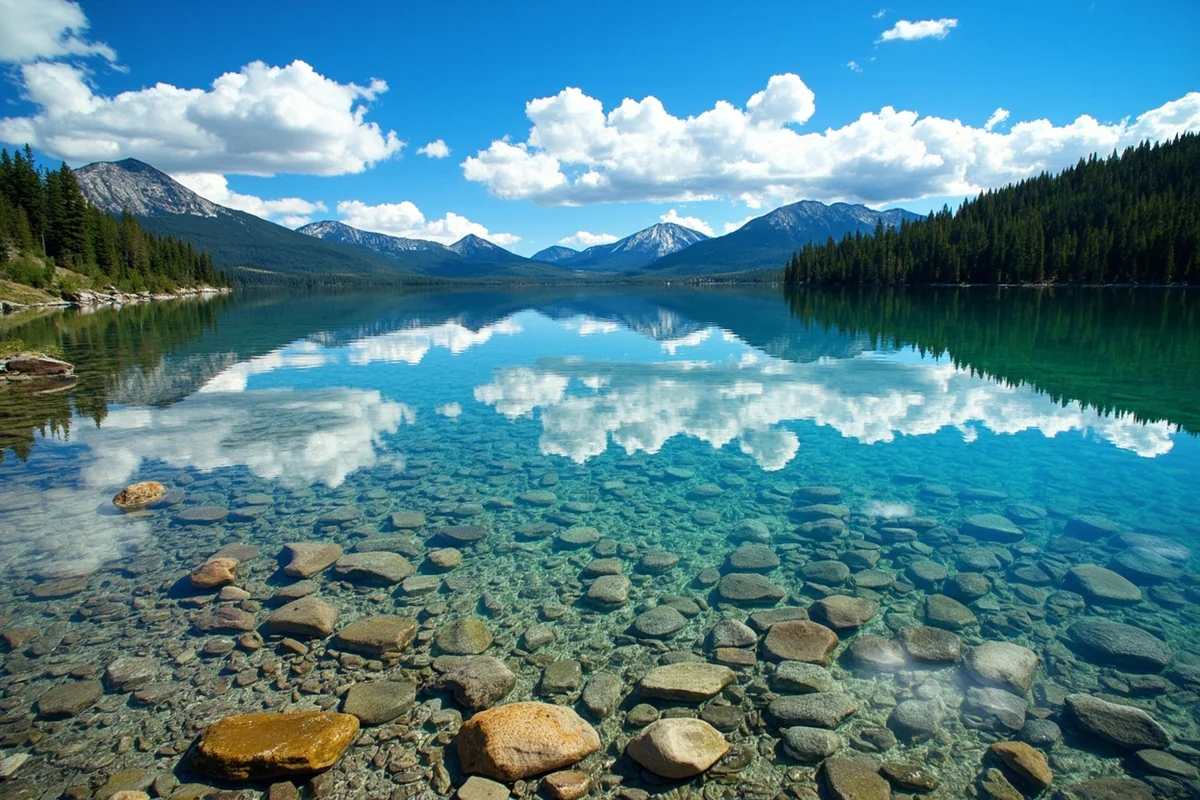
I’ve described this lake’s clarity as super-clear, and I think it’s worth explaining why. Water arriving primarily from snowmelt and precipitation, rather than surface runoff through developed or agricultural land, tends to carry far less sediment and organic material.
Combined with minimal human activity around the shoreline and no motorized boat traffic stirring up sediment, Leigh Lake’s water stays about as pure as you’ll find anywhere in this cluster.
I’ve seen the lakebed clearly from shore in spots where I’d expect visibility to fail entirely at a more developed lake.
A Realistic Assessment of Difficulty
I want to be honest about what “difficult” means for this specific trail, since difficulty ratings vary wildly between sources.
This isn’t a technical climb requiring specialized gear, but it does involve sustained elevation gain, uneven footing, and stream crossings that can be genuinely tricky during high water in early summer.
I’d rate this appropriately challenging for a reasonably fit hiker with some trail experience, but not a good choice for a first-ever hike or for anyone uncomfortable with genuine backcountry conditions.
There’s no cell service to call for help if something goes wrong, and help would take considerable time to arrive even if you could reach someone.
Why I Keep Coming Back Despite the Difficulty
I’ve made this hike more times than the fishing or the amenities would ever justify on their own. What keeps bringing me back is that specific combination of genuine remoteness, dramatic scenery, and the small mystery of that unmeasured depth.
Few places in Montana still offer that combination in quite the same way. Most of the state’s dramatic alpine lakes have been thoroughly documented, measured, and photographed from every angle. Leigh Lake retains just enough uncertainty to feel like a genuine discovery each time.
A Lake That Resists Easy Categorization
Every other lake in this guide fits neatly into a category — swimming lake, fishing lake, boating lake, scenic overlook. Leigh Lake resists that kind of simple labeling.
It’s not a great fishing lake, not a boating destination, and not an easy hike. What it offers instead is a genuinely rare combination of remoteness, mystery, and dramatic alpine scenery that’s becoming harder to find in an increasingly mapped and documented world.
Final Thoughts
Leigh Lake rewards visitors willing to earn it. Between the difficult trail, the mysterious unmeasured depth, and the sight of glacier ice floating in July, this is one of the more genuinely wild experiences available in this entire lake cluster.
I don’t recommend this hike lightly, and I’ve turned back once myself when weather deteriorated faster than expected. But on the days it comes together, few places in this guide deliver a stronger sense of having found something genuinely undiscovered.
For nearby options in the same corner of the state, see my guide to Lake Koocanusa, or check out the complete guide to Montana’s best lakes for the rest of the region.
For the nearest town with real services, see my Libby guide, and for a comparably remote lake worth exploring on the same trip, my Loon Lake guide covers another quiet corner of this part of Montana.
For broader planning around this region’s mountain ranges, my Montana mountain ranges guide provides useful context.