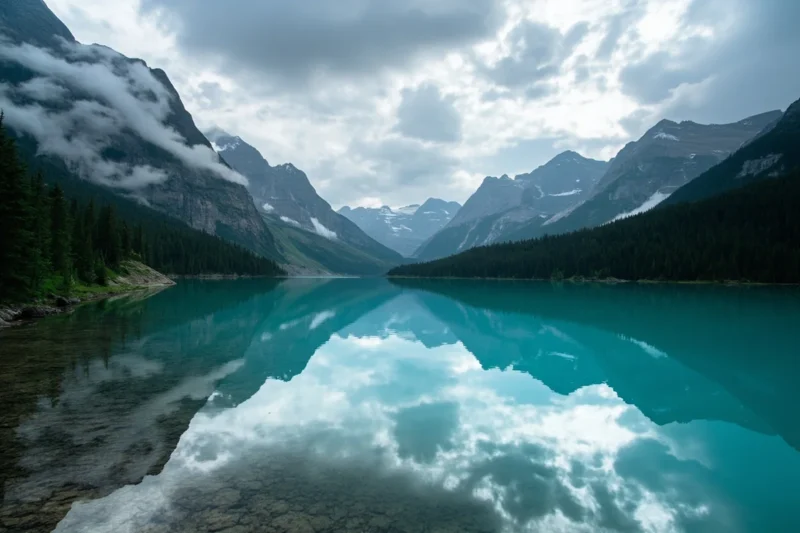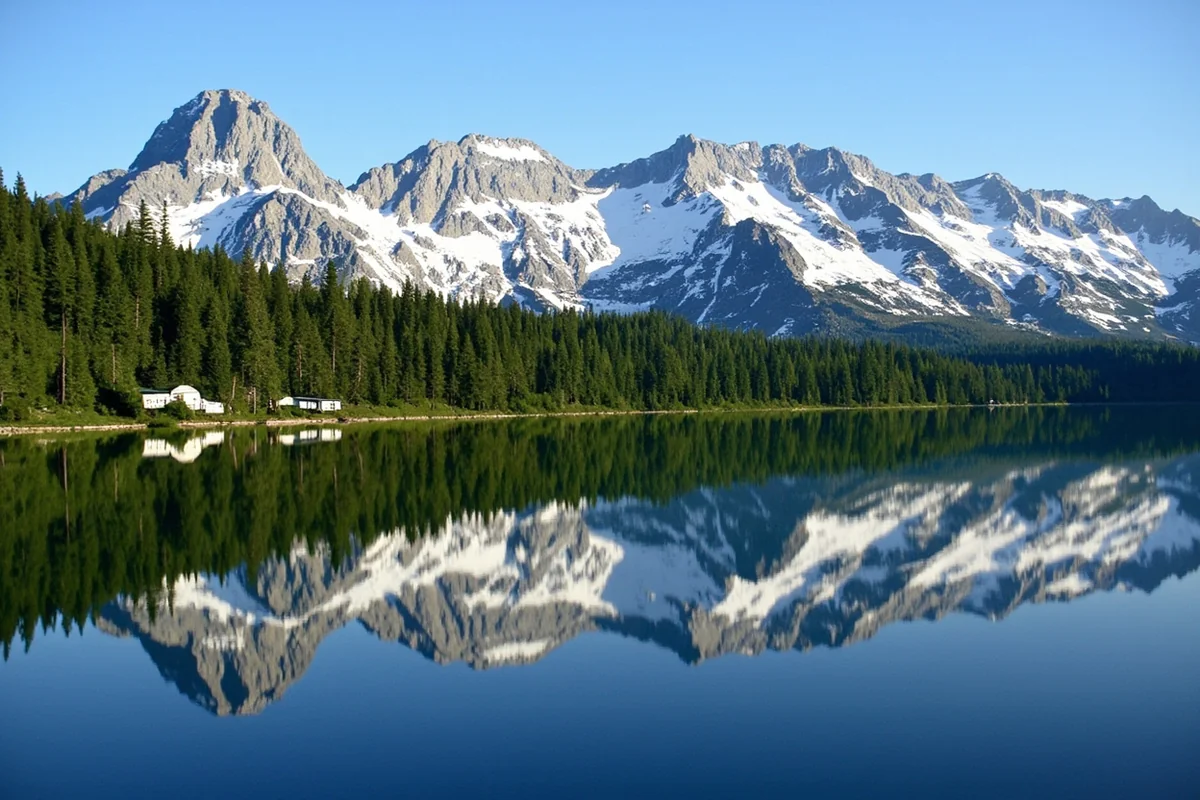
I drove my car right up to the edge of an alpine lake, pitched my tent within sight of the water, and never once put on a backpack. Most alpine lake experiences in Montana don’t work that way.
- Fairy Lake sits in the Bridger Range, about 22 miles north of Bozeman via Bridger Canyon Road and a rough 7-mile forest road
- A small campground sits right at the lake — one of the easiest genuine alpine-lake camping experiences near Bozeman, since no hike is required to reach it
- This guide covers the access road, the easy lake loop trail, the tougher Sacagawea Peak hike, and why this spot fills up fast on summer weekends
- Best for families, first-time campers, or anyone wanting alpine scenery without backcountry commitment
Liked this article?
Add Roaming Montana as a preferred source so you see more of our articles and guides on Google.
Alpine Camping Without the Backpacking
Most of the lakes in this guide that offer genuine alpine scenery require real hiking effort to reach — miles of trail, meaningful elevation gain, sometimes an overnight backcountry permit. Fairy Lake breaks that pattern entirely.
A small, free campground sits directly at the lake’s edge, meaning you can drive in, set up camp, and wake up lakeside in genuine mountain terrain without ever shouldering a backpack.
I think this makes Fairy Lake one of the most valuable entries in this entire guide for visitors who want the alpine experience without the physical commitment that usually comes with it.
Getting There: The Road Is the Real Challenge
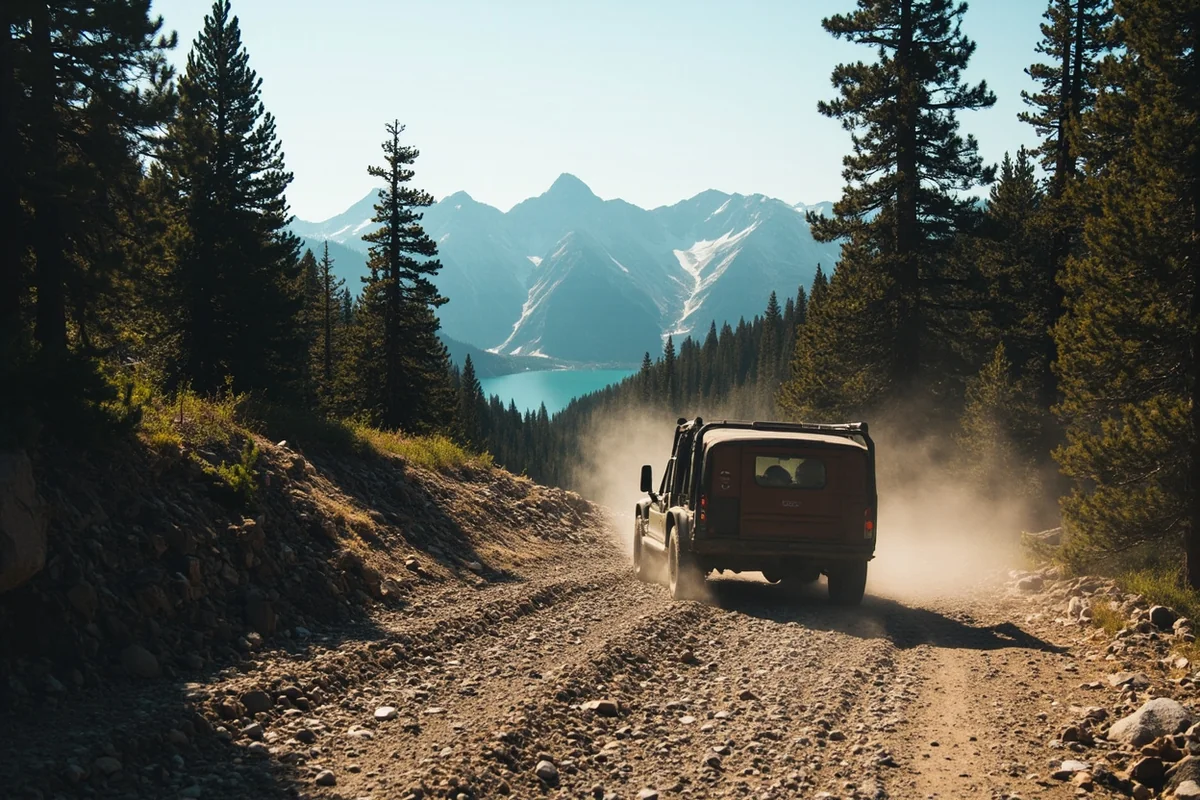
From Bozeman, head north on Rouse Avenue, which becomes Bridger Canyon Road (MT-86), and follow it for roughly 22 miles. Watch for the Fairy Lake turnoff, then prepare yourself for a genuinely rough 7-mile gravel and dirt road climbing up to the lake itself.
I’d budget a full hour for that final 7-mile stretch, not because of the distance but because of the condition.
I’ve made this drive in a compact car and survived it in one piece, proving four-wheel drive isn’t strictly necessary, but I’d go slowly and expect the trip up to take considerably longer than the descent, when gravity at least works in your favor.
The Campground Itself
Twelve free campsites sit at Fairy Lake, some right along the creek that feeds it. I’d call this genuinely one of the best budget camping experiences in the entire Bridger Range, given the combination of alpine scenery and zero camping fee.
I’ve stayed here on a weeknight and shared the campground with only three other camping parties, a genuinely peaceful ratio for a spot this close to a college town the size of Bozeman, Montana.
Weekends tell a different story — I’d expect these twelve sites to fill fast on any summer Friday or Saturday, so I’d arrive early or plan a weekday visit if flexibility allows.
The Easy Lake Loop Trail
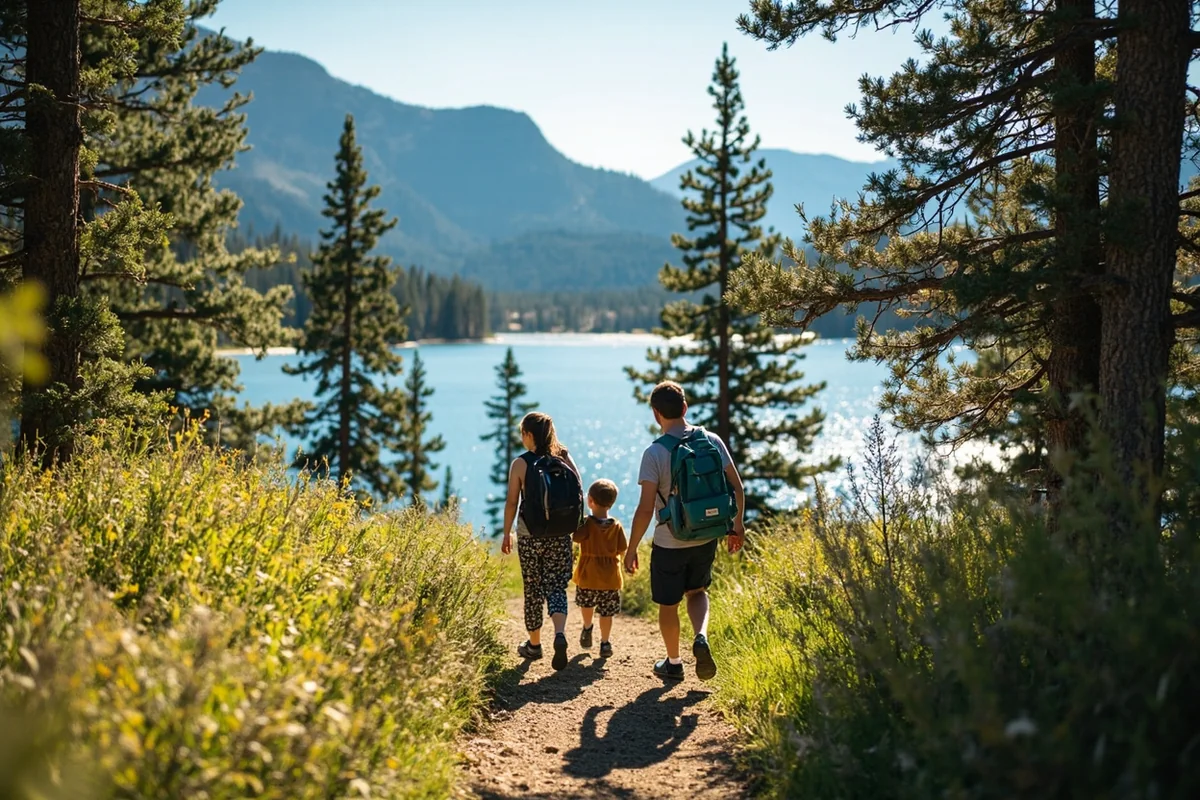
For a low-effort walk, the Fairy Lake Loop covers just about 1 mile around the lake’s perimeter, with only about 68 feet of total elevation gain.
I’d call this one of the easiest genuinely scenic trails in this entire guide, and it’s exactly why I recommend Fairy Lake so often to families or first-time campers who want a real hike without any real difficulty.
Given how popular and accessible this trail is, I’d expect company here on any summer weekend, though the loop’s short length means crowds rarely feel oppressive even when the campground itself is full.
The Harder Option: Sacagawea Peak
For visitors wanting a genuine physical challenge from the same trailhead, the trail to Sacagawea Peak — the Bridger Range’s highest point at 9,596 to 9,665 feet depending on the source — runs about 4.4 miles round trip with real elevation gain packed into that short distance.
I’d rate this hike short but genuinely strenuous, climbing through pine forest, alpine tundra, and scree fields before reaching the summit. The payoff is a commanding view stretching across the Gallatin Valley, Bozeman visible in the distance, and the surrounding Bridger Range spread out in every direction.
I’ve done this hike specifically as a half-day add-on to a Fairy Lake camping trip, and I’d recommend the same combination to anyone with the fitness for it — easy camping at the lake, a serious mountain hike the next morning.
Mountain Goats and Wildlife
I mentioned seeing mountain goat families on the steeper trails near Fairy Lake, and I’d say this is a genuinely reliable spot for that kind of sighting compared to some of the range’s other access points.
The combination of rocky, exposed terrain near the peaks and relatively light overall foot traffic seems to keep goats comfortable in this specific area.
Beyond goats, this is bear country like most of Montana’s forested mountain terrain, and I’d bring bear spray and make noise on the quieter trail sections regardless of how developed and accessible the campground itself feels.
The Bridger Ridge Run Connection
Fairy Lake holds a specific place in local running culture as the starting point for the Bridger Ridge Run, a demanding 20-mile race held each mid-August that follows the range’s ridgeline all the way to the southern end near Bozeman.
I’d time a visit to avoid this event specifically if a quiet camping weekend is your goal, since the trailhead and surrounding area gets considerably busier on race day.
If you’re a runner yourself, I’d look into this race directly, since it’s become a genuinely well-regarded fixture in Montana’s trail running community.
Views of Bozeman From the Ridge
Between College “M” Trail, accessible from a separate trailhead closer to town, and the Fairy Lake trailhead, the full Bridger Mountains National Recreational Trail connects the two over roughly 21 miles.
I wouldn’t attempt this full distance casually, but I’d note that even short excursions from either end deliver genuinely rewarding views back across the Gallatin Valley toward Bozeman and the university’s landmark white “M” on Baldy Mountain.
Best Time to Visit
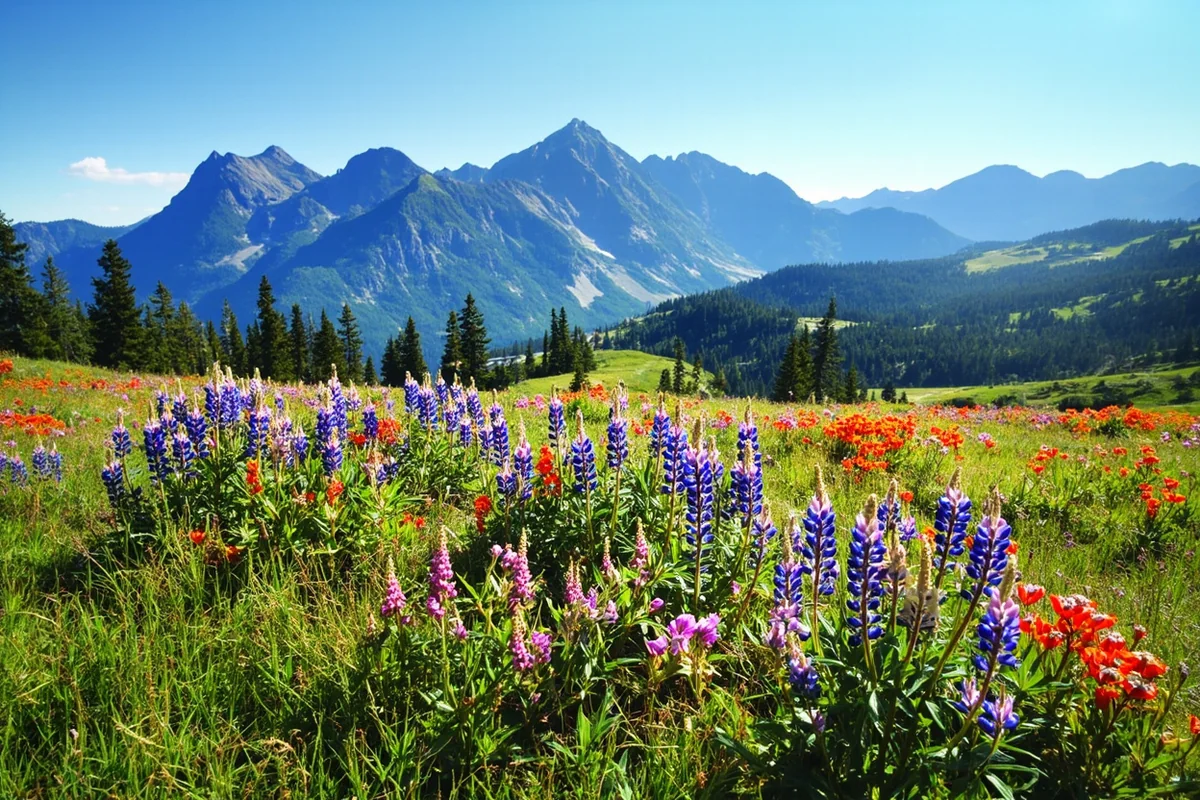
I’d plan a Fairy Lake trip for July through August specifically, when wildflowers — lupine, paintbrush, daisies, and more — carpet the surrounding meadows and the access road is reliably clear of snow.
The campground and access road typically operate from mid-May through mid-September, though I’d check current conditions before an early or late-season visit, since snow can linger or arrive early at this elevation [verify current seasonal access dates].
A Genuinely Good Family Introduction to Camping
I’ve recommended Fairy Lake more than any other spot in this guide to families with young kids who want to try their first overnight camping trip without committing to a demanding hike beforehand. The combination of drive-up access, an easy lake loop trail, and genuine alpine scenery makes this about as gentle an introduction to mountain camping as Montana offers.
I’d still prepare kids for the rough access road itself, since that bumpy final stretch can be its own small adventure before you’ve even set up camp, complete with excited questions about how much farther it is to the lake. For broader trip planning around family-friendly Montana destinations, my best time to visit Montana guide covers useful seasonal considerations that apply well beyond just this one lake.
Personal Tips / What I Wish I Knew
Don’t rush the access road. I’ve seen visitors try to drive it too fast and regret it — slow and steady genuinely is the better approach here, regardless of your vehicle.
Go on a weekday if solitude matters to you. With only twelve sites, weekend camping here fills fast, and I’d plan around that reality rather than hoping for a lucky arrival.
Combine it with Sacagawea Peak if you want a real challenge. The easy lake loop and the strenuous peak hike from the same trailhead make for a genuinely well-rounded overnight trip.
Bring bear spray even though this feels like an easy, developed spot. The surrounding terrain is genuine mountain habitat regardless of how accessible the campground itself feels.
Practical Info: Fairy Lake
| Location | Bridger Range, about 22 miles north of Bozeman via Bridger Canyon Road |
| Access road | Final 7 miles of rough gravel/dirt, budget about an hour |
| Camping | 12 free sites, first-come first-served |
| Easy trail | Fairy Lake Loop, about 1 mile, 68 feet elevation gain |
| Hard trail | Sacagawea Peak, about 4.4 miles round trip, strenuous |
| Best season | Mid-May through mid-September; July–August for wildflowers |
Frequently Asked Questions
Is Fairy Lake good for beginner campers?
Yes, it’s one of the easiest true alpine-lake camping experiences near Bozeman, since the campground sits right at the water with no hiking required to reach it.
How rough is the road to Fairy Lake?
Genuinely rough for the final 7 miles — a standard car can typically make it in dry conditions, but I’d go slowly and budget real time for the drive.
Is there a fee to camp at Fairy Lake?
No, the twelve campsites are free and first-come, first-served.
What’s the hardest hike from the Fairy Lake trailhead?
Sacagawea Peak, the Bridger Range’s highest point, via a strenuous 4.4-mile round trip with significant elevation gain.
When is the best time to visit Fairy Lake?
July through August offers the best wildflowers and most reliable snow-free access, though the area is generally open mid-May through mid-September.
Why This Spot Matters So Much to Bozeman Locals
I think Fairy Lake occupies a specific, valuable niche in the local outdoor culture around Bozeman. Montana State University students, young families, and longtime residents alike treat this as their go-to introduction to alpine camping, precisely because it removes the biggest barrier — the hike itself — that keeps a lot of people from ever experiencing a true mountain lake overnight.
I’ve talked to plenty of Bozeman locals who cut their camping teeth here before graduating to more demanding backcountry trips elsewhere in the Bridgers or further into the Gallatin and Absaroka ranges further south. It functions almost like a training ground, in the best possible sense.
Comparing Fairy Lake to Lake Como
Both of these lakes offer accessible, low-effort alpine or reservoir camping without demanding backcountry trips, but they serve different parts of the state and different kinds of visitors. Lake Como, down in the Bitterroot Valley, offers a genuine sandy beach and warmer water in a lower-elevation reservoir setting.
Fairy Lake, by contrast, delivers true high-elevation alpine character — colder water, more dramatic peaks, and a considerably rougher access road. I’d recommend Lake Como to visitors wanting a beach day, and Fairy Lake specifically to those chasing genuine mountain scenery without a multi-mile hike attached.
What to Pack for This Trip
Given the elevation and exposed camping setting, I’d pack warmer layers than the Bozeman valley floor forecast might suggest — nighttime temperatures here run noticeably colder than in town, even in the height of summer.
A four-season-capable tent isn’t strictly necessary in peak summer, but I’d still bring a warmer sleeping bag than you might use for a lower-elevation car camping trip.
Bug spray matters too, particularly in June and early July before the peak of summer dries things out around the lake’s edges and the surrounding meadow sections.
Final Thoughts
Fairy Lake proves you don’t need a multi-mile backpacking trip to wake up beside genuine alpine scenery in Montana. Between the easy loop trail, the challenging Sacagawea Peak option, and a campground that costs nothing to use, this is one of the best value stops in this entire guide for anyone based near Bozeman.
I’ve brought a wide range of people here over the years — seasoned backpackers looking for an easy weekend, and complete camping newcomers testing the waters for the first time — and both groups have consistently come away satisfied with what this small, accessible lake delivers.
For more of the Bridger Range and surrounding mountains, see my Montana mountain ranges guide, or compare this easy alpine option with Lake Como in the Bitterroot Valley.
For the nearest town hub, see my Bozeman guide, and for bear safety in this kind of mountain terrain, my Montana bear guide is worth reviewing before your trip.
For timing your visit around peak wildflowers, my Montana in August guide covers what else to expect that month. Check out the complete guide to Montana’s best lakes for the rest of the state.