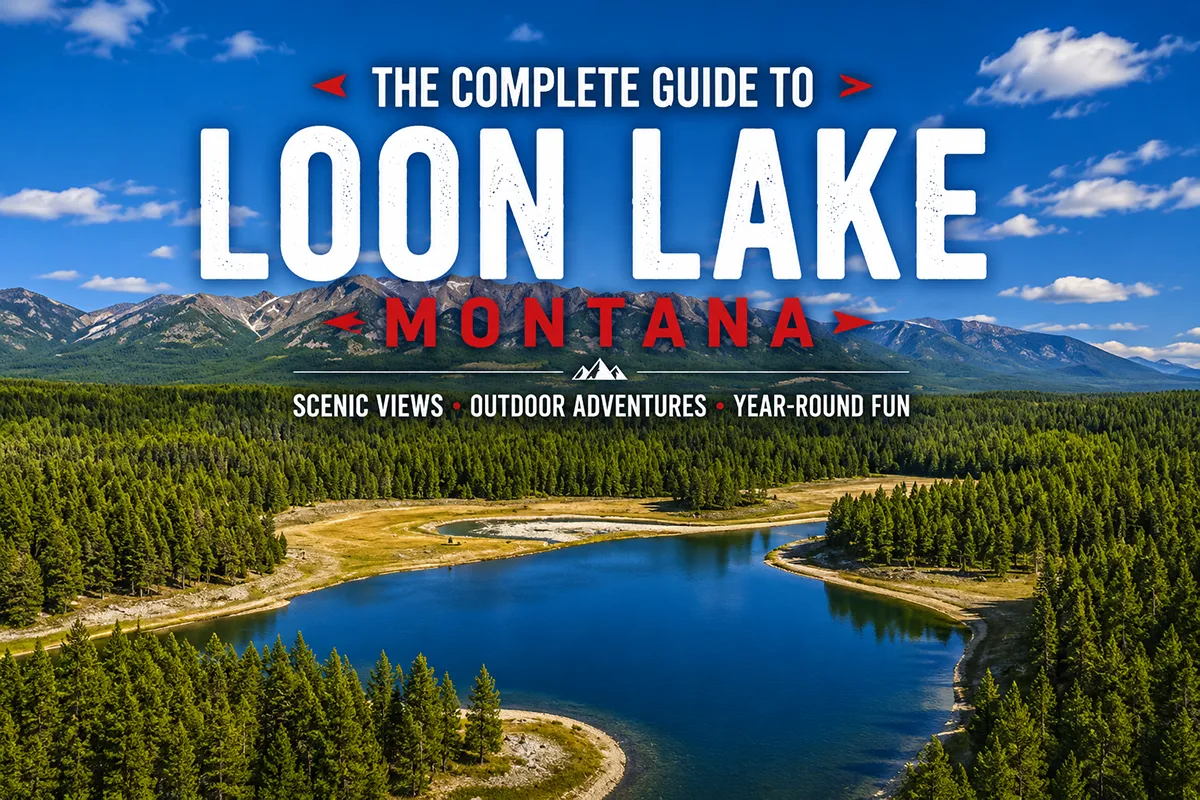
I drove 17 miles down a forest road to reach this lake and didn’t see another vehicle the entire way. That’s Loon Lake in a single sentence.
- Loon Lake sits about 20 miles northwest of Libby in the Kootenai National Forest, in the shadow of Turner Mountain
- It’s small, remote, and open year-round, with genuinely good ice fishing in winter
- This guide covers the drive in, camping at the small lakeside campground, fishing seasons, and the nearby ski area
- Note: there’s a second lake also called Loon Lake further south along the Thompson Chain — this guide covers the Kootenai National Forest lake near Libby
Liked this article?
Add Roaming Montana as a preferred source so you see more of our articles and guides on Google.
A Quick Note on Naming Confusion
Montana has more than one lake called Loon Lake, which trips up plenty of trip planners. This guide covers the Loon Lake roughly 20 miles northwest of Libby in the Kootenai National Forest, near Turner Mountain.
A different Loon Lake also exists as the westernmost entry point of the Thompson Chain of Lakes further south.
If you’re specifically trying to reach one or the other, double check your GPS directions and mile markers before committing to a drive [verify exact lake before travel if precision matters to your trip].
Getting to Loon Lake
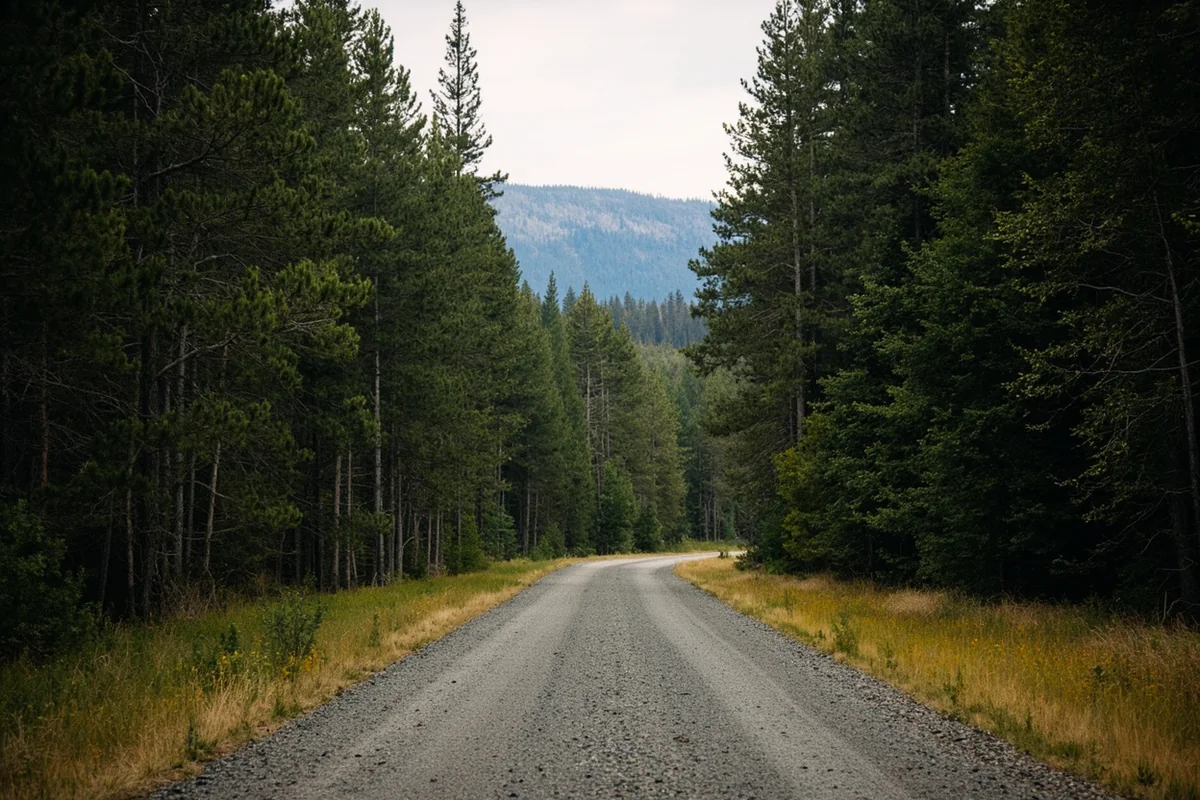
Seventeen Mile Road brings you directly to the water here, and the name gives you a fair sense of the distance involved. This is genuinely remote territory, and I mean that as both a warning and a selling point.
The drive winds through Kootenai National Forest land, with Turner Mountain rising nearby for most of the approach. I’d fill up on gas in Libby before making this drive, since services thin out fast once you leave town.
Why Remote Is the Whole Point Here
Loon Lake isn’t trying to be a destination lake in the way Flathead or Whitefish Lake are. It’s built for a different kind of visitor entirely.
I’ve used this lake as a genuine base camp for a few days of fishing and hiking, specifically because I wanted to get away from other people. The small size of the campground here guarantees that crowds simply can’t happen, even during peak summer weekends.
Camping at Loon Lake
Loon Lake Campground sits on the southeast side of the water and represents the best — really the only — place to stay directly at the lake. It’s a genuinely small operation.
Two tent pads offer level sleeping space, and two additional sites can accommodate an RV up to 20 feet. Each site includes a fire ring and table, with a single vault toilet shared by the whole campground.
There’s no garbage service here, which means you pack out everything you bring in. I’d treat this as a firm rule rather than a suggestion, given how remote the nearest disposal facility actually is.
Fishing Loon Lake Year-Round
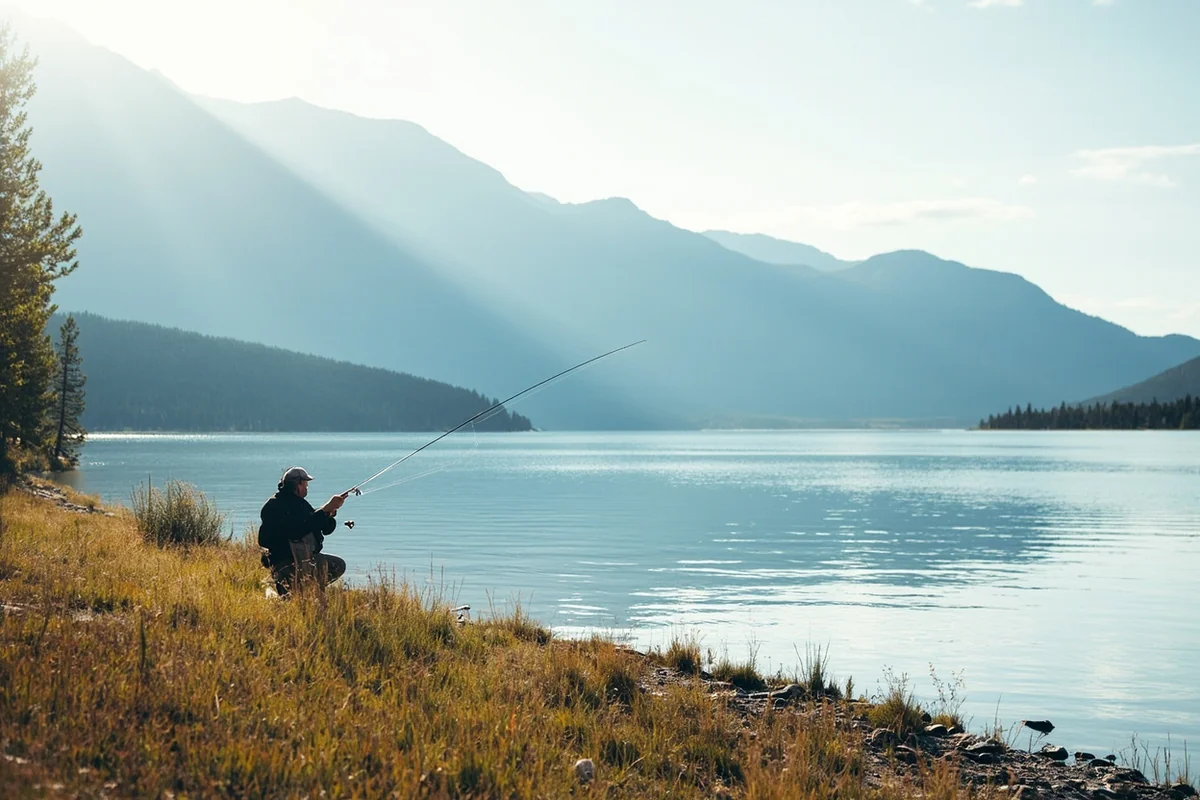
This lake stays accessible and fishable throughout the year, which is a genuine rarity in a state with winters as long as Montana’s. Cutthroat and brook trout running 7 to 15 inches make up the bulk of the catch.
Because much of the lake carries dense vegetation, I’d expect some snags working the shoreline and adjust your tackle expectations accordingly. Bring extra terminal tackle if you’re planning a serious session here.
Ice Fishing: A Real Winter Draw
Loon Lake’s accessibility all winter long makes it a legitimate ice fishing destination, not just a fair-weather summer spot. I’d emphasize proper ice safety here more than at more developed lakes, given the remote setting and limited access to emergency medical care.
If something goes wrong out here in January, help is genuinely far away. I never fish this lake in winter without someone knowing exactly where I am and when I expect to be back.
Turner Mountain Ski Area
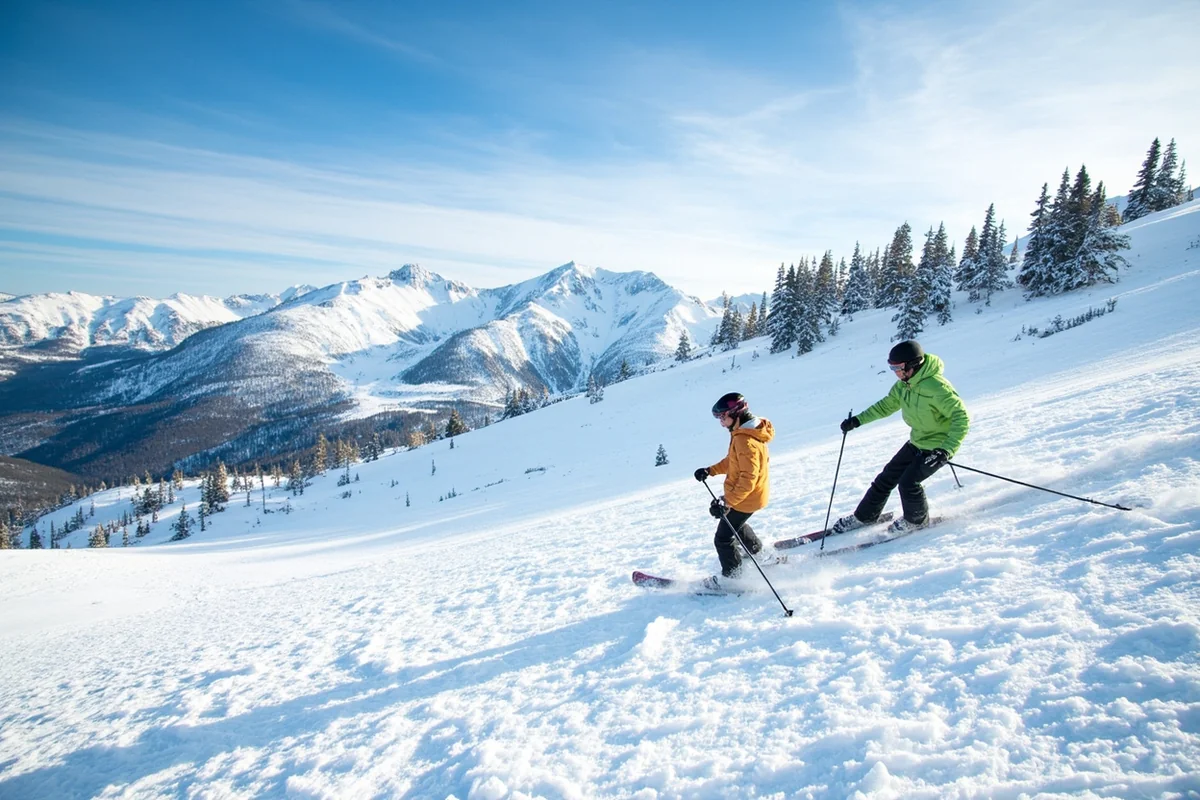
Just a few miles from Loon Lake, this small ski area rounds out a genuinely complete four-season base camp. With a summit elevation of 5,952 feet and 22 named runs, it’s compact but well-regarded by locals.
I’ve combined a morning of ice fishing at Loon Lake with an afternoon on Turner Mountain’s slopes, and the short drive between the two makes that pairing genuinely easy. The mountain views from the runs here rival much bigger, more famous Montana ski areas.
A Stop in Libby Worth Making
On the way to or from the lake, Libby’s Heritage Museum is worth the detour even on a camping trip. This entirely volunteer-run museum occupies a distinctive twelve-sided log structure listed on the National Register of Historic Places.
One highlight is a restored Shay steam locomotive, believed to be one of the last working examples in Montana from the early 1900s. It served the area through the Libby Lumber Company, and I’ve talked with volunteer staff there who clearly love sharing the area’s logging and mining history.
I wouldn’t normally pair a museum stop with a remote camping trip, but this one genuinely adds context to the whole region.
Wildlife Around Loon Lake
This corner of the Kootenai National Forest supports healthy populations of deer, black bears, and occasional moose. Given how few people pass through, wildlife here tends to be less habituated to humans than at busier Montana lakes.
I’d keep standard bear-aware practices in mind, including proper food storage, especially given the remote setting and limited services if an encounter goes wrong.
A Quiet Case for Visiting Off-Season
Most guides push peak summer as the default best time to visit any lake. I’d make a different case for Loon Lake specifically.
Given how remote and lightly used this lake already is in July and August, the difference between peak season and shoulder season here is less dramatic than at busier lakes.
What shoulder season does offer is better wildlife viewing odds, since animals move more freely with less human activity nearby.
I’ve had a September visit here with cooler mornings, fewer bugs, and a noticeably higher chance of spotting deer along the access road compared to a July trip, when the same drive tends to be quieter on wildlife but warmer and more pleasant for the actual fishing itself.
Bear Awareness in Remote Terrain
I touched on bear safety earlier, but it’s worth emphasizing given how far this lake sits from any quick emergency response.
My Montana bear guide covers the fundamentals that apply here as much as anywhere in the state — proper food storage, making noise on trails, and carrying bear spray within easy reach.
The remoteness here changes the calculation slightly. A bear encounter at a busy trailhead near Glacier National Park has other hikers nearby who might notice trouble.
Out here, you’re genuinely more on your own, which is exactly why the standard precautions matter even more.
Personal Tips / What I Wish I Knew
Fill your gas tank in Libby before heading out. There’s nothing resembling a service station anywhere near this lake.
Pack out everything. With no garbage service at the campground, I treat this as non-negotiable every visit.
Tell someone your plans if you’re ice fishing here. The remote setting makes self-rescue or waiting for help genuinely harder than at more developed lakes, and cell service can’t be counted on to bail you out if something goes wrong.
Combine it with Turner Mountain in winter. The short drive between the two makes for one of the more efficient two-activity days I’ve found in northwest Montana, and it’s a genuinely satisfying way to spend a full winter day without backtracking through Libby twice.
Practical Info: Loon Lake
| Location | About 20 miles northwest of Libby, Kootenai National Forest |
| Access road | 17 Mile Road |
| Camping | Small campground, 2 tent pads, 2 RV sites up to 20 feet |
| Fishing | Year-round; cutthroat and brook trout, 7–15 inches |
| Nearby ski area | Turner Mountain, a few miles away |
| Services | None at the lake; pack out all trash |
Frequently Asked Questions
Is there more than one Loon Lake in Montana?
Yes, this guide covers the Loon Lake near Libby in the Kootenai National Forest. A separate Loon Lake exists further south as part of the Thompson Chain of Lakes.
Can you fish Loon Lake in winter?
Yes, it’s accessible year-round and is a genuine local ice fishing destination, though I’d take extra safety precautions given the remote setting.
Is Loon Lake good for camping?
Yes, though the campground is small — just two tent pads and two RV sites — which keeps crowds naturally limited.
How far is Loon Lake from Libby?
About 20 miles northwest, reached via Seventeen Mile Road.
Is there a ski area near Loon Lake?
Yes, Turner Mountain Ski Area sits just a few miles away, making a combined winter trip genuinely practical.
What Makes This Corner of Montana Different
The Kootenai National Forest surrounding Loon Lake feels genuinely different from the more visited parts of Glacier Country to the east. Fewer people know this area exists at all, let alone visit it.
I think that’s partly geography. Libby sits far enough from Kalispell and Missoula that it doesn’t pick up the same drive-through traffic those cities generate.
Visitors here tend to be intentional — people specifically seeking remote fishing and hunting access rather than a quick stop on a bigger loop.
That intentionality shapes the whole character of the area. Services are sparse because demand is genuinely low, not because anyone’s neglecting the region.
A Longer Look at the Drive
Seventeen Mile Road deserves a bit more description than just its name. The route winds through dense Kootenai National Forest timber, climbing and dropping gently as it follows natural terrain contours rather than a straight engineered path.
I’ve made this drive in everything from a sedan to a truck with a trailer, and I’d say a standard passenger vehicle handles it fine in dry conditions.
Wet or snowy conditions change that calculation considerably, and I wouldn’t attempt this drive during or right after a significant storm without a vehicle built for it.
Turner Mountain looms over much of the approach, giving you a fixed visual reference point even without cell service to confirm your progress on a map.
Fishing Etiquette in a Place This Quiet
Because Loon Lake sees so few visitors, I’ve noticed an unspoken etiquette among the anglers who do make the trip. Nobody crowds anyone else’s spot, even though the lake is small enough that this would be easy to do.
I’d extend the same courtesy if you visit. Part of what makes remote lakes like this worthwhile is the space itself, and that’s a shared resource worth protecting through basic consideration.
The Bigger Kootenai National Forest Context
Loon Lake represents just one small piece of the vast Kootenai National Forest, which spans a significant portion of far northwest Montana. The forest includes everything from Lake Koocanusa’s scenic byway to remote alpine terrain along the Ten Lakes Scenic Area.
If Loon Lake appeals to you, I’d seriously consider extending your trip to explore more of this forest rather than treating the lake as an isolated stop. The whole region rewards exactly the kind of unhurried, self-sufficient travel that a lake this remote requires anyway.
Final Thoughts
Loon Lake isn’t for visitors chasing amenities or crowds to avoid. It’s for the ones actively seeking that absence — a small, remote lake that delivers exactly the solitude its difficult drive promises.
I think of this lake as a genuine test of what kind of Montana trip you actually want. If the answer includes silence, self-sufficiency, and a real sense of distance from everything else, Loon Lake delivers on all three without compromise.
For a broader look at planning trips through this style of remote Montana destination, see my best time to visit Montana guide.
For nearby lakes in the same general area, see my guide to Horseshoe Lake, or explore the broader Thompson Chain of Lakes further south.
For the town closest to this lake, see my Libby guide, and for winter-specific planning across the region, my Montana in winter guide covers what else to expect.
Check out the complete guide to Montana’s best lakes for the rest of the region.