I picked this campground once purely because it was ten miles further from Seeley Lake than I planned to drive, and it turned out to be the best accident of that entire trip.
- Lake Alva sits in Missoula County, part of the six-lake Clearwater Chain along Highway 83, about 10 miles north of Seeley Lake
- It runs up to 100 feet deep, averaging closer to 50, with a genuinely solid campground right on the water
- This guide covers the campground’s two loops, fishing for kokanee and cutthroat, the connection to Holland Falls Trail, and why this is the chain’s most underrated stop
- Fifteen miles from the Mission Mountain Wilderness, it offers real wildlife-watching without leaving the campground
Liked this article?
Add Roaming Montana as a preferred source so you see more of our articles and guides on Google.
One Link in a Six-Lake Chain
Lake Alva belongs to the Clearwater Chain of Lakes, a series of six connected bodies of water fed by the Clearwater River as it flows south from the Swan Range. Named north to south, the chain runs Rainy Lake, Lake Alva, Lake Inez, Seeley Lake, Placid Lake, and Salmon Lake.
The river continues through the Clearwater Valley to its confluence with the Blackfoot River, within the Seeley Lake Ranger District of Lolo National Forest. I’d treat this whole chain as one interconnected system worth exploring across a multi-day trip rather than picking just one lake and calling it done.
Getting to Lake Alva
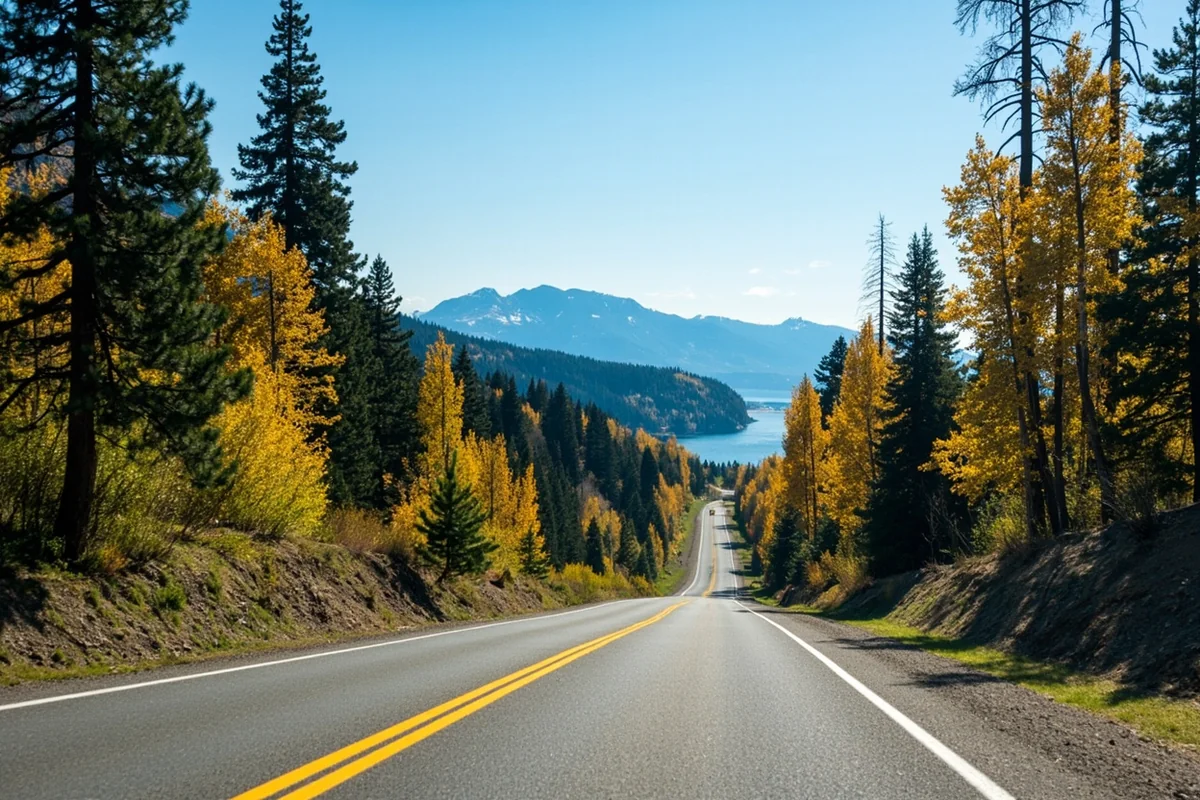
From Missoula, head east on I-90 to exit 109, signed for Highway 200, then connect to Highway 83 north toward Seeley Lake and the rest of the chain. From Seeley Lake itself, continue about 11 miles north along Highway 83 until you see the campground on the west side of the road, marking the lake’s northern end.
I’d budget a bit more driving time than the mileage suggests if you’re new to this stretch of highway, since it’s a scenic, occasionally winding route rather than a straight shot.
Lake Alva by the Numbers
The lake reaches a maximum depth of close to 100 feet in places, though the average runs closer to 50. That’s genuinely deep for a lake this size, and it explains why the water stays cool even during the hottest stretches of summer.
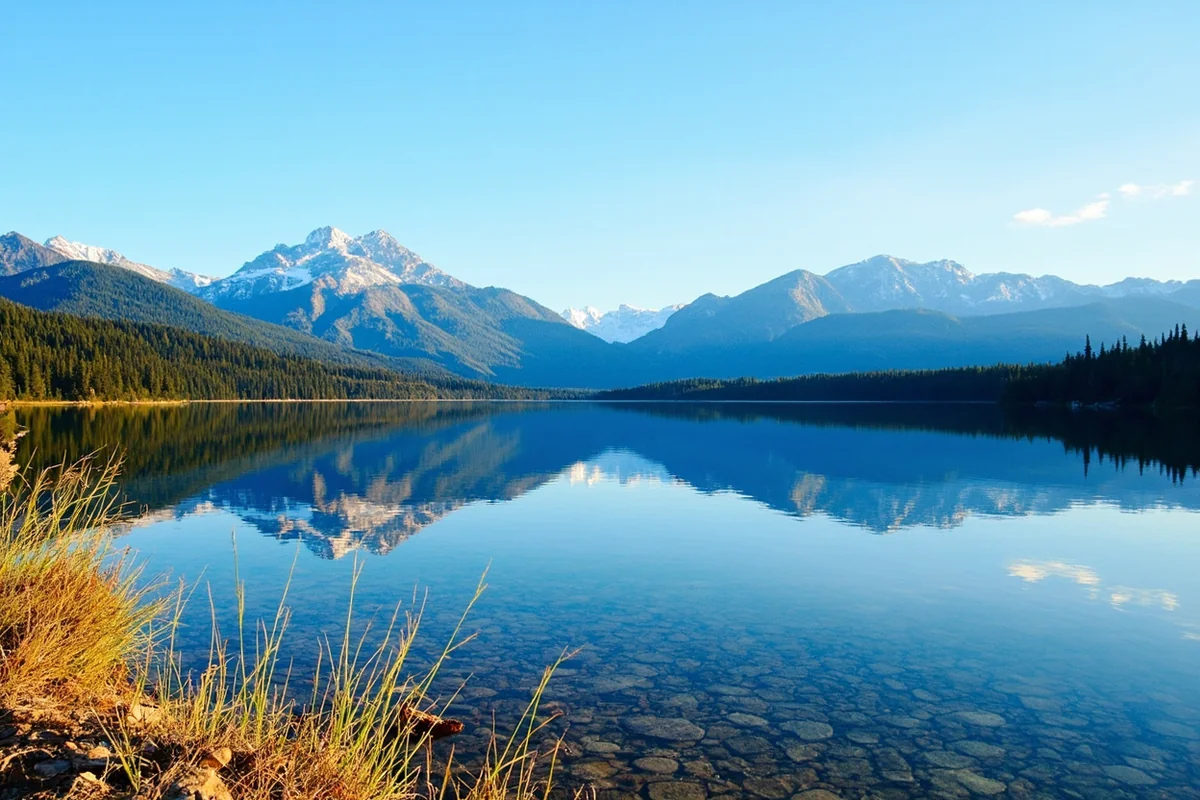
Sitting just 15 miles from the Mission Mountain Wilderness, Lake Alva also benefits from a genuinely dramatic mountain backdrop, despite being one of the smaller, quieter lakes in the chain.
The Campground: Two Loops, One Great Location
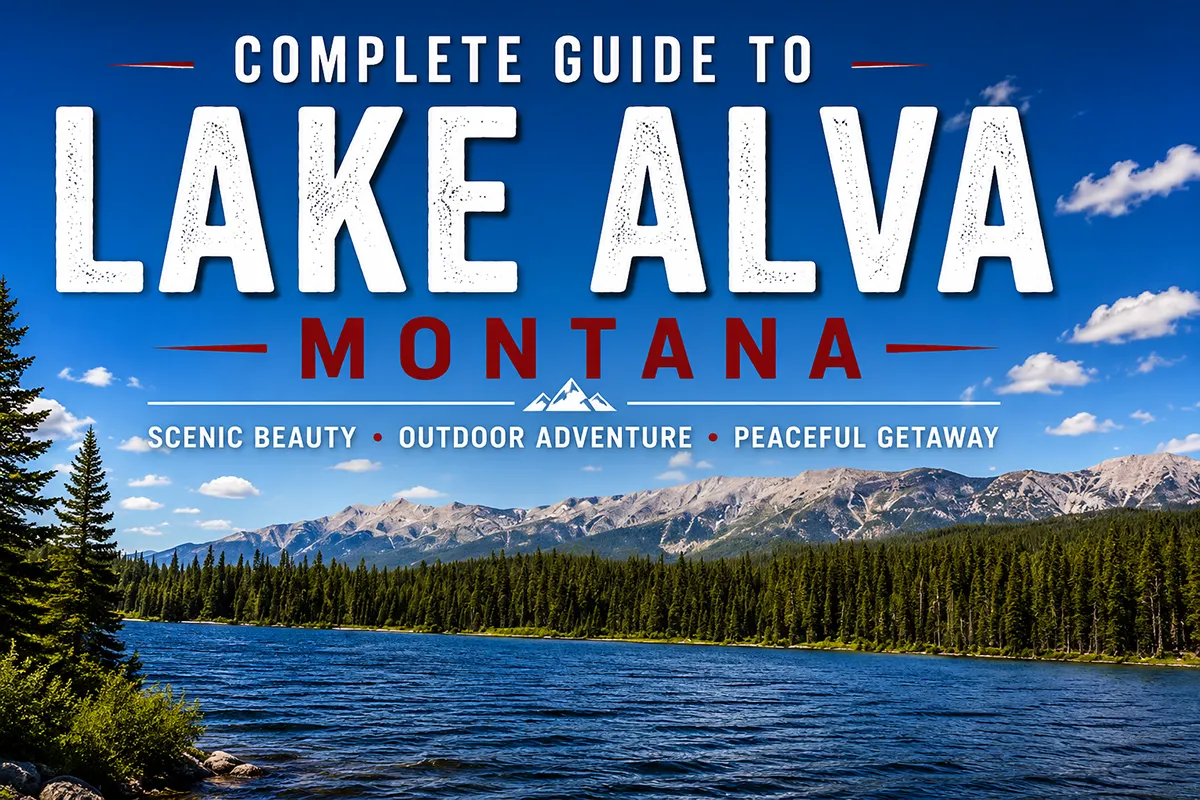
Lake Alva Campground sits at the lake’s northern end, set among thick spruce and subalpine forest that gives every site a genuinely sheltered, wooded feel. Two loops each hold about 20 campsites, offering a reasonable range of options without ever feeling overdeveloped.
I’ve stayed here specifically because it combines easy access to swimming, fishing, and boating with genuinely good wildlife and bird watching right from the campground itself. Fees run around $10 per night, with sites available first-come, first-served [verify current camping fees].
The campground also includes its own beach, making it a popular day-use spot for visitors who aren’t camping but want easy water access all the same.
Fishing Lake Alva
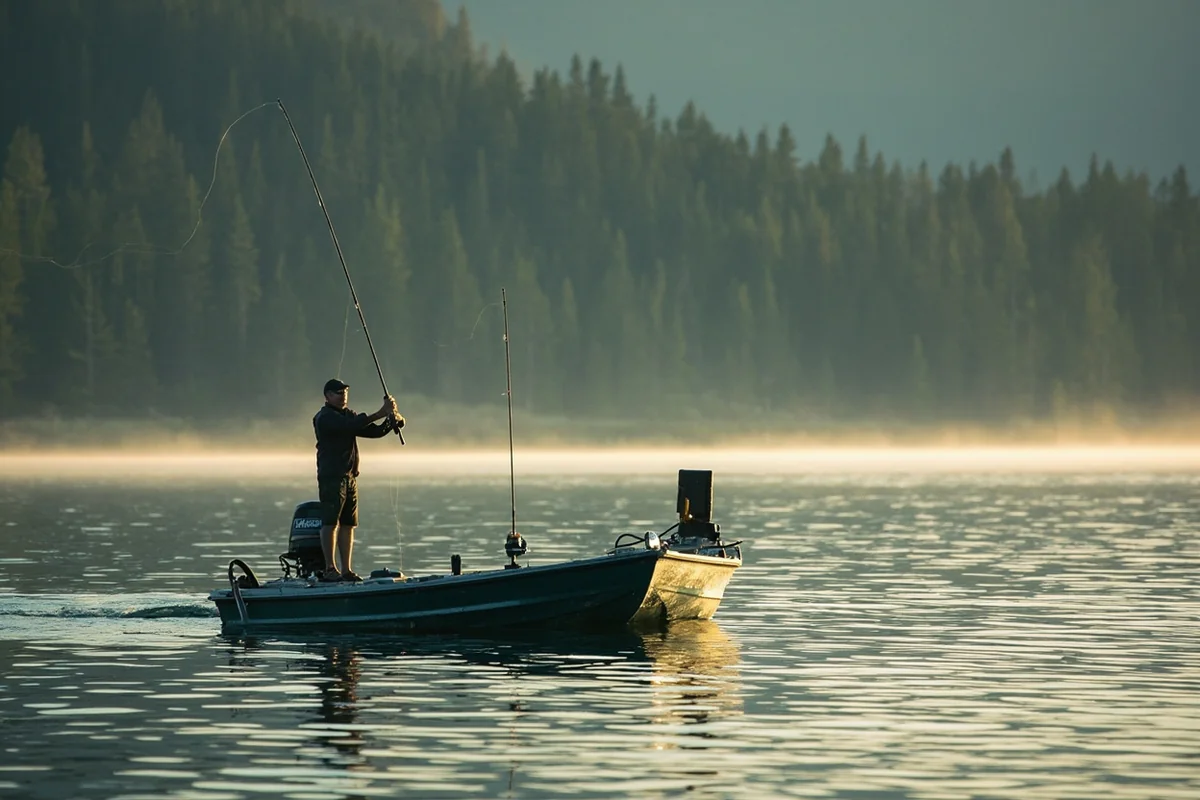
This lake supports a genuinely varied fishery: kokanee, largescale sucker, longnose sucker, mountain whitefish, northern pike, westslope cutthroat trout, and yellow perch all live in these waters. I’ve fished from both boat and shore here with reasonable success either way.
Fall brings a specific opportunity worth knowing about. Kokanee snagging opens seasonally between Lake Alva’s outlet and Lake Inez’s inlet, typically running from September 15 through November 30 [verify current season dates and regulations].
I’d check current Montana fishing regulations before planning a trip specifically around this, since exact rules and dates can shift year to year.
Swimming and Boating
The campground’s own beach gives easy, close access to the water, and I’d call this one of the more convenient swim spots in the whole Clearwater Chain specifically because you don’t need to hike or drive anywhere once you’re camped here. It’s a popular day-use destination even for visitors staying elsewhere in the valley.
Water-skiing and jet-skiing are both common on the lake, alongside more low-key options like fishing and general swimming. I’d expect a genuinely mixed crowd of quiet anglers and more active boaters sharing the water on a typical summer day.
The Holland Falls Connection
This is one of my favorite details about staying at Lake Alva Campground: it sits directly next to the Holland Falls National Recreation Trail. I’ve walked from my campsite straight onto this trail before breakfast more than once, without needing to drive anywhere first.
That direct access makes Lake Alva a genuinely smart base camp if Holland Falls or the broader Holland Lake area is on your itinerary, since you get lake camping and trail access in one stop rather than choosing between them.
The Foothills Trail
Also accessible from near the campground, the Foothills Trail offers a shorter, easier option — about 1.6 miles with roughly 750 feet of elevation gain, not far from the small town of Condon. I’d recommend this to visitors wanting a genuine payoff without the longer commitment that some of the valley’s other trails demand.
Locals from Seeley Lake use this route regularly, and I’ve found it a reliable way to get a real sense of the area’s natural beauty without dedicating a full day to it.
Birding Along the Clearwater River Valley
Beyond the lake itself, the broader Clearwater River Valley draws a wide range of migratory birds, and Lake Alva’s campground offers genuinely good wildlife viewing without requiring any special effort.
For dedicated birders, the Clearwater River Canoe Trail and the Seeley Lake Wildlife Viewing Blind both sit within reasonable range of Lake Alva and are worth adding to an itinerary.
I’d bring binoculars regardless of your main reason for visiting, since I’ve had unplanned, genuinely rewarding birding moments just sitting at my own campsite here.
Comparing Lake Alva to Seeley Lake
Given their proximity, I get asked often which of these two chain lakes deserves priority. Seeley Lake offers more services, a bigger state park presence, and the Clearwater Canoe Trail I’ve covered elsewhere in this guide.
Lake Alva offers a quieter, more forest-enclosed camping experience with direct trail access that Seeley Lake’s campground doesn’t provide in quite the same way. I’d pick Seeley Lake for a fuller-service day trip, and Lake Alva specifically if camping and quiet trail access matter more to your plans.
What to Pack for This Campground
Given the more rustic, working-forest character of this campground compared to some larger state parks, I’d pack a bit more self-sufficiently here. Bug spray matters in June and early July, and I’d bring a good camp stove rather than counting on any nearby store for last-minute supplies.
Cell service is inconsistent along this stretch of Highway 83, so I’d download offline maps and let someone know your general plans before heading out, especially if you’re planning to explore trails beyond the immediate campground area.
For broader trip planning across this style of Montana destination, my best time to visit Montana guide covers useful general considerations.
Personal Tips / What I Wish I Knew
Book early if a specific loop matters to you. With only about 40 total sites across both loops, popular summer weekends can fill faster than you’d expect for a lake this under-the-radar, especially around major holidays.
Walk to Holland Falls Trail directly from your campsite. This is the single biggest practical advantage Lake Alva has over camping at Seeley Lake instead.
Check current kokanee snagging season dates if that’s part of your plan. The exact window shifts, and I’d rather double-check than show up expecting an activity that isn’t currently open.
Bring a boat if you want to fish deeper water. With depths approaching 100 feet in places, some of the better fishing here favors boat access over casting from shore.
Practical Info: Lake Alva
| Location | Missoula County, about 11 miles north of Seeley Lake on Highway 83 |
| Maximum depth | Close to 100 feet, averaging around 50 |
| Camping | Lake Alva Campground, two loops, about 40 total sites, ~$10/night [verify current fee] |
| Fishing | Kokanee, cutthroat trout, northern pike, whitefish, perch |
| Nearby trail | Holland Falls National Recreation Trail, accessible directly from camp |
| Best season | June through September for camping and water access |
Frequently Asked Questions
What chain of lakes is Lake Alva part of?
The Clearwater Chain, which includes Rainy Lake, Lake Alva, Lake Inez, Seeley Lake, Placid Lake, and Salmon Lake, all connected by the Clearwater River along Highway 83.
How deep is Lake Alva?
It reaches close to 100 feet at its deepest, with an average depth closer to 50 feet.
Is there camping at Lake Alva?
Yes, Lake Alva Campground offers about 40 sites across two loops directly on the lake’s northern shore.
Can you hike to Holland Falls from Lake Alva?
Yes, the campground sits directly next to the Holland Falls National Recreation Trail, making it an easy walk without needing to drive to a separate trailhead.
How far is Lake Alva from Seeley Lake?
About 11 miles north via Highway 83, making it an easy add-on to a Seeley Lake-based trip through the Clearwater Chain.
The Mission Mountain Wilderness Backdrop
Sitting just 15 miles from the Mission Mountain Wilderness, Lake Alva benefits from proximity to one of Montana’s more dramatic and less-visited wilderness areas. I haven’t personally pushed deep into the wilderness itself from this specific access point, but the mountain views alone add real value to a stay at the lake.
I’d recommend asking at the campground or a nearby ranger station about current wilderness access if a longer backcountry trip is part of your bigger plans, since routes and conditions shift enough that I wouldn’t rely on older trip reports alone.
A Working Landscape, Not a Resort
Like much of the Seeley-Swan Valley, the land around Lake Alva reflects a genuine logging and homestead history rather than a manufactured resort feel. I think this matters for setting expectations — you won’t find a marina, a restaurant, or a gift shop here.
What you will find is a genuinely well-maintained Forest Service campground doing exactly what it’s designed to do: putting you close to water, trails, and quiet forest without unnecessary frills. I’ve come to appreciate this style of camping more over the years, precisely because it hasn’t been dressed up for a crowd that isn’t really looking for it anyway.
Combining Lake Alva With the Rest of the Chain
Given how close together the six lakes in this chain sit, I’d genuinely consider a multi-day trip that samples several rather than committing your whole visit to just one. Seeley Lake offers the fullest range of services; Salmon Lake offers excellent kayaking with fewer crowds; Lake Alva offers quiet camping with direct trail access.
I’ve done a loose, unplanned version of this multi-lake approach before, simply driving Highway 83 and stopping wherever looked interesting that day. It worked better than any itinerary I could have planned in advance, precisely because each lake revealed its own character once I actually spent time there.
Final Thoughts
Lake Alva rewards the kind of traveler willing to drive those extra ten miles past the more famous lake everyone else stops at. Between the direct trail access, the genuinely varied fishing, and a campground quiet enough to hear birds instead of neighboring generators, this is the chain’s best-kept secret, and one I’m genuinely glad to finally give its own proper writeup after driving past it so many times before.
For the chain’s busier anchor lake just south, see my guide to Seeley Lake, or explore Salmon Lake for excellent kayaking nearby. For the connected trail system, see my guide to Holland Lake, and for the nearest major town, my Missoula guide covers services beyond the immediate valley.
For the birding angle specifically, my Montana bird species guide covers what else to watch for across this region. Check out the complete guide to Montana’s best lakes for the rest of the state.