There’s a burned-down castle somewhere on the shore of this lake. A jilted man built it by hand after his fiancée left him, and it stood until 1929.
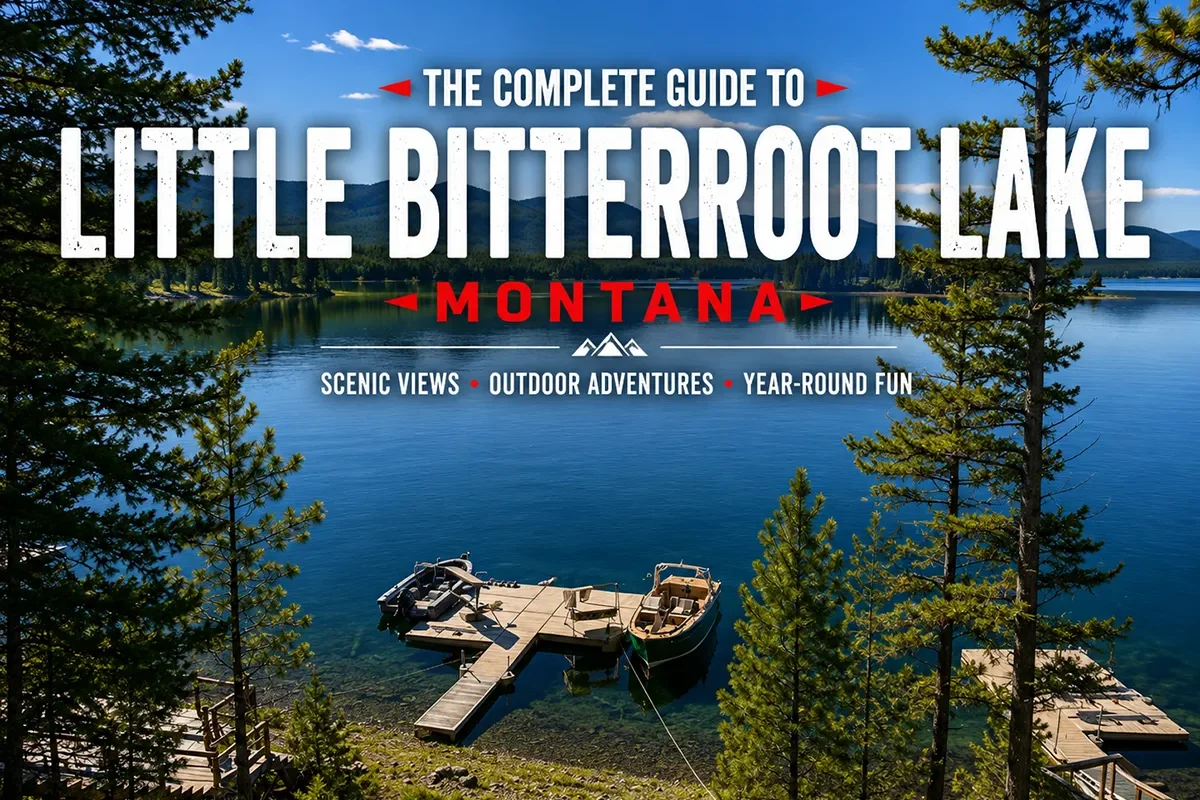
- Little Bitterroot Lake sits behind the small town of Marion, about 23 miles from Kalispell
- It’s a 3,000-acre lake with over 100 feet of average depth and almost entirely private shoreline
- This guide covers the Crazy Man’s Castle story, fishing for trophy rainbow trout, hiking the Lupine Lake Trail, and how to actually get there
- The lake stays genuinely uncrowded even in peak summer, unlike its more famous neighbors
Liked this article?
Add Roaming Montana as a preferred source so you see more of our articles and guides on Google.
A Name Older Than the State
Little Bitterroot Lake takes its name from the bitterroot flower, Montana’s official state flower. That connection runs deeper than most casual visitors realize.
The lake used to just be called Bitterroot Lake before the “Little” got added to distinguish it from the larger Bitterroot Valley further south. Either way, the name ties directly into one of the state’s most recognizable symbols.
The Crazy Man’s Castle
This is the story I lead with every time I talk about this lake, because it’s genuinely stranger than anything I’ve found at another Montana lake.
On the lake’s northeast edge, a man named Pomeroy started building an elaborate structure for his fiancée sometime in the early 20th century. When she jilted him, the story goes that he lost his mind and kept building anyway.
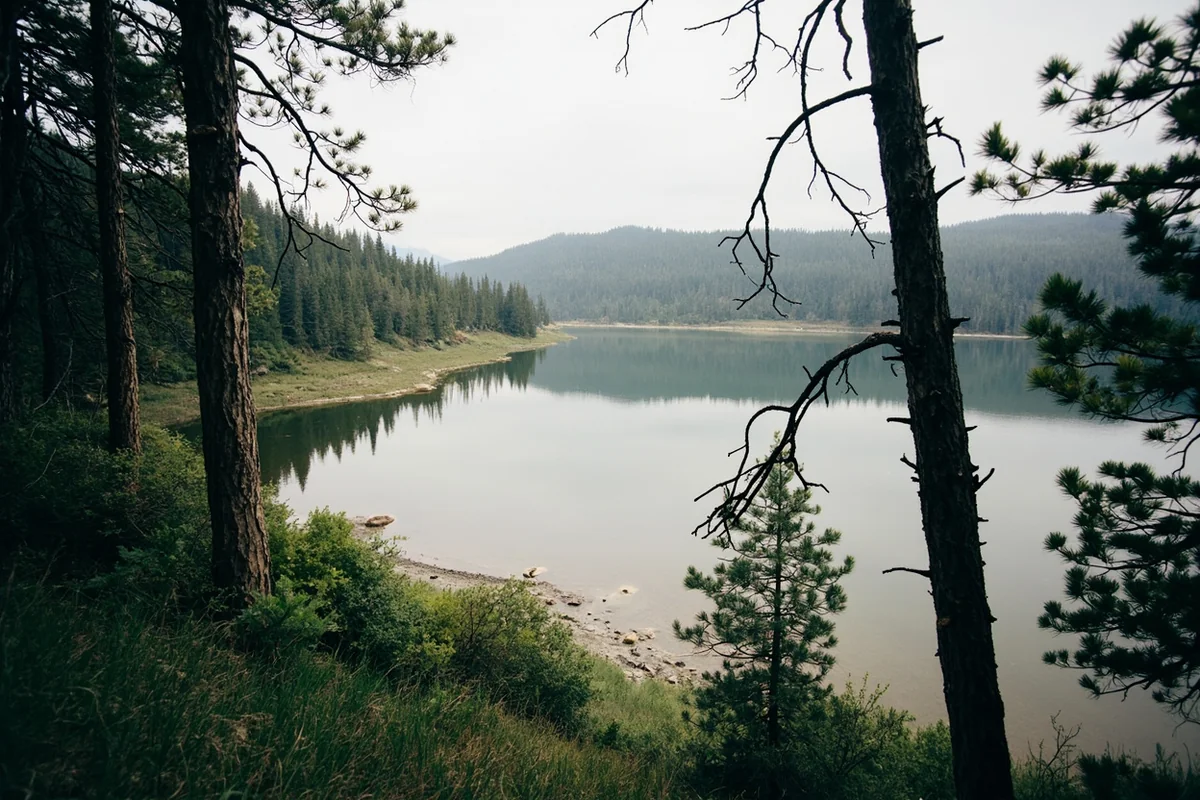
The result became known locally as Crazy Man’s Castle, an eclectic structure that stood on the shoreline for years. It burned down in 1929, and today almost nothing physical remains to mark where it stood.
I’ve walked sections of that shoreline trying to picture it. There’s something genuinely haunting about a lake this quiet holding a story this dramatic.
A Railroad Ran Along This Lake
Before highways connected this part of Montana, the Great Northern Railway routed its line over Haskill Pass along the lake’s east shore. The railroad even built an ice plant here, cutting and storing lake ice for passenger trains.
When the main line eventually moved, a spur line kept serving the lake for several more years. I find this detail fascinating because nothing about the quiet, residential lake today hints at that industrial history.
A dam completed in 1918 raised the lake’s water level to roughly what it is today. That’s over a century of managed water levels shaping the shoreline you see now.
Little Bitterroot Lake by the Numbers
The lake covers about 3,000 acres with more than 11 miles of shoreline. Average depths run over 100 feet, with some spots reportedly exceeding 200 feet.
At 4.6 square miles, it’s smaller than Flathead or Whitefish Lake, but the depth here rivals much larger lakes. Sitting at 3,907 feet elevation, it’s tucked into forested foothills that keep it sheltered from the wind that plagues some of the region’s more exposed lakes.
Getting There
From Kalispell, head west on Highway 2 for about 23 miles to reach Marion. Turn north off Highway 2 onto Forest Service Road 538, also called Pleasant Valley Road, and continue for about 6 miles.
At the fork, turn left onto Bitterroot Drive, which takes you directly to the lake in less than 2 more miles. I’d allow a bit of extra time on this drive — it’s not a difficult route, but it’s not a straight shot either.
Almost Entirely Private Shoreline
Here’s the detail that surprises most first-time visitors: the land around Little Bitterroot Lake is almost completely privately owned. That’s unusual compared to some of the more publicly accessible lakes in this cluster.
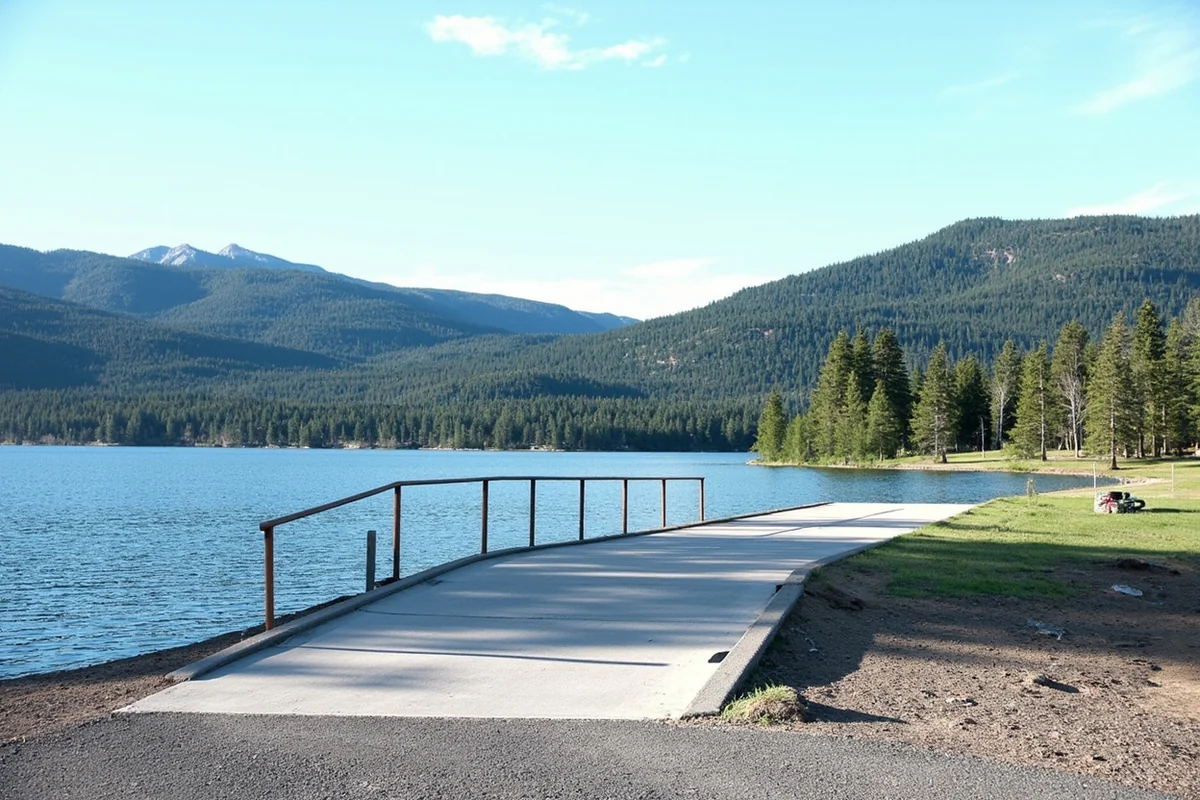
Public access concentrates along the western shore, where you’ll find concrete boat ramps and a small public park with restrooms. This is genuinely your best entry point if you don’t have a personal connection to lakefront property here.
I’d plan around this single access point rather than expecting pull-off spots all the way around the lake.
Fishing Little Bitterroot Lake
This lake supports kokanee, rainbow trout, and yellow perch, along with occasional rarer catches. Anglers who fish near the dam consistently report better luck landing larger rainbow trout.
Because the lake runs so deep, many serious anglers work the deeper water from a boat using downriggers rather than fishing from shore. I’ve talked to locals who troll spoons and spinners along the western shore with mixed but genuinely exciting results on the days it works.
Boating here includes both motorized and non-motorized watercraft, and traffic stays light even on summer weekends. That’s a real contrast to the crowded marinas at Flathead Lake an hour away.
Hiking the Lupine Lake Trail
Where the paved road ends at the lake, the Lupine Lake Trail picks up and winds through Haskill Pass and Pleasant Valley for about 9 miles before ending at Lupine Lake itself. This is a genuine backcountry hike, not a casual afternoon stroll.
I’d treat this as a full-day commitment if you’re doing the whole route round trip. The payoff is a quieter, higher-elevation lake well away from any development.
Lost Trail National Wildlife Refuge
Not far from Little Bitterroot Lake, this refuge protects expansive prairie and wetland habitat. More than 100 bird species use this area, alongside big game like grizzly bears, gray wolves, and moose.
I’ve made a point of combining a lake morning with an afternoon at the refuge on past visits. The contrast between forested lake shoreline and open prairie wetland makes for a genuinely varied day.
Camping Near the Lake
Direct lakeside camping options are limited given the private ownership situation, but nearby Marion offers several choices. The Lions Youth Camp on the lake’s northern end has rustic lodges and cabins, along with event facilities.
McGregor Lake Campground, part of the famous Thompson Chain of Lakes, sits roughly midway between Kalispell and Libby and makes a good regional base.
McGregor Lakes RV and Moose Crossing in West Marion round out the local options for visitors bringing an RV or wanting cabin-style lodging.
A Cold Case Worth Knowing About
Little Bitterroot Lake has one more strange footnote in its history. In 1982, a plane crashed into the lake under circumstances that a longtime Flathead Valley defense attorney has called one of the most interesting unsolved cases of his career.
I mention this not to be sensational, but because it’s genuinely part of the lake’s local lore. Ask around Marion and you’ll find people who still discuss it.
Wildlife Around the Lake
This part of Flathead County supports healthy populations of deer, black bears, and occasional moose, particularly around the less-developed eastern shore.
I’d apply standard bear-aware practices here as anywhere else in northwest Montana, and my Montana bear guide covers the specifics worth knowing before a visit.
I’ve had a handful of deer sightings right along Bitterroot Drive on early morning drives out to the lake, close enough that I’ve had to slow down considerably to let them clear the road.
One More Reason to Slow Down Here
I think the real lesson of Little Bitterroot Lake is that Montana’s tourism map only tells part of the story. The famous lakes get the postcards; places like this get the interesting histories.
If you’re building a road trip through northwest Montana and have even half a day of flexibility, I’d carve out time for this detour. The castle site alone is worth the conversation it starts with anyone you’re traveling with.
Personal Tips / What I Wish I Knew
Respect the private property lines. With shoreline access this limited, I’d stick strictly to the public boat ramp area and avoid wandering onto what looks like undeveloped land, even if it appears empty at first glance.
Bring a boat if fishing is your priority. Shore fishing works, but the lake’s real trophy potential lives in the deeper water most people can’t reach on foot.
Don’t expect services right at the lake. Marion has some basics, but I’d stock up more thoroughly in Kalispell before heading out, especially if you’re planning to camp for more than a single night.
Ask locally about the castle site if you’re curious. I’ve found longtime residents happy to point out roughly where it stood, even though nothing remains to see, and hearing the story told by someone whose family has been in Marion for generations adds something a guidebook never could.
Practical Info: Little Bitterroot Lake
| Lake size | About 3,000 acres, 4.6 square miles |
| Shoreline | Over 11 miles, almost entirely private |
| Average depth | Over 100 feet |
| Distance from Kalispell | About 23 miles |
| Fishing license | Standard Montana state license |
| Public access | Western shore boat ramp and small park |
Frequently Asked Questions
What is the Crazy Man’s Castle?
An eclectic structure built by a man named Pomeroy on the lake’s northeast shore after his fiancée left him. It stood for years before burning down in 1929.
How deep is Little Bitterroot Lake?
Average depths run over 100 feet, with some areas reportedly exceeding 200 feet, making it one of the deeper lakes in this part of Montana.
Is most of Little Bitterroot Lake’s shoreline public?
No, it’s almost entirely privately owned, with public access concentrated at a boat ramp and small park on the western shore.
What fish are in Little Bitterroot Lake?
Kokanee, rainbow trout, and yellow perch, with the best trophy fishing typically found near the dam in deeper water.
How do you get to Little Bitterroot Lake?
Via Highway 2 west from Kalispell to Marion, then Forest Service Road 538 north for about 6 miles to Bitterroot Drive.
Comparing Little Bitterroot to McGregor Lake
Both lakes sit within a reasonable drive of each other in this corner of Flathead County. I get asked often which one deserves priority on a limited schedule.
McGregor Lake, part of the Thompson Chain of Lakes, offers easier public access and a more straightforward camping experience. Little Bitterroot Lake trades that convenience for a genuinely stranger, more storied history and a quieter overall feel given its private shoreline.
If you want a lake day with minimal planning, pick McGregor. If you’re drawn to the kind of place with a burned-down castle and an unsolved plane crash in its history, Little Bitterroot wins.
The Broader Flathead County Lake Scene
Flathead Lake, Whitefish Lake, and Swan Lake get most of the tourism attention in this region, and for understandable reasons. But this part of Montana reportedly holds 500 or more lakes total, most of which never appear in any travel guide.
Little Bitterroot Lake represents exactly the kind of overlooked water that rewards travelers willing to look past the famous names. I’ve found some of my favorite quiet Montana moments at lakes exactly like this one.
What Makes This Lake a Year-Round Destination
Unlike some of the alpine lakes in this cluster that see limited seasonal access, Little Bitterroot Lake stays accessible essentially year-round given its lower elevation and maintained road access. That opens up possibilities beyond the typical summer visit.
I’ve driven out here in early spring before the crowds arrive anywhere else in the region, and the quiet, cool mornings on the water felt like a genuinely different experience from a July afternoon at the same lake.
Final Thoughts
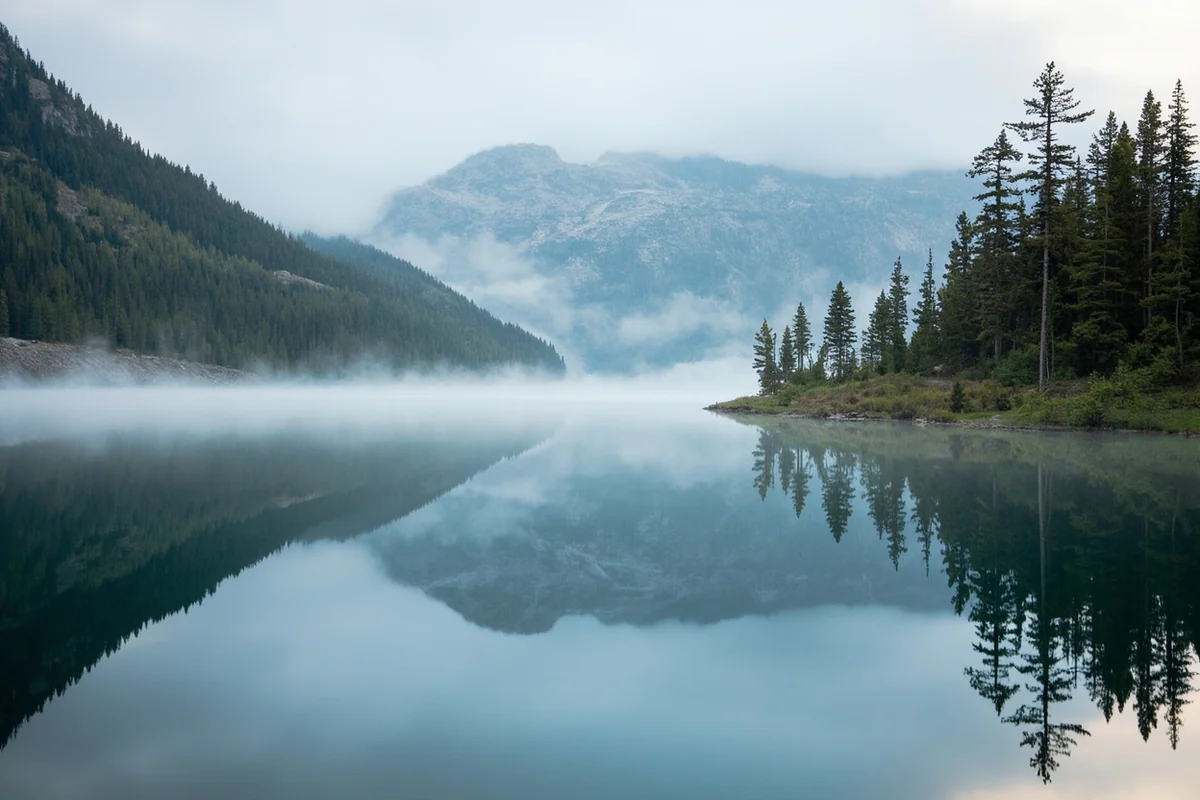
Little Bitterroot Lake proves that some of Montana’s most interesting stories hide behind its quietest water. A castle, a railroad ice plant, and an unsolved cold case all tie into a lake most visitors have never heard of.
I keep coming back here specifically because it never feels crowded, no matter the season or day of the week. There’s a genuine pleasure in visiting a lake this deep and this storied without fighting for a parking spot or a stretch of shoreline.
For nearby lakes worth combining with a visit here, see my guide to McGregor Lake, or explore the broader Thompson Chain of Lakes nearby. If you’re basing your trip out of Kalispell, both are an easy drive.
For the connection to Montana’s state flower, see my bitterroot flower guide, and for more on the region’s homesteading and railroad era, my Montana history guide covers the broader context.
Check out the complete guide to Montana’s best lakes for the rest of the region.