Right now, in the middle of 2026, this is one of the most important historic sites in America and also one of the hardest to time correctly. A major visitor center construction project means the battlefield is currently closed four days a week — and that’s about to change in just a couple of days. It’s still one of the best museums in Montana to build a trip around, but only if you know the current schedule before you go.
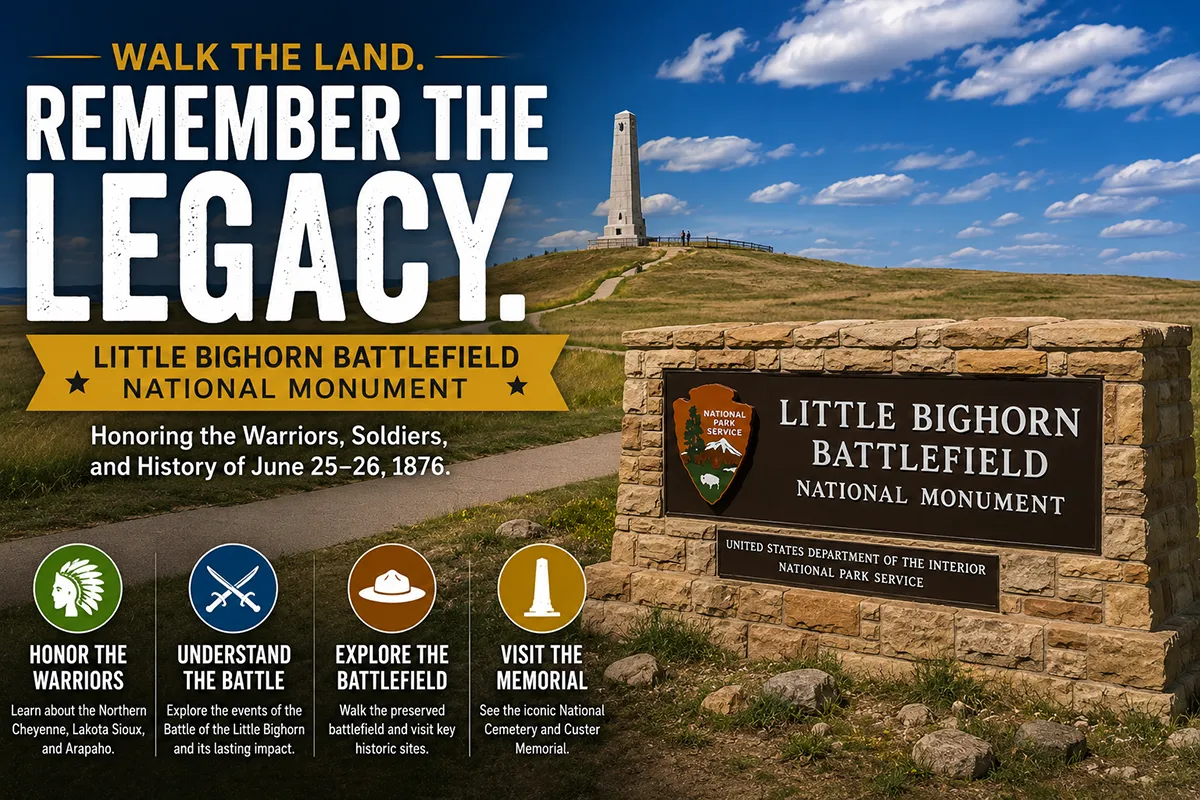
Little Bighorn Battlefield National Monument, near Crow Agency in southeastern Montana, preserves the site of the June 25–26, 1876 battle between the U.S. 7th Cavalry and aa combined force of Lakota, Northern Cheyenne, and Arapaho warriors. As of this writing, the park has been operating a reduced Friday–Sunday-only schedule during a visitor center rebuild, but is set to return to full seven-day access starting July 3, 2026, with the new building completing that fall. This guide covers the current construction status, what’s on site now, the honest history behind both the battle and the site’s 1991 renaming, and how to plan a visit that actually lines up with current hours.
Liked this article?
Add Roaming Montana as a preferred source so you see more of our articles and guides on Google.
The Construction Situation, Explained Clearly
I want to lead with this because it’s the single most important practical fact for anyone planning a visit right now, and it’s exactly the kind of detail that gets missed in older or infrequently updated travel content.
The National Park Service is in the middle of building an entirely new visitor center at Little Bighorn Battlefield, and during construction, the park has been fully closed Monday through Thursday, with no visitor access to any part of the site on those days — this isn’t a reduced-hours situation, it’s a complete closure.
The park has been open Friday, Saturday, and Sunday only, with a temporary contact station handling basic visitor needs, souvenir sales, and passport stamps in place of the closed visitor center.
That schedule is changing very soon. According to the National Park Service, the park is set to return to seven-day-a-week operation starting July 3, 2026, even though the new visitor center building itself won’t be fully complete until fall 2026.
In practice, that means: if you’re reading this shortly after that date, you should have full weekly access again, though construction activity and some parking limitations will likely continue around the site through the fall. [verify current operating schedule at nps.gov/libi before you go, since construction timelines can shift]
During the Monday–Thursday closures, the National Park Service has specifically directed visitors who want the park passport stamp, a look at the park film, or basic souvenirs toward the Big Horn County Historical Museum in Hardin, about 15 miles north — worth knowing even after full access resumes, since it’s a solid complementary stop either way.
The New Visitor Center
The rebuilt visitor center, developed with input from Tribal Affiliates, Friends of Little Bighorn Battlefield, and local stakeholders, is designed to tell a noticeably more complete version of the story than the old building did.
Beyond expanded exhibit space and a bookstore, the new design includes an outdoor viewing deck looking out over Last Stand Hill.
More significantly, the new exhibits were developed in direct partnership with tribal nations to highlight previously undertold stories, incorporate newer historical research, and emphasize the continued resilience and living culture of the tribes involved — not just the battle itself, but the centuries of conflict leading up to it and the consequences still felt by Plains nations today.
That’s a meaningful shift in framing, and it’s worth knowing about even if your visit happens before the new building fully opens, because it signals how the National Park Service itself is now choosing to tell this story.
What Actually Happened Here
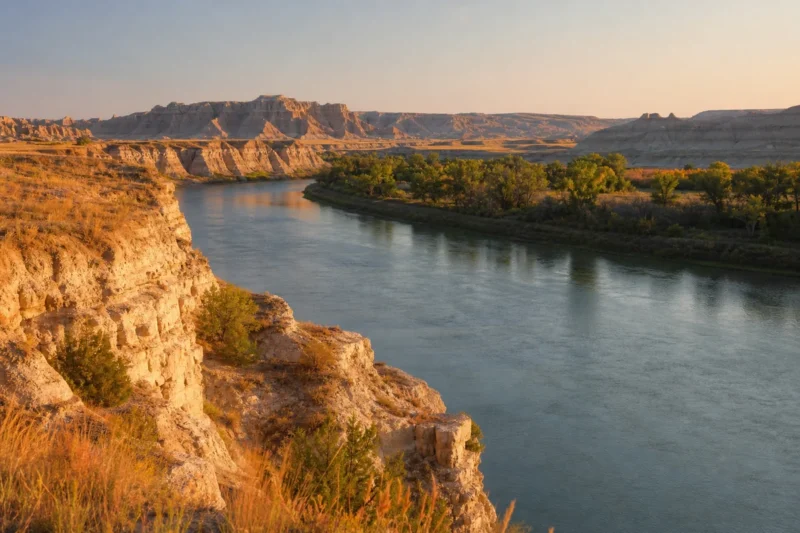
Little Bighorn Battlefield sits within the Crow Indian Reservation in southeastern Montana, and the site memorializes one of the last major armed efforts by Northern Plains nations to defend their traditional way of life against U.S. expansion.
On June 25, 1876, a combined encampment of close to 7,000 Lakota, Northern Cheyenne, and Arapaho people, including an estimated 1,500 to 2,000 warriors, was camped along the Little Bighorn River.
Leadership among the warriors included Sitting Bull and Crazy Horse. Lieutenant Colonel George Armstrong Custer led roughly 600 men of the U.S. 7th Cavalry into what became a decisive defeat for the U.S. military, with Custer and the men under his immediate command killed on what’s now called Last Stand Hill. [verify current NPS-cited casualty figures, as historical estimates vary by source]
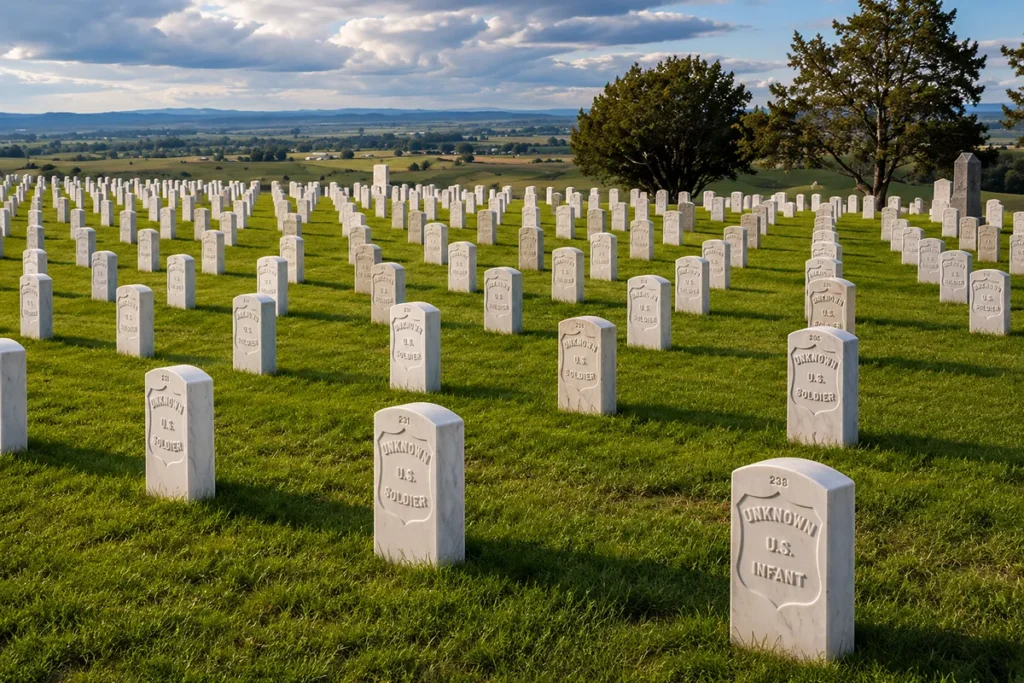
The site consists of two separate battlefield areas connected by a roughly 4.5-mile tour road: the main Little Bighorn battlefield around Last Stand Hill, and the Reno-Benteen Battlefield a few miles away, where a separate detachment of the 7th Cavalry held out under siege.
Notably, most of the land within the monument boundaries is privately owned by Crow tribal members, and the National Park Service holds a lease covering only the tour road itself and a narrow buffer along it — a detail that says something about how this land’s ownership and stewardship actually work today.
The Indian Memorial and the 1991 Renaming
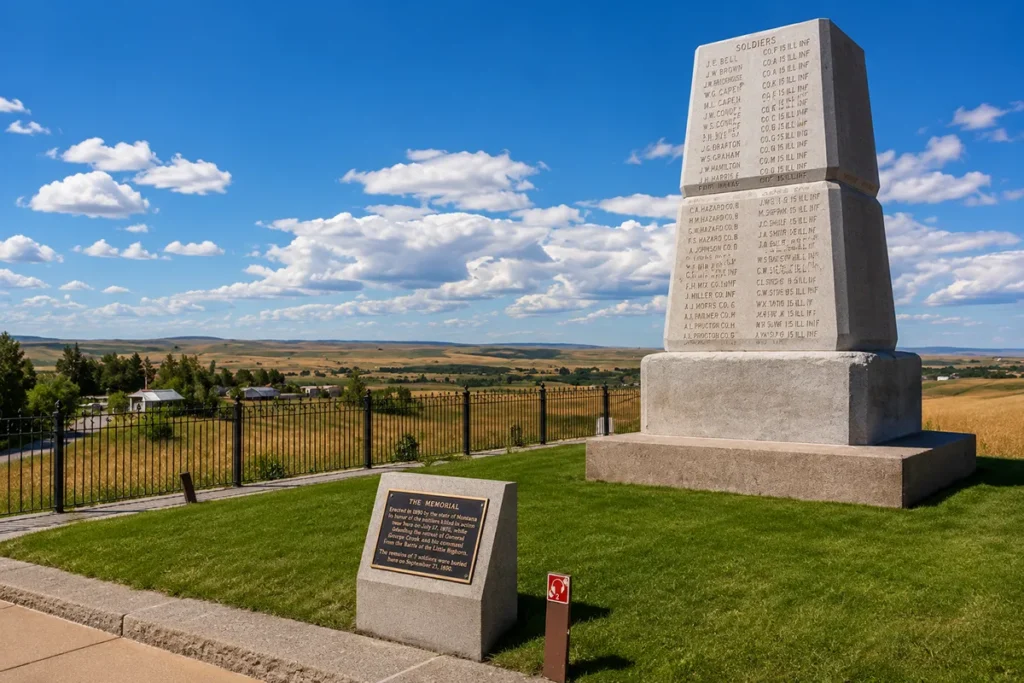
For most of the 20th century, this site was officially named Custer Battlefield National Monument — a name that centered the U.S. military commander who lost the engagement, while offering little formal acknowledgment of the Lakota, Cheyenne, and Arapaho warriors who won it defending their homeland.
Native communities had long advocated for a memorial specifically honoring their side of the battle, and in 1991, Congress officially renamed the site Little Bighorn Battlefield National Monument, a change that remains a point of some ongoing debate among descendants of both the U.S. military personnel and the Native nations involved.
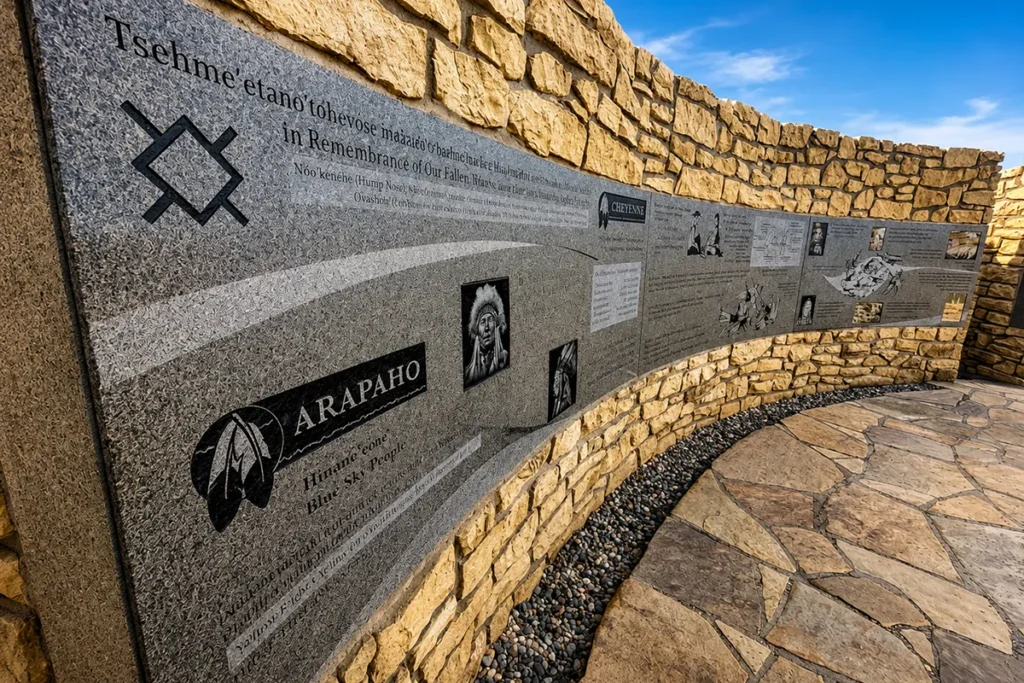
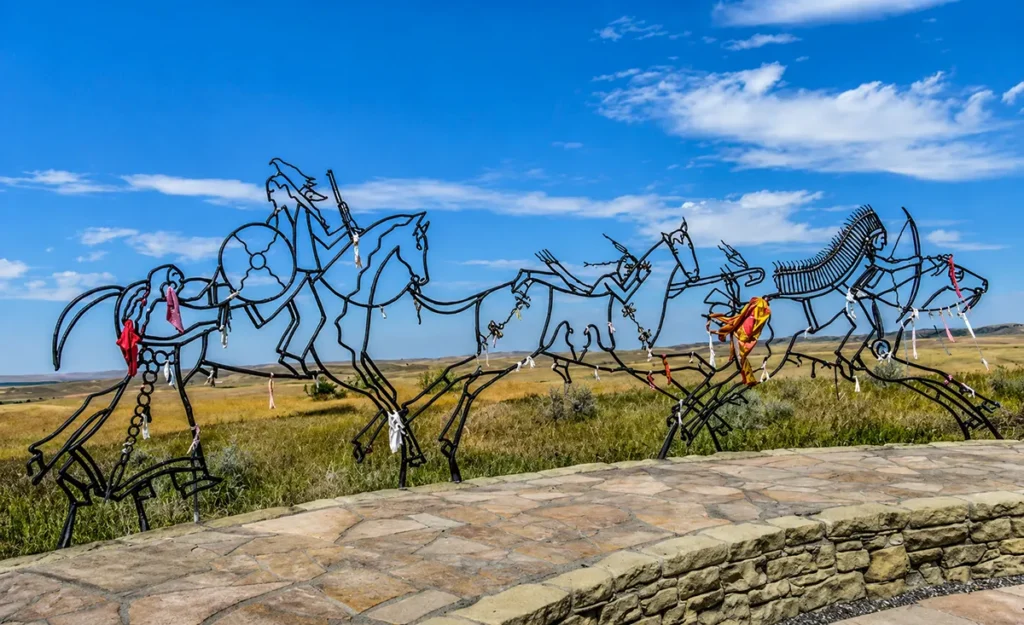
The Indian Memorial, dedicated in 2003, was built specifically to fill that long-standing gap — a dedicated monument honoring the Lakota, Cheyenne, and Arapaho lives lost defending their people and way of life, standing near the existing Custer memorial rather than replacing or overshadowing it.
Walking between the two memorials, close enough to see both from the same hillside, is one of the more quietly powerful experiences this site offers, and it’s worth taking the time to read the interpretive panels at both rather than treating one as the “main” monument and the other as an afterthought.
Visiting the Battlefield: Practical Details
Sturdy shoes are genuinely worth packing here — the site is mostly flat to gently rolling prairie with a mix of dirt walking paths and paved driveways, and rattlesnakes are a real, if uncommon, presence on the walking trails during warmer months.
Handicapped-accessible parking is available near Last Stand Hill. Standard summer season entrance fees have run around $25 per non-commercial vehicle and $20 for motorcycles in recent years. [verify current entrance fees at nps.gov/libi/planyourvisit/fees.htm]
Outside the peak summer season, the site typically shifts to winter hours (roughly October through March), generally 8 a.m. to 4:30 p.m. with trails closing earlier, and can see snow cover that makes some walking sections difficult.
May through September remains the most reliable and comfortable window to visit regardless of construction status.
If your visit coincides with a major anniversary event — the 150th anniversary of the battle fell on June 25–26, 2026, drawing access via a free shuttle service rather than normal vehicle entry — expect different logistics than a standard visit, so check the park’s event calendar before you go if your dates are anywhere close to late June.
What Other Guides Get Wrong
This is a site where outdated information causes real, immediate problems for travelers, not just minor inaccuracies:
- The current construction closure schedule is almost never mentioned in general Montana travel content, and a guide that doesn’t flag the Monday–Thursday closures will send readers to a locked gate.
- The July 3, 2026 return to seven-day access is a very specific, very recent detail that most static travel content won’t have caught at all.
- The Big Horn County Historical Museum alternative during closures rarely gets mentioned, leaving visitors with no backup plan on a closure day.
- The 1991 renaming and the reasoning behind it gets glossed over or omitted entirely in a lot of generic “top attractions” content, flattening a genuinely important and still-relevant piece of the site’s own history.
- The Indian Memorial gets treated as a secondary stop in older guides, when the National Park Service itself has moved toward presenting both memorials as equally central to the site’s purpose.
Quick Questions I Get Asked
Is the battlefield worth visiting if the visitor center is closed?
Yes, with the right expectations. The outdoor memorials, Last Stand Hill, and the tour road are the heart of the experience regardless of building access — the visitor center adds context and exhibits, but it isn’t the whole visit.
Is this appropriate for kids?
It can be, especially for school-age kids studying American history, but it’s a somber site rather than an action-adventure stop, and I’d recommend some advance conversation about what the battlefield represents before you arrive rather than treating it as a quick photo-op between other attractions.
How does this compare to visiting Custer Battlefield Museum in Garryowen?
They’re different things a short drive apart. The Garryowen museum is a privately run collection focused specifically on battle-related weapons and artifacts, while the National Monument itself is the actual battlefield site with the memorials and tour road. Some visitors do both in the same day.
Is photography allowed?
Yes, throughout the outdoor battlefield site, though I’d encourage a respectful approach given the site’s function as an active national cemetery as well as a historic battlefield.
Personal Tips: What I Wish I Knew
- Call ahead or check nps.gov/libi the week of your trip, not months in advance. Construction schedules shift, and this is one of the few Montana attractions where “it was open last time I checked” genuinely isn’t good enough anymore.
- If you hit a closure day, don’t skip the area entirely. The Big Horn County Historical Museum in Hardin and the Museum of the Plains Indian-style deeper Indigenous history context elsewhere in the state can still give you a meaningful visit to the region.
- Bring water and sun protection regardless of season. There’s very little shade across the open prairie site.
- Read both memorials, not just one. It’s easy to treat Last Stand Hill as the main event and the Indian Memorial as a quick add-on; I’d actively encourage the opposite instinct, or at minimum genuinely equal time.
- Watch your footing on the walking trails, particularly in summer grass, given the rattlesnake presence noted by the Park Service itself.
How This Fits Into a Southeastern Montana Trip
Little Bighorn Battlefield sits a little off the beaten path compared to Montana’s Glacier-and-Yellowstone-heavy tourist circuit, which makes it a natural addition if you’re already routing through southeastern Montana rather than a standalone destination most visitors detour hours out of their way for.
Billings, roughly an hour northwest, is the nearest major city with a full range of lodging and dining options, and our Billings city guide covers the rest of what’s worth building into a regional itinerary.
If Indigenous history is a central interest of your trip, pairing this site with the Montana Historical Society Museum‘s Sovereign Nations exhibit in Helena, or the deeper single-tribe focus of the Museum of the Plains Indian in Browning, builds a much fuller picture than any one stop alone.
For broader historical grounding, our key historical events in Montana and Montana history overview posts provide useful additional context, and our Montana museums guide maps out how this pairs with the rest of the state’s major cultural sites.
Practical Info
| Address | Near Crow Agency, MT 59022 (I-90 Exit 510, then Highway 212) |
| Phone | 406-924-9167 |
| Current status (mid-2026) | Full seven-day operation resumes July 3, 2026; new visitor center completes fall 2026 [verify current status at nps.gov/libi] |
| Typical summer hours | 8 a.m.–6 p.m. (varies seasonally and during construction) [verify current hours] |
| Typical winter hours (Oct–March) | Roughly 8 a.m.–4:30 p.m., trails close earlier |
| Entrance fee | Around $25/non-commercial vehicle, $20/motorcycle in recent years [verify current fees] |
| Time needed | 1.5–3 hours |
| Good for | American history enthusiasts, Indigenous history research, anyone building a Montana road trip beyond Glacier and Yellowstone |
| Nearby pairing | Big Horn County Historical Museum (Hardin), our Billings guide |
Final Thoughts
Little Bighorn Battlefield tells a genuinely difficult, important American story, and right now it’s also a site in transition — a new building, a more complete narrative, and a return to full access all landing within the same few months of 2026.
That makes timing your visit more important here than almost anywhere else on this list, but it doesn’t diminish what’s already on the ground: two memorials standing on the same quiet hillside, telling both sides of a single, consequential day.
Pin this for your Montana trip planning, and if you’ve visited during or just after the construction period, I’d genuinely appreciate hearing what the current access situation looked like in the comments — it helps keep this guide accurate for the next traveler.