A dam built for hydroelectric power and flood control accidentally created one of the best trout fisheries in the country. Decades later, a fishing dispute on that same river ended up in front of the U.S. Supreme Court.
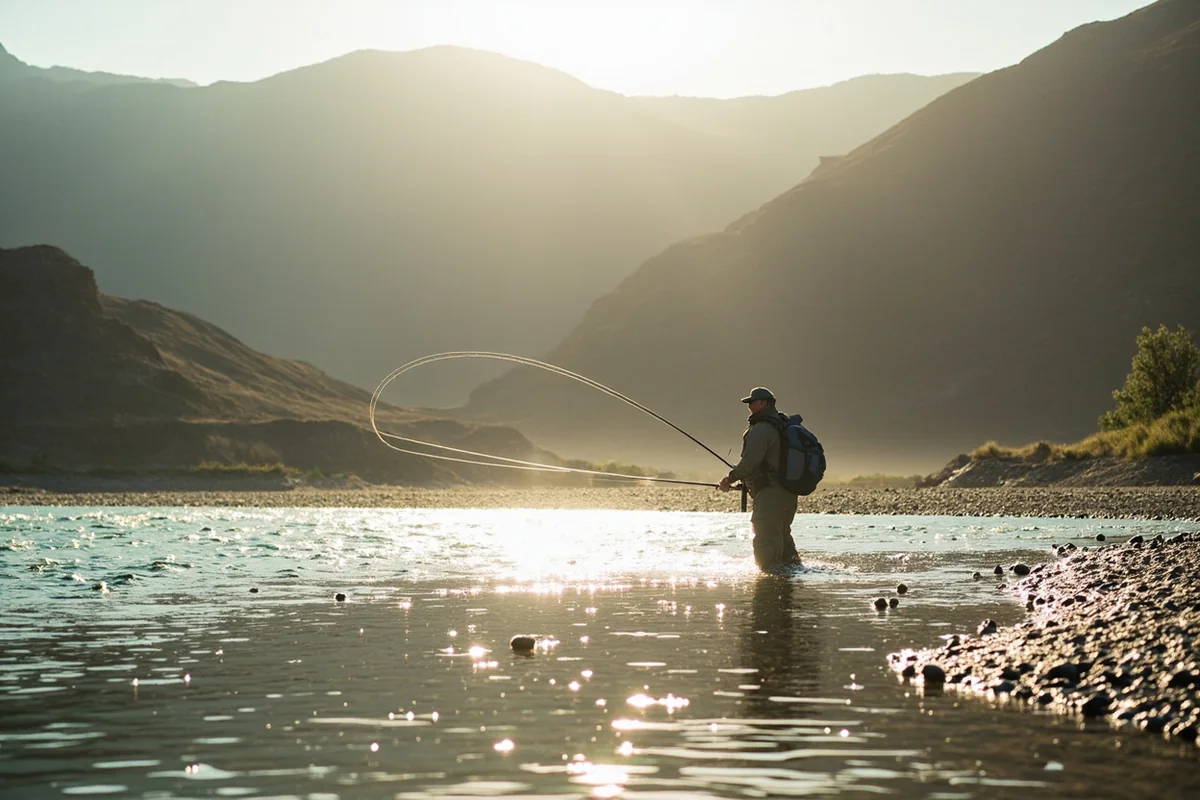
- The Bighorn River near Fort Smith is a tailwater fishery below Yellowtail Dam, and it consistently ranks among Montana’s best trout rivers, with trout densities that rival anywhere in the state.
- Before the dam, this stretch was a warm-water fishery. The cold, stable releases created by the dam are entirely responsible for the blue-ribbon trout water anglers chase today.
- The river flows through the Crow Indian Reservation, and a 1981 Supreme Court case, Montana v. United States, is still cited today in cases about tribal authority over non-members.
- Fort Smith is tiny and remote, so plan your trip logistics before you arrive, not after.
- I’ll walk through the fishing section by section, the legal history that shapes where you can and can’t go, and what that means practically for your visit.
Liked this article?
Add Roaming Montana as a preferred source so you see more of our articles and guides on Google.
A Tailwater Built by Accident
I want to start with something most visiting anglers never think about: this river’s reputation exists because of a dam, not despite one.
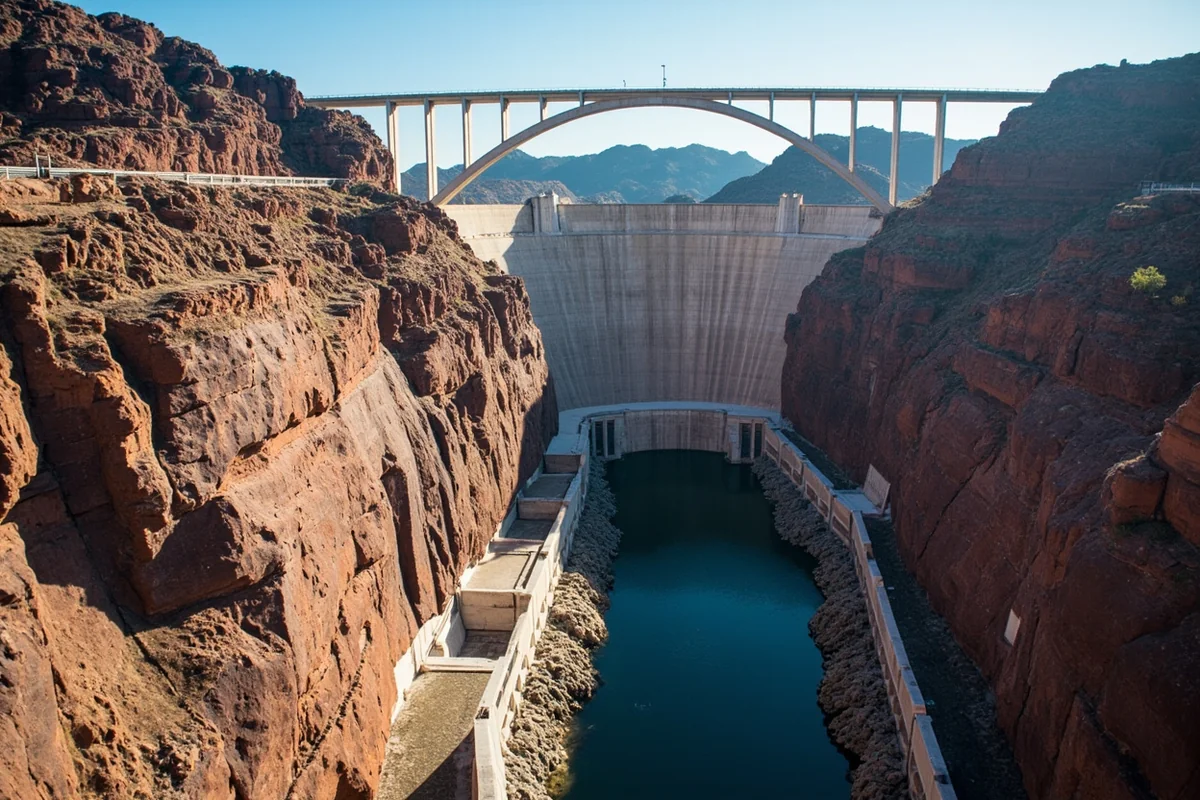
Yellowtail Dam, completed in 1965 near Fort Smith, was built primarily for hydroelectric power, irrigation, and flood control. Nobody built it to create a trout fishery.
But the cold, clear, remarkably stable water released from the bottom of the dam transformed what had been a warm-water fishery into one of the most productive tailwater trout streams in the country.
An Afterbay Dam sits about a mile below Yellowtail itself, smoothing out the fluctuating hydroelectric discharge into consistent, steady year-round flows.
That consistency is the entire secret behind the Bighorn’s reputation — nutrient-rich, temperature-stable water that supports staggering aquatic insect life and trout numbers that can run into the thousands per mile in the best stretches.
I find it worth sitting with that fact before you fish here: the river you’re casting into is essentially an engineered ecosystem, built for entirely different purposes, that happened to produce something extraordinary as a side effect.
Yellowtail Dam itself sits at the head of a genuinely dramatic 71-mile canyon, and the reservoir it created, Bighorn Lake, is managed today as part of the Bighorn Canyon National Recreation Area — worth a detour on its own if boating or canyon scenery interests you beyond the fishing.
Fishing the Bighorn, Section by Section
The first three miles below Afterbay Dam. This is a wade angler’s dream — a fine gravel bottom, gradual depth changes, and easy foot access to legendary named runs like the Breakfast Hole and Hot-Dog Run. It’s also, predictably, the most crowded stretch of the river, especially between April and September.
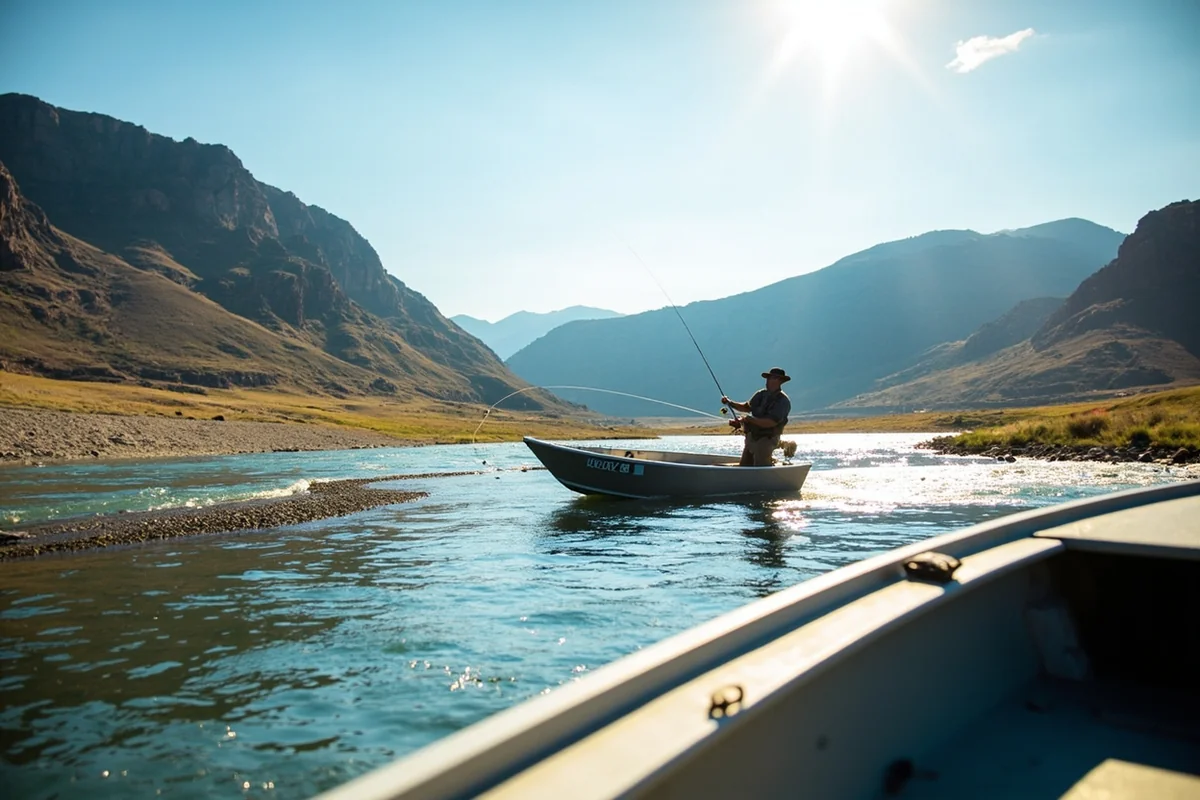
Three-Mile to Bighorn Access, the ten-mile float. This is the river’s most popular floating stretch, winding through islands, side channels, and productive riffles. Boat traffic can be heavy during peak season, but the sheer volume of good water means there’s rarely a shortage of places to find fish.
Beyond Bighorn Access. Shoreline access drops off dramatically past this point, largely because the river flows through the Crow Indian Reservation and much of the surrounding land is privately or tribally held. I’ll cover exactly what that means for your access rights in the next section.
Hatch timing here runs on a genuinely reliable clock thanks to the dam’s stable temperatures. Blue-winged olives dominate early spring, PMDs and caddis take over by midsummer, hoppers bring explosive surface strikes in August, and the legendary Trico hatch each September draws anglers specifically for that narrow morning window of technical dry fly fishing.
Rainbow and brown trout dominate here, with fish averaging 16 to 18 inches and plenty landed over 20. For more on the westslope cutthroat that’s native to other parts of the state but rare on this particular tailwater, see our Montana state fish page — the Bighorn’s trout population is almost entirely the result of stocking and natural reproduction of introduced species, not native fish.
Wildlife along this stretch is worth watching for too. Ospreys and bald eagles hunt these waters regularly, especially over the productive float sections — see our Montana osprey page for more on their habits.
River otters occasionally show up in quieter side channels, covered on our Montana otters page, and pronghorn are a common sight on the open grassland above the canyon rim.
If you’re floating rather than wading, Montana’s general boating regulations apply here just like on every other river in the state — our page on boating in Montana covers the basics.
The Supreme Court Case That Still Shapes This River
I think this is genuinely important context, and it’s something no fishing-guide website I’ve found covers in real depth.
The Bighorn flows through the Crow Indian Reservation, established by the Second Treaty of Fort Laramie in 1868. In the early 1970s, facing pressure on food supplies and reservation resources, the Crow Tribal Council passed a resolution restricting fishing within the reservation to tribal members only.
In 1974, a non-tribal member fished in open defiance of that resolution and was charged. The resulting legal fight worked its way through federal courts for years, with rulings going back and forth between favoring the Tribe and favoring the State of Montana. It eventually reached the U.S. Supreme Court as Montana v. United States, decided in 1981.
The Court’s ruling had two parts. First, it held that title to the Bighorn riverbed belonged to the State of Montana, not the United States held in trust for the Crow Tribe.
Second, and more consequentially, it held that the Tribe generally lacked authority to regulate hunting and fishing by non-tribal members on land within the reservation that was owned in fee simple by non-Indians, with narrow exceptions.
That second holding became what legal scholars now call the “Montana test,” and it’s still cited today as foundational precedent in cases about the scope of tribal authority over non-members throughout the country. What started as a dispute over trout fishing on one Montana river ended up shaping federal Indian law nationally.
I want to be clear that this is a genuinely significant piece of legal history connected to Indigenous sovereignty, and reasonable people can and do disagree about whether the outcome was just.
The Crow Tribe argued that its 1868 treaty, which set the reservation aside for its “absolute and undisturbed use and occupation,” implied authority to control who could hunt and fish there.
The Supreme Court disagreed, ruling that once Congress allowed non-tribal members to acquire land within the reservation through allotment policies decades later, the Tribe’s authority over those non-members narrowed significantly.
I’d encourage you to read the case’s history in more depth if it interests you — our broader page on key historical events in Montana touches on the treaties that created the Crow Reservation in the first place.
What This Means for You Today
In practical terms, here’s how this history plays out for anyone fishing the Bighorn now.
A standard Montana fishing license is all you need to fish the river itself, and no separate tribal permit is required for fishing within the river’s ordinary high-water marks.
This is a direct result of the 1981 ruling establishing state jurisdiction over the riverbed, and it’s worth knowing before you arrive rather than figuring it out on the water.
However, stepping onto reservation land above the high-water mark without a tribal recreation permit is a different matter entirely, and it’s not allowed. This distinction trips up visitors who assume that access to the water automatically means access to the surrounding banks.
Stick to designated fishing access sites, and don’t wander onto adjacent land assuming it’s open just because you can see it from the river. Our broader page on Montana laws covers other regulations that catch visitors off guard throughout the state.
Fort Smith: Tiny, Remote, and Worth Planning Around
I think most fishing content undersells just how remote this place actually is, probably because it’s inconvenient for lodges trying to book your stay.
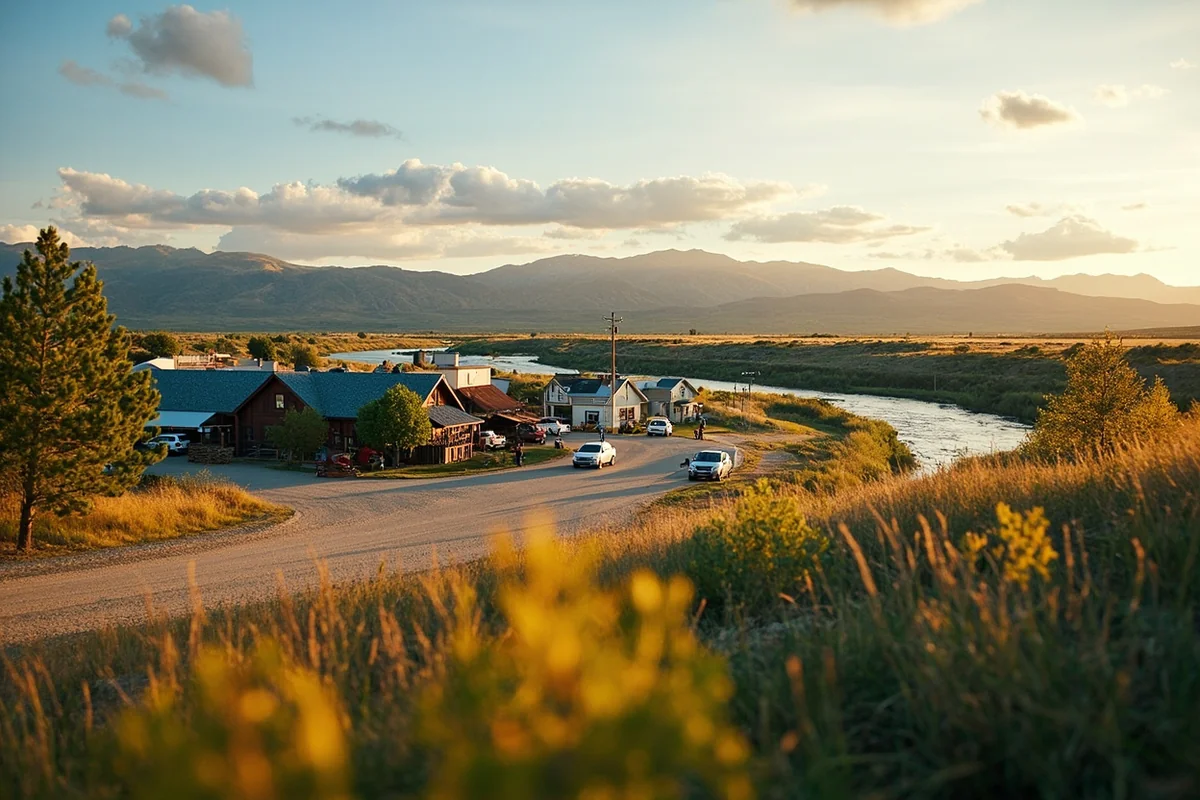
Fort Smith has a population of roughly 100 people. There’s no reliable grocery store, no gas station you can count on being open, and cell service is limited to nonexistent in stretches.
The nearest real services are in Hardin, about an hour away, or Billings, roughly 90 minutes out, where you’ll also find the nearest commercial airport.
My honest advice: stock up on groceries, fuel, and anything else you might need before you make the final drive into Fort Smith. I learned this by trial and error on my first trip, circling back nearly 40 minutes for a forgotten cooler of ice.
Lodging here is almost entirely built around fishing — small lodges and guest cabins run by the same outfitters who guide the river, rather than chain hotels or generic vacation rentals.
Personal Tips / What I Wish I Knew
Book guided trips well ahead for peak summer dates. July and August book up fast, especially for the popular hopper and PMD windows.
Go early or go in shoulder season if crowds bother you. The first three miles below Afterbay Dam get genuinely busy from spring through early fall. Winter and early spring offer some of the most consistent fishing with a fraction of the pressure, and the stable tailwater temperatures mean the river rarely freezes over the way freestone rivers elsewhere in the state do.
Bring small flies and light tippet. The Bighorn’s technical hatches, especially the fall Trico spinner falls, demand precise, delicate presentations rather than the bigger attractor patterns that work on freestone rivers.
Respect the high-water mark boundary. Given the legal history here, this isn’t just etiquette — it’s the actual, enforceable line between where you’re welcome and where you need separate tribal permission.
Don’t count on cell service for navigation or emergencies. Download offline maps before you leave Billings or Hardin, and let someone know your general plan for the day.
Book lodging in Fort Smith itself if you want maximum time on the water. Staying an hour away in Hardin sounds convenient until you realize it costs you the best early-morning and last-light fishing windows on both ends of your trip.
Practical Info: Bighorn River at a Glance
| Section | Best For | Access Type | Notes |
|---|---|---|---|
| First 3 miles below Afterbay | Wading | Foot access | Most crowded, easiest wading |
| Three-Mile to Bighorn Access | Floating | Drift boat | Most popular float, 10 miles |
| Beyond Bighorn Access | Limited access | Reservation land | Tribal recreation permit required above high-water mark |
| Nearest services | Fuel, groceries | — | Hardin (~1 hour) or Billings (~90 minutes) |
[Verify current tribal recreation permit requirements and Montana fishing regulations directly with the Crow Tribe and Montana FWP before your trip.]
Final Thoughts
The Bighorn is proof that a river’s reputation and its history don’t always line up neatly — this world-class trout fishery exists because of a dam nobody built for fishing, and it flows through land shaped by a legal fight that still echoes through federal courts today.
Fish it for the trout, but take a little time to understand the fuller story of the water you’re standing in. Knowing that history doesn’t change how good the fishing is, but it does change how you think about the place while you’re standing in it.
For how the Bighorn fits alongside the rest of the state’s best rivers, check out our full guide to the best rivers in Montana, and if you’re continuing downstream, our Yellowstone River guide covers where the Bighorn eventually joins that larger system.
Pin this guide before your trip, and let me know in the comments if you’ve fished the famous Trico hatch here.