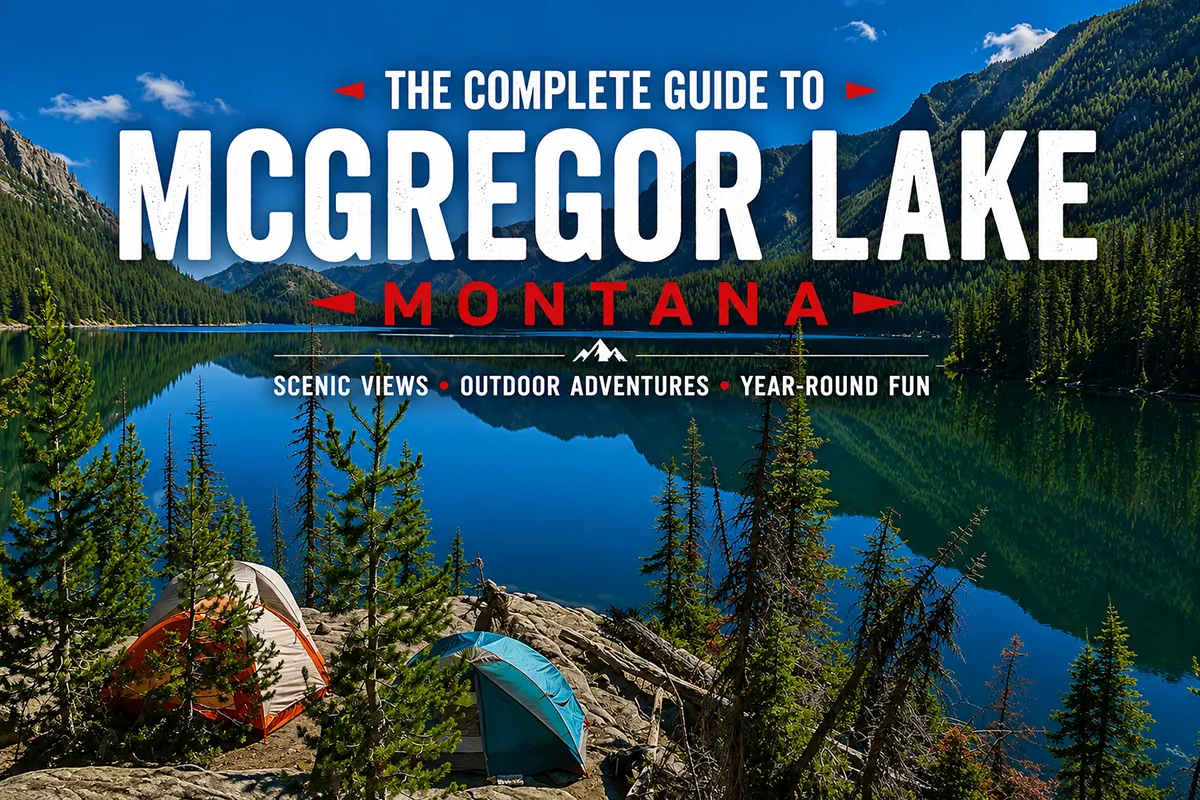
I jumped into McGregor Lake on a hot afternoon expecting refreshing. What I got was genuinely cold enough to make me gasp, even in August.
- McGregor Lake anchors the Thompson Chain of Lakes, roughly midway between Kalispell and Libby
- It’s spring-fed, reaching depths of 250 feet or more, with water clarity down to 35 feet
- This guide covers the swimming, the loons you’ll hear at night, fishing for wild rainbow trout, and camping options
- A satellite lake called Little McGregor sits close enough to reach on foot from most campsites
Liked this article?
Add Roaming Montana as a preferred source so you see more of our articles and guides on Google.
Spring-Fed and Genuinely Cold
Most Montana lakes warm up at least somewhat by August. McGregor Lake doesn’t follow that pattern.
Because it’s spring-fed rather than relying primarily on surface runoff, the water here stays cold even during the hottest stretches of summer. I’ve watched visitors brace for a typical lake temperature and then react with genuine shock on first entry.
That cold water comes with a benefit, though. It’s part of why McGregor Lake stays so exceptionally clear.
Water Clear Enough to See 35 Feet Down
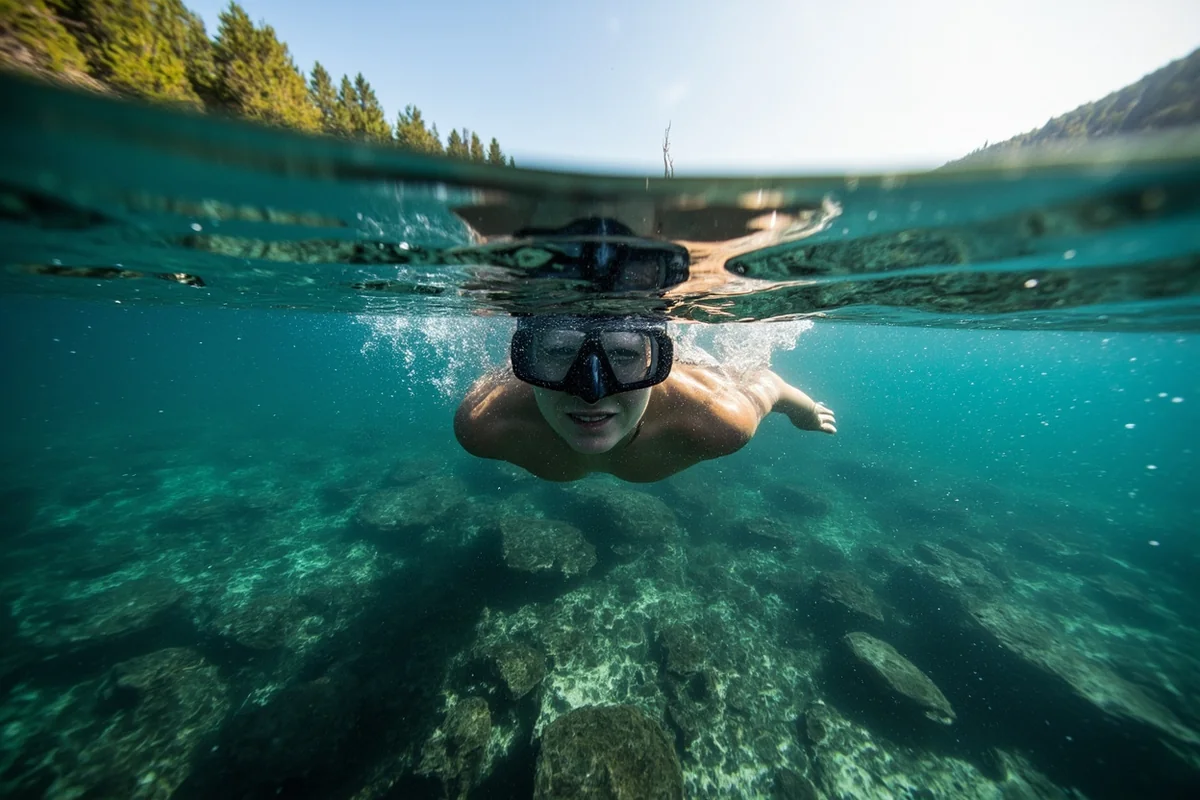
I’ve paddled across McGregor Lake on a still morning and looked straight down to see details on the lake bottom I had no business seeing that clearly. Visibility here regularly extends to around 35 feet in good conditions.
That clarity, combined with a depth exceeding 250 feet in the deepest spots, makes this one of the more visually striking lakes in the Thompson Chain. I’ve talked with visitors who’ve brought snorkeling gear specifically because of how clear the water gets.
The Loons You’ll Hear at Night
McGregor Lake and its smaller neighbor, Little McGregor Lake, both host resident loon pairs. I’ve camped here multiple times and heard their calls carry across the water well after dark.
One pair I encountered had a single chick that stayed close to its parents the entire visit, never quite letting anyone get close enough for a good photo. That’s typical loon behavior, and part of what makes seeing them feel like a genuine privilege rather than a guarantee.
If loon-watching matters to your trip, evenings and early mornings give you the best odds, both for sightings and for actually hearing their distinctive calls.
Fishing McGregor Lake
Wild rainbow trout are the headline catch here, and I’ve had a genuinely delicious one off the grill after a successful morning on the water. The lake’s depth and cold water support a healthy trout population without heavy stocking pressure.
Because much of the lake runs so deep, boat fishing with proper gear tends to outperform casual shore fishing. I’d bring a fish finder if serious fishing is your priority, since the depth variation here is dramatic even within short paddling distances.
Little McGregor Lake
This smaller companion lake sits close enough to the main McGregor Lake campgrounds that I’ve walked to it directly from my campsite on multiple visits. Despite its size, it holds its own charm.
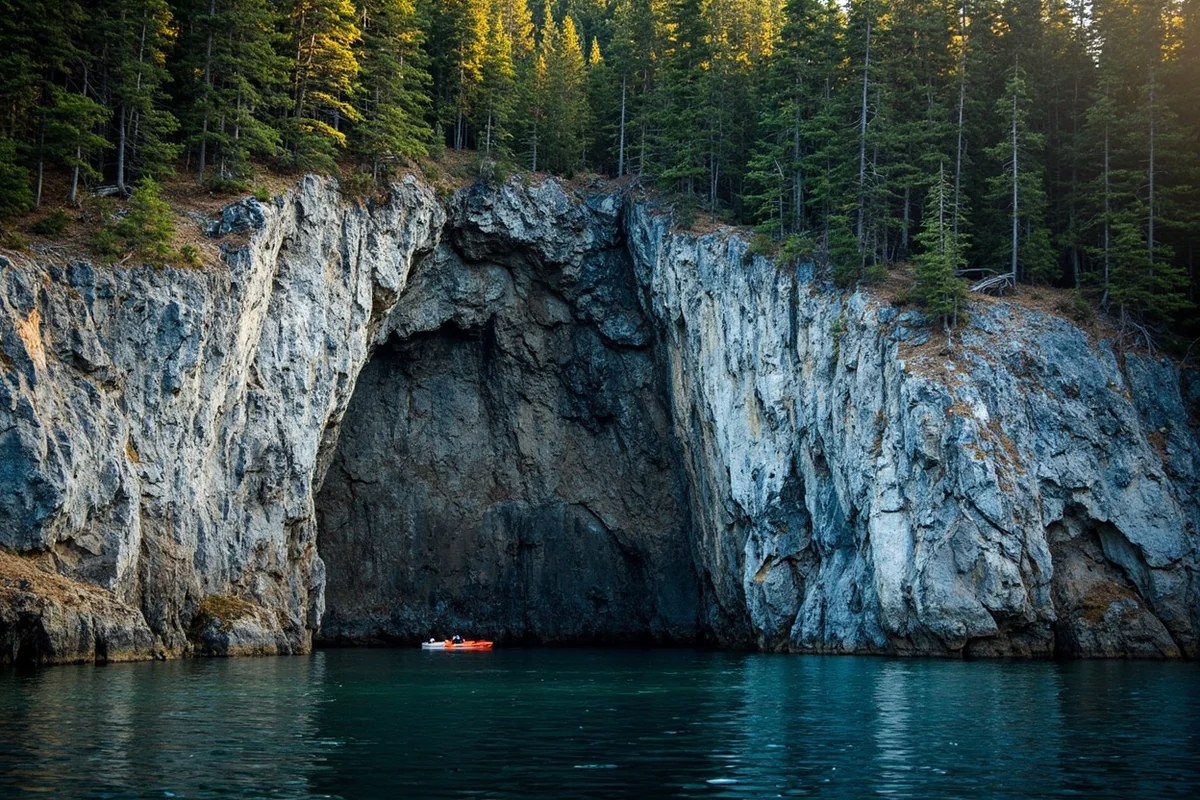
A cliff wall along the north shore makes for a scenic backdrop and a popular fishing spot. I’ve paddled along that wall in a kayak and gotten some of my favorite photos from this entire cluster of lakes right there.
Camping at McGregor Lake
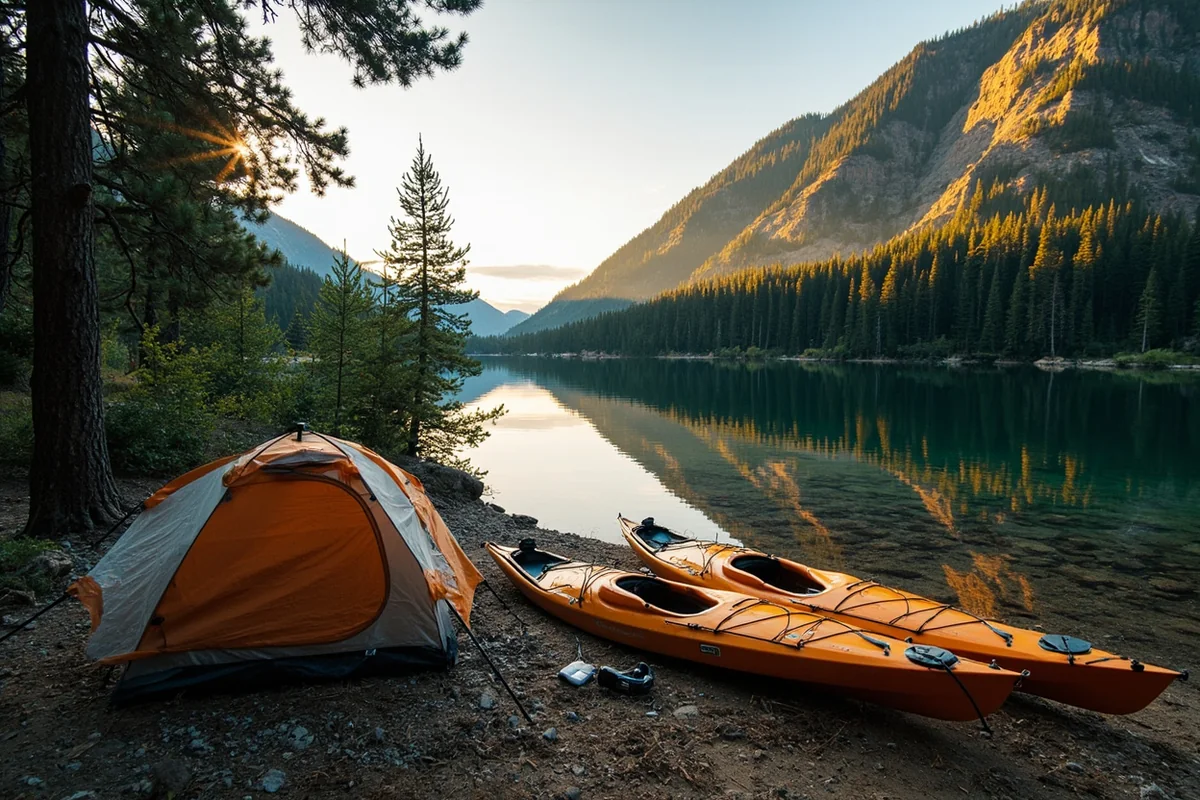
McGregor Lake Campground sits within the Thompson Chain of Lakes and makes an ideal base if you want to explore multiple lakes during one trip. It’s positioned roughly midway between Kalispell and Libby, which works well for a northwest Montana road trip itinerary.
I’d recommend bringing kayaks or canoes if you have them. Being able to paddle between McGregor, Little McGregor, and the nearby Thompson lakes without repacking the car each time made a real difference on my last visit.
Wildfire Risk in the Area
I experienced this firsthand on one visit: a wildfire burned across the lake from our campsite during a dry stretch of summer. Firefighters responded quickly, and we were never in real danger, but it was a genuine reminder of how real this risk is in northwest Montana’s dry months.
I’d check current fire conditions and any area closures before heading out here in late summer [verify current fire conditions and restrictions]. Carrying basic fire suppression tools in your vehicle is a smart habit throughout this whole region.
Comparing McGregor Lake to Little Bitterroot Lake
Both lakes sit in the same general area and both run genuinely deep, but they feel different in practice. Little Bitterroot Lake has almost entirely private shoreline and a stranger, more storied history.
McGregor Lake, by contrast, offers more straightforward public camping and recreation access through the state park system. If ease of access matters more than solitude, I’d point people toward McGregor first.
What to Bring for a McGregor Lake Trip
Given the cold water and genuinely remote camping setup, I’d pack differently for McGregor Lake than for a trip to somewhere like Whitefish Lake. A wetsuit or at least a good rash guard makes a real difference if extended swimming is part of your plan.
Bug spray matters here too, particularly in June and early July before the peak of summer dries things out. I’ve been caught without it more than once and regretted it within the first ten minutes at the campsite.
For anyone planning to explore Little McGregor or the nearby Thompson lakes, a kayak or canoe genuinely transforms the trip. Renting one in Kalispell before heading out is worth the extra step if you don’t own one.
The Regional Fire History
I mentioned experiencing a nearby wildfire firsthand during one visit, and it’s worth expanding on why that matters for trip planning here. This part of northwest Montana sees genuine fire activity most summers, generally more in dry years than wet ones.
Local firefighting response in this area tends to be fast and well-coordinated, given how seriously rural Montana communities take wildfire risk. Still, I’d always check current conditions before committing to a multi-day camping trip in late July or August [verify current fire conditions and any area restrictions].
A Quieter Alternative to the Big-Name Lakes
I keep coming back to McGregor Lake specifically because it offers something Flathead Lake and Whitefish Lake increasingly can’t: genuine quiet, even in the middle of summer. The spring-fed water and the effort required to reach some of the better spots naturally filters out casual day-trippers.
That’s not a knock on the bigger lakes — they’re wonderful for different reasons. But if solitude and clarity matter more to your trip than restaurants and marina infrastructure, McGregor Lake delivers in a way few other Montana lakes can match.
Combining a Visit With Little Bitterroot Lake
Given their proximity, I regularly combine a McGregor Lake trip with a stop at Little Bitterroot Lake nearby. The two lakes offer genuinely different characters within a short drive of each other.
McGregor gives you the clarity and cold-water swimming; Little Bitterroot gives you the deeper history and quieter, more private shoreline. Together they make for a genuinely varied two-lake day if you’re exploring this part of Flathead County.
A Lake Worth the Extra Effort
Between the cold water, the primitive camping, and the wildfire risk, McGregor Lake asks a bit more of visitors than some of its neighbors. I think that’s a fair trade for what it gives back.
Few lakes in this cluster combine genuine depth, exceptional clarity, and resident loons in quite the same package. It’s the kind of place that rewards a second and third visit more than a single quick stop.
Personal Tips / What I Wish I Knew
Pack a wetsuit top if you plan to swim for any length of time. The spring-fed cold here is more intense than most Montana lakes, even in peak summer, and I’ve seen more than one confident swimmer cut a session short after underestimating it.
Bring kayaks or canoes if you have them. The ability to explore Little McGregor and nearby lakes without extra driving genuinely enhances the trip, and I’ve never once regretted the extra packing effort once I was actually out on the water.
Check fire conditions before a late-summer visit. I’ve experienced an active regional fire here firsthand, and it’s worth being informed rather than surprised.
Listen for loons after sunset. Some of my favorite memories from this lake happened after dark, just sitting by the water listening.
Practical Info: McGregor Lake
| Maximum depth | 250+ feet in the deepest sections |
| Water clarity | Visibility to roughly 35 feet in good conditions |
| Location | Thompson Chain of Lakes, midway between Kalispell and Libby |
| Best season | July through August for swimming and paddling |
| Fishing | Wild rainbow trout, best from a boat given the depth |
| Camping | McGregor Lake Campground, part of Thompson Chain of Lakes State Park |
Frequently Asked Questions
How deep is McGregor Lake?
The deepest sections reach 250 feet or more, making it one of the deepest lakes in the Thompson Chain of Lakes.
Is McGregor Lake cold for swimming?
Yes, since it’s spring-fed rather than surface-warmed, the water stays notably cold even in August compared to other Montana lakes.
Can you see loons at McGregor Lake?
Yes, resident loon pairs live on both McGregor Lake and the smaller Little McGregor Lake, most audible in the evening and early morning.
What fish are in McGregor Lake?
Wild rainbow trout are the primary catch, best pursued by boat given the lake’s significant depth.
Is McGregor Lake part of a bigger lake system?
Yes, it anchors one end of the Thompson Chain of Lakes, a cluster of 18 named lakes stretching along Highway 2.
A Lake Shaped by Its Springs
Most Montana lakes this size rely primarily on surface runoff and snowmelt. McGregor Lake’s spring-fed character sets it apart in ways that go beyond just the cold water.
Groundwater springs feed a steady, consistent flow into the lake year-round, which helps explain both the temperature and the remarkable clarity. Surface runoff tends to carry sediment and organic material that clouds water over time; spring water arrives already filtered through rock and soil.
I think this is worth understanding because it changes how you should think about the lake across seasons. Unlike lakes that warm and cloud up predictably through summer, McGregor stays more consistent, cold and clear, from one month to the next.
Little McGregor Lake in More Detail
I mentioned Little McGregor Lake earlier, but it deserves its own closer look. This smaller companion sits close enough to walk to from most of the main campground sites.
The cliff wall along its north shore isn’t just scenic — it also creates deeper water close to shore than you’d expect from a lake this size, which makes for interesting fishing right off the rocks. I’ve had good luck here in early morning before the wind picks up.
Because it’s smaller and quieter than the main lake, Little McGregor tends to see less boat traffic, making it a better bet if you’re paddling a canoe or kayak and want calmer water.
Comparing the Thompson Chain’s Different Personalities
McGregor Lake anchors one end of the broader Thompson Chain of Lakes, and I think it’s worth understanding how it fits into that bigger picture. Where Horseshoe Lake allows motorized wake sports and Loon Lake trades toward solitude, McGregor splits the difference.
It’s developed enough to have real camping infrastructure and resort options, but the spring-fed cold and depth keep it from ever feeling like a party lake the way some more accessible Montana waters can.
Final Thoughts
McGregor Lake rewards visitors willing to trade warm water for genuine clarity and quiet. The cold shocked me the first time, but I’ve come back precisely because of how clean and clear this lake stays.
Every time I paddle across it and look straight down into that impossible clarity, I’m reminded why I keep this lake on my short list of favorites in this whole cluster, even though it rarely makes anyone else’s top ten.
For the wider chain this lake belongs to, see my guide to Thompson Chain of Lakes, or check nearby Little Bitterroot Lake if you want to compare a similarly deep lake with a very different character.
For timing your visit around the warmest possible swim, see my Montana in August guide, and for general trip planning, my best time to visit Montana guide covers the bigger picture.
Check out the complete guide to Montana’s best lakes for the rest of the region.