I’ve brought three different out-of-state guests to Museum of the Rockies over the years, and every single one of them said some version of “I didn’t expect to spend three hours here.” That’s the museum in a sentence — it looks like a stop you’ll knock out in 45 minutes, and it swallows your whole afternoon instead. It’s also one of the first stops I point people to whenever I’m asked to name the best museums in Montana.
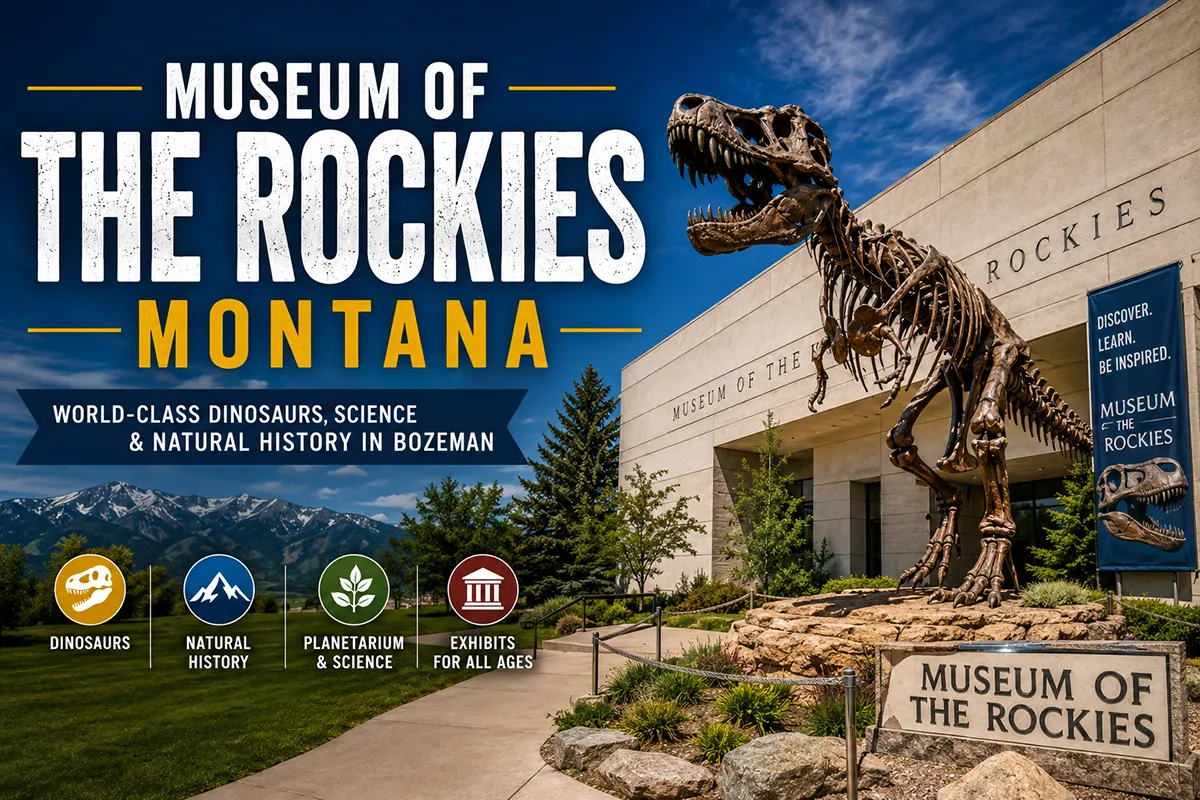
Museum of the Rockies (MOR) in Bozeman holds one of the largest dinosaur fossil collections in North America, anchored by the Siebel Dinosaur Complex and Montana’s T. rex. It’s also a working paleontology lab, a Smithsonian Affiliate, a regional history museum, and home to a 40-foot planetarium — which is a lot for one building near the Montana State University campus. This guide covers what’s actually inside, how long to budget, what I wish I’d known before my first visit, and how it fits into a broader Bozeman itinerary.
Liked this article?
Add Roaming Montana as a preferred source so you see more of our articles and guides on Google.
Why This Museum Is Bigger Than Its Reputation
Most visitors know Museum of the Rockies as “the dinosaur place,” and that reputation is earned — but it undersells what’s actually here.
The museum holds roughly 300,000 objects spanning more than 500 million years of Northern Rockies history, and it operates as both a public museum and a functioning research division of Montana State University.
That second part matters more than most first-time visitors realize: paleontology preparators sometimes work on real, recently excavated fossils in view of the public, which means the exhibit floor is occasionally also an active worksite.
The museum’s origin story is worth knowing before you walk in. It was founded in 1957 by Dr. Caroline McGill, a Butte physician, and was originally housed in three Quonset huts on the MSU campus under the name the McGill Museum.
Dr. McGill donated an extraordinary personal collection of Montana historical objects to get it started, and served as its first curator.
That scrappy, homegrown origin is a useful contrast to how polished the museum feels today — it became a Smithsonian Affiliate in 2005 and is one of just over 1,100 museums nationwide accredited by the American Alliance of Museums, out of roughly 33,000 U.S. museums total.
I mention all of this because it explains why the museum feels different from a typical roadside dinosaur attraction. This isn’t a static hall of replicas — it’s a working research institution that happens to let you walk through its results.
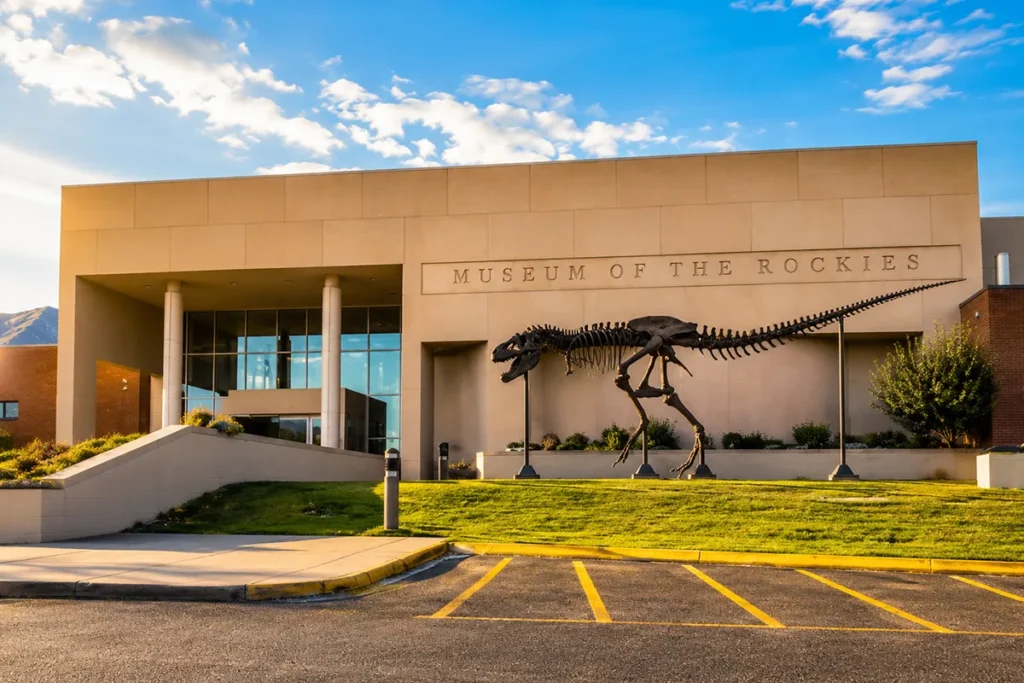
The Siebel Dinosaur Complex
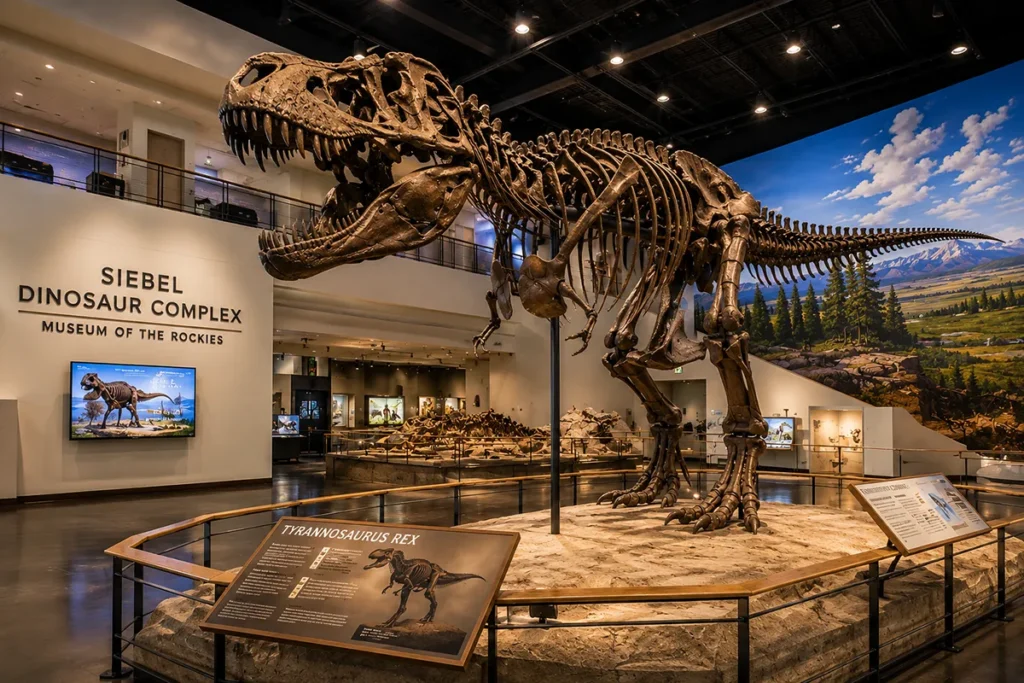
This is what most people come for, and it doesn’t disappoint. The Siebel Dinosaur Complex houses one of the most significant dinosaur fossil collections in North America, including a mounted Tyrannosaurus rex skeleton — Montana’s own T. rex — alongside a growth series showing Triceratops and T. rex specimens at different life stages, which is a genuinely rare way to display fossils.
Most museums show you one adult specimen; MOR shows you the same species at multiple ages side by side, which does more to make the animals feel real than any single skeleton could.
The museum also holds the largest Tyrannosaurus skull ever discovered and a T. rex thigh bone containing preserved soft tissue — a find that reshaped what paleontologists thought was possible to learn from fossils this old. [verify current specimen on public display, as research specimens occasionally rotate off exhibit]
One name worth knowing before your visit: Jack Horner, the museum’s retired curator of paleontology, served as the scientific advisor on the Jurassic Park films, helping the production team keep the dinosaurs at least loosely grounded in real paleontology.
Horner is also known for his research on Maiasaura — Montana’s state fossil — and evidence of colonial nesting behavior, meaning dinosaurs raising young in shared nesting grounds rather than isolated pairs.
If your visit happens to overlap with a public lecture, it’s worth rearranging your afternoon around it.
Museum of the Rockies is also an official stop on the Montana Dinosaur Trail, the statewide 14-location passport trail — worth picking up a Prehistoric Passport here if you’re planning to chase any of the other stops on a longer Montana road trip.
Beyond the Dinosaurs: History, Planetarium, and Kids’ Exhibits
Paugh History Hall and the Living History Farm
The museum’s regional history wing traces the Northern Rocky Mountain region’s human story from Native American tribes through fur traders, gold seekers, and homesteaders into the 20th century.
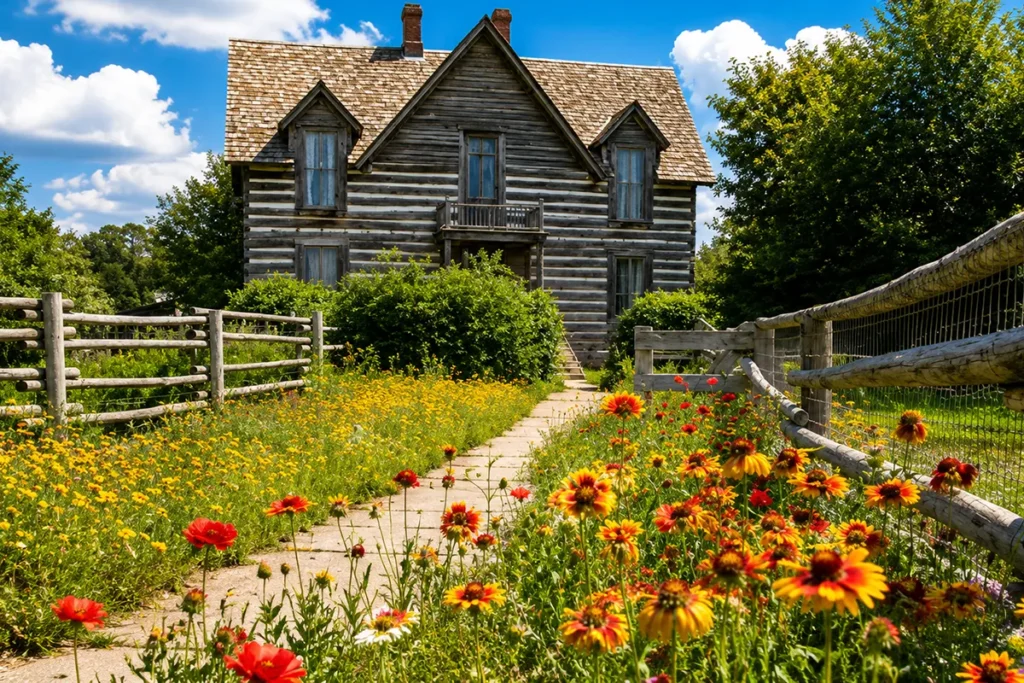
The Living History Farm, open seasonally, recreates a Montana homestead from roughly 1890 to 1910, complete with a period farmhouse, barn, and costumed interpreters demonstrating tasks like baking, blacksmithing, and gardening the way a Gallatin Valley family actually would have done them.
It’s an outdoor exhibit, so check the season before you plan around it — it typically runs summer months only.
The museum also holds the Schlechten photograph collection — more than 10,000 photographs and negatives documenting Bozeman and Yellowstone National Park from roughly 1905 through the late 1970s, shot by three generations of the same family of photographers.
It’s one of the deepest visual records of this specific corner of Montana anywhere, and selections rotate through the history galleries.
Taylor Planetarium
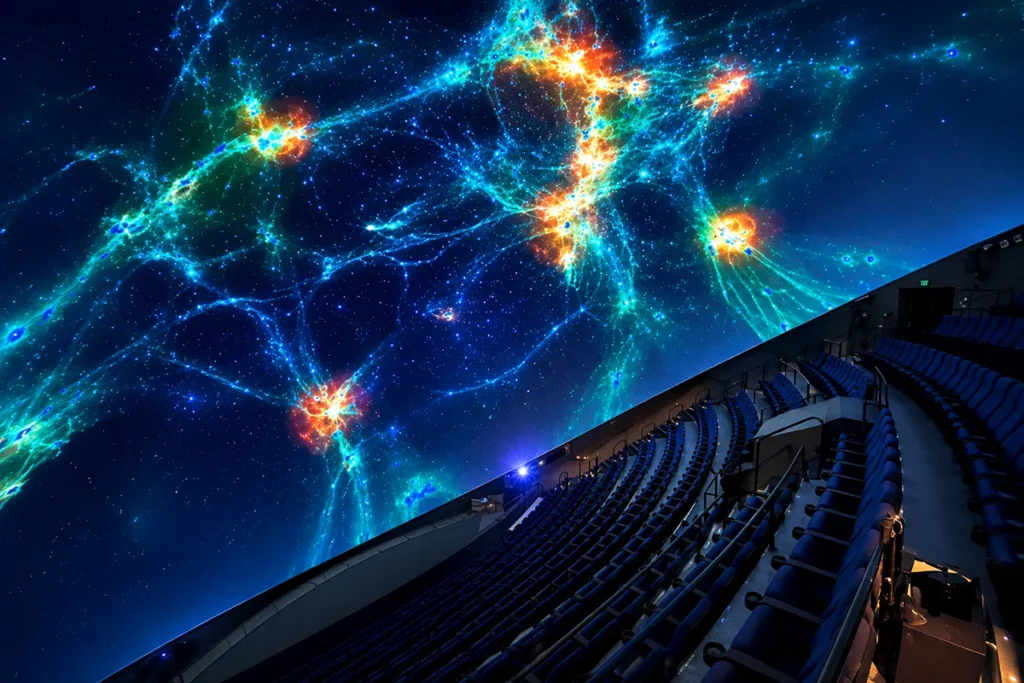
A 40-foot dome with 110 reclining seats, running rotating shows throughout the day — expect a mix of astronomy-focused programming and science topics like Earth observation from satellites.
Showtimes tend to run on a fixed daily schedule (commonly late morning and early afternoon slots), so if a specific show matters to your visit, check the day-of schedule when you arrive rather than assuming walk-up availability.
Martin Children’s Discovery Center
A hands-on exhibit aimed at younger visitors, built around Yellowstone wildlife and ecosystems — a good pressure-release stop if you’re traveling with kids who’ve hit their limit on reading fossil placards.
How MOR Fits Into a Bozeman or Montana Road Trip
Museum of the Rockies works well as an anchor for a few different kinds of trips, and I think it’s worth being specific about which one you’re planning, because it changes how you should budget your day.
If you’re based in Bozeman for a weekend: treat MOR as your rainy-day or cold-morning stop, then spend the afternoon downtown. Bozeman’s Main Street historic district is a five-minute drive away, and our Bozeman things-to-do guide covers the rest of a full weekend itinerary if you want to build the museum into a bigger visit.
If you’re passing through en route to Yellowstone: MOR sits close to US-191, one of the main southbound routes toward West Yellowstone and the park’s north entrances, which makes it a natural half-day stop before you continue south. I’ve done this drive more than once and the museum is easy to fold into a morning departure without derailing an afternoon arrival at the park.
If you’re chasing the full Montana Dinosaur Trail: MOR is the trail’s best-known and most heavily resourced stop, but it’s also the one most travelers hit first, before continuing on to smaller, more remote locations like the Great Plains Dinosaur Museum in Malta or Carter County Museum in Ekalaka. I’d treat it as your trail orientation — see the flagship collection here, then use what you learn to appreciate the smaller, community-run museums further out.
For general Montana trip planning beyond just Bozeman, our things to do in Montana guide and Montana bucket list post both cover how a stop like this slots into a wider itinerary.
Visiting With Kids
I’ve fielded enough questions from friends with young kids to have a rough game plan for this specific museum. Dinosaur halls generally hold kids’ attention well on their own, but MOR is dense enough that a completely unstructured visit can wear a young child out before you’ve seen half of it.
My rough plan: start in the Siebel Dinosaur Complex while energy is high, take a break at the Martin Children’s Discovery Center for hands-on activity, grab a snack at Rocky Rex’s Roasts, then decide based on remaining stamina whether to push into the history wing or head for a planetarium show as a calmer closing activity.
Stroller access is generally good throughout, but the museum gets busy enough in peak summer that stroller navigation through the dinosaur hall can be slow going — another point in favor of an early-morning visit.
What Other Guides Get Wrong
Most “top things to do in Bozeman” lists mention Museum of the Rockies in a single sentence — “great dinosaur museum, worth a stop” — without conveying how much time it actually takes or what’s inside beyond the T. rex. A few specific gaps I see repeated across generic travel content:
- Nobody mentions the working-lab element. The fact that you might watch actual fossil preparation happening isn’t a guarantee on any given day, but it’s a real possibility that makes this different from a typical natural history museum, and almost no guide flags it.
- The Living History Farm gets buried or skipped entirely, even though it’s one of the more hands-on homestead exhibits in the state and directly relevant if you’re researching Montana’s settlement history.
- Nobody warns you about the time commitment. This isn’t a 45-minute stop. Budget half a day if you want to see the dinosaur halls, the history wing, and a planetarium show without rushing.
- The Jack Horner/Jurassic Park connection is a great hook that most competitor content leaves out entirely, despite being one of the more memorable, shareable facts about the museum.
Personal Tips: What I Wish I Knew
- Go on a weekday morning if you can. Bozeman’s summer tourist traffic is heavy, and this is one of the most-visited attractions in the Gallatin Valley. A weekday opening-hour visit gets you real breathing room in the dinosaur hall before tour groups arrive.
- Budget 3 hours minimum, more if you’re catching a planetarium show or visiting during Living History Farm season.
- Rocky Rex’s Roasts, the in-museum café, is a legitimate coffee stop, not just a vending-machine afterthought — it’s run in partnership with a Bozeman-based roaster, so it’s worth a stop even if you’re not hungry.
- Pair this with the American Computer & Robotics Museum, which sits close by near the MSU campus, if you want a two-museum Bozeman afternoon that covers both deep prehistory and modern technology.
- If traveling with young kids, front-load the Martin Children’s Discovery Center before fatigue sets in, then work backward into the denser history and paleontology galleries.
Quick Questions I Get Asked
Is Museum of the Rockies good for a rainy or cold day in Bozeman?
Yes — it’s one of the best indoor options in the Gallatin Valley regardless of season, and honestly one of the better reasons to be glad the weather turned.
Can you see the whole museum in an hour?
Not comfortably. You can hit the dinosaur highlights in an hour if you’re moving fast and skipping the history wing entirely, but you’ll be rushing past things worth slowing down for.
Is it worth visiting if we’re not “dinosaur people”?
I’d still say yes. The regional history galleries, the Living History Farm, and the planetarium give the museum enough range that even a skeptical adult in your group is likely to find something that holds their attention — this is the exact scenario several of my own guests have proven out.
Does the museum change its exhibits often?
Yes, both through traveling exhibitions and through the natural rotation of active paleontology research, so a repeat visit a few years apart isn’t redundant the way it might be at a smaller, static museum.
Practical Info
| Address | 600 W Kagy Blvd, Bozeman, MT 59717 |
| Phone | (406) 994-2251 |
| Typical hours | Daily, roughly 9 a.m.–5 p.m. [verify current hours before visiting] |
| Best time to visit | Weekday mornings, year-round; add the Living History Farm to your visit May–September |
| Admission | [verify current adult/child/senior pricing at museumoftherockies.org] |
| Time needed | 2.5–4 hours |
| Good for | Families, dinosaur enthusiasts, rainy/cold-day itineraries, Montana Dinosaur Trail travelers |
| Nearby pairing | American Computer & Robotics Museum, downtown Bozeman via our Bozeman things-to-do guide |
Final Thoughts
Museum of the Rockies is one of the rare Montana attractions that fully lives up to its billing and then quietly exceeds it. Go in expecting a good dinosaur hall; leave having also learned about Gallatin Valley homesteaders, watched a planetarium show, and possibly seen a paleontologist mid-preparation on a fossil that isn’t in any textbook yet.
It’s an easy anchor for a Bozeman day, especially paired with the rest of our Montana museums guide if you’re building out a longer Dinosaur Trail itinerary.
Pin this for your Bozeman trip planning, and if you’ve caught a particularly good planetarium show or watched fossil prep happen live, I’d love to hear about it in the comments.