Three separate Montana state record fish came out of one reservoir on this river, and most Montana anglers still couldn’t point to it on a map.
- The Tongue River runs about 209 miles through Montana, from the Wyoming border to its confluence with the Yellowstone at Miles City, forming part of the eastern boundary of the Northern Cheyenne Indian Reservation along the way.
- Tongue River Reservoir holds Montana state records for black crappie, northern pike, and yellow bullhead, and it’s genuinely one of the state’s best warm-water fisheries.
- Below the dam, a short but excellent cold tailwater stretch offers real trout fishing that most anglers overlook entirely.
- A 2007 engineering project restored 50 miles of upstream fish migration at a dam that had blocked passage for decades — a genuine conservation success story.
- I’ll cover the fishing, the honest water politics between Montana and Wyoming, and why this quiet river deserves more attention than it gets.
Liked this article?
Add Roaming Montana as a preferred source so you see more of our articles and guides on Google.
A River Named for a Rock
I like starting with naming stories in this series, and the Tongue’s is a good one. The river takes its name from a limestone rock formation that Crow people believed resembled a bison tongue — a simple, direct description rather than a tribute to a distant politician or virtue, the kind of naming convention that shows up elsewhere throughout this series.
The river’s course through Montana carries real cultural weight beyond just its name. It forms part of the eastern boundary of the Northern Cheyenne Indian Reservation for roughly 25 miles, and the valley near Decker touches the southeastern corner of the Crow Indian Reservation as well. Two tribal nations, both connected to this same stretch of water.
Two Rivers in One
I want to describe this river the way I’d describe a person with a genuinely split personality, because that’s honestly what it is.
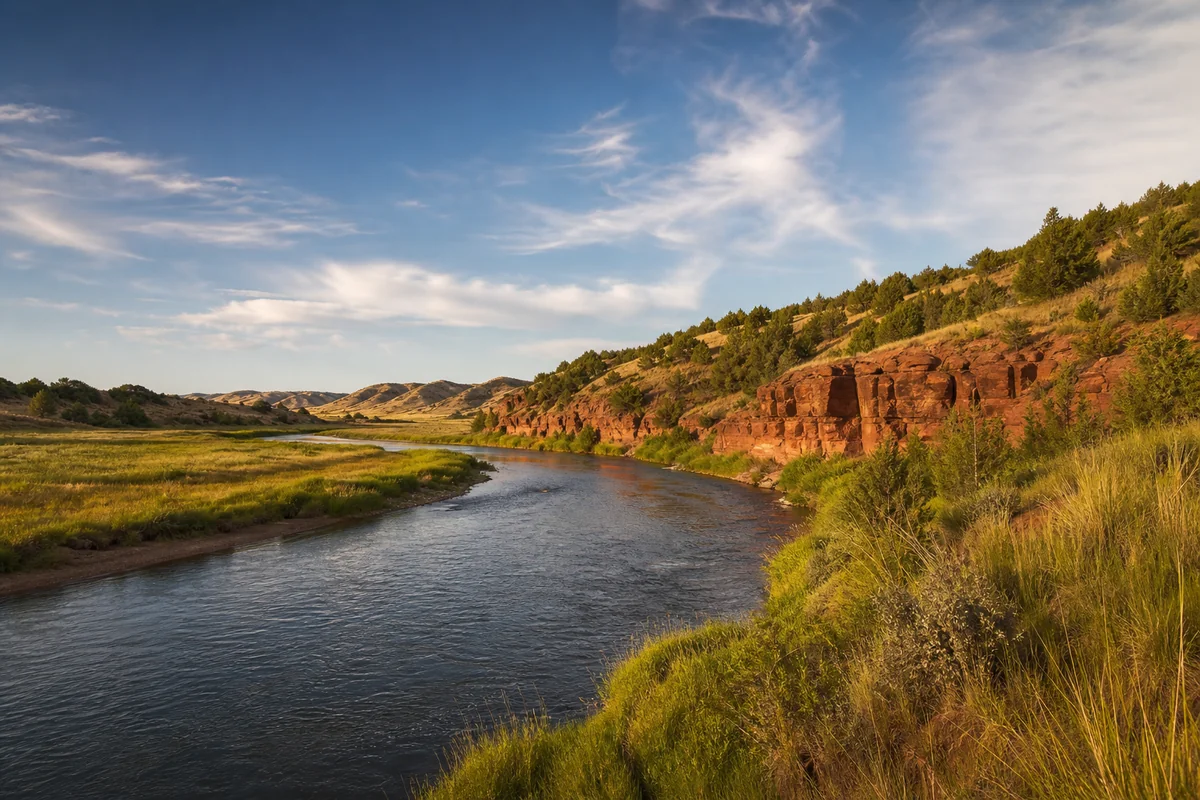
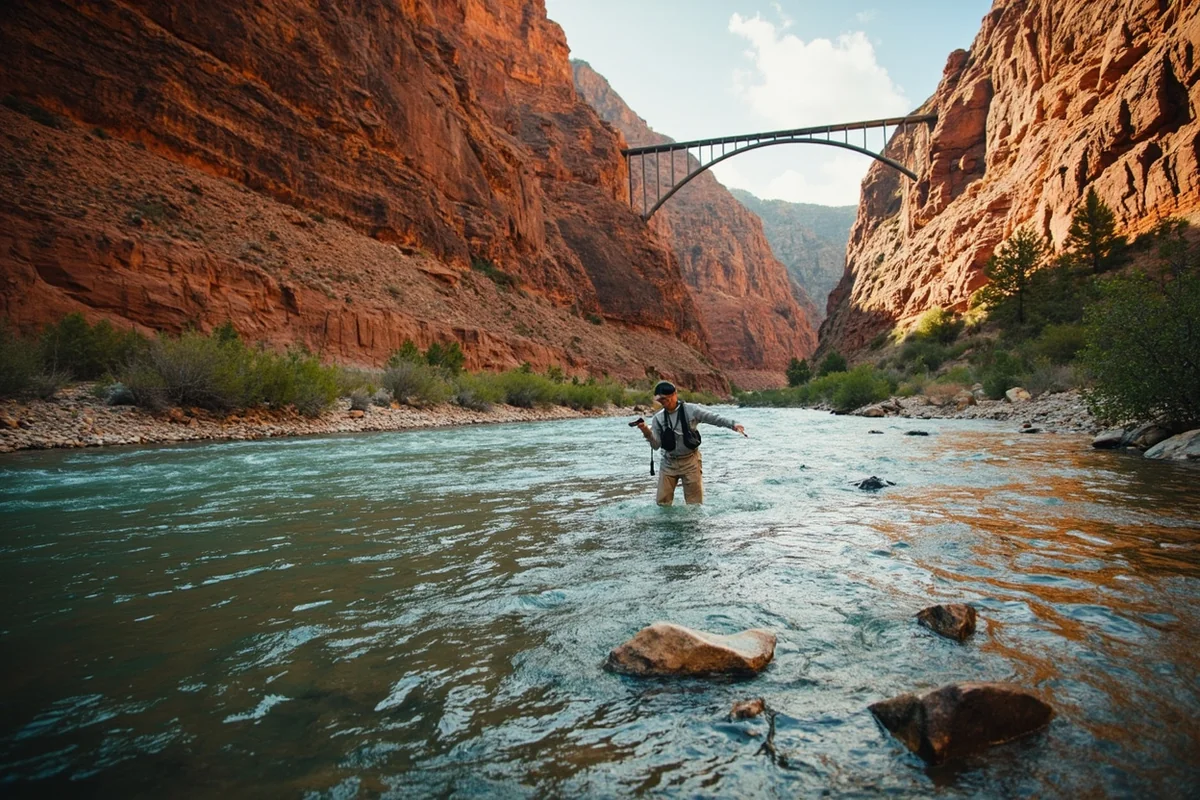
Below Tongue River Dam near Decker, cold water released from the reservoir’s depths creates a short, roughly 10-mile tailwater stretch where rainbow and brown trout thrive, some of them genuinely hefty, in a canyon setting that one longtime observer of this river compared favorably to national park scenery.
This cold segment exists entirely because of how the dam releases water from deep in the reservoir rather than from the surface, a design detail that makes all the difference for the trout downstream.
Past that stretch, as the river continues north through Birney and onward, it warms and slows, gradually transitioning into a completely different fishery dominated by channel catfish, sauger, smallmouth bass, carp, and walleye all the way to its mouth at Miles City, where it finally joins the Yellowstone River.
I think that transition is worth planning your trip around rather than showing up expecting one kind of fishing across the entire river.
I’ve come to think of this duality as the Tongue’s defining trait. Most Montana rivers settle into one identity for their entire length, whether that’s a trout stream, a warm-water fishery, or a scenic float.
The Tongue genuinely refuses to pick a lane, and I think that variety is part of what makes it worth a dedicated trip rather than a quick stop on the way to somewhere else entirely.
Tongue River Reservoir: Montana’s Record-Holder
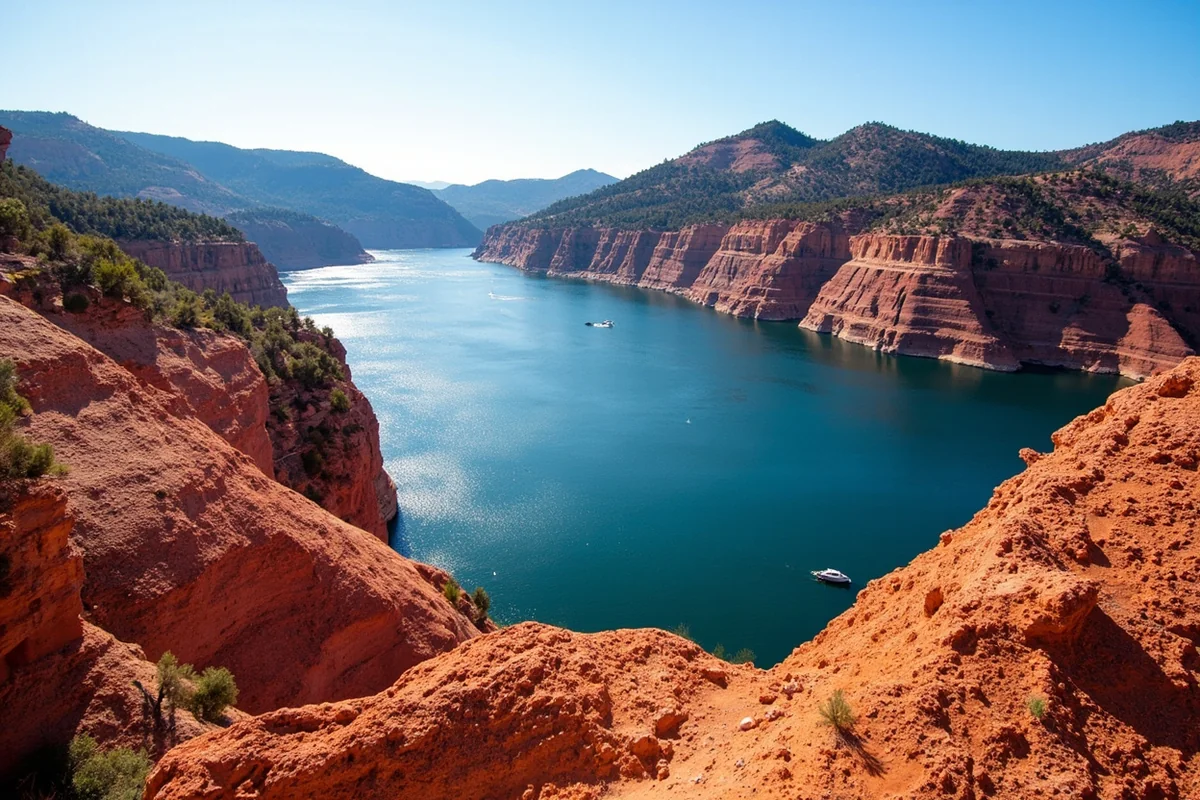
I think this reservoir deserves more recognition than it gets. At 12 miles long and roughly 3,600 acres, Tongue River Reservoir near Decker holds Montana state records for black crappie, northern pike, and yellow bullhead — three separate species, all from the same body of water. The state record white crappie, meanwhile, came from the river proper rather than the reservoir itself.
The reservoir has also produced genuine trophy fish outside the record books, including a 42-inch, 15-pound tiger muskie landed during winter ice fishing.
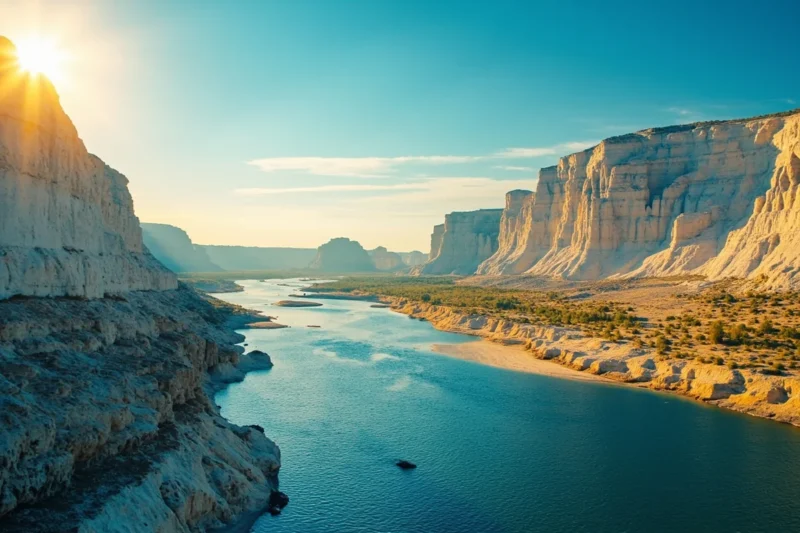
Nestled among red shale cliffs and juniper-covered hills, it’s become something of a hidden gem for anglers willing to make the drive to Montana’s southeastern corner, drawing pressure mostly from nearby Billings and Sheridan, Wyoming, rather than the crowds that flock to the state’s more famous western rivers.
The Fish Passage That Actually Worked
I’ve told a few stories in this series about dams with fish ladders that failed to do their job. This one is different, and I think it deserves recognition for that.
Twelve Mile Dam, a low-head structure on the lower Tongue, historically blocked upstream fish movement during low water periods for decades.
In September 2007, the completion of the Muggli Fish Passage project restored an additional 50 miles of upstream migration for a range of native fish species that had been cut off from that habitat.
The dam site itself has since been converted into a public fishing access site, complete with a fishing pier and primitive campsites.
I think it’s worth holding this story up against some of the less successful fish passage projects covered elsewhere in this series. Infrastructure doesn’t have to fail native fish permanently — sometimes, with the right retrofit, it gets fixed.
It’s a reminder that the story of dams and rivers in Montana isn’t purely one of decline, even if that’s the more common narrative running through much of this cluster’s history.
Water Politics on the Montana-Wyoming Line
I want to be honest about a tension that shapes how this reservoir actually operates day to day, because it’s a genuinely interesting piece of interstate water law most visitors never hear about.
A legal settlement between Montana and Wyoming over water rights on the Tongue reduced the flexibility water managers have in operating the reservoir.
In practical terms, if the reservoir isn’t completely full and Montana calls on Wyoming’s more recent water rights, Wyoming can claim Montana wasted water and isn’t entitled to make that call.
This pushes reservoir operators toward storing water conservatively from fall through early spring, which in turn increases the frequency of spillway flows during May and June — flows that can wash crappie and other fish right out of the reservoir, contributing to a documented crappie population decline that fisheries managers are still working to address.
I think this is a genuinely instructive example of how water law written to settle one dispute can create unintended consequences for an entirely different resource. Nobody sat down intending to hurt the crappie population; the incentive structure created by the interstate settlement just happened to work against it.
Wildlife Along the Tongue
The prairie canyon country surrounding this river supports genuinely good wildlife populations, particularly for anglers who keep an eye on the surrounding hills and cliffs while fishing.
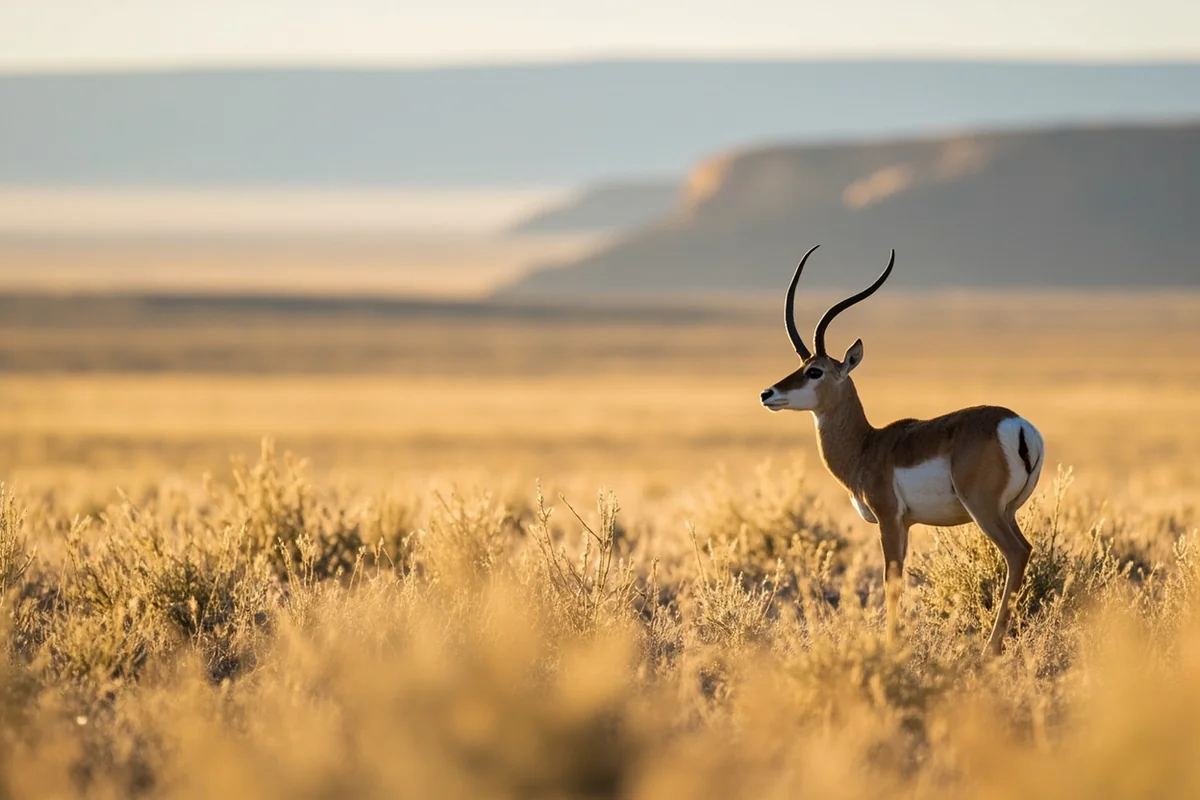
Mule deer and white-tailed deer are common throughout the valley, and pronghorn antelope frequent the open grasslands above the canyon rim.
Bald eagles and osprey work the reservoir and river regularly for fish — see our Montana osprey page for more on their habits.
The red shale cliffs and juniper hills surrounding Tongue River Reservoir also provide habitat for mountain lions, though sightings are rare, and wild turkeys are a common sight in the cottonwood bottoms lower on the river.
If you’re floating any stretch of the Tongue, Montana’s general boating regulations apply just as they do statewide.
The Otter Creek Coal Question
I want to mention one more piece of this river’s story, though I’d encourage you to check current news before assuming the situation hasn’t changed since I researched this guide.
Otter Creek, a tributary that joins the Tongue near Ashland, sits atop substantial undeveloped coal deposits that have been the subject of real, ongoing debate in southeastern Montana.
Proposals have included both a coal mine on Otter Creek and a rail line, sometimes called the Tongue River Railroad, that would carry that coal roughly 65 to 70 miles from the mine site to existing rail infrastructure near Colstrip.
As of the most recent information I found, these proposals remained in various stages of permitting and had not moved forward to full development, but this is exactly the kind of regional economic and environmental question that shifts over time, so I’d treat it as a live issue worth checking current status on rather than a settled matter.
Part of what’s made this proposal genuinely difficult to advance is logistics as much as opposition: the area lacks an existing rail spur to move coal out, and Ashland itself would need substantial infrastructure investment before it could support the workforce a large mine would require.
Whatever side of the broader energy development debate you land on, I think it’s worth understanding that this valley’s economic future remains a genuinely open question rather than something already decided.
Making Your Base Camp: Miles City and Decker
Miles City sits right where the Tongue meets the Yellowstone, and it makes the most sense as a base if you’re fishing the lower river’s warm-water stretches or combining a Tongue River trip with the nearby Yellowstone or Bighorn River.
Decker, much smaller and closer to the Wyoming border, puts you right at Tongue River Reservoir and the cold tailwater stretch below the dam, and it’s a genuinely quiet place to base a multi-day trip if solitude matters to you.
Personal Tips / What I Wish I Knew
Don’t assume the whole river fishes the same way. The trout tailwater below the dam and the warm-water lower river are genuinely different fisheries, and showing up with only fly gear for the lower stretch will leave you frustrated and underprepared for what’s actually swimming there.
Fish the first 10 miles below the dam if trout are your priority. This narrow canyon stretch is where the cold-water effect is strongest, and it’s easy to miss if you’re focused entirely on the reservoir and its warm-water species.
Try ice fishing if you’re visiting in winter. Tongue River Reservoir has a genuine reputation for excellent ice fishing, including trophy-sized tiger muskie, and the marina store stays active through the winter season for supplies and current ice condition updates.
Check current fish consumption advisories before keeping your catch. The reservoir carries an active fish consumption guideline, so it’s worth reviewing before you plan a meal around what you catch, particularly if you’re fishing with family or bringing fish home to share.
Respect private land throughout the valley. Much of the river corridor between Decker and Miles City runs through working ranches with genuinely limited public access, so plan around established fishing access sites rather than assuming open banks along the way.
Practical Info: Tongue River at a Glance
| Section | Best For | Difficulty | Notes |
|---|---|---|---|
| Tongue River Reservoir | Warm-water trophy fishing | Easy | Holds three Montana state fish records |
| First 10 miles below the dam | Trout fishing | Easy–moderate | Cold tailwater effect, canyon scenery |
| Birney to Miles City | Warm-water fishing | Easy | Catfish, sauger, smallmouth bass, walleye |
| Twelve Mile Dam access site | Fishing, camping | Easy | Restored fish passage completed 2007 |
[Verify current fish consumption advisories, Otter Creek development status, and reservoir release schedules directly with Montana FWP before your trip.]
Final Thoughts
The Tongue is proof that some of Montana’s best fishing stories are still waiting in the parts of the state most visitors drive past on their way somewhere else.
Fish the record-holding reservoir, don’t skip the overlooked cold tailwater just below the dam, and take the fuller picture of this river’s water politics and history with you.
It’s the kind of river that rewards a little patience and a willingness to drive somewhere unglamorous, and I think that’s exactly the spirit this whole series has tried to capture across every river covered in it.
For how the Tongue fits alongside the rest of the state’s best rivers, check out our full guide to the best rivers in Montana.
Pin this guide before your trip, and let me know in the comments if you’ve landed one of this reservoir’s record-caliber fish yourself.