In 1918, one building in Philipsburg somehow operated as a hotel, a car dealership, and a service station all at the same time. Today it’s a museum with a recreated silver mine in the basement.
- Granite County Museum occupies the historic 1918 Courtney Hotel building, a genuinely unusual structure that once combined a hotel, car dealership, and service station under one roof
- Upstairs holds rotating exhibits on Granite County’s mining, ranching, and pioneer history; downstairs recreates an actual underground mining experience
- The museum houses the Ghost Town Hall of Fame, a pictorial tribute to Montana’s ghost towns, fitting for a county with nearly 20 of them within 30 miles
- The nearby ghost town of Granite once yielded a $40 million bonanza on what was supposed to be the mine’s very last shift
- This is one of the best museums in Montana that punches dramatically above its size for a county this small
Liked this article?
Add Roaming Montana as a preferred source so you see more of our articles and guides on Google.
A Building With a Genuinely Strange Past
Before you even get to the exhibits, the building itself is worth understanding, because it’s not a typical repurposed schoolhouse or courthouse like so many small Montana museums.
The Courtney Hotel was built in 1918 by Morris and Humphrey Courtney, brothers who’d made their money in a successful manganese mine.
What makes the building genuinely unusual is how it actually operated: hotel rooms and offices occupied the second and third floors, while the ground floor ran as a car dealership, and the basement functioned as a service station.
That combination captures a specific, fleeting moment in American history — the automobile industry was just emerging nationally, and this one building in a small Montana mining town managed to combine lodging, car sales, and auto service under a single roof.
The Courtney Hotel is now a contributing property of the Philipsburg Historic District on the National Register of Historic Places, and the building’s layered commercial history is part of what makes it significant.
Upstairs: Rotating History, Downstairs: A Real Mine
The museum’s two floors offer genuinely different experiences, and both are worth your full attention.
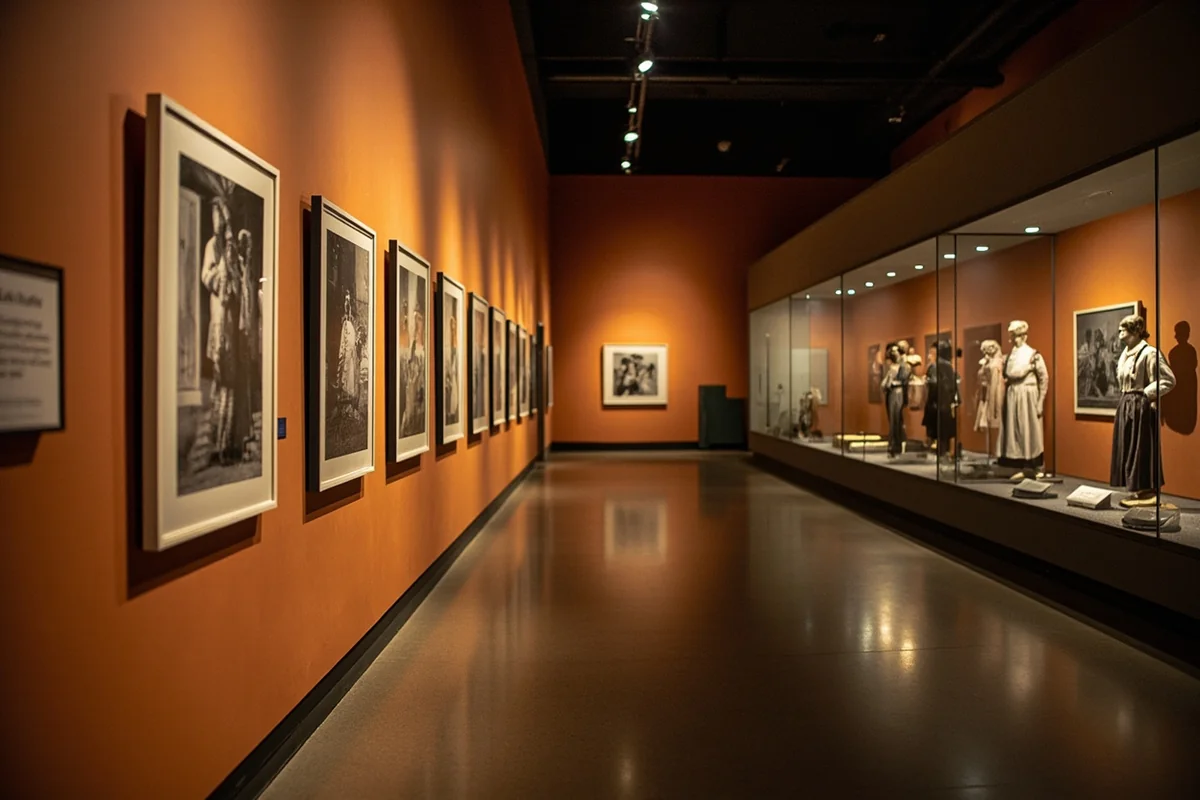
Upstairs, revolving exhibits document daily life for Granite County’s early miners, ranchers, and townspeople through archival photographs, clothing, furniture, and everyday items donated or loaned by local families. Displays change every few months, so a repeat visit years apart won’t feel identical.
Downstairs is where this museum genuinely separates itself from a typical small-town history collection. The Granite Mountain Mining exhibit, added in 1996, spans 4,000 square feet and recreates an actual underground mining experience rather than just displaying artifacts behind glass.
Walking a Recreated Mine, Boot by Boot
This is the part of the museum most visitors remember longest, and it’s genuinely more immersive than the phrase “mining exhibit” suggests.
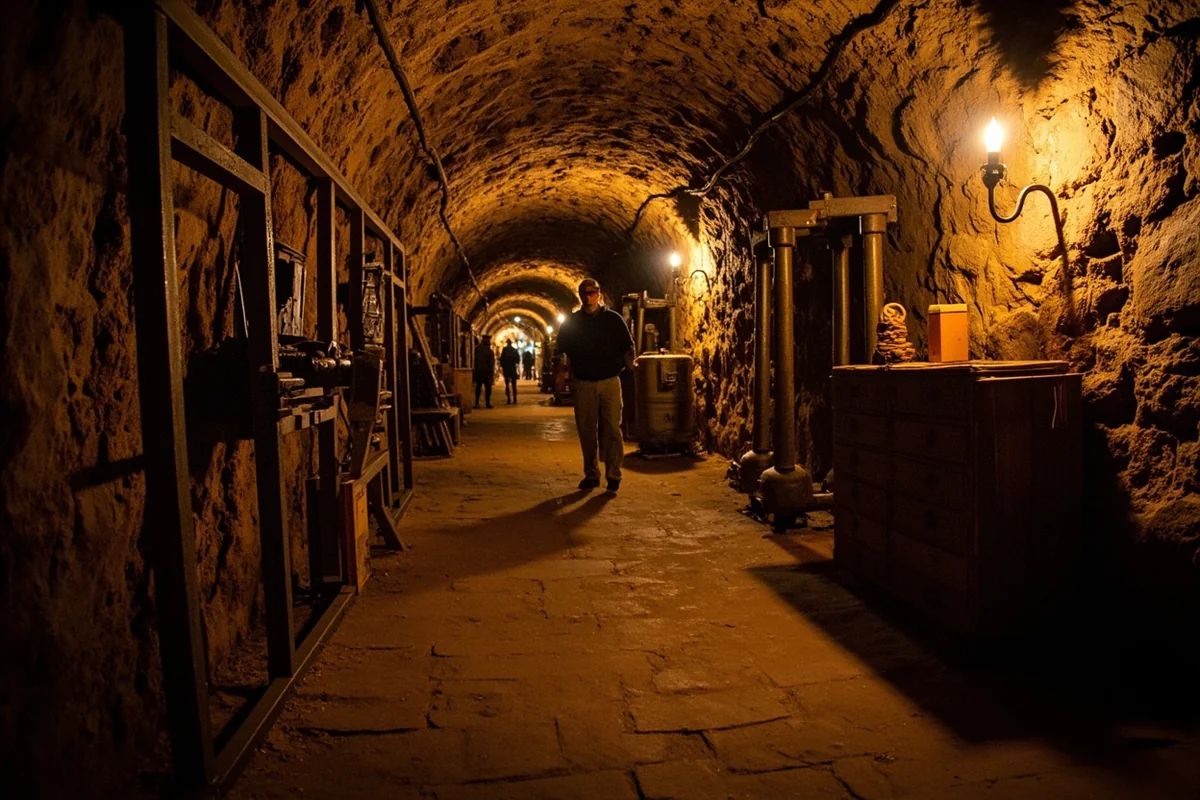
You start by viewing a mural depicting the above-ground activities of actual Granite County miners, setting the scene before you go underground. From there, you’ll pass an authentic assay office with its original equipment, then step into a recreated bank — complete with an honest-to-goodness coin collection that was actually found beneath the old floorboards of a real miner’s cabin.
A fully furnished, reconstructed miner’s cabin follows, depicting the genuinely bare-bones necessities a miner would have had waiting for him at the end of an exhausting workday.
Then you enter the mining adit and tunnel itself, walking through a simulated underground shaft complete with lighting and special effects designed to put you in the miner’s own worn boots.
You’ll see what an actual ore vein would have looked like under nothing but candlelight, exactly as miners experienced it before electric lighting reached the underground workings.
On your way out, a 1,200-cubic-foot air compressor display explains how compressed air actually powered mining equipment underground, alongside mining tools and an ore car complete with its own original design blueprint.
The Ghost Town Hall of Fame
Granite County has one of the highest concentrations of ghost towns anywhere in Montana, and this museum is where you’ll find the closest thing to an official tribute to all of them.
The Ghost Town Hall of Fame, housed within the museum, offers a pictorial history of Montana’s abandoned mining towns.
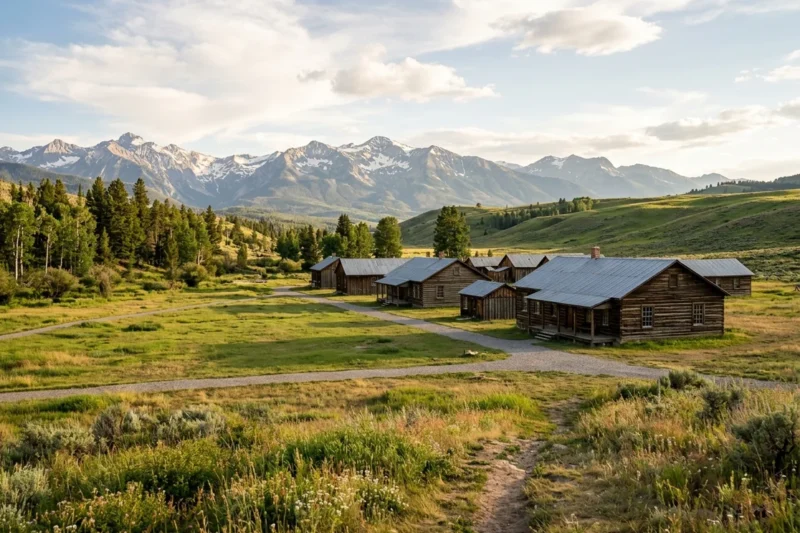
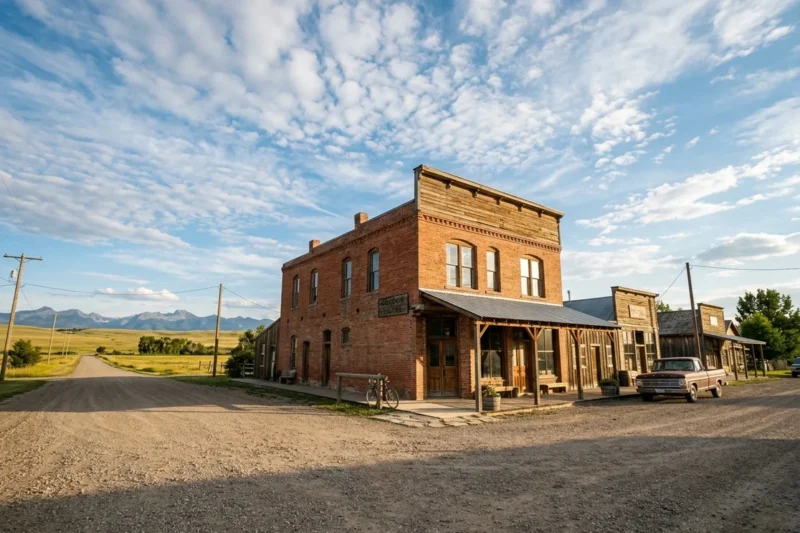
Nearly 20 ghost towns sit within just 30 miles of Philipsburg, including Granite, Tower, Garnet, New Chicago, Southern Cross, and Georgetown — a genuinely remarkable density for a single Montana county.
That concentration isn’t a coincidence. This corner of the state saw an intense, compressed boom-and-bust mining cycle in the late 1800s, and the museum’s Ghost Town Hall of Fame is the best single place to understand just how many communities rose and fell across this specific stretch of mountains.
The $40 Million Last Shift
One story from the museum’s core subject matter deserves its own telling, because it’s the kind of almost unbelievable-but-true history that defines this region.
The Granite mine was discovered in 1872 and became, by some accounts, the richest silver mine on Earth. But by 1893, the mine’s financial backers had concluded the operation was played out and hopeless, and they ordered it shut down.
On the very last blast of the very last shift before closure, miners uncovered a genuine bonanza — a strike that ultimately yielded $40 million.
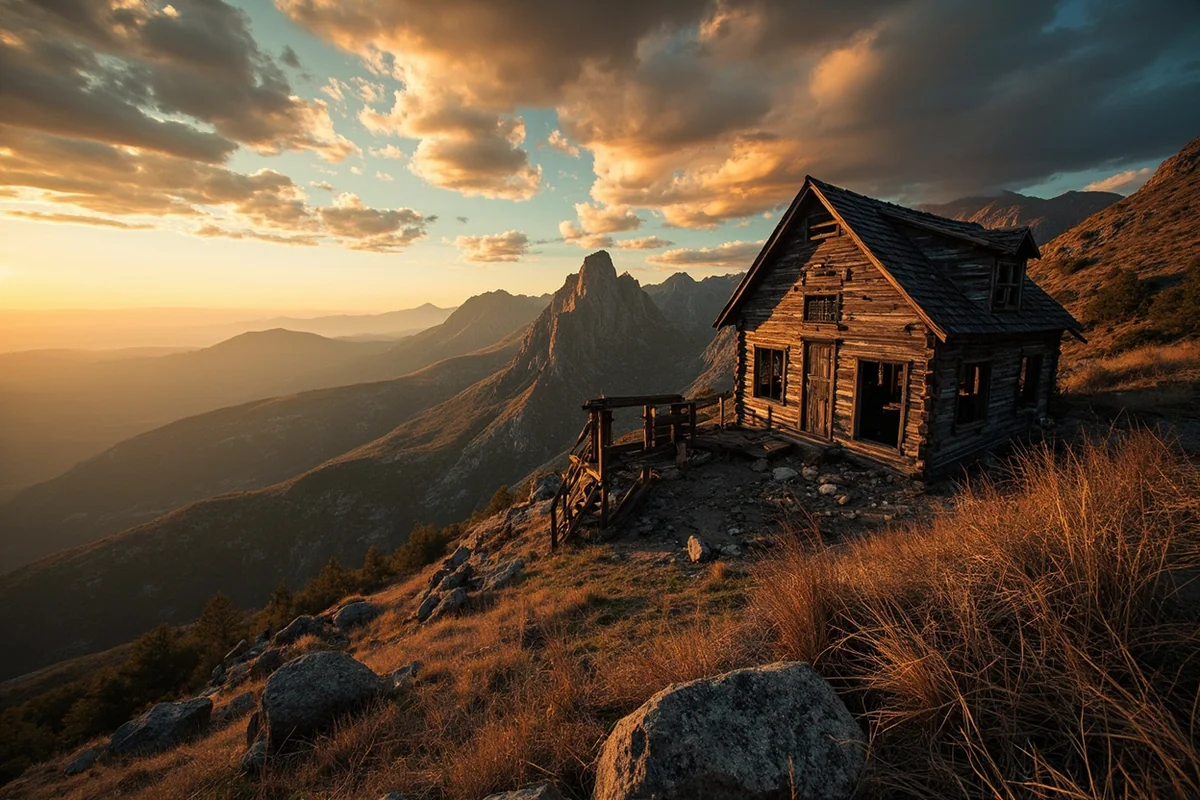
Today, Granite itself sits as a striking ghost town with sweeping mountain views, accessible via a guided walk complete with interpretive placards. The shell of the old Miners’ Union Hall still stands on the site, a physical reminder of just how fast fortune could turn in either direction during Montana’s silver boom.
Why Philipsburg Has So Many Ghost Towns
It’s worth understanding the broader pattern behind this county’s remarkable ghost town density, because it helps explain why this museum devotes an entire exhibit to the phenomenon.
Silver and manganese mining drove an intense, compressed boom across this stretch of mountains in the late 1800s.
Towns sprang up almost overnight around specific mine strikes, sometimes housing thousands of residents at their peak, only to empty out just as quickly once a particular vein played out or silver prices collapsed.
That volatile cycle repeated itself across dozens of small communities within a tight geographic radius, leaving behind the nearly 20 ghost towns that now sit within 30 miles of Philipsburg.
Philipsburg itself survived that same volatile cycle largely because its economy diversified beyond a single mine, which is part of why it’s still a living town today rather than another entry in the Ghost Town Hall of Fame.
Understanding that survival story adds real context to why this particular museum, in this particular town, ended up as the natural home for a tribute to all the towns that didn’t make it.
Visiting With Kids
This museum works genuinely well for families, and the underground mining exhibit is the clear draw for kids. The lighting, special effects, and walk-through tunnel format give the experience a slightly adventurous, almost theatrical quality that holds younger attention far better than a standard glass-case exhibit.
More than one parent has specifically mentioned young children being captivated by the recreated mine, with museum staff going out of their way to engage with kids directly rather than treating the visit as a purely self-guided walk-through.
The reconstructed miner’s cabin also tends to spark good questions from kids about how different daily life actually was without modern conveniences.
Given the museum’s relatively compact footprint across two floors, this works well as a manageable stop that won’t overwhelm younger visitors, especially when paired with a stop at the nearby sapphire-mining flume for some genuinely hands-on gem hunting afterward.
Frequently Asked Questions
Is the underground exhibit a real mine, or a recreation?
It’s a recreation built specifically for the museum in 1996, not an actual historic mine shaft, but the lighting, special effects, and physical layout are designed to give a genuinely immersive sense of what real underground mining conditions were like.
Can we actually visit the real Granite ghost town, or just see it in the museum?
Yes — Granite itself is accessible via a guided walk complete with interpretive placards, and the shell of the historic Miners’ Union Hall still stands on-site. Ask museum staff for current access details and driving directions.
Is the museum accessible for visitors with mobility limitations?
As a converted 1918 hotel building with a below-ground exhibit level, accessibility can vary by floor. I’d call ahead to confirm current accommodations if this is a specific concern for your visit.
How does this compare to World Museum of Mining in Butte?
Both offer genuinely immersive underground mining experiences, but World Museum of Mining lets you descend into an actual historic mine shaft via a real elevator cage, while Granite County Museum’s underground exhibit is a purpose-built recreation. If you want the real thing, prioritize Butte; if you want a more accessible, family-friendly simulated experience, this museum delivers that well.
Is there a fee for the Granite ghost town walk?
[verify current fees and access details, as this may be managed separately from museum admission]
- The Courtney Hotel’s unusual hotel-dealership-service station history rarely gets mentioned, even though it’s a genuinely distinctive piece of the building’s own significance.
- The coin collection found beneath a real cabin’s floorboards is almost never highlighted, despite being exactly the kind of specific, memorable detail that sticks with visitors.
- The full drama of Granite’s last-shift $40 million strike gets flattened into generic “rich silver mine” language in most casual mentions.
- The Ghost Town Hall of Fame rarely gets connected to the sheer density of nearby ghost towns, losing context on just how remarkable this specific region’s boom-and-bust history actually was.
- Winter access uncertainty catches visitors off guard. The museum’s off-season hours aren’t consistently posted, and more than one visitor has shown up in the shoulder season without checking ahead first.
Personal Tips: What I Wish I Knew
- Call ahead if you’re visiting outside Memorial Day through September. Winter hours aren’t reliably posted, and staff have accommodated advance-notice visits by phone in the off-season.
- Budget 1.5 hours for both floors. More than one visitor specifically mentions being surprised by how much ground this small museum actually covers.
- Don’t rush the underground exhibit. The lighting and special effects work better if you slow down and let your eyes adjust rather than moving through quickly.
- Ask staff about visiting Granite itself. The ghost town’s guided walk pairs naturally with the museum’s mining exhibit, letting you see the real site after experiencing the recreated version.
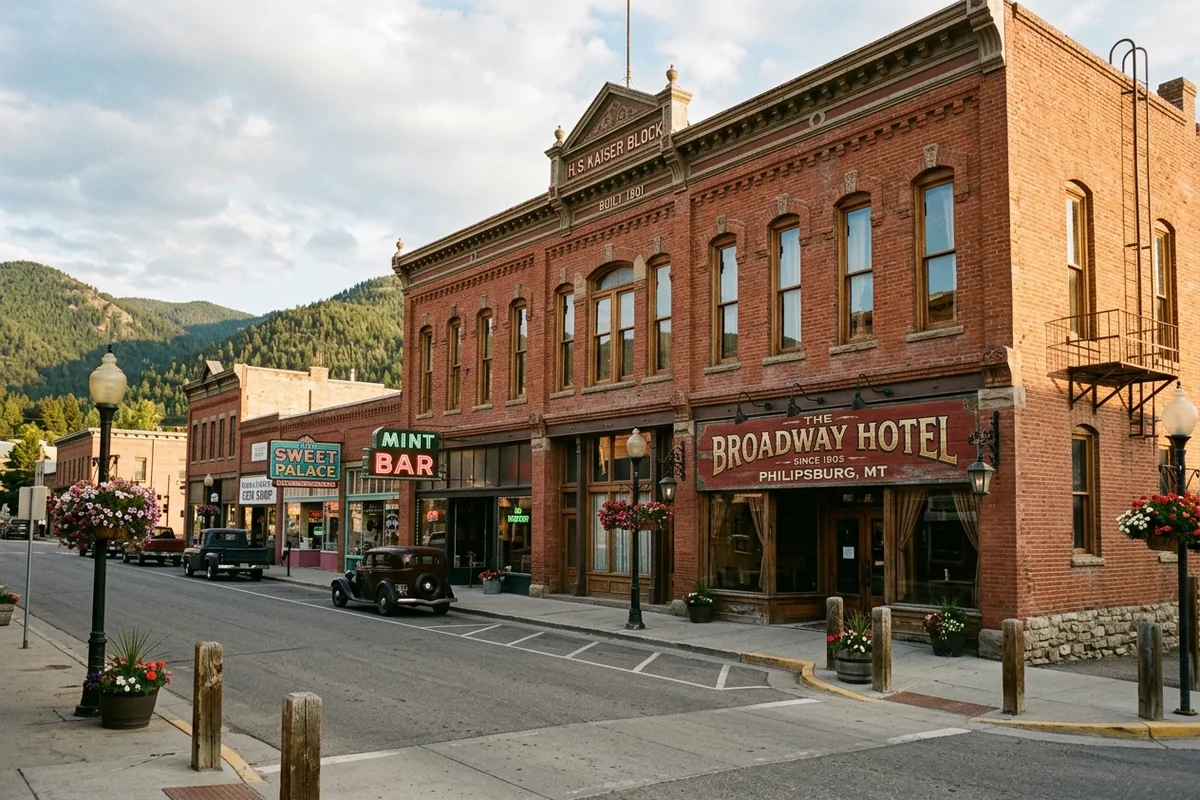
- Pair this with Philipsburg’s other draws. The Sweet Palace candy shop, Montana Gems of Philipsburg’s sapphire-mining flume, and the historic Opera House Theatre are all a short walk from the museum.
How This Fits a Southwest Montana Road Trip
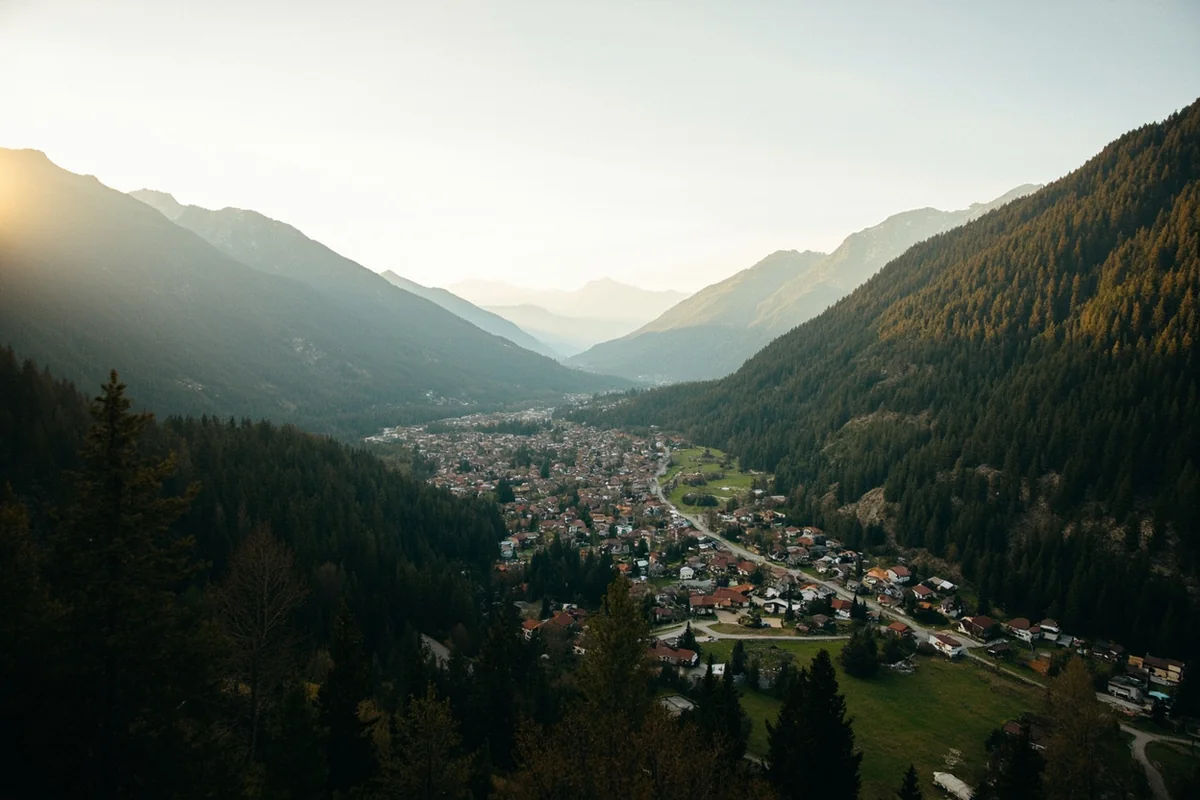
Philipsburg sits along the scenic Flint Creek Canyon drive on Montana Highway 1, making the town itself a worthwhile detour even before you factor in the museum.
If Montana’s mining history interests you more broadly, pairing this stop with World Museum of Mining in Butte and MBMG Mineral Museum gives you a genuinely comprehensive Southwest Montana mining-history loop.
If you’ve also toured the historic prison and auto collection at the Old Montana Prison Museum in Deer Lodge, this stop rounds out a full week of Southwest Montana’s mining, ranching, and frontier justice history.
Philipsburg is also one of the state’s best-known sapphire-hunting destinations, so if that interests you beyond the museum’s exhibits, our broader coverage of Montana gemstones is worth a look before you visit. Our Montana museums guide maps how this stop connects to the rest of the state’s cultural landscape.
Practical Info
| Address | 135 S Sansome St, Philipsburg, MT 59858 |
| Phone | (406) 859-3020 |
| Season | Memorial Day through September, daily, roughly noon–4 p.m. |
| Off-season | No consistently posted hours; call ahead for admittance |
| Admission | [verify current pricing] |
| Time needed | 1.5 hours |
| Good for | History and mining enthusiasts, families, ghost town chasers |
| Nearby pairing | Granite ghost town, The Sweet Palace, Montana Gems of Philipsburg |
Final Thoughts
Granite County Museum turns a small mountain town’s mining boom into something you can genuinely walk through, not just read about. Between the recreated underground mine, a building that once sold cars and rented hotel rooms simultaneously, and a $40 million last-shift bonanza, this is one of the more surprising small museums anywhere in Montana.
Pin this for your Southwest Montana trip planning, and set aside real time for the downstairs mine exhibit rather than rushing through it. If you’ve made the walk out to Granite itself after visiting this museum, I’d love to hear how the real ghost town compared to the recreated version in the comments.