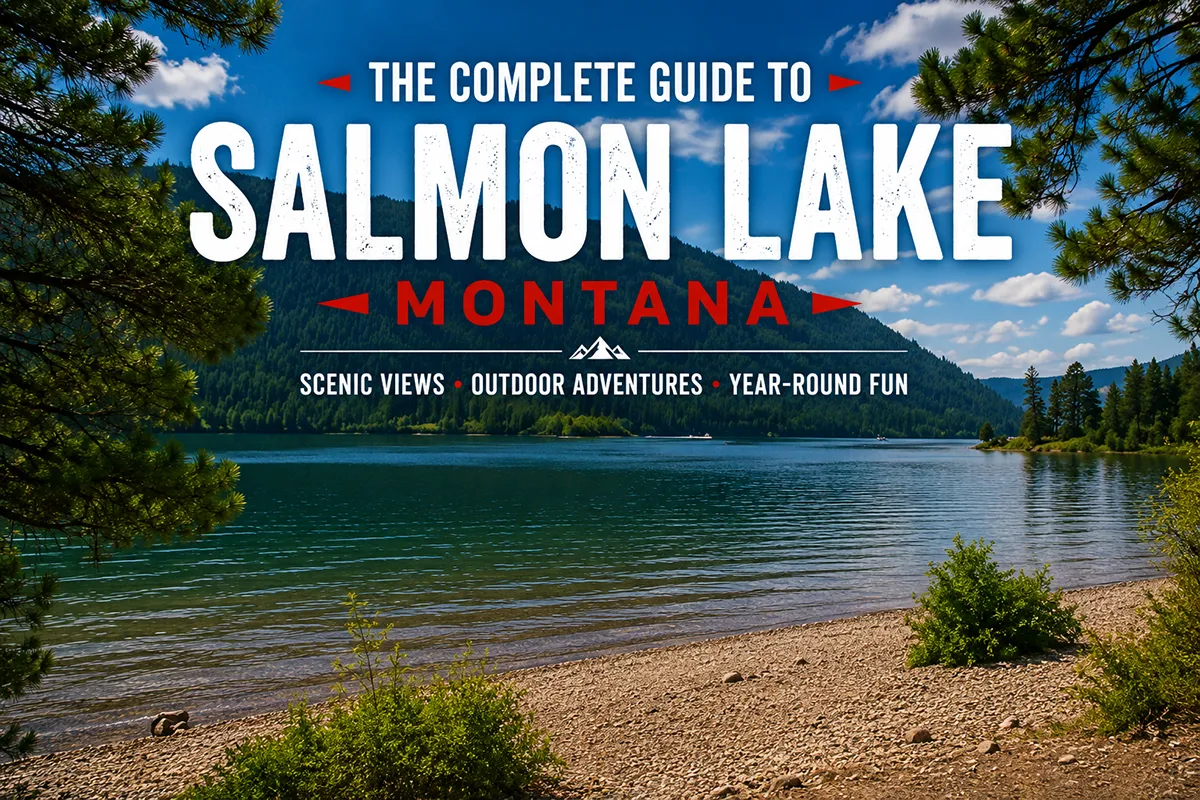
I’ve kayaked lakes across this entire state, and one article calling this “the best kayaking lake you may never have heard of” got it exactly right.
- Salmon Lake sits about 30 miles northeast of Missoula, just south of the more famous Seeley Lake, along Highway 83
- It’s part of the Clearwater River chain of lakes, formed naturally rather than dammed
- This guide covers kayaking, kokanee fishing, loon watching, and the state park’s camping setup
- Despite sitting minutes from a well-known tourist town, this lake stays genuinely quiet even in peak summer
Liked this article?
Add Roaming Montana as a preferred source so you see more of our articles and guides on Google.
Overshadowed by Its Famous Neighbor
Salmon Lake sits just 5 miles south of Seeley Lake, a name most Montana travelers already recognize. I think that proximity is exactly why Salmon Lake stays so under-visited.
Travelers plan trips around Seeley Lake and simply never learn that a quieter, arguably more picturesque lake sits a short drive further down Highway 83. I’ve made a point of correcting this for as many people as I can, because Salmon Lake genuinely deserves its own visit, not just a drive-by glance from the highway.
Part of a Natural Chain
Unlike Canyon Ferry or Hungry Horse, Salmon Lake wasn’t created by a dam. It’s one of several naturally-formed lakes along the Clearwater River, part of a chain that includes Seeley Lake, Lake Alva, Rainy Lake, and Lake Inez among others.
The Clearwater River flows south through this chain before eventually joining the Blackfoot River at Clearwater Junction. Salmon Lake sits between the Mission and Swan mountain ranges, giving it genuinely dramatic scenery on both sides despite its modest overall size.
Salmon Lake State Park Basics
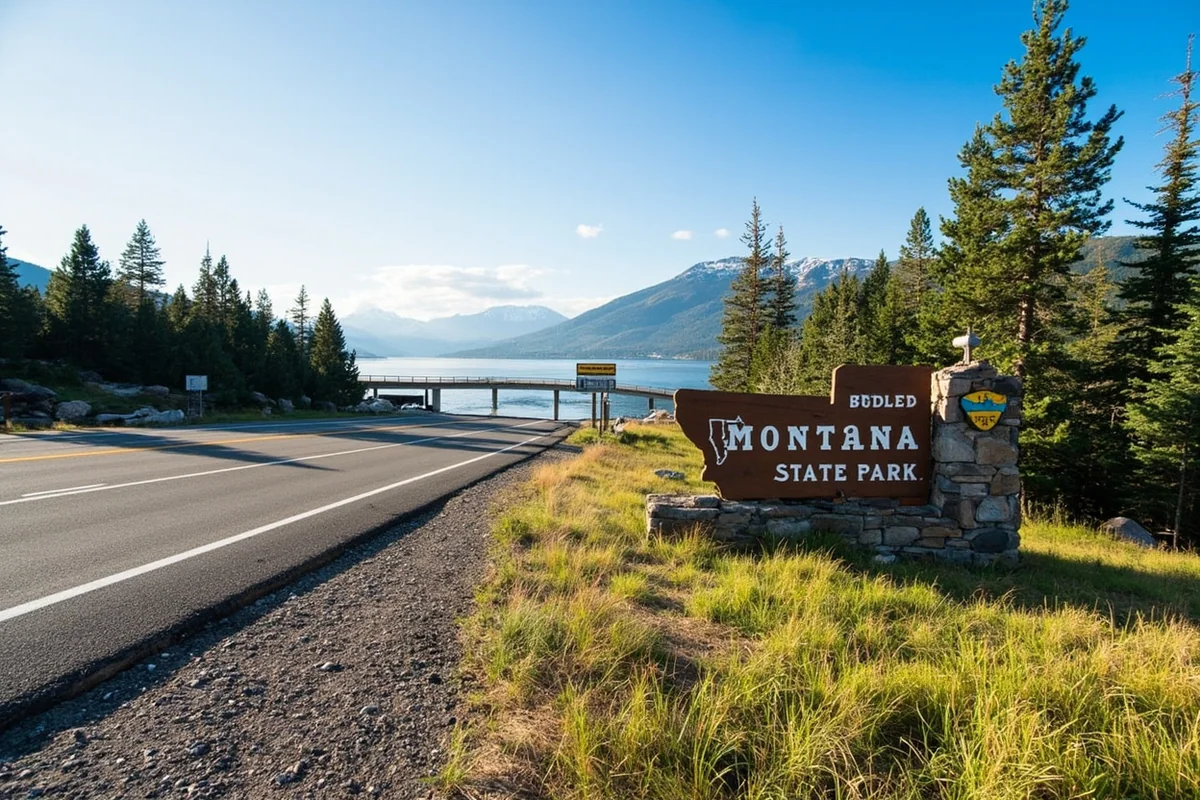
The state park entrance sits directly off Highway 83, easy to spot and easy to access. Inside, you’ll find boat ramps, a campground, day-use facilities, picnic shelters, potable water, and interpretive displays.
As with all Montana state parks, day use is free for Montana residents, while non-residents pay a small fee, typically around $5 [verify current non-resident day-use fee]. Camping fees vary by site type and season.
The park sits at a modest 3,917 to 3,995 feet elevation depending on the exact source, surrounded by western larch, ponderosa pine, and Douglas fir.
Why Kayakers Should Prioritize This Lake
I’ve paddled Salmon Lake on a still morning and had long stretches of water entirely to myself. That’s a genuinely rare experience this close to a recognized tourist destination like Seeley Lake.
The lake’s modest size makes it approachable for less experienced paddlers, while the mountain backdrop and quiet water reward anyone looking for a peaceful, unhurried few hours.
I’d rank this among the more underrated paddling spots in western Montana, precisely because so few people prioritize it over its more famous neighbor.
Fishing Salmon Lake
Montana Fish, Wildlife and Parks stocks this lake almost every year, particularly with kokanee salmon — genuinely the lake’s namesake fish, and a species that’s less common at some neighboring lakes.
Beyond kokanee, you’ll find rainbow trout, brown trout, brook trout, bull trout, westslope cutthroat, largemouth bass, northern pike, yellow perch, mountain whitefish, and pumpkinseed.
That’s a genuinely impressive species list for a lake this size. Fishing pressure runs mild most of the year, though it does see busier stretches during peak season.
The Loons You’ll Hear
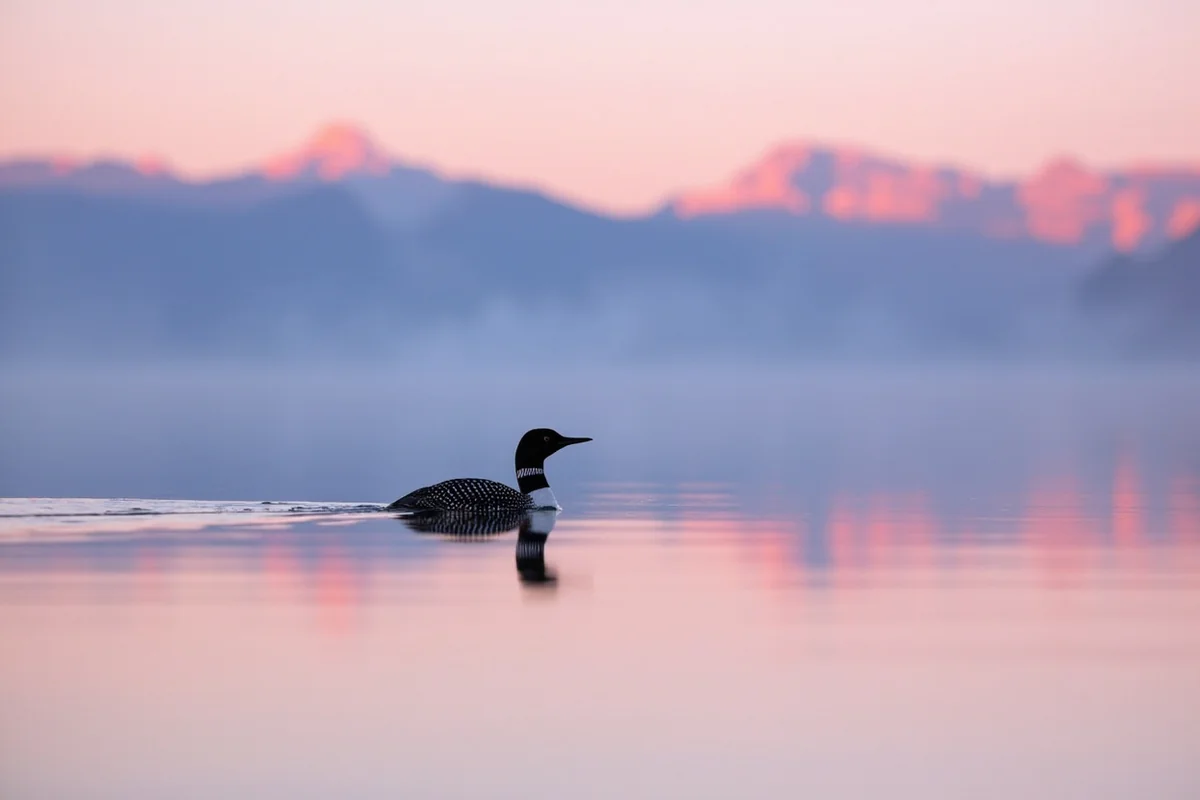
Salmon Lake, alongside Seeley Lake just up the road, ranks among the best places in Montana to observe common loons. These large, shy birds nest here every year and are most visible at dawn and dusk.
Seeley Lake even hosts an annual Spring Loon Festival celebrating the species, and Salmon Lake benefits from the same healthy population without the festival crowds. I’d time an early morning paddle specifically around loon-watching if this interests you — their calls carry beautifully across still water.
Beyond loons, bald eagles, osprey, red-necked grebes, and great blue herons round out a genuinely strong birding lineup here.
Hiking Near Salmon Lake
There’s no major trail directly circling the lake itself, but the surrounding area connects to plenty of nearby options. A 2.3-mile loop trail near the lake offers a moderately challenging hour-long walk, popular with birders and campers looking to stretch their legs.
A separate 5.5-mile out-and-back trail near Seeley Lake leads to a waterfall at its end, an easy route that takes most hikers a couple of hours and works well for dogs, some sections allowing off-leash access.
Seasonal Access
Salmon Lake State Park operates seasonally, generally open through summer until late October. Winter sets in around November and lasts through the end of April, during which the area closes to motorized traffic entirely.
Walk-in, day-use access resumes after April even before the camping season officially opens, though overnight camping isn’t available during that early shoulder window. I’d call ahead or check current park status if you’re planning an off-season visit [verify current seasonal access dates].
Camping at Salmon Lake
The campground includes 23 to 24 sites depending on the season, with flush and vault toilets, showers, fire rings, picnic tables, and drinking water. A hike-bike site accommodates up to 10 tent spaces with its own bicycle rack and bear-resistant food lockers.
RV and trailer units are limited to 25 feet, and stays run up to 14 days within any 30-day period. Given that Salmon Lake and Seeley Lake represent two of the most-visited state parks in the greater Missoula area, I’d book reservations as far ahead as possible for peak summer dates.
What to Pack for a Salmon Lake Trip
Given the lake’s relatively undeveloped shoreline and limited on-site rental infrastructure, I’d pack more self-sufficiently here than at a lake like Flathead or Whitefish. Bring your own kayak, paddle, and life jackets if you have them, since rental options directly at the lake are limited.
Sun protection matters more than you’d expect at this elevation, even though it’s lower than many alpine lakes in this guide. I’ve been surprised by how quickly I’ve burned on a still, clear day out on the open water here.
Wildlife Beyond the Birds
While loons and other birds get most of the attention, the forest surrounding Salmon Lake supports deer, black bears, and occasional moose sightings near the marshy inlets. I’d apply the same standard bear-aware practices here as anywhere else in western Montana’s forested lake country.
Early morning paddles have given me my best wildlife sightings overall, combining the loon activity with a decent chance of spotting deer along the shoreline before the day’s boat traffic picks up. My Montana bear guide covers the specifics worth knowing before any forested lake trip in this part of the state.
A Note on Photography
The combination of still morning water, mountain backdrops on both sides, and reliable loon activity makes Salmon Lake one of my favorite photography stops in the whole Seeley-Swan corridor. I’d prioritize early morning light here over midday, when the flat lighting does the scenery no favors.
A telephoto lens helps considerably if loon photography is part of your goal, since getting close enough for a good shot without disturbing nesting birds requires real reach.
Personal Tips / What I Wish I Knew
Don’t skip this lake just because Seeley Lake is more famous. I genuinely think Salmon Lake offers a more peaceful, less crowded version of the same Seeley-Swan Valley experience.
Go early for loon watching. Dawn consistently offers the best combination of calm water and active loon behavior.
Bring your own kayak or canoe if you have one. The lake’s small size and light boat traffic make it one of the more rewarding paddling spots in this whole guide.
Check seasonal access before a shoulder-season visit. The gap between walk-in access resuming and camping actually opening catches some visitors off guard.
Practical Info: Salmon Lake
| Location | About 30 miles northeast of Missoula, 5 miles south of Seeley Lake |
| Elevation | Roughly 3,900–4,000 feet |
| Day-use fee | Free for Montana residents; ~$5 for non-residents [verify current fee] |
| Camping | 23–24 sites, RV/trailer limit 25 feet, 14-day stay limit |
| Best season | May through September/October |
| Fishing | Kokanee salmon (stocked), plus rainbow, brown, bull, and cutthroat trout |
Frequently Asked Questions
Is Salmon Lake the same as Seeley Lake?
No, they’re separate lakes about 5 miles apart along Highway 83, both part of the same Clearwater River chain of lakes.
Is Salmon Lake good for kayaking?
Yes, it’s considered one of Montana’s more underrated kayaking spots, with calm water and light boat traffic compared to more famous lakes nearby.
Can you see loons at Salmon Lake?
Yes, it’s one of the best places in Montana to observe common loons, especially at dawn and dusk during nesting season.
Is Salmon Lake natural or man-made?
It’s naturally formed, part of the Clearwater River chain of lakes, unlike many of Montana’s larger reservoirs.
When does Salmon Lake State Park close for the season?
The park generally operates through late October, with the area closed to motorized traffic from November through the end of April.
The Broader Clearwater Chain Context
Understanding Salmon Lake’s place in the bigger Clearwater chain helps explain why it feels the way it does. Named north to south, the chain includes Rainy Lake, Lake Alva, Lake Inez, Seeley Lake, and Salmon Lake at the southern end.
Each lake in this chain has developed its own character over time, shaped by proximity to Highway 83 and how much infrastructure has grown up around it. Seeley Lake, being closest to the town of the same name, has absorbed most of the development and tourist attention.
Salmon Lake, positioned at the chain’s southern edge, has stayed comparatively undeveloped despite offering water quality and scenery that genuinely rivals its more famous neighbor.
Water Sports Beyond Kayaking
While I’ve focused mostly on kayaking, Salmon Lake supports a genuinely full range of water-based recreation.
Sailing works well here on breezier days, and I’ve seen waterskiers and wakeboarders using the more open central portion of the lake without conflicting much with quieter paddlers along the shoreline.
The lake’s moderate size strikes a nice balance — big enough for varied activities, small enough that it never feels like you’re competing for space the way busier lakes can.
A Closer Look at the Loon Festival Connection
Seeley Lake’s Spring Loon Festival deserves a bit more context, since it directly relates to why Salmon Lake sees such reliable loon activity.
The festival, held each spring, celebrates the return of nesting loons to this stretch of the Clearwater chain and typically includes guided viewing programs and educational talks about loon conservation.
I’d time a spring visit around this festival if the timing works for your trip, even if you plan to spend most of your actual time at the quieter Salmon Lake rather than the festival grounds itself.
The educational context makes spotting loons on Salmon Lake afterward feel considerably more meaningful.
Comparing a Salmon Lake Day to a Seeley Lake Day
If you’re trying to decide how to split time between the two, I’d suggest this rough framework based on my own repeated visits. Seeley Lake offers more services — restaurants, gear rental, a wider range of lodging — making it the better base if convenience matters most.
Salmon Lake offers more solitude and, in my experience, better wildlife viewing given the lighter foot and boat traffic. I typically base myself in or near Seeley Lake for services and make a dedicated half-day or full-day trip to Salmon Lake specifically for quieter paddling and photography.
Final Thoughts
Salmon Lake proves that some of Montana’s best lakes hide in plain sight, minutes from destinations everyone already knows to visit. If Seeley Lake is on your itinerary, building in an extra hour for Salmon Lake is one of the easiest upgrades you can make to that trip.
For the more famous neighbor just up the road, see my guide to Seeley Lake, or explore Holland Lake further north in the same valley.
If you’re basing your trip out of Missoula, both lakes are an easy drive. For the birding angle specifically, my Montana bird species guide covers what else to watch for, and for outfitted paddling trips, my guided Montana tours guide lists options worth considering.
Check out the complete guide to Montana’s best lakes for the rest of the region.