Someone badly misnamed this river. The Stillwater is one of the fastest, rockiest, least “still” pieces of water I’ve fished anywhere in Montana.
- The Stillwater River runs about 70 miles from the Absaroka-Beartooth Wilderness to the Yellowstone River near Columbus, and despite its name, most of it is fast, boulder-strewn whitewater.
- It’s a genuine blue-ribbon fishery that sees far less pressure than rivers closer to Bozeman or Livingston.
- Deep beneath its valley sits one of only a handful of platinum and palladium mines in the world outside South Africa and Russia — I promised to cover this in our Boulder River guide, and I’m delivering on that here.
- I’ll walk through the fishing, floating, and whitewater section by section, plus correct a factual mix-up I found on a competing site.
Liked this article?
Add Roaming Montana as a preferred source so you see more of our articles and guides on Google.
A Name That Lies
I’ve heard more than one local angler joke that whoever named the Stillwater River had a strange sense of humor. It’s a fair joke. This river spends more of its length as whitewater than as anything resembling still water.
The Stillwater rises high in the Absaroka-Beartooth Wilderness near the Wyoming line, close enough to Yellowstone National Park’s boundary that its headwaters feel like a genuine extension of that ecosystem.
From there it drops through more than 20 miles of wilderness canyon, exits near the tiny community of Nye, continues past Absarokee, and finally meets the Yellowstone River near Columbus.
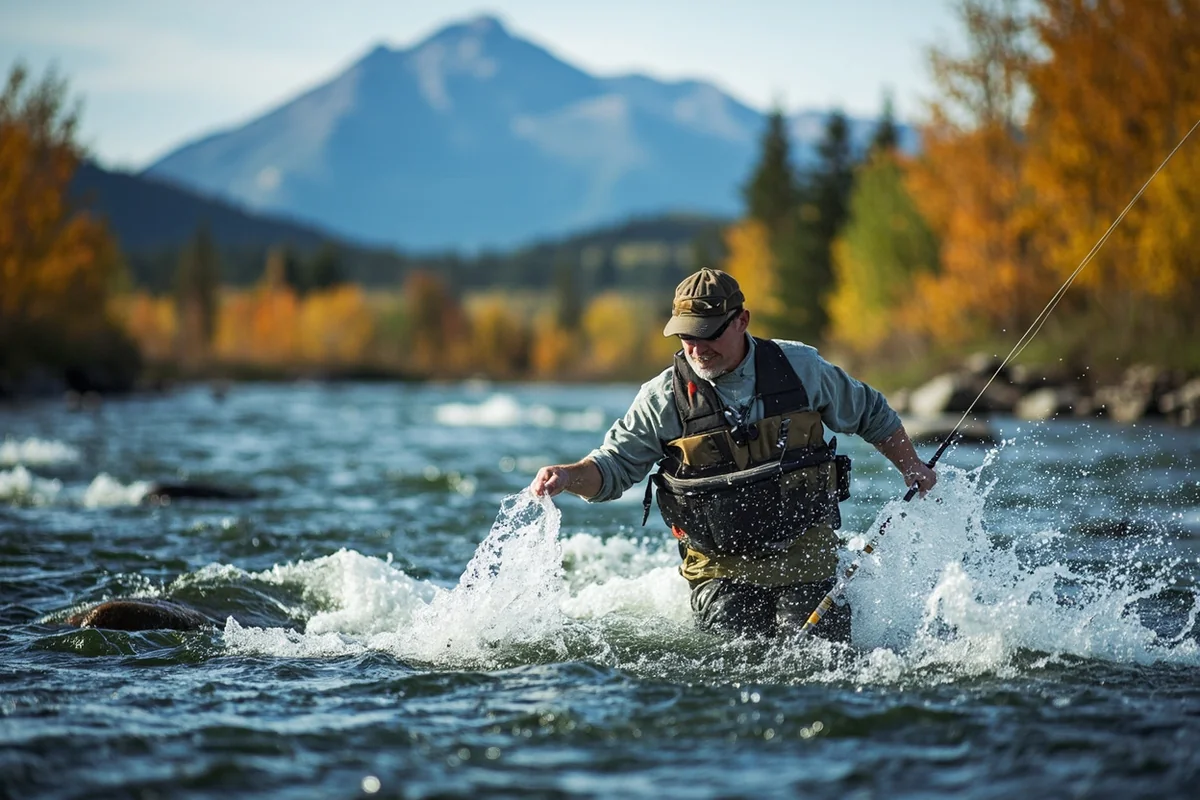
I fished a stretch below Absarokee on a September afternoon a few years back, and even there — well past the wildest whitewater upstream — the current never really let up.
It’s the kind of river that keeps you honest about your footing the entire day. I remember losing my balance twice in the same pool, laughing both times, before finally settling into the rhythm the Stillwater demands: short, deliberate steps, and a healthy respect for every rock underfoot.
What makes this river worth your time isn’t just the fishing, though that’s genuinely excellent. It’s the fact that the Stillwater manages to feel remote and lightly used despite sitting less than an hour from Billings, Montana’s largest city. Very few rivers this accessible still feel this uncrowded.
Fishing the Stillwater, Section by Section
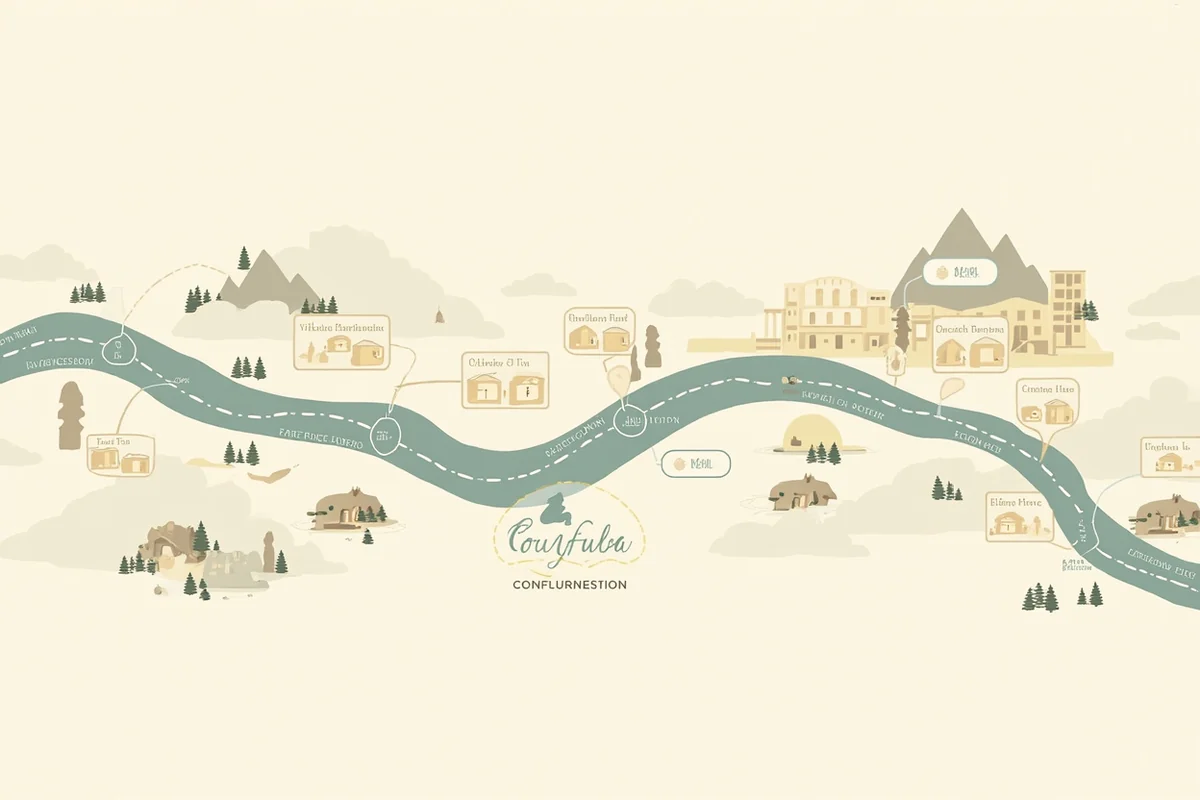
The wilderness headwaters. Above Nye, the river runs through more than 20 miles of genuine Absaroka-Beartooth Wilderness, with whitewater ranging from Class III to Class V depending on flow. This stretch holds small, eager cutthroat, rainbow, and brook trout that rarely see a fly. Reaching it requires a hike or horseback ride, but the fish here aren’t picky — a good drag-free drift with almost any attractor pattern will usually produce.
Nye to Absarokee. As the river leaves the wilderness, it slows just slightly and flows past Nye through mostly private land, though three solid fishing access sites keep it legally reachable. The water here is exceptionally clear, fed by Beartooth snowmelt, and it stays that way even when other Montana rivers are still murky with runoff.
Absarokee to Columbus. This lower stretch is where the Stillwater earns its reputation as one of the state’s most underrated blue-ribbon fisheries. Rainbow trout dominate the faster riffles, browns hold in the deeper water, and the river sees noticeably less pressure than water closer to Bozeman or Livingston, despite being only about 40 miles from Billings. Below the confluence with the Rosebud, the river picks up more volume and a bit of color, and by fall, browns migrating up from the Yellowstone to spawn add a real shot at bigger fish.
Caddis hatches are reliable most evenings below Nye through summer, and the Stillwater has a well-earned reputation as a strong dry fly river throughout its lower stretches.
Rainbows here tend to be scrappy and full-bodied rather than enormous, which honestly makes for a more satisfying fight per fish than some of the state’s more famous, more heavily pressured water.
For more on the native cutthroat you’ll find in its upper reaches, see our Montana state fish page.
Whitewater and Floating
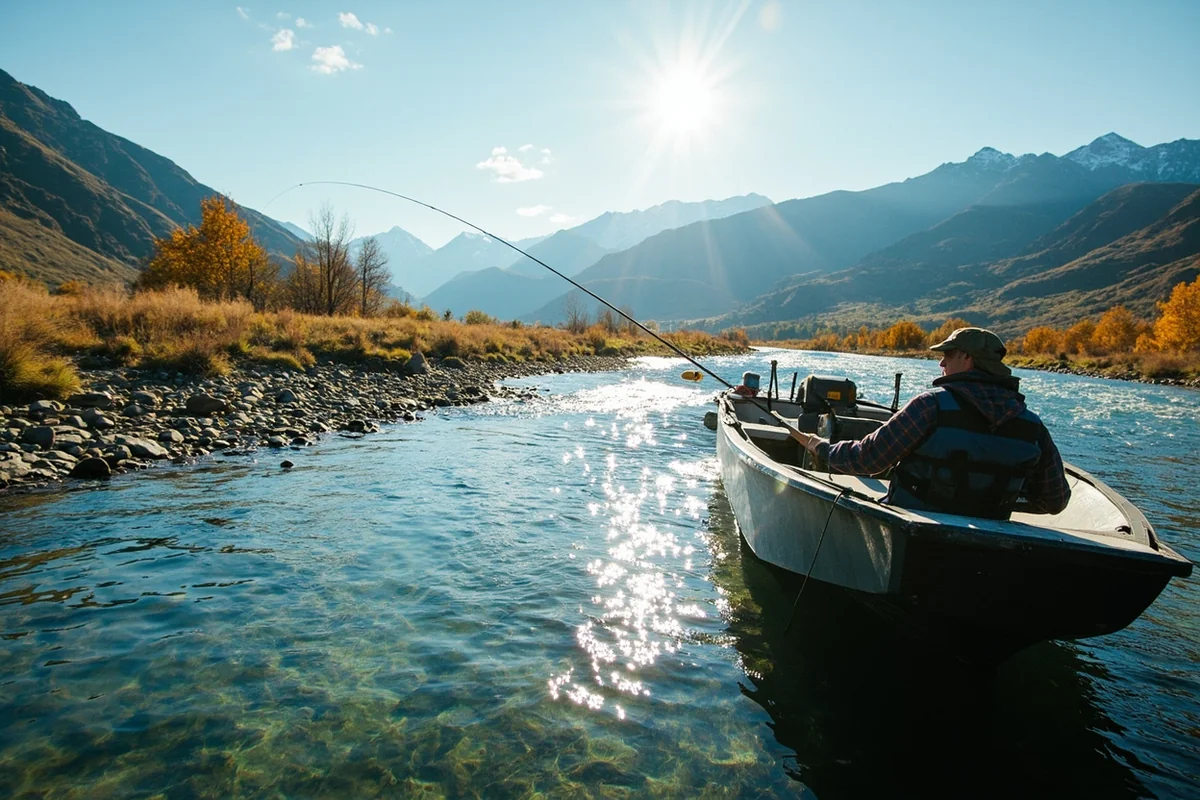
This is genuinely not a casual float-fishing river for most of its length. The wilderness section above Nye holds serious Class III to V whitewater depending on flow, and I wouldn’t recommend it to anyone without real technical paddling experience.
Below Absarokee, several commercial whitewater outfitters run guided trips through Class II and III water down to Fireman’s Point, and this stretch is genuinely popular with families and first-time rafters during the warmer months.
One local tradition worth knowing about: near Columbus, a rock wall along the river creates a natural cliff-jumping spot, roughly 10 feet above the water, that guided trips often include as part of the fun.
Flows matter enormously here. Above roughly 3,000 cubic feet per second, the river becomes unsafe to float except in a whitewater kayak.
Between 800 and 2,000 cfs, the entire river from top to bottom becomes floatable and productive for fishing. If you’re planning your own trip rather than going guided, check current gauge readings near Absarokee before you commit to a put-in.
I’d also flag that the stretch just below the Rosebud confluence deserves extra attention. The added volume from that tributary genuinely changes the river’s character within the space of a few hundred yards — what was clear, technical pocket water upstream becomes noticeably bigger and slightly more colored, which shifts both the fishing tactics and the whitewater difficulty.
I’ve found it worth treating the river above and below this confluence as two genuinely different floats rather than one continuous trip, especially if you’re trying to match your skill level to conditions.
Wildlife sightings are common along the lower float, including bald eagles, great blue herons, and both white-tailed and mule deer — see our Montana osprey page for more on the raptors you’re likely to spot overhead, and our Montana otters page if you catch a glimpse of one in a quieter pool.
The Mine Beneath the Mountains
I promised in our Boulder River guide that I’d cover this in more depth here, so let’s get into it.
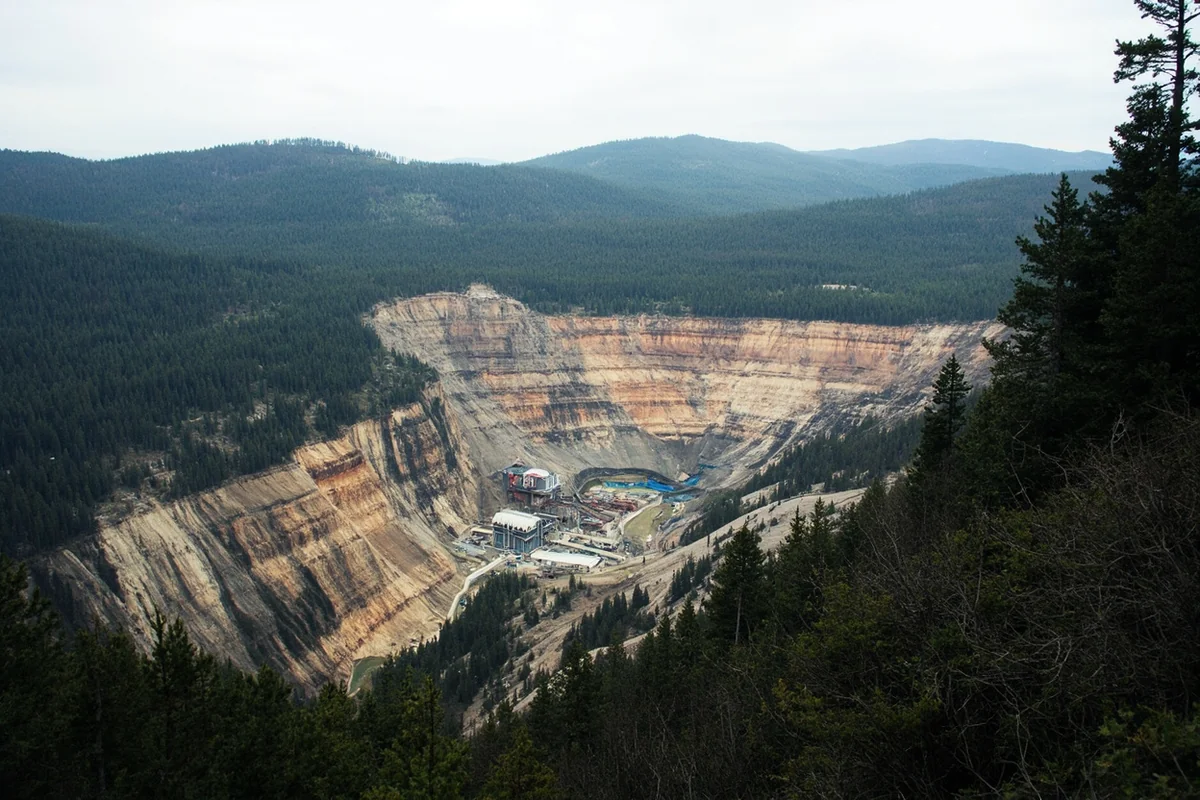
Deep beneath the Stillwater Valley near Nye sits the Stillwater Mine, one of only a small handful of operations in the entire world producing platinum and palladium outside South Africa and Russia.
The deposit here, known as the J-M Reef, was first prospected in the 1880s by miners chasing gold, copper, and nickel, but its true platinum-group potential wasn’t seriously explored until the early 1970s. Commercial mining began in 1986, with the operation officially dedicated in August 1987.
The scale of this operation is genuinely hard to picture from the surface. Miners work more than a mile underground, drilling directly into ancient igneous rock that formed as part of the same geological complex responsible for much of the Beartooth Mountains themselves.
The ore is ground down to the consistency of sugar and processed at a smelter and refinery in Columbus — the same small town where the Stillwater River meets the Yellowstone.
In 2017, the mine’s owner, Stillwater Mining Company, was acquired by the South African firm Sibanye Gold for $2.2 billion, and the operation now goes by Sibanye-Stillwater.
Combined with its sister operation at the East Boulder Mine — connected underground along the same 28-mile ore deposit I covered in our Boulder River guide — these two mines remain the primary domestic U.S. source of metals used in jewelry, catalytic converters, dental alloys, and electronics.
It’s a strange thing to consider while standing in a drift boat surrounded by nothing but wilderness scenery: some of the platinum in your car’s catalytic converter may have come from directly beneath your feet.
I think it’s worth acknowledging the tension here too. This operation sits within a landscape most visitors experience as pristine wilderness, and balancing an active industrial mine against a blue-ribbon trout fishery and a national forest boundary hasn’t always been simple.
The mine has operated under strict environmental compliance and reclamation bonding requirements since its earliest years specifically because of its location in this valley, and it’s a genuinely interesting case study in how Montana has tried to manage resource extraction alongside recreation and conservation in the same watershed.
Correcting the Record: Which River Is Actually Undammed?
While researching this guide, I came across a fishing lodge’s website describing the Stillwater as “Montana’s longest undammed river.” That’s simply not accurate, and I want to set the record straight since it’s an easy mix-up to make.
That distinction actually belongs to the Yellowstone River, which I’ve covered in detail in our Yellowstone River guide — it holds the title of the longest undammed river in the contiguous United States, not just Montana.
The Stillwater is a wonderful, lightly pressured fishery in its own right, but it doesn’t need a borrowed superlative to earn its place on this list.
Making Your Base Camp: Absarokee and Columbus
Absarokee sits roughly in the middle of the river’s floatable stretch and makes a convenient, low-key base for a multi-day fishing trip.
Columbus, at the river’s confluence with the Yellowstone, offers a bit more in the way of services and makes sense if you’re combining a Stillwater trip with time on the Yellowstone itself.
Personal Tips / What I Wish I Knew
Bring genuinely good wading boots. The Stillwater’s rocks are loose, slick, and constant. I’ve watched more than one angler take an unexpected swim here simply from underestimating the footing.
Check the gauge near Absarokee before committing to a float plan. This river’s floatability swings dramatically with flow, and what’s a pleasant afternoon at 1,500 cfs becomes genuinely hazardous above 3,000. I check gauge readings the morning of any trip here, not the night before, since conditions can shift overnight during peak snowmelt.
Don’t skip the wilderness headwaters if you’re up for the hike. The fish are small, but the solitude and scenery above Nye are hard to match anywhere else covered in this series. This is also genuine grizzly country bordering the Absaroka-Beartooth Wilderness, so review our Montana bear guide before heading in.
Time evening trips around the caddis hatch below Nye. It’s one of the most reliable dry fly windows I’ve found on any river in this region.
Respect private land between Nye and Absarokee. Much of this stretch runs through private property, so plan your access around the designated fishing access sites rather than assuming open banks. Montana’s Stream Access Law still applies below the high-water mark, but landowners here are used to seeing far fewer visitors than on more famous rivers, so extra courtesy goes a long way.
Practical Info: Stillwater River at a Glance
| Section | Best For | Difficulty | Notes |
|---|---|---|---|
| Wilderness headwaters (above Nye) | Remote wade fishing | Class III–V whitewater | Hike or horseback access only |
| Nye to Absarokee | Wade and float fishing | Moderate | Mostly private land, three access sites |
| Absarokee to Columbus | Floating, fishing, cliff jumping | Class II–III | Most popular guided stretch |
[Verify current river flows at the Absarokee gauge and any outfitter permit requirements before planning your trip.]
Final Thoughts
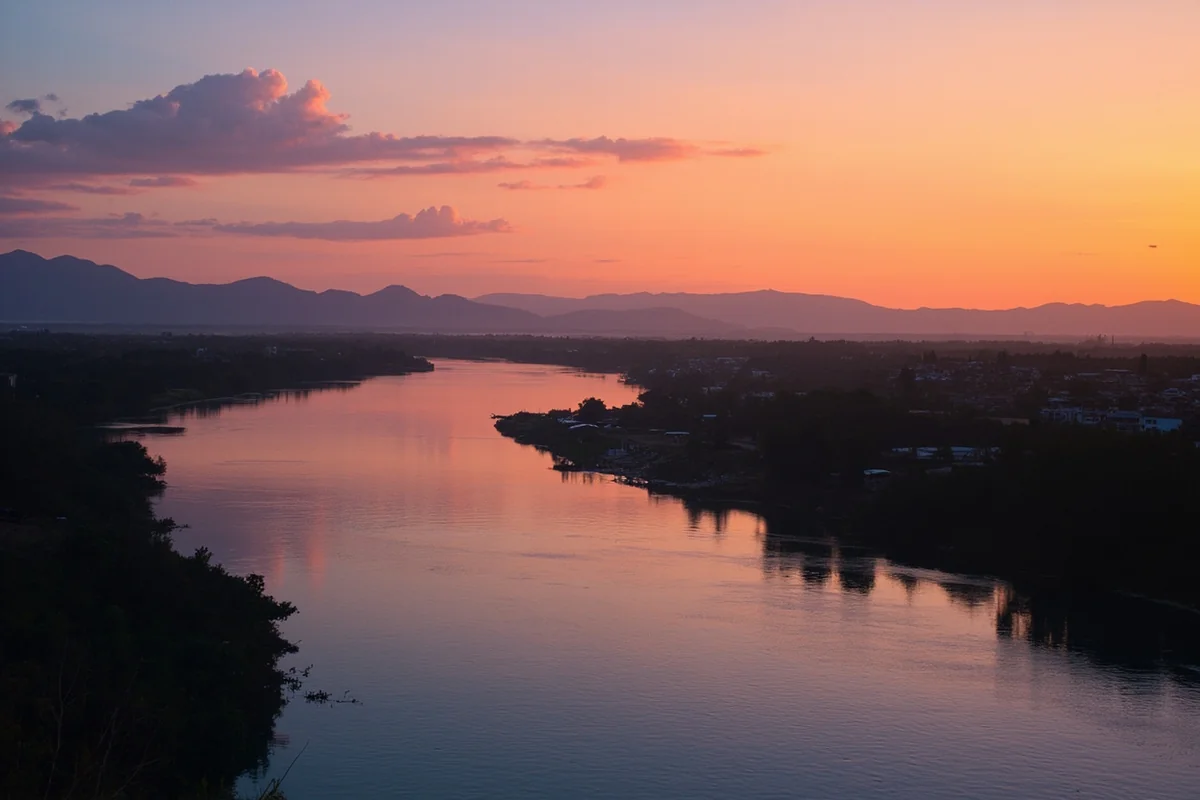
The Stillwater rewards anyone willing to look past its misleading name and take its whitewater seriously — a genuinely underrated fishery, a fun family-friendly float near Columbus, and, quietly, one of the only sources of platinum on the planet running directly beneath the riverbed.
It’s the kind of river that doesn’t announce itself the way the Madison or the Yellowstone does, and I think that’s exactly why it’s worth your time.
For how the Stillwater fits alongside the rest of the state’s best rivers, check out our full guide to the best rivers in Montana.
Pin this guide before your trip, and let me know in the comments if you’ve felt that current try to knock you off your feet.