Nobody agrees on how Swan Lake got its name. I’ve heard three different stories from three different locals, and I’ve stopped trying to pick a winner.
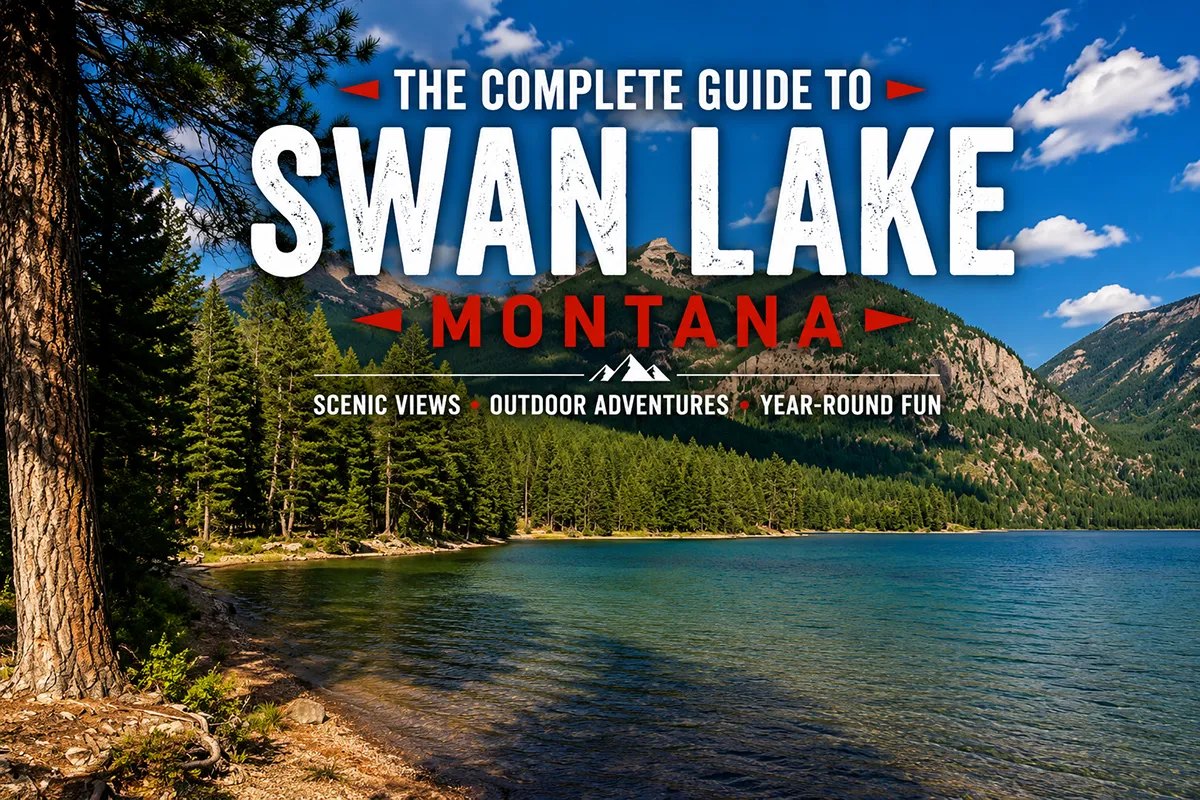
Swan Lake sits at the north end of the Seeley-Swan Valley, about 26 miles from Kalispell, bordered by the Swan Range and close to the Bob Marshall Wilderness. This guide covers the day-use area, camping, fishing, the nearby wildlife refuge, and why this quiet lake is worth a stop even if you’re just passing through on Highway 83.
Liked this article?
Add Roaming Montana as a preferred source so you see more of our articles and guides on Google.
Where the Name Comes From (Nobody Really Knows)
Ask around Swan Lake long enough and you’ll hear three competing explanations. Some say it’s named for the trumpeter swans that historically populated the area.
Others insist it’s named after Emmett Swan, an early resident of the settlement. Still others say it simply comes from the mountains rising to the east — the Swan Range.
I like that nobody’s fully settled this. It fits a place that’s never tried too hard to be famous.
A Logging Camp That Slowed Down
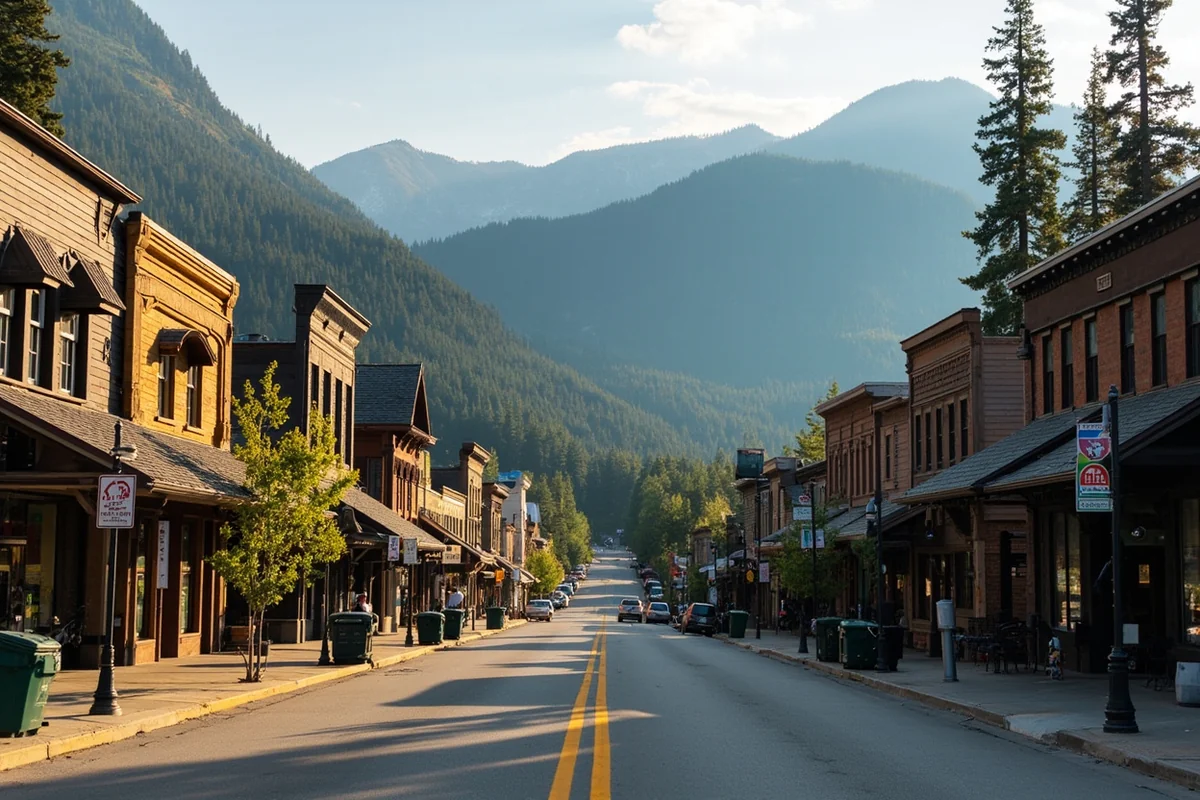
The small, unincorporated community of Swan Lake started as a logging camp in the early 1900s, cutting timber for the Great Northern Railroad. That working history still shapes the place.
It’s quiet here in a way that feels earned rather than manufactured. The town today runs on outdoor recreation — fishing, hiking, birding, and in winter, backcountry skiing and dog sledding.
Swan Lake by the Numbers
The lake itself runs almost 10 miles long and about a mile wide. It sits in the Flathead National Forest, which covers roughly 2.5 million acres across this part of northwest Montana.
Highway 83 brings you into the lake’s southern end. From Bigfork, take State Route 209 east for about 5 miles, then turn onto Highway 83 for another 10 miles or so to reach the day-use area and campground signs.
The Day-Use Area
This is where most day visitors end up. A small beach, boat ramp, picnic tables, and fire rings make it an easy stop for a few hours.
There’s a $5 day-use fee, usually collected on entry. Restrooms, potable water, and trash service round out the amenities [verify current fee amount].
I’ve stopped here for lunch on the way through the valley more times than I can count. It’s never crowded the way Flathead Lake gets in July.
Camping at Swan Lake
The campground sits across Highway 83 from the day-use area, which means no true lakeside sites here. Don’t let that put you off — you’re still deep in Flathead National Forest scenery either way.
Two loops make up the campground. Ponderosa Loop has larger, more open sites. Birch Loop offers smaller, shadier spots if you’d rather stay out of direct sun.
Thirty-eight sites total, with 24 reservable up to six months ahead and 14 held for first-come, first-served visitors. The stay limit runs 16 consecutive days.
Fishing Swan Lake
The lake’s clear water holds kokanee salmon, rainbow trout, westslope cutthroat, bull trout, northern pike, and yellow perch. That’s a genuinely good mix for a lake this size.
You’ll need a Montana fishing license, available online through Fish, Wildlife and Parks or in person at the Swan Lake Trading Post in town.
Hiking Near Swan Lake
The Sprunger-Whitney Nature Trail offers an easy, interpretive 2.1-mile loop with signs identifying local plants and features. I’d send families here first.
For more of a workout, the Bond Creek Trail runs a demanding 14 miles round trip with roughly 2,500 feet of elevation gain, starting from a trailhead on Highway 83 near milepost 71. Most hikers stop at Bond Lake, though pushing on to the quieter Trinkus Lake rewards the extra effort.
North of here near Bigfork, the Jewel Basin Hiking Area packs over 13,000 acres of alpine lakes and trails into a compact, spectacular chunk of the Swan Range. I’d budget a full separate day for Jewel Basin if you can.
Swan River National Wildlife Refuge
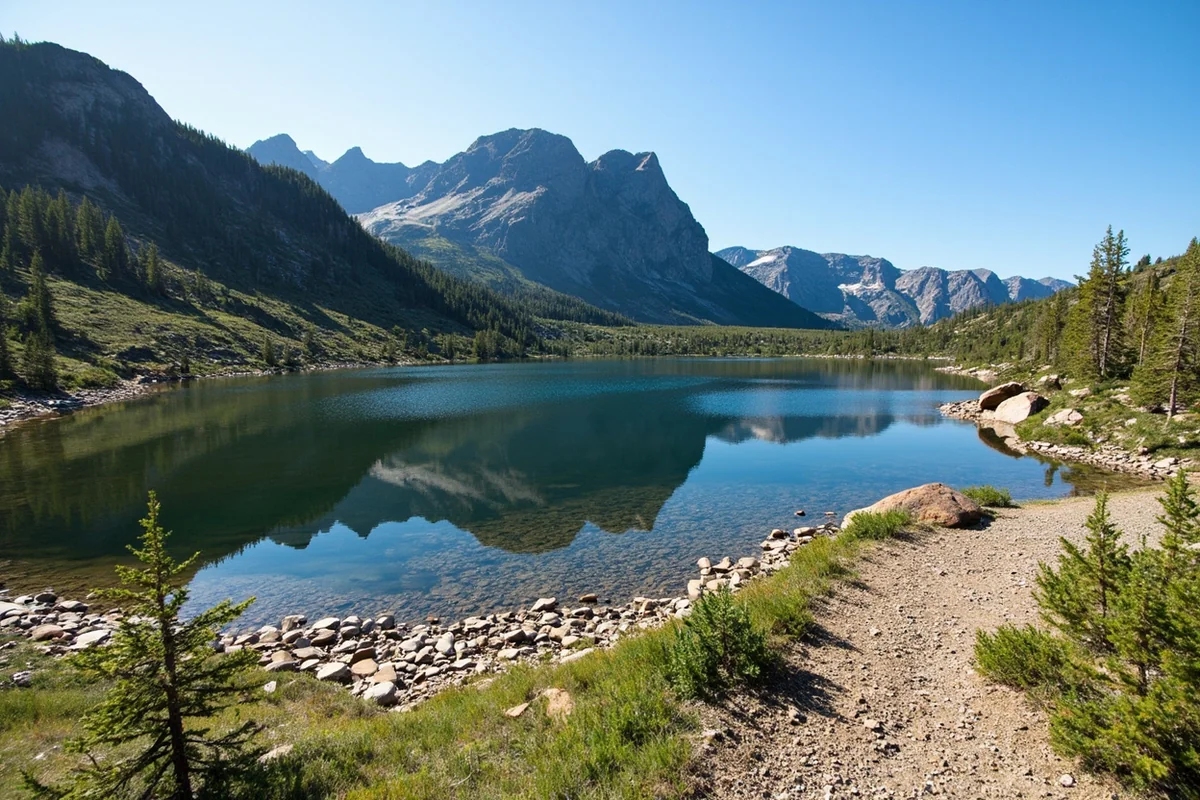
About a mile from the campground, this refuge protects more than 1,700 acres of floodplain habitat for nesting and migrating birds. A dedicated wildlife and bird observation area makes this easy to explore without a long hike.
I’ve spent a quiet hour here in late spring and counted more bird species than I expected for such a small stop.
Winter at Swan Lake: Wild Ice
This is the part of Swan Lake’s story that almost never makes it into standard travel guides. When conditions align — a hard freeze before heavy snow — the lake’s surface turns into what locals call wild ice.
I’ve talked with residents who describe skating for miles down the frozen lake on a still, windless day, the only sound being the scrape of blades and the occasional pop and crack of expanding ice. It’s not something you can plan around precisely, since it depends entirely on that narrow weather window.
If you’re a winter visitor to this region and conditions cooperate, ask locally about ice conditions.
It’s a genuinely unique experience you won’t find advertised anywhere official — for more on what else the season brings to this part of Montana, see my Montana in winter guide, and for outfitted options nearby, check my guided Montana tours guide.
Getting to Swan Lake From Different Directions
Most visitors approach from Kalispell, about 26 miles north via Highway 83. It’s a straightforward drive that most rental cars handle without any issue.
Coming from Missoula, the drive runs closer to 110 miles, mostly along Highway 83 through the full length of the Seeley-Swan Valley. I’ve made this drive as a day trip from Missoula before, though it makes for a long day if you want real time at the lake itself.
From Glacier National Park’s west entrance, Swan Lake sits roughly 57 miles south, making it a reasonable stop if you’re continuing on toward Missoula or the Bitterroot Valley after a Glacier visit.
A Working Landscape, Not a Resort Town
One thing I appreciate about Swan Lake is how little it’s been dressed up for tourists. There’s no strip of souvenir shops or resort development crowding the shoreline.
The Swan Lake Community Center, next to the fire hall, still functions as the actual social hub for residents, not a tourist attraction. Local events like the end-of-summer pancake breakfast in late August feel genuinely community-oriented rather than staged for visitors.
I think this matters for the kind of traveler this guide is written for. If you want a lake that still feels like a real place rather than a manufactured destination, Swan Lake delivers that in a way some more developed Montana lakes no longer can.
Combining Swan Lake With a Bigger Glacier Country Itinerary
Given its location roughly halfway between Missoula and Glacier National Park, Swan Lake fits naturally into a longer Glacier Country road trip. I’ve used it as a lunch stop and short hike on the way north from Missoula more than once.
If you’re building a multi-day itinerary through this region, I’d pencil in half a day here rather than treating it as a five-minute photo stop. The nature trail alone justifies that much time, and the day-use area makes a genuinely pleasant lunch spot.
Personal Tips / What I Wish I Knew
Bring cash for the day-use fee. I’ve shown up without it before and had to backtrack to an ATM in Bigfork.
Combine this with Holland Lake or Seeley Lake. All three sit along Highway 83 within a manageable drive of each other, and each has a different personality.
Check horseback riding options if you want a different perspective. Swan Mountain Outfitters runs rides in the area, and seeing these mountains from a horse changes the whole scale of the place.
Don’t skip the wildlife refuge just because it’s small. Some of my best casual birding in Montana has happened in exactly this kind of modest, overlooked spot. I’ve counted more species in a quiet hour here than on entire mornings spent at bigger, more famous refuges elsewhere in the state.
Practical Info: Swan Lake
| Lake size | Almost 10 miles long, about 1 mile wide |
| Location | Northern Seeley-Swan Valley, about 26 miles from Kalispell |
| Day-use fee | Approximately $5 [verify current fee] |
| Camping | 38 sites across two loops, 24 reservable, stay limit 16 days |
| Fishing license | Standard Montana state license |
| Nearby refuge | Swan River National Wildlife Refuge, about 1 mile from camp |
Frequently Asked Questions
Where does Swan Lake get its name?
There are three competing local stories — trumpeter swans, an early resident named Emmett Swan, or the nearby Swan Range mountains. No single explanation has ever been settled.
Is there lakeside camping at Swan Lake?
The campground sits across Highway 83 from the lake itself, so there’s no true lakeside camping, though the day-use area right on the water is a short drive away.
What fish are in Swan Lake?
Kokanee salmon, rainbow trout, westslope cutthroat, bull trout, northern pike, and yellow perch.
How far is Swan Lake from Glacier National Park?
About 57 miles to West Glacier, making it a feasible day trip or a good stop on the way into the park.
Can you ice skate on Swan Lake?
Yes, when conditions produce clear “wild ice” before heavy snowfall — a locally known but not officially advertised winter activity.
Swan Lake’s Place in the Bigger Valley
The Seeley-Swan Valley runs roughly 90 miles between Seeley Lake to the south and Bigfork to the north. Swan Lake anchors the northern end of that corridor.
I think of this valley as three distinct chapters. Seeley Lake is the busiest and most developed. Holland Lake is the dramatic middle chapter, framed by the Swan Range rising straight from the water. Swan Lake is the quiet finale before you drop into the Flathead Valley.
Each has its own personality, and I’d resist the urge to rush through all three in one day. Give Swan Lake at least a half day if you can.
The Bob Marshall Wilderness Connection
Swan Lake sits close enough to the Bob Marshall Wilderness Complex that it functions as one of several gateway points into “the Bob.” This is one of the largest roadless wilderness areas in the continental United States.
I haven’t personally done a multi-day trip into the Bob from this specific access point, but I’ve talked with outfitters based in the valley who run pack trips regularly. If a serious backcountry trip is part of your bigger Montana plans, this valley is worth researching as a starting point.
Seasonal Character: A Lake for Every Time of Year
Summer brings the expected crowd of anglers, campers, and day-trippers to the beach and boat ramp. It’s busy by local standards, though never remotely close to Flathead Lake’s peak-season traffic.
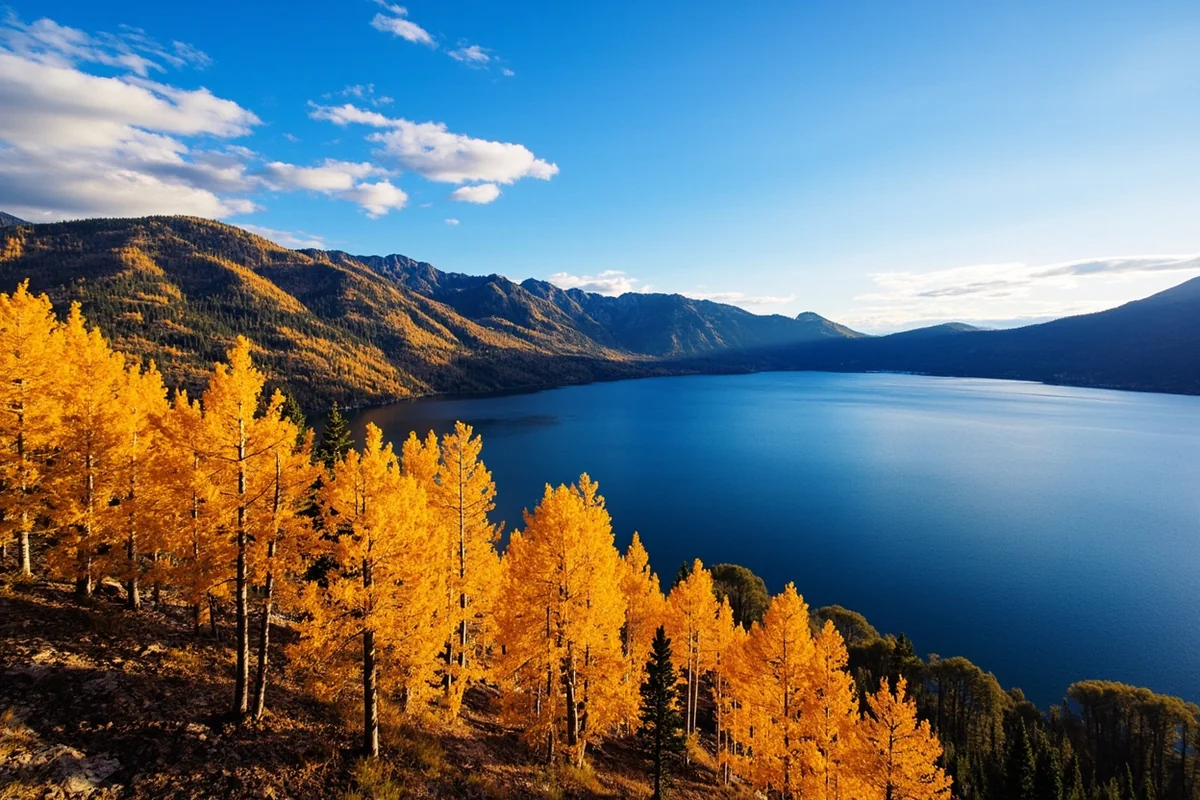
Fall transforms the valley. Larch trees along the Swan Range turn gold by late September, and I’ve had entire stretches of the day-use area to myself on weekday visits during this window.
Winter, as I mentioned above, occasionally delivers that rare wild-ice skating window. Even without perfect ice conditions, the valley supports backcountry skiing and dog sledding for visitors equipped for winter recreation.
Spring brings runoff-swollen creeks feeding into the lake and some of the best birding conditions of the year, as migratory species pass through the wildlife refuge.
Final Thoughts
Swan Lake doesn’t try to compete with Flathead Lake or Glacier’s postcard lakes, and that’s exactly its appeal. It’s the kind of stop that rewards slowing down on Highway 83 rather than treating the drive as something to get through.
I’ve driven this valley more times than I can count now, and Swan Lake is still the stop I look forward to most.
There’s something genuinely restorative about a place that hasn’t tried too hard to impress anyone, season after season, year after year. I plan to keep coming back long after I’ve written up every other lake on this list.
For more of the Seeley-Swan corridor, see my guide to Holland Lake, or continue south to my guide for Seeley Lake. If you’re staying in Bigfork, both lakes are an easy drive from town.
For the winter angle on this whole region, see my Montana in winter guide, and for birding specifically, my Montana bird species guide covers what to look for at the refuge.
Check out the complete guide to Montana’s best lakes for the rest of the region.