I’ve caught bigger trout at a lake most Glacier-bound travelers drive straight past than I have anywhere inside the park itself.
- Duck Lake sits on the Blackfeet Reservation near Babb, just east of Glacier National Park’s boundary
- It’s one of the best big-fish lakes in Montana, with an average trout size around 8 pounds — rainbow, brown, bull trout, and westslope cutthroat all swim here
- This guide covers the tribal permit you’ll need, boat access, seasonal timing, and why this lake belongs on any serious Montana lakes list despite being technically outside the park
- A separate tribal fishing permit is required here, and it is not the same as a standard Montana state license
Liked this article?
Add Roaming Montana as a preferred source so you see more of our articles and guides on Google.
Not a Park Lake, But It Belongs on This List
Every other lake in Glacier country covered in this guide sits inside Glacier National Park itself. Duck Lake doesn’t, and I want to be upfront about that before anything else.
It sits on the Blackfeet Reservation, just east of the park boundary near Babb. I’ve included it anyway because it would be a genuine disservice to any serious Montana angler to leave it off a list like this one — the fish here are bigger, on average, than almost anywhere else I’ve cast a line in this state.
Why the Fish Run So Big
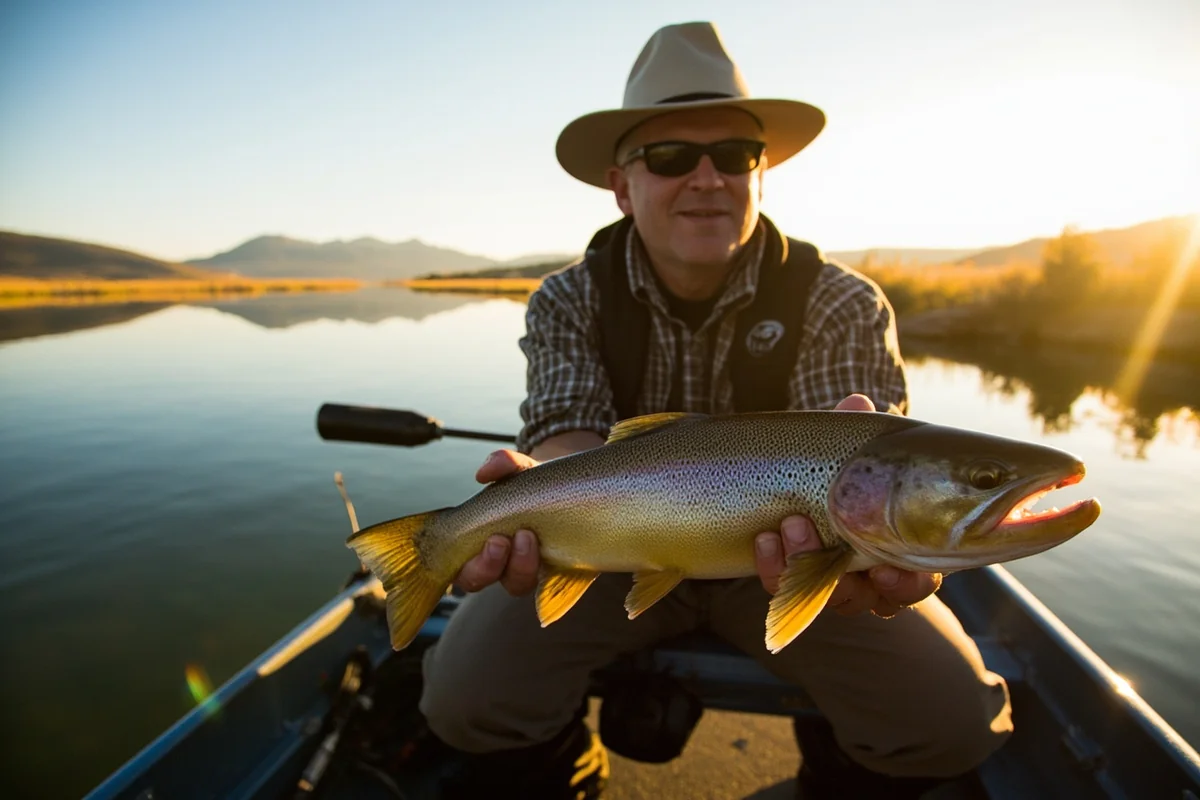
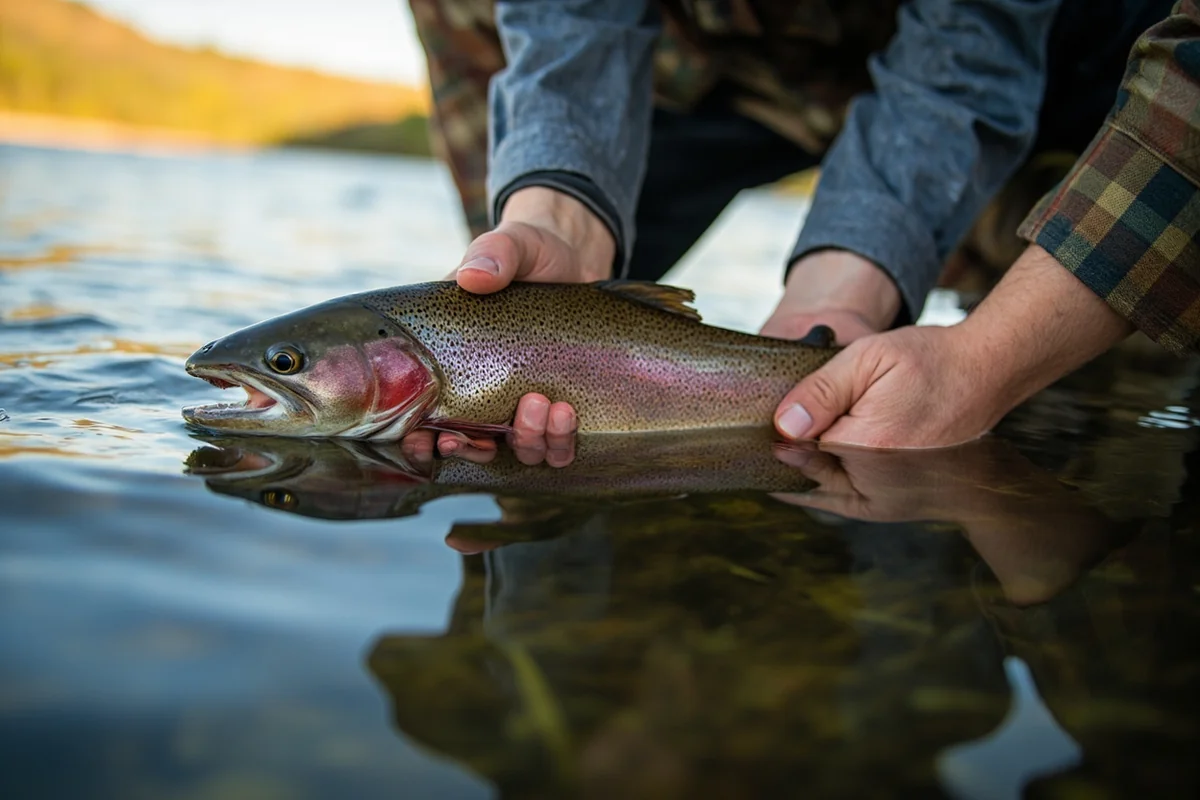
Duck Lake has built its reputation on size, not just numbers. The average trout caught here runs around 8 pounds, which is a genuinely remarkable statistic for a lake this accessible.
Rainbow trout, brown trout, bull trout, and westslope cutthroat all live in these waters, giving anglers real variety alongside that trophy-size reputation.
I’ve talked with longtime local guides who credit the lake’s rich nutrient base and relatively light historical fishing pressure compared to the park’s more famous waters just a few miles away.
I hooked a rainbow here on a whim one September afternoon that fought harder and longer than anything I’ve landed inside Glacier itself, and I’ve been coming back specifically for that reason ever since.
The Tribal Permit You’ll Actually Need
This is the single most important practical detail in this entire post, so I’ll say it as directly as I can: a standard Montana fishing license does not cover Duck Lake. You need a separate tribal fishing permit from the Blackfeet Nation.
I’ve seen out-of-state anglers show up with a valid Montana license, assuming it would cover them here simply because the lake sits so close to the park boundary, and be turned away or fined as a result.
I’d treat this as non-negotiable — check current tribal permit requirements and fees before you go, and purchase your permit through the appropriate Blackfeet Nation office or authorized vendor well ahead of your visit [verify current tribal fishing permit requirements and fees].
Permit vendors are typically available in Babb and Browning, and I’d sort this out before you arrive at the lake itself rather than hoping to find a vendor open once you’re already there.
Getting to Duck Lake
From the town of Babb, Duck Lake sits a short drive east on local roads branching off Highway 89. I’d budget extra time if you’re not familiar with the reservation’s road network, since signage can be sparser here than on state highways.
Given its proximity to Babb and the park’s Many Glacier entrance, I’ve folded a stop here into bigger Glacier trips more than once — either as a detour on the way in, or a dedicated half-day specifically built around fishing rather than hiking.
Boating and Access
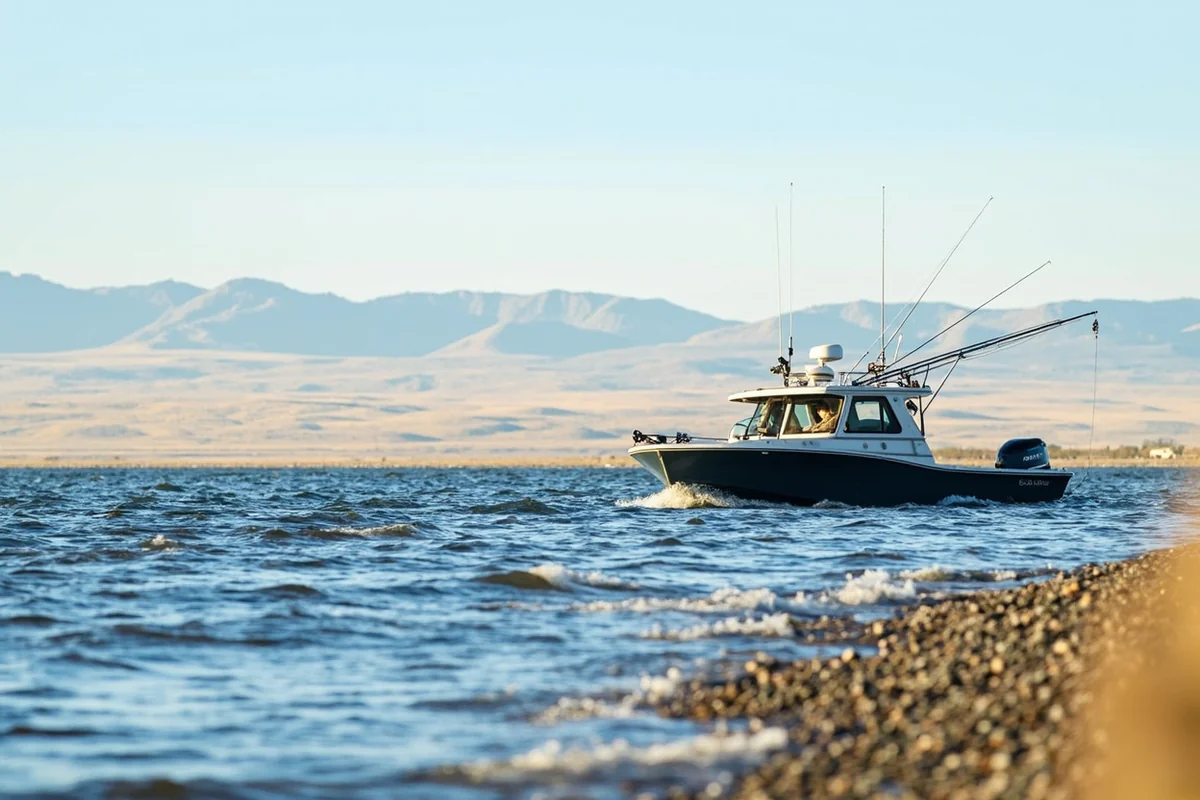
Duck Lake supports both boat and shore fishing, and I’d lean toward bringing a boat if you’re serious about targeting the lake’s biggest fish, since much of the best structure sits away from the immediate shoreline.
That said, I’ve had solid luck casting from shore in the right conditions, particularly early morning before wind picks up across the open water.
The lake’s exposed, prairie-adjacent setting means wind is a real factor here, similar to some of the Hi-Line reservoirs further north and east. I’d check conditions before committing to a small, less stable craft.
The Blackfeet Nation Context
Fishing Duck Lake means fishing on Blackfeet Reservation land, and I think that context matters beyond just the permit requirement. The Blackfeet Nation has called this region home for generations, and the reservation borders some of Glacier National Park’s most iconic terrain along its eastern edge.
I’d encourage visitors to treat a trip here with the same respect you’d bring to any host community — stick to public access points, follow posted tribal regulations, and support local businesses in Babb and Browning where you can.
A stop at a tribally-owned outfitter or gas station does more for the local economy than a quick pass-through ever will.
Best Time to Fish Duck Lake
I’d point most anglers toward late spring through early fall, avoiding the harshest winter stretches when access and conditions both become considerably more difficult.
That said, ice fishing does happen here among locals who know the lake well, and I’d only attempt it myself with someone experienced along, given the lake’s exposed setting and genuinely cold winters this close to the Rocky Mountain Front.
Early morning and evening consistently produce better results than midday, especially once summer heat sets in and fish move to deeper, cooler water.
Comparing Duck Lake to Glacier’s Lakes
I get asked often whether Duck Lake or one of Glacier’s famous lakes deserves priority on a limited schedule. My honest answer: they’re not really competing for the same purpose.
St. Mary Lake and Two Medicine Lake offer scenery, hiking, and boat tours within the park’s protected, developed infrastructure. Duck Lake offers a genuine shot at the biggest trout you’ll catch anywhere in this part of the state, with none of the park’s crowds or entrance fees, but also none of its visitor services.
I’d pick Duck Lake specifically when serious fishing is the actual goal of the day, and the park’s lakes when scenery and accessibility matter more than trophy fish.
A Word on Timing Your Trip Around Fishing Reports
I’d genuinely recommend checking current fishing reports before making the drive out here, rather than relying on general seasonal advice alone.
Conditions on a lake this exposed to wind and weather can shift meaningfully week to week, and a quick call to a permit vendor in Babb often turns up more current, useful information than anything I could put in a general guide like this one.
I’ve had trips here that were outstanding and trips that were genuinely slow, and the difference usually came down to timing details I could have checked ahead of time if I’d bothered to ask around first before making the drive.
Personal Tips / What I Wish I Knew
Sort out your tribal permit before you arrive. I can’t overstate this — don’t assume your Montana state license covers you here, and don’t assume you’ll find a vendor open once you’re at the lake.
Bring a boat if trophy fish are your priority. Shore fishing works, but the biggest, most consistent action tends to happen further from the bank.
Check wind conditions before heading out. This lake’s exposed setting means calm mornings can turn genuinely choppy by afternoon with little warning.
Support local Babb and Browning businesses on your way through. A permit purchase or fuel stop at a tribally-owned business is a small, easy way to make your visit a two-way benefit rather than a pure extraction.
Practical Info: Duck Lake
| Location | Blackfeet Reservation, near Babb, just east of Glacier National Park |
| Average trout size | Approximately 8 pounds |
| Fish species | Rainbow trout, brown trout, bull trout, westslope cutthroat |
| Fishing permit | Blackfeet Nation tribal permit required — NOT covered by standard Montana license [verify current fees and requirements] |
| Best season | Late spring through early fall; ice fishing in winter for experienced locals |
| Access | Both boat and shore fishing supported |
Frequently Asked Questions
Do I need a Montana state fishing license for Duck Lake?
No, a standard Montana license does not cover Duck Lake. You need a separate tribal fishing permit from the Blackfeet Nation.
How big are the fish in Duck Lake?
The average trout size runs around 8 pounds, making this one of the best big-fish lakes in the entire state.
Is Duck Lake inside Glacier National Park?
No, it sits on the Blackfeet Reservation just east of the park boundary near Babb, technically outside park limits.
What fish species live in Duck Lake?
Rainbow trout, brown trout, bull trout, and westslope cutthroat all live in these waters.
Where do I buy a tribal fishing permit for Duck Lake?
Permit vendors are typically available in Babb and Browning — I’d confirm current locations and requirements before your trip rather than assuming availability on arrival.
A Lake That Outperforms Its Reputation
I think the biggest reason Duck Lake stays under so many travelers’ radar comes down to simple geography. It sits close enough to Glacier National Park that most visitors assume the park’s own lakes must be the better fishing option nearby, and that assumption is exactly backwards.
Glacier’s lakes are managed primarily for scenery, hiking access, and a broad recreational experience rather than trophy fishing specifically.
Duck Lake, outside the park’s jurisdiction, has developed a genuinely different character — quieter, more fishing-focused, and largely unknown to the thousands of visitors who drive past it every summer on their way into the park.
What the Landscape Looks Like Here
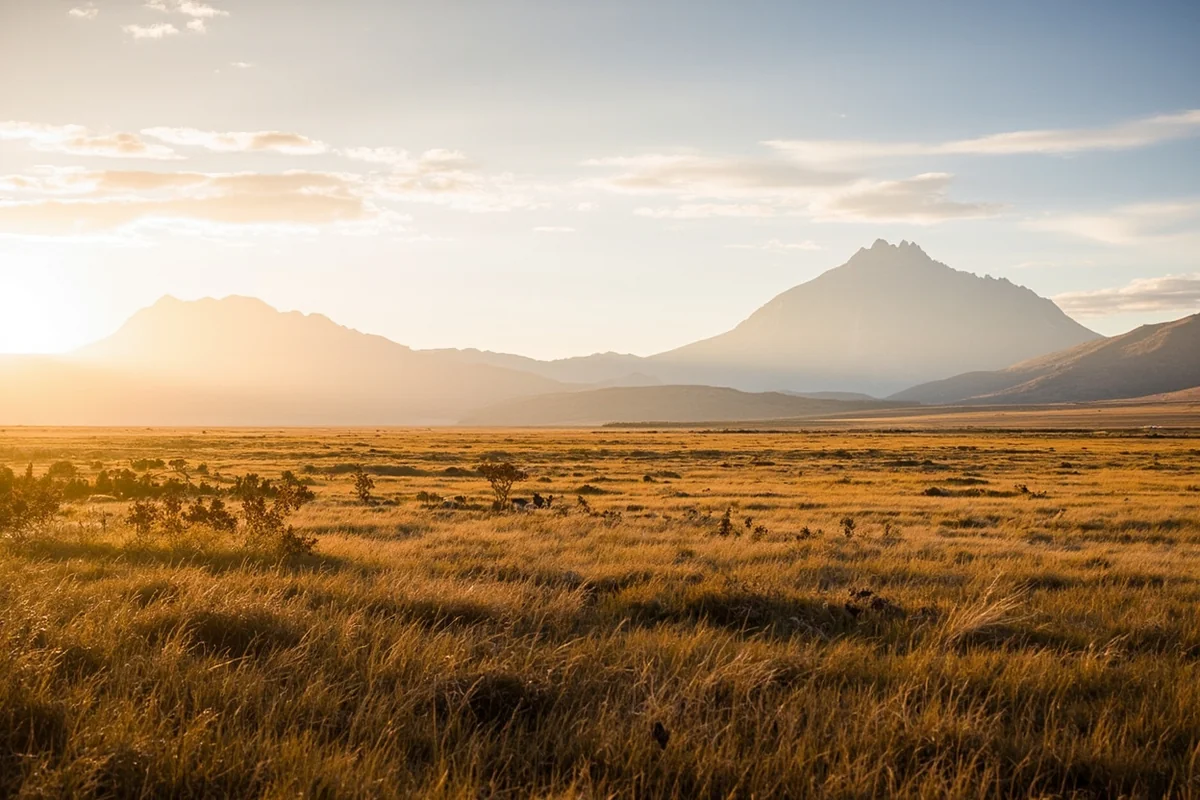
Unlike Glacier’s dramatic peaks and forested valleys, Duck Lake sits in more open, rolling terrain right where the plains begin meeting the Rocky Mountain Front.
I find this transition zone genuinely striking in its own right — you can look west and see the same mountains that define Glacier’s skyline, while standing in landscape that feels considerably more like eastern Montana’s open country.
That openness is part of why wind plays such a consistent role here. There’s simply less to block it once you’re out on the water, a detail worth planning around regardless of season.
Wildlife Around Duck Lake
The surrounding reservation land supports a genuinely healthy range of wildlife, including deer, pronghorn antelope on the open benches, and a variety of waterfowl using the lake as a resting stop during migration. I’ve had solid casual birding here between fishing sessions, particularly in spring and fall.
Given the proximity to Glacier’s boundary, this is also within range of both black bears and grizzlies, and I’d apply the same standard bear-aware practices here as anywhere else in this part of the state, even though the open terrain feels less obviously “bear country” than a forested mountain trail.
Final Thoughts
Duck Lake is exactly the kind of detour that separates a good Glacier trip from a great one. A short drive off the beaten path, a permit that takes five minutes to sort out in advance, and a genuine shot at the biggest trout you’ll catch anywhere in this part of Montana.
I think about this lake every time I talk to someone planning their first Glacier trip who’s built an itinerary entirely around the park’s own boundaries.
There’s a whole other kind of Montana experience waiting just a few miles outside those lines, and Duck Lake is one of the best examples of it — bigger fish, fewer crowds, and a genuine reason to slow down before or after your time in the park itself.
For nearby lakes inside the park itself, see my guides to St. Mary Lake and Two Medicine Lake, or check out the complete guide to Montana’s best lakes for the rest of the region.
For the nearest town on the Blackfeet Nation, my Browning guide covers services and history worth knowing before your trip, and my Montana history guide provides broader context on the Blackfeet Nation.
For bear safety in this part of the state, see my Montana bear guide, and for seasonal planning, my best time to visit Montana guide rounds out your trip preparation.