I once packed my passport for a hike, not a flight. That’s the reality of visiting Waterton Lake, where the water itself crosses an international border.
- Upper Waterton Lake straddles the U.S.-Canada border, connecting Glacier National Park with Canada’s Waterton Lakes National Park
- Together, these two parks formed the world’s first International Peace Park in 1932
- This guide covers reaching the lake by boat, trail, or car, the passport requirements, and what to expect on both sides of the border
- A seasonal boat cruise from Waterton townsite to Goat Haunt on the U.S. side is the classic way to experience the lake
Liked this article?
Add Roaming Montana as a preferred source so you see more of our articles and guides on Google.
The World’s First International Peace Park
In 1932, Glacier National Park and Waterton Lakes National Park joined together to form the Waterton-Glacier International Peace Park, the first designation of its kind anywhere in the world. The gesture celebrated cooperation between the United States and Canada.
I think this history matters for understanding the lake itself. Waterton Lake isn’t just a scenic body of water — it’s a physical symbol of a shared conservation commitment between two countries, and that context adds something real to standing on its shore.
UNESCO later recognized the combined parks as a World Heritage Site, further cementing the international significance of this specific stretch of water and mountains.
You’ll Need Your Passport
I can’t emphasize this enough: if you’re planning to cross between Glacier and Waterton Lakes National Park, bring your passport. This applies whether you’re driving around by road or hiking across via Goat Haunt.
I’ve heard stories of visitors turned back at the border simply because they assumed a day trip within “one big park” wouldn’t require the same documentation as an international flight. It does.
Getting There by Road
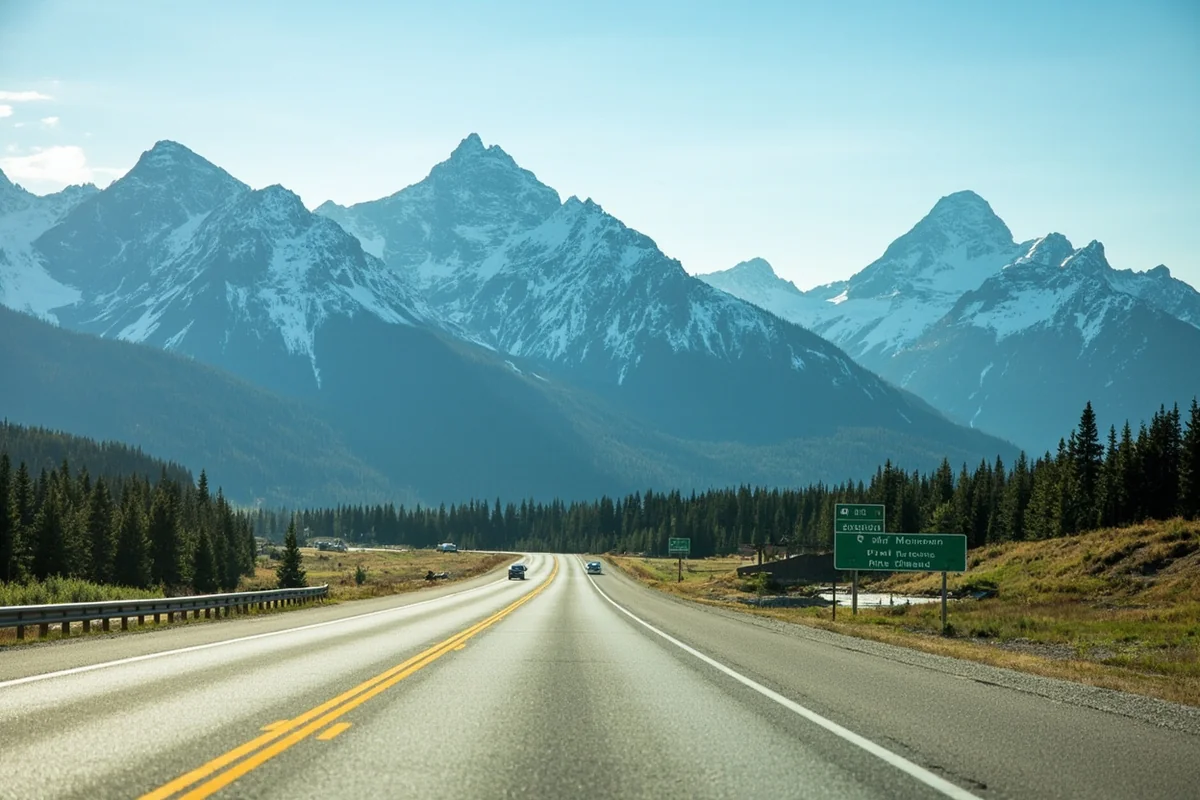
From the Montana side, take Highway 17 north to the Chief Mountain border crossing, then continue onto Alberta Highway 6 to reach Waterton Lakes National Park.
This crossing typically operates seasonally, so I’d check current hours before planning around it [verify current Chief Mountain crossing seasonal hours].
From Great Falls, the full drive covers roughly 130 miles, mostly on well-maintained highway, passing through Browning along the way.
Getting There by Boat and Trail
For a genuinely memorable alternative, a seasonal scenic boat cruise crosses Upper Waterton Lake from the Canadian townsite to Goat Haunt on the U.S. side.
I’d check current boat schedules carefully, since the commercial operator leaves the Waterton dock by a set time to allow for U.S. customs processing at Goat Haunt.
For the truly adventurous, hiking from Glacier National Park into Waterton is possible via the Goat Haunt area, crossing the border on foot. Either direction, don’t forget that passport.
What Waterton Lakes National Park Offers
Once you’ve crossed into Canada, Waterton Lakes National Park spans more than 195 square miles, home to over 60 mammal species, 250 bird species, 24 fish species, and 10 species of reptiles and amphibians.
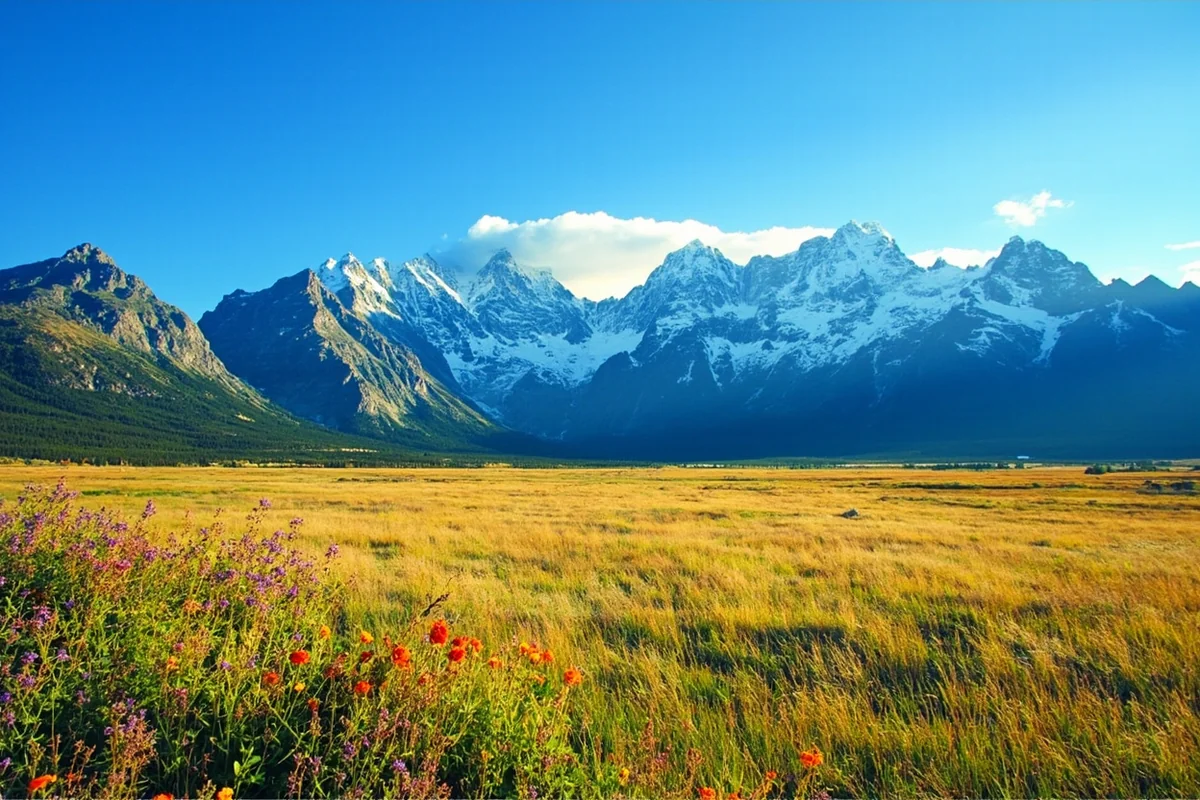
The park’s mix of dramatic peaks and open prairie grassland creates a genuinely different visual character than Glacier’s more forested valleys.
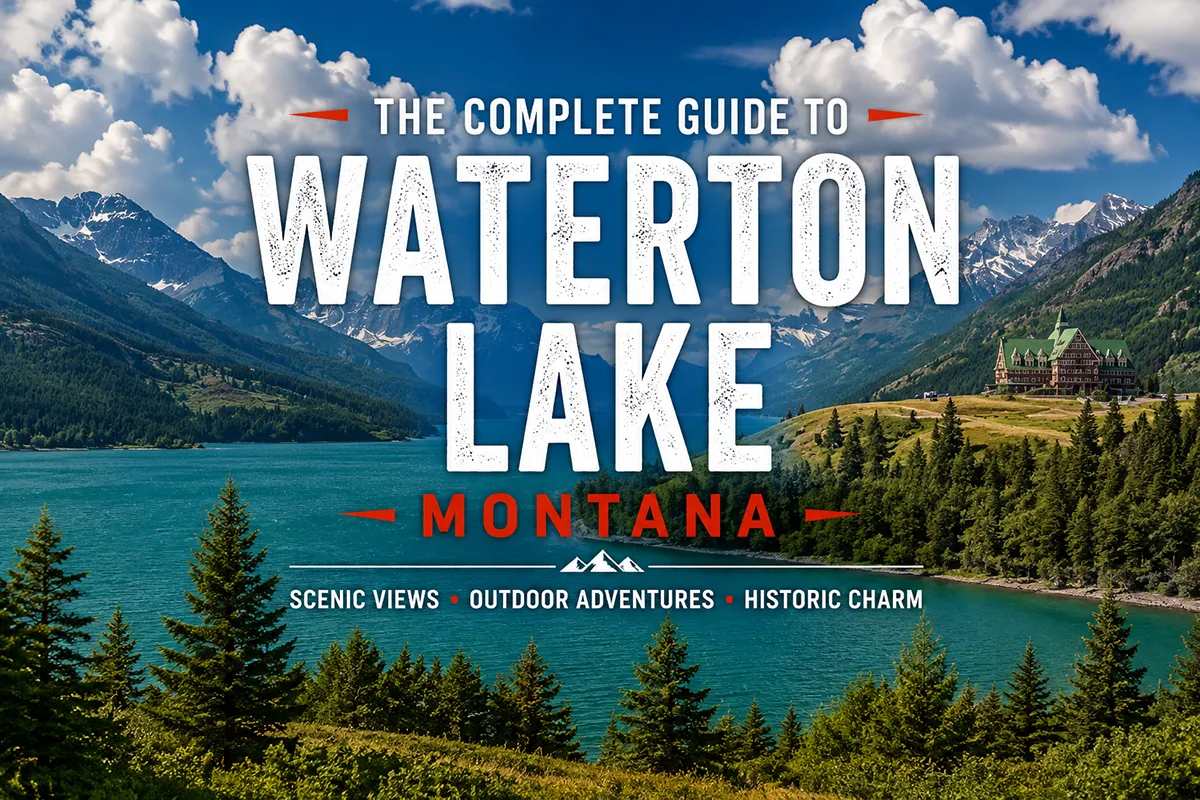
The Prince of Wales Hotel, built in 1927 by the Great Northern Railway, overlooks the lake from a hillside and remains one of the most photographed buildings in the Canadian Rockies.
I’d book well ahead if you want to stay here or even just have afternoon tea, since demand consistently outpaces availability in peak season.
Hiking at Waterton Lake
With 120 miles of hiking trails on the Canadian side alone, Waterton offers a genuinely different trail experience than Glacier. The best hiking window runs from July to mid-September, since snow lingers on trails before that.
Bear’s Hump is the classic short, steep option — not long, but steep enough to earn its reputation, delivering spectacular views of the townsite, Waterton Valley, and surrounding prairie in a relatively short time commitment.
Crypt Lake Trail ranks among the most memorable hikes I’ve done anywhere in the Rockies. After a 15-minute boat ride across Upper Waterton Lake, the 10.7-mile round trip climbs through switchbacks, up a bolted metal ladder, and through an actual 4-foot-wide tunnel carved into the mountain.
It’s strenuous and genuinely unusual, capped with a swim in frigid water at the lake itself if you’re brave enough.
For an easier option, a roughly 4.6-mile, two-and-a-half-hour hike with minimal elevation gain winds through fields of wildflowers, a good choice if the more demanding trails feel like too much.
Fishing at Waterton Lake
Fishing is permitted, but you’ll need a national park fishing permit valid for the specific park you’re fishing in — Glacier’s permit doesn’t automatically cover the Canadian side, and vice versa. I’d confirm current permit requirements before casting a line here [verify current cross-border fishing permit rules].
Wildlife at Waterton Lake
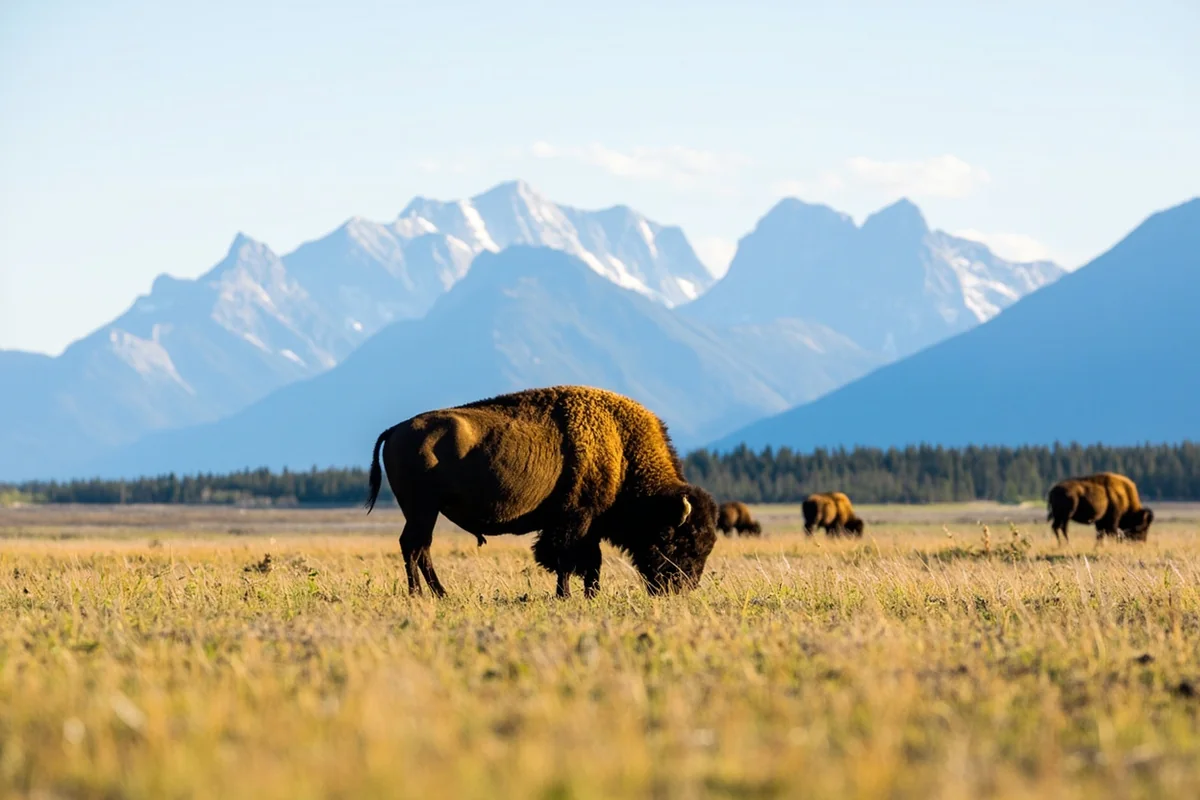
Bighorn sheep and red squirrels show up regularly around the townsite and trails. Late summer and fall offer the best wildlife viewing overall, with good odds for elk and deer alongside a variety of waterfowl including ducks, geese, and swans.
The Waterton Shoreline Cruise Company runs dedicated wildlife and photography-focused boat tours if you want a guided approach to spotting animals from the water.
Currency and Practical Cross-Border Notes
Beyond the passport, I’d think through a few practical details before crossing. Canadian currency is obviously different, and while many businesses in Waterton townsite accept U.S. dollars, you’ll typically get a better effective rate paying in Canadian currency or by card.
Cell phone coverage and data plans are another consideration many visitors overlook. I’d check with your carrier about international roaming charges before you cross, since an unexpected data bill can sour an otherwise perfect day.
For broader trip planning across this part of the state, my best time to visit Montana guide covers seasonal considerations that apply on both sides of the border.
A Trip That Requires More Planning Than Most
I want to be honest that visiting Waterton Lake genuinely requires more advance planning than most stops in this guide.
Between checking border crossing hours, confirming passport validity, researching current fishing permit rules for whichever side you’re on, and booking boat tours ahead of time, this isn’t a spontaneous add-on to a Glacier trip.
I’d build in a full day at minimum, and ideally an overnight stay in Waterton townsite, rather than trying to squeeze a border crossing into an already packed Glacier itinerary. Rushing this trip tends to create exactly the kind of stress that undermines what should be a genuinely memorable experience.
The History Behind the Peace Park Designation
I find the history behind the 1932 Peace Park designation worth understanding beyond just the basic fact of it. The idea originated from Rotary Club members on both sides of the border, who proposed formally recognizing the two parks’ shared ecosystem and history of cooperation.
That grassroots origin feels fitting for a place that still runs on a genuinely collaborative spirit between two park systems, two governments, and two sets of park rangers who coordinate everything from wildlife management to emergency response across an international boundary. For a broader look at Glacier’s own history and how it fits into this larger story, see my Glacier National Park lodging guide for practical stay options on the U.S. side before or after your crossing.
Personal Tips / What I Wish I Knew
Bring your passport every single time, no exceptions. I say this as someone who’s seen it cause genuine problems for unprepared visitors at the border, including a family I met who had to turn back entirely and reroute their whole day.
Book Crypt Lake’s boat shuttle in advance. This hike’s popularity means the boat can fill up, and missing your scheduled crossing throws off the whole day.
Check current border crossing hours before finalizing plans. The Chief Mountain crossing operates seasonally and isn’t a 24-hour option like a major international bridge would be.
Treat Waterton and Glacier as complementary, not identical. The open prairie meeting dramatic peaks on the Canadian side offers a genuinely different visual experience worth the extra logistics of crossing over, and I’d never skip it just because Glacier alone feels like enough.
Practical Info: Waterton Lake
| Border crossing | Chief Mountain International Highway, seasonal [verify current hours] |
| Required documents | Valid passport for all border crossings, foot or vehicle |
| Best hiking season | July through mid-September |
| Signature hike | Crypt Lake Trail, 10.7 miles round trip, boat shuttle required |
| Boat cruise | Seasonal, Waterton townsite to Goat Haunt, USA |
| Fishing permit | Separate permits required for each country’s park |
Frequently Asked Questions
Do I need a passport to visit Waterton Lake?
Yes, a valid passport is required for any crossing between Glacier National Park and Waterton Lakes National Park, whether by road, boat, or on foot.
Can you hike between Glacier and Waterton Lakes National Park?
Yes, via the Goat Haunt area on the U.S. side, though you’ll still need your passport for the border crossing.
What is the Waterton-Glacier International Peace Park?
A joint designation from 1932 combining Glacier National Park and Waterton Lakes National Park, recognizing shared conservation efforts between the U.S. and Canada — the first such Peace Park in the world.
What is the most famous hike at Waterton Lake?
The Crypt Lake Trail, a strenuous 10.7-mile round trip involving a boat shuttle, a ladder climb, and a tunnel through the mountain.
Is fishing allowed at Waterton Lake?
Yes, but you’ll need the appropriate national park fishing permit for whichever side of the border you’re fishing on.
Understanding the Two-Country Logistics
I think the biggest planning mistake visitors make with Waterton Lake is treating it like any other stop within Glacier National Park. It isn’t. You’re genuinely leaving the United States, which means real customs and immigration considerations apply.
Beyond the passport requirement, I’d also research current currency, cell phone roaming charges, and any specific customs declarations that might apply to your trip.
None of this is complicated once you know to expect it, but I’ve seen unprepared visitors caught off guard by details as simple as their phone plan not covering Canadian data.
The Goat Haunt Ranger Station
On the U.S. side of Upper Waterton Lake, Goat Haunt serves as both a hiking destination and a customs checkpoint. This small ranger station handles the practical logistics of the border crossing for anyone arriving by boat or on foot from the Canadian side.
I’d check current operating hours before planning a crossing through here, since staffing and hours can shift seasonally [verify current Goat Haunt operating hours and customs procedures]. Missing the window to check in could complicate your return trip.
A Genuinely Different Landscape
What strikes me most every time I cross into Waterton Lakes National Park is how quickly the landscape shifts. Glacier’s valleys tend to run more forested and enclosed; Waterton opens up into a striking meeting point between mountains and open prairie.
That contrast alone justifies the border-crossing logistics for me. I’ve stood at spots in Waterton where dramatic peaks rise directly from rolling grassland in a way that Glacier’s more forested terrain rarely offers.
Combining Waterton With a Two Medicine Visit
Given its location on Glacier’s northeastern edge, I’d consider combining a Waterton Lake trip with a visit to nearby Two Medicine, another quieter corner of the park that rewards a similar unhurried approach.
Both destinations attract visitors seeking something beyond the Going-to-the-Sun Road crowds.
Final Thoughts
Waterton Lake offers something genuinely unique among Montana’s lakes: the chance to cross an international border on the same trip, connecting two national parks that have shared a conservation commitment for nearly a century.
Few travel experiences combine this much natural beauty with this much genuine geopolitical history in one afternoon.
For more of Glacier’s east-side lakes, see my guide to St. Mary Lake, or explore Two Medicine Lake for another quieter corner of the park.
For lodging on the U.S. side before or after your crossing, see my Glacier National Park lodging guide, and for the nearest Montana town hub, my Browning guide covers what’s available.
Check out the complete guide to Montana’s best lakes for the rest of the region.