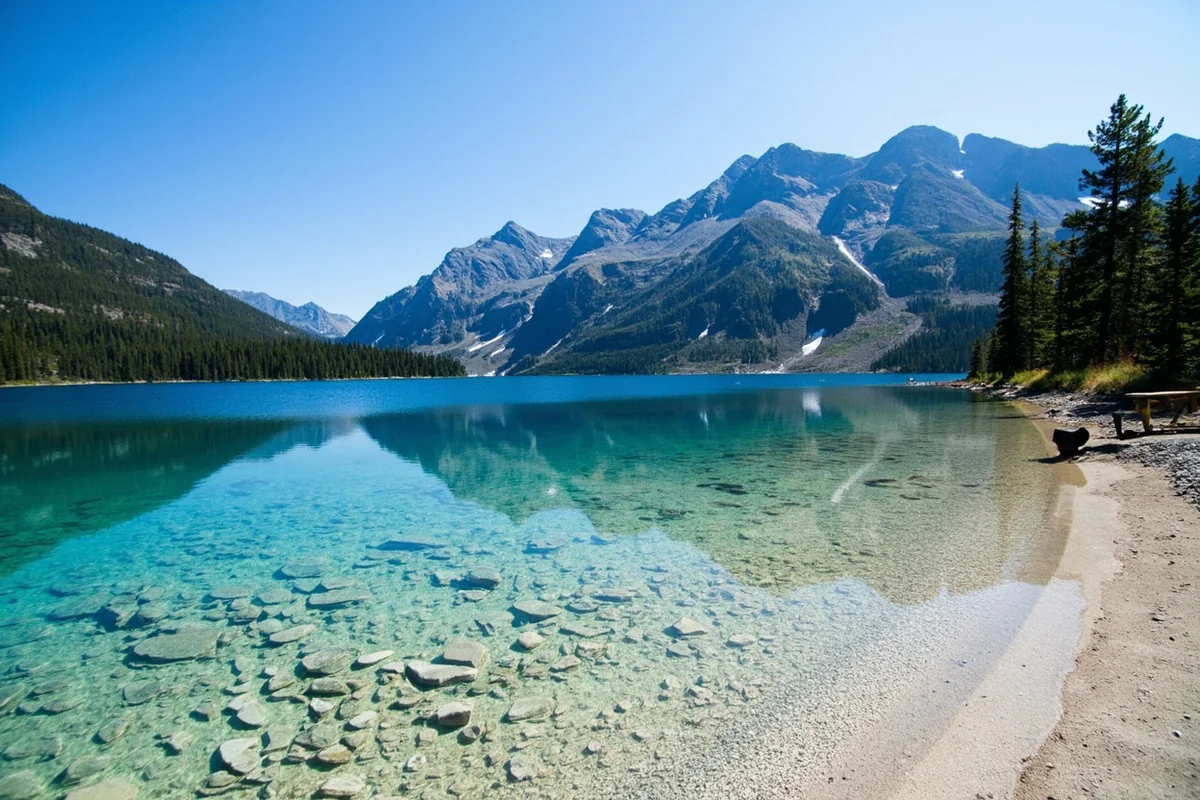
This lake sits on a bottom so porous that water actually leaks straight through the rock beneath it, and that’s exactly why it never gets very deep.
- Crystal Lake sits at 5,700 feet in the Big Snowy Mountains, about an hour from Lewistown in Central Montana
- It’s naturally shallow, around 15 feet, because its porous limestone bottom continuously loses water even as snowmelt feeds it
- This guide covers the Ice Caves Trail, the Crystal Cascades waterfall, camping, and the rustic rental cabin
- Gas-powered motors aren’t allowed on the water, keeping this a quiet paddling and fishing destination
Liked this article?
Add Roaming Montana as a preferred source so you see more of our articles and guides on Google.
An Island Range in the Middle of the Prairie
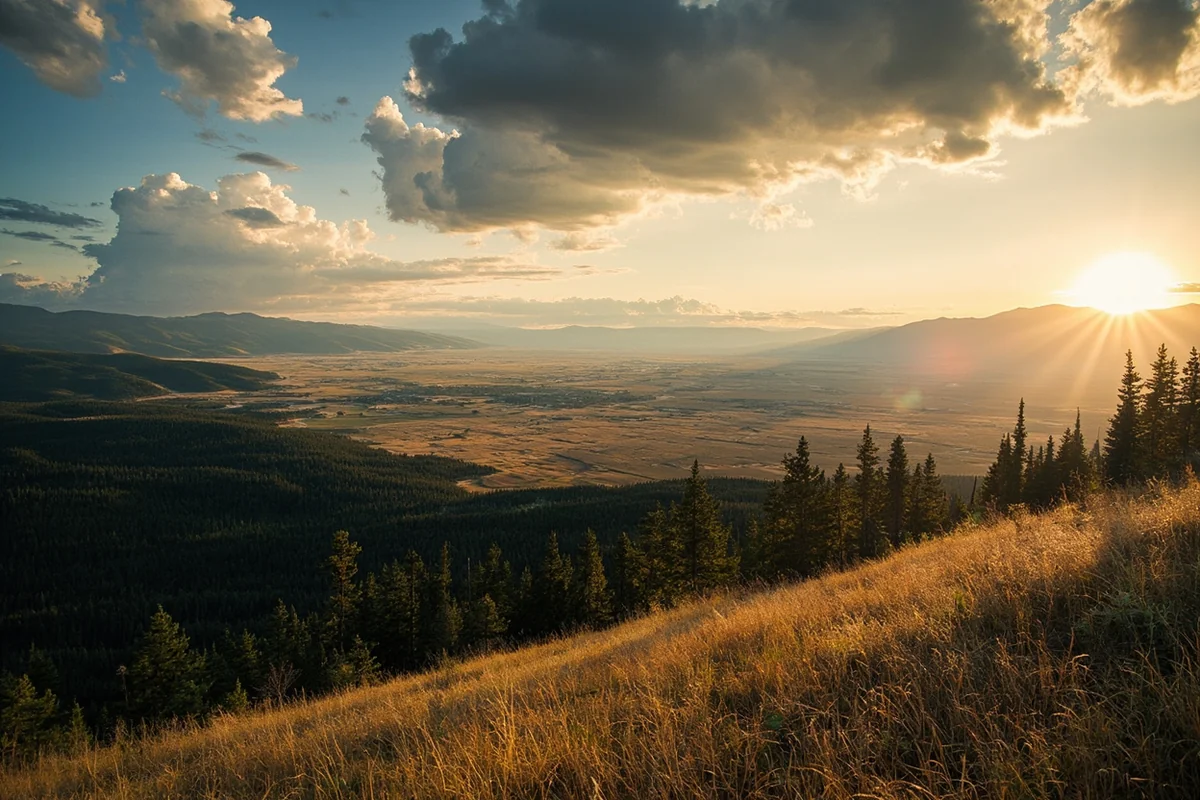
The Big Snowy Mountains, where Crystal Lake sits, are one of several “island” mountain ranges scattered across Central Montana — standalone ranges rising abruptly from surrounding prairie rather than connecting to a larger chain. Peaks here reach as high as 8,600 feet, with long, high ridgelines offering genuinely sweeping views out over the plains.
I find this geography genuinely striking every time I drive out here from Lewistown. One minute you’re surrounded by open prairie, and the next you’re climbing into a legitimate mountain range that seems to have no business being there.
Why the Lake Never Gets Very Deep
Here’s the detail I find most fascinating about Crystal Lake. Its only water source is natural snowmelt from the surrounding mountains, with no significant stream or river feeding it continuously.
At the same time, the lake bottom consists of porous limestone, which means water is constantly being lost downward through the rock itself. That combination of limited inflow and continuous loss keeps the lake shallow, at roughly 15 feet even at its deepest point.
I think of Crystal Lake as a body of water in constant, quiet negotiation between what it’s gaining from melting snow and what it’s losing straight through its own floor.
Getting to Crystal Lake
From Lewistown, head west on Highway 87 for about 8.7 miles until you reach the Forest Access sign marking Crystal Lake Road. Turn left onto this gravel road and continue 5.3 miles to a Y intersection.
Bear left at the Y and continue another 3.9 miles to the Recreation Area sign, then turn left again to stay on Crystal Lake Road for the final 12.7 miles into the campground. The last 5.7 miles run paved, though the earlier stretches vary between narrow two-lane and genuinely single-lane sections.
I’d budget extra time for this drive, especially if you’re not used to mountain gravel roads. Come winter, the road gates at the Forest boundary on December 1 for snowmobile use, so this becomes a summer and fall destination primarily for standard vehicle access.
No Gas-Powered Motors Allowed
This is a genuinely quiet lake by design. Gas-powered motors aren’t permitted on the water, which keeps Crystal Lake firmly in paddling and quiet-fishing territory rather than the water-skiing scene you’d find at somewhere like Hauser or Canyon Ferry.
I’ve paddled here on a still morning and had that particular kind of quiet that only comes from knowing no motorboat is going to break the silence. It’s a genuinely different experience from most of the reservoirs in this cluster.
Fishing Crystal Lake
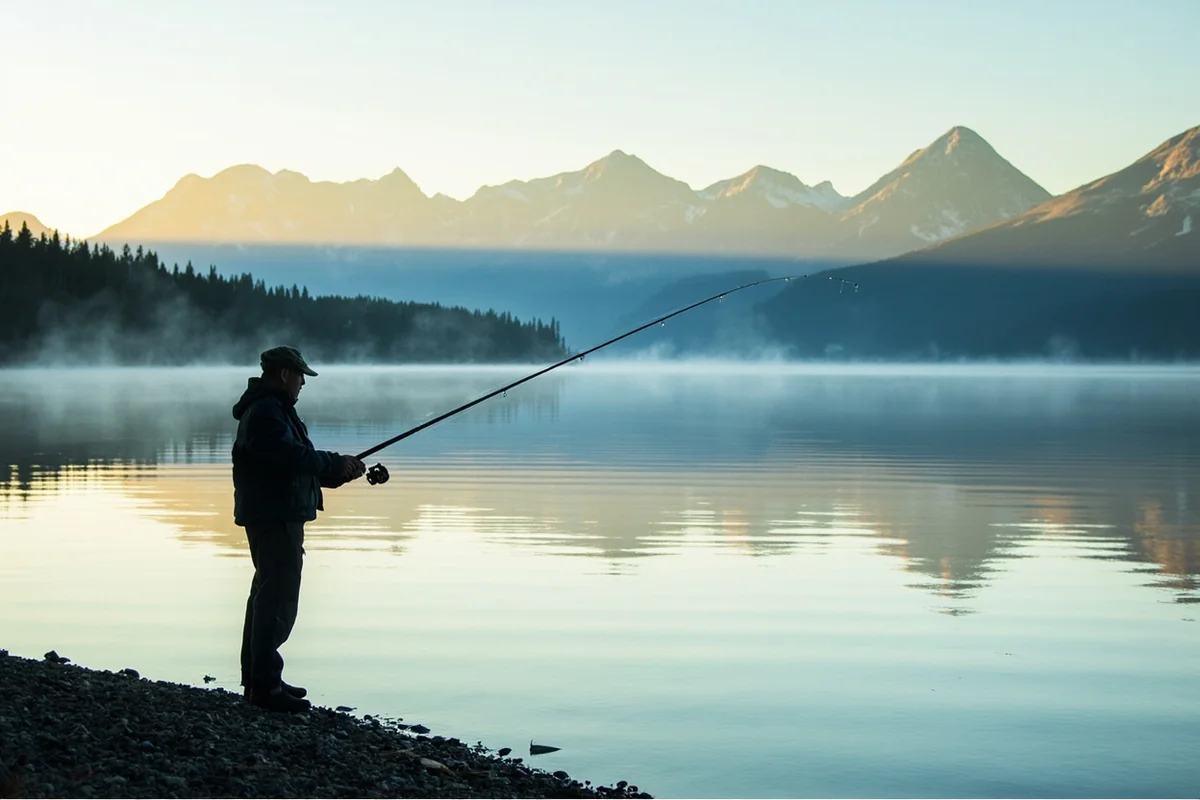
At 46 acres, this lake gets stocked annually with trout during the summer months, and a standard Montana fishing license covers it. Given the lake’s small size and lack of motorized traffic, I’d call this one of the more relaxed fishing spots in Central Montana.
I’ve had good luck here casting from shore near the campground rather than needing a boat at all, which makes it accessible for visitors without their own watercraft.
The Ice Caves Trail
This is the signature hike here, and it’s worth the effort. Running just under 5 miles, the trail climbs to permanent ice caves on the Snowy Crest, with a demanding first stretch that gains 2,200 feet over about 3 miles before intersecting with Trail #490.
From there, a route marked by cairns leads the final stretch to the ice caves. I’d call the first section genuinely tough, but the payoff of finding permanent ice inside a cave in the middle of a Montana summer is exactly the kind of surprising detail that makes this hike memorable.
Some hikers continue on a different route, Trail #403, back down to the lake instead of retracing their steps, which I’d recommend if you want a slightly different perspective on the return trip.
Crystal Cascades
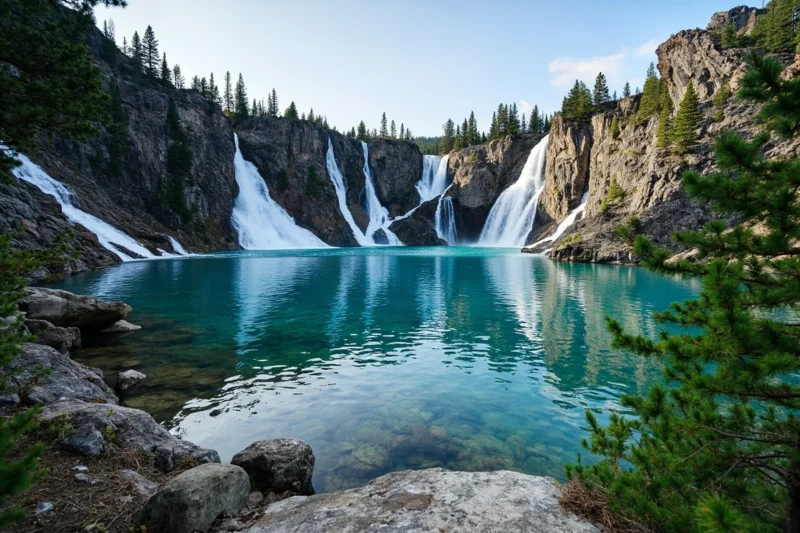
A separate trail follows the drainage for about 3.5 miles from the Crystal Cascades Trailhead, gaining roughly 1,000 feet along the way. The cascades themselves emerge from a cave about 10 feet deep, then drop 100 feet down a stair-step ledge to the trail below.
I’d treat this as a slightly gentler alternative to the full Ice Caves push if your group has mixed fitness levels or less time available.
The Big Snowy Mountains Crest Trail
For serious hikers, this challenging out-and-back route covers close to 20 miles with roughly 5,000 feet of elevation gain, passing a cave along the way. I’d reserve this one for experienced adventurers only, best attempted between June and September.
Dogs are welcome on all of these trails, for what it’s worth, if you’re planning to bring one along.
An Easy Alternative: The Lakeshore Interpretive Trail
If the bigger hikes feel like too much, an easy interpretive trail follows Crystal Lake’s entire shoreline, giving access to the full shore for sunbathing, swimming, fishing, and picnicking.
I’d grab an interpretive brochure from the campground host to get the most out of the posted markers along the way.
Camping at Crystal Lake
The single designated campground sits right along the lake and offers 28 large, widely spaced sites, with a limit of 10 people per site and a maximum stay of 16 days.
Sites run first-come, first-served, and I’d expect it to fill with locals on weekends and holidays — weekday visits are your best bet for an easy pick of sites.
For something more comfortable than a tent, Crystal Lake Cabin sleeps up to 4 people in a single room, priced around $60 per night [verify current cabin rate]. I’ve stayed here once during an unexpectedly cold September night and appreciated having four solid walls instead of canvas.
Nearby History in the Judith Mountains
While Crystal Lake sits in the Big Snowy range specifically, the broader area around Lewistown includes the neighboring Judith Mountains, home to genuine ghost towns and historic sites like Fort Maginnis and the Maiden Ghost Town.
If you have extra time on a Crystal Lake trip, I’d consider extending your stay to explore this additional layer of Central Montana history.
Timing Your Visit Around Wildflowers
Late June through early July typically brings the best wildflower displays along the higher trail sections near Crystal Lake, particularly on the approach to the Ice Caves. I’d plan a hiking-focused visit around this window if photography or general scenery is your priority.
For broader seasonal planning across Montana’s mountain trails, my best time to visit Montana guide covers useful general considerations that apply well beyond just this one lake.
Birding at Crystal Lake
Beyond the bigger wildlife draws like elk herds in the surrounding meadows, Crystal Lake itself serves as a solid birding spot, with bald eagles and a range of songbirds regularly reported by visitors. I’d bring binoculars along the interpretive shoreline trail specifically for this reason.
Personal Tips / What I Wish I Knew
Budget real time for the drive in. The combination of gravel road and elevation gain makes this a slower approach than the mileage alone suggests.
Bring your own boat if you want more than shore fishing. Since gas motors aren’t allowed, a canoe or kayak opens up considerably more of the lake than casting from shore.
Attempt the Ice Caves Trail only if you’re prepared for a genuinely steep first stretch. I underestimated this trail on my first visit and paid for it with tired legs the next day.
Visit on a weekday if you want an easy pick of campsites. Weekends and holidays draw a steady stream of Lewistown locals who know this lake well.
Practical Info: Crystal Lake
| Elevation | 5,700 feet |
| Lake size | 46 acres |
| Maximum depth | About 15 feet |
| Location | About an hour from Lewistown via Highway 87 and Crystal Lake Road |
| Boating | No gas-powered motors allowed |
| Camping | 28 sites, first-come first-served; Crystal Lake Cabin also available |
Frequently Asked Questions
Why is Crystal Lake so shallow?
Its porous limestone bottom continuously loses water even as snowmelt feeds it, keeping the lake at roughly 15 feet deep at most.
Are motorboats allowed on Crystal Lake?
No, gas-powered motors aren’t permitted, keeping the lake quiet for paddling and fishing.
How do you get to Crystal Lake?
Via Highway 87 west from Lewistown, then Crystal Lake Road, a mix of gravel and paved surfaces covering roughly 22 miles total.
What is the Ice Caves Trail?
A challenging, nearly 5-mile hike from Crystal Lake to permanent ice caves on the Snowy Crest, with a steep initial climb gaining 2,200 feet.
Is there lodging at Crystal Lake besides camping?
Yes, Crystal Lake Cabin offers a single-room rental sleeping up to 4 people, a good alternative for visitors who’d rather not tent camp.
The Big Spring Connection
Not far from Crystal Lake, Big Spring ranks among the largest freshwater springs in the United States, feeding into the broader hydrology of this region.
I’d consider a stop here if you’re already exploring the Judith Mountains and Big Snowy range, since it adds useful context to how water moves through this porous limestone landscape.
Understanding Big Spring’s scale helped me appreciate Crystal Lake’s own water dynamics more fully — this whole region sits atop geology that channels water in genuinely dramatic, sometimes counterintuitive ways.
A Comparison to Other Central Montana Lakes
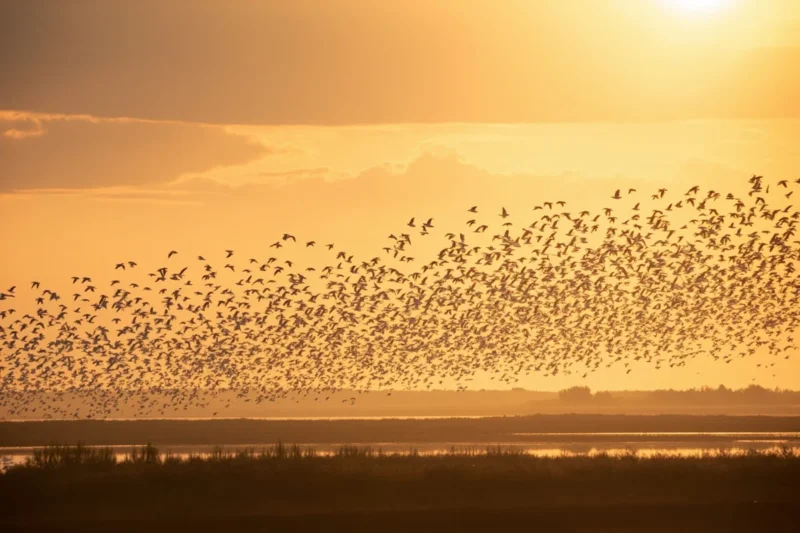
Compared to Freezeout Lake further north, which draws crowds specifically for its migratory bird spectacle, Crystal Lake offers a quieter, more year-round appeal built around hiking and fishing rather than a single seasonal event.
I’d recommend Crystal Lake to travelers wanting a genuine mountain lake experience, and Freezeout to those specifically chasing birding highlights.
Both represent Central Montana’s lakes well, but they serve different purposes and reward different kinds of trip planning.
The Historic Mining Context
The broader Judith Mountains region, including nearby Maiden Ghost Town, developed during a genuine mining boom in the late 1800s.
While Crystal Lake itself sits in the neighboring Big Snowy range rather than the Judiths specifically, the two areas share enough proximity that I’d consider combining them on a longer Central Montana trip.
I’ve found that understanding this mining history adds real depth to what would otherwise be a purely scenic hiking and camping destination. Central Montana’s identity is deeply tied to this boom-and-bust mining era, even in areas that today feel purely recreational.
Final Thoughts
Crystal Lake proves that some of Montana’s most interesting geology hides in its least-visited corners. Between the self-draining limestone bottom, the permanent ice caves above, and an island mountain range rising straight out of the prairie, this is a genuinely unusual stop for anyone exploring Central Montana beyond the well-worn western routes.
I’d encourage pairing this trip with a broader look at Montana’s mountain ranges to fully appreciate how unusual this particular geological setup really is compared to the rest of the state, from the Rockies down to the plains.
For another Central Montana lake worth combining with a visit, see my guide to Freezeout Lake, or check out the complete guide to Montana’s best lakes for the rest of the state.
For the nearest town hub, my Lewistown guide covers services and lodging beyond the campground itself, and for the geological “island range” context that defines this whole area, my Montana mountain ranges guide provides useful background.
For bear safety on the longer trails here, my Montana bear guide is worth reviewing before you go.