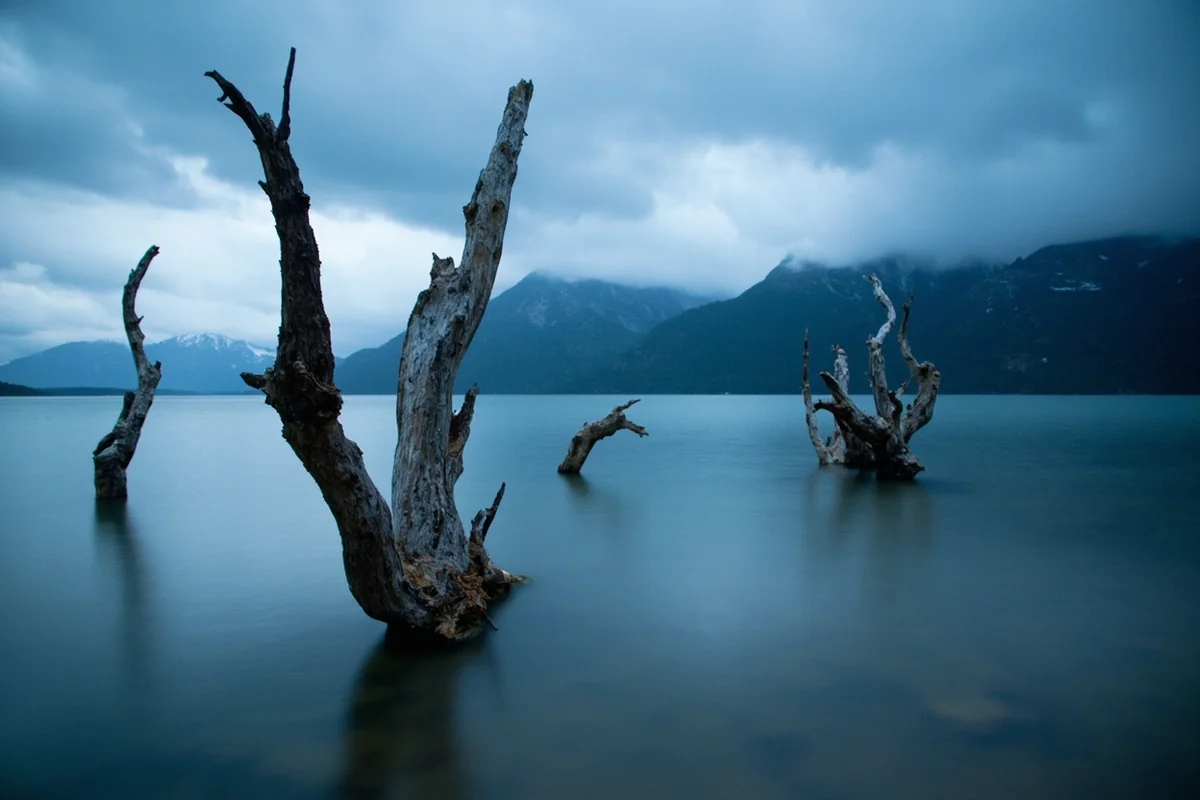
I once anchored a canoe near the lake’s inlet at Hebgen and noticed a line of dead, bleached tree trunks still standing upright in the water, decades after they should have rotted away.
A local angler told me why: this whole section of shoreline dropped several feet in a matter of seconds one night in 1959, and those trees have been standing in water ever since.
Hebgen Lake is a reservoir on the Madison River, about 20 minutes north of West Yellowstone, best known today for world-class fly fishing and forever linked to the magnitude 7.5 earthquake that struck the area in 1959. This guide covers the fishing seasons, the earthquake’s lasting physical marks on the lake, camping options, and the boating conditions that catch first-time visitors off guard.
Liked this article?
Add Roaming Montana as a preferred source so you see more of our articles and guides on Google.
How Hebgen Lake Was Formed
Hebgen Lake was created in 1914 when the Montana Power Company built Hebgen Dam, impounding the Madison River into a reservoir roughly 15 miles long and 4 miles wide.
It sits at the base of the Madison, Gallatin, and Centennial mountain ranges, just north of the Montana-Idaho-Wyoming border region, close enough to West Yellowstone that many visitors treat it as an extension of a Yellowstone National Park trip.
The 1959 Earthquake and Its Lasting Marks
No honest account of this lake skips the night of August 17, 1959, when a magnitude 7.5 earthquake struck the region — one of the largest ever recorded in the contiguous United States at the time.
The quake caused a massive landslide on the Madison River canyon downstream, which dammed the river almost instantly and created what’s now called Quake Lake, burying a campground and killing 28 people in the process — one of the deadliest natural disasters in Montana’s recorded history.
Hebgen Lake itself didn’t escape unscathed. The earthquake caused significant portions of the lake’s basin to tilt and drop, and sections of the north shore sank several feet, submerging campgrounds, roads, and stands of live trees that are still visible standing in the shallow water today, decades later — bleached, dead trunks that give parts of the shoreline a genuinely eerie, ghost-forest quality. The quake also damaged Hebgen Dam itself, though it held, preventing an even greater disaster downstream.
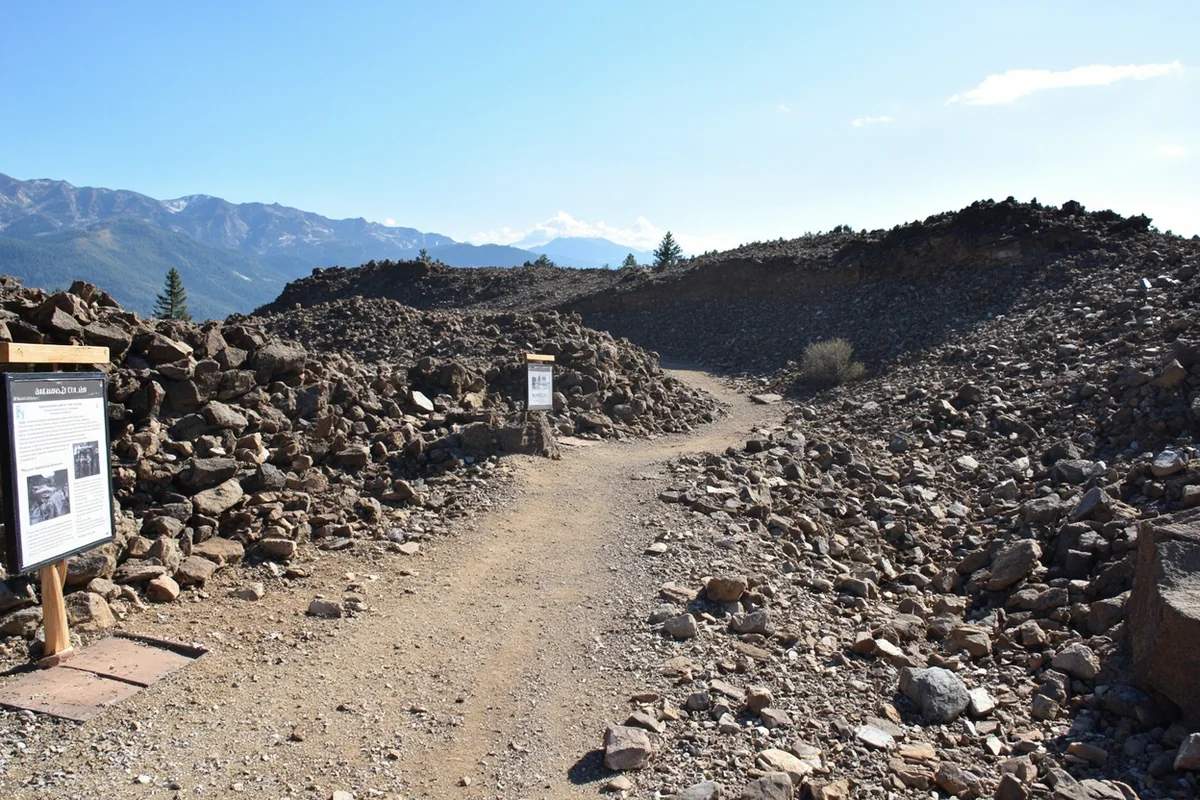
The U.S. Forest Service’s Earthquake Lake Visitor Center, about 25 miles from West Yellowstone, covers the full story in detail, with interpretive trails through the landslide debris field and views of Quake Lake itself. It typically operates from late May through mid-September [verify current hours].
Fly Fishing Hebgen Lake
This is the lake’s real claim to fame today. Hebgen Lake is consistently rated among the best stillwater fly fishing lakes in North America, and serious anglers plan entire trips around it.
The lake holds rainbow, brown, and cutthroat trout, and the “gulper fishing” phenomenon here — where trout rise steadily to sip mayflies and midges off the calm morning surface — has near-legendary status among fly fishers.
Late spring kicks off the season as trout become more active, but the real action builds from July through September, when hatches intensify and the lake’s biggest fish start feeding aggressively on emerging insects.
I’d point anglers toward the south shore for the best bank access, which also happens to be where most of the lake’s campgrounds cluster.
One important note: float tubes are not recommended here, mainly because of the strong afternoon winds this lake’s elevation and open exposure tend to generate. A boat, even a modest one, gives you far more control and safety margin than a float tube would in a sudden gust.
Ice Fishing
Hebgen Lake typically ices over by December and holds ice into late March, and it draws a dedicated ice fishing crowd during that window. At least one lakeside resort rents ice fishing shelters, which makes the cold considerably more bearable for a full day on the ice [verify current rental availability].
Boating on Hebgen Lake
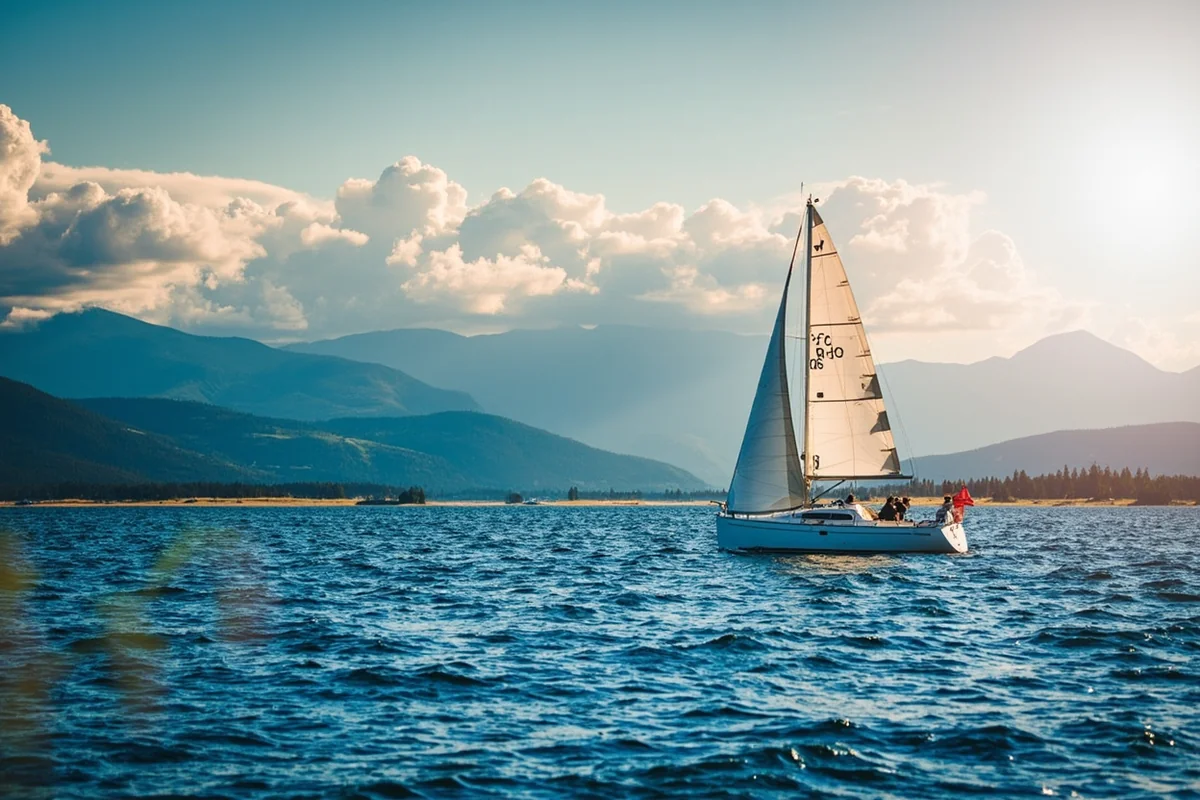
The lake’s size makes it well-suited to sailing, water skiing, and paddling alike, with boat launches scattered around its perimeter.
Larger boats handle the open water fine in typical spring and summer conditions, but I’d echo the same wind warning that applies to fishing here — conditions can shift from calm to choppy faster than newer boaters might expect, given the lake’s elevation and exposure to mountain wind patterns.
Camping at Hebgen Lake
Five Forest Service campgrounds ring the lake, each with a slightly different character:
- Baker’s Hole Campground — first-come, first-served, 73 sites (33 with electricity), close to West Yellowstone.
- Cherry Creek Campground — small at just 9 sites, non-reservable, quieter than the larger options.
- Lonesomehurst Campground — 27 sites with some electrical hookups, reservable, with a boat ramp and fishing access.
- Rainbow Point Campground — the largest at 83 sites (46 electrical), with a boat ramp and dock, reservable.
- Spring Creek Campground — 15 non-reservable sites, gets busy in peak season despite its small size.
Campground fees vary by site and hookup type [verify current fees], and most operate from early May through late September.
I’d book the reservable sites well ahead for July and August, since Hebgen’s proximity to West Yellowstone means it absorbs a fair amount of Yellowstone-bound traffic looking for a lakeside base.
Hiking Near Hebgen Lake
Two shorter trails near the lake’s day-use areas make good half-day additions to a fishing or camping trip: the Cabin Creek Trail, an easy-to-moderate 5-mile route with lake views and a narrow, exposed ridge stretch partway through, and the Refuge Point Loop, a gentler 2.5-mile loop with scenic lake overlooks.
Both see regular wildlife activity, and this area sits well within grizzly country, so standard bear-aware practices apply.
Wildlife Around the Lake
The Gallatin National Forest land along the lake’s eastern shore supports healthy populations of deer, elk, moose, bison, and mountain goats, and it’s not unusual to spot black bears, grizzly bears, or even wolves in the broader area.
I’ve had more wildlife sightings on a single drive around Hebgen’s south shore than on entire days elsewhere in the region.
Combining Hebgen Lake with a Yellowstone Trip
Given its location just minutes from West Yellowstone, Hebgen Lake works naturally as a lower-key add-on to a Yellowstone National Park visit rather than a standalone destination for most travelers.
I’ve stayed at a Hebgen campground specifically to have a quieter evening than the crowded gateway town offers, then driven into the park the next morning for wildlife viewing — see my Yellowstone wolf watching guide if that’s part of your plan.
The town of Gardiner, Yellowstone’s north entrance, is roughly two hours away by car if you’re planning a longer loop through the region.
The Bigger Picture on Montana Earthquakes
The 1959 Hebgen Lake earthquake remains one of the most significant seismic events in Montana’s recorded history, and it’s worth understanding in the context of the state’s broader geologic risk.
For more on this and other natural hazards across the state, see my Montana natural disasters guide.
Standing at the shoreline today, with the submerged ghost forest visible just beneath the surface, it’s a genuinely effective way to make abstract geology feel immediate and real.
Personal Tips / What I Wish I Knew
Visit the Earthquake Lake Visitor Center even if fishing is your main goal. Understanding what happened here in 1959 completely changes how you look at the lake’s shoreline afterward — it’s not just scenery, it’s a visible record of one of the more significant seismic events in U.S. history.
Fish early, fish calm. The best gulper fishing tends to happen in the stiller morning hours before wind picks up; I’ve had mornings here that felt like fishing on glass, followed by afternoons too choppy to comfortably stay out.
Book Rainbow Point or Lonesomehurst ahead if you want a guaranteed lakeside spot. The non-reservable campgrounds are a gamble in peak season.
Pack layers regardless of the forecast. Hebgen’s elevation and exposure mean temperature swings between morning and afternoon can be dramatic, even in July.
Nearby Services and Planning Your Trip Around the Lake
West Yellowstone handles most of the region’s tourist services — gas, groceries, lodging, and outfitters — and I’d stock up there before settling into a Hebgen Lake campground for a few days, since services directly around the lake are limited to a handful of small resorts and marinas.
Several fly shops in West Yellowstone offer guided drift boat trips specifically targeting Hebgen’s gulper fishery, which I’d recommend for first-time visitors who want local knowledge of where the fish are actively rising on any given morning rather than guessing on their own and burning half a day figuring it out.
For a broader look at planning a trip through this part of the state, my best time to visit Montana guide breaks down what to expect season by season.
Practical Info: Hebgen Lake
| Lake size | Approximately 12,000 acres |
| Location | About 20 minutes north of West Yellowstone via US 191 or US 20 |
| Best fishing season | Late spring through September, peak in July–September |
| Ice season | Typically December through late March |
| Camping | 5 Forest Service campgrounds around the lake |
| Fishing license | Standard Montana state fishing license |
| Earthquake Lake Visitor Center | Seasonal, late May–mid-September [verify current hours] |
Frequently Asked Questions
What caused the 1959 Hebgen Lake earthquake?
A magnitude 7.5 earthquake struck the region on August 17, 1959, one of the largest ever recorded in the contiguous United States, causing a massive landslide that dammed the Madison River downstream and created Quake Lake.
Can you still see effects of the earthquake at Hebgen Lake?
Yes, sections of the lake’s north shore dropped several feet during the quake, and dead trees that were submerged when the land sank are still visible standing in the shallow water today.
Is Hebgen Lake good for fly fishing?
Yes, it’s considered one of the best stillwater fly fishing lakes in North America, known especially for “gulper fishing” when trout rise steadily to insects on calm mornings.
How far is Hebgen Lake from Yellowstone National Park?
About 20 minutes from West Yellowstone, one of the park’s main entrance towns, making it an easy add-on to a Yellowstone trip.
Is Hebgen Lake windy?
Yes, afternoon winds build regularly due to the lake’s elevation and open exposure, which is why float tubes aren’t recommended and why anglers generally fish mornings.
A Lake With Two Identities
Part of what makes Hebgen Lake worth writing about at length is how cleanly it splits into two distinct identities depending on what brought you here in the first place.
To an angler, it’s one of the premier stillwater fisheries on the continent, a place where the rise of a single trout on a still morning can hold your attention for a full minute before you even think to cast, let alone set the hook.
To anyone interested in geology or history, it’s a living record of one of the most dramatic single nights in Montana’s recorded past, with physical evidence still visible if you know where to look along the shoreline.
Most visitors only ever experience one side of that story — I’d encourage spending enough time here to get both, because neither one fully explains on its own why this particular lake stays with people long after they’ve packed up and driven away.
Final Thoughts
Hebgen Lake carries both a world-class fishing reputation and a genuinely sobering piece of geological history in the same body of water, which is a rarer combination than it might sound.
I’ve never fished here without thinking, at least once, about what this exact shoreline looked like the morning after August 17, 1959 — and that layered history is exactly what makes this lake worth more than a quick stop on the way to Yellowstone.
For the lake formed by that same earthquake, see my guide to Quake Lake, or check out the complete guide to Montana’s best lakes for the rest of the region.
Give this lake at least a full day, ideally two, before rushing on to Yellowstone itself — the fishing alone justifies the extra time, and the earthquake history gives the whole visit a weight that most other lakeside stops in Montana simply don’t carry.