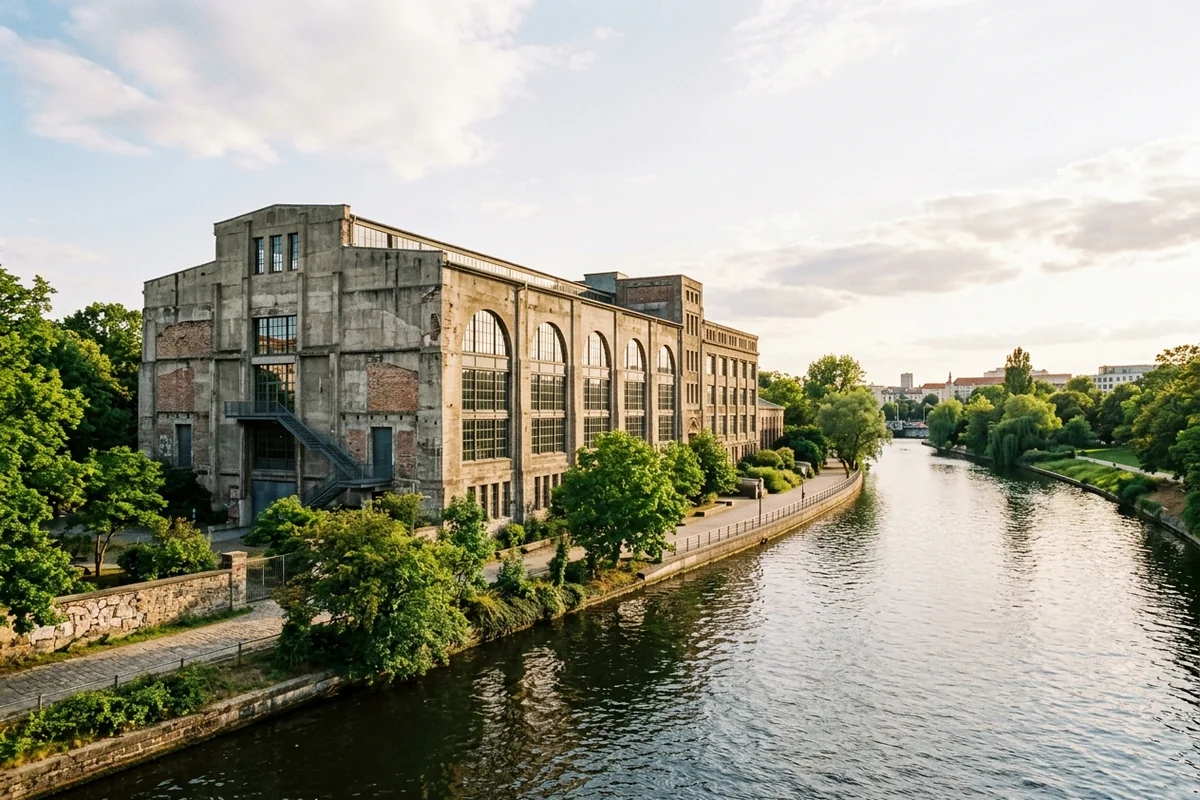
It took an actual Act of Congress in 1911 just to let Miles City build a water pumping station on military land. More than a century later, that same building holds contemporary art exhibitions, and the original marble-topped equipment consoles are still sitting right there on display.
- WaterWorks Art Museum occupies Miles City’s original 1911 water treatment plant, which supplied the city’s drinking water for 63 years before closing in 1974
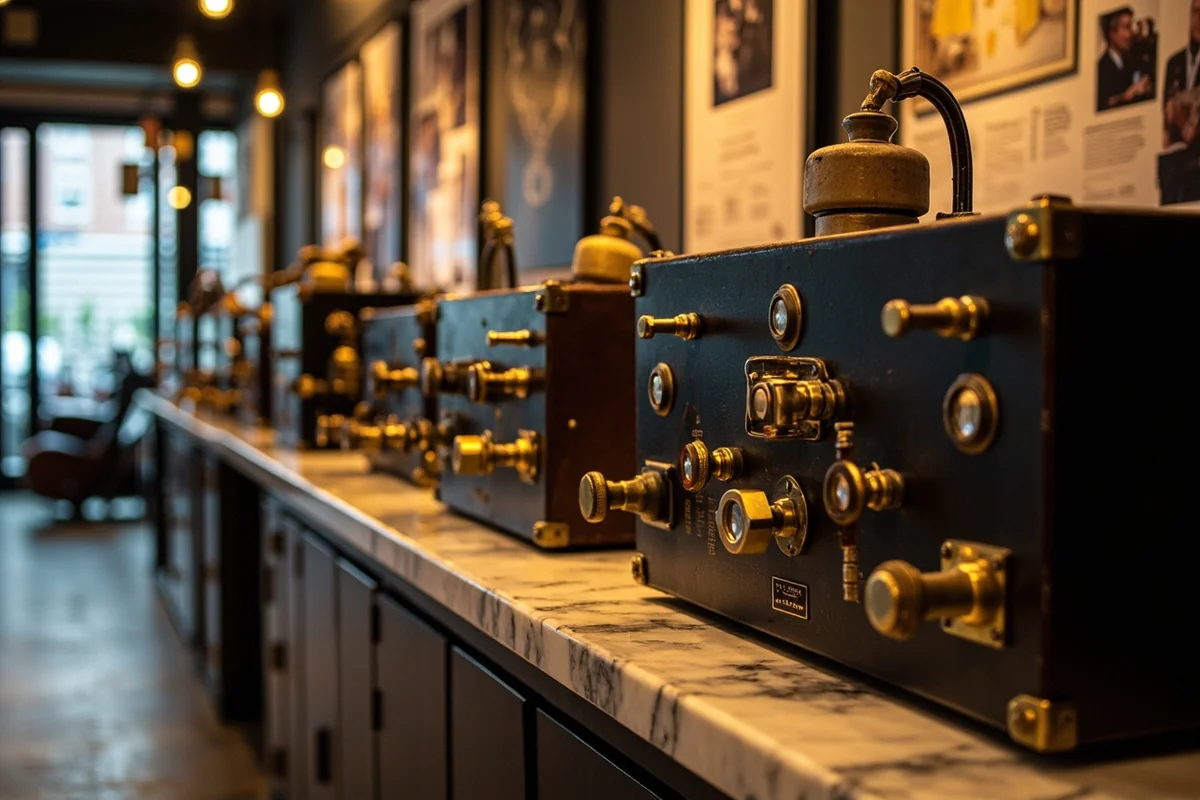
- Original pumping equipment, including filter consoles and marble-topped oak cabinets, remains on display inside the converted galleries
- The permanent collection holds Montana’s largest public collection of 1800s L.A. Huffman photographs, alongside work by Edward S. Curtis and Lady Evelyn Cameron
- Admission is free, and the museum operates year-round except January
- This is one of the best museums in Montana where the building’s own industrial history is as compelling as the art hanging inside it
Liked this article?
Add Roaming Montana as a preferred source so you see more of our articles and guides on Google.
It Took a Literal Act of Congress to Build This Place
The building’s origin story starts with a genuinely unusual legal obstacle most museums never have to mention.
Miles City needed a reliable water source beyond wells and the Tongue River, and the obvious solution meant building a pumping station on land tied to Fort Keogh, a military property.
That required an actual Act of Congress in 1911, granting the city permission to locate, construct, and operate the plant on that specific ground. Once approved, the pumping station ran continuously from December 1911 until 1974, supplying Miles City’s drinking water for 63 consecutive years.
When a new water plant finally made the old one obsolete, the Custer County Art and Heritage Center leased the building that same year rather than let it sit vacant.
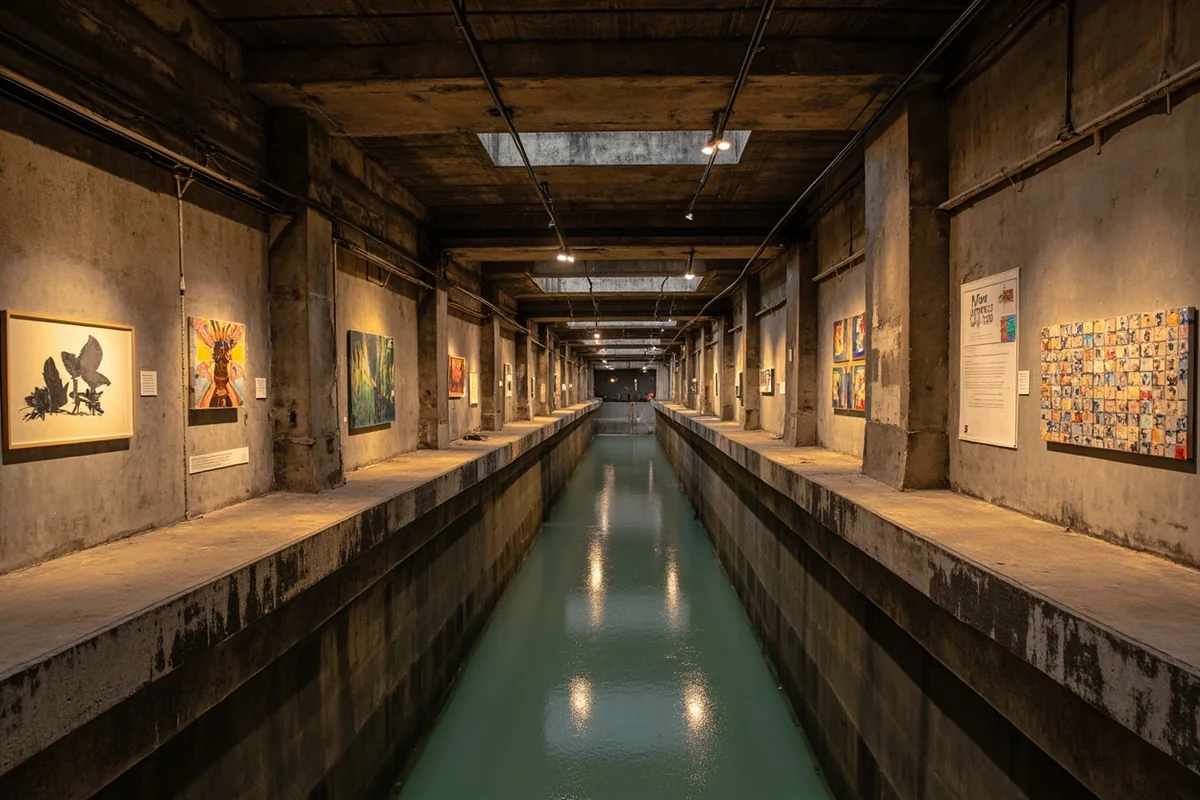
The organization converted the original concrete basins and storage tanks into exhibit galleries, offices, and workshop space, eventually rebranding as the WaterWorks Art Museum to better reflect what visitors would actually find inside.
The Original Equipment Never Left
This is the detail that genuinely sets WaterWorks apart from a typical converted-building museum. Rather than gutting the space entirely, the original 1911 water treatment equipment stayed put.
Filter regulatory consoles and marble-topped oak cabinets, genuine artifacts from when this building actually purified the city’s drinking water, remain visible inside the museum today.
Walking through galleries that still hold century-old industrial equipment alongside contemporary art creates a genuinely strange, effective tension — you’re looking at rotating art exhibitions inside what still visibly reads as a working early-1900s treatment plant.
That combination earned the building real institutional recognition. It’s listed on the National Register of Historic Places, and the museum has received both a Montana Governor’s Historic Preservation Award and the 2003 Governor’s Award for the Arts — a rare pairing of honors for a single small-town institution.
Montana’s Largest Public Collection of L.A. Huffman Photographs
The museum’s permanent collection splits into two distinct bodies of work, and the historical half centers on one photographer whose life became genuinely inseparable from this specific town.
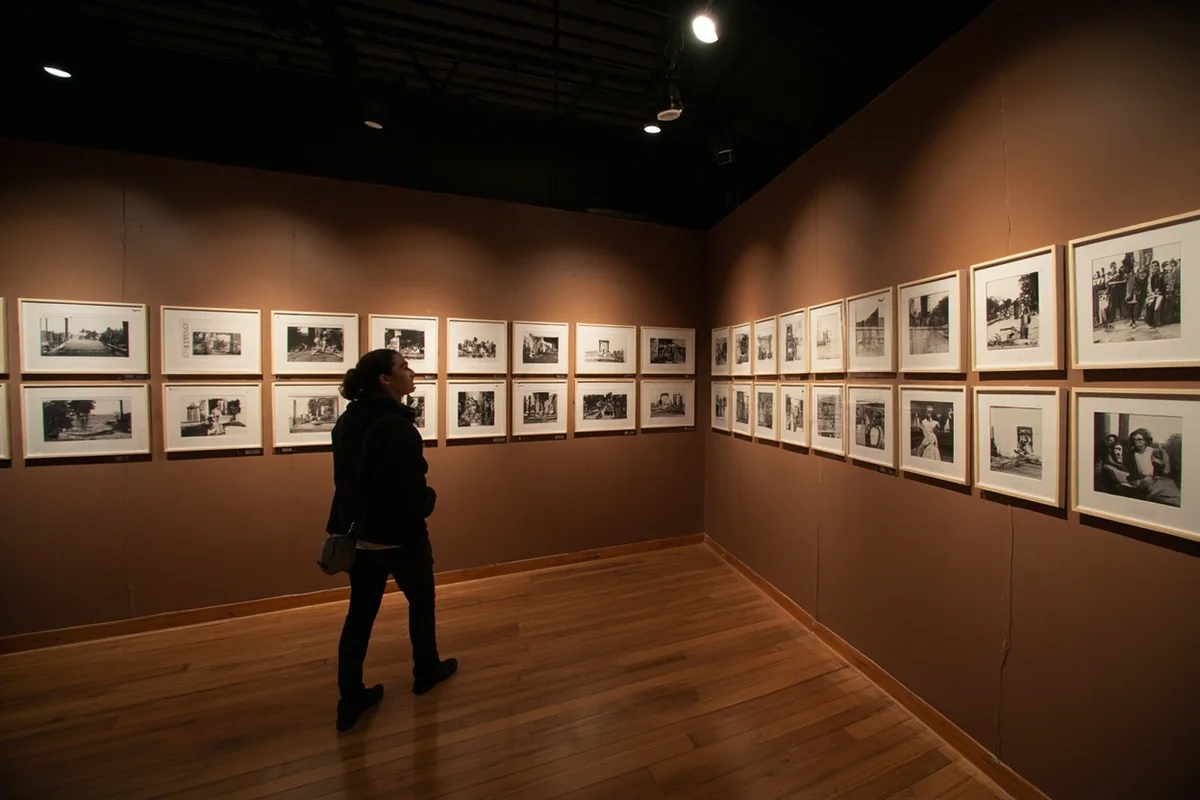
L.A. Huffman arrived at the newly established Fort Keogh in 1879 to take over as the post’s official photographer. Miles City became his adopted home for the rest of his life, and he continued documenting the region until his death in 1931.
WaterWorks now holds Montana’s largest public collection of his 1800s vintage photographs, images that stand among the most historically significant visual records of the open-range cattle era anywhere in the state.
Alongside Huffman’s work, the historical collection includes photographs by Lady Evelyn Cameron, Edward S. Curtis, and Christian Barthelmess, giving you multiple distinct photographic perspectives on the same general era and region rather than relying on a single documentarian’s viewpoint.
A Contemporary Art Program That Keeps Growing
The museum’s second collection thread moves in a completely different direction, tracing regional contemporary art from the mid-1900s “Early Modernists” through work being made today.
Rotating exhibitions bring in regional and national artists working across a genuinely wide range of mediums and styles, shown through solo shows, group exhibitions, and theme-based presentations.
That rotation means the museum rewards repeat visits in a way a purely historical collection wouldn’t — what’s on the walls this year likely won’t be there in two.
Beyond the galleries, WaterWorks runs a real art education program, offering classes and workshops for both children and adults, plus outreach programs extending into local schools and civic groups.
As a genuinely rare cultural anchor for a town this size in Southeast Montana, that education mission carries real weight in the community beyond just the museum’s exhibition schedule.
Sharing Ground With Fort Keogh’s Original Site
Here’s a connection worth knowing if you’re building a fuller Miles City history day: Pumping Plant Park, where this museum sits, occupies part of the site of the original Tongue River Cantonment, a military camp established in 1876.
That cantonment relocated just southwest of the city the following year and was renamed Fort Keogh — the same military installation whose grounds later became home to the Range Riders Museum, the sprawling 13-building history complex elsewhere in Miles City.
Both museums trace their physical location back to the same military origin point, just at different specific spots within that broader historical footprint. Visiting both in the same day gives you a genuinely complete picture of how deeply Fort Keogh’s presence shaped this entire section of the city.
Why Preserving the Equipment Mattered
It’s worth understanding why the decision to keep the original 1911 equipment in place, rather than removing it for a cleaner gallery aesthetic, was such a meaningful choice for this specific institution.
Industrial buildings converted into art spaces are common enough nationally — old warehouses, mills, and factories regularly become gallery space in cities across the country.
What’s rarer is preserving the actual functional equipment inside that conversion, rather than stripping it out for a blank-slate exhibition space. Keeping the filter consoles and marble cabinets means every visitor encounters the building’s working history directly, not just through a placard explaining what used to be there.
That choice also reflects something specific about how small-town Montana museums often operate: with limited budgets, full architectural stripping and renovation simply wasn’t practical or necessary.
What started as a resourceful, budget-driven decision in 1974 turned into one of the museum’s most genuinely distinctive features fifty years later — proof that constraint sometimes produces better results than an unlimited renovation budget would have.
Visiting With Kids
This museum tends to work better for families with older kids and teenagers than very young children, given its focus on rotating fine art exhibitions and historical photography rather than hands-on interactive displays. That said, the building’s industrial equipment tends to genuinely fascinate kids of any age who are curious about how things work.
The art classes and workshops offered through the museum’s education programming give families a way to engage more actively than a standard walk-through visit, and it’s worth asking staff about current youth programming if you’re planning a longer stay in the Miles City area rather than just a quick stop.
Given the museum’s relatively compact size, this works well as a shorter, more contemplative addition to a Miles City day that also includes more hands-on stops like Range Riders Museum’s sprawling artifact collection.
Frequently Asked Questions
Is the museum the same as it was when it was called Custer County Art and Heritage Center?
Yes — it’s the same institution and location, just rebranded as WaterWorks Art Museum to more directly reflect the building’s own history and identity.
Can we see the original water treatment equipment up close, or is it roped off?
The equipment is integrated into the gallery spaces themselves, so you’ll encounter it as part of your normal walk through the museum rather than viewing it from a separate, restricted area.
Is photography allowed inside?
Policies can vary by specific exhibition, particularly for loaned or copyrighted contemporary work, so it’s worth checking with staff when you arrive rather than assuming blanket permission throughout.
How does this compare to Range Riders Museum, also in Miles City?
They’re genuinely different experiences. WaterWorks is a focused, gallery-style art museum with rotating exhibitions and a strong historical photography collection. Range Riders Museum is a sprawling 13-building complex packed with artifacts covering the region’s broader ranching and frontier history. Visiting both gives you a complete sense of Miles City’s cultural range in a single day.
Is there a gift shop?
[verify current gift shop offerings and hours directly with the museum]
- The Act of Congress required just to build the original pumping station rarely gets mentioned, despite being a genuinely unusual legal detail behind the building’s origin.
- The fact that original 1911 equipment is still physically present inside the galleries almost never gets flagged, even though it’s the single most distinctive thing about visiting.
- The Huffman collection’s specific significance — Montana’s largest public holding of his work — gets flattened into generic “historic photography” language in most casual mentions.
- The shared Fort Keogh connection between this museum and Range Riders Museum rarely gets drawn out, missing an easy, genuinely meaningful same-day pairing.
Personal Tips: What I Wish I Knew
- Check current hours before a January visit specifically. The museum closes for the month entirely, unlike most Montana museums that scale back rather than close completely.
- Budget an hour, more if a temporary exhibition specifically interests you. The permanent historical photography alone rewards a slow, careful look.
- Look closely at the building itself, not just the art on the walls. The original industrial equipment is easy to walk past quickly if you’re focused purely on the exhibitions.
- Pair this with Range Riders Museum on the same day. Both sit on ground tied to Fort Keogh’s history, and the contrast between this polished art gallery and Range Riders’ sprawling artifact-dense complex makes for a genuinely varied Miles City museum day.
- Ask staff about current art classes if you’re staying in the area longer. The education programming is open to both kids and adults, not just local school groups.
How This Fits a Southeast Montana Road Trip
Miles City sits along I-94 in Montana’s southeastern corner, and this museum is an easy, short detour from the interstate via Exit 135.
Our Miles City things-to-do guide covers the rest of what’s worth building into your visit, including downtown’s historic Montana Bar.
If Southeast Montana’s regional history interests you beyond this stop, our Range Riders Museum guide covers the other major Fort Keogh-connected site in town. Our Montana museums guide maps how this stop fits into the state’s wider museum landscape.
Practical Info
| Address | 85 Water Plant Rd, Miles City, MT 59301 |
| Phone | (406) 234-0635 |
| Hours | Tuesday–Saturday, roughly 9 a.m.–5 p.m.; closed Monday [verify current hours] |
| Season | Open year-round except January |
| Admission | Free |
| Time needed | 1–1.5 hours |
| Good for | Art and photography enthusiasts, history buffs, families |
| Nearby pairing | Range Riders Museum, rest of our Miles City guide |
Final Thoughts
WaterWorks Art Museum works because it never tried to erase what the building used to be. A century-old water treatment plant, an Act of Congress that made its construction possible, and Montana’s largest public collection of L.A. Huffman’s frontier photography all sit inside the same converted concrete basins that once purified Miles City’s drinking water.
I think about this museum every time I see a converted industrial building anywhere that’s been scrubbed clean of its original character to make way for something more conventionally polished.
WaterWorks made the opposite choice, and fifty years later that decision has become one of its greatest strengths rather than a compromise anyone had to apologize for.
Pin this for your Southeast Montana trip planning, and take a real look at the old filter equipment on your way through the galleries. If you’ve caught a particularly memorable rotating exhibition here, I’d love to hear about it in the comments.