This river has been called four completely different names in recorded history, and the most popular story about the outlaw hideout along its banks probably isn’t even true.
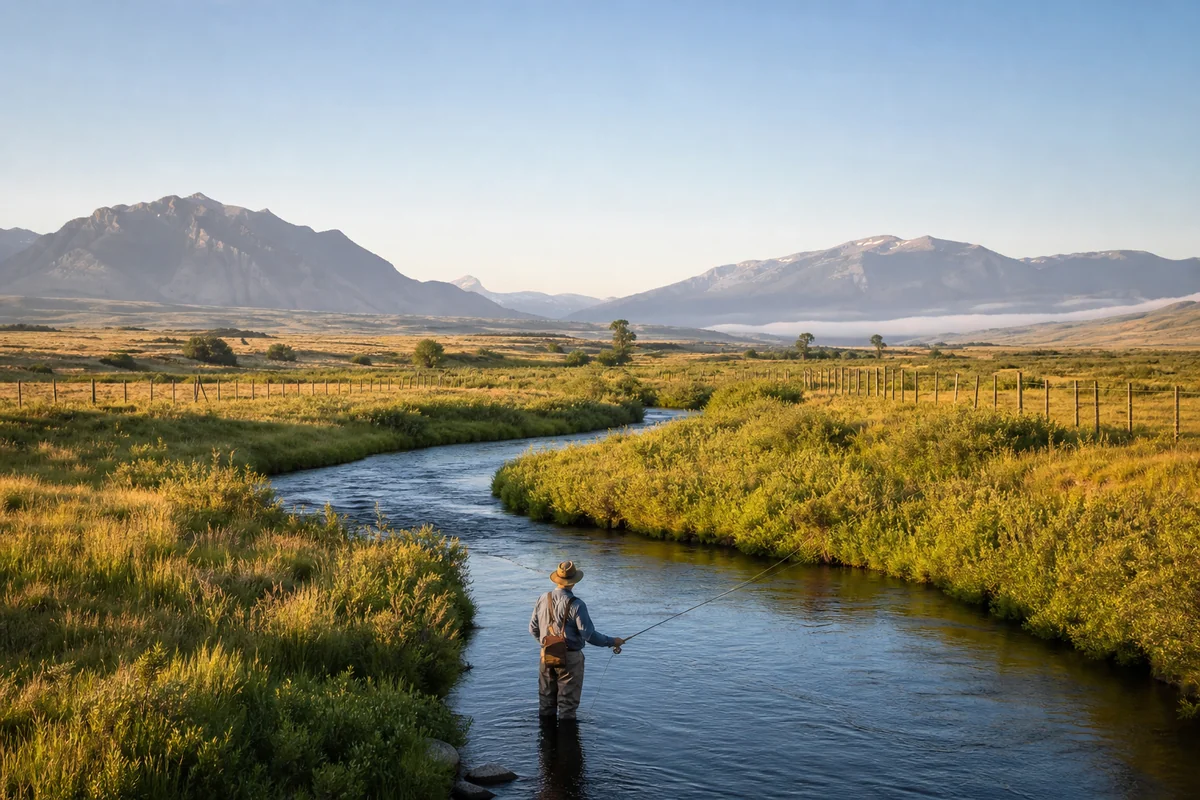
- The Ruby River runs roughly 76 miles from the Gravelly and Snowcrest Ranges to its confluence with the Beaverhead River near Twin Bridges, and it’s one of the quietest blue-ribbon fisheries in southwest Montana.
- Its name has changed four times: a Shoshone name meaning “water of the cottonwood groves,” a miners’ nickname referencing either sulphur springs or decaying buffalo, a Lewis and Clark name honoring a virtue, and finally “Ruby” for garnets found in its gravel.
- A famous outlaw hideout along the river almost certainly wasn’t actually used by the outlaws it’s named for — a detail nearly every tourism site gets wrong.
- The upper river is a genuine reintroduction success story for native Arctic grayling, extirpated here decades ago.
- I’ll cover the fishing section by section, the river’s tangled naming history, and the garnet hunting most visitors never know is possible here.
Liked this article?
Add Roaming Montana as a preferred source so you see more of our articles and guides on Google.
A River With Four Names
I find naming history genuinely fascinating, and few rivers in this entire series have a stranger one than the Ruby.
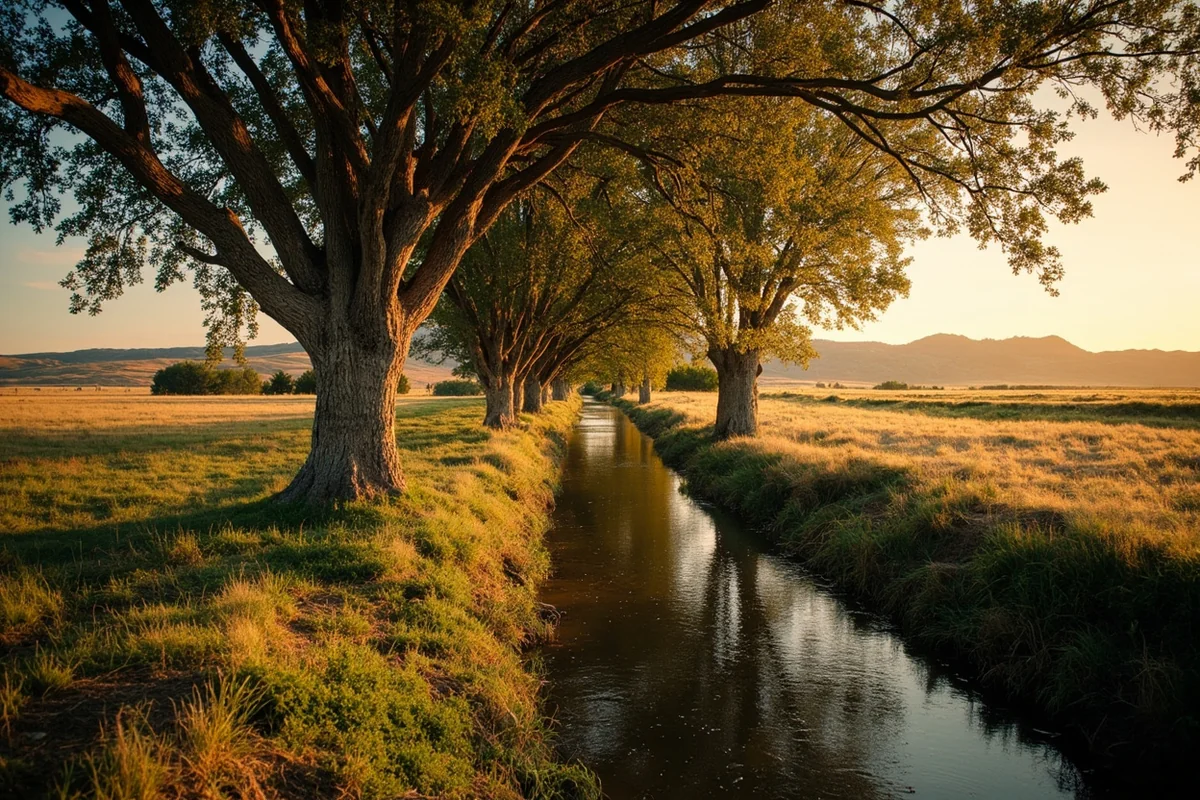
The Bannock band of the Shoshone people called this river Passamari, meaning “water of the cottonwood groves,” a fitting description of the tree-lined valley it winds through.
When miners arrived chasing gold in the 1860s, they took to calling it the Stinking Water — accounts differ on why, with some pointing to nearby sulphur springs and others to decaying buffalo carcasses discovered along the banks.
Meriwether Lewis gave it yet another name in August 1805: Philanthropy, honoring one of the virtues he associated with President Thomas Jefferson, following the same pattern that gave us the Wisdom River, now known as the Big Hole.
None of these names stuck permanently. In 1877, the river was renamed one final time to Ruby, after the garnets miners kept finding in its gravel while panning for gold — not actual rubies, but close enough in appearance that the name endured.
I think there’s something genuinely poetic about a river that’s been described by four different cultures across two centuries, each name capturing something true about the place at that particular moment: its cottonwoods, its smell, an explorer’s tribute to a virtue, and finally the stones glittering in its gravel bed.
The Outlaw Hideout That Probably Wasn’t
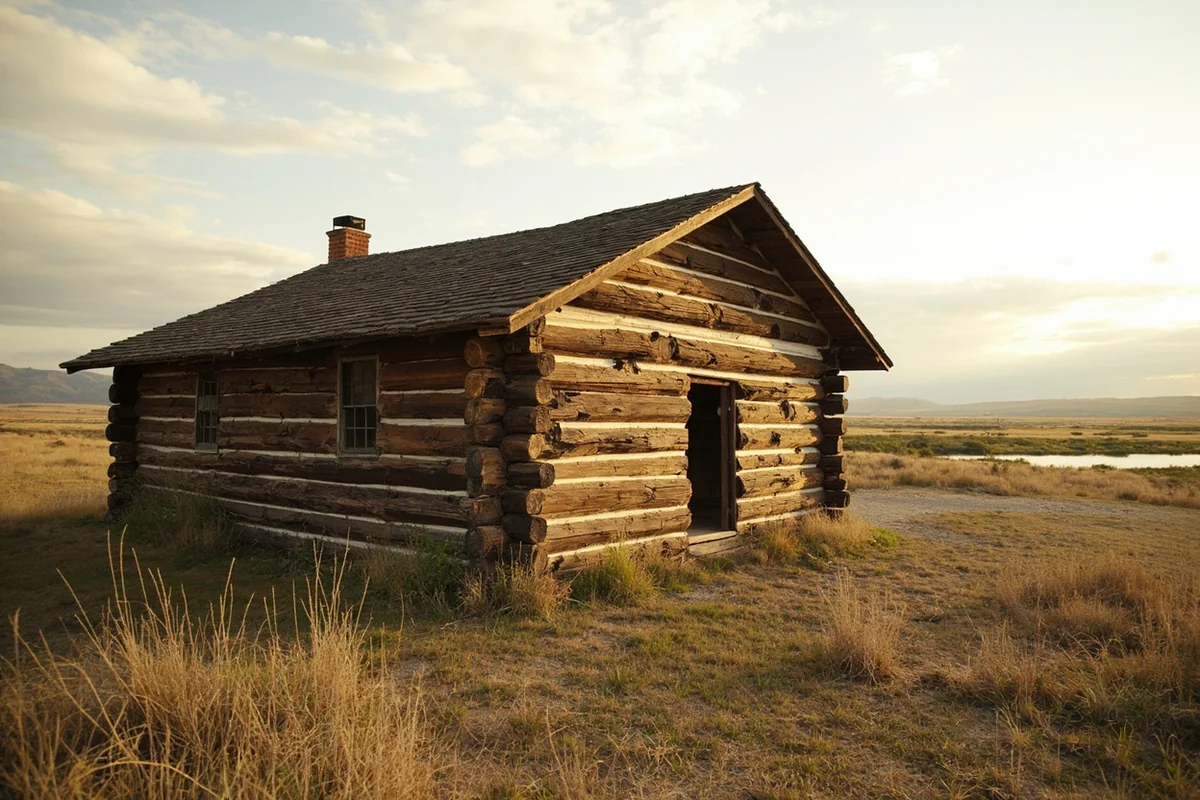
Nearly every tourism website mentioning the Ruby River repeats some version of the same story: a building called Robber’s Roost, in the small community of Laurin, served as a hideout for Henry Plummer’s notorious gang of “Road Agents,” who terrorized travelers between Virginia City and Bannack during Montana’s vigilante era in 1863 and 1864.
It’s a great story. I don’t think it’s actually true, at least not in the way it’s usually told.
A detailed local history of the Ruby Valley found that the two-story building known today as Robber’s Roost wasn’t constructed until 1866 or 1867 — well after Plummer’s gang had already met its end at the hands of vigilantes in early 1864.
Plummer himself was hanged by vigilantes in January 1864, meaning the actual “hideout” tourists visit today didn’t exist yet during the gang’s brief, violent reign.
There was an earlier, smaller inn on the same site during the gang’s active period, and it’s entirely possible that structure had some connection to the outlaws.
But the building that carries the name and the historical marker today came later, and the popular version of the story — outlaws watching from this exact building, plotting robberies — appears to be a legend that attached itself to a later structure rather than documented fact.
I think it’s still worth a stop if you’re driving through Laurin on the way to Virginia City, just with the more accurate version of the story in mind.
For more on this dramatic chapter of the state’s past, our Montana Gold Rush piece covers the broader vigilante era and its violence in more depth.
Fishing the Ruby, Section by Section
Above Ruby Reservoir. The upper river meanders through a mix of national forest and private ranchland for about 40 miles before reaching the reservoir. This is classic small-stream fishing — narrow water, modest-sized rainbow, cutthroat, and reintroduced grayling, and genuinely light pressure compared to the busier rivers nearby like the Beaverhead, Big Hole, and Madison. Access improves considerably once you reach national forest boundaries near Vigilante Station.
The tailwater below Ruby Dam. This stretch, beginning near the town of Alder, is predominantly a brown trout fishery, with the highest concentration of rainbows in the first few miles below the dam. Flows here typically run between 200 and 400 cubic feet per second, small enough that this feels like intimate water even by Montana standards. A short stretch just below the dam and the outlet channel stays closed to fishing year-round, and the broader tailwater section is closed seasonally from September 1 through April 1 in places — always worth checking current regulations before a trip.
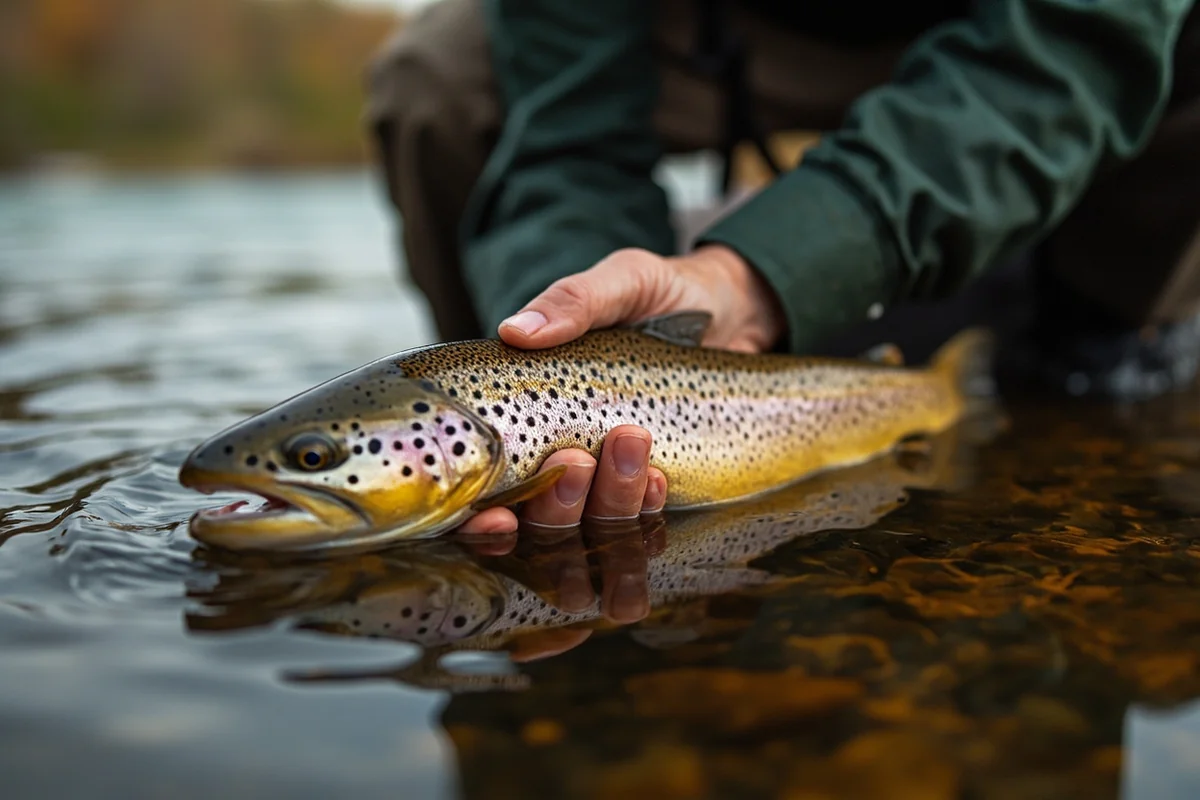
Sheridan to Twin Bridges. The lower stretch offers the best combination of public access and larger fish, with several miles of river opened through a genuine partnership between Trout Unlimited and local ranchers. Brown trout here regularly reach 18 inches, occasionally pushing 20. The river finally joins the Beaverhead just south of Twin Bridges, where the combined flow becomes the Jefferson River.
I’d describe the Ruby’s overall character as demanding in a rewarding way — the narrow water and generally clear conditions mean careless wading or sloppy casting gets punished quickly, but the trout here are noticeably less finicky than their counterparts on more heavily pressured neighboring rivers.
Wildlife of the Ruby Valley
The Ruby Valley’s mix of open ranchland, cottonwood-lined river bottom, and surrounding national forest makes for genuinely good wildlife watching alongside the fishing. Ospreys and bald eagles work the river regularly for fish — see our Montana osprey page for more on their habits.
Mule deer and pronghorn antelope are common on the open benches above the valley floor, and moose occasionally show up in the willow-choked stretches near the headwaters.
The surrounding mountains, particularly toward the national forest boundary near Vigilante Station, hold real black bear populations, so review our Montana bear guide before any camping trip in the upper drainage.
Garnets in the Shallows
Here’s something almost nobody outside the immediate area seems to know: the same garnets that gave this river its name are still findable today, right along the shoreline of Ruby Reservoir.
The reservoir, completed in 1938 to irrigate the valley’s hay fields, is managed in part by the Bureau of Land Management, which permits recreational garnet collecting along its shore.
Water levels fluctuate significantly here, and the best hunting tends to happen in fall, when lower water exposes more shoreline. I’d treat this as a fun add-on to a fishing trip rather than the main event, but it’s a genuinely accessible bit of rockhounding that ties directly back to the river’s own name.
Bringing Back the Grayling
I want to mention this because it connects directly to a story I told in our Big Hole River guide about that river holding the last wild river-dwelling Arctic grayling population in the Lower 48. The Ruby’s relationship with grayling is different, but related.
Grayling were native to the Ruby River historically, alongside westslope cutthroat trout, before heavy stocking of rainbow and brown trout in the late 1800s reshaped the fishery. Grayling were eventually extirpated from the Ruby entirely sometime in the early 20th century.
In recent decades, Montana Fish, Wildlife and Parks, working with the U.S. Fish and Wildlife Service, has worked to reestablish a small grayling population in the upper river — a genuine, ongoing reintroduction effort rather than a naturally persisting population like the Big Hole’s.
If you catch one here, you’re catching a fish that’s back in this water because of deliberate, patient conservation work, not because it never left.
I think these two rivers, sitting so close to each other geographically, tell an instructive pair of stories about the same species. One river never lost its grayling and has spent decades fighting to keep what it has. The other lost them entirely and is slowly, patiently trying to bring them back.
Fishing both in the same trip gives you a genuinely rare window into two different chapters of the same conservation story.
Making Your Base Camp: Alder and Sheridan
Alder sits right at the tailwater below the dam and makes a natural base for anglers focused on that stretch. Sheridan, a small ranching town of around 700 year-round residents, anchors the heart of the Ruby Valley and offers a bit more in the way of services.
Both towns sit along the same historic trail once terrorized by Henry Plummer’s gang, connecting Virginia City and Bannack — worth knowing as you drive through.
Personal Tips / What I Wish I Knew
Fish the upper river if you want real solitude. Even by the standards of this cluster’s quieter rivers, the Ruby above the reservoir sees remarkably light pressure, and I’ve fished entire mornings without seeing another angler on the water.
Respect private land closely. Access along much of this river is limited and closely watched by landowners who’ve had bad experiences with careless visitors. Stick to clearly marked public access sites.
Check current seasonal closures before a trip. The stretch immediately below the dam has both a year-round closed section and seasonal closures that shift the fishable water depending on time of year. A quick call to Montana FWP or a local fly shop before you leave home can save you a wasted drive.
Bring a smaller rod for the upper river. A 3 or 4-weight is genuinely more fun on this narrow water than the 5 or 6-weight setups suited to the state’s bigger rivers.
Visit Robber’s Roost with realistic expectations. It’s a worthwhile historical stop, but go in knowing the popular outlaw-hideout story is likely more legend than documented fact. I still think it’s worth the short detour, just for a more honest appreciation of how quickly local legend can outrun the actual historical record.
Practical Info: Ruby River at a Glance
| Section | Best For | Difficulty | Notes |
|---|---|---|---|
| Above Ruby Reservoir | Small-stream fishing, solitude | Easy, narrow water | Reintroduced grayling present |
| Ruby Dam tailwater (near Alder) | Brown and rainbow trout | Easy | Seasonal closures apply |
| Sheridan to Twin Bridges | Larger brown trout | Easy | Access via Trout Unlimited/rancher partnership |
| Ruby Reservoir | Garnet hunting | Easy | Best in fall during low water |
[Verify current seasonal fishing closures and garnet collecting rules directly with Montana FWP and the BLM before your trip.]
Final Thoughts
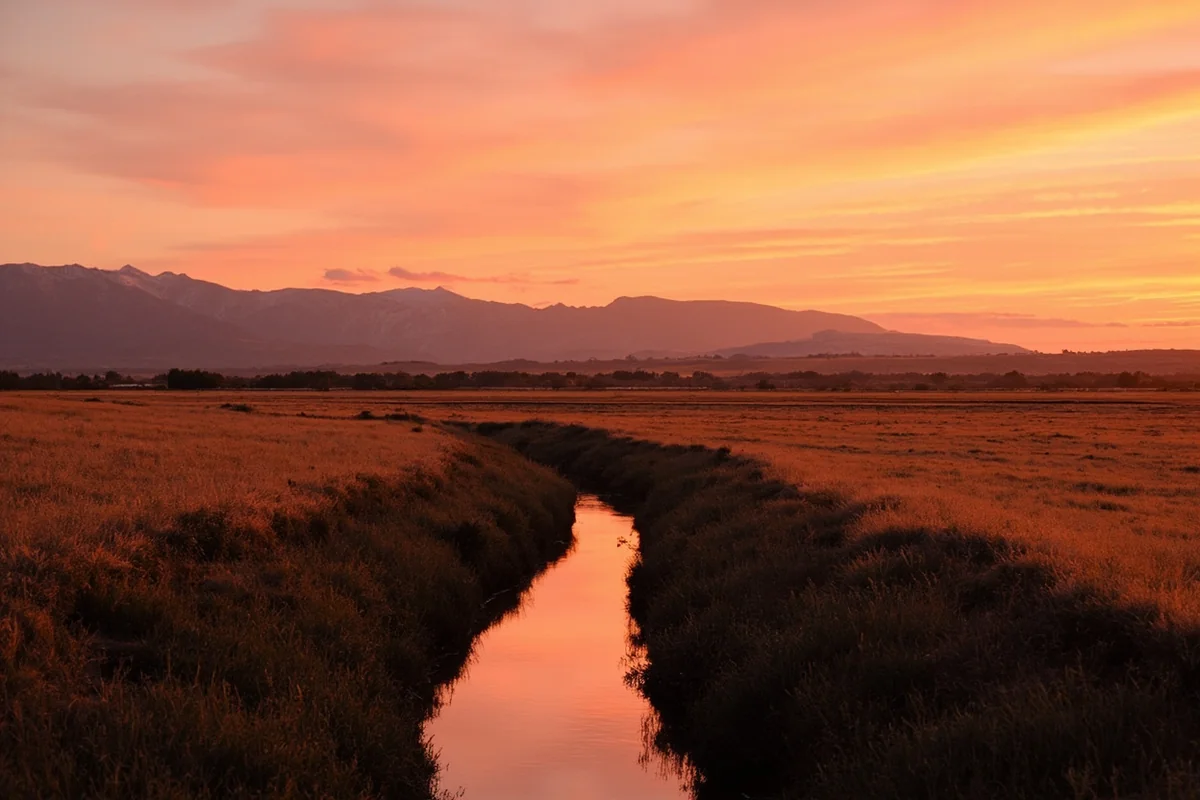
The Ruby rewards anglers who like their rivers a little quieter and their history a little more complicated than the postcard version — a river that’s carried four names, an outlaw legend that doesn’t quite hold up to scrutiny, and a genuine second chance for a native fish that had disappeared entirely.
Fish the narrow upper water for solitude, work the tailwater below Alder for browns, and stop at Robber’s Roost with the real story in mind rather than the tourist brochure version.
It’s the kind of river that repays a little research before you go, and I hope this guide has given you enough of that to make the trip feel richer.
For how the Ruby fits alongside the rest of the state’s best rivers, check out our full guide to the best rivers in Montana.
Pin this guide before your trip, and let me know in the comments if you find any garnets along the reservoir shore.