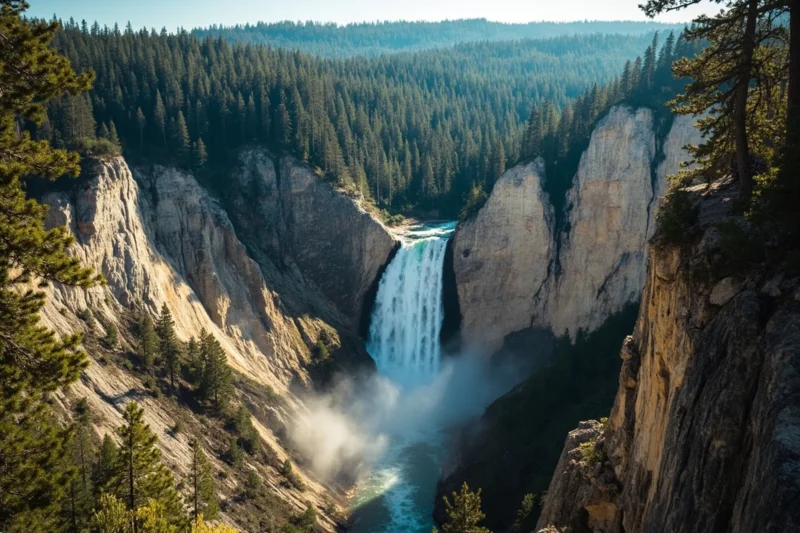
William Clark’s detachment reached the Yellowstone River right here in July 1806, describing the surrounding mountains as rugged and covered with snows. Seventy-seven years later, the Northern Pacific Railway arrived at the same spot and changed how Americans would reach Yellowstone forever.
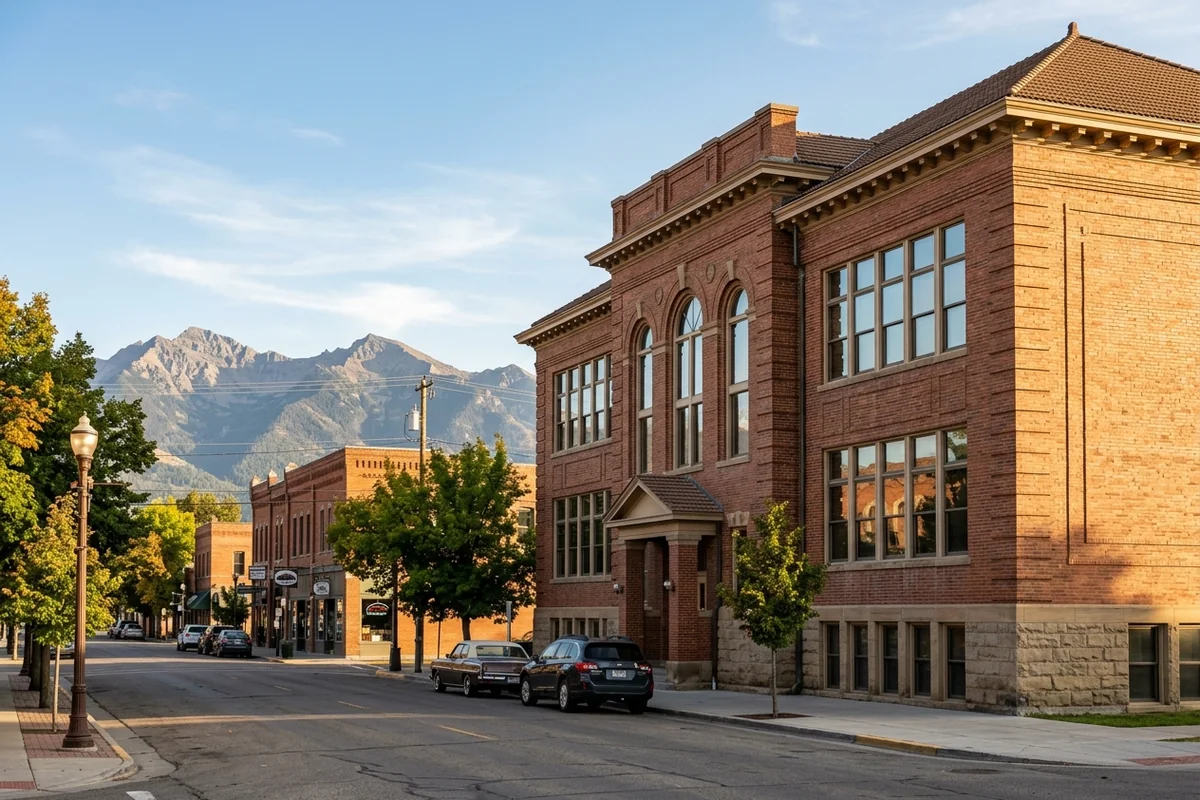
- Yellowstone Gateway Museum occupies the 1906 North Side School in Livingston, a three-story National Register building holding roughly 50,000 artifacts
- The collection spans more than 12,000 years of Park County history, from Native cultures through the Lewis and Clark expedition to the railroad era that made Livingston the original gateway to Yellowstone
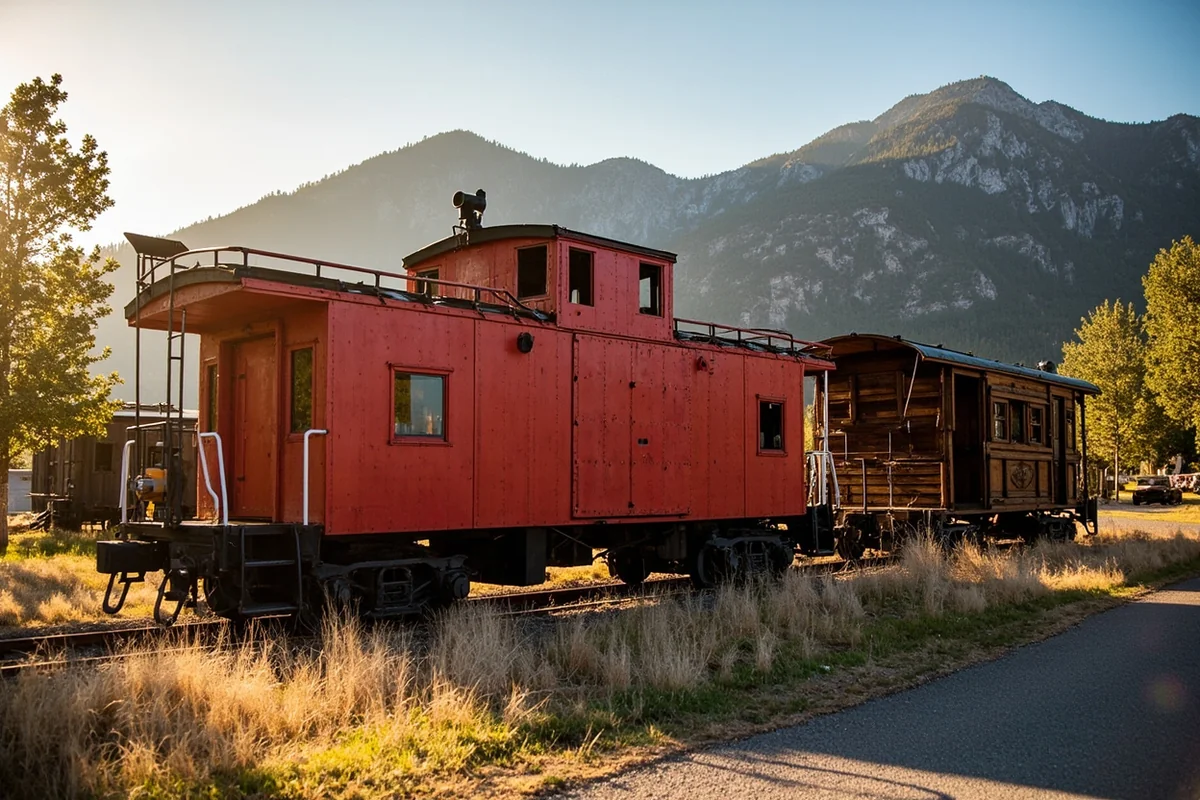
- Outdoor exhibits include a real railroad caboose, stagecoaches, sheep wagons, a blacksmith shop, and a one-room schoolhouse
- The museum sits on the official Lewis and Clark National Historic Trail, with a passport cancellation stamp available for NPS trail travelers
- This is one of the best museums in Montana that explains exactly why Livingston looks and feels the way it does today
Liked this article?
Add Roaming Montana as a preferred source so you see more of our articles and guides on Google.
A Town Built By a Railroad Spur
Livingston’s identity as a Yellowstone gateway town isn’t marketing language. It’s a specific, dateable historical fact this museum documents in real detail.
In 1883, the Northern Pacific Railway reached this stretch of the Yellowstone River and built a spur line running south toward the newly established national park.
That single infrastructure decision transformed Livingston from a small railroad stop into the original gateway for Yellowstone tourism, decades before automobiles made the drive possible on their own.
Understanding that history changes how you see the rest of the town. The grand Livingston Depot Center downtown, the railroad-era architecture, even the town’s basic layout all trace back to that 1883 decision. This museum is where you actually learn why.
Standing Where Clark Actually Stood
For anyone tracing the Lewis and Clark expedition, this museum sits on genuinely significant ground.
On July 15, 1806, William Clark’s detachment — including Sacagawea, her husband Toussaint Charbonneau, and their infant son Jean Baptiste — crossed from the Gallatin drainage into the Yellowstone drainage and descended toward the river near present-day Livingston.
Clark himself described the surrounding terrain as rugged and blanketed in snow, a detail that still rings true if you’ve driven this valley in early summer.
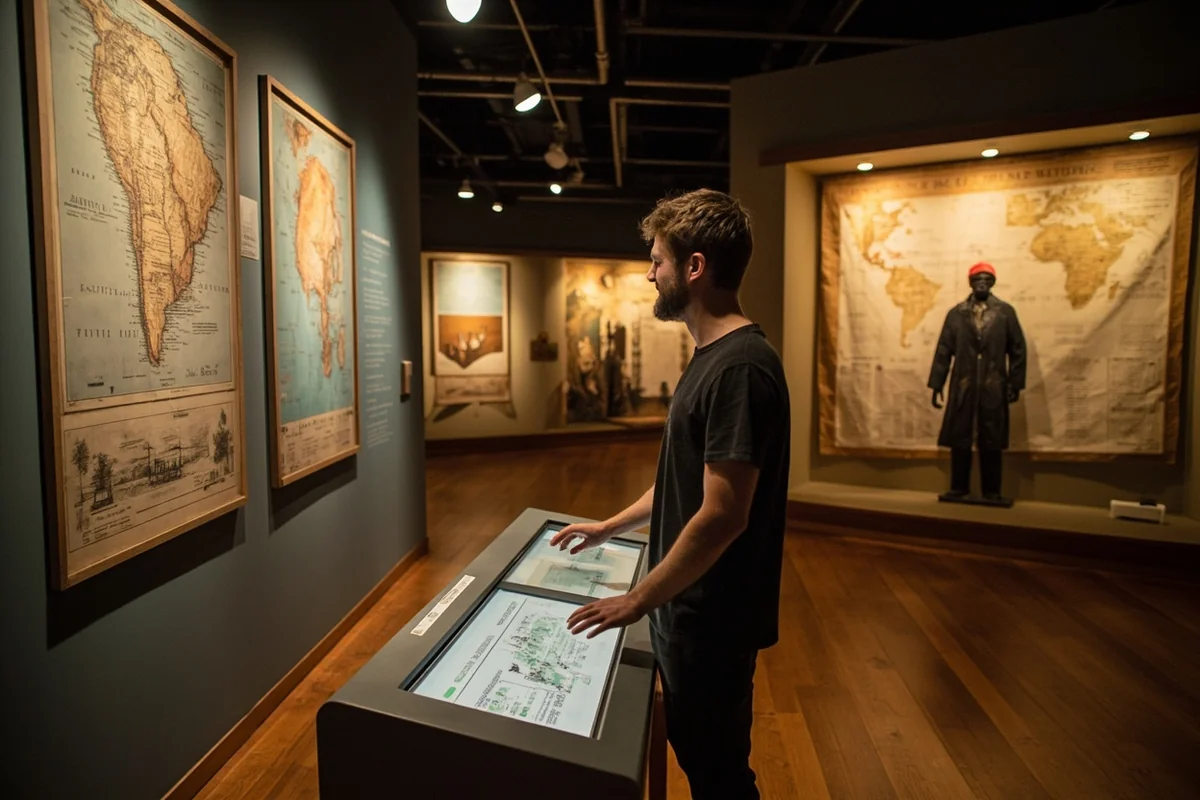
The museum’s dedicated Expedition room details the geology of the region and includes an interactive station where visitors can dress in Corps of Discovery-style clothing.
Kids get an explorer’s journal to document their own visit through both the indoor exhibits and the outdoor experiences, treating the museum walk itself like a small expedition.
Because the museum sits directly on the official Lewis and Clark National Historic Trail, NPS passport holders can pick up a special cancellation stamp here — a genuinely useful detail if you’re working through the full trail across multiple states.
Four Rooms, Twelve Thousand Years
The museum organizes its main collection into four large exhibit rooms: Native Cultures, Yellowstone, Stories of the West, and Transportation, with a particular emphasis on the railroad given the town’s origins.
The Native Cultures room reaches back more than 12,000 years, documenting the Indigenous peoples who called this valley home long before Clark’s expedition or the railroad ever arrived.
The Transportation room picks up that railroad thread directly, tracing how Northern Pacific’s spur line reshaped the entire regional economy and turned Livingston into a functioning tourist gateway.
Temporary and rotating exhibits fill in additional landings and courtyard space throughout the building, covering everything from Ice Age megafauna and Ice Patch archaeology to Park County’s military history and the evolution of communication technology.
The museum changes or adds new exhibits annually, so a repeat visit genuinely offers something different each time.
Real Historic Vehicles You Can Walk Around
Step outside and the museum’s collection gets considerably larger and more tactile. A real railroad caboose sits on display, alongside historic stagecoaches, fire trucks, and sheep wagons — the last a genuinely distinctive piece of Montana ranching history most visitors have never seen up close.
A working blacksmith shop and a one-room schoolhouse round out the outdoor grounds, both used for periodic living-history demonstrations.
During past Living History Days, visitors have watched actual blacksmithing demonstrations and sat in on lessons taught inside the historic schoolhouse exactly as they would have run a century ago.
A Research Center for Serious Local History Digging
Beyond the public galleries, the museum maintains a genuinely useful research center for anyone digging into Park County family or property history.
The archives hold voting registers for the entire county from 1887 through 1940, City of Livingston business registers, Polk city directories, and indexed names from historic Park County newspapers.
The photo collection includes roughly 10,000 images, with the Bill and Doris Whithorn collection specifically available to browse online even without an in-person visit.
Research Center access runs by appointment only, Tuesday through Friday, separate from the main museum’s walk-in hours. If you’re researching Livingston-area ancestry or property history, it’s worth calling ahead rather than assuming same-day access.
A Museum Run By a Genuinely Small Team
It’s worth appreciating the scale of the operation behind everything you’ll see here. The museum runs with just two paid staff members, supported by a Park County Board of Directors, a dedicated Friends of YGM Board of Trustees, and a real volunteer corps spanning ages 18 to 100.
For a collection of roughly 50,000 items spanning 12,000 years of history, that’s a remarkably lean team keeping everything running, cataloged, and accessible to the public year-round.
Why Livingston Looks the Way It Does
It’s worth understanding a bit more about how thoroughly the railroad era shaped this specific town, because it’s rare to find a place where one company’s business decision left such a visible, lasting architectural fingerprint.
Northern Pacific didn’t just build a spur line and move on. The company established significant infrastructure in Livingston specifically because it functioned as a division point and gateway operation, not just a passthrough stop.
That investment brought skilled railroad workers, machine shops, and a level of permanent civic infrastructure that a lot of small Montana towns from this era never received.
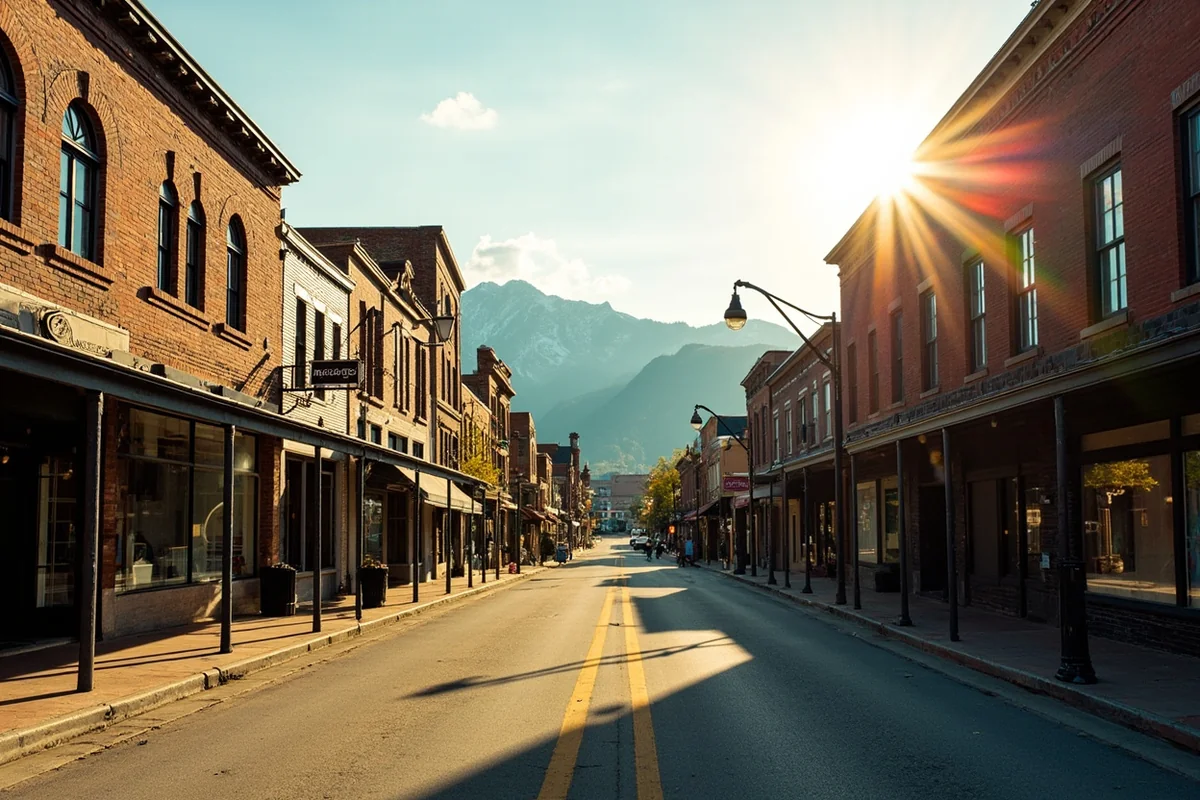
You can still see that legacy walking through downtown Livingston today — a level of substantial, well-built architecture that feels more like a small city than a typical rural Montana town this size. This museum is where that visual impression gets its actual historical explanation.
For broader context on how railroads and other infrastructure decisions shaped Montana more generally, our key historical events in Montana post covers additional turning points across the state’s development.
Visiting With Kids
This museum runs genuinely strong family programming, and the explorer’s journal activity tied to the Lewis and Clark Expedition room is a particular standout.
Giving kids their own document to fill out as they move through the museum turns a potentially passive walk-through into something more like a scavenger hunt with real historical content behind it.
The dress-up station in the Expedition room tends to be a hit across a wide age range, and the outdoor collection — especially the railroad caboose and stagecoaches — gives younger visitors plenty of large, climbable-looking (even if not always actually climbable) objects to get excited about.
Living History Days, when scheduled, add live blacksmithing and schoolhouse demonstrations that tend to hold kids’ attention even longer than the static exhibits alone.
Given the museum’s relatively modest size across four main rooms, this works well as a manageable, not-overwhelming stop for families with younger children compared to some of the state’s larger flagship museums.
Frequently Asked Questions
Is this the same as the Livingston Depot Center?
No — they’re separate attractions. This museum covers Park County’s broader history across 12,000 years; the Depot Center specifically preserves and interprets the historic Northern Pacific railway depot building itself, a short distance away downtown.
Do we need to book the Expedition room dress-up activity in advance?
Generally no for casual visitors, though it’s worth asking staff about current activity availability when you arrive, since specific interactive stations can occasionally be closed for maintenance or special events.
Is the museum accessible for visitors with mobility limitations?
As a converted three-story 1906 schoolhouse, accessibility can vary by floor. I’d call ahead to confirm current accommodations if this is a specific concern for your visit.
Where should we stay if we’re basing our Yellowstone trip out of Livingston?
Livingston makes a solid base for exploring both Paradise Valley and Yellowstone’s north entrance. Our where to stay in Yellowstone guide covers lodging options across the broader park-gateway region, including towns like Livingston and Gardiner.
- The 1883 railroad connection rarely gets explained clearly, even though it’s the single fact that explains Livingston’s entire identity as a Yellowstone gateway town.
- The exact Lewis and Clark connection point often gets vague treatment, when the museum can tell you precisely where and when Clark’s detachment reached this stretch of river.
- The Research Center’s genealogy and archival resources almost never get mentioned, despite being a genuinely valuable resource for Park County family history research.
- The sheep wagon in the outdoor collection rarely gets specific mention, despite being one of the more distinctive pieces of Montana ranching material culture on public display anywhere in the state.
Personal Tips: What I Wish I Knew
- Bring your NPS passport book if you’re tracing the Lewis and Clark Trail. The cancellation stamp here is an easy, worthwhile stop if you’re collecting them along the route.
- Budget 1.5 to 2 hours, more if you’re stopping at the Research Center. Between four large exhibit rooms and the outdoor grounds, this takes longer than a quick pass-through.
- Check for Living History Days or seasonal events before you go. Blacksmithing demonstrations and schoolhouse lessons add real texture beyond the static exhibits.
- Pair this with the Livingston Depot Center downtown. Together they give you both the railroad history and the actual grand depot building that history produced.
- Call ahead for Research Center access. It runs separately from general museum hours and requires an appointment.
How This Fits a Yellowstone Trip
Livingston sits along the Yellowstone River at the entrance to Paradise Valley, roughly 50 miles north of Yellowstone National Park’s north entrance at Gardiner. That makes this museum a genuinely useful first stop if you’re approaching the park from this direction rather than through West Yellowstone.
If you’ve already visited Museum of the Yellowstone in West Yellowstone, this museum tells the earlier half of the same transportation story — the original 1883 rail gateway rather than the later stagecoach-to-automobile transition covered there.
Our Livingston guide covers the rest of what’s worth doing in town, and our Montana museums guide maps how this stop fits into the state’s broader museum landscape.
Practical Info
| Address | 118 W. Chinook St., Livingston, MT 59047 |
| Phone | (406) 222-4184 |
| Museum hours | Tuesday–Saturday, 10 a.m.–5 p.m.; closed Sunday and Monday |
| Research Center hours | Tuesday–Friday, by appointment only |
| Admission | $10 adults, $8 seniors, $6 children 6-17, free 5 and under [verify current pricing] |
| Time needed | 1.5–2 hours |
| Good for | History enthusiasts, Lewis and Clark Trail travelers, families, railroad history buffs |
| Nearby pairing | Livingston Depot Center, Sacajawea Park |
Final Thoughts
Yellowstone Gateway Museum does something a lot of small-town museums attempt but few pull off this well: it explains exactly why the town around it exists in its current form.
Clark’s 1806 expedition, 12,000 years of Native history, and a single 1883 railroad decision all converge inside one converted schoolhouse, and walking through it changes how you’ll see the rest of Livingston for the remainder of your trip.
Most Yellowstone-bound travelers treat Livingston as a fuel stop on the way to Gardiner, if they stop at all. An hour and a half in this museum is the best argument I know for treating it as a genuine destination in its own right instead.
Pin this for your Yellowstone-area trip planning, and don’t rush past the outdoor sheep wagon on your way to the parking lot. If you’ve picked up the Lewis and Clark Trail passport stamp here, I’d love to hear how far along the trail you’ve made it in the comments.