There’s a specific feeling that sets in about six miles past Polebridge, once the road has rattled every loose item in your car and you finally roll up to Kintla Lake: you have officially reached the end of the road, in every sense. This is as far as pavement’s absence and the map’s edge both take you in this corner of Glacier National Park.
Kintla Lake sits at the very northwestern tip of Glacier National Park, close enough to Canada that it’s often described as the park’s most remote drive-to lake. This guide covers the rough access road (worse than Bowman’s), the lakeside campground that regulars prefer over almost anywhere else in the park, the hiking that connects to the legendary Boulder Pass route, and exactly what kind of visitor should make this drive.
Liked this article?
Add Roaming Montana as a preferred source so you see more of our articles and guides on Google.
Just How Remote Is Kintla Lake?
Kintla Lake sits in the North Fork region of Glacier, reached via the same North Fork Road and Polebridge route as Bowman Lake, but continuing further north and deeper into the park before the road finally ends at the lake.
It sits close enough to the Canadian border that experienced Glacier visitors treat it as a kind of unofficial finish line for North Fork exploration — there’s simply nowhere further to drive from here.
That remoteness is entirely the point. Compared to Bowman Lake, which already sees a fraction of the park’s typical traffic, Kintla sees even less, and the character of the place reflects it: quieter, starker, and more genuinely end-of-the-world feeling than almost anywhere else accessible by car in the park.
Where the Name Comes From
Kintla takes its name from a Kutenai word meaning “sack,” tied to a piece of local legend about a man who drowned in one of the lakes in this drainage — the idea being that once you got in, you couldn’t get back out, the way you can’t easily reach back out of a closed sack.
I think about that story every time I paddle out from the put-in here, which admittedly says more about my sense of humor than anything genuinely ominous about the lake itself. It’s a small detail, but it’s the kind of thing that makes a remote lake feel like more than just a dot on a map once you know it.
The Road to Kintla (Worse Than Bowman’s)
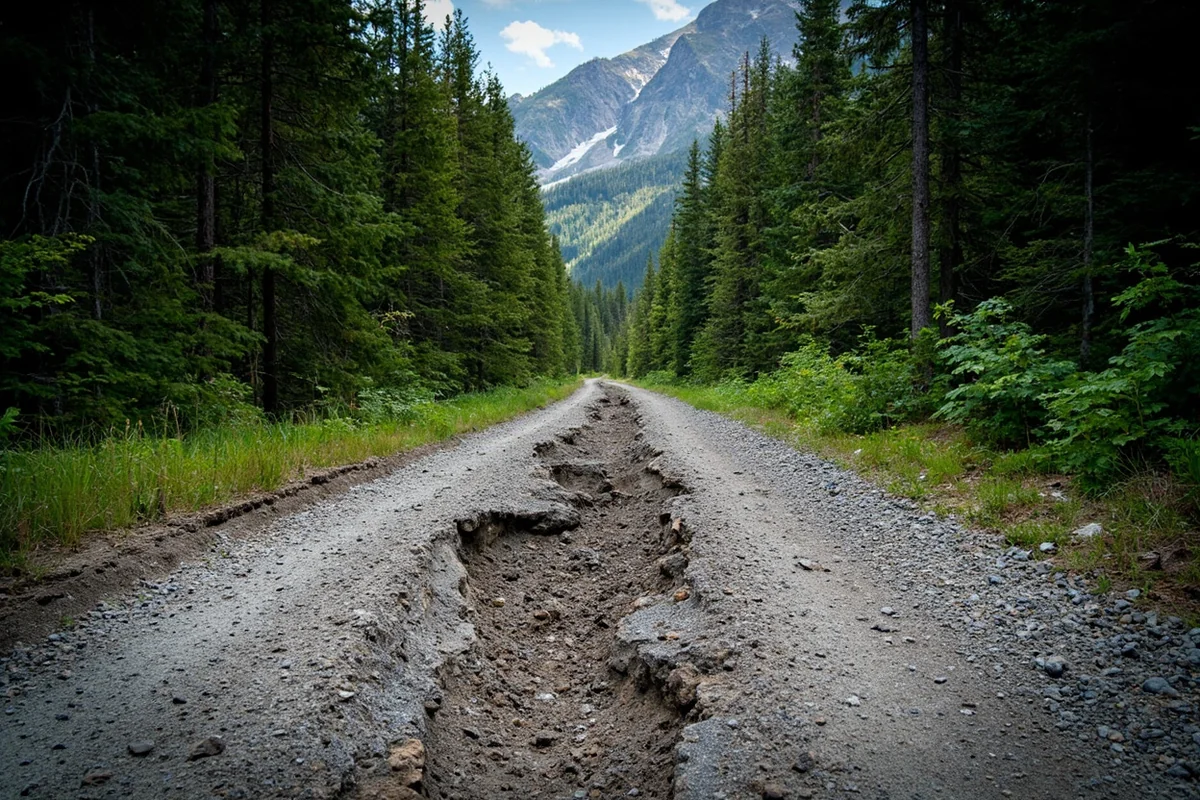
I’ll say this plainly: if the Bowman Lake road tests your patience, the final stretch to Kintla tests it further.
It’s narrow, deeply rutted in places, and can turn genuinely difficult after rain, when the road surface goes soft and slick.
As with Bowman, most rental car agreements explicitly prohibit driving this road, and I’d treat that prohibition seriously — a breakdown out here means a long wait with essentially no cell service to call for help.
I made this drive in a personal high-clearance vehicle and still found the final few miles slower going than I expected, closer to 25-30 minutes for a stretch that looks short on the map.
Budget real time for this drive, don’t attempt it in anything low to the ground, and don’t push through deteriorating weather if you can help it.
Kintla Lake Campground: On the Water
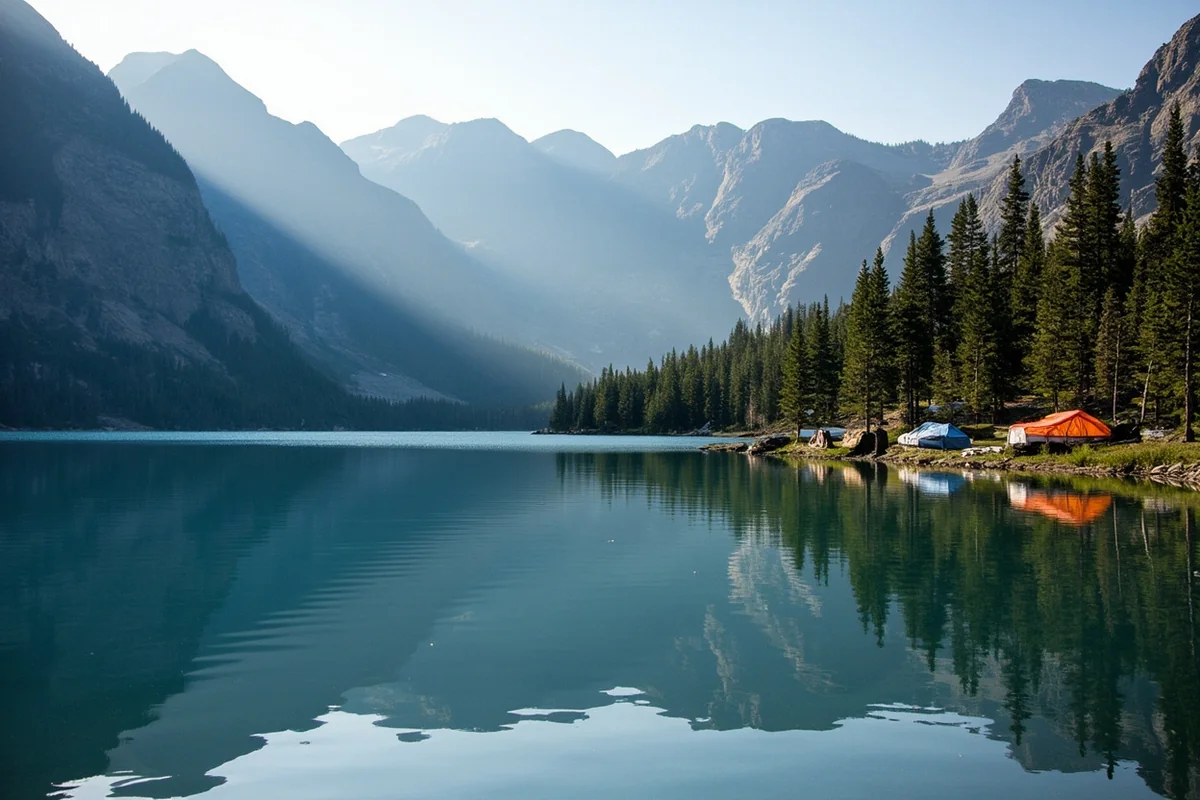
This is Kintla’s single biggest advantage over its neighbor: the campground sits directly on the lakeshore, not set back through the trees the way Bowman’s is.
I’ve fallen asleep here to actual water sounds, and woken up to a view of the lake without having to walk anywhere first. For visitors who’ve done both, this lakeside positioning is consistently the deciding factor in Kintla’s favor.
The campground is first-come, first-served with a modest number of sites, pit toilets, and no potable water guaranteed year-round, so I’d pack in what you need rather than counting on it [verify current water availability].
Given the difficulty of the drive, this campground rarely fills the way Bowman’s does, even in peak season — solitude here is close to guaranteed.
Boating on Kintla Lake
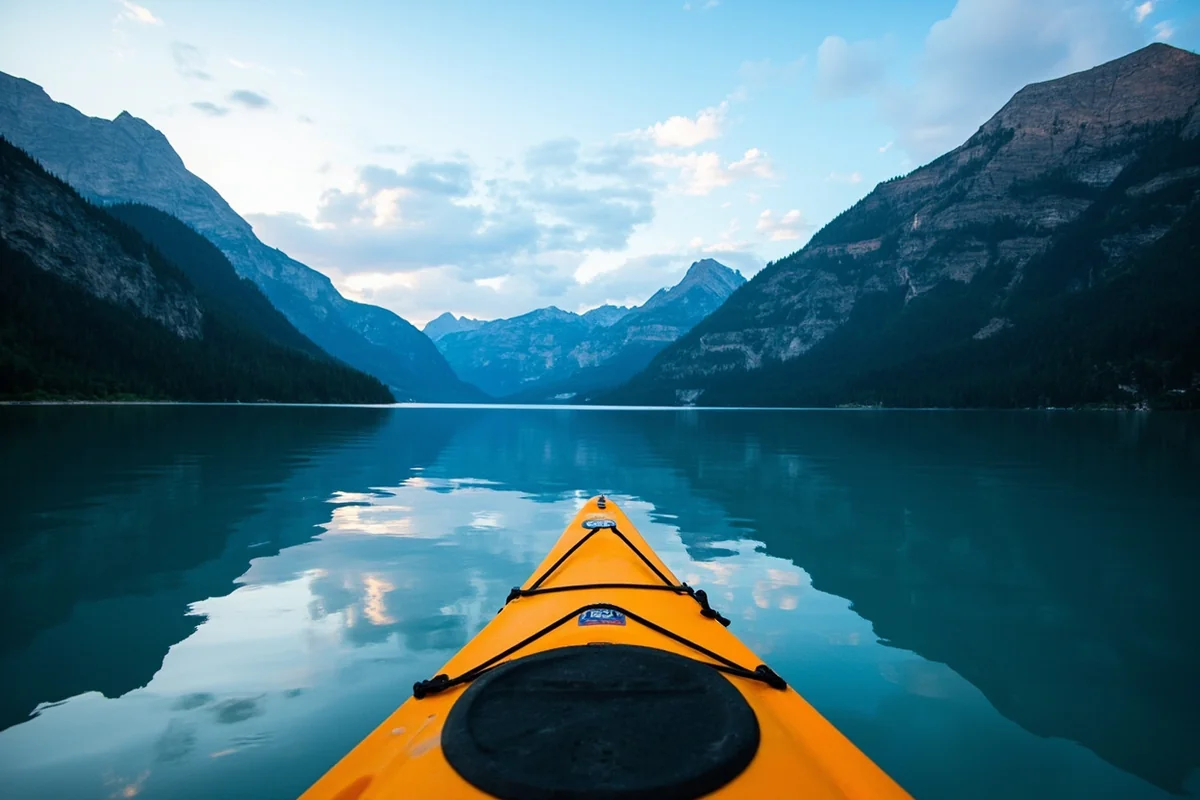
Unlike Bowman, where small motors are permitted, no motorized boats are allowed on Kintla Lake at all — only paddle craft.
I’ve found this restriction only adds to the appeal: the lake stays genuinely silent apart from wind and wildlife, and the water clarity, cold and glacially clear, makes for some of the most peaceful paddling I’ve done anywhere in Montana.
One thing to plan for: even non-motorized watercraft must pass a mandatory invasive-species inspection before launching, a rule Glacier enforces strictly given how catastrophic a mussel infestation would be for a lake this pristine. Build the inspection stop into your timeline rather than treating it as an afterthought.
There’s also a restriction here I haven’t seen enforced this strictly anywhere else in the park: dogs are not permitted in the water at Kintla Lake at all, not even leashed, not even briefly wading, in addition to the park-wide rule against dogs on trails.
If you’re traveling with a dog and were hoping for a lakeside dip, this isn’t the spot — I’d point you toward a different lake entirely if that’s part of your trip plan.
Hiking from Kintla Lake
The Kintla Lake Trail follows the north shore and connects, eventually, to Upper Kintla Lake and beyond to Boulder Pass — a genuinely legendary stretch of trail that also connects toward Bowman Lake, forming the celebrated Bowman-Kintla Loop backpacking route.
This 36-mile point-to-point trek crosses Brown and Boulder passes, passes the dramatic Hole-in-the-Wall cirque, and is considered one of the finest multi-day backpacking routes in the entire National Park System.
Day hikers can walk the flatter, easier stretch of the Kintla Lake Trail along the shoreline without committing to the full backcountry route — a good option if you want a taste of the trail without the multi-day permit and logistics involved.
Fishing Kintla Lake
As with Bowman, this isn’t a lake known for its fishing. The cold, snowmelt-fed water supports small cutthroat trout and limited other species, and most visitors who fish here do it as a bonus activity rather than a dedicated trip. A free Glacier National Park fishing permit covers it.
Backpacking the Bowman-Kintla Loop
For serious backpackers, the connection between these two lakes deserves its own mention.
The full loop — typically done as a 4-to-5-day point-to-point trip — climbs over both Brown and Boulder passes, skirts the dramatic Hole-in-the-Wall cirque with its 800-foot waterfall, and offers close-up views of the Agassiz Glacier along the way.
The route requires a backcountry permit and, since it’s point-to-point rather than a true loop, some logistics for shuttling a vehicle between trailheads — I’ve heard everything from hired shuttle services to hitchhiking used to solve that problem.
Expect genuine solitude on trail; this stretch of the park sees far fewer backpackers than the more famous routes near Many Glacier or Logan Pass.
Stargazing at Kintla Lake
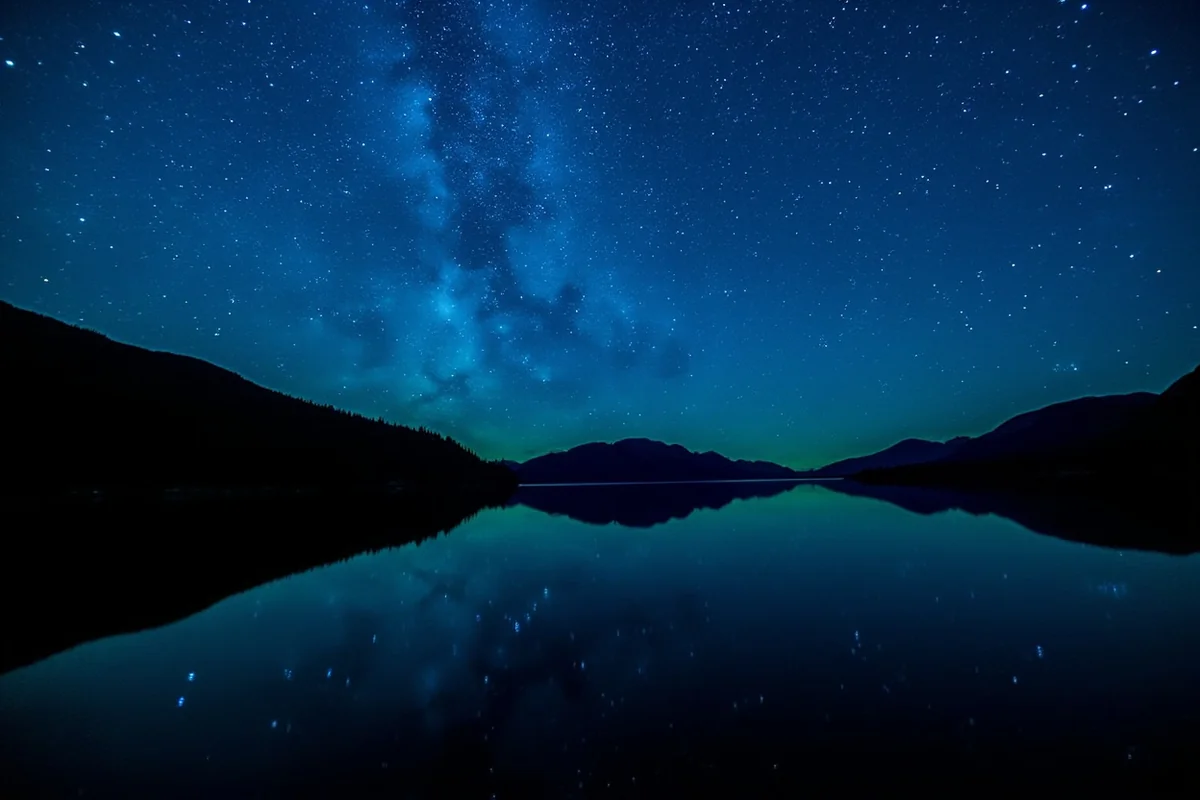
Because this corner of the park has essentially no light pollution, Kintla Lake (along with Bowman Lake and Polebridge itself) ranks among the best stargazing spots in Glacier.
The lake’s reflective surface doubles the effect on a clear, calm night. Glacier has been recognized, along with Canada’s Waterton Lakes National Park, as the world’s first transboundary international dark sky park, and the Northern Lights are occasionally visible from this area between September and March on clear, cold nights during a new moon.
Comparing Kintla to the Rest of Glacier
If Lake McDonald represents the park’s most accessible, service-rich lake experience, Kintla represents the opposite extreme entirely.
There’s no lodge, no camp store, no shuttle, and often no cell signal for the entire drive in. I bring that up not to discourage the trip but to properly set expectations — this is Glacier stripped down to its most basic elements: water, mountains, and quiet.
For fuel and supplies before heading out, Kalispell is the last real town with full services.
A Trip for a Specific Kind of Traveler
I want to be honest about who should make this drive. If your Montana trip is built around comfort, convenience, and maximizing sights per day, Kintla Lake will frustrate you — it’s a lot of driving for a payoff that’s more about atmosphere than dramatic, easily-photographed scenery.
But if you’ve already spent time at places like Lake McDonald and found yourself wishing for fewer people and more genuine wilderness, this lake delivers that in a way few other drive-to spots in the Lower 48 still can.
What to Pack
Because there’s no guarantee of potable water at the campground and no services anywhere nearby, I pack more deliberately for Kintla than almost anywhere else in the park: extra water, a paper map as backup, a full tank of gas from Columbia Falls or West Glacier, and layers for temperature swings that can be significant even in midsummer.
This is also serious grizzly habitat, so review basic bear safety practices before you go, especially if hiking any distance from the campground.
Personal Tips / What I Wish I Knew
This isn’t a lake for a rushed day trip. Given the drive time and road conditions, I’d only recommend Kintla to visitors planning to camp at least one night, or those already deep into North Fork exploration with Bowman Lake as a first stop.
Bring everything you might need. Water availability isn’t guaranteed, there’s no camp store, and Polebridge is your last real chance to stock up before the final stretch.
Check the weather before you commit to the drive. A dry-weather trip to Kintla is a very different experience from a wet one — the road conditions deteriorate significantly with rain.
If you love true quiet, this beats Bowman. I say this having genuinely enjoyed both, but if solitude is your primary goal, Kintla delivers even more of it than its already-quiet neighbor.
Practical Info: Kintla Lake
| Location | North Fork region, near the Canadian border, Glacier National Park |
| Access | Via North Fork Road through Polebridge; final stretch rougher than Bowman’s road |
| Rental car policy | Most rental agreements prohibit this road — check your contract |
| Camping | Kintla Lake Campground, first-come first-served, directly on the shoreline |
| Boating | No motorized boats allowed; paddle craft only |
| Fishing permit | Free Glacier National Park fishing permit required |
| Best season | Late June through September; road conditions worsen after rain |
Frequently Asked Questions
Can you take a rental car to Kintla Lake?
Most rental car agreements prohibit driving on this road, and the final stretch is rougher than the already-difficult road to Bowman Lake. Check your specific rental agreement before attempting it.
Is Kintla Lake or Bowman Lake more remote?
Kintla Lake, which sits further along the same North Fork road and closer to the Canadian border, is generally considered the more remote and less-visited of the two.
Can you use a motorboat on Kintla Lake?
No, motorized boats of any kind are not allowed on Kintla Lake — only canoes, kayaks, and other paddle craft.
Is the Kintla Lake campground on the water?
Yes, unlike Bowman Lake’s campground, which sits back through the trees, Kintla’s campground sits directly on the lakeshore.
How long is the Bowman-Kintla backpacking loop?
The full point-to-point route is approximately 36 miles, typically completed over 4 to 5 days, crossing both Brown and Boulder passes.
Is Kintla Lake Worth the Effort?
I get this question constantly, and my honest answer depends entirely on what you’re looking for from a Glacier trip. If you want maximum sights per day and don’t mind crowds, skip it — the drive-to-payoff ratio doesn’t favor efficiency.
But if even one truly quiet, unhurried afternoon matters more to you than checking off another overlook, Kintla delivers that in a way almost nowhere else in the park still can.
I’ve brought skeptical friends out here who assumed it would be an anticlimax after the drive, and every single one has left saying some version of the same thing: they’d do it again.
The Payoff Nobody Talks About
Most write-ups of Kintla Lake focus entirely on the difficulty of getting there, and understandably so — but I think that framing undersells what you actually find at the end of the road.
The lake itself is long, narrow, and framed by peaks that feel closer and more immediate than the more distant mountain views you get at some of the park’s bigger, more open lakes.
Standing at the campground in the evening, with the water going completely still and not another visitor in sight, I’ve had moments here that rival anything I’ve experienced at the park’s more famous overlooks — just without a single other camera pointed at the same view, and without the parking lot crowds that come standard at nearly every other iconic viewpoint in Glacier.
Final Thoughts
Kintla Lake is not a casual stop — it’s a destination you commit to, both in the driving and in the planning.
But for visitors willing to make that commitment, it delivers a version of Glacier National Park that feels genuinely undiscovered, right up until the moment you remember you’re standing in one of the most visited national parks in the country.
For the more accessible neighboring lake on the same road, see my guide to Bowman Lake, or check out the complete guide to Montana’s best lakes for the rest of the region.
If your visit falls in September or later, check road conditions extra carefully, since this stretch deteriorates faster than most once the weather turns.