Everyone driving to Flathead Lake passes within five miles of a warmer, quieter lake and never knows it’s there.
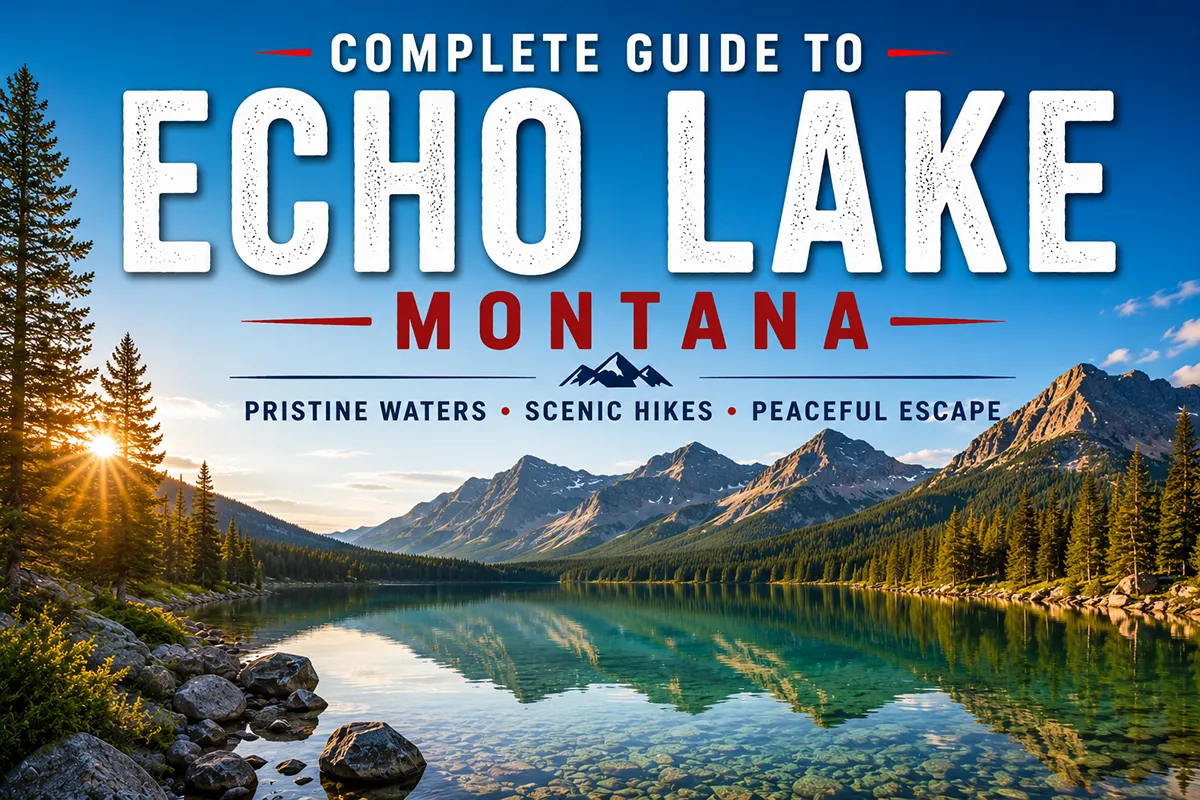
- Echo Lake sits about 5 miles northeast of Bigfork and 25 miles from Kalispell, fed primarily by groundwater rather than surface runoff
- That groundwater source makes it one of the warmest lakes in the entire Flathead Valley, ideal for swimming from May through September
- This guide covers the warm-water swimming, motorboat-friendly no-wake zones, fishing for bass and perch, and the connected canal system linking it to two smaller lakes
- Much of the shoreline is private property, so I’ll point you toward the public access points that actually work
Liked this article?
Add Roaming Montana as a preferred source so you see more of our articles and guides on Google.
Why This Lake Runs So Warm
Most Montana lakes trace their temperature straight back to snowmelt, which is exactly why so many of them stay cold well into summer. Echo Lake works differently.
It’s filled primarily by groundwater, with only a small amount of mountain runoff arriving via Echo Creek. Groundwater holds a more stable, moderate temperature than snowmelt, and that difference is exactly why Echo Lake consistently ranks among the warmest lakes in the whole Flathead Valley.
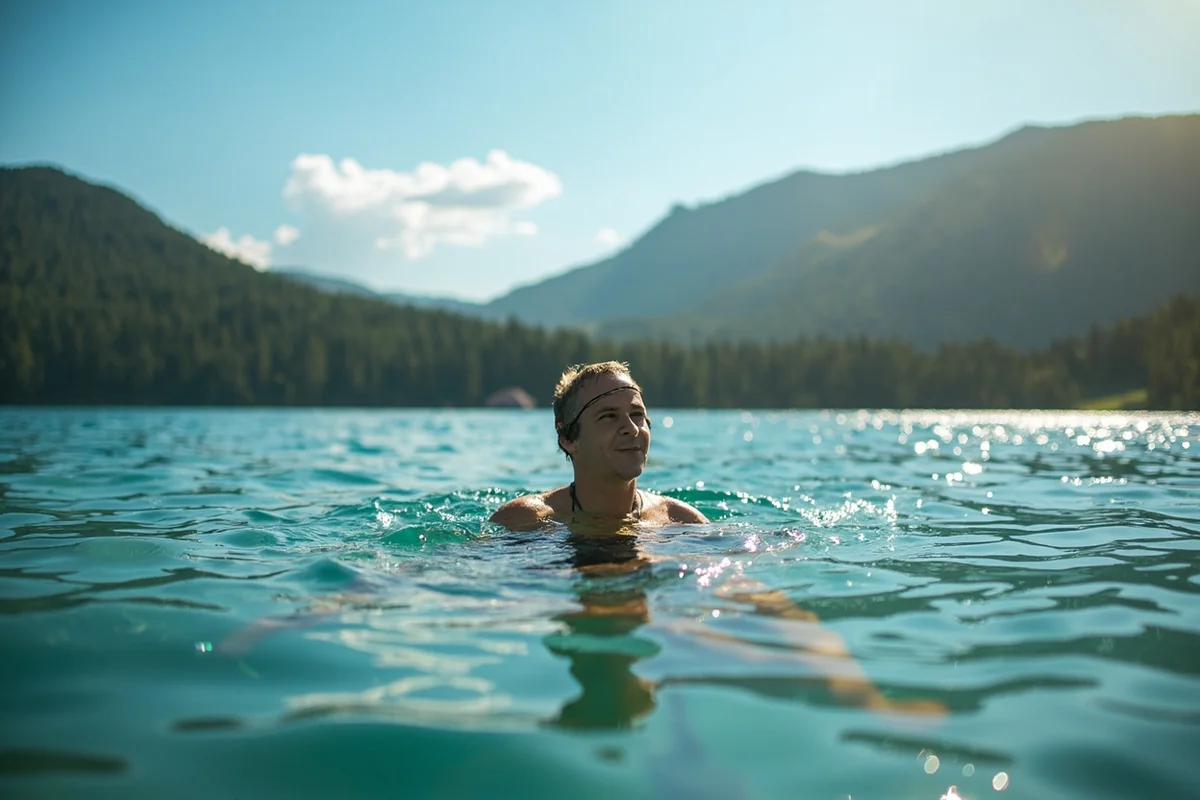
I’ve swum here in early June and found water considerably more comfortable than what I’d have found at Whitefish Lake or Flathead Lake on the same day. If cold water has kept you out of Montana lakes in the past, this is the one I’d point you toward first.
A Lake Connected by Canal
Echo Lake isn’t entirely on its own. A canal connects it to two smaller neighboring bodies of water, Abbot Lake and Peterson Lake, creating a small connected system rather than one isolated lake.
I’ve paddled from Echo Lake into this canal system on a slow afternoon, and it adds a genuinely different flavor to a visit here compared to a single, self-contained lake. The smaller connected lakes see far less traffic than Echo Lake itself, making them worth exploring if you brought a kayak or canoe.
Where to Actually Get in the Water
Here’s the practical reality: much of Echo Lake’s shoreline is private property, including a fair number of residences. That limits casual public access more than you’d expect for a lake this well-known.
Rather than trying to find a random pull-off, I’d work with a local outfitter or rental service for water access here. Base Camp in Bigfork handles kayak and paddling rentals, and I’ve used them specifically because they know exactly which put-ins actually work for public use.
Motorboats, Jet Skis, and No-Wake Zones
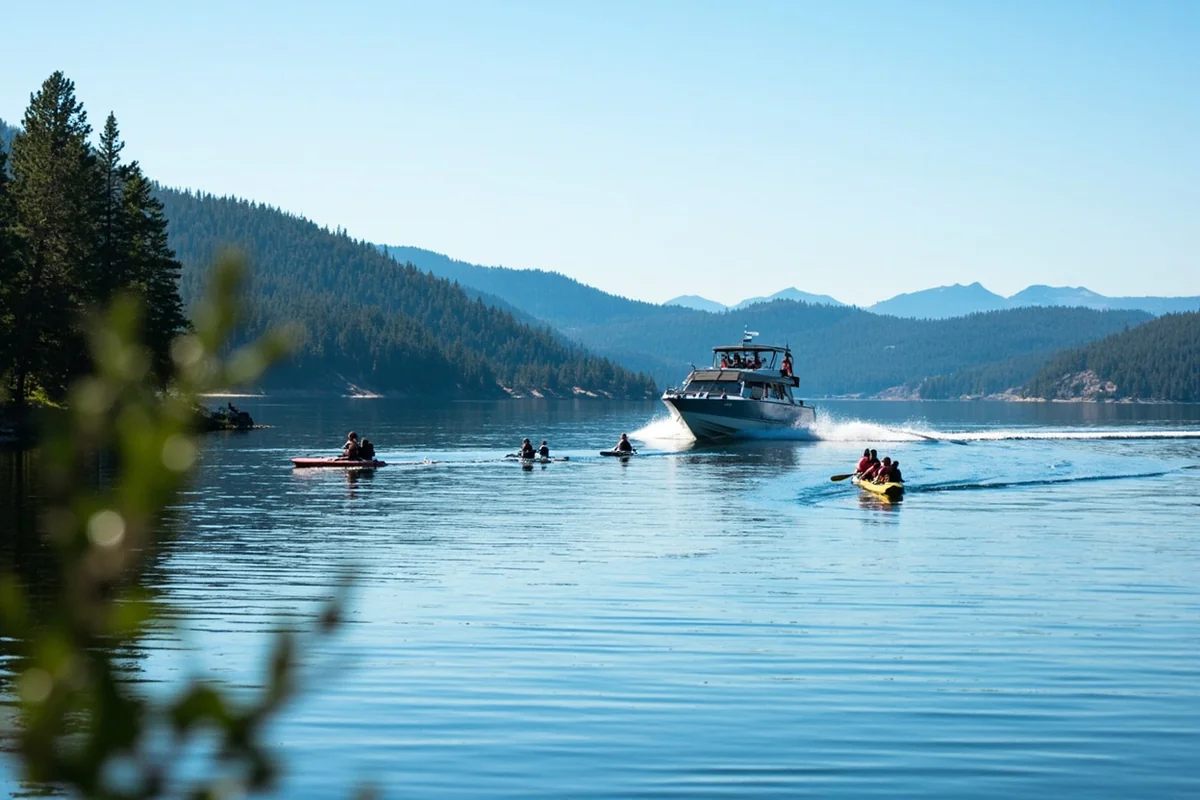
Echo Lake’s warm water has made it a genuine favorite among motorboaters, and it’s common to see boats and personal watercraft busy on the lake throughout summer. I’d expect real boat traffic here, more so than at some of the quieter alpine lakes elsewhere in this guide.
Much of the lake operates as a no-wake zone specifically to protect the numerous swimmers and kayakers sharing the water. I’d keep this in mind if you’re bringing your own motorized watercraft — check current zone boundaries before opening up the throttle.
Fishing Echo Lake
This lake holds a genuinely solid warm-water fishery, with smallmouth and largemouth bass, yellow perch, northern pike, and both rainbow and brook trout all present. Numerous coves around the shoreline give bass anglers plenty of structure to work.
I’ve had good luck here specifically when nearby rivers were running high and muddy from spring runoff, since Echo Lake’s stillwater conditions stay fishable regardless of what the rivers are doing.
Local guide services, including Howe’s Fishing and Bigfork Anglers, offer trips here if you’d rather have local knowledge than guess at productive spots yourself.
Ice fishing is a genuine option in winter too, and I’d call Echo Lake a nice size for it — small enough to feel manageable, not so small that it feels crowded once a few shelters go up.
Hiking and Biking Nearby
Echo Lake Road offers a popular 3-mile biking route, while the Swan River Trail delivers a 4-mile round-trip option suitable for both hiking and biking. For something more demanding, Jewel Basin Road and the Broken Leg route east of the lake both involve serious switchbacks that reward capable, well-equipped riders.
I’d send confident hikers toward the nearby Strawberry Lake Trail #5 or the Swan River Nature Trail, both popular options that pair naturally with a day based around Echo Lake.
Lodging Near Echo Lake
Given the limited public shoreline access, I’d base a stay in nearby Bigfork rather than expecting lakefront lodging directly at Echo Lake itself. Bridge Street Cottages, with thirteen distinct cottages blending rustic charm with real comfort, has been my go-to recommendation for visitors wanting a proper home base.
For something more unusual, the Jewel Basin Yurt offers an off-grid stay a short drive northeast, somewhere between camping and glamping. I’d mention that pets aren’t allowed there, which has ruled it out for a few travelers I’ve recommended it to.
A Stop in Bigfork Worth Making
Given how close Echo Lake sits to town, I’d build in time for Bigfork itself. The Echo Lake Café, operating for more than 50 years, has earned its reputation as a beloved local breakfast spot, and I make a point of stopping there before a lake day whenever I’m in the area.
Flathead Lake Brewing Company is another easy stop, especially if you want to cap off a day on the water with a locally brewed IPA. Bigfork’s Festival of Arts and Theatre by the Bay add genuine cultural depth if your visit lines up with their seasonal schedules.
What Makes This Lake Feel Different
I keep coming back to Echo Lake because it strikes a balance I don’t find at many other Flathead Valley lakes. It’s warm enough to swim comfortably, developed enough to have real services nearby in Bigfork, and yet still quiet enough that I’ve had genuinely peaceful mornings on the water without much company.
Part of that balance comes down to the private shoreline limiting casual access. Where a lake with more public shoreline might see heavier day-tripper traffic, Echo Lake’s access constraints have inadvertently kept it feeling more local and less touristy than its warm water and convenient location might otherwise suggest.
A Lake Worth Building a Full Day Around
Given the combination of swimming, fishing, biking, and hiking options clustered around Echo Lake, I’d genuinely recommend building a full day around this area rather than treating it as a quick stop.
Start with an early paddle or swim while the water is calm, work in a bike ride along Echo Lake Road or the Swan River Trail, and finish with dinner and a drink back in Bigfork.
I’ve structured trips this way more than once, and the variety packed into a relatively small geographic area consistently surprises visitors who expected just “another lake stop” on their Flathead Valley itinerary.
Seasonal Crowds and Timing
Given its relative obscurity compared to Flathead or Whitefish Lake, Echo Lake generally stays less crowded even during peak summer months. I’d still expect more boat traffic on July and August weekends specifically, when the warm water draws the heaviest local use.
Weekday visits, or trips timed for shoulder months like early June or September, consistently deliver a quieter experience without sacrificing much in the way of comfortable water temperature, especially given how much earlier this lake warms compared to its colder neighbors.
For broader seasonal planning, my best time to visit Montana guide covers timing considerations that apply well beyond just this one lake.
Personal Tips / What I Wish I Knew
Work with a local outfitter for water access. Given how much of the shoreline is private, I’ve had better luck through Base Camp or a guide service than trying to find public access on my own.
Visit May through September for the warmest swimming. This window captures Echo Lake at its most comfortable, well ahead of the cold that arrives by late fall.
Don’t skip the connected canal system if you have a kayak. Abbot Lake and Peterson Lake see far less traffic and add real variety to a paddling day.
Stop at Echo Lake Café before you hit the water. It’s a small thing, but a genuinely good breakfast sets the tone for the whole day.
Practical Info: Echo Lake
| Length | About 2 miles |
| Depth | Roughly 80 feet at maximum |
| Location | About 5 miles northeast of Bigfork, 25 miles from Kalispell |
| Best season | May through September for warm-water swimming |
| Fishing | Smallmouth and largemouth bass, yellow perch, northern pike, trout |
| Shoreline access | Mostly private; work with local outfitters for reliable public access |
Frequently Asked Questions
Why is Echo Lake warmer than other Flathead Valley lakes?
It’s fed primarily by groundwater rather than mountain snowmelt, and groundwater holds a more stable, moderate temperature than glacial or snowmelt-fed water.
Is Echo Lake open to the public?
The lake itself is public, but much of the surrounding shoreline is private property, so I’d work with a local outfitter or rental service for reliable access.
Can you fish Echo Lake?
Yes, it holds a solid warm-water fishery including bass, perch, pike, and trout, and it fishes well even when nearby rivers are too high or muddy.
How far is Echo Lake from Bigfork?
About 5 miles northeast, making it an easy add-on to a Bigfork-based Flathead Valley trip.
Are motorboats allowed on Echo Lake?
Yes, motorboats and personal watercraft are common here, though much of the lake operates as a no-wake zone to protect swimmers and kayakers.
Comparing Echo Lake to Whitefish Lake
Both lakes have reputations as the “warm” alternatives to their much larger, colder neighbors, and I get asked which one deserves priority. Whitefish Lake offers a proper public beach, City Beach specifically, with full amenities and easy access from downtown Whitefish.
Echo Lake trades that convenience for a smaller, quieter feel and genuinely fewer visitors overall, precisely because public shoreline access is more limited. I’d send families wanting a straightforward beach day to Whitefish Lake, and travelers wanting a calmer, more local-feeling warm-water lake toward Echo instead.
The Jewel Basin Connection
Echo Lake’s position next to the Jewel Basin Hiking Area gives it access to one of the most concentrated collections of alpine lakes and trails in this part of Montana. More than 13,000 acres of terrain here pack in dozens of small lakes and interconnected trails.
I’d treat a Jewel Basin hike as a natural pairing with a lower-elevation Echo Lake day — cooler, more demanding trail time up high, followed by warm water and easy relaxation back down at the lake itself. Few combinations in this region offer that kind of temperature and effort contrast within such a short drive.
Winter at Echo Lake
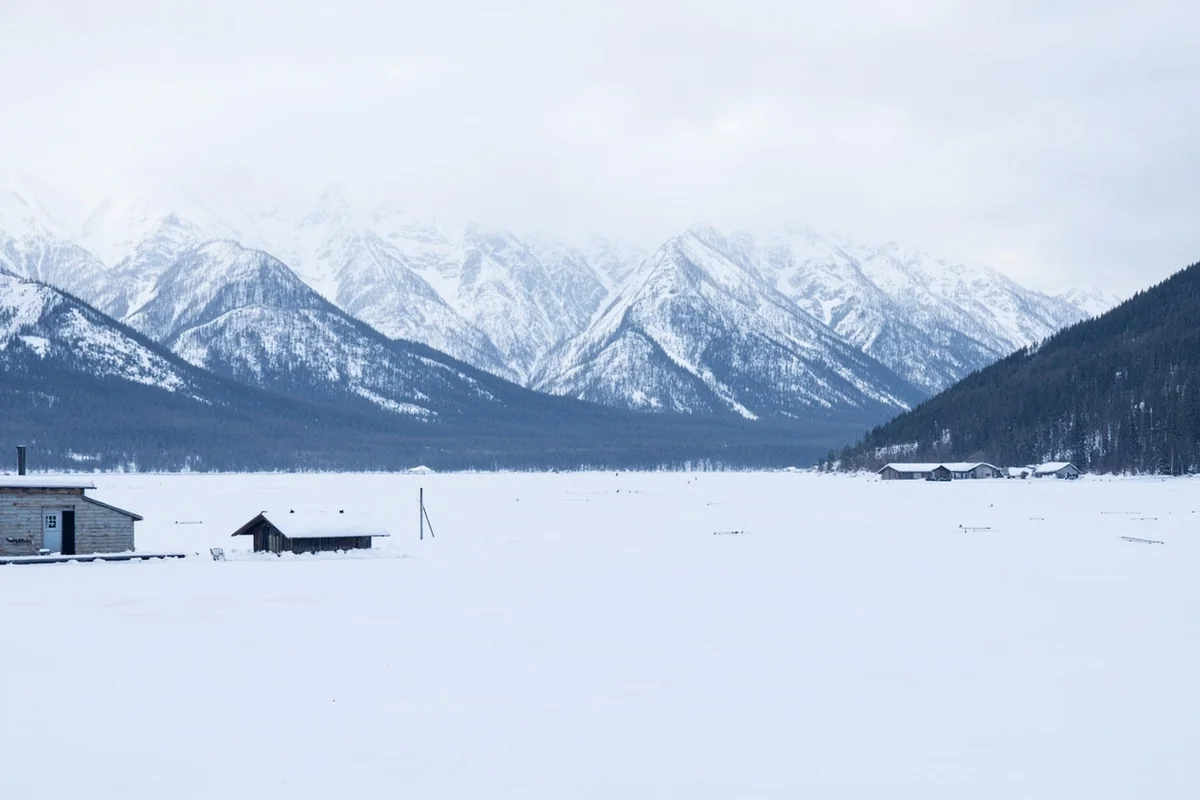
Once the lake freezes, Echo Lake becomes a genuine ice fishing destination, and I mentioned earlier that its manageable size makes it a good choice for this specific activity. Small enough to feel approachable, but not so small that a handful of shelters make it feel crowded.
I’d also note that the surrounding area supports broader winter recreation, including cross-country skiing and snowshoeing on some of the same trails that see hikers and bikers in summer. The Swan Range backdrop looks genuinely different under snow, and I’d encourage at least one winter visit if your travel plans allow for it.
Final Thoughts
Echo Lake is exactly the kind of overlooked gem that rewards travelers willing to look five miles past the obvious destination. Warmer water, fewer crowds, and a genuinely good breakfast spot down the road make this a worthwhile detour on any Flathead Valley trip.
For the much larger neighbor most visitors drive straight to instead, see my guide to Flathead Lake, or compare it with Whitefish Lake if you want another warm-water option nearby.
For lodging and services, my Bigfork guide covers the town itself, and for a similarly quiet lake up Highway 83, see my guide to Swan Lake.
For outfitted fishing trips, my guided Montana tours guide covers reputable local options. Check out the complete guide to Montana’s best lakes for the rest of the region.