Montana isn’t exactly known for sandy beaches. Lake Como has one anyway, and it genuinely surprises first-time visitors every summer.
- Lake Como sits in the Bitterroot Valley off Route 93, a few miles north of Darby and about 8 miles south of Hamilton
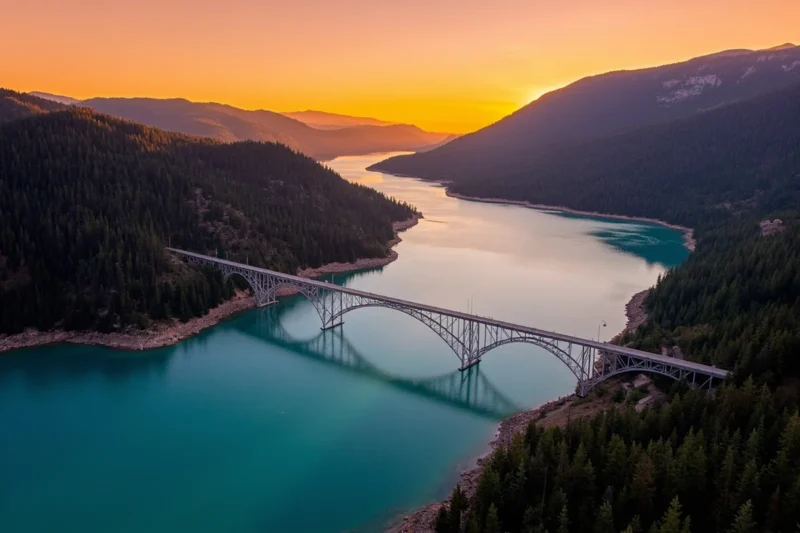
- Created in 1910 when local farmers built Como Dam for irrigation, it’s now a genuinely popular recreation reservoir
- This guide covers the sandy beach, camping options including an off-grid cabin, fishing, and boat access
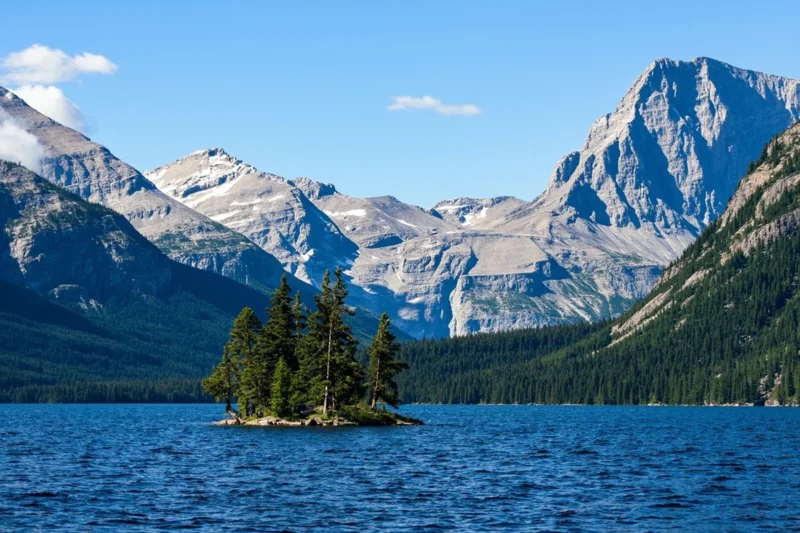
- The lake sits at 4,252 feet, surrounded by dramatic Bitterroot Mountains views from both the trail and the water
Liked this article?
Add Roaming Montana as a preferred source so you see more of our articles and guides on Google.
A Reservoir Built by Farmers, Not the Government
Most of Montana’s reservoirs trace back to federal Bureau of Reclamation projects or major utility companies. Lake Como’s origin story is more local than that.
Local farmers built Como Dam in 1910 specifically to irrigate the surrounding Bitterroot Valley communities. That agricultural purpose continues today — the lake still serves as a late-season water source for the valley even as it’s become a genuine outdoor recreation destination in its own right.
I find this detail worth knowing because it explains why the lake’s water level shifts noticeably by season, fuller earlier in summer and drawn down later as irrigation needs increase.
Where Lake Como Sits
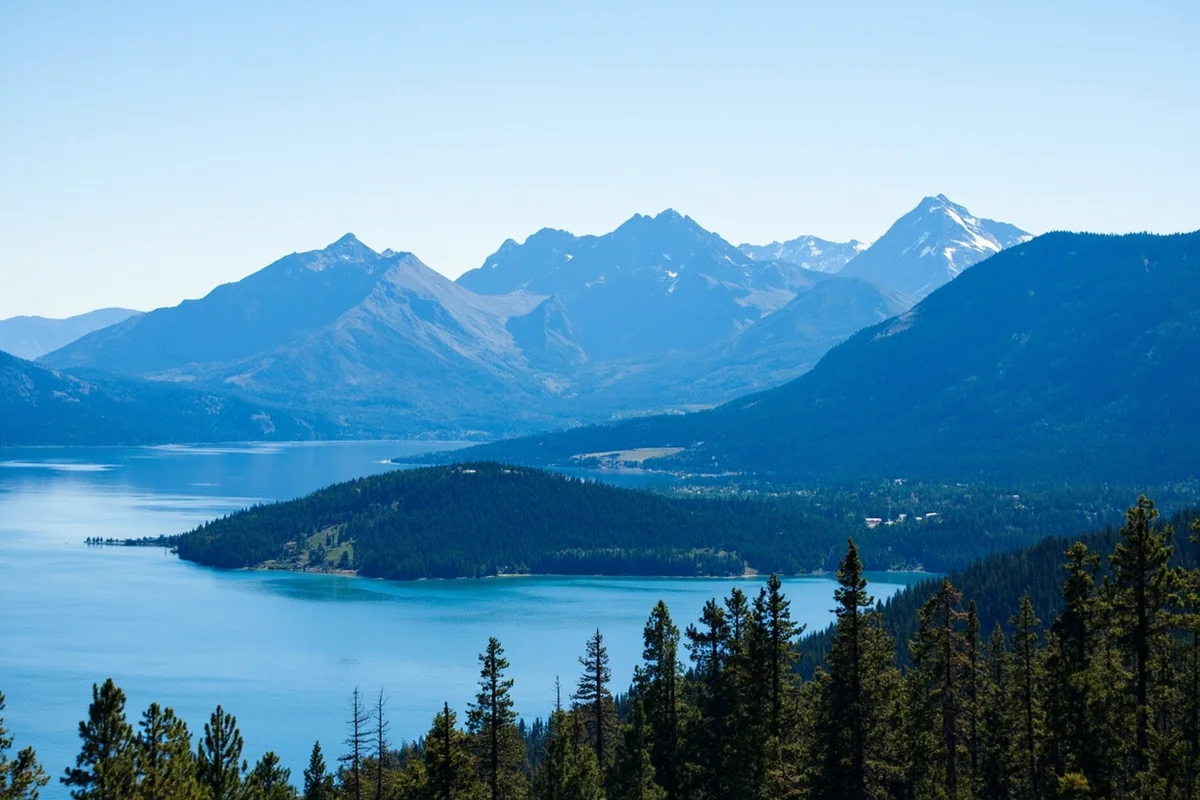
Tucked into Ravalli County off Route 93, the lake sits just a few miles north of Darby and about 8 miles south of Hamilton. At 4,252 feet elevation, it’s surrounded by genuinely stunning mountain views from both the shoreline trail and out on the water.
This puts it conveniently along the main Bitterroot Valley corridor, making it an easy stop whether you’re headed toward the Bitterroot National Forest or simply driving the valley for its own sake.
The Sandy Beach
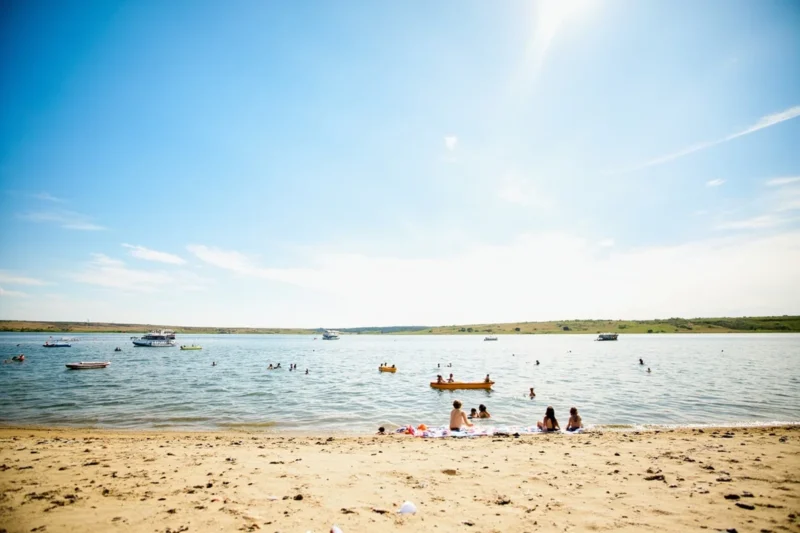
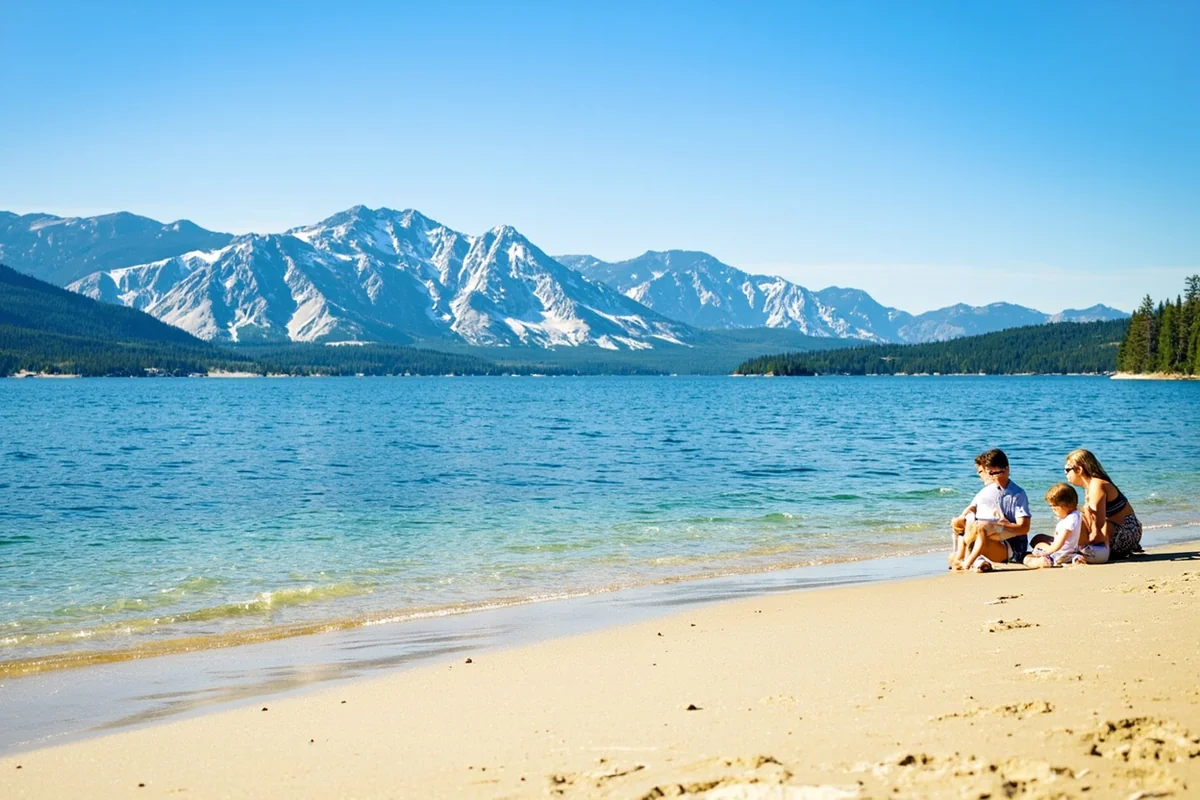
This is genuinely the detail that sets Lake Como apart from most other lakes in this entire cluster. Lake Como Beach offers an actual sandy shoreline, a rarity in a state where most lake shores run rocky or muddy.
The beach includes paved parking, changing rooms, and accessible toilets close to the water. A $5 parking fee applies, and access is day-use only [verify current parking fee].
I’d plan a visit for peak summer through August specifically, since the beach’s appeal depends on the reservoir being full — water levels drop as the season progresses and irrigation draws increase.
Fishing Lake Como
With the proper license and equipment, anglers here can catch various trout species along with mountain whitefish. The north shore offers easy access for anyone fishing from land, while the rest of the lake is best worked by boat.
Given how busy this lake gets on summer weekends, I’d fish early morning before the crowds and sun heat up the water. Landing a solid rainbow trout before breakfast has become something of a personal tradition on my Lake Como camping trips.
Boating at Lake Como
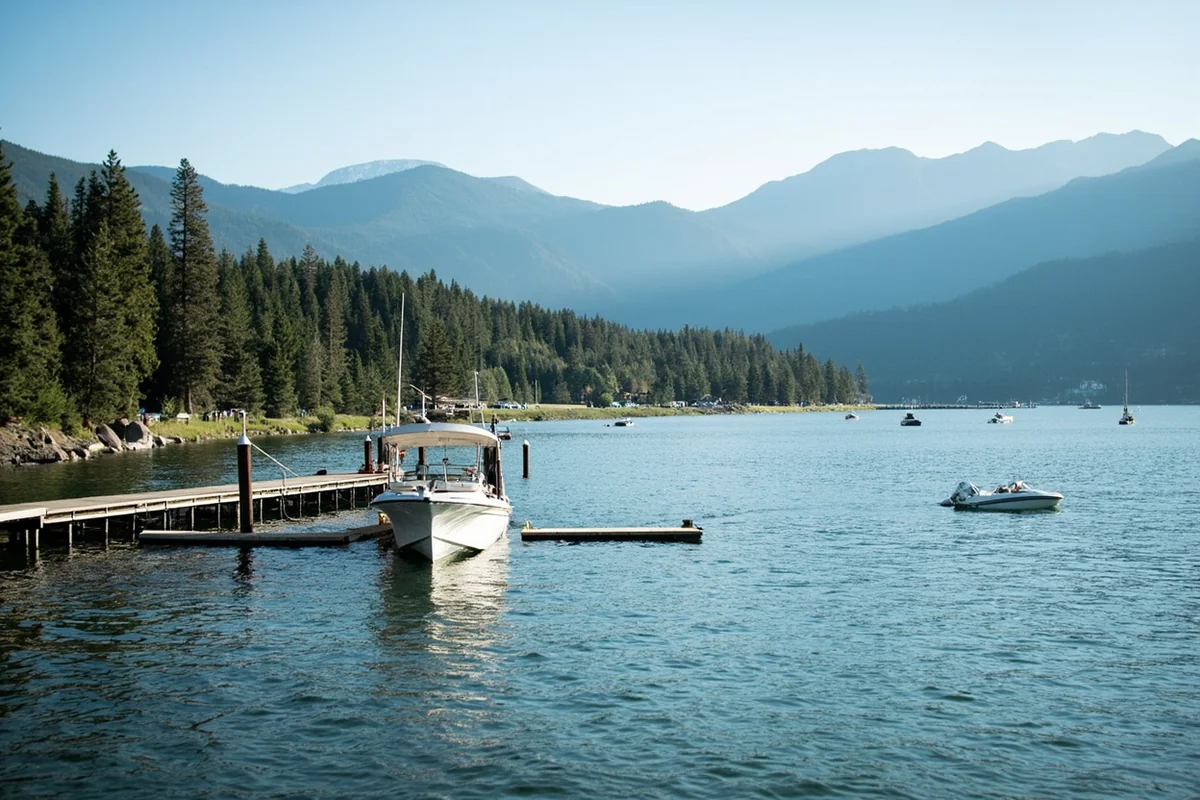
The South Lake Como Boating Site, near the dam itself, provides trailer parking and a long, wide dock for easy launching. Motorized boats are permitted, opening up the lake to water skiing and other faster-paced activities beyond just fishing and paddling.
Camping Options
Lake Como offers a genuinely varied camping lineup, more so than many lakes in this guide.
Lake Como Campground (Lower Como) sits on the northeast shore with 10 RV spots featuring electrical and water hookups, separated by trees and grass for privacy. Handicap-accessible vault toilets and garbage service round out the amenities, and at $25 a night, it’s a reasonable option close to the beach [verify current camping fee].
Three Frogs Campground, north of the lake near the Lake Como Loop Trailhead, suits hikers wanting an early trail start. Four walk-in tent sites and 14 small trailer sites (up to 30 feet) are available, though without electrical or water hookups — you’ll need to pack in your own water here.
Wood’s Cabin offers something genuinely different: a three-bedroom, off-grid cabin with a common room, sleeping up to 15 people and holding two cars, priced between $60 and $100 a night depending on season. No electricity, no cell service — just a large wraparound porch with water and forest views. I’ve stayed here specifically for that unplugged feeling, and it delivers.
The Lake Como Loop Trail
For hikers, the trail circling the lake offers genuinely rewarding views without excessive difficulty. Starting from near Three Frogs Campground makes for a natural early-morning launch point before the day’s heat sets in.
I’d pair this with a swim at the beach afterward — a loop hike followed by a cooldown in the lake has become one of my favorite simple itineraries in the whole Bitterroot Valley.
Hiking Beyond the Loop Trail
While the Lake Como Loop Trail is the most accessible option directly at the lake, the surrounding Bitterroot National Forest offers considerably more for hikers willing to venture further.
Trailheads throughout this section of the forest lead toward the Selway-Bitterroot Wilderness, one of the largest wilderness areas in the country.
I’d treat the lake loop as an easy warm-up rather than the full extent of hiking available in this area.
For seasonal timing that applies broadly across Montana’s mountain trails, my best time to visit Montana guide covers general planning considerations, and the same logic translates well to the Bitterroot’s own trail network.
The Drive Along Route 93
Getting to Lake Como means driving at least part of Route 93 through the Bitterroot Valley, and I’d consider this drive itself a genuine highlight rather than just a means to an end.
The valley floor runs flat and agricultural, while the Bitterroot Mountains rise dramatically to the west for nearly the entire length of the drive.
I’ve made this drive specifically for the scenery on days when I wasn’t even planning to stop at the lake, and it’s held up every time as one of my favorite stretches of highway in western Montana, rivaling even parts of Going-to-the-Sun Road for pure scenic value, if not for fame.
Weekday vs. Weekend Timing
Given how popular this lake has become, especially for its rare sandy beach, I’d strongly consider a weekday visit if your schedule allows it. Summer weekends bring noticeably heavier crowds, longer waits for parking, and a busier overall beach experience.
I’ve visited on a Tuesday in July and had considerably more breathing room than a Saturday visit during the same month, with essentially the same weather and water conditions.
If flexibility is available, this single scheduling choice does more for your experience than almost anything else you could plan around.
Combining Lake Como With a Bigger Bitterroot Valley Trip
Given its central location in the valley, Lake Como works naturally as one stop within a bigger Bitterroot exploration. I’d pair it with a visit to one of the valley’s small towns, a stop at a local orchard stand if you’re visiting during harvest season, or further hiking into the surrounding national forest.
Treating this as a full day rather than a quick beach stop has consistently given me a better sense of what makes this valley special beyond just the lake itself, and I’d genuinely encourage the same approach for anyone planning their first visit.
Personal Tips / What I Wish I Knew
Visit before late August if the beach is your priority. Water levels drop as the season progresses due to ongoing irrigation draws, and the beach experience is best when the reservoir is full.
Fish early morning on summer weekends. This lake gets genuinely busy, and both the fish and your own comfort benefit from beating the heat and crowds, especially by mid-July when the beach parking lot fills fast.
Consider Wood’s Cabin for a genuinely different Montana experience. The lack of electricity and cell service forces a kind of disconnection that’s increasingly rare, even on a camping trip, and I’ve come away from stays there feeling more rested than after most vacations.
Bring your own water if staying at Three Frogs Campground. Unlike the lower campground, there are no hookups or guaranteed water access here.
Practical Info: Lake Como
| Location | Off Route 93, north of Darby, south of Hamilton |
| Elevation | 4,252 feet |
| Beach parking fee | $5, day-use only [verify current fee] |
| Camping | Lower Como Campground, Three Frogs Campground, Wood’s Cabin |
| Boating | Motorized boats permitted; South Lake Como Boating Site near the dam |
| Best season | June through August for full reservoir and beach access |
Frequently Asked Questions
Does Lake Como have a real sandy beach?
Yes, Lake Como Beach offers a genuine sandy shoreline, which is unusual for Montana lakes and reservoirs.
When was Lake Como created?
In 1910, when local farmers built Como Dam to provide irrigation water to the surrounding Bitterroot Valley communities.
Is there off-grid lodging at Lake Como?
Yes, Wood’s Cabin offers a three-bedroom, off-grid stay without electricity or cell service, sleeping up to 15 people.
How far is Lake Como from Hamilton, Montana?
About 8 miles south of Hamilton, with the town of Darby just a few miles further south of the lake itself.
Is Lake Como good for a family day trip?
Yes, the sandy beach, paved parking, and accessible facilities make it one of the more family-friendly lake destinations in the Bitterroot Valley.
Why the Sand Is So Unusual Here
I’ve thought about why Lake Como has real sand when so few Montana lakes do, and the answer likely comes down to the specific geology of this stretch of the Bitterroot Valley. Most Montana lake shores form from glacial till, rock, or mud rather than the finer sediment that creates true sandy beaches.
Whatever the exact geological explanation, the practical result is a beach experience that feels more like something you’d find at a coastal destination than a mountain reservoir. I’ve brought visitors here specifically to see their surprised reaction when they realize Montana has this kind of shoreline at all.
The Bitterroot Valley Context
Lake Como sits within one of Montana’s most agriculturally significant valleys, and understanding that context adds depth to a visit here. The Bitterroot Valley has supported farming and ranching for generations, and Como Dam’s original 1910 construction reflects exactly that priority.
Driving Route 93 through this valley today, you’ll pass orchards, ranches, and small towns that still reflect this agricultural heritage, even as tourism has grown alongside it. I’d budget time for at least a partial drive through the valley beyond just the lake itself if you have the time.
Hamilton and Darby as Home Bases
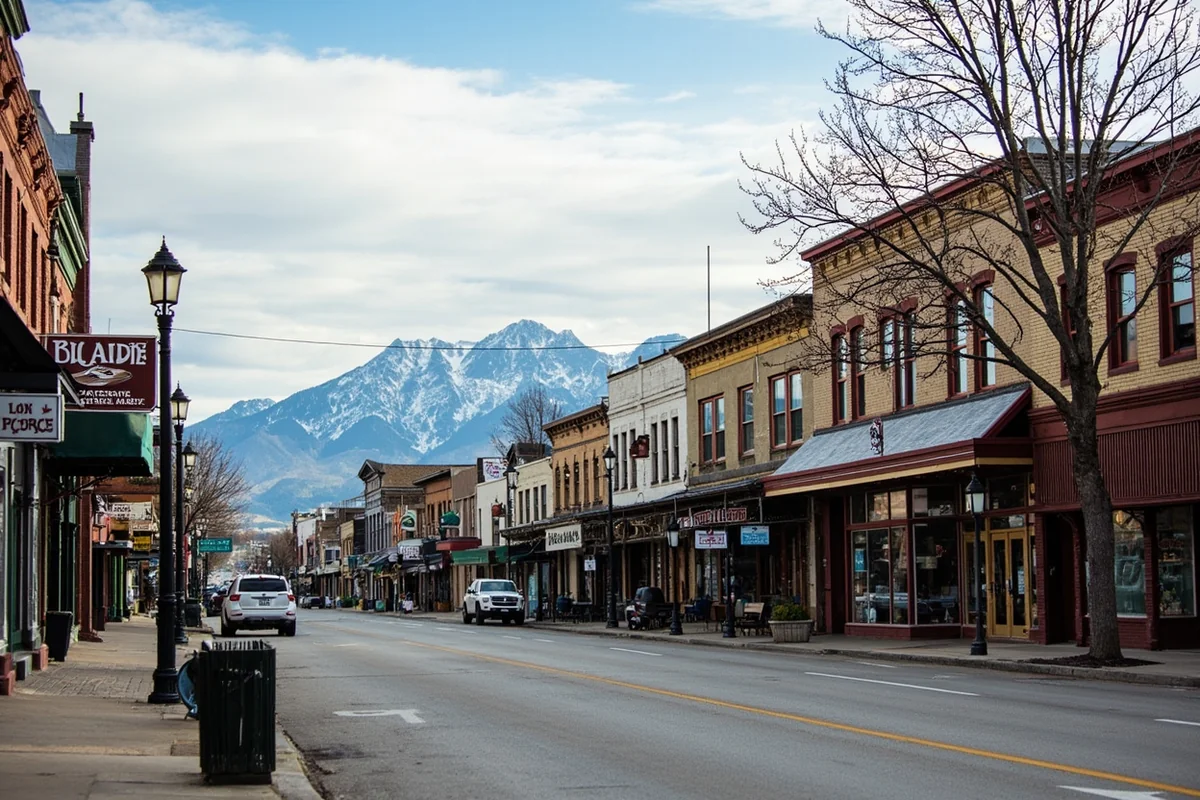
Given the lake’s position between these two towns, I’d consider which one makes more sense as your home base depending on your priorities. Hamilton offers more services, restaurants, and lodging variety as the larger of the two.
Darby, smaller and closer to the lake’s southern access points, offers a quieter small-town feel if that’s more your style. I’ve stayed in both over different trips and would recommend Hamilton for convenience, Darby for atmosphere.
A Family-Friendly Reputation That’s Well Earned
I’ve brought families with young children to Lake Como specifically because the sandy beach and gentle entry make it genuinely easier to manage than rockier lakes elsewhere in the state. Paved parking and accessible restroom facilities add to that family-friendly reputation.
That said, I’d still emphasize that there are no lifeguards here, same as almost everywhere else in this guide. Parents should supervise swimming closely regardless of how gentle the beach entry looks.
Final Thoughts
Lake Como earns its place on any Bitterroot Valley itinerary by offering something genuinely rare in this state: a real sandy beach paired with serious mountain scenery. Between the beach, the varied camping options, and that off-grid cabin, this reservoir works for nearly every kind of Montana traveler.
For more lake options in western Montana, check out the complete guide to Montana’s best lakes, covering everything from alpine hikes to reservoir beach days across the state.
For timing your visit around the warmest water, see my Montana in August guide, and for the nearest larger town, my Missoula guide covers the drive and what’s available on the way.
For the naming connection to the surrounding valley, my bitterroot flower guide is worth a look, and my Montana bear guide covers safety basics for the surrounding Bitterroot National Forest.