Ask a longtime Ennis local what this lake is called, and don’t be surprised if they ignore the name on the map entirely.
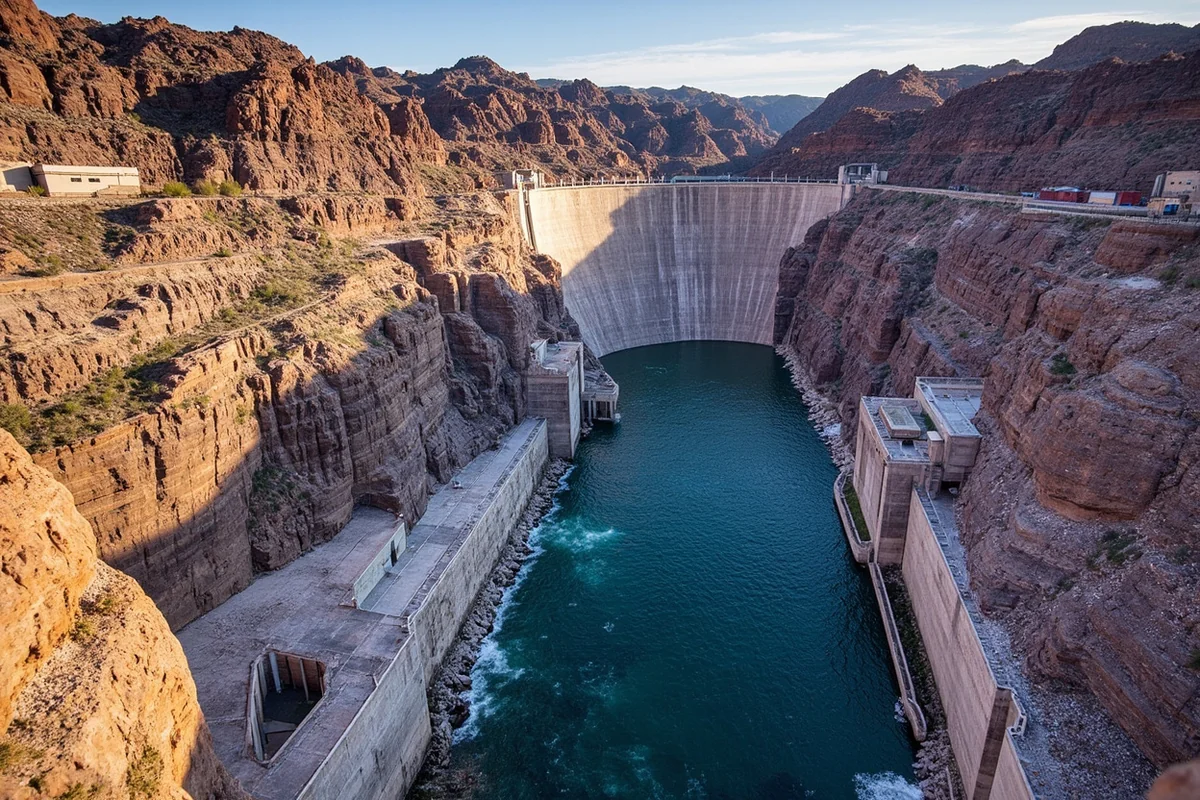
- Ennis Lake formed in 1905 when Madison Dam was built on the Madison River, but many longtime residents still call it Meadow Lake, its name before the Forest Service renamed it
- At only 8 to 20 feet deep across its 2.5-mile length, it’s one of the warmest lakes in southwest Montana, ideal for windsurfing
- This guide covers the scenic loop drive, Bear Trap Canyon whitewater at the outlet, fishing, and swimming access at Kobayashi Bay
- Its proximity to Yellowstone National Park makes it a genuinely practical home base for a broader regional trip
Liked this article?
Add Roaming Montana as a preferred source so you see more of our articles and guides on Google.
A Name That Never Quite Stuck
Officially, this is Ennis Lake, and has been since the Forest Service renamed it years ago. Unofficially, longtime residents of the Ennis area still call it Meadow Lake, the name it carried before that change.
I’ve asked around town about this more than once, and the old name just never fully disappeared from local vocabulary, decades after the official change took effect. It’s a small detail, but it tells you something about how this place operates — official designations only carry so much weight against generations of local habit.
How the Lake Was Formed
Ennis Lake formed in 1905 when Madison Dam went up on the Madison River, right at the head of Bear Trap Canyon. That’s the same spot where the river now flows back out of the reservoir, creating a genuinely wild run of whitewater rapids downstream that draws experienced rafters and paddlers.
The lake covers almost 5,000 acres and effectively divides this stretch of the Madison River, sitting in the northeast corner of the small town of Ennis in Madison County, itself a genuinely charming stop worth a slower look.
Why the Water Runs So Warm
At just 2.5 miles long and only 8 to 20 feet deep depending where you measure, Ennis Lake is genuinely shallow by Montana reservoir standards. That shallow profile means the water warms considerably faster than deeper lakes nearby.
I’ve swum here in July and been surprised by how comfortable the water felt compared to nearby Hebgen or Quake Lake, both of which stay noticeably colder given their greater depth. That warmth is exactly why this lake has become a legitimate windsurfing destination in a state that doesn’t offer many of them.
Windsurfing and Water Sports
The combination of warm, shallow water and consistent Madison Valley wind makes Ennis Lake one of the better windsurfing spots in southwest Montana.
I’ve watched a small but dedicated group of windsurfers work this lake on breezy summer afternoons, taking full advantage of conditions that just don’t exist at most of the state’s colder, deeper lakes.
Beyond windsurfing, the lake supports general boating and fishing, though I’d note that its shallow depth and occasional silty bottom make it a different experience from the deep, clear alpine lakes elsewhere in this guide.
Swimming at Kobayashi Bay
Designated swimming areas near the lake’s Kobayashi Bay are marked with floating buoys, giving visitors a clear, safe zone to swim without worrying about boat traffic. I’d treat this as the default spot if swimming is your main goal here.
Given the shallow water throughout most of the lake, Kobayashi Bay tends to warm up particularly well by mid-summer, making it a solid family-friendly option compared to some of the colder swimming spots in this cluster.
Fishing Ennis Lake
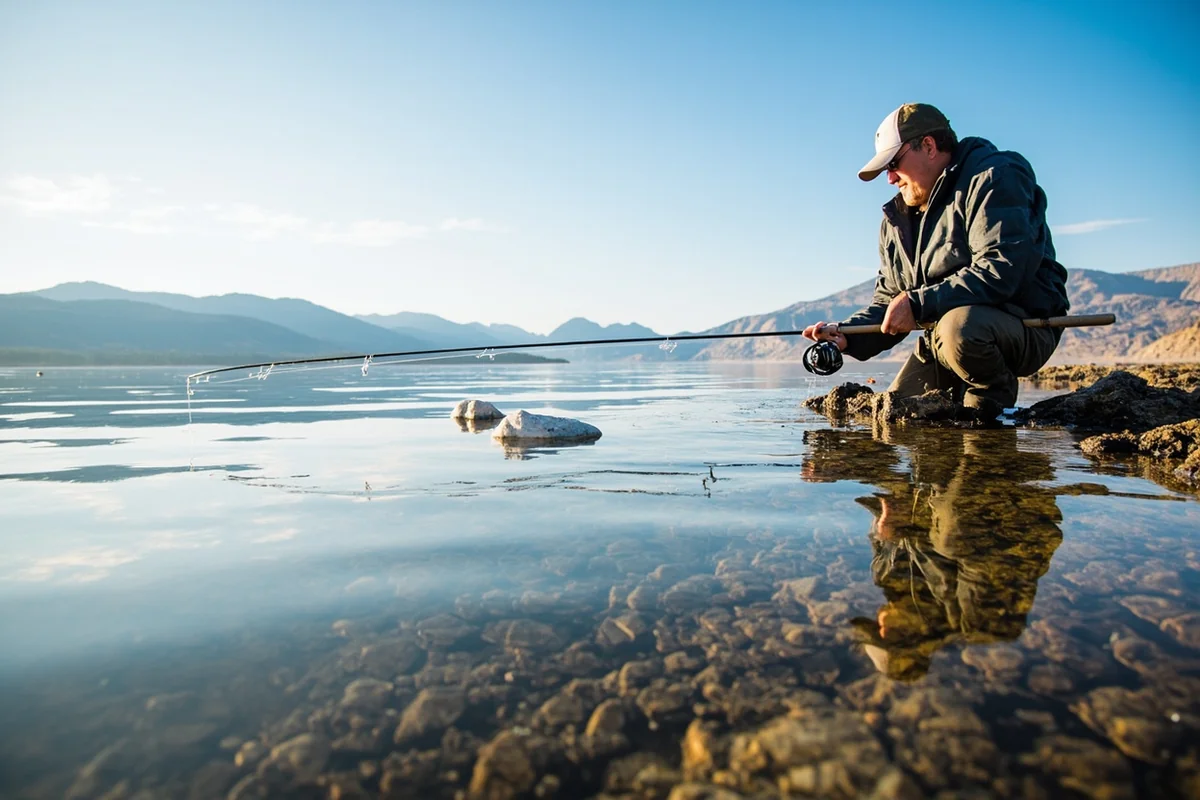
Brown trout and rainbow trout are the primary catches here, and the lake supports a decent recreational fishery despite its shallow profile. I’d fish the northern shore stretches along the scenic loop drive, where several pull-off spots make casual bank fishing genuinely convenient.
For anglers wanting more of a challenge, Bear Trap Canyon downstream of the dam offers a completely different fishing experience amid genuine whitewater, though that requires considerably more preparation and, in many cases, a guide.
The Ennis Lake Scenic Loop
This 23-mile drive loops around the lake and makes for one of my favorite low-effort scenic drives in southwest Montana. The route follows three roads: North Ennis Lake Road starting from McAllister, Ennis Lake Road along the eastern shore, and a stretch of Highway 287 connecting back toward Ennis.
Along the way, you’ll pass the lake and dam, with expansive views of both the Tobacco Root Mountains and the Madison Range. I’d budget a full unhurried hour for this loop if you’re stopping for photos, longer if fishing or a picnic is part of the plan.
After about 2 miles along Highway 287, you’ll pass the Ennis Lake Fishing Access Site, which also includes a campground — a good landmark for orienting yourself on the loop.
Hiking Near Ennis Lake
A lightly trafficked trail near the lake passes through private property in sections, requiring some fence navigation along the way. Creek crossings and switchbacks push this into intermediate difficulty territory, but the payoff includes genuinely good views of the lake from above.
I wouldn’t call this a must-do hike on its own, but it’s a worthwhile add-on if you’re already spending a full day in the area and want to stretch your legs beyond the lakeshore itself.
Using Ennis as a Yellowstone Base Camp
Given its proximity to Yellowstone National Park, I’ve used the town of Ennis and this lake as a genuinely practical home base for exploring the broader region. It offers a quieter alternative to staying directly in West Yellowstone, with easy highway access to both the park and the rest of the Madison Valley.
I’d recommend this approach specifically to travelers who want some separation from Yellowstone’s peak-season crowds without sacrificing reasonable drive times.
A Genuine Wildlife Corridor
Beyond fishing and windsurfing, the land around Ennis Lake supports a healthy range of wildlife, including deer, pronghorn antelope on the surrounding benches, and a variety of waterfowl using the shallow lake as a resting stop during migration. I’d bring binoculars along the scenic loop regardless of your main reason for visiting.
For a broader look at species you might encounter across this part of the state, my Montana bird species guide covers what to watch for during spring and fall migration windows specifically.
Timing a Visit Around Fishing Season
If fishing is part of your priority, I’d time an Ennis Lake and Madison River trip for late spring through early fall, when water levels and temperatures both favor good conditions. Runoff timing varies year to year depending on snowpack, so I’d check current conditions before finalizing exact dates [verify current runoff and water conditions].
Fall specifically brings a noticeably quieter lake and river corridor once the peak summer fishing crowds thin out, while still offering solid trout action for anyone willing to adjust technique for cooler water.
Why This Lake Works Well for Families
Given its shallow depth and generally warmer water compared to Montana’s deeper lakes, I’ve found Ennis Lake to be a genuinely good option for families with younger kids who aren’t ready for the cold-water shock of somewhere like Hebgen or Flathead Lake. Kobayashi Bay’s designated swimming area adds an extra layer of safety with its clear boundaries.
I’d still emphasize normal water safety precautions, since there’s no lifeguard presence here, same as almost everywhere else in this guide.
Personal Tips / What I Wish I Knew
Don’t be surprised if locals call it Meadow Lake. I’d have been confused myself the first time if I hadn’t already heard about the old name beforehand, and it’s a good icebreaker to ask about if you’re chatting with anyone at the local fly shop.
Time a visit for a breezy afternoon if windsurfing interests you. Morning conditions here tend to be calmer, which is better for swimming than for wind sports.
Combine the scenic loop with a stop at Quake Lake. Both are within a reasonable drive of each other, and the geological history at Quake Lake pairs well with a relaxed lake day at Ennis, giving you a genuinely varied Madison Valley day out of a single tank of gas.
Check current conditions before attempting Bear Trap Canyon. This isn’t casual whitewater, and I’d only recommend it with proper experience or a guide who knows the canyon’s specific rapids and hazards well.
Practical Info: Ennis Lake
| Length | About 2.5 miles |
| Depth | 8 to 20 feet |
| Surface area | Almost 5,000 acres |
| Scenic loop drive | 23 miles, connecting three roads |
| Best season | June through August for swimming and windsurfing |
| Fishing | Brown and rainbow trout; Bear Trap Canyon for whitewater fishing downstream |
Frequently Asked Questions
Why do locals call Ennis Lake “Meadow Lake”?
That was the lake’s name before the Forest Service officially renamed it. Many longtime residents in the Ennis area never fully adopted the new name.
How deep is Ennis Lake?
Quite shallow by Montana standards, ranging from about 8 to 20 feet across its 2.5-mile length.
Is Ennis Lake good for windsurfing?
Yes, its warm, shallow water combined with consistent Madison Valley wind makes it one of the better windsurfing spots in southwest Montana.
What is Bear Trap Canyon?
A stretch of genuine whitewater rapids on the Madison River, just downstream of the dam at the head of Ennis Lake, popular with experienced rafters and paddlers.
How far is Ennis Lake from Yellowstone National Park?
Close enough to serve as a practical, quieter home base for exploring the park, with reasonable highway drive times to the west entrance.
The Town of Ennis Itself
Beyond the lake, the small town of Ennis has built a genuine identity around fly fishing, sitting along one of the most famous trout streams in the country. I’d budget time for at least a quick walk through downtown, where fly shops, outfitters, and a handful of genuinely good restaurants reflect the area’s fishing culture.
I’ve stopped for a meal in Ennis after a day at the lake more times than I can count, and the town has a comfortable, unpretentious feel that matches the surrounding landscape well.
Silt and Water Quality Considerations
Because Ennis Lake runs so shallow, it’s worth knowing that water clarity here doesn’t match the crystal-clear alpine lakes elsewhere in this guide. Silt and sediment stir up more easily in shallow water, particularly after wind events or heavy boat traffic.
I wouldn’t call this a dealbreaker, but I’d set expectations accordingly if you’re coming from a trip to somewhere like McGregor Lake or Flathead Lake and expecting the same visual clarity here.
The Madison Valley’s Bigger Picture
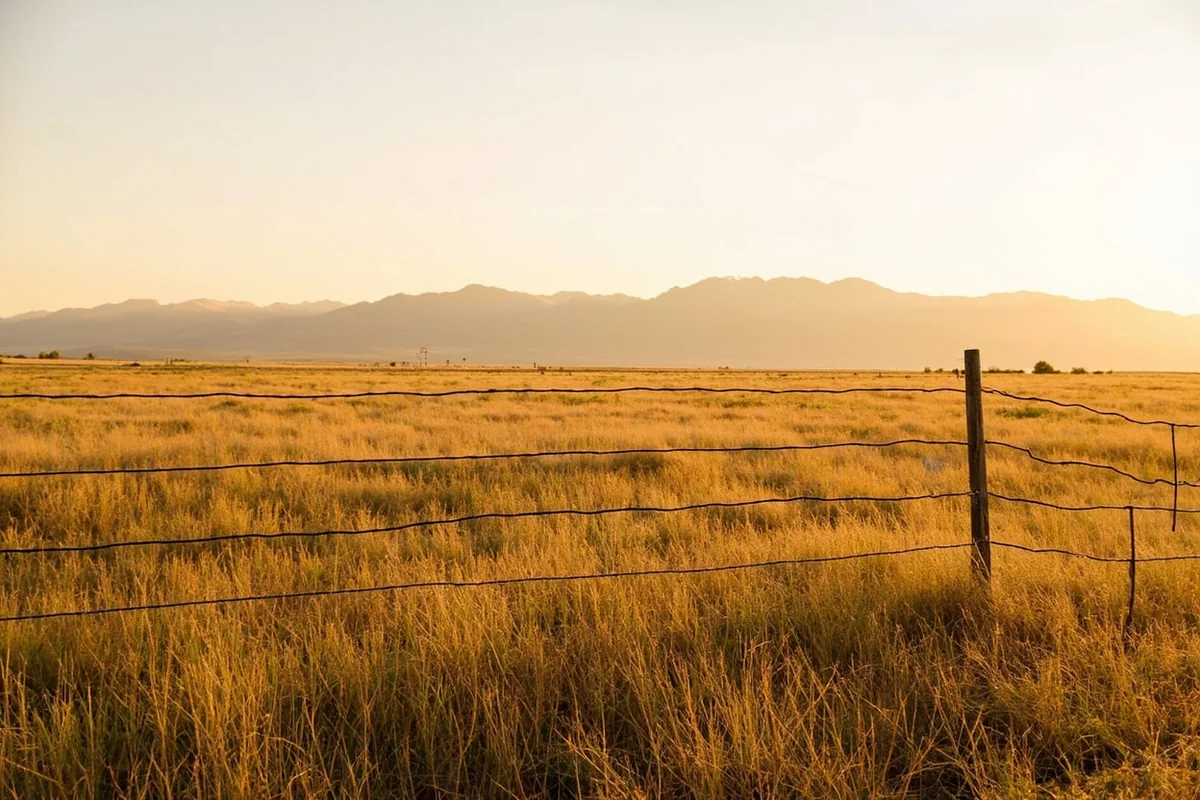
Ennis Lake sits within the broader Madison Valley, a corridor famous well beyond Montana for its trout fishing reputation. The Madison River both feeds into and flows out of this lake, connecting it to some of the most storied fly fishing water in the country.
I think this context matters even for visitors who aren’t primarily here to fish. The valley’s whole identity, from the town of Ennis to the surrounding ranches, has been shaped by this river system for generations.
Final Thoughts
Ennis Lake proves that not every worthwhile Montana lake needs to be cold, deep, or dramatic to earn a spot on your itinerary. Sometimes shallow and warm is exactly the change of pace a Montana road trip needs, especially after a few days at colder alpine water elsewhere.
For anyone building a broader trip around this part of the state, my best time to visit Montana guide covers seasonal planning that applies well beyond just this one lake.
For nearby lakes worth combining with a visit, see my guide to Quake Lake, or check out the complete guide to Montana’s best lakes for the rest of the region.
For the town itself, my Ennis guide covers more of what’s available beyond the lake, and for rockhounding nearby, my Montana gemstones guide covers the Ruby Reservoir area worth a detour.
For seasonal timing specific to windsurfing conditions, my Montana in July guide covers what to expect during peak wind season.