Most lakes in this part of Montana ban wake entirely. Horseshoe Lake doesn’t, and that one difference changes everything about how it’s used.
- Horseshoe Lake sits within the Thompson Chain of Lakes along Highway 2, between Kalispell and Libby
- Unlike most neighboring lakes, it allows motorboats and jet skis with no wake restrictions
- This guide covers swimming, fishing, the annual ice fishing derby, and camping at the lake’s primitive sites
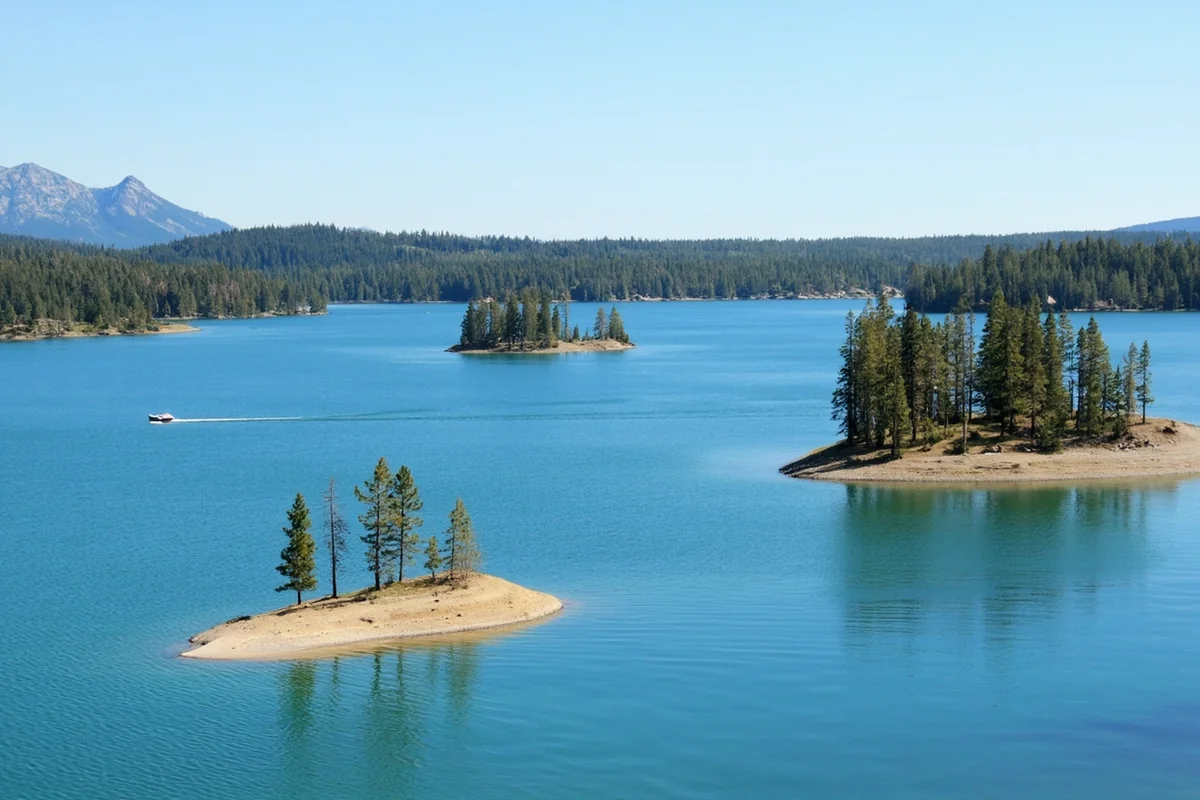
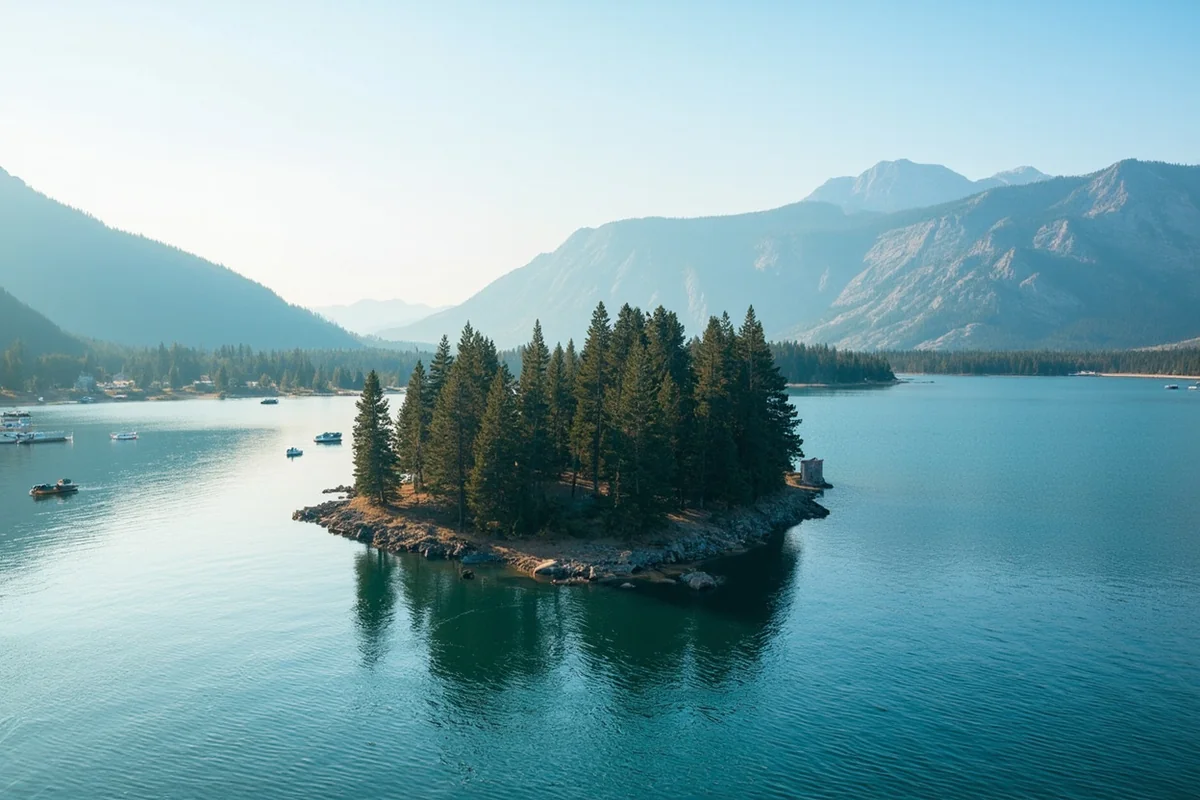
- Two wooded islands and over 130 acres of water give it more room to explore than its modest size suggests
Liked this article?
Add Roaming Montana as a preferred source so you see more of our articles and guides on Google.
Part of a Bigger Chain, But Different
Horseshoe Lake belongs to the Thompson Chain of Lakes, a cluster of 18 named lakes stretching 20 miles along Highway 2. Most of those lakes enforce no-wake rules to keep things quiet.
Horseshoe Lake breaks that pattern. It’s one of the few lakes in the whole chain where motorboats and jet skis operate without wake restrictions, which draws a genuinely different crowd than its quieter neighbors.
I’d point families or groups wanting active water sports toward Horseshoe first, and save the quieter lakes nearby for a calmer day.
Horseshoe Lake by the Numbers
The lake covers more than 130 acres, with a maximum depth of about 133 feet according to regional fishing surveys. Two wooded islands break up the open water, adding genuine visual interest beyond a simple oval shoreline.
A concrete boat ramp sits on the north shore with parking, making launch logistics straightforward compared to some of the chain’s more primitive access points.
Swimming at Horseshoe Lake
This is genuinely one of the better swimming lakes in the whole Thompson Chain. The combination of no-wake-free zones near shore and plenty of open space makes it comfortable for swimmers even with boat traffic elsewhere on the water.
I’ve brought less confident swimmers here specifically because the shoreline offers enough room that boats and swimmers rarely feel like they’re competing for the same space.
Fishing Horseshoe Lake
The species list here runs a bit different from some neighboring lakes. Pumpkinseed, largemouth bass, and whitefish show up regularly, alongside large scale sucker, northern pike minnow, pygmy whitefish, redside shiner, and yellow perch.
Because the lake is actively stocked, fishing quality here tends to stay consistent year to year. I’d still check current regulations before you go, since specific rules can shift [verify current fishing regulations].
Long, wavy shorelines give shore anglers plenty of private-feeling spots to work, while boat access opens up more of the lake’s 130-plus acres for those willing to explore further.
The Annual Ice Fishing Derby
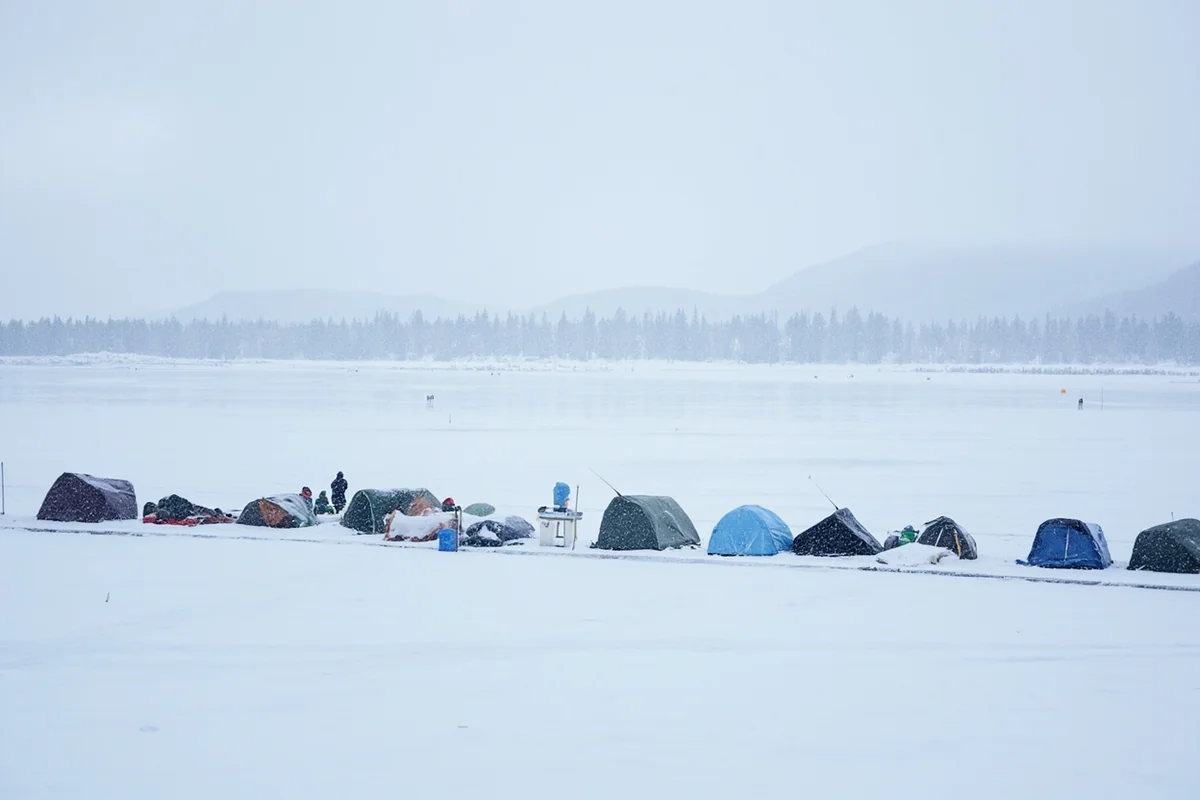
Once winter sets in, Horseshoe Lake and its neighbors host the Thompson Chain of Lakes Ice Fishing Derby, an event that raises money for the Fisher River Volunteer Fire Department. Hundreds of anglers show up to compete.
I’ve attended once as a spectator rather than a competitor, and the community atmosphere genuinely surprised me. This isn’t a big commercial event — it’s a local fundraiser that happens to double as one of the better winter gatherings in this part of the state [verify current derby dates].
Camping at Horseshoe Lake
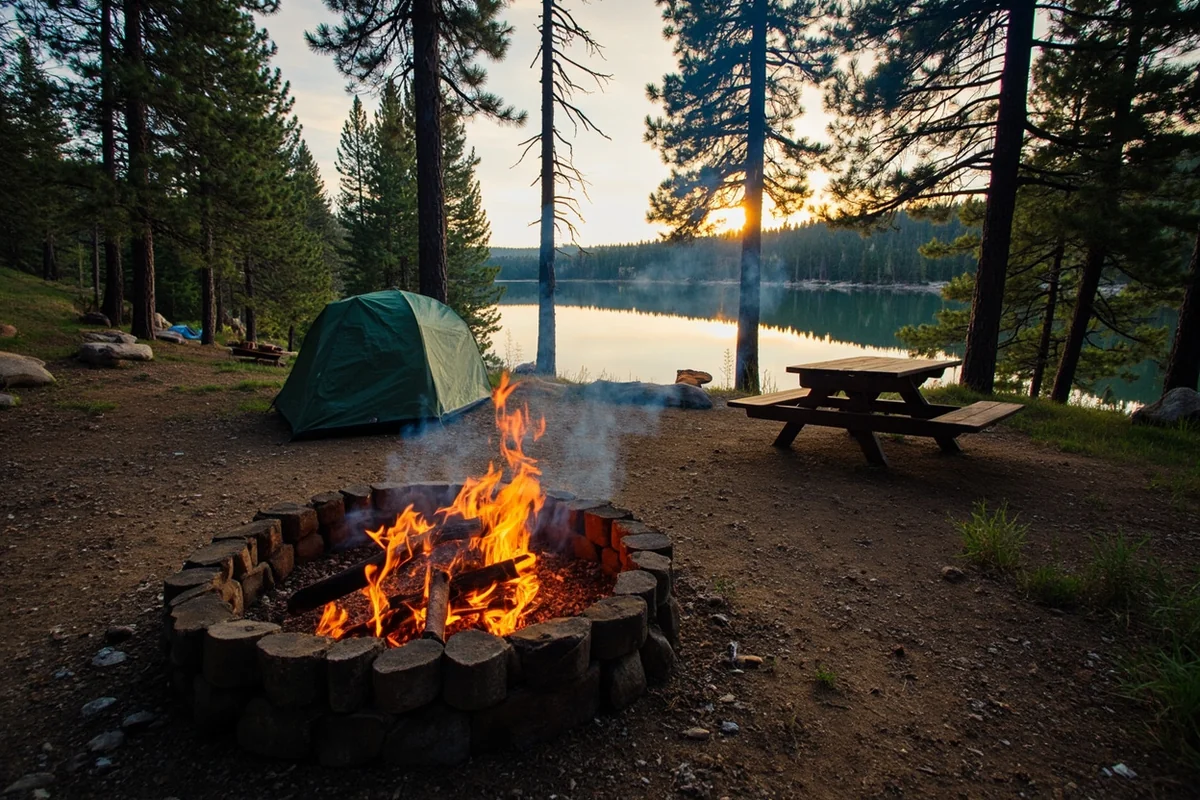
Eleven primitive campsites ring the lake’s shores, part of the greater Thompson Chain of Lakes State Park system. Sites run first-come, first-served with a fee around $12 [verify current camping fees].
Don’t expect much beyond fire rings and vault toilets at most sites. Some can accommodate RVs, though road conditions limit how large a rig you’d want to attempt.
For something a bit more comfortable without straying far, Moose Ridge Bed & Breakfast and Cabins sits just a short walk or drive from the lake.
Hiking Nearby: Lost Buck Pass to Geiger Lakes
East of Horseshoe Lake, into the Cabinet Wilderness, the Lost Buck Pass Trail leads to the Geiger Lakes. This is a genuinely remote, heavily wooded route with little traffic.
The full out-and-back covers about 6.9 miles and is rated challenging, though hikers looking for more can continue beyond the lakes into further wilderness terrain. I’d watch for bears here, and in season, huckleberries make a nice bonus along the way.
Dogs are allowed but should stay leashed given the wildlife activity in this stretch of the Cabinet Wilderness.
A Seasonal Closure Worth Knowing About
The southeast portion of Horseshoe Lake closes seasonally in spring for maintenance and fish stocking. If you’re planning a spring visit specifically to explore that section, I’d check current closure dates before finalizing your trip [verify current seasonal closure schedule].
Comparing Horseshoe Lake to Loon Lake
Both lakes anchor different ends of the Thompson Chain, but they serve different purposes. Loon Lake, further west near Libby, leans remote and quiet.
Horseshoe Lake, with its motorized boating and active derby scene, leans social and recreational. I’d pick based on what kind of day you want — solitude at Loon, activity at Horseshoe.
Bird Life on Horseshoe Lake
Beyond fish, Horseshoe Lake and its surrounding wetland edges support a solid range of birdlife typical of northwest Montana lakes. Ospreys and bald eagles work the open water regularly, and I’ve spotted great blue herons stalking the shallows near the northern shore more than once.
Early morning, before boat traffic picks up, tends to offer the best birding window here, much like at quieter lakes elsewhere in this cluster.
What to Expect From the Road In
Like most of the Thompson Chain, the roads leading to Horseshoe Lake run primitive by highway standards, though the main access route off Highway 2 is more manageable than some of the chain’s more remote corners.
I’d still avoid attempting it with a large trailer or motorhome unless you’ve specifically confirmed the route can accommodate your rig.
Signage throughout this area can be sparse, so I’d have a downloaded map or GPS coordinates ready rather than relying entirely on cell signal, which is inconsistent at best once you’re off the main highway.
A Good Lake for a First Northwest Montana Trip
If this is your first visit to the Thompson Chain region, I’d actually recommend starting at Horseshoe Lake rather than one of the quieter, more remote options.
The combination of straightforward access, a concrete boat ramp, and enough activity to feel welcoming makes it a genuinely good introduction to the area.
Once you’ve got a feel for the region, branching out to quieter lakes like Loon or more distinctive ones like McGregor becomes a natural next step rather than an intimidating jump into genuinely remote territory.
Personal Tips / What I Wish I Knew
Bring a boat if you want to explore beyond the shoreline. The islands and open water reward exploration that shore fishing alone can’t match, and a slow paddle around both islands is worth the extra effort of bringing a kayak or canoe along.
Check the seasonal closure schedule if visiting in spring. I’ve shown up once not realizing part of the lake was temporarily off-limits for stocking.
Come for the ice fishing derby if your timing lines up. It’s a genuinely fun, low-key community event worth experiencing even as a spectator, and it’s one of the better windows into how this rural corner of Montana actually operates day to day.
Pack bug spray for the campsites. Like most lakes in this forested region, mosquitoes can be aggressive in June and early July, especially near the marshy edges and quieter coves around the islands.
Practical Info: Horseshoe Lake
| Lake size | Over 130 acres, two wooded islands |
| Maximum depth | About 133 feet |
| Boating | Motorboats and jet skis allowed, no wake restrictions |
| Camping | 11 primitive sites, first-come first-served, ~$12/night [verify current fee] |
| Fishing | Pumpkinseed, largemouth bass, whitefish, yellow perch, and more |
| Annual event | Thompson Chain of Lakes Ice Fishing Derby (winter) |
Frequently Asked Questions
Can you use motorboats on Horseshoe Lake?
Yes, unlike many neighboring lakes in the Thompson Chain, Horseshoe Lake allows motorboats and jet skis with no wake restrictions.
Is Horseshoe Lake good for swimming?
Yes, it’s considered one of the better swimming lakes in the chain thanks to its size and open shoreline.
What is the Thompson Chain of Lakes Ice Fishing Derby?
An annual winter fundraising event for the Fisher River Volunteer Fire Department, drawing hundreds of anglers to Horseshoe Lake and its neighbors.
Is there camping at Horseshoe Lake?
Yes, 11 primitive first-come, first-served campsites ring the lake as part of the Thompson Chain of Lakes State Park system.
Does Horseshoe Lake ever close to boaters?
The southeast portion closes seasonally in spring for maintenance and fish stocking — check current schedules before planning a spring visit.
Why This Lake Allows What Others Don’t
I’ve wondered myself why Horseshoe Lake gets an exception to the no-wake culture that defines most of the Thompson Chain. The most likely explanation comes down to size and shoreline configuration.
At over 130 acres with two islands breaking up the open water, Horseshoe Lake simply has more room to absorb motorized activity without every corner feeling crowded. Smaller neighboring lakes couldn’t handle the same traffic without swimmers, anglers, and boaters constantly competing for space.
That extra room is exactly why I point families and groups with mixed interests toward this lake first within the chain. Nobody has to compromise on what they want to do here.
The Two Islands Up Close
I’ve paddled around both of Horseshoe Lake’s islands more than once, and they add a genuine sense of exploration to what would otherwise be a fairly straightforward oval lake. Neither island is developed, and both support enough tree cover to feel like a small slice of untouched forest surrounded by water.
I wouldn’t recommend camping on the islands themselves, since regulations and practical access vary, but circling them by canoe or kayak makes for one of the more memorable short paddles in this entire lake cluster.
A Closer Look at the Ice Fishing Derby
The Thompson Chain of Lakes Ice Fishing Derby deserves a bit more context than I gave it above. This event has run for years as a genuine community fundraiser, not a commercial tourism production.
Proceeds go directly to the Fisher River Volunteer Fire Department, an organization that serves a genuinely rural, spread-out area where fire response infrastructure matters enormously.
I’ve come to see attending or participating in this derby as a small but meaningful way to support the same community that maintains the roads and services visitors rely on throughout the chain.
Hundreds of participants means the lake gets genuinely busy for this one winter weekend, a sharp contrast to how quiet it typically is the rest of the season.
If solitude is your priority, this is the one weekend of the year to avoid; if community atmosphere appeals to you, it’s exactly the weekend to seek out.
Comparing Horseshoe Lake to McGregor Lake
Both lakes sit within the same Thompson Chain system but serve different purposes entirely. McGregor Lake offers depth, clarity, and cold spring-fed water perfect for a quieter swim.
Horseshoe Lake offers active boating, easier swimming access, and a genuinely social atmosphere, especially during the derby.
I’d pick McGregor for a peaceful morning and Horseshoe for an active afternoon, and honestly, combining both in the same trip works well given how close they sit to each other along Highway 2.
Final Thoughts
Horseshoe Lake earns its place in the Thompson Chain by being the exception to the quiet-water rule. If you want a lake day with actual boat traffic and room to explore two islands, this is the one to pick over its more restrictive neighbors.
I’d also point out that this lake works well as a base for exploring the rest of the chain, given its more developed access compared to some neighbors. For a broader look at timing your visit, see my best time to visit Montana guide.
For the wider lake system this belongs to, see my guide to Thompson Chain of Lakes, or compare it with quieter Loon Lake and spring-fed McGregor Lake nearby.
For the nearest larger town, see my Libby guide, and for winter trip planning across this region, my Montana in winter guide covers what else to expect.
Check out the complete guide to Montana’s best lakes for the rest of the region.