Nearly 900 trees went into this building, felled, hauled, hand-peeled, and notched almost entirely by volunteers racing to finish before the country’s Bicentennial. Nearly fifty years later, it’s still standing, and it’s still run entirely by people who show up because they want to.
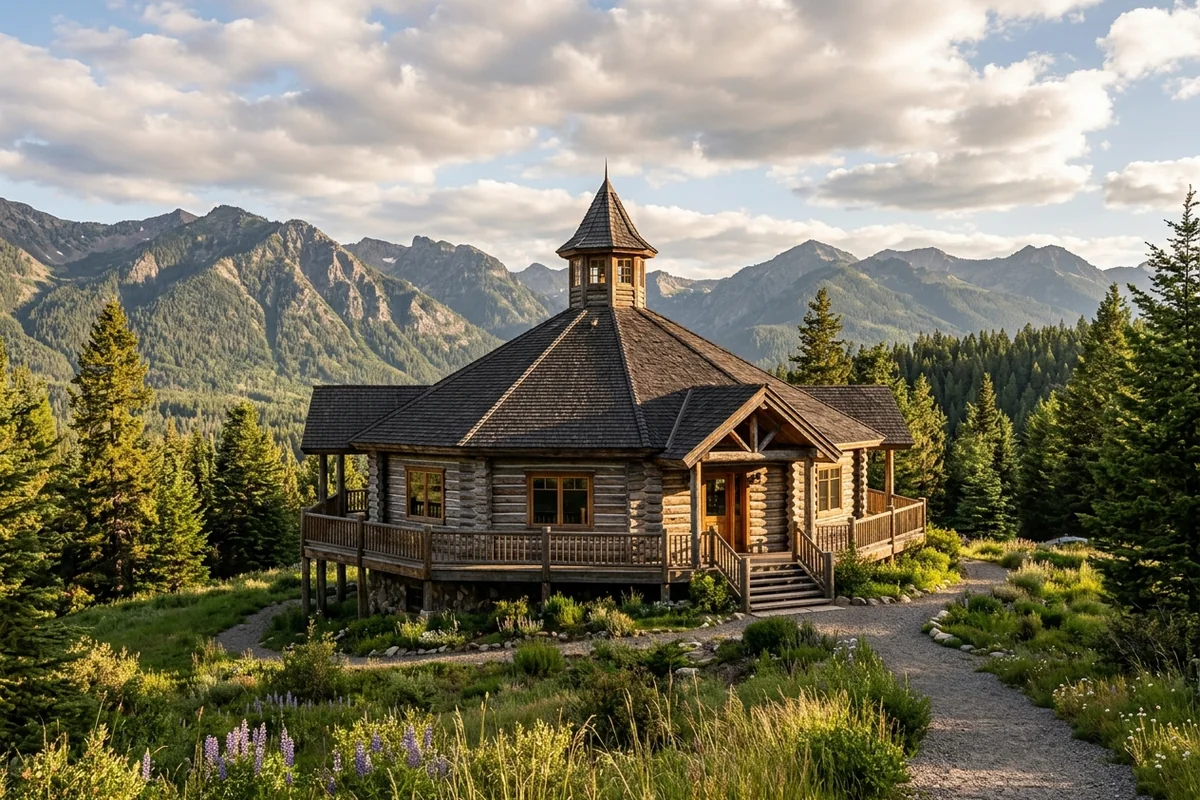
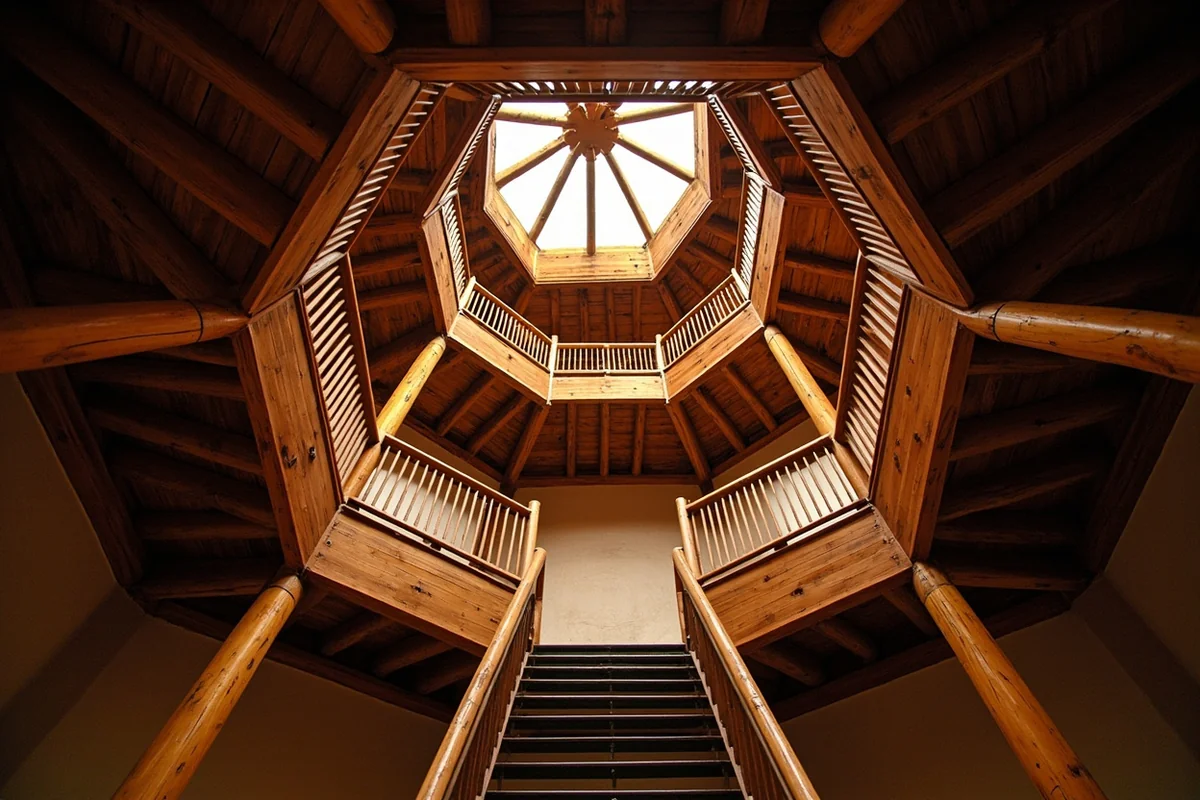
- Heritage Museum sits one mile south of Libby in a distinctive 12-sided log building constructed almost entirely by volunteer labor between 1975 and 1978
- The 13,500-square-foot structure holds exhibits on mining, logging, early firefighting, the Kootenai people, and Montana wildlife, plus a powerful exhibit on the W.R. Grace vermiculite mine and asbestos contamination that shaped Libby’s more recent history
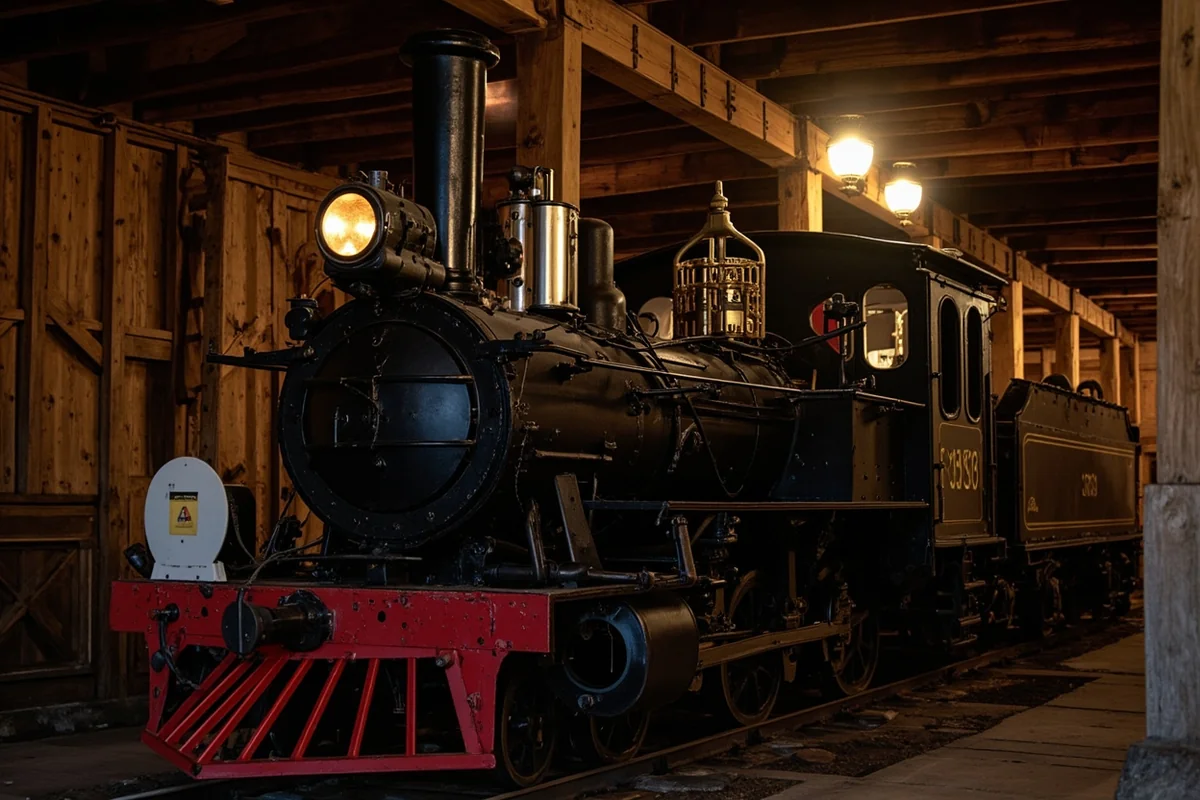
- “Ole Four Spot,” a 1906 Shay steam locomotive, sits in its own dedicated shed and is currently being restored to working order
- Admission is free, by donation, and the museum operates seasonally from mid-May through mid-September
- This is one of the best museums in Montana whose own building is as remarkable a community achievement as anything inside it
Liked this article?
Add Roaming Montana as a preferred source so you see more of our articles and guides on Google.
Built By a Town, One Donated Log at a Time
The story behind this building deserves to be told before anything else, because it explains why Libby residents talk about their museum with such genuine pride.
In 1973, a small group of citizens formed a nonprofit called Museum, Inc., with the immediate goal of finding a home for the extensive art and artifact collection of the late Roy Porter, a local landscape artist and collector.
His son Doug Porter became president of the museum’s volunteer board, and the group settled on an ambitious plan: a twelve-sided, 130-foot-diameter log structure, built almost entirely by the community itself.
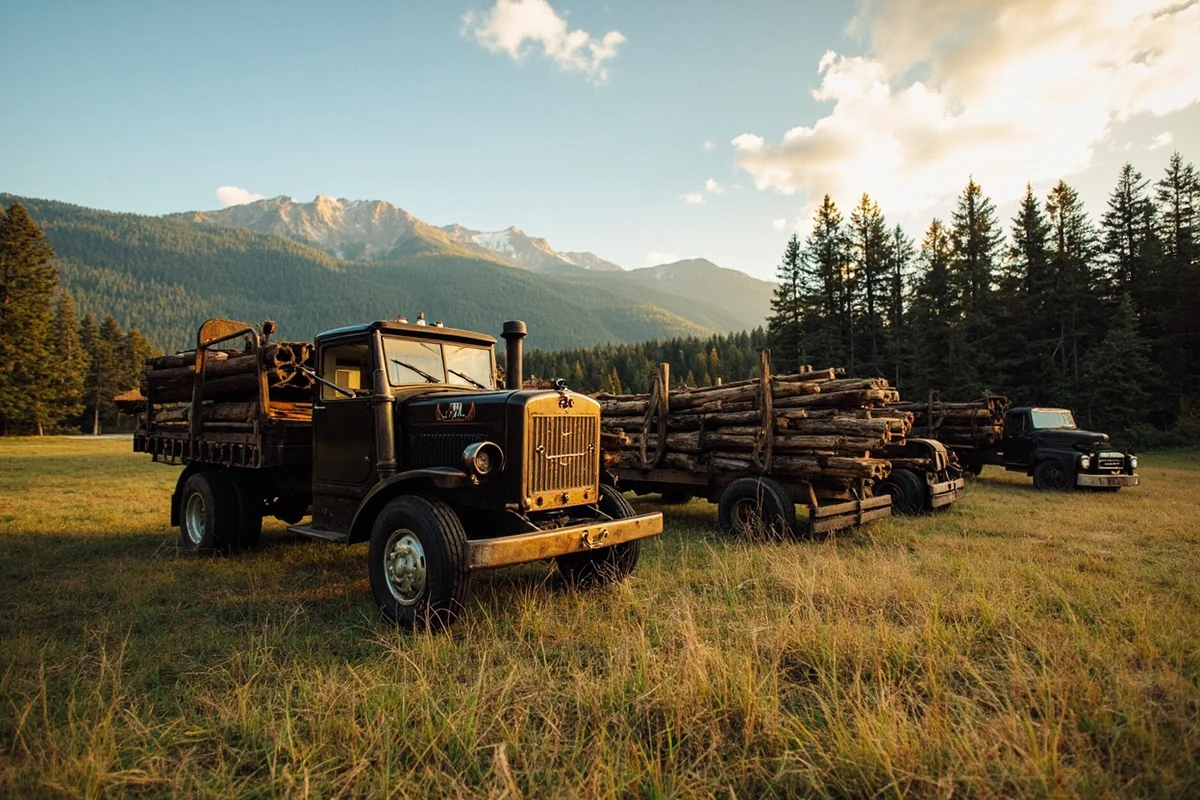
The Kootenai National Forest donated between 800 and 900 native logs, mostly western larch and lodgepole pine, through an agreement with Lincoln County. Local loggers felled and skidded the trees. Donated trucks hauled them to the site.
Volunteers hand-peeled and notched every single log to prepare them for assembly. Community members dug the well and excavated the basement by hand.
Libby High School students built the museum’s oversized front doors in their own shop class. An electrical engineer who also worked for the Army Corps of Engineers designed and completed the building’s entire electrical system, as a volunteer.
A Race to Finish By the Bicentennial
The timing of this project wasn’t accidental. The nation’s upcoming 1976 Bicentennial gave the whole community an extra push to get the building finished, and volunteers hit that goal: the structure’s shell was completed right on schedule by July 4, 1976.
Filling that shell with actual exhibits took two more years of continued volunteer work. The Heritage Museum officially opened to the public on June 3, 1978, with 41 interior exhibits ready for visitors.
That’s five years from a small group’s first meeting to a fully operating museum, almost entirely on volunteer labor and donated materials.
The finished building holds 13,500 square feet across two stories of exhibit space, with a third floor reserved for storage.
A 30-foot-diameter cupola rises through the center of the structure, accessible by two half-log staircases, and an oversized double metal door on the north side is large enough to drive vehicles directly through — a detail that says something about the scale volunteers were building at from the very start.
Mining, Logging, and Ole Four Spot
Inside, the museum’s exhibits trace the industries that actually built this corner of northwest Montana. Mining and logging displays anchor much of the collection, alongside exhibits on early firefighting, Libby’s first newspaper, and the Kootenai people whose presence in this valley predates any of the industries that came later.
The single most significant artifact is “Ole Four Spot,” a 1906 Shay steam locomotive built for the J. Neils Lumber Company, housed in its own dedicated Shay Shed on the grounds.
Shay locomotives were specifically designed for steep, twisting logging railroad grades that standard locomotives couldn’t handle, making this a genuinely important piece of the mechanical history behind Montana’s timber industry.
The locomotive is currently in the process of being restored to working order, an ongoing volunteer effort that mirrors the same community spirit that built the museum itself.
Montana wildlife gets serious treatment too, with taxidermy displays including a silver-tipped grizzly, a golden eagle, a gray wolf, a mountain lion, and a blonde-black bear among many others — genuinely impressive specimens for a small volunteer-run museum.
A Powerful, Honest Exhibit on Libby’s Hardest Chapter
I want to be direct about this part of the museum’s collection, because it covers genuinely serious, still-relevant history rather than a comfortable footnote.
Libby became the site of one of the worst industrial health disasters in American history, tied to a vermiculite mine operated by W.R. Grace & Co. just outside town.
The vermiculite ore contained naturally occurring asbestos, and decades of mining, processing, and community exposure led to widespread illness and death among miners, their families, and Libby residents more broadly.
The site eventually became an EPA Superfund cleanup location, and the human toll on this specific community has been documented extensively in the years since.
The museum’s exhibit on the W.R. Grace mine and the resulting asbestos contamination doesn’t shy away from this history. It’s described by visitors as genuinely powerful, and it’s worth approaching with the seriousness it deserves rather than rushing through on your way to the more lighthearted wildlife displays.
Notably, the museum’s own major construction effort in the 1970s happened right as this health crisis was becoming widely understood in the community — two very different chapters of Libby’s story unfolding at nearly the same time.
A National Register Listing Still in Progress
As of recent years, the Heritage Museum has been under consideration for its own listing on the National Register of Historic Places — a genuinely notable milestone, since buildings typically need to be at least 50 years old to qualify, and this one is just approaching that threshold.
Montana’s State Historic Preservation Office has specifically credited the building’s unusual architecture and the remarkable community-effort backstory as reasons it deserves recognition even at the edge of typical eligibility requirements.
If approved, it would be Libby’s first new National Register listing since 2012. [verify current National Register status, as this designation may have been finalized since this writing]
Visiting With Kids
This museum tends to work well for families, especially kids with any curiosity about trains, wildlife, or hands-on frontier history. The Ole Four Spot locomotive is a genuine highlight for kids fascinated by trains and machinery, and seeing an active restoration project in progress gives them a sense that history isn’t just something finished and sealed behind glass.
The taxidermy wildlife displays tend to capture younger visitors’ attention quickly, though I’d approach the W.R. Grace asbestos exhibit with some advance thought about your specific kids’ age and readiness for genuinely heavy historical content. It’s handled respectfully by the museum, but it’s not lighthearted material, and a bit of context beforehand helps kids process it appropriately.
Given the sprawling 12-plus-acre outdoor grounds, this museum also gives kids plenty of room to move around physically between the denser indoor exhibit time, which helps keep younger visitors engaged through a longer visit.
Frequently Asked Questions
Is the museum accessible for visitors with mobility limitations?
The main floor is generally accessible, though the upper cupola levels, reached by half-log staircases, may be more limited. Call ahead if this is a specific concern for your visit.
Can we visit the outdoor grounds even if the main building is closed for the season?
Yes — the 12-plus-acre outdoor grounds and additional historic buildings remain open year-round, even during the months the main log building itself is closed.
Is the Shay locomotive currently operational?
Not yet — it’s in the process of being restored to working order, an ongoing volunteer project. Ask staff for the current status when you visit, since progress continues year to year.
How does the museum fund its operations if admission is free?
Through donations, organized into specific funds covering general operations, historic preservation, vehicle restoration, volunteer training, and memorial contributions. The museum is entirely nonprofit and relies on community generosity to keep running.
Is there a gift shop?
Yes, a small gift shop sells locally made goods, with proceeds supporting the museum’s ongoing operations.
- The building’s own construction story rarely gets the attention it deserves. Most mentions treat it as “a log building” without conveying that volunteers felled, hauled, and hand-notched hundreds of trees themselves.
- The W.R. Grace asbestos exhibit sometimes gets skipped or downplayed in generic travel content, when it’s actually one of the most historically significant things this museum documents.
- Ole Four Spot’s specific mechanical significance as a Shay locomotive rarely gets explained, losing the genuinely interesting engineering story behind why this particular locomotive design existed.
- The museum’s strict seasonal hours catch visitors off guard. It’s only open mid-May through mid-September, and showing up outside that window means a locked door regardless of how far you’ve traveled.
Personal Tips: What I Wish I Knew
- Check the season before you plan your trip. This museum is genuinely only open a few months a year, run entirely by volunteers who can’t staff it year-round.
- Budget real time for the outdoor grounds, which stay open year-round even when the main building doesn’t, and include additional historic buildings and equipment across more than 12 acres.
- Approach the W.R. Grace exhibit with the time and attention it deserves. It’s not a quick-glance display; the history it documents is genuinely significant and still affects the Libby community today.
- Ask a volunteer about the Shay locomotive restoration progress. It’s an ongoing project, and the people working on it are often eager to share updates beyond what’s on the exhibit placard.
- Bring a donation, even though admission is technically free. This museum survives entirely on volunteer labor and community generosity, and every dollar genuinely matters to keeping it running.
How This Fits a Northwest Montana Road Trip
Libby sits along US Highway 2 in the far northwestern corner of Montana, making this museum a natural stop if you’re exploring the Kootenai National Forest region or traveling between Glacier National Park and the Idaho border.
If Montana’s other volunteer-built community museums interest you, the same spirit of grassroots construction shows up at institutions like our Old Trail Museum guide in Choteau and our Carter County Museum guide in Ekalaka, both similarly built and sustained by dedicated local volunteers rather than large institutional funding.
Our Libby travel guide covers the rest of what’s worth doing in town, and our Montana museums guide maps how this stop fits into the state’s broader museum landscape.
Practical Info
| Address | 34067 US Highway 2, Libby, MT 59923 (1 mile south of Libby) |
| Phone | (406) 293-7521 |
| Season | Mid-May through mid-September |
| Hours | Monday–Saturday 10 a.m.–5 p.m., Sunday 1–5 p.m. |
| Admission | Free; donations appreciated |
| Time needed | 1.5–2.5 hours, including the outdoor grounds |
| Good for | History enthusiasts, families, anyone interested in genuine community-built institutions |
| Nearby pairing | Kootenai National Forest, rest of our Libby guide |
Final Thoughts
Heritage Museum is a genuine monument to what a small town can build when enough people decide something matters. Nearly 900 donated logs, hundreds of volunteer hours, and a Bicentennial deadline produced a building that’s still standing and still entirely community-run five decades later — and inside it, an honest reckoning with one of the hardest chapters in Libby’s more recent history sits right alongside the wildlife and locomotive displays.
What stays with me most about this museum isn’t any single exhibit — it’s the fact that the same community capable of hand-notching 900 logs to meet a bicentennial deadline is the same community that later had to reckon with one of the worst industrial health disasters in American history, and chose to document that honestly in the very building their parents and grandparents built by hand.
That kind of continuity, both the pride and the hard truths, is rare to find preserved this openly in one place.
Pin this for your Northwest Montana trip planning, and check current seasonal hours before you make the drive. If you’ve watched the Shay locomotive restoration progress over multiple visits, I’d love to hear how far along it’s come in the comments.