For about a decade in the late 1800s, this river and the lake it feeds were both marked on maps under a completely different name — one referencing a Native sweat lodge rather than the graceful bird that eventually won out.
- The Swan River runs about 95 miles through one of Montana’s most water-rich, lightly populated valleys, from its source at Gray Wolf Lake to its mouth at Bigfork on Flathead Lake.
- Early maps called this river the Sweatinghouse River before “Swan” replaced it by 1895, tied to trumpeter swans that once wintered in the valley.
- The Swan Valley carries a difficult 1908 history involving a violent confrontation over Native hunting rights that most visitors never learn about.
- Below Bigfork Dam, the river drops into the “Wild Mile,” genuine Class V+ whitewater that isolated the upper river’s fish from Flathead Lake for over a century.
- I’ll cover the fishing, the whitewater, and the fuller history of a valley most tourists drive straight through on their way to Glacier.
Liked this article?
Add Roaming Montana as a preferred source so you see more of our articles and guides on Google.
The River That Used to Be Called Something Else
I find naming histories genuinely revealing, and the Swan’s is a quiet but interesting one.
On an 1884 Rand McNally map, both this river and the lake it feeds were labeled the Sweatinghouse River and Sweatinghouse Lake, almost certainly referencing a Native sweat lodge site somewhere along the water.
By 1895, most maps had switched to “Swan,” a name early English hunters in the area proposed, tied to trumpeter swans that once wintered in the valley in real numbers.
A 1914 report noted that these swans, common just twenty years earlier, were by then on the verge of extinction in Montana — a sobering detail baked quietly into the very name of the place.
A Difficult History in the Swan Valley
I want to include this because it’s part of this valley’s real history, even though it’s not the kind of story that shows up in typical visitor guides.
In 1908, a violent confrontation occurred in the Swan Valley between members of the Pend d’Oreille tribe and a Montana game warden.
The dispute centered on tribal hunting rights outside official reservation boundaries — rights that, by many historical accounts, the Montana government of the time did not honor in practice even where they existed on paper. The confrontation left four Native Americans and the warden dead.
I don’t think this event should be reduced to a footnote. It reflects a broader pattern across Montana’s history, one I’ve touched on in other rivers in this series, where state authority repeatedly came into violent conflict with Indigenous communities asserting rights the government was supposed to recognize.
The dispute over off-reservation hunting rights wasn’t an isolated legal technicality — it went to the heart of treaty obligations that Montana’s territorial and early state government frequently failed to honor in practice, even when those rights were clearly documented on paper.
If you’re interested in learning more about this period, our key historical events in Montana page provides broader context, though I’d encourage seeking out sources connected to the Confederated Salish and Kootenai Tribes for the fullest account of this specific event.
Fishing the Wild, Isolated Upper River
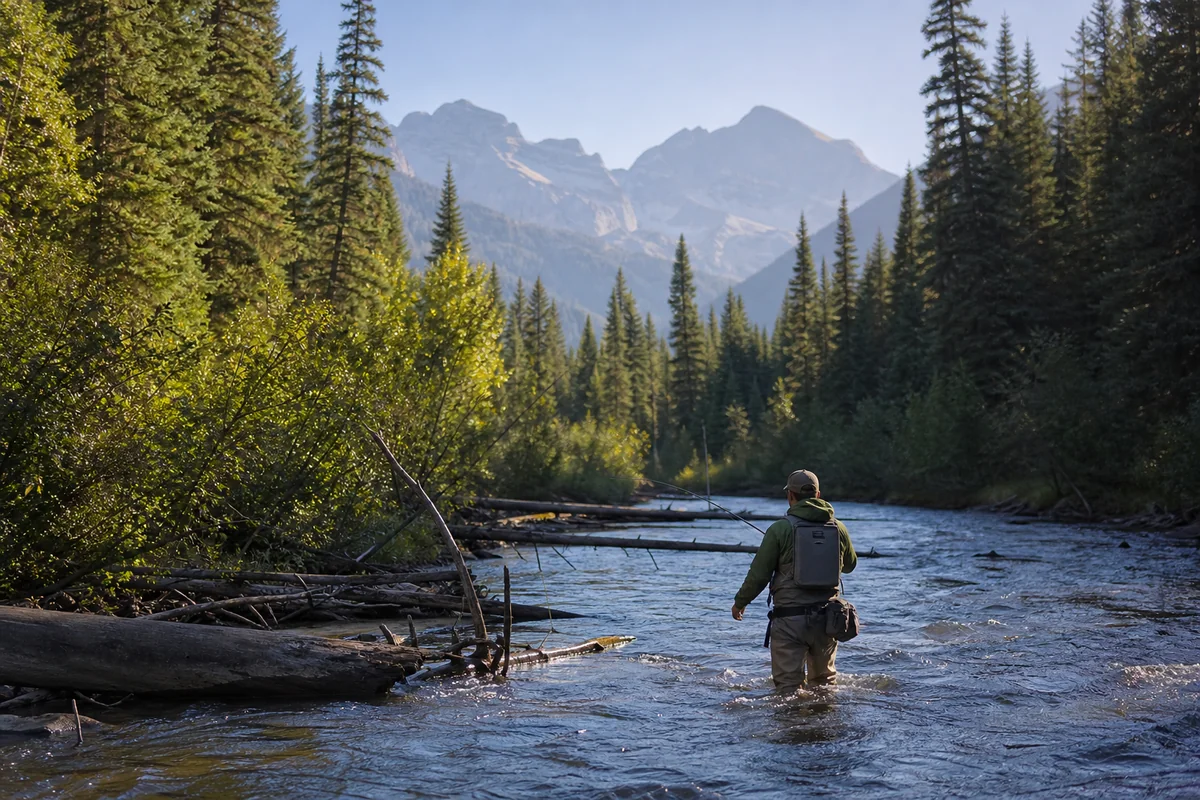
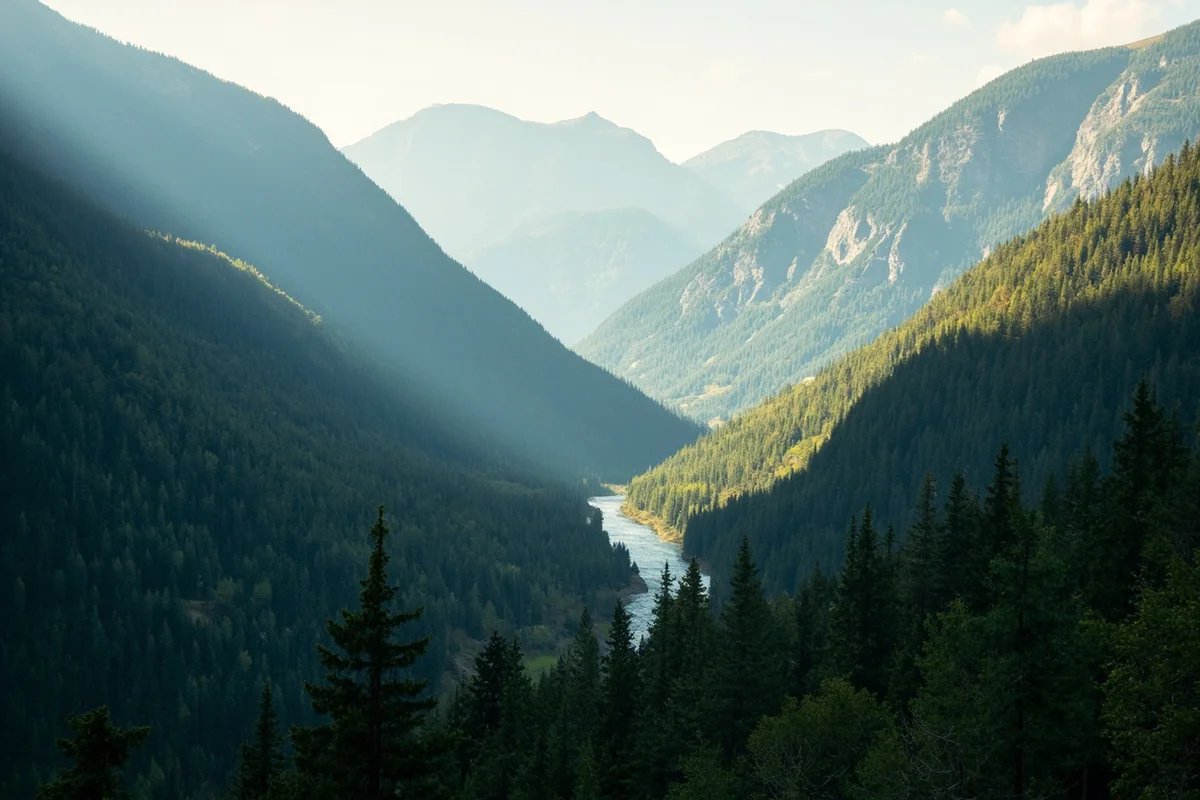
The Swan begins at Gray Wolf Lake high in the Mission Mountains, partly fed by glacial melt, before dropping through a steep canyon into Lindbergh Lake and continuing north through a heavily timbered, U-shaped valley toward Swan Lake.
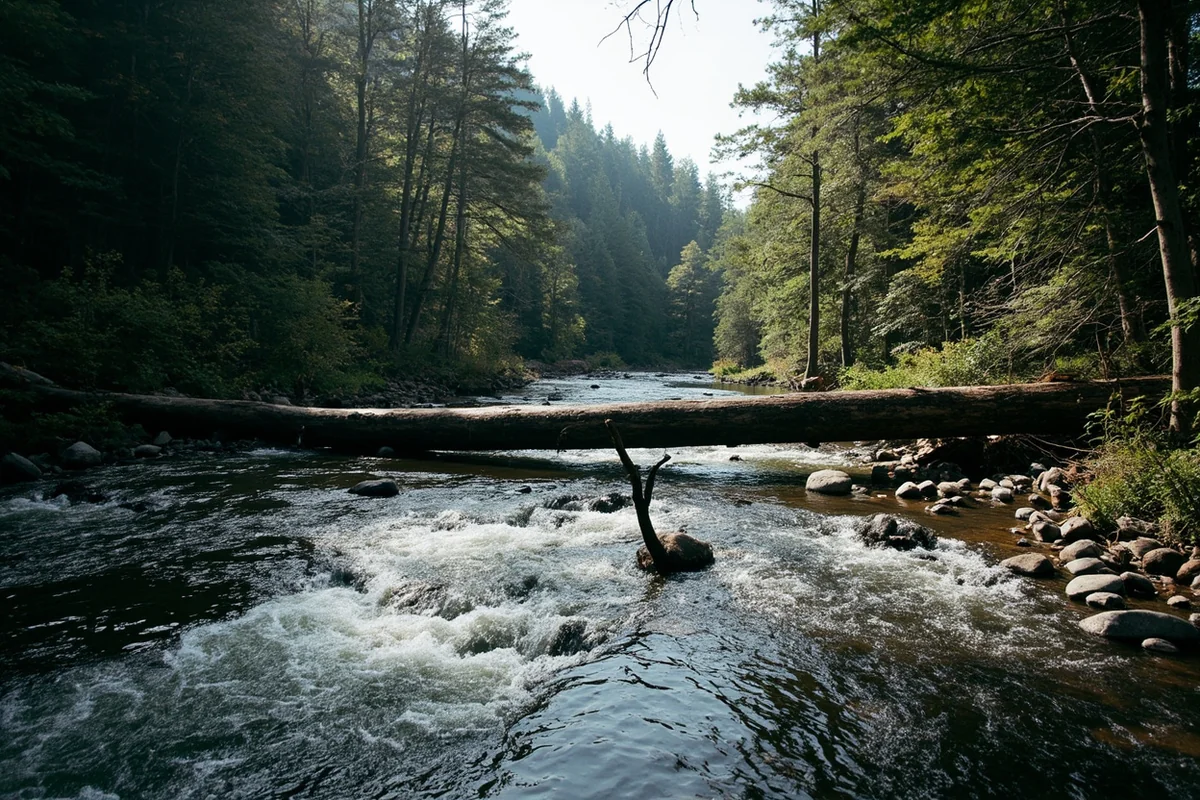
This upper river is genuinely demanding water. Dense brush and forest crowd the banks, making backcasts nearly impossible in most spots and turning simple bank-walking into a real exercise in patience.
Frequent logjams complicate both wading and floating, and access is further limited since guide permits on several stretches are capped at a small handful total — Bigfork’s outfitters describe the upper Swan as requiring real athletic ability and fly fishing experience rather than a casual outing.
The payoff for that effort is genuine isolation. Fishing pressure here is light even by Montana standards, and while the westslope cutthroat and rainbow trout you’ll catch tend to run modest, 8 to 12 inches on average, the occasional larger fish and the sheer solitude of the experience make it worthwhile for anglers willing to work for it.
Stonefly hatches in early summer and hoppers and ants by midsummer are the most productive approach, and local guides half-joke that success here means going big with your fly selection rather than getting technical.
I fished a stretch below Condon on a humid July afternoon, and between the mosquitoes, the tangled brush, and the near-constant need to duck under or clamber over deadfall, it was easily the most physically demanding day of fishing I’ve had anywhere in this series.
The trout I did land felt like a genuine reward for the effort rather than a given, which I think is exactly the character this river is known for among the handful of anglers who seek it out deliberately, year after year, despite the difficulty.
The Wild Mile
Below Swan Lake, the river’s character changes dramatically. It slows to a near-crawl above Bigfork Dam, easy water for canoes and small motorboats, before dropping into something entirely different just past the dam itself.
Bigfork Dam, originally built in 1902 to generate hydroelectric power, created a mile-long stretch below it known simply as the Wild Mile — a drop of over 100 feet through genuine Class V+ whitewater on its way into Flathead Lake. This is not casual recreational water.
It’s serious, technical whitewater that draws experienced kayakers specifically for the challenge, and it’s a mile that has nothing in common with the slow, log-choked upper river just a short drive south.
I think it’s worth knowing the honest ecological cost behind this dam too. It was constructed with a fish ladder intended to let fish pass between Flathead Lake and the upper river system, but that ladder proved ineffective.
The practical result has been over a century of the Swan River’s upstream fish populations remaining largely isolated from Flathead Lake, a quiet but significant consequence of infrastructure built well before anyone was seriously considering fish passage as a design priority.
I think this stretch is worth understanding even if you have no intention of running it yourself. Standing at an overlook near the dam and watching the transformation from placid reservoir water to a churning, technical drop within the span of a mile is a genuinely dramatic thing to witness, and it says something about how much a single piece of infrastructure can reshape a river’s entire character in both directions — calm above, chaos below.
Bull Trout: A Species on the Edge
The Swan River drainage holds one of Montana’s most significant remaining bull trout populations, and its regulatory history traces a genuinely interesting arc of increasing protection over time.
When bull trout were listed as threatened under the Endangered Species Act in 1998, Swan Lake remained, remarkably, the only body of water in the entire state where anglers could still legally fish for and keep them. That changed in 2012, when the regulation shifted to catch-and-release only in the lake.
By 2022, rules tightened further, prohibiting anglers from intentionally targeting bull trout at all in Swan Lake, Lindbergh Lake, Holland Lake, and the Swan River itself.
I think that steady progression says something honest about how conservation priorities in Montana have shifted over the past 25 years, even within a single watershed, moving from limited harvest allowance toward full protection as biologists learned more about how fragile this population actually was.
Wildlife of the Swan Valley
The Swan Valley’s isolation and heavy forest cover make it genuinely excellent wildlife habitat, and it’s part of why the region feels so different from the busier corridors around Glacier National Park just to the north.
Grizzly bears and mountain lions both maintain real populations throughout the valley, alongside abundant white-tailed deer that seem to appear around nearly every bend in the highway at dusk.
Bald and golden eagles work the river and lakes regularly — see our Montana osprey page for more on the raptors you’re likely to spot overhead.
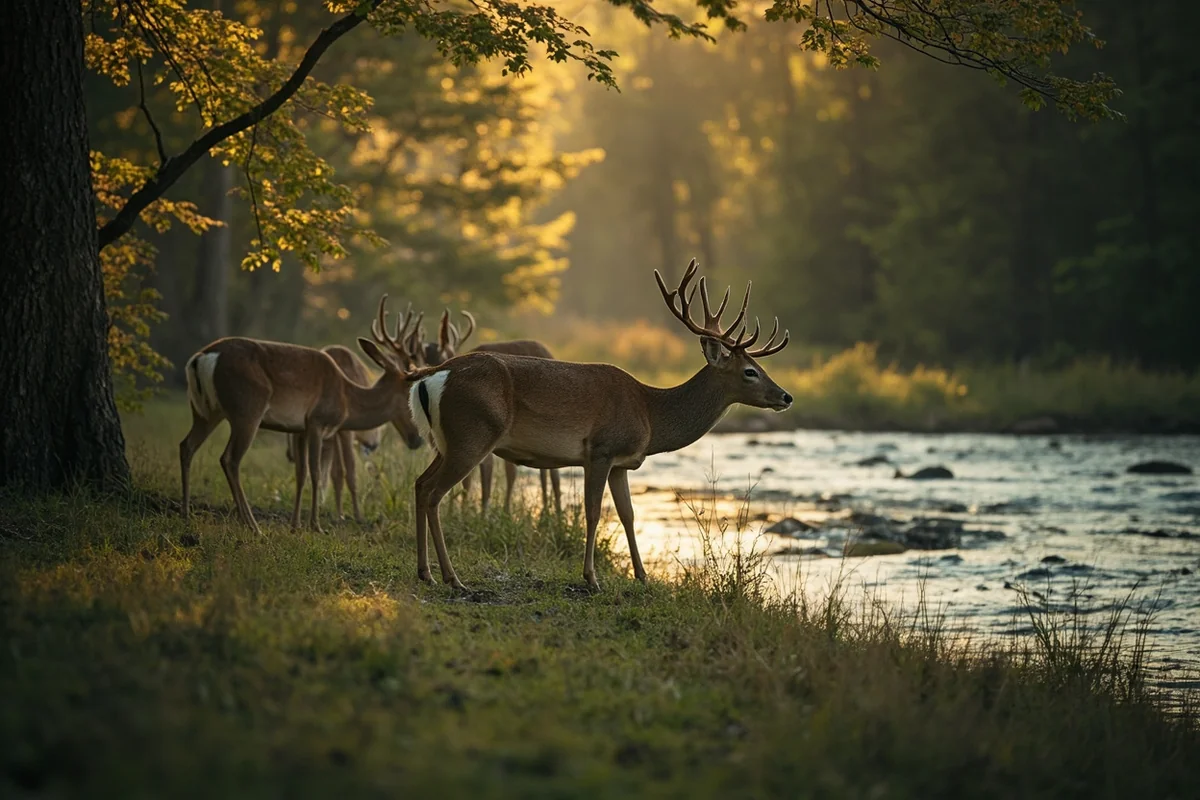
The valley’s 4,000-plus lakes, ponds, and wetlands make it one of the most water-rich watersheds in the entire state, and that abundance of habitat supports a genuine diversity of species beyond just the river itself — everything from waterfowl to amphibians benefits from a landscape this saturated with small, interconnected bodies of water.
If you’re floating any stretch of the Swan, Montana’s general boating regulations apply just as they do statewide.
Making Your Base Camp: Bigfork
Bigfork sits right where the Swan meets Flathead Lake, making it the natural hub for exploring this river, and it’s a genuinely charming small resort town in its own right.
If you’re basing a longer trip out of the broader Flathead Valley, Kalispell offers more services within easy reach of both the Swan and the Flathead River systems.
Personal Tips / What I Wish I Knew
Book upper river guide permits well ahead of time. Access is genuinely limited on several stretches, and the outfitters holding those permits fill up fast during peak season, sometimes months in advance for the most popular summer weeks.
Don’t attempt the Wild Mile without real whitewater experience. This is Class V+ water, not a casual float, and it deserves the same respect you’d give any serious technical rapid anywhere else in the country.
Bring bug spray and expect dense brush on the upper river. The combination of tangled foliage and mosquitoes makes this some of the more physically demanding fishing covered in this series, and I’d genuinely recommend long sleeves regardless of the temperature.
Handle any bull trout you catch with extra care, and know current regulations before you go. Targeting them is now prohibited across most of this system, so make sure you understand the rules before your trip rather than after, since accidental encounters still happen and should be handled correctly.
Respect grizzly country throughout the valley. This is real, active bear habitat connecting to the Mission Mountains and Bob Marshall Wilderness, so review our Montana bear guide before any backcountry trip here, and carry bear spray where you can reach it quickly.
Practical Info: Swan River at a Glance
| Section | Best For | Difficulty | Notes |
|---|---|---|---|
| Gray Wolf Lake to Lindbergh Lake | Remote fishing | Difficult, steep canyon | Glacial headwaters |
| Lindbergh Lake to Swan Lake | Wade fishing, limited floating | Difficult, logjams | Guide permits limited |
| Swan Lake to Bigfork Dam | Easy floating | Easy, slow water | Canoes and small boats |
| Below Bigfork Dam (Wild Mile) | Whitewater kayaking only | Class V+ | Not for casual floaters |
[Verify current bull trout regulations and upper river guide permit availability directly with Montana FWP before your trip.]
Final Thoughts
The Swan rewards visitors willing to see past its reputation as a quiet detour off the road to Glacier — a genuinely demanding, isolated upper fishery, a legitimately dangerous stretch of whitewater at its mouth, and a valley carrying real, difficult history alongside its scenic reputation.
Fish the upper river if you’re up for the effort, respect the Wild Mile’s difficulty, and take the fuller history of this valley with you rather than just the postcard version. It’s a river that asks more of visitors than most, and I think that’s exactly why it stays so quiet compared to its neighbors.
For how the Swan fits alongside the rest of the state’s best rivers, check out our full guide to the best rivers in Montana.
Pin this guide before your trip, and let me know in the comments if you’ve braved the log jams on the upper river.