Vice President George H.W. Bush once stood on this exact shoreline casting for trout. I think about that every time I make the hike down.
- Hidden Lake sits near Logan Pass, reached by a 2.7-mile round-trip hike to the overlook, or about 5.4 miles round trip if you continue down to the actual lakeshore
- This guide covers the boardwalk trail, mountain goat sightings, the crowd situation, and why most visitors never make it past the overlook
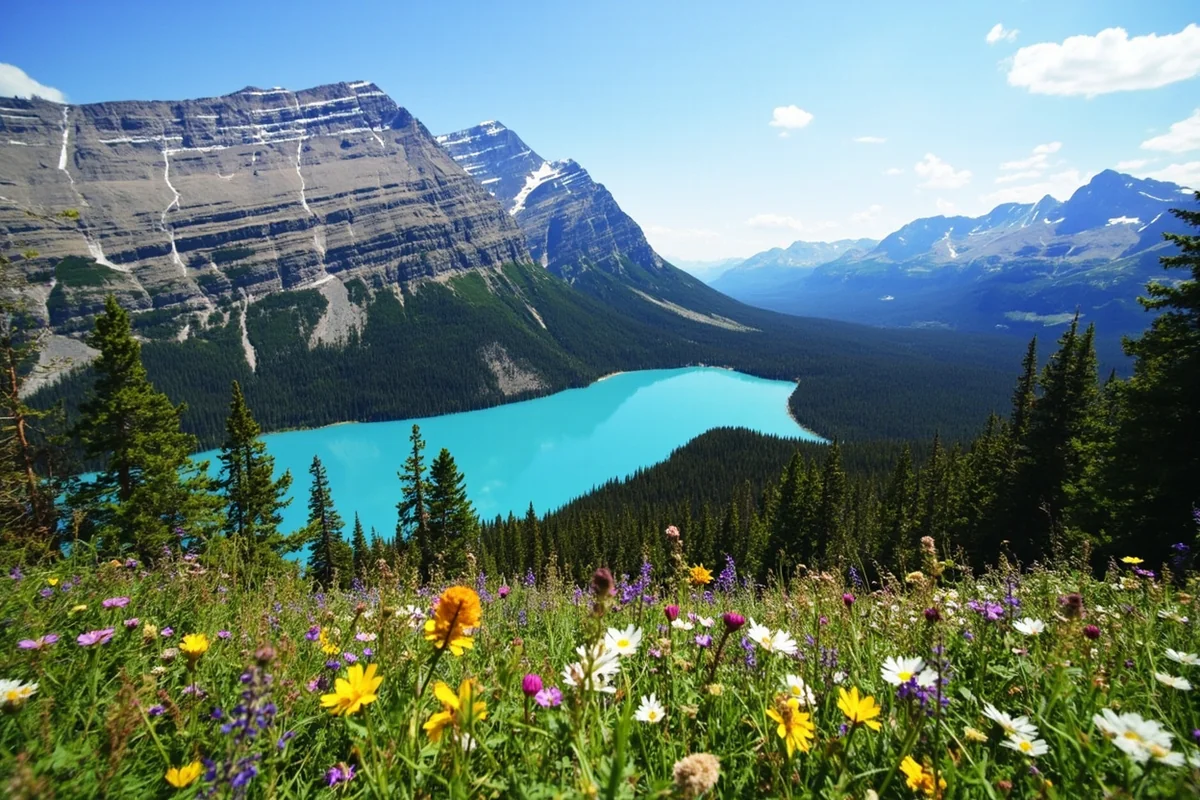
- The lake’s crescent shape and surrounding peaks make it one of the most photographed spots in the entire park
- Expect extreme crowds and limited parking in peak season — I’ll tell you exactly how to work around both
Liked this article?
Add Roaming Montana as a preferred source so you see more of our articles and guides on Google.
Why It’s Called Hidden Lake
The name makes sense the moment you understand the geography. Surrounding mountains — Bearhat Mountain, Dragon’s Tail, Clements Mountain, and Reynolds Mountain — conceal the lake from view for most of the approach.
You don’t see any water at all until you crest the final rise on the boardwalk trail. That reveal is part of what makes this hike so satisfying, even with the crowds.
The lake itself holds a distinctive crescent shape, framed by those same peaks. It’s a genuinely striking composition, which explains why this spot shows up in so many Glacier photographs.
The Trail: Overlook vs. Lakeshore
This is the detail most first-time visitors get wrong. The famous “Hidden Lake hike” that everyone talks about is actually just the overlook, reached via a 2.7-mile round trip from Logan Pass Visitor Center.
Getting down to the actual lakeshore requires continuing well past the overlook, adding real mileage and elevation loss (which becomes elevation gain on the way back). The full round trip to the water and back runs closer to 5.4 miles.
I’d budget your time and energy accordingly. Plenty of visitors are perfectly satisfied stopping at the overlook, and there’s no shame in that — the view alone justifies the hike.
The Hanging Gardens
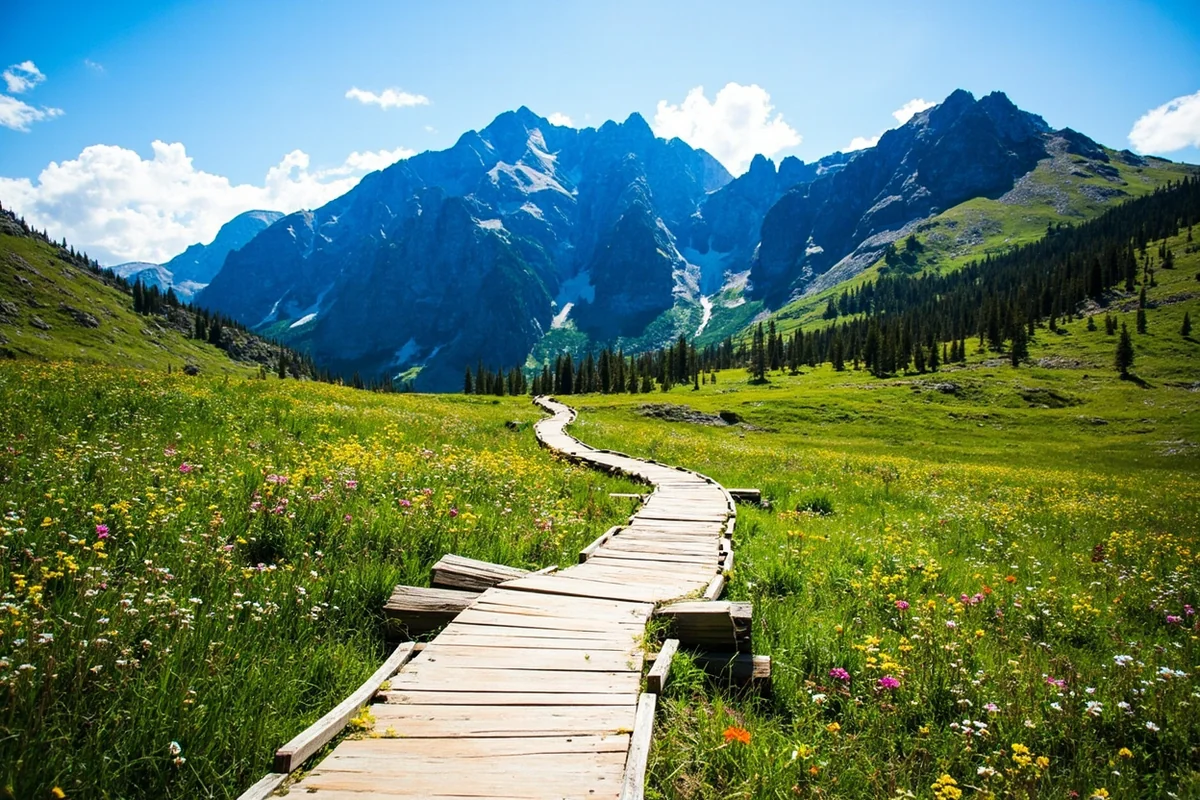
The trail starts behind the Logan Pass Visitor Center, climbing a stairway before leveling into what’s officially called the Hidden Lake Nature Trail. This section winds through alpine meadows known as the Hanging Gardens.
A boardwalk keeps hikers above snow, slush, mud, and the many small rivulets that persist at this elevation well into summer. Once the snow fully melts, the Hanging Gardens turns into a genuinely spectacular carpet of wildflowers.
I’d time a visit for late July if wildflowers are your priority, though exact timing shifts year to year depending on snowpack.
Extreme Crowds Are the Reality Here
I won’t sugarcoat this: Hidden Lake Overlook is one of the most popular destinations in the entire park, and parking at Logan Pass reflects that popularity in the worst way. Lots fill early and stay full most of the day in peak season.
My honest recommendation is to start as early in the morning as you possibly can. I’ve arrived at Logan Pass by 7 a.m. and had a genuinely different experience than a midday visit — calmer trail, easier parking, better wildlife odds.
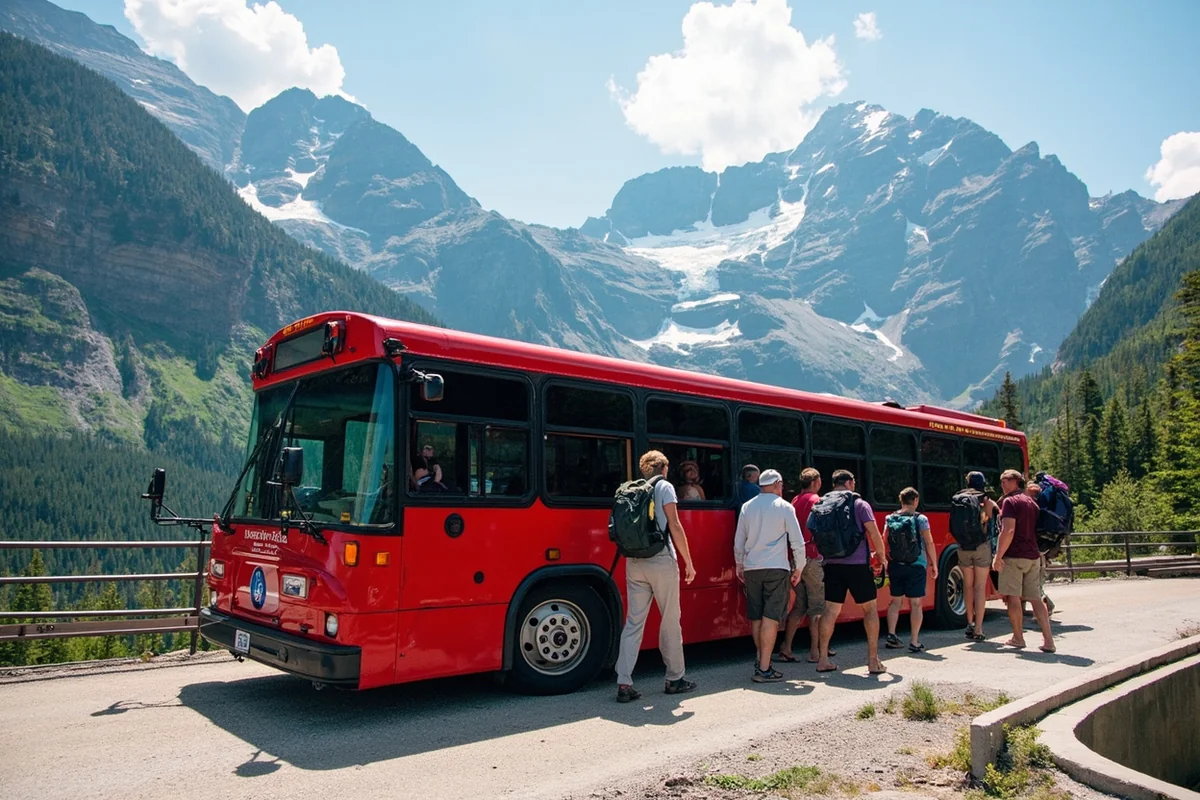
If early mornings aren’t realistic for your schedule, the park’s free shuttle system is a legitimate alternative to fighting for a parking spot.
Wildlife: Mountain Goats Are Basically Guaranteed
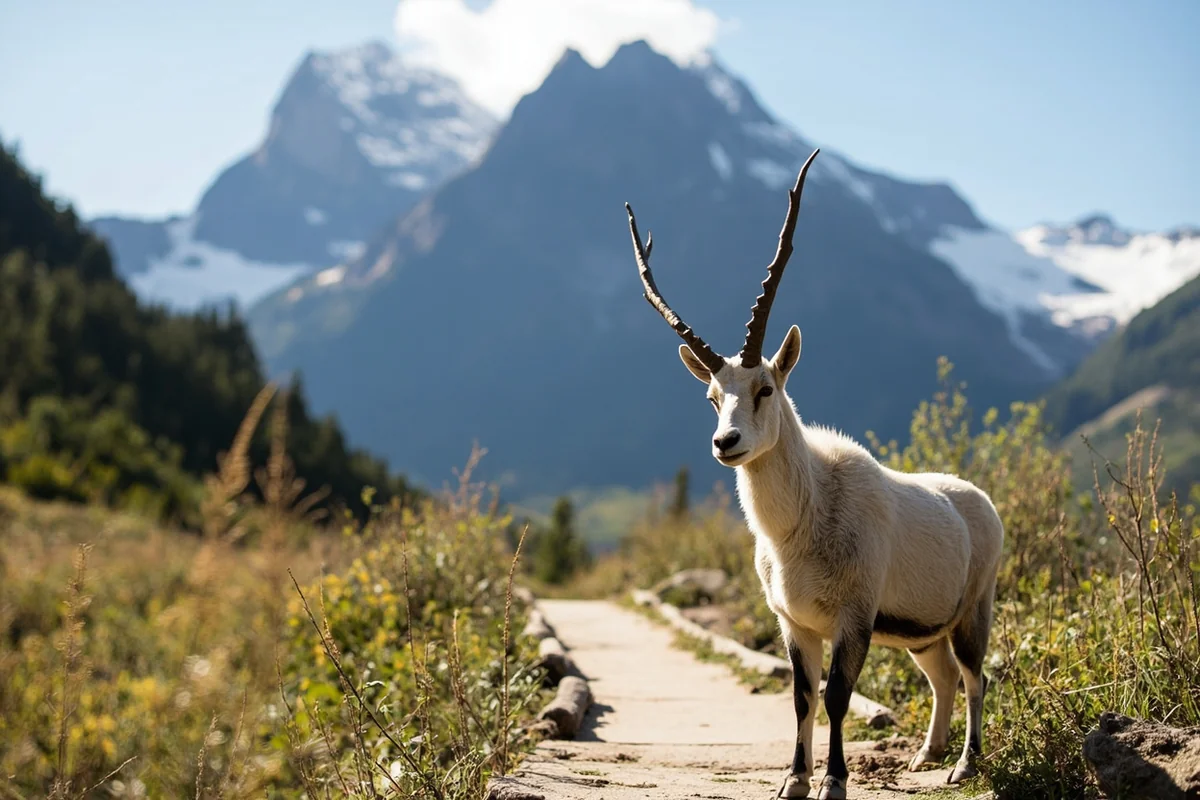
This trail offers some of the most reliable mountain goat viewing anywhere in Glacier. They’ve been known to wander directly into the Logan Pass Visitor Center parking lot, which tells you how comfortable they are with human presence here.
Bighorn sheep, marmots, and ground squirrels round out the regular sightings. Wolverines show up occasionally, a genuine rarity worth appreciating if you’re lucky enough to spot one.
Grizzly bears are less common here than in Many Glacier, but they do pass through. I’d keep standard bear awareness in mind regardless of how developed and popular this trail feels.
The George H.W. Bush Connection
Here’s a piece of trivia I bring up more than any other on this trail. In 1983, then-Vice President George H.W. Bush visited Hidden Lake specifically to fish for trout.
I find this genuinely charming — a sitting vice president making the trek down to this exact shoreline decades before it became one of the most Instagrammed spots in the National Park System. It’s a nice reminder that this place has always drawn people in, long before social media made it famous.
Swimming and Floating
Like most lakes fed by snowmelt in this park, Hidden Lake runs cold enough to make extended swimming a challenge, even in summer. Temperatures peak around mid-August, which is your best window if swimming matters to your visit.
The exceptionally clear, shallow water near the shoreline has made this a popular floating spot for photos. I’ve seen more than a few dramatic shots taken here that make the water look almost tropical, despite how cold it actually is.
Birding at Hidden Lake
With more than 260 bird species recorded across the park, Hidden Lake’s alpine setting draws a solid range of species worth watching for if birding interests you. I’d bring binoculars regardless of your main reason for the hike.
Camping Near Hidden Lake
There’s no camping directly at the lake, but several of the park’s 13 front-country campgrounds sit within a reasonable drive of Logan Pass. Avalanche Creek Campground, first-come, first-served, ranks among the closest options.
Quiet hours run from 10 p.m. to 6 a.m. at all park campgrounds, worth knowing if you’re a night owl planning to pack up early for a sunrise hike here.
Lodging Options Nearby
Given how central Logan Pass sits within the park, several lodging options put you within a reasonable drive. On the budget end, Swiftcurrent Motor Inn and Cabins works well.
For something more upscale, Lake McDonald Lodge or the historic Many Glacier Hotel both offer genuinely memorable stays, though I’d book as far ahead as the reservation window allows.
For the full range of options across the park, see my Glacier National Park lodging guide.
What Surprised Me Most About This Hike
Having done this trail more than a dozen times now across different seasons, the thing that still surprises me is how much the character changes based purely on time of day. A 7 a.m. version of this hike and a 1 p.m. version feel like genuinely different trails.
Morning brings calm air, softer light, and a real chance at solitude on the boardwalk section. By early afternoon, the same stretch can feel more like a busy sidewalk than a wilderness trail, with a steady stream of hikers in both directions.
I’d factor this into your planning more than almost any other variable. The trail itself doesn’t change season to season nearly as much as it changes hour to hour within a single summer day.
Accessibility Considerations
The boardwalk section of this trail is relatively well-maintained and manageable for visitors with moderate mobility, at least as far as the overlook. Beyond that point, the trail descends steeply toward the actual lakeshore, which is considerably more demanding.
I’d recommend checking current trail conditions with a ranger at the Logan Pass Visitor Center if accessibility is a specific concern, since snow and washout conditions can vary significantly by year and by month [verify current accessibility conditions].
For general bear safety on this and other Glacier trails, my Montana bear guide covers what to know before you go, even on a trail this popular.
Personal Tips / What I Wish I Knew
Decide before you go whether you’re doing the overlook or the full lakeshore hike. I’ve seen hikers turn back exhausted at the overlook, not realizing they’d only completed half the journey they’d planned.
Arrive before 8 a.m. if you possibly can. This single decision does more for your experience here than anything else you could plan around.
Bring layers regardless of the forecast. This trail is completely exposed to the elements at high elevation, and I’ve experienced sun, wind, and rain within the same hour here.
Don’t approach the mountain goats, however tame they seem. They’re wild animals used to human presence, not domesticated ones, and keeping distance matters for both your safety and theirs.
Practical Info: Hidden Lake
| Trail distance (overlook only) | 2.7 miles round trip |
| Trail distance (to lakeshore) | About 5.4 miles round trip |
| Difficulty | Overlook: easy-moderate; full lakeshore: moderate |
| Best season | Mid-July through September, snowpack dependent |
| Best swimming window | Mid-August |
| Parking | Logan Pass Visitor Center lot, fills early in peak season |
| Fishing permit | Free Glacier National Park fishing permit required |
Frequently Asked Questions
How long is the hike to Hidden Lake?
The overlook is a 2.7-mile round trip from Logan Pass. Continuing down to the actual lakeshore extends the round trip to roughly 5.4 miles.
Do most visitors reach the lake itself or just the overlook?
Most stop at the overlook. The additional elevation loss and gain to reach the actual shoreline discourages many visitors, though the lake itself is a worthwhile extension if you have the time and energy.
Are mountain goats common at Hidden Lake?
Yes, this is one of the most reliable spots in the park to see them, and they’ve even been spotted wandering into the Logan Pass parking lot.
When is the best time to visit Hidden Lake?
Mid-July through September for trail access, with mid-August offering the warmest water if swimming is part of your plan.
Is parking difficult at Logan Pass?
Yes, extremely, especially from mid-morning through afternoon in peak season. Early morning arrival or the park’s free shuttle system are the two reliable workarounds.
A Trail Shaped by Elevation
Logan Pass sits at 6,646 feet, the highest point reachable by car anywhere in Glacier National Park. That elevation shapes everything about this hike, from the exposed terrain to the lingering snow.
I’d pack for genuine mountain weather regardless of what the forecast says for the valley floor. Temperatures here run noticeably colder than Apgar or St. Mary, and wind exposure along the open boardwalk sections makes it feel colder still.
Because the pass itself doesn’t open until the snow clears from Going-to-the-Sun Road, typically sometime in June, this hike has a genuinely compressed season compared to lower-elevation trails elsewhere in the park.
Comparing Hidden Lake to Avalanche Lake
Both hikes rank among Glacier’s most popular short trails, and I get asked often which one to prioritize with limited time. My honest answer depends on what you want to see.
Avalanche Lake delivers waterfalls and a cliff-lined basin through forested terrain. Hidden Lake delivers open alpine meadows, wildflowers, and close encounters with mountain goats through exposed, high-elevation terrain.
If you can only do one, I’d let the season decide. Early summer favors Avalanche Lake, since it opens weeks before Logan Pass typically clears. Mid-to-late summer, once wildflowers peak at Logan Pass, I’d give Hidden Lake the edge.
The Shuttle System in More Detail
Glacier’s free shuttle system runs along Going-to-the-Sun Road during peak season, stopping at Logan Pass among other major points. I’ve used it specifically to avoid the parking situation here, and it works well if you’re staying somewhere along the shuttle route already.
The tradeoff is a fixed schedule rather than the flexibility of your own vehicle. I’d check current shuttle times and stops before building a whole day’s itinerary around it [verify current shuttle schedule and stops].
Final Thoughts
Hidden Lake earns its popularity honestly, crowds and all. Between the wildflower meadows, the near-guaranteed mountain goat sightings, and that quietly funny piece of presidential trivia, this trail delivers on nearly every level for the relatively modest effort it demands.
For more of Glacier’s accessible lake hikes, see my guide to Avalanche Lake, or check out the complete guide to Montana’s best lakes for the rest of the region.
For the drive that gets you here, see my Going-to-the-Sun Road guide, and for lodging near Logan Pass on either side of the park, my Glacier National Park lodging guide covers your options.
For broader trail planning, my Glacier hiking guide rounds out what else is worth your time.