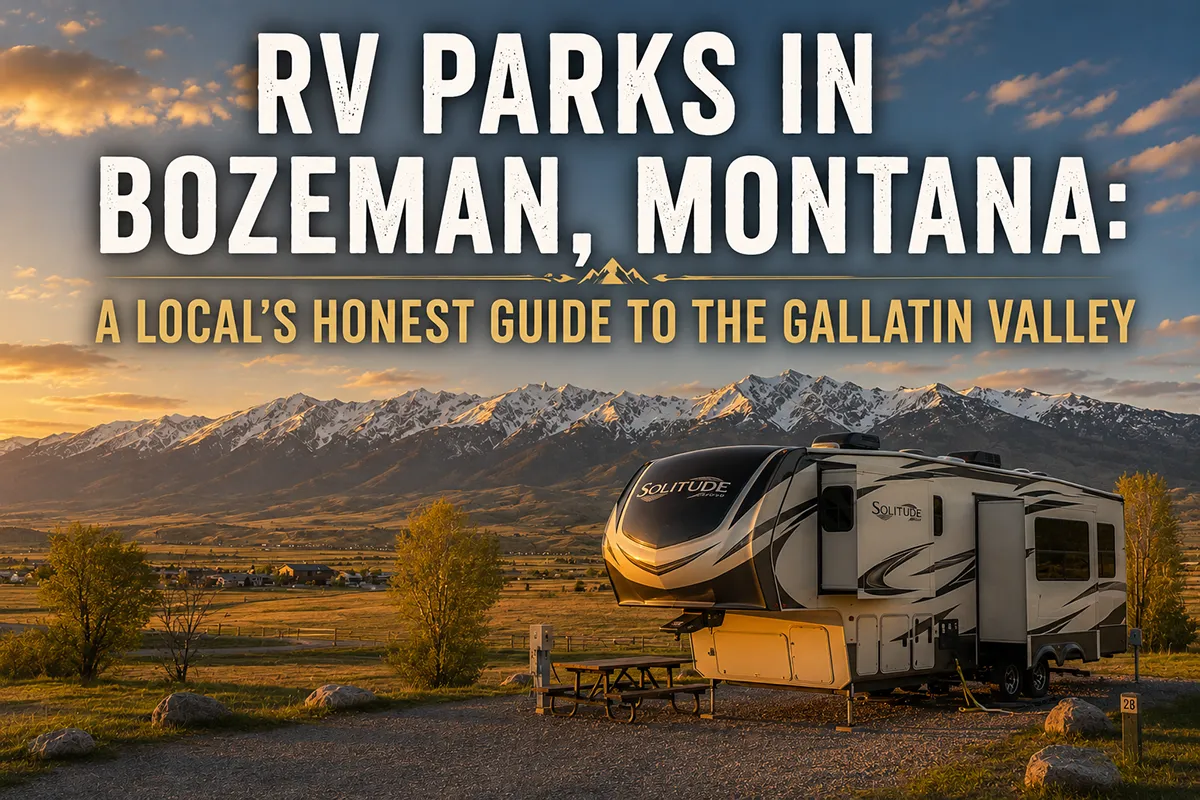
Bozeman is the trickiest RV stop in Montana, and almost nobody warns you why. The town has exploded — population up nearly 50% since 2010, and the RV park infrastructure hasn’t kept pace.
The result is that most of the best full-hookup parks aren’t actually in Bozeman; they’re in the small ring of towns around it (Four Corners, Belgrade, Three Forks, Bozeman Hot Springs).
If you’re booking based on “Bozeman” as a Google search, you’ll end up either in a parking-lot-style municipal lot, or 20 minutes outside town wondering why you got recommended a place in a different ZIP code. Here’s how to navigate it.
TL;DR: Bozeman’s RV park scene splits between in-town basic options (Gallatin County Fairgrounds, a couple of small lots) and full-hookup parks in the Four Corners / Belgrade area 10–15 minutes west. The Bozeman Trail RV Park near the Four Corners cluster is the workhorse for transit travelers. Bozeman Hot Springs Campground & RV Park combines hookups with on-site soaking. Long-term and monthly options exist but require calling around — they don’t all show up on aggregators. Best season: mid-May through September. Book 4–6 weeks ahead for July/August.
This is the Bozeman and Gallatin Valley deep-dive. It’s part of my broader best RV parks in Montana directory, which covers every major region of the state for RV travelers.
Liked this article?
Add Roaming Montana as a preferred source so you see more of our articles and guides on Google.
Why Bozeman Is a Strategic RV Stop (Even If Parking Here Is Annoying)
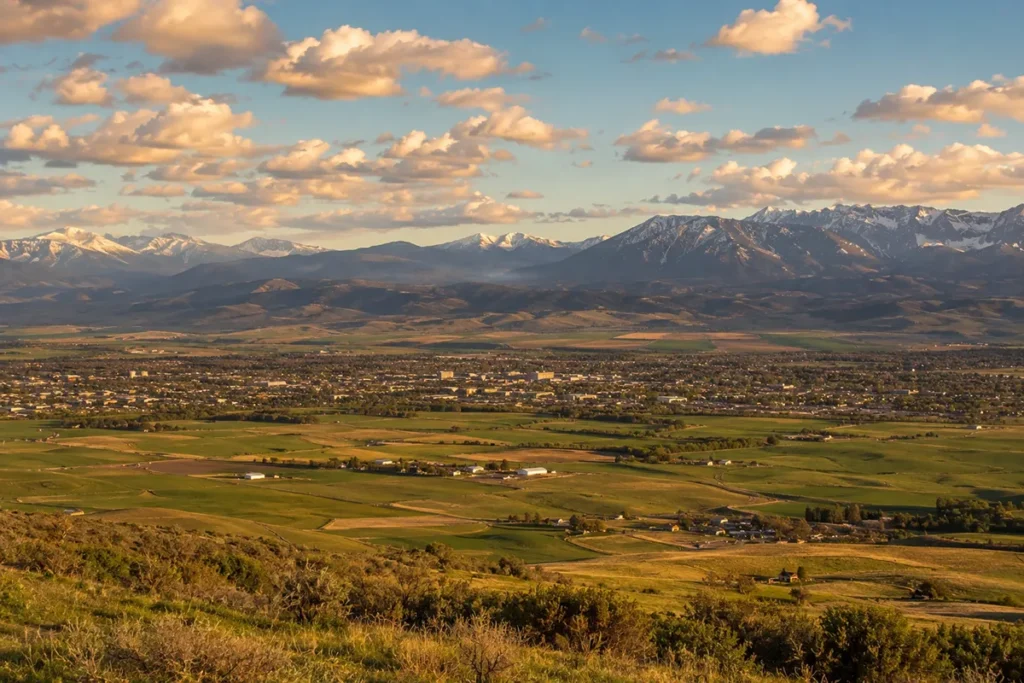
Geography first. Bozeman sits at 4,820 feet at the eastern end of the Gallatin Valley, along I-90. It’s the closest mid-sized city to Yellowstone National Park — 90 miles from West Yellowstone, 80 miles from Gardiner (the north entrance).
For travelers building any kind of Yellowstone-and-beyond loop, Bozeman is the logical resupply / urban-amenities stop. It’s also the only town in Montana where you can fly in commercially (Bozeman Yellowstone International, BZN) to a Class A motorhome rental and roll out into the state the same day.
The catch: Bozeman has become Montana’s most expensive city, with the worst summer traffic and the tightest RV park inventory. The “downtown Bozeman RV park” most travelers picture doesn’t really exist. What exists is a constellation of options:
- In-town basic / event-tied parks (Gallatin County Fairgrounds and similar) — limited services, parking-lot character
- Four Corners / Belgrade ring (Bozeman Trail RV, Bear Canyon, Bozeman Hot Springs) — full hookups, 10–15 min from downtown
- Three Forks / Manhattan transit options — full hookups, 25–30 min from downtown, lower rates
- Gallatin Canyon south — forest service campgrounds, no hookups, beautiful (covered in my Big Sky RV camping guide)
Which one you pick depends entirely on what you came to Bozeman to do. Here’s how each tier breaks down.
The Best RV Parks in and Around Bozeman
1. Bozeman Trail RV Park — The I-90 Workhorse
Location: Three Forks area on the west side of the Gallatin Valley, with direct I-90 access.
If I had to recommend one Bozeman-area park to a first-time traveler, this is it. Full hookups including 30 and 50-amp service, easy-in/easy-out for big rigs, level pull-throughs that handle a fifth-wheel without unhitching. Strategic position for both Bozeman day trips (20 minutes east) and the run south toward Big Sky / West Yellowstone.
What I like: No surprises. The site quality is consistent, the staff are responsive, and you can be in downtown Bozeman in 20 minutes or at the Three Forks headwaters in 10. As a one-night transit park during a Glacier-to-Yellowstone routing, it’s the most efficient stop in the region.
Heads-up: Not particularly scenic. You’re trading character for convenience. If you want lake views or forest, look elsewhere on this list.
2. Bear Canyon Campground — Closest to Downtown Bozeman With Full Hookups
Location: Just east of Bozeman off I-90, about 5 miles from downtown.
This is the closest RV park to downtown Bozeman that still offers full hookups. Pull-through sites, 30/50-amp service, swimming pool, hot tub, dog park, mini golf, and on-site gold panning for kids (or adults — I don’t judge). One of the few options with a real “resort” feel near the city.
What I like: Location is the win. After a long highway day, you can be parked, hooked up, and walking into downtown Bozeman for dinner inside 30 minutes. Real Yellowstone routing — about 90 minutes from the west entrance.
Heads-up: Premium pricing reflects the location. Peak season weekend rates can hit [verify current rates] — and weekends book out 6+ weeks ahead in July and August. Sites are close together; not the place if you want privacy.
3. Bozeman Hot Springs Campground & RV Park — Soak + Stay
Location: Four Corners (Highway 191 / Huffine Lane), about 7 miles west of downtown Bozeman.
This is the destination pick rather than the transit pick. Full hookups plus direct access to the Bozeman Hot Springs facility — twelve mineral pools at varying temperatures from cool to 106°F, fitness center, café, and live music nights. After a long driving day, the math is hard to argue with.
What I like: It’s a real Montana experience packaged as a one-stop campground. The variety of pools (compared to single-pool hot springs) means there’s somewhere to sit no matter the weather or crowd level. Family-friendly, but quieter than the urban Bozeman parks.
Heads-up: Hot springs day-pass access is separate from your campsite cost — budget accordingly. Wednesday and Saturday night live music nights can run later than some campers prefer. I cover hot springs in detail in my Bozeman Hot Springs RV guide along with other Montana soaking destinations.
4. Gallatin County Fairgrounds — Cheap, Central, Basic
Location: 901 N. Black Avenue, in the heart of Bozeman (3 blocks from downtown).
This is the “I just need a place to plug in and walk to dinner” option. The fairgrounds offers RV parking with electric hookups and water fill-station access, on level asphalt and gravel sites. No bathhouse, no sewer, no scenic value. Sites are essentially numbered parking spaces.
What I like: Location. You can walk to downtown Bozeman in 10 minutes — Main Street’s coffee, food, breweries, the Co-op. For travelers who don’t need a destination park and just want to be in town, this is the unbeatable answer.
Heads-up: Train tracks run adjacent and trains pass through at night. Bring earplugs. No bathrooms on-site (closest options are nearby gas stations or coming with a self-contained rig). During the Sweet Pea Festival (early August) and the Gallatin County Fair (mid-July), this lot is unavailable to non-event RVers — confirm dates before booking.
5. Osen’s RV Park / Sunrise Campground — Quiet Bozeman Outskirts
Location: Just off I-90 within easy reach of downtown.
A smaller, quieter park that skews older-crowd / longer-stay. Manicured grass between sites, helpful staff who’ll guide you in to back-in spots. Full hookups available.
What I like: It’s the “calm retirement vibe” alternative to the louder Bozeman options. If you’re not traveling with kids and want a peaceful base, this fits.
Heads-up: Fewer activity amenities than Bear Canyon or Bozeman Hot Springs. Right for some travelers, wrong for others.
The Long-Term RV Park Scene in Bozeman
This is one of the most-searched questions about Bozeman RV parks — “long term rv parks bozeman mt” pulls real volume month over month — and it’s also the worst-served by existing online guides. Here’s the actual scene.
Bozeman has become a year-round destination for seasonal workers, college students at Montana State University, traveling nurses, and digital nomads. That demand has pushed several local parks to offer monthly rates, but the inventory is tight and pricing has climbed every year.
What to expect:
- Monthly rates typically run [verify current rates — recently $800–$1,500 per month for full-hookup sites], with electricity often metered separately.
- Winterized hookups are available at a handful of parks but not most. Sites without freeze protection have water turned off from mid-October through April or May.
- Waitlists are real, especially for the cheaper monthly spots. Many seasonal regulars renew year over year.
- Municipal zoning has tightened in Gallatin County in recent years. Some “RV parks” are actually grandfathered mobile-home parks, and not all accept short-term-to-long-term transitions.
What to do about it:
If you’re planning a Bozeman winter or extended stay, start calling parks 3–4 months out. Aggregator booking sites typically don’t show monthly availability — you need to talk to a person. The Bozeman Trail RV Park, Bear Canyon, and several Belgrade-area parks have monthly rate options that aren’t always listed online.
For seasonal workers and students specifically, the Gallatin County Fairgrounds offers a longer-stay rate that’s the cheapest legit option in town, but it requires bringing your own self-contained setup (no bathhouse access).
What to Do When You’re Parked in Bozeman
Bozeman is a small city with an outsize cultural and outdoor scene. Here’s how I’d spend two days from any of the RV parks above.
Museum of the Rockies
Home to the largest T. rex skull in the world (the Wankel T. rex). The museum is part of Montana State University and is one of the top paleontology collections in North America. Plan a half-day minimum — the planetarium and history wing are worth real time.
Downtown Bozeman
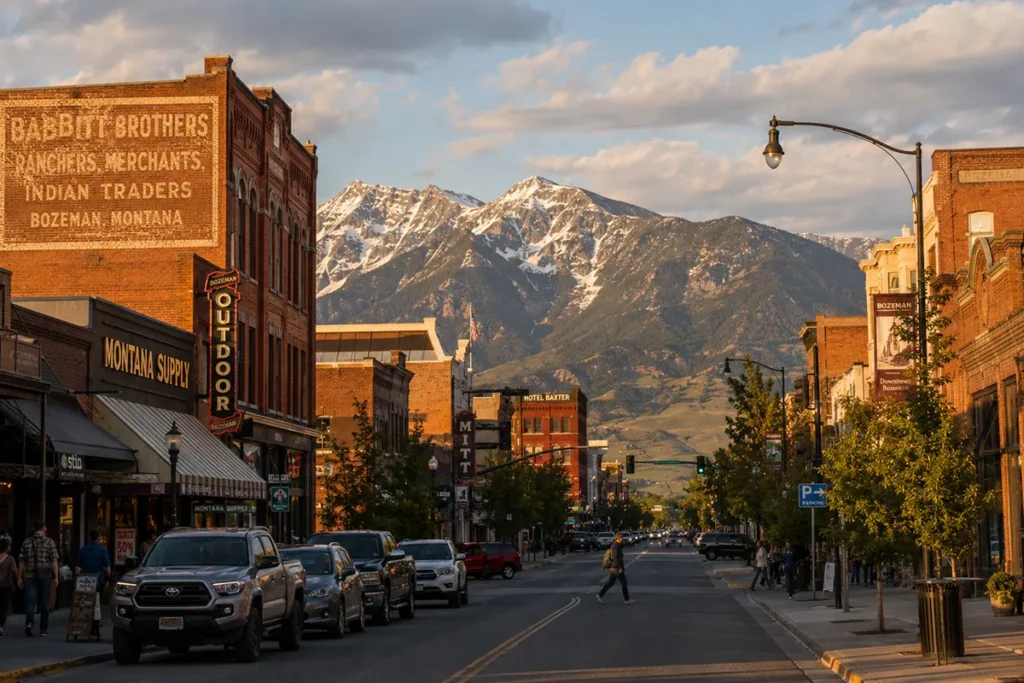
Main Street is genuinely walkable and worth an evening. Coffee at Wild Joe’s, dinner at Plonk or Open Range, a beer flight at Bridger Brewing or Bozeman Brewing. The Emerson Center for the Arts is in a restored old school building and rotates art exhibits. If you’re not used to a Western state where the brewery culture is this developed, you’ll be surprised.
Hyalite Canyon
About 15 miles south of town, Hyalite Canyon is the local outdoor playground. Hyalite Reservoir for paddleboarding and fishing, the Grotto Falls hike (an easy paved trail to a real waterfall), and ice climbing in winter. Hyalite is bear country — carry bear spray.
Yellowstone National Park
The reason most RVers come to Bozeman in the first place. From here you’ve got two routing options:
- North entrance via Gardiner: 80 miles south, takes about 90 minutes. Best for accessing Mammoth Hot Springs and the Lamar Valley wildlife. See my Yellowstone gateway RV parks guide if you’d rather basecamp closer.
- West entrance via West Yellowstone: 90 miles south through the Gallatin Canyon, takes about 100 minutes. Better for accessing Old Faithful and the geyser basins.
Day-tripping Yellowstone from Bozeman is possible but tiring. If you’ve got the flexibility, a Gardiner overnight makes for a much better Yellowstone visit.
Three Forks / Missouri Headwaters
Only 30 miles west of Bozeman is the actual confluence where the Missouri River begins — where Lewis and Clark identified the Jefferson, Madison, and Gallatin Rivers meeting. Free interpretive trails, picnic spots, and one of my favorite “small day trip” stops in the region. I cover the Three Forks RV parks in my hidden-gems guide for travelers who want to base there instead.
Big Sky and the Gallatin Canyon
90 minutes south is the Big Sky ski town and the Gallatin Canyon corridor — A River Runs Through It country. Fly fishing, scenic driving, Big Sky Resort’s lift-served sightseeing in summer. See my Big Sky RV camping guide for the canyon campground breakdown.
For a broader Montana picture, my guide to things to do across Montana covers the whole state.
What I Wish I’d Known About RVing Through Bozeman
Seven lessons from years of working this corridor:
1. Summer traffic is real, especially on Huffine Lane. The stretch of Highway 191 between Bozeman and Four Corners is the worst summer traffic in the region — and it’s the exact route you’ll drive to most of the full-hookup parks. Avoid 4:30–6:30 p.m. weekday returns. I’d rather sit at a coffee shop for an hour than do that drive in peak traffic with a trailer.
2. The Bozeman airport (BZN) is shockingly busy. It’s now Montana’s busiest commercial airport, and Friday afternoon arrivals + Sunday evening departures clog the rental return lanes. If you’re picking up an RV rental in Bozeman, build buffer time.
3. Cell service is solid in town but drops fast. Verizon, AT&T, and T-Mobile all work well in Bozeman, Belgrade, and Four Corners. Once you head south into Gallatin Canyon or the Hyalite area, expect signal loss. Download maps before leaving.
4. Wildfire smoke is a real August factor. Even if Bozeman itself isn’t burning, smoke from regional fires (Idaho, Wyoming, or distant Montana fires) can blanket the valley. Check the AirNow app daily in August and September.
5. Sweet Pea Festival weekend is a hard book. First weekend of August. Hotel rooms, restaurants, and RV parks fill across the whole region. If you’re not coming for the festival, avoid it. If you are, book 4–6 months out.
6. Costco / grocery resupply is on the way out. The Bozeman Costco is on the west side near Four Corners — perfect to hit on your way to or from the more western parks, before heading south to Big Sky or Yellowstone where prices climb 30%.
7. Routing for adjacent regions. If heading west, my RV parks in Butte guide covers the next major stop on I-90. If east on I-90 toward the eastern plains, see my RV parks in Billings guide for the next major stop. If south to Yellowstone, my Yellowstone gateway RV parks guide has Gardiner. If north toward the capital, RV parks in Helena covers that route — Three Forks (covered in my hidden gems guide) makes a good lunch stop on the way.
Practical Info Box: Bozeman RV Camping at a Glance
| Detail | What to Know |
|---|---|
| Best season | Mid-May through late September |
| Elevation | 4,820 ft |
| Highway access | I-90 (Exits 305, 306, 309 for most park access) |
| Closest airport | Bozeman Yellowstone International (BZN), in-town |
| Closest with full hookups in town | Bear Canyon (east of Bozeman) |
| Closest in-town basic | Gallatin County Fairgrounds (electric only) |
| Closest hot springs RV park | Bozeman Hot Springs (Four Corners) |
| Distance to Yellowstone (north entrance) | 80 mi, ~90 min |
| Distance to Yellowstone (west entrance) | 90 mi, ~100 min |
| Distance to Big Sky | 50 mi, ~50 min |
| Long-term monthly rates | Available but call ahead; tight inventory |
| Major festival to know | Sweet Pea Festival, first weekend of August |
| Cell service | Strong in town; drops in Hyalite, Gallatin Canyon |
| Average peak season nightly rate | [verify current rates — typically $55–$95 full hookups] |
The Bottom Line on Bozeman RV Camping
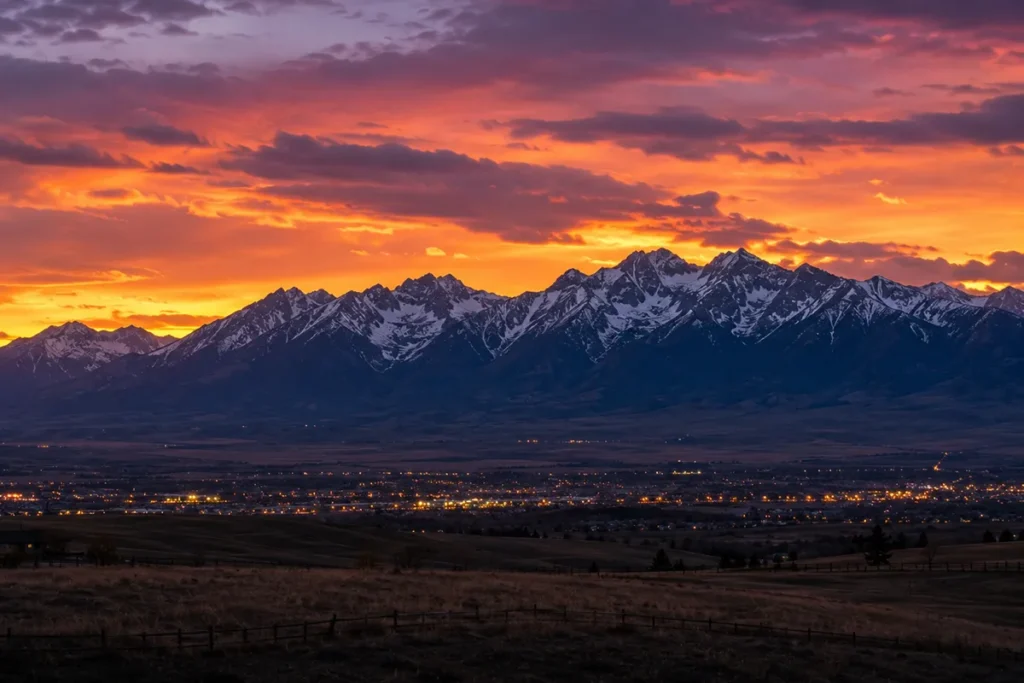
Bozeman is a strategic Montana RV stop. It’s not always the cheapest place to park your rig, and the in-town options are limited compared to what the city’s population would suggest.
But for travelers who want urban amenities, world-class museums, real food and brewery scenes, and direct access to both Yellowstone gateways and the Big Sky / Gallatin Canyon corridor — Bozeman is the right answer for at least one or two nights of any Montana road trip.
If you’ve got flexibility, I’d recommend basing west of town at Bozeman Hot Springs or Bear Canyon for the night, doing one day in Bozeman itself (museums, Main Street, Hyalite) and one day routing toward Big Sky or Three Forks. From there, Yellowstone or Glacier becomes the next leg.
Pin this post for your trip planning, see the full best RV parks in Montana directory for the rest of the state, and drop your Bozeman questions in the comments — this guide gets updated every spring as park rates and availability shift.
— Sarah Bennett