In the winter of 1863–64, a vigilante committee in Virginia City, Montana, identified the man behind a wave of murders that had claimed more than 100 lives along the road between Bannack and Virginia City. They arrested him, tried him in a manner the frontier recognized as legitimate, and hanged him on January 10, 1864.
The man was Henry Plummer. He was also the elected sheriff.
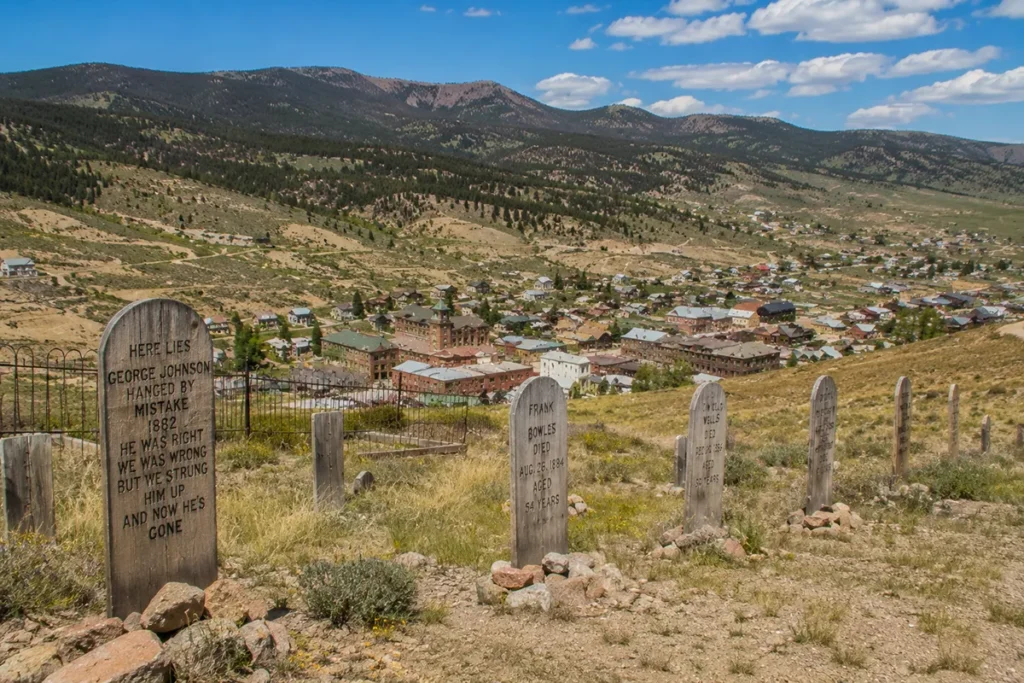
Over the following six weeks, the vigilantes hanged 22 more men — Plummer’s gang of road agents who had operated the entire time under the cover of law enforcement. The graves of those men are on Boot Hill, a cemetery that still overlooks Virginia City from the hill above town. You can walk to it today. You can read the names.
Virginia City is not a ghost town. It’s something considerably more interesting.
Quick Answer — Things to Do in Virginia City Montana
Virginia City’s essential experiences: walk the authentic 1860s Main Street (150 buildings certified by the Montana Historical Society — the most intact gold rush streetscape in America), hike to Boot Hill Cemetery (where the vigilantes’ outlaws are buried — the full story is in this post), see a Virginia City Players production at the historic Opera House (the oldest continuously operating summer stock theater west of the Mississippi), drink at the H.S. Gilbert Brewery (Montana’s first brewery, home of the Brewery Follies comedy show), and ride the Short Line Railway to neighboring Nevada City (1 mile away). Budget one full day minimum; two days to catch an evening theater performance.
- Virginia City (~100 permanent residents) is a National Historic Landmark in southwest Montana, 90 minutes from Bozeman
- Founded in 1863 after gold was discovered in Alder Gulch — it was Montana’s territorial capital from 1865 to 1875
- 150 buildings certified authentic by the Montana Historical Society — the most intact gold rush-era streetscape in the American West
- Virginia City Players: oldest continuously operating summer stock theater west of the Mississippi River
- H.S. Gilbert Brewery: Montana’s first brewery, home of the Brewery Follies comedy show
- Pioneer Bar (est. 1867): one of the oldest continuously operating bars in Montana
- The vigilante story — Sheriff Henry Plummer and 22 hanged outlaws — is the most dramatic episode in Montana frontier history, and Boot Hill is where it ends
- Nevada City (1 mile away) is NOT an authentic old town — it was constructed from buildings moved from other ghost towns across Montana
- For the full Montana outdoor adventure context, see our things to do in Montana guide
Liked this article?
Add Roaming Montana as a preferred source so you see more of our articles and guides on Google.
Why Virginia City Is the Most Historically Significant Small Town in Montana
A note about the SERP for this topic: multiple major travel websites serving search results for “things to do in Virginia City Montana” are actually showing content about Virginia City, Nevada — Mark Twain Museum, Comstock History Center, Delta Saloon, Washoe Lake. If you landed here looking for Virginia City, Montana specifically, you’re in the right place.
Virginia City, Montana is located in southwest Montana’s Madison Valley, approximately 90 minutes southeast of Bozeman and 70 miles from West Yellowstone. Population: roughly 100 permanent residents, making it one of Montana’s smallest incorporated towns.
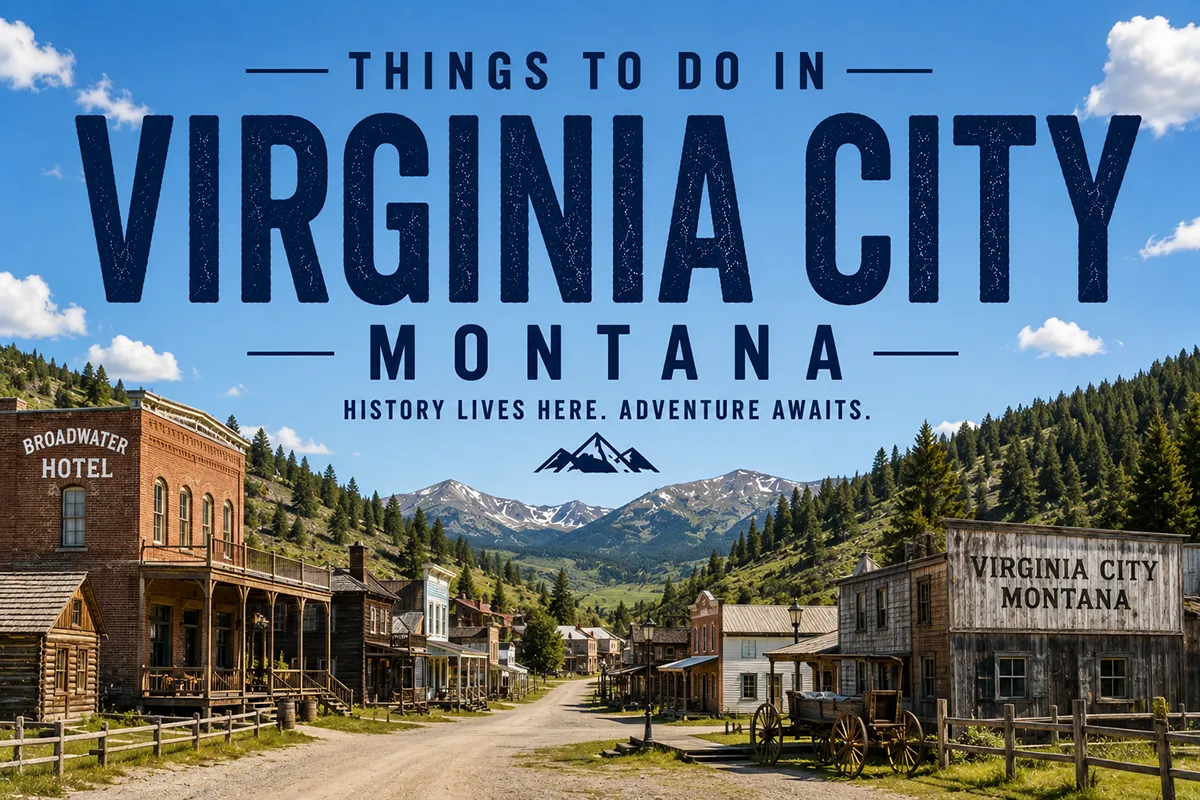
What those 100 residents occupy is genuinely extraordinary: a National Historic Landmark District containing 150 buildings certified authentic by the Montana Historical Society.
Not reconstructed. Not replicated. The original buildings — storefronts, hotels, homes, saloons, and operating businesses — from the 1860s gold rush era, still standing on their original foundations, containing original merchandise and period artifacts.
Virginia City is the most intact gold rush-era town in the American West. It survived not because it was preserved intentionally, but because it was mostly abandoned when the gold ran out and the territorial capital moved to Helena — leaving the buildings empty, undisturbed, and eventually recognized as the national treasure they are.
The Montana Historical Society eventually acquired and preserved most of the town. What you’re walking through when you walk Virginia City’s Main Street is genuine.
For city overview and context, see my Virginia City city guide. For the broader Montana gold rush story, see my Montana gold rush guide.
All 20 Things to Do in Virginia City Montana
Living History (The Core Experience):
- Walk the authentic 1860s Main Street ⭐
- Boot Hill Cemetery — the vigilante graves ⭐
- Virginia City National Historic Landmark District
- Two-story outhouse, mechanical music machines, penny arcade ⭐
Theater and Entertainment: 5. Virginia City Players at the historic Opera House ⭐ 6. Brewery Follies comedy and variety show 7. Vaudeville-style entertainments
Food, Drink, and the Saloon Culture: 8. Pioneer Bar (est. 1867) — one of Montana’s oldest bars ⭐ 9. H.S. Gilbert Brewery — Montana’s first brewery ⭐ 10. Bale of Hay Saloon 11. Star Bakery (historic dining) 12. Cousins Candy Shop and Fudge
Museums and Collections: 13. Thompson-Hickman Museum (Chinese community history) ⭐ 14. J. Spencer Watkins Memorial Museum 15. Gold Rush Adventures — panning for gold
Nevada City (1 Mile Away): 16. Nevada City Museum and Music Hall ⭐ 17. Short Line Railway (Virginia City to Nevada City)
Outdoor Activities: 18. Bear Trap Canyon — hiking and Class IV rafting ⭐ 19. Madison River fly fishing
Day Trips: 20. RL Winston Rod Company — Twin Bridges (world-famous fly rod maker)
Boot Hill and the Vigilante Story ⭐
Here is the story that every guide to Virginia City mentions and none of them tell properly.
In the summer and fall of 1863, travelers on the road between Bannack (Montana’s then-capital) and Virginia City were being robbed and murdered at a frequency that alarmed even the rough standards of a gold rush frontier. Over 100 people died.
The killings were organized, methodical, and clearly inside knowledge was being used — the robbers seemed to know when travelers were carrying significant amounts of gold.
Suspicion eventually fell on Henry Plummer, the elected sheriff of Bannack — the man responsible for law enforcement in the region. When a vigilante committee examined the evidence, they concluded that Plummer was not just failing to stop the gang; he was leading it.
On January 10, 1864, the committee arrested Plummer and hanged him. Then they went methodically through his network, identifying each member of his road agent gang.
Over the following six weeks, they hanged 22 men — with the speed and organization that distinguished Montana’s vigilante justice from mob violence. Their trials were conducted with witness testimony and deliberation, even if the justice was extralegal.
The graves of Plummer’s gang are on Boot Hill, a cemetery on the hill immediately above Virginia City’s Main Street. The hill is accessible by a short walk from town and overlooks the entire valley. You can read the wooden grave markers.
For context: Henry Plummer and the road agents were real people, operating in a real community, during the specific months when Virginia City was becoming Montana’s most significant settlement. The vigilante committee that stopped them went on to become a political force that eventually shaped the territory’s early government.
No travel guide to Virginia City has told this story in full. Every guide mentions “outlaws brought to justice by vigilantes.” The actual sequence — the elected sheriff leading the criminal network, 22 hangings in 6 weeks — is one of the most dramatic episodes in American frontier history.
Virginia City National Historic Landmark: Walking the Authentic West ⭐
The distinction that most guides miss: Virginia City and Nevada City are fundamentally different in nature.
Virginia City has 150 buildings certified as authentic by the Montana Historical Society — original structures from the 1860s, on their original foundations. The Montana Historical Society acquired and preserved most of the town’s commercial core.
The buildings you’re walking past are the actual buildings where Montana’s territorial government operated, where miners came to spend gold dust, where the vigilante committee organized.
Nevada City, one mile away, is something different: a western town specifically constructed from historic buildings moved from other ghost towns and homesteads across Montana.
Nevada City didn’t exist as a continuous community — it’s a curated collection of authentic buildings from many locations, assembled into a western town experience. The buildings are genuine antiques; the town is not an original settlement.
This distinction matters for understanding what you’re experiencing. Virginia City is the real territorial capital. Nevada City is a lovingly assembled outdoor museum of western structures from across the region.
Both are worth visiting — Nevada City’s assembled collection includes genuine rarities from across Montana’s ghost town landscape. But they’re different experiences, and no travel blog has explained the difference.
visitmt.com summarizes it: “One hundred fifty buildings have been certified authentic by the Montana Historical Society. Original buildings, dating from the Territorial days, are filled with merchandise and implements used when gold camps flourished in the West.”
The specific Virginia City oddities worth seeing:
- Two-story outhouse — a practical solution to deep snow accumulation; the upper floor was accessible when the lower was buried. It’s one of the more specific and memorable Virginia City details.
- Mechanical music machines — period coin-operated musical instruments, still operational
- Penny arcade — period mechanical games and amusements
- Antique automobiles — period vehicles displayed in the historic context
- Boardwalks — original-style wooden sidewalks connecting the commercial buildings
Virginia City served as Montana’s Territorial Capital from 1865 to 1875. For ten years, the territorial legislature met here. Montana’s early government operated from these buildings. When the capital moved to Helena in 1875 as the gold ran out, Virginia City didn’t rebuild or redevelop — it simply quieted, preserving what was there. That’s why it still looks like 1865.
Virginia City Players — Oldest Summer Theater West of Mississippi ⭐
Here is the Virginia City superlative that no major travel blog has led with: the Virginia City Players hold the distinction of operating the oldest continuously operating summer stock theater west of the Mississippi River.
The theater operates at the historic Virginia City Opera House — itself a 19th-century structure. Productions run through summer in the style of 19th-century presentations: melodramas, variety shows, and the specific theatrical forms that entertained mining camp populations in the 1860s and 1870s.
visitmt.com: “The Opera House features the Virginia City Players’ productions in the style of 19th-century. Virginia City offers the oldest continuously operating summer stock theater west of the Mississippi.”
wereintherockies.com (their April 2026 guide) chose a Vaudeville show over the Short Line Railway and found it worth the choice.
The Grand Ball is the signature annual event: guests attend in period costume for a formal evening in the 19th-century tradition. The combination of the authentic Opera House setting and period dress creates an immersive experience that no living history museum can replicate — because the Opera House isn’t a museum, it’s a functioning theater.
[Verify current season schedule and ticket prices at the Virginia City Chamber or Virginia City Players directly.]
H.S. Gilbert Brewery and Brewery Follies — Montana’s First Brewery ⭐
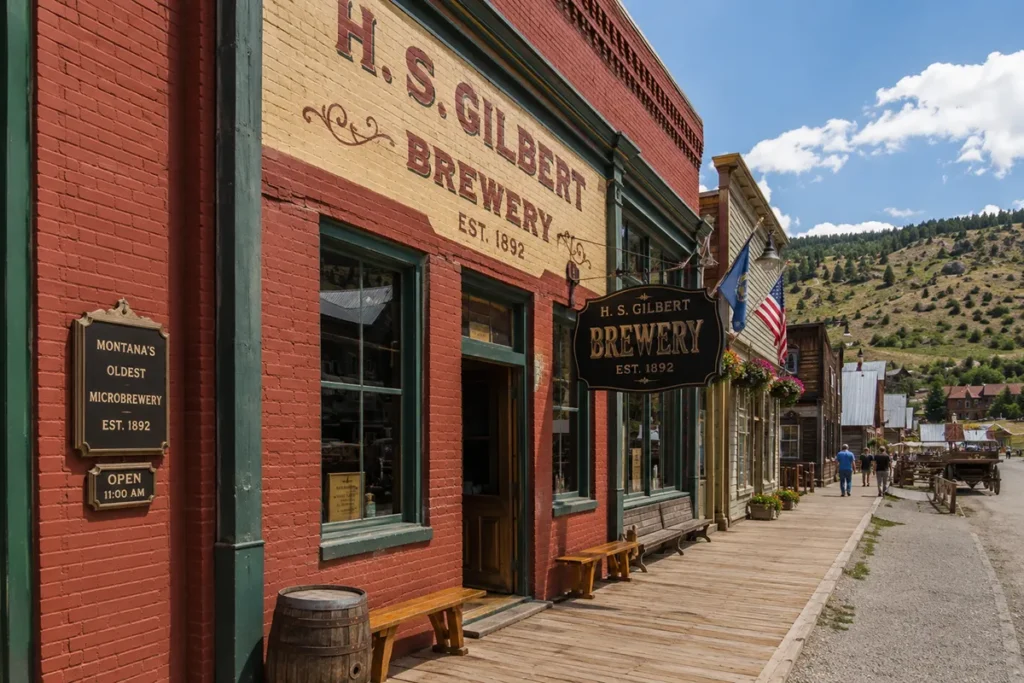
Montana’s first brewery is in Virginia City. The H.S. Gilbert Brewery dates to the gold rush era — when a mining camp of thousands needed beer, someone built a brewery, and the H.S. Gilbert Brewery is the surviving example.
Today the brewery is home to the Brewery Follies — a comedy variety show in the tradition of the western saloon entertainment that miners would have watched here in the 1860s. The Follies is specifically described by visitmt.com as a performance of the “Brewery Follies Players,” combining comedy, music, and period variety entertainment in the authentic brewery setting.
bestsmalltownsinamerica.com: “Enjoy unique experiences like live entertainment at Brewery Follies.”
The combination of Montana’s oldest brewery and a comedy show designed for the specific humor that gold rush entertainment produced is a genuinely unrepeatable Virginia City experience. No travel blog has given it the section it deserves.
[Verify current Brewery Follies show schedule at the H.S. Gilbert Brewery or Virginia City Chamber.]
Pioneer Bar (Est. 1867) — Montana’s Historic Saloon ⭐
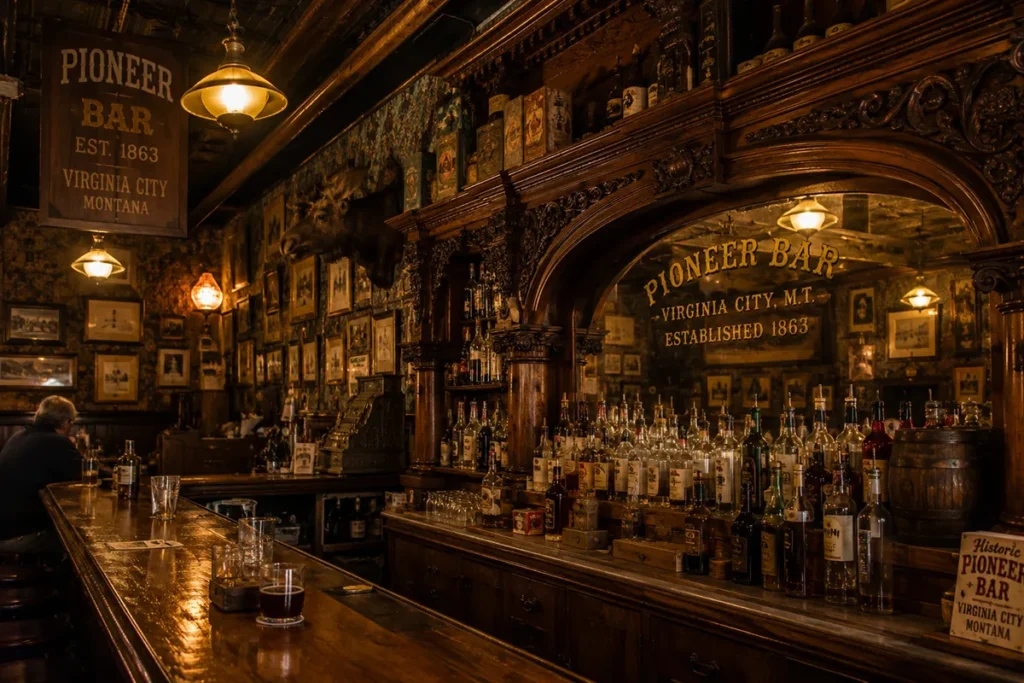
The Pioneer Bar has been serving drinks since 1867 — making it one of the oldest continuously operating bars in Montana.
TripAdvisor reviewers are consistent: “One of the oldest bars in Montana, 1867, this place is one you must see. The back bar is stunning, carved wood and… a must see.”
The carved wood back bar is the specific Pioneer Bar detail that reviewers mention first: a period piece of 19th-century saloon craftsmanship that has been behind the same bar for over 150 years. The Pioneer Bar serves craft beers alongside the historic atmosphere.
Yelp consistently rates it among the top Virginia City experiences. Walking into the Pioneer Bar and sitting at a bar that has been serving drinks since before Montana was a state is a specific and unhurried connection to the town’s character.
The Thompson-Hickman Museum and Chinese Community History ⭐
The Thompson-Hickman Museum in Virginia City has a specific collection that one TripAdvisor reviewer called out in terms that no travel guide has covered: “Displays are nicely kept and well organized. Inclusions of the Chinese culture are wonderful. I saw things I have never seen before and that is saying something.”
Chinese miners were a significant part of the Alder Gulch gold rush community. They came to Virginia City during the mining boom, occupied a distinct neighborhood, operated businesses, and maintained cultural traditions under difficult conditions — the anti-Chinese discrimination of the frontier West was severe. Their community’s presence shaped Virginia City’s social history in ways that the mainstream gold rush narrative typically erases.
The Thompson-Hickman Museum’s coverage of the Chinese community represents a specific historical inclusion that is genuinely worth seeking out. The broader Madison Valley and Gold West Country context for this Chinese immigrant history is part of the Montana gold rush story — see my Montana gold rush guide.
The J. Spencer Watkins Memorial Museum provides additional historical coverage of the Virginia City and Madison Valley region. Both museums are worth the time for visitors interested in the specific human history — not just the saloon and sheriff narrative — of Virginia City’s gold rush era.
Gold Panning — Try Your Luck ⭐
Alder Gulch, where the 1863 gold discovery triggered the rush that built Virginia City, runs near town. Gold Rush Adventures offers gold panning experiences that let visitors try the specific technique that made Virginia City: swirling a pan in water to separate gold flakes from gravel.
Yelp lists Gold Rush Adventures among Virginia City’s top activities. This is the participatory experience that connects visitors to the physical mechanics of what happened here — not just the history, but the work. The gulch where the gold was found is still there. The gold is mostly gone, but occasionally isn’t.
For the complete Montana gold rush context, see my Montana ghost towns guide.
Nevada City and the Short Line Railway ⭐
Nevada City sits one mile from Virginia City — reachable by car in five minutes or by the Short Line Railway in approximately 15 minutes.
The Short Line Railway is a narrow-gauge historic train that connects the two towns, offering a period-appropriate mode of transportation between them. wereintherockies.com notes: “The train will drop you off in Nevada City, where you can browse around for a while before catching the train ride back.”
The Nevada City Museum and Music Hall is the primary attraction — the assembled collection of buildings from other Montana ghost towns, period artifacts, and the specific oddities that ended up here rather than anywhere else.
As explained above: Nevada City was constructed specifically as a western experience, using authentic buildings moved from ghost towns across Montana. Its museum value is in the breadth of the collection — items and structures from dozens of locations — rather than the depth of one authentic community. Both experiences complement each other.
Cousins Candy Shop in Virginia City is specifically recommended by multiple sources for fudge and traditional candy. The “arcade” attached to it is a specific family experience — period mechanical games and amusements that children and adults consistently enjoy in reviews.
The Bale of Hay Saloon and Star Bakery
Bale of Hay Saloon — Another historic Virginia City saloon, named for an era when baled hay was a standard saloon decor element. Yelp reviewers cite it alongside the Pioneer Bar as a Virginia City social institution. The combination of Pioneer Bar and Bale of Hay gives visitors two distinct saloon experiences from different periods and characters of the town.
Star Bakery — visitmt.com specifically names the Star Bakery as the Virginia City dining recommendation: “Dine in the Star Bakery.” Period-appropriate food in a historic building is the Star Bakery’s specific offer — breakfast and baked goods in the building where Virginia City residents have eaten for generations.
Outdoor Activities: The Madison Valley Setting
Virginia City sits in the Madison Valley — one of Montana’s most productive outdoor recreation corridors, with world-class fly fishing, significant wilderness hiking, and an accessible canyon that most Virginia City travel guides mention once and never develop.
Bear Trap Canyon — Hiking and Class IV Rafting ⭐
Bear Trap Canyon is a steep-walled gorge on the Madison River approximately 20 miles north of Virginia City, where the river cuts through the Lee Metcalf Wilderness. The canyon offers:
Hiking: A trail runs through the canyon along the river — a dramatic hike through wilderness terrain with the Madison River alongside. The Lee Metcalf Wilderness designation means the canyon is protected roadless terrain.
Whitewater rafting: Bear Trap Canyon contains Class IV rapids — serious whitewater requiring experience or a guided trip. bestsmalltownsinamerica.com specifically identifies Bear Trap Canyon as a Virginia City area rafting and hiking destination.
For guided outdoor options in the region, see my Montana guided tours guide.
Madison River Fly Fishing
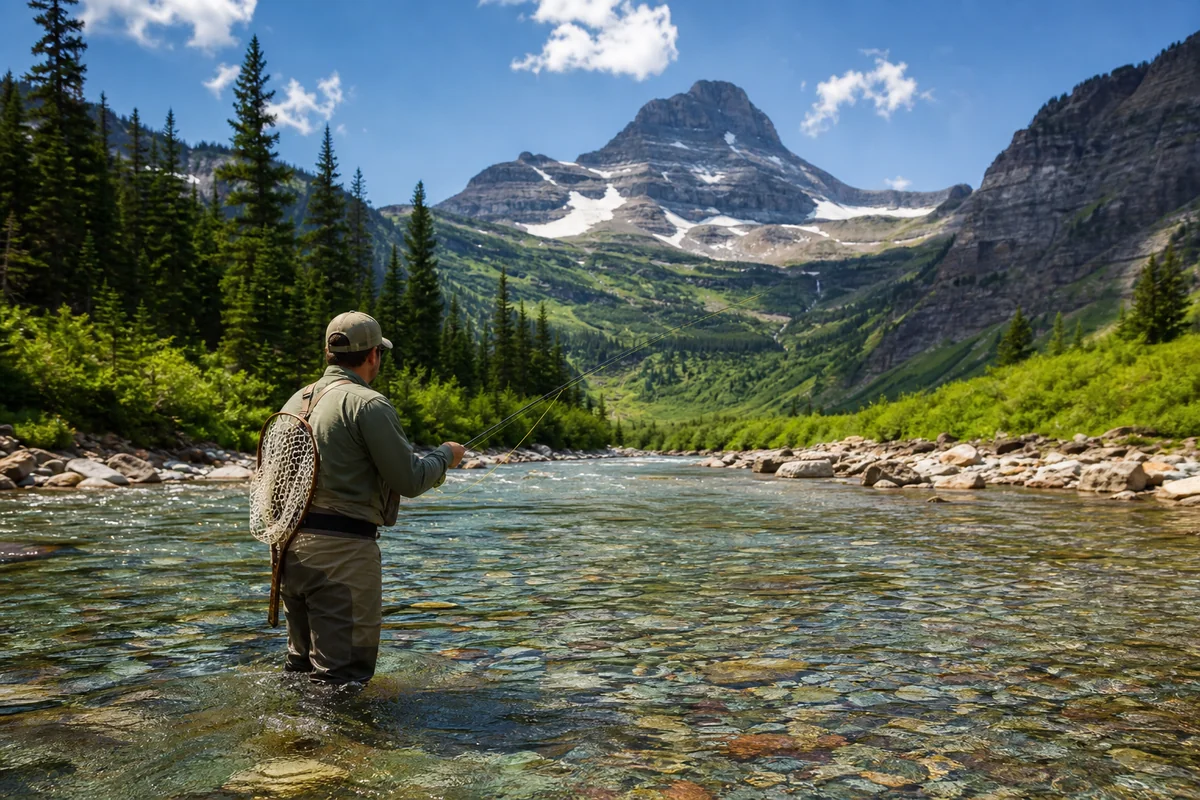
The Madison River through the valley west of Virginia City is one of Montana’s most celebrated blue-ribbon trout fisheries. Multiple public access points provide wade fishing access to brown and rainbow trout. Ennis, 20 minutes west of Virginia City, is specifically famous for its fly fishing infrastructure — guides, fly shops, and river access that serve the Madison River’s best sections.
Day Trips From Virginia City
Ennis (20 Minutes West)
Ennis on the Madison River is 20 minutes from Virginia City — a small town specifically oriented around fly fishing. Ennis has guides, fly shops, and the Madison’s most accessible public water. wereintherockies.com uses Ennis as their Virginia City base: “Both are about 20 minutes away from Ennis, Montana, a town famous for fly fishing.”
The Ennis Art Walk — an annual outdoor art and cultural event — is specifically noted by bestsmalltownsinamerica.com as a Virginia City area activity: “showcasing the works of local artists… paintings, sculptures, and crafts.”
RL Winston Rod Company — Twin Bridges ⭐
Twin Bridges is approximately 30 miles west of Virginia City in the Beaverhead River valley. The RL Winston Rod Company — one of the most respected custom fly rod manufacturers in the world — is located here and offers facility tours to visitors.
For serious fly fishers, a pilgrimage to RL Winston is a specific and worthwhile Virginia City area activity. Tours show the full rod-making process: from raw materials to finished graphite fly rods that sell for hundreds of dollars and are used by anglers worldwide. bestsmalltownsinamerica.com specifically calls it out: “Visit nearby attractions such as RL Winston Rod Company for a glimpse into fine craftsmanship.”
[Verify current tour availability and schedule with RL Winston Rod Company directly.]
Quake Lake (30 Minutes Northwest)
Quake Lake (Earthquake Lake) — formed by the catastrophic 1959 earthquake — is approximately 30 miles northwest of Virginia City via US-287. The Madison Canyon Earthquake Lake Visitor Center covers the event that killed 28 people and buried a campground under a landslide (19 victims still there). bestsmalltownsinamerica.com covers Quake Lake as a Virginia City area destination.
See the full Quake Lake story in our Great Falls things to do guide and West Yellowstone guide.
Nearby Beaverhead Valley Communities
Sheridan sits in the Ruby Valley approximately 25 miles southeast of Virginia City — a quiet ranching community with access to the Ruby River and the surrounding mountains. The area’s rural character complements a Virginia City visit for visitors who want unhurried Beaverhead Valley exploration.
Things to Do in Virginia City by Traveler Type
For History Enthusiasts
The entire Virginia City Main Street (150 authentic buildings — plan 3 hours minimum), Boot Hill Cemetery (the vigilante story — read this post’s full account before you go), Thompson-Hickman Museum (Chinese community history, specifically noted as exceptional), J. Spencer Watkins Memorial Museum, Virginia City Players Opera House (oldest summer theater west of Mississippi). Two full days to cover everything at pace.
For Families
Cousins Candy Shop and penny arcade (universally mentioned as kid favorites), Short Line Railway to Nevada City (15-minute train ride, then Nevada City museum grounds), gold panning with Gold Rush Adventures, Boot Hill (short walk, kid-accessible views, historical context parents can explain), mechanical music machines throughout Main Street.
For Theater and Performance
Virginia City Players summer season at the Opera House (the oldest continuously operating summer theater west of the Mississippi — this is genuinely historically significant), Brewery Follies at H.S. Gilbert Brewery (comedy variety show), the Grand Ball (annual period costume event). Check summer schedules and book ahead.
For Outdoor Enthusiasts
Bear Trap Canyon (Lee Metcalf Wilderness, hiking or guided Class IV rafting), Madison River fly fishing (guided trips from Ennis, 20 minutes), RL Winston Rod Company tour in Twin Bridges (for fly fishing enthusiasts specifically).
Free and Budget Activities
Boot Hill Cemetery (free, walk up from Main Street), walking Virginia City Main Street (free browsing, pay for specific museums), the two-story outhouse (free to see), mechanical music machines (small coin costs), Bale of Hay Saloon and Pioneer Bar (bar prices, no cover).
For seasonal guidance, see my best time to visit Montana guide.
Practical Planning
Getting to Virginia City, Montana: Virginia City is 90 miles southeast of Bozeman (approximately 1.5–2 hours on Montana 287 and 287 through the Madison Valley). Bozeman Yellowstone International Airport (BZN) is the nearest commercial airport. A car is essential — there is no public transportation to Virginia City.
When to visit: Virginia City’s main season is Memorial Day through Labor Day, when the Virginia City Players are performing, the museums are fully staffed, and all attractions are operational. Some businesses close in winter. Summer evenings (for theater) are the prime time for a complete experience.
How long to stay: One full day covers Main Street, Boot Hill, one museum, and a saloon visit. Two days adds a theater performance, the Short Line Railway to Nevada City, and a morning of Madison River fishing. Staying overnight in town (period-appropriate lodging available) is the most immersive option.
For the broader Montana outdoor adventure context, see our things to do in Montana guide.
What Competitors Miss About Virginia City Montana
After reviewing every travel guide for this keyword, these are the consistently missed angles:
Virginia City as Montana’s Territorial Capital (1865–1875). Visitmt.com mentions it; no travel blog covers what it means. For ten years, the Montana Territory’s legislature met in these buildings. This is not a ghost town that happened to have a famous history — it’s a former seat of American government, preserved intact.
The vigilante story in full. Every guide mentions “outlaws hanged by vigilantes.” None tells the story: Sheriff Henry Plummer led the gang, was executed by the vigilantes who elected him, and 22 more men were hanged in six weeks. The graves are on Boot Hill. This is one of the most dramatic episodes in American frontier history, and it happened specifically here.
Virginia City Players as the oldest summer theater west of the Mississippi. The superlative is on the visitmt.com page. No travel blog leads with it, and it’s genuinely significant — a continuously operating summer stock theater since the 19th century in an authentic 19th-century Opera House.
H.S. Gilbert Brewery as Montana’s first brewery. Montana’s oldest brewery is in a ghost town. The Brewery Follies comedy show is there. No travel blog leads with the “Montana’s first brewery” designation.
Nevada City’s constructed nature. Nevada City was assembled from buildings moved from other ghost towns — it’s a curated collection, not an original community. The distinction from Virginia City’s 150 certified authentic buildings is crucial for understanding what each town actually is, and no travel blog explains it.
The Chinese immigrant community history. Chinese miners were central to Alder Gulch’s gold rush, and their community is specifically represented in the Thompson-Hickman Museum in a way that a TripAdvisor reviewer called exceptional. No travel blog covers this.
The SERP contamination. Multiple search results for “things to do in Virginia City Montana” are serving content about Virginia City, Nevada (Mark Twain Museum, Delta Saloon, Comstock History Center, Washoe Lake). Our post’s explicit Montana framing is itself a quality signal.
Final Thoughts
Virginia City is one of the most specifically historical places in Montana — and Montana has a lot of specifically historical places.
The 150 authentic buildings aren’t preserved because someone decided they were worth preserving. They’re here because the gold ran out, the capital moved to Helena, and nobody had a reason to tear them down. History preserved Virginia City through neglect, and then the Montana Historical Society finished the job with deliberate care.
Walking Main Street in Virginia City, knowing that the territorial legislature met in these buildings, that the vigilantes conducted their trials in this town, that the Pioneer Bar has been pouring drinks since 1867, that the Virginia City Players have been performing summer theater here longer than any equivalent company west of the Mississippi — is a kind of compression of the American story that you don’t encounter often.
The outlaw sheriff’s grave is on the hill above town. His name is on the marker. Go read it.
Questions about Virginia City? Drop them in the comments. For more on exploring Montana’s history and outdoor adventures, see our things to do in Montana guide.
Frequently Asked Questions
What are the best things to do in Virginia City Montana?
Virginia City’s essential experiences: walk the authentic 1860s Main Street (150 buildings certified by the Montana Historical Society — the most intact gold rush streetscape in America), hike to Boot Hill Cemetery (where Sheriff Henry Plummer’s gang was buried after the 1863–64 vigilante justice campaign), attend a Virginia City Players production at the historic Opera House (oldest continuously operating summer stock theater west of the Mississippi), drink at the Pioneer Bar (est. 1867) or the H.S. Gilbert Brewery (Montana’s first brewery, home of the Brewery Follies comedy show), ride the Short Line Railway to Nevada City, and try gold panning with Gold Rush Adventures.
What is Virginia City Montana known for?
Virginia City, Montana is known as a National Historic Landmark District preserving 150 authenticated gold rush-era buildings from the 1860s. It was the capital of Montana Territory from 1865 to 1875. It was the site of the famous vigilante justice campaign in which a committee hanged 22 members of a road agent gang — including the elected sheriff, Henry Plummer — in six weeks. It hosts the oldest continuously operating summer stock theater west of the Mississippi River (the Virginia City Players). And it contains Montana’s first brewery (the H.S. Gilbert Brewery).
What is the difference between Virginia City and Nevada City Montana?
Virginia City contains 150 buildings certified as authentic by the Montana Historical Society — original structures from the 1860s gold rush era, on their original foundations. Nevada City (one mile away) is a western town specifically constructed from historic buildings moved from other ghost towns and homesteads across Montana. Nevada City didn’t exist as a continuous community — it’s an assembled outdoor museum of authentic western structures from multiple locations. Both are interesting; they’re different in nature.
Who is buried on Boot Hill in Virginia City Montana?
Boot Hill Cemetery in Virginia City contains the graves of members of Henry Plummer’s road agent gang — outlaws who were executed by a vigilante committee during the winter of 1863–64. Henry Plummer was the elected sheriff of Bannack, Montana, who was simultaneously leading a gang of road agents that killed over 100 people on the route between Bannack and Virginia City. A vigilante committee arrested Plummer, tried him, and hanged him on January 10, 1864. Over the following six weeks, the vigilantes executed 22 more members of the gang. Their graves are on Boot Hill, which overlooks Virginia City from the hill above Main Street.
Was Virginia City Montana the state capital?
Virginia City was not the state capital — Montana didn’t achieve statehood until 1889. However, Virginia City was the capital of Montana Territory from 1865 to 1875 — for ten years, the territorial legislature met in Virginia City’s buildings, and the territorial government operated from this now-small town. When the gold ran out, the capital was moved to Helena in 1875. Montana became a state in 1889 with Helena as its capital.
How far is Virginia City Montana from Bozeman?
Virginia City is approximately 90 miles southeast of Bozeman — about 1.5 to 2 hours via US-287 south through the Madison Valley. Bozeman Yellowstone International Airport (BZN) is the nearest commercial airport. The drive through the Madison Valley, along the Madison River, is one of southwest Montana’s most scenic highway corridors.
When is the best time to visit Virginia City Montana?
The best time to visit Virginia City Montana is Memorial Day through Labor Day (late May through early September), when all attractions are fully operational: the Virginia City Players are performing, museums are fully staffed, the gold panning operations are open, and the Brewery Follies shows are running. Some businesses close partially or entirely in fall and winter. Evening visits for theater performances are best planned for summer weekends — book ahead for the Virginia City Players.