When Libby Dam’s construction created Lake Koocanusa in the late 1960s and 1970s, an entire slice of Tobacco Valley history was about to disappear underwater. Volunteers moved ten buildings to save them, and today you can walk through every one of them for free.
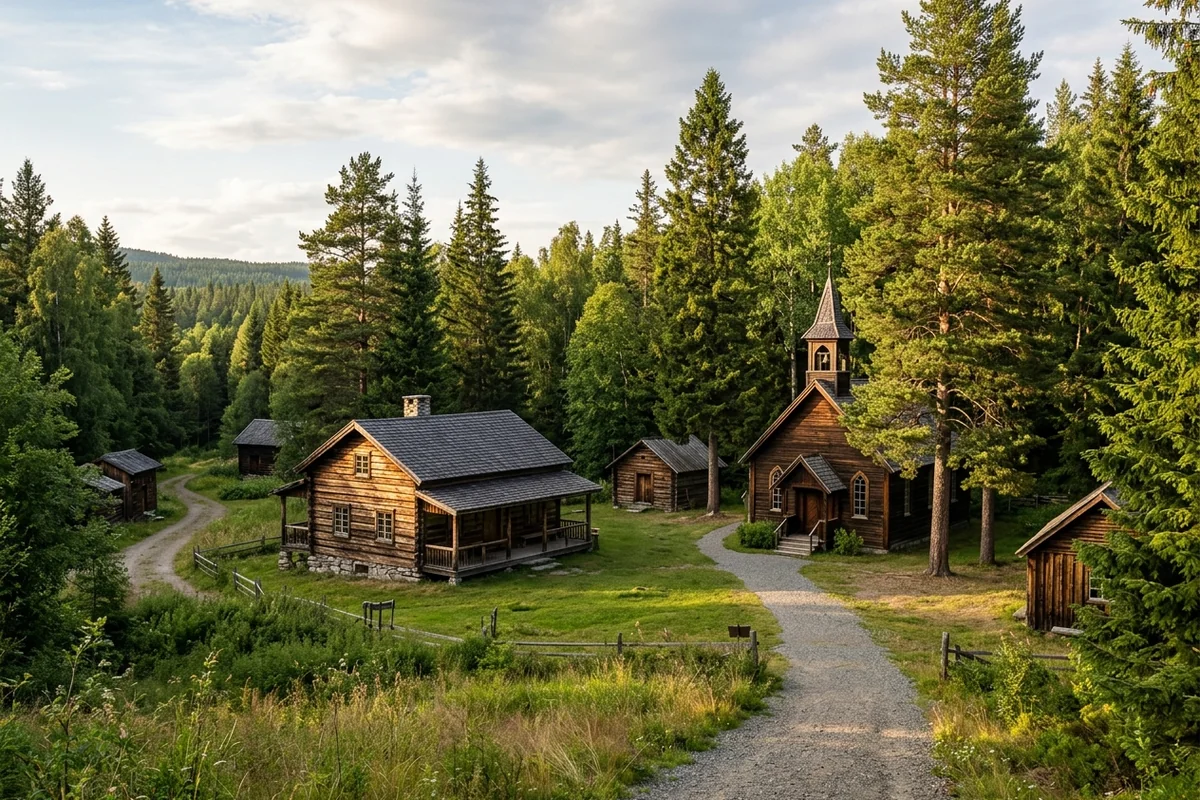
- Tobacco Valley Historical Village sits at the south end of Eureka, preserving ten historic structures from the 1880s through the 1920s
- Several buildings were physically relocated to save them from flooding when Libby Dam’s construction created Lake Koocanusa
- The Fewkes General Store functions as the village’s museum and archive, holding a cataloged collection of written and photographic materials from the Tobacco Valley
- The grounds are open year-round; the buildings themselves open Memorial Day through Labor Day, free of charge
- This is one of the best museums in Montana where every single structure has its own real rescue story attached to it
Liked this article?
Add Roaming Montana as a preferred source so you see more of our articles and guides on Google.
Buildings That Escaped a Flood
Most historic villages assemble their buildings simply because someone wanted to preserve local history. This one has a more urgent origin story behind at least part of its collection.
When Libby Dam’s construction created Lake Koocanusa in the late 1960s and into the 1970s, the resulting reservoir was set to permanently submerge stretches of the Tobacco Valley landscape, including buildings that had stood there for generations.
Rather than let that history disappear underwater, community members physically moved several structures to safety, relocating them to what’s now the Historical Village grounds at the south end of Eureka.
That rescue effort gives specific buildings in this collection a genuinely different kind of significance than a typical preserved pioneer structure.
You’re not just looking at old buildings — you’re looking at buildings that survived a flood that was scheduled to happen, because people made a deliberate choice to save them before the water rose.
Ten Buildings, Each With Its Own Story
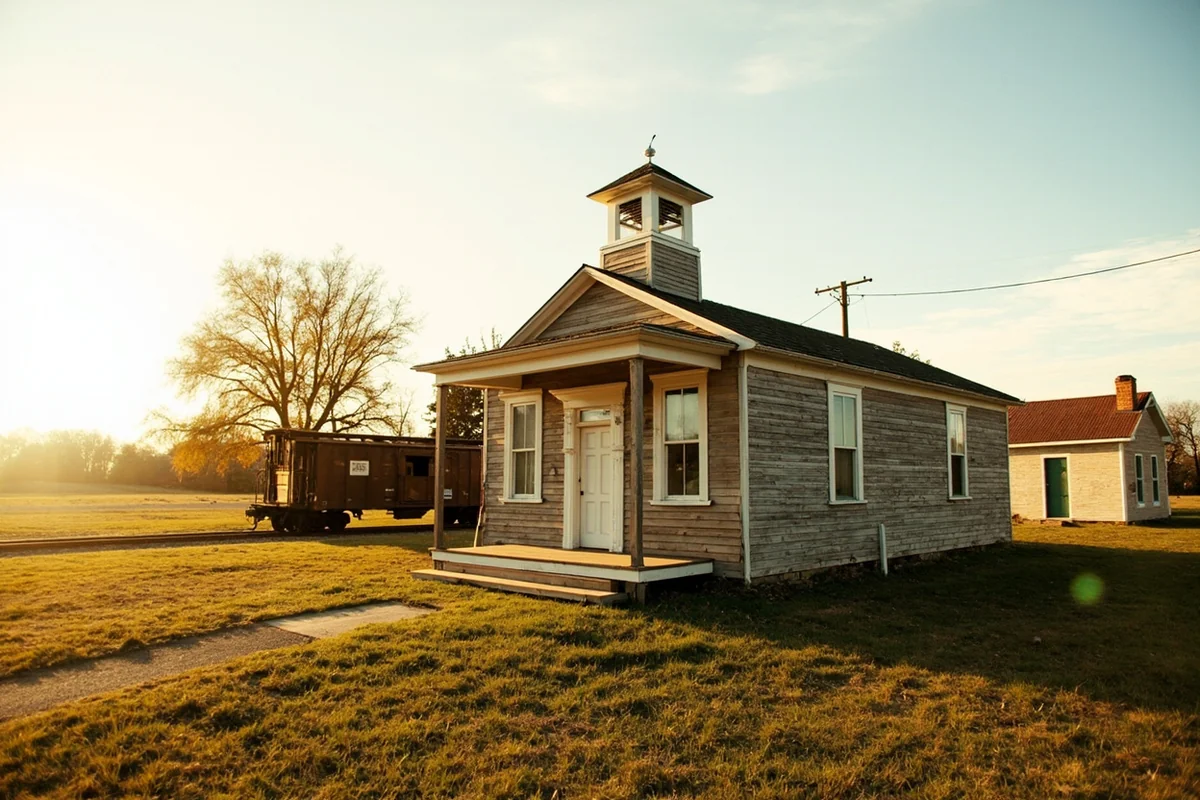
The village holds a genuinely varied collection of structures, spanning the 1880s through the 1920s and covering nearly every aspect of early Tobacco Valley community life.
You’ll find a general store, a schoolhouse, a library, a church, two log cabins, a hand-hewn house, a railway depot, a caboose, and a fire tower. Interpreters staff the grounds during the open season, walking visitors through each building’s specific history and contents rather than leaving you to guess at context from a placard alone.
Walking from a one-room schoolhouse to a small church to an actual railway depot in the span of a single visit gives you a genuinely complete sense of what a small early-1900s Montana valley community actually needed to function — education, faith, commerce, and transportation, each represented by its own preserved building.
The Fewkes General Store Doubles as an Archive
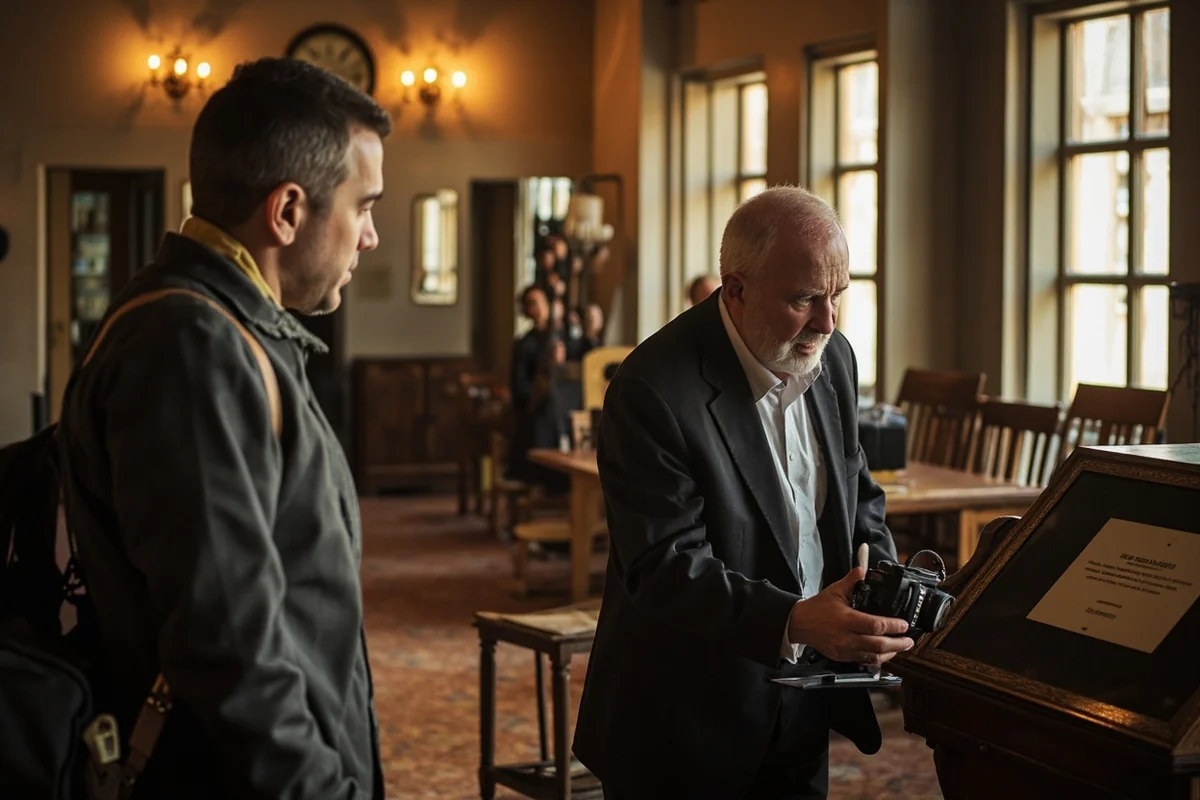
The Fewkes General Store serves as the village’s primary museum space, but it’s also something more substantial: a genuine archival repository for the Tobacco Valley’s written and photographic history.
Organizations and individual residents throughout the valley have donated materials over the decades, building a cataloged and registered archive that’s available for research at a minimal fee.
That’s a genuinely valuable resource if you’re researching Tobacco Valley family history, well beyond what you’d typically expect from a small volunteer-run historical village.
The store’s museum space also functions as the village’s gift shop, selling local history books, souvenirs, and locally made quilts — purchases that directly help fund the ongoing upkeep of the entire property.
Chartered in 1971, Still Entirely Volunteer-Run
The Tobacco Valley Board of History, the nonprofit organization behind this village, was chartered in 1971 with a specific mission: preserve historic information, buildings, and culture, and maintain a living link to the past through interpretation, display, and hands-on programming.
More than five decades later, that mission runs entirely on local volunteers. They conduct research, create exhibits from the collection, offer interpretive and public programs, and keep the grounds and buildings maintained.
The organization’s business meetings run every other month, and visitors and prospective volunteers alike are welcomed to attend.
Beyond preserving the past, the village functions as a genuine visitor information hub for the entire Tobacco Valley region, making it a natural first stop if you’re exploring this corner of northwest Montana for the first time.
Annual Events That Bring the Village to Life
Beyond the standard museum-hours visit, the village hosts several annual events that give the grounds a genuinely different energy than a quiet self-guided walk-through.
Rendezvous, the Eureka Montana Quilt Show, and Shakespeare in the Park all take place on the village grounds throughout the year.
If your visit happens to line up with one of these events, you’ll get a livelier, more community-centered experience than a typical weekday museum stop, with the historic buildings serving as a backdrop for genuinely active local gatherings rather than just a static backdrop.
The grounds can also be rented for private events, a detail that reflects how the Board of History has worked to keep the property genuinely useful to the community, not just preserved and roped off.
Why Lake Koocanusa Exists At All
It’s worth understanding the broader context behind the flood that threatened these buildings in the first place, because it explains a genuinely significant piece of regional infrastructure history.
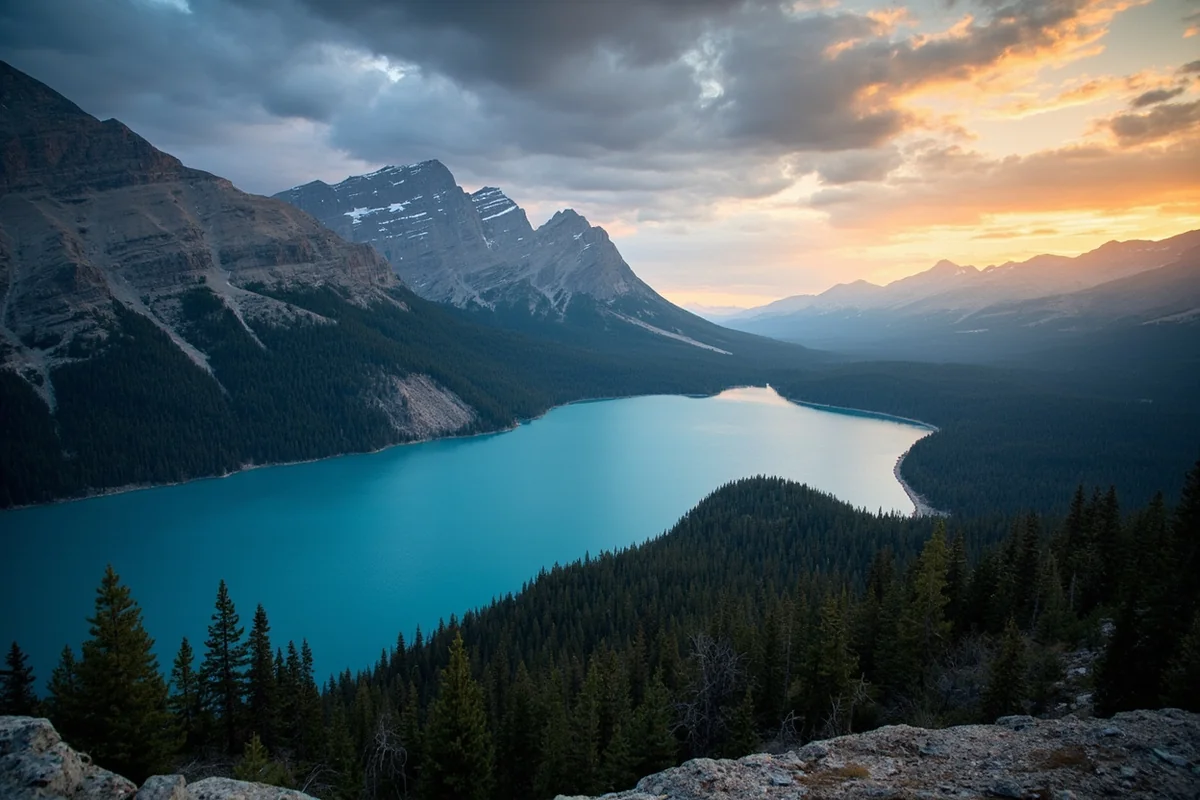
Libby Dam, built on the Kootenai River, was a major mid-20th-century hydroelectric and flood-control project. Its construction created Lake Koocanusa, a massive reservoir stretching roughly 90 miles, with about 42 of those miles in Montana and the rest extending north into British Columbia — the lake’s name itself is a blend of “Kootenai,” “Canada,” and “USA,” reflecting its cross-border reach.
Building a reservoir this size meant flooding valley land that had supported human settlement for generations, which is exactly why the rescue effort behind several of this village’s buildings mattered so much to the people who carried it out.
That same dam-and-reservoir story echoes elsewhere in Montana too. Fort Peck Dam, covered in our guide to the Fort Peck Interpretive Center, created a similarly massive reservoir decades earlier on the opposite side of the state, though under very different economic circumstances tied to Great Depression-era job creation rather than the hydroelectric and flood-control motivations behind Libby Dam.
Comparing the two gives you a broader sense of how dramatically large-scale water infrastructure projects have reshaped Montana’s landscape and communities across different eras.
Visiting With Kids
This village works well for families, especially given the physical, walk-between-buildings format that lets kids move around rather than sitting through a single indoor exhibit hall.
The caboose and railway depot tend to be strong draws for younger visitors curious about trains, while the one-room schoolhouse offers an easy, concrete comparison point to how school looks today.
The fire tower adds a bit of visual drama that catches kids’ attention even before they learn its specific history, and interpreters on-site during the open season are generally happy to tailor their explanations to a younger audience if you let them know your kids’ ages.
Given the village’s manageable size across ten buildings, this works well as a relaxed, unhurried family stop rather than a rushed checklist visit, especially if you’re already spending time in Eureka for the Farmers Market or a stop at Riverside Park.
Frequently Asked Questions
Which specific buildings were moved to escape the Lake Koocanusa flood zone?
The exact list varies by source, but ask an on-site interpreter during your visit — they can point out specific structures and share the relocation story in more detail than most written materials provide.
Is the archive at the Fewkes General Store open to casual visitors, or only serious researchers?
Both. Casual visitors can browse the museum space freely during regular hours, while more in-depth archival research is available for a minimal fee if you’re digging into specific family or property history.
Can we visit the grounds in winter, even though the buildings are closed?
Yes — the grounds themselves stay open year-round, even though the interior buildings and museum only operate Memorial Day through Labor Day.
Is there an admission fee?
No, general admission is free. The only fee involved is the minimal research fee for using the archival collection in depth.
How does this compare to other relocated-building historic villages in Montana?
It’s part of a broader pattern you’ll find at a few Montana sites, including buildings moved from the former coal town of Lehigh into Stanford, covered in our Judith Basin County Museum guide. Both reflect the same instinct to save meaningful structures rather than let them disappear when circumstances changed around them.
- The Lake Koocanusa flood-rescue story rarely gets mentioned, even though it’s the single most dramatic and specific piece of history behind several of the village’s buildings.
- The Fewkes General Store’s archival research function almost never comes up, despite being a genuinely useful resource for anyone researching Tobacco Valley family history.
- The distinction between year-round grounds access and seasonal building access gets glossed over, leaving some visitors confused about what’s actually open outside the Memorial Day–Labor Day window.
- The annual events calendar rarely gets flagged as a reason to time a visit specifically, when Rendezvous and the Quilt Show in particular add real value beyond a standard building walk-through.
Personal Tips: What I Wish I Knew
- Check the season before you plan your trip. The buildings themselves are only open Memorial Day through Labor Day, 1 to 5 p.m., even though the grounds stay accessible year-round.
- Ask an interpreter about which specific buildings were relocated from the flood zone. It’s a genuinely compelling detail that adds real weight to certain structures over others.
- Budget an hour to ninety minutes. With ten distinct buildings to explore, this takes longer than a quick five-minute drive-by suggests.
- Buy a locally made quilt or history book if you’re able. Purchases directly support the volunteer organization’s ongoing preservation work.
- Time your visit around Rendezvous or the Quilt Show if your schedule allows. These events give the grounds a genuinely different, more festive character than a standard visit.
How This Fits a Northwest Montana Road Trip
Eureka sits near the Montana-Canada border in the Tobacco Valley, a genuinely scenic and lightly touristed corner of the state built around Lake Koocanusa and the surrounding Kootenai National Forest.
If you’re interested in how dam construction reshaped Montana communities more broadly, our Fort Peck Interpretive Center guide covers a similar, much larger-scale story from the opposite side of the state.
Our Glacier Art Museum guide in Kalispell and our Conrad Mansion Museum guide round out other strong stops if you’re building a longer Northwest Montana museum-focused itinerary.
Our Montana museums guide maps how this stop connects to the state’s broader museum landscape.
Practical Info
| Address | 4 Dewey Ave, Eureka, MT 59917 |
| Phone | 406-297-7654 |
| Grounds | Open year-round |
| Buildings/Museum season | Memorial Day–Labor Day |
| Hours | 1–5 p.m. daily during season |
| Admission | Free |
| Time needed | 1–1.5 hours |
| Good for | History enthusiasts, families, anyone researching Tobacco Valley family history |
| Nearby pairing | Majestic Theater, Riverside Park, Lake Koocanusa |
Final Thoughts
Tobacco Valley Historical Village turns a genuinely dramatic rescue story — buildings physically moved to escape a rising reservoir — into a quiet, free, ten-building walk through early Montana valley life.
The Fewkes General Store’s archive alone makes this worth a stop if you have any connection to this corner of the state, and the annual events calendar gives repeat visitors real reasons to come back.
There’s something worth sitting with in the fact that this entire village exists because a group of people decided, decades ago, that certain buildings mattered enough to physically move rather than let a dam project quietly erase them.
That kind of deliberate preservation instinct, repeated across small Montana communities in different forms, is exactly what keeps places like this worth visiting long after the original crisis that prompted them has faded from most people’s memory.
Pin this for your Northwest Montana trip planning, and ask a volunteer interpreter to point out which buildings escaped the flood zone. If you’ve spent time researching your own family history in the village’s archive, I’d love to hear what you found in the comments.