Every wild, river-dwelling Arctic grayling left in the contiguous United States lives in one place. It’s not a national park or a wilderness area. It’s a working ranch valley in southwest Montana most visitors drive straight through.
- The Big Hole River runs about 155 miles from Skinner Lake near the Idaho border to Twin Bridges, where it joins the Beaverhead and Ruby Rivers to form the Jefferson.
- It’s the last habitat in the entire Lower 48 for native fluvial Arctic grayling, a genuinely rare distinction most visitors never learn about.
- A proposed dam nearly ended this river’s story in the 1960s, defeated by a coalition of ranchers, conservationists, and one legendary local fly tier.
- Anglers can attempt Montana’s “Grand Slam” here — five species in a single day, including that grayling.
- I’ll cover the fishing section by section, the river’s near-miss with a dam, and the small-town character of Wisdom, Montana.
Liked this article?
Add Roaming Montana as a preferred source so you see more of our articles and guides on Google.
The Last River Grayling in America
I want to lead with this, because it’s the single most important thing to understand about this river, and it’s almost never the headline on fishing content about it.
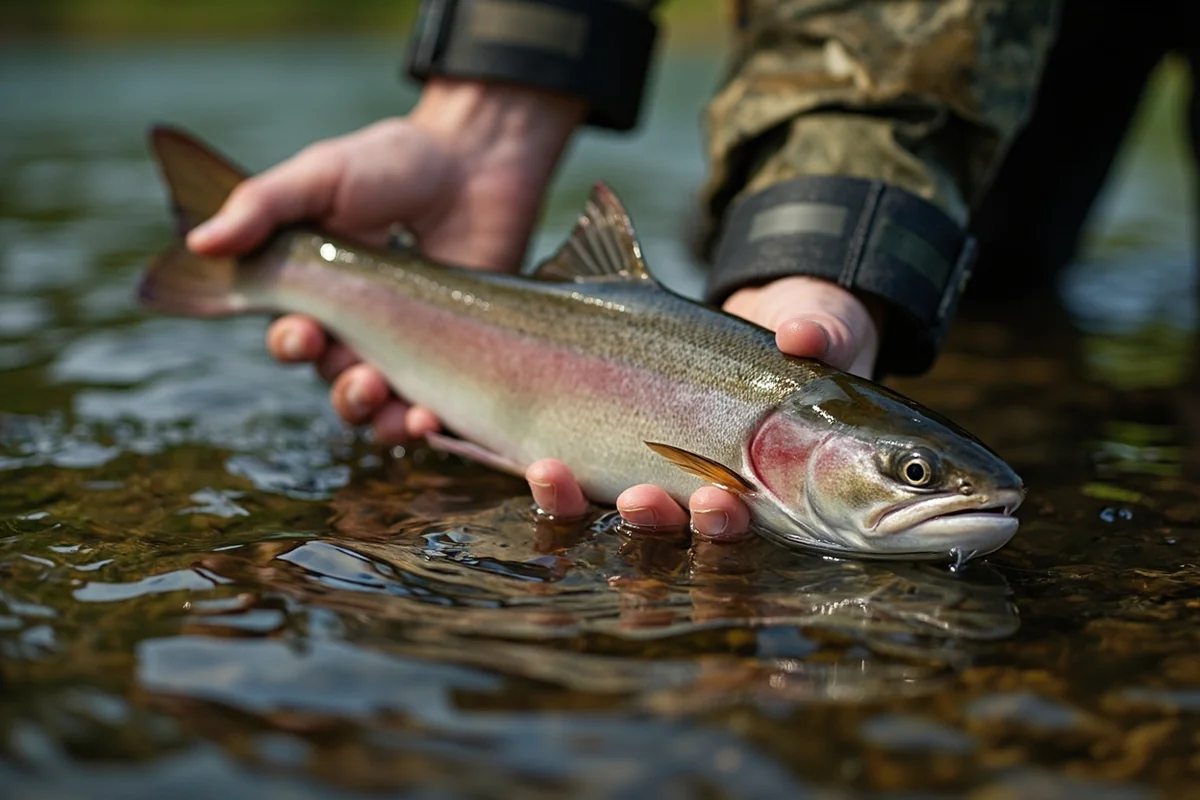
Arctic grayling, with their sail-like dorsal fins and faint purple sheen, once ranged across river systems throughout Michigan and Montana.
Today, the fluvial form — grayling that live their whole lives in moving river water rather than lakes — survives natively in exactly one place in the entire Lower 48: the Big Hole River and a handful of its coldest tributaries.
That’s not an exaggeration for marketing purposes. It’s a documented ecological fact, and it means every grayling you catch here is swimming in the last true wild remnant of a species range that used to stretch across the northern United States.
All grayling caught on the Big Hole must be released immediately, and I’d encourage you to handle them with real care — this genuinely is the last chance for this particular population.
I think it’s also worth knowing that this population’s federal protection status has been genuinely contested. Fluvial Arctic grayling were candidates for Endangered Species Act listing for years, and in 2007 the U.S. Fish and Wildlife Service decided against listing them.
A subsequent government Inspector General investigation found that a senior Interior Department official had improperly influenced that decision, editing and reshaping the science behind it, including downplaying clear genetic differences between the rare river-dwelling grayling and much more common lake-dwelling grayling elsewhere.
Conservation groups sued over the decision, and in 2014 the agency again declined to list the population, citing ongoing local conservation efforts instead.
It’s a genuinely complicated regulatory history for a fish this rare, and I think anglers who care about this river should know the fuller context rather than just the “last wild population” headline.
The Dam That Never Got Built
I think this deserves real attention, because it’s a genuinely inspiring piece of river conservation history that predates most of the more famous fights I’ve covered elsewhere in this series.
In the early 1960s, the U.S. Bureau of Reclamation proposed building the Reichle Dam near the small community of Glen, directly on the Big Hole River. Had it gone forward, it would have permanently altered the free-flowing character that makes this river what it is today, and very likely doomed the fragile grayling population along with it.
A coalition formed to fight it: local ranchers who depended on the river, the newly emerging conservation group Trout Unlimited, and a Butte-based fly tier named George F. Grant, who’s still remembered today as one of the most influential innovators in American fly-tying history for his woven fly patterns. Together, they successfully defeated the dam proposal in 1967.
I think it’s worth sitting with how different this river — and the last grayling population in the country — might look today if that fight had gone the other way.
Why the River Is Called “Wisdom”
There’s a naming story here I find genuinely charming, and it connects directly to a small town you’ll likely pass through on any Big Hole trip.
When the Lewis and Clark Expedition passed through this region in 1805, they named this river the Wisdom River, part of a pattern where they honored abstract virtues rather than just political figures, as they’d done elsewhere with the Jefferson, Madison, and Gallatin.
Lewis and Clark actually considered navigating up the Wisdom River as a possible route west, but ultimately chose the slower-moving Beaverhead instead — a decision I’ve covered in more depth in our Beaverhead River guide.
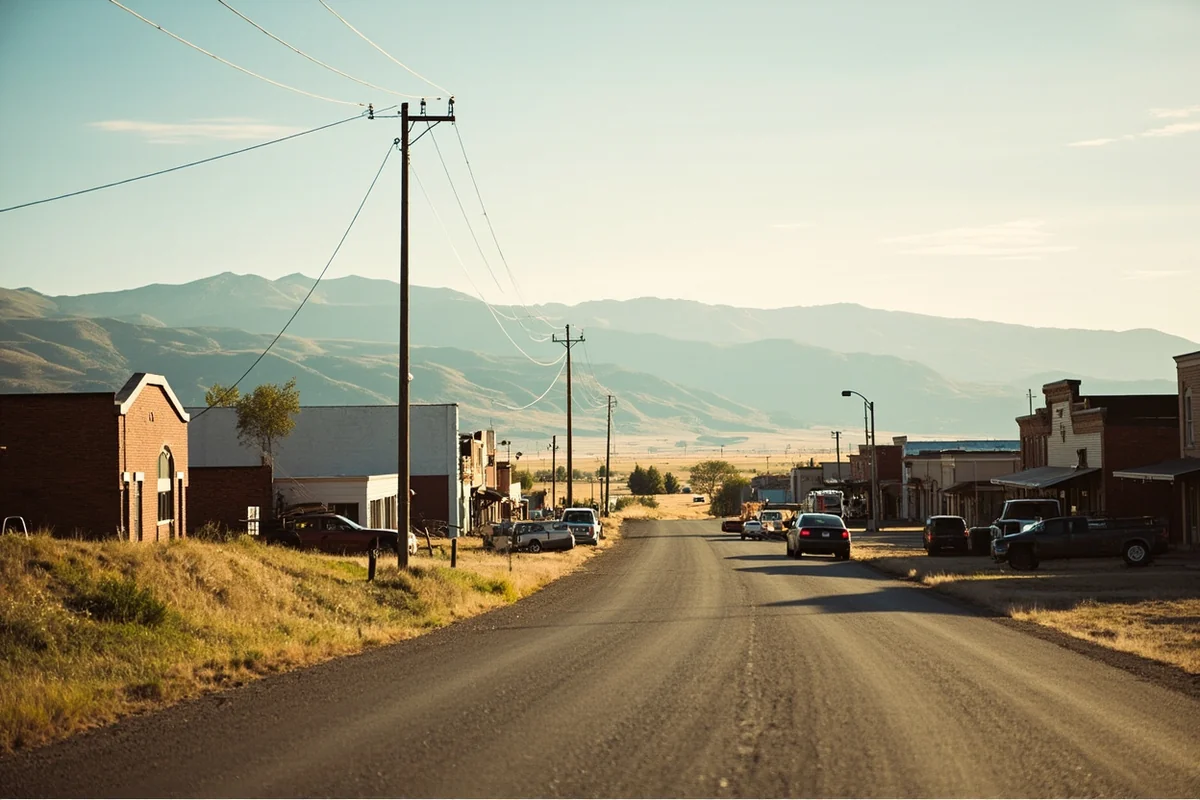
The river’s modern name changed over the following decades, but that original name lives on in the small town of Wisdom, Montana, which sits right on the river today. It’s a nice bit of continuity in a state where so much history gets paved over.
Fishing the Big Hole, Section by Section
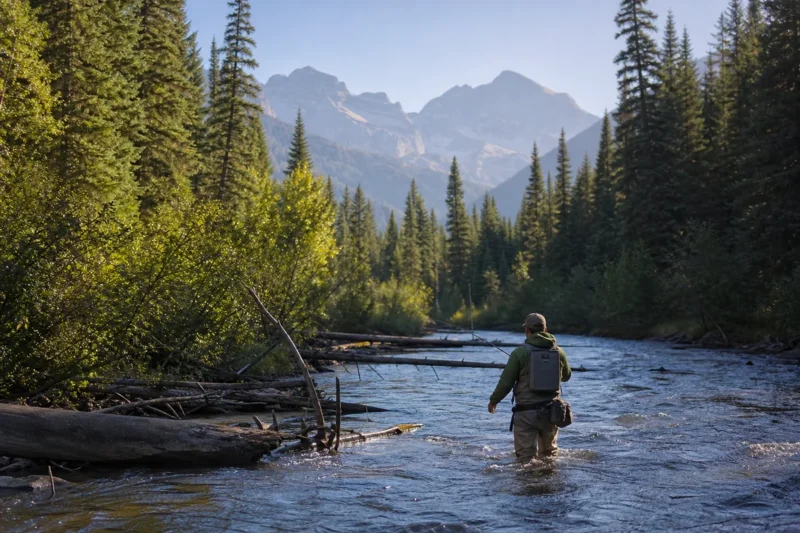
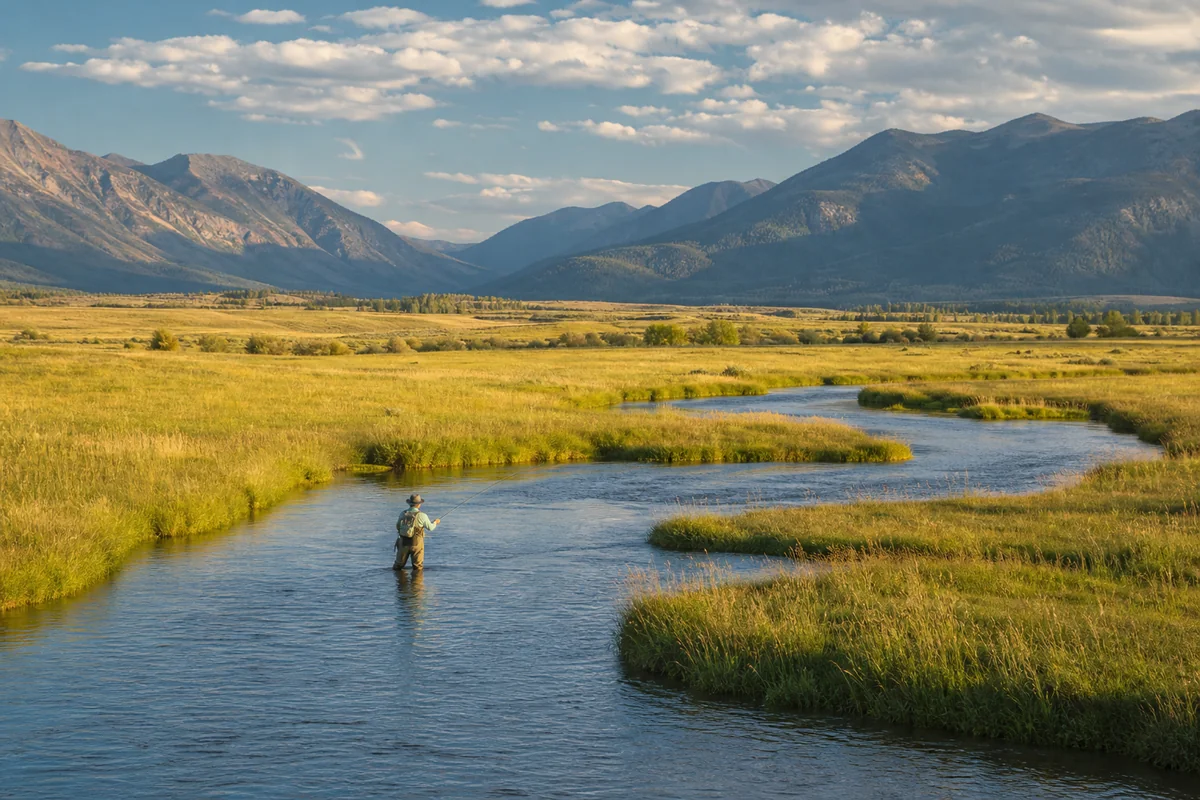
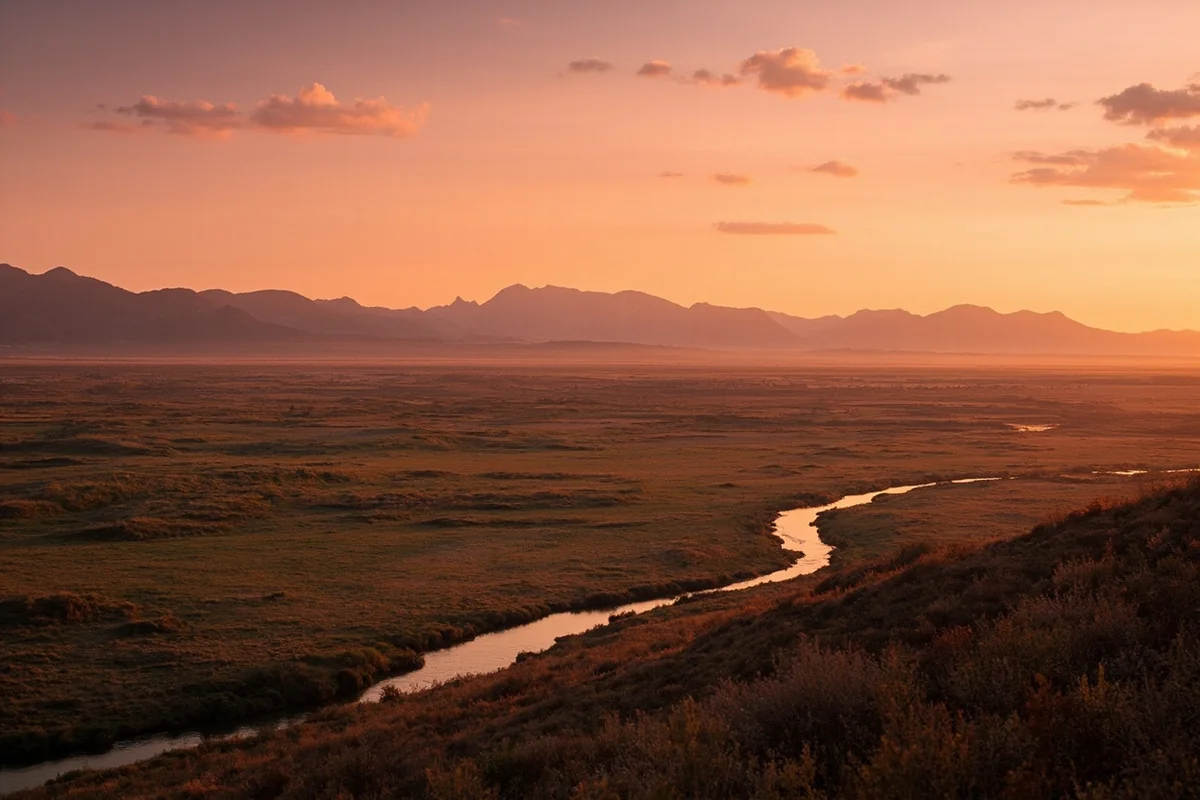
Headwaters to Wisdom. This upper stretch begins near Skinner Lake, tucked into the Beaverhead Mountains, and winds through high-elevation hay meadows and willow-choked bottomland. It’s slow, narrow, and genuinely beautiful, holding grayling, brook trout, and smaller rainbows and cutthroat. There are no official access sites here, but numerous county road crossings offer legitimate wade access.
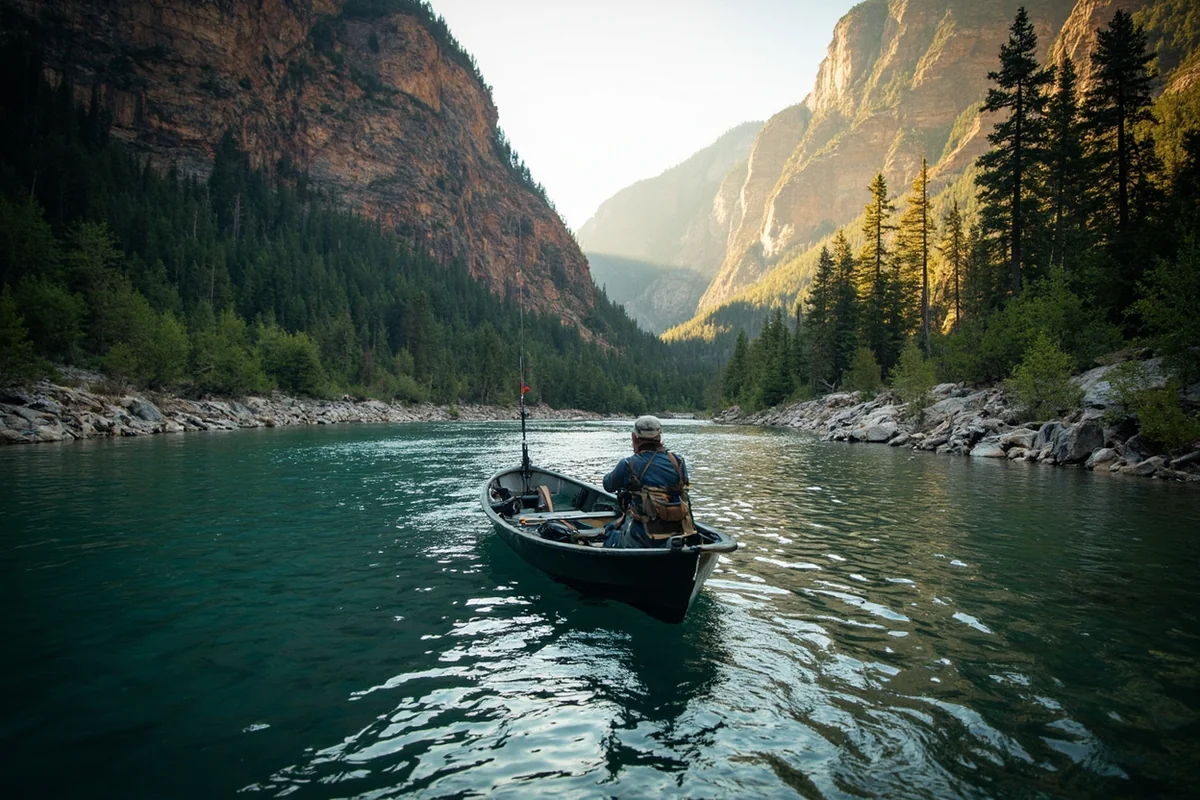
Wisdom to Wise River (the canyon stretch). Once the North Fork joins near Wisdom, the river gains real size and becomes genuinely floatable. This is widely considered the most famous and most fished section, with the Wise River’s cold water joining partway through to keep things productive even in summer heat. Expect a real mix of riffles, pools, and pocket water, with brown trout joining the mix alongside grayling, rainbows, and brook trout.
Wise River to Divide. The river enters a narrower canyon here, picking up speed and gradient, with boulder gardens and pocket water that reward careful wading. Access remains excellent thanks to a heavy federal land presence along this stretch.
Divide to Twin Bridges. The lower 39 miles flow through Melrose and Glen before reaching Twin Bridges, where the Big Hole joins the Beaverhead and Ruby Rivers to form the Jefferson River. This stretch holds some of the largest brown trout in the entire system, particularly in shaded, undercut water.
The famous Mother’s Day Caddis hatch, unpredictable but spectacular when it hits, typically arrives during spring runoff in May.
The salmonfly hatch follows in June, generally earlier than its counterpart on the Madison, which draws outfitters from across the region eager to fish it first.
Late summer brings hoppers and spruce moths, along with a real risk of hoot-owl restrictions during hot, dry stretches — always worth checking before a midsummer trip.
Wildlife of the Big Hole Valley
Beyond the fishing, the Big Hole Valley is genuinely excellent wildlife habitat, particularly for birds drawn to its extensive wetlands and open meadows.
Sandhill cranes and long-billed curlews are common sights in the upper valley, alongside golden and bald eagles working the river corridor for fish — see our Montana osprey page for more on the raptors you’re likely to spot overhead.
The surrounding mountains, particularly toward the Beaverhead-Deerlodge National Forest boundary, hold real grizzly and black bear populations, so review our Montana bear guide before any camping trip in the upper valley.
Pronghorn antelope are a common sight on the open benches above the river, and moose occasionally show up in the willow bottoms near the headwaters.
The Montana Grand Slam
Here’s a genuinely fun distinction that sets this river apart from every other one I’ve covered in this series: the Big Hole is one of the only rivers in Montana where an angler has a real shot at catching all five common trout-family species in a single day — rainbow, brown, cutthroat, and brook trout, plus that native Arctic grayling.
I’ve come close to this myself but never quite completed the set in one outing. If you’re the kind of angler who likes a concrete goal beyond just “catch fish,” I’d genuinely recommend planning a full day around attempting it, ideally in the stretch between Wisdom and Wise River where all five species overlap most reliably.
Making Your Base Camp: Wisdom and Wise River
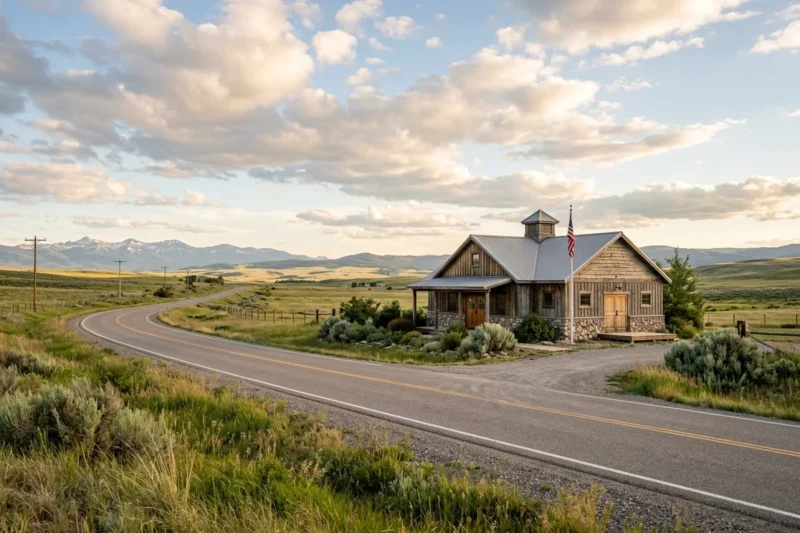
Wisdom is a tiny, authentic ranching town, the kind of place with two bars and not much else, and I mean that as a genuine compliment.
I’ve had pizza at a local saloon here on a night when the whole downtown had turned out for a neighbor’s celebration of life — the kind of small-town moment that’s genuinely hard to find anymore, and a reminder that this valley is a real, lived-in place, not just a backdrop for fishing photos.
Wise River, smaller still, sits right at the confluence that gives the canyon stretch its cold-water boost, and it makes a good base if you’re focused on that middle section of river.
Both towns have limited services, so plan fuel and food accordingly — I’d recommend fueling up before heading upstream from Divide toward Wisdom, since options thin out considerably once you’re deep in the valley.
Personal Tips / What I Wish I Knew
Handle grayling with extra care. Given how genuinely rare this population is, I keep them in the water as much as possible and minimize handling time before release.
Don’t count on cell service above Divide. Coverage is spotty to nonexistent through much of the upper valley. Plan your route and let someone know your general itinerary before you head in.
Fuel up before you commit to the upper valley. Options are limited between Divide and Wisdom, and I’ve watched my fuel gauge more nervously on this drive than almost anywhere else in the state.
Watch for hoot-owl restrictions in August. Hot, dry summers can trigger afternoon fishing closures on parts of this river, similar to what happens on other freestone rivers across the state — check our page on Montana laws for more on regulations that shift seasonally.
If you’re floating rather than wading, know the launch limits. Some access sites cap the number of float outfitting launches per day, and certain reaches close to float outfitting entirely during peak summer months. Our overview of boating in Montana covers the general rules that apply here alongside these river-specific limits.
Try for the Grand Slam if you’re up for a challenge. It’s a genuinely fun way to structure a day here, and even if you fall short, you’ll have covered some of the most productive and scenic water in southwest Montana trying.
Practical Info: Big Hole River at a Glance
| Section | Best For | Difficulty | Notes |
|---|---|---|---|
| Headwaters to Wisdom | Grayling, small stream fishing | Easy, narrow water | No official access sites, use county roads |
| Wisdom to Wise River | Floating, Grand Slam attempts | Easy–moderate | Most popular and productive stretch |
| Wise River to Divide | Canyon fishing | Moderate, boulder water | Excellent federal land access |
| Divide to Twin Bridges | Trophy brown trout | Easy | Confluence with Beaverhead and Ruby Rivers |
[Verify current fishing regulations, float outfitting closures, and hoot-owl restriction status directly with Montana FWP before your trip, as these change seasonally.]
Final Thoughts
The Big Hole earns its nickname, the Last Best River, on more than just scenery — it’s the last place in the entire country where you can catch a truly wild river grayling, a fact that very nearly didn’t survive a dam proposal six decades ago.
Fish it with real respect for what’s swimming beneath the surface, take a slow drive through Wisdom if you get the chance, and see how close you can get to that five-species Grand Slam.
For how the Big Hole fits alongside the rest of the state’s best rivers, check out our full guide to the best rivers in Montana.
Pin this guide before your trip, and let me know in the comments if you’ve landed the full Grand Slam yourself.