Some places in Montana are famous for what they offer. The Yaak Valley is different — it’s famous, in the circles that know it, for what it still is. Not what’s been built there, or what attractions have been developed.
What it is: old-growth cedar and larch forest, a river that runs cold and clear, grizzly bears moving through dark timber, and a quality of silence that you can feel.
Montana writer Rick Bass has lived in the Yaak for decades and written about it with an urgency that comes from understanding that this kind of wildness is increasingly rare.
Reading him before my first trip there did me the good service of setting expectations accurately: the Yaak isn’t spectacular in the postcard sense. It’s spectacular in a way that requires patience to perceive.
I drove up from Libby on the road to Troy, turned onto Yaak River Road, and spent three days mostly just being there. By the end of the third day, I understood why Bass has spent his adult life defending this valley’s remaining wildness.
- The Yaak Valley is a remote river drainage in the Kootenai National Forest in Montana’s far northwest corner.
- Known for old-growth cedar-hemlock forest, the Yaak River, grizzly bear habitat, and exceptional solitude.
- Small community of Yaak (~100 people) with one bar (the Dirty Shame Saloon), no cell service, no gas station.
- Part of the Cabinet-Yaak grizzly bear recovery zone — one of only two areas in the lower 48 where grizzlies are being actively recovered.
- Best for: experienced backcountry travelers, fly fishing enthusiasts, wildlife photographers, anyone seeking genuine remoteness.
Liked this article?
Add Roaming Montana as a preferred source so you see more of our articles and guides on Google.
What and Where Is the Yaak Valley?
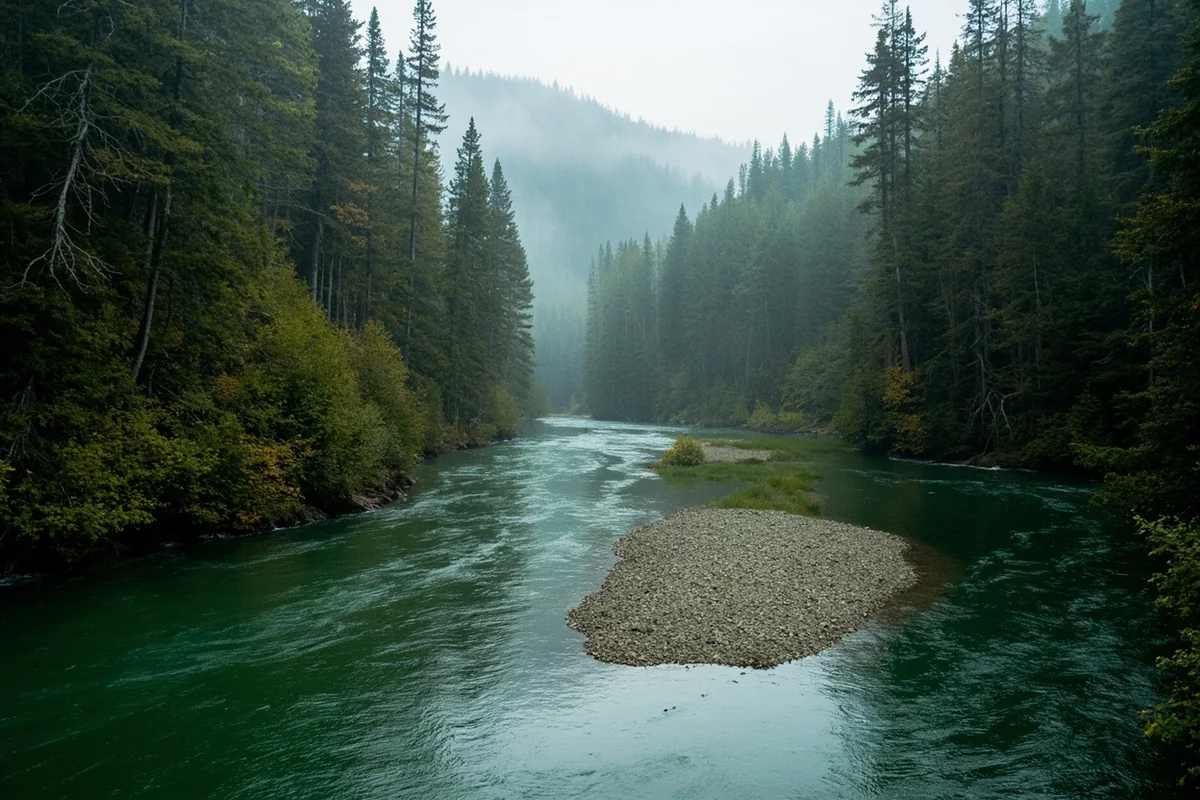
The Yaak Valley is the drainage of the Yaak River — a Kootenai tributary that flows roughly west through a forested corridor before crossing into Idaho and joining the Kootenai just north of Troy.
The valley sits in Lincoln County in Montana’s far northwestern corner, bounded by the Cabinet Mountains to the south, the Whitefish Range to the east, and the Canadian border to the north.
All of it — virtually the entire drainage — lies within the Kootenai National Forest. There are no national parks, no state parks, no designated wilderness areas within the Yaak itself (though wilderness designations have been proposed).
The forest is predominantly managed for multiple use, but its remoteness and difficult terrain have kept most of it intact.
The Forest: Old-Growth Character
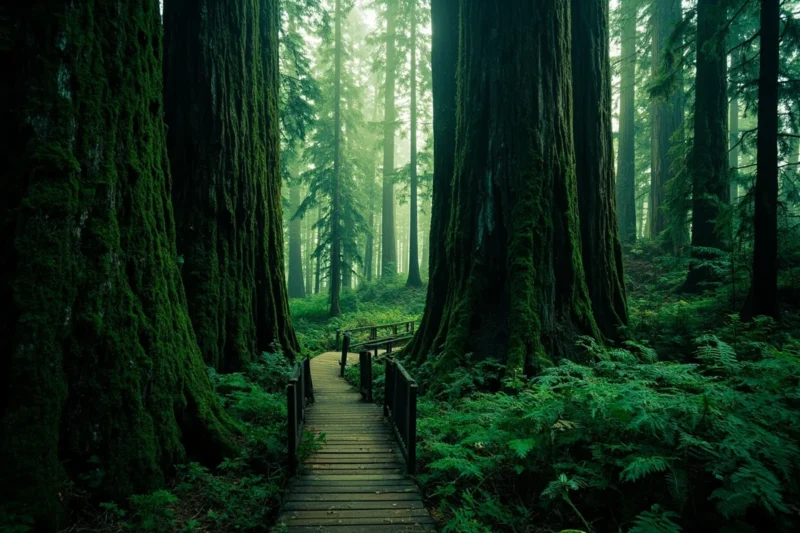
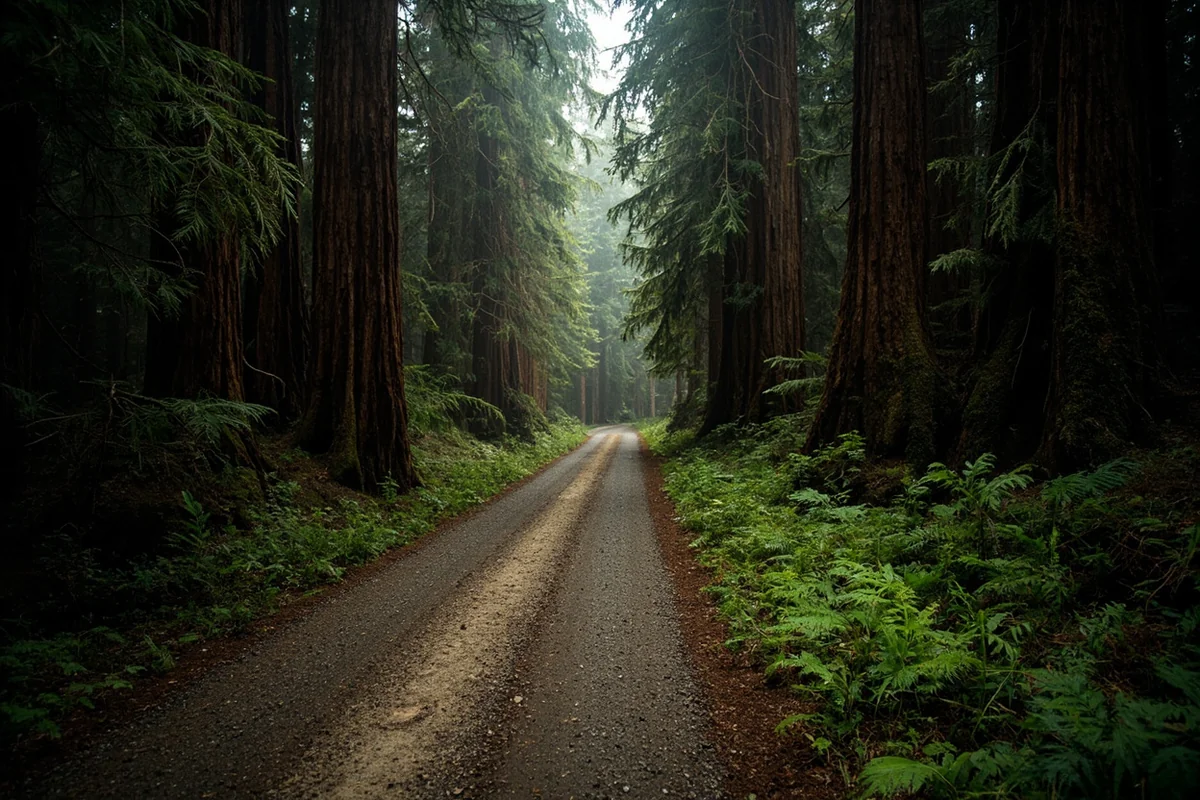
The Yaak Valley contains some of the most intact old-growth cedar-hemlock forest remaining in the Northern Rockies. This forest type — dominated by western red cedar, western hemlock, western larch, and grand fir — once extended broadly across the Inland Northwest.
Between logging pressure through the 20th century and the general fragmentation of forest landscapes, intact old-growth examples are now rare outside of protected wilderness areas.
The Yaak’s relative remoteness (there’s no easy highway corridor through it; the road from Libby dead-ends and loops back through Troy) has given it a reprieve.
Portions of the valley still contain trees with multi-century lifespans, understory communities that indicate forest continuity over long time periods, and structural complexity (standing dead snags, downed logs, multilayered canopy) that younger managed forests lack.
For wildlife, this old-growth character is critical. Many of the Yaak’s most important species — fisher, marten, pileated woodpecker, northern goshawk — depend on forest structures that only exist in mature and old-growth stands.
The Grizzly Bear Story
The Yaak Valley is part of the Cabinet-Yaak Grizzly Bear Recovery Zone — one of only two areas in the contiguous United States where grizzly bears are being actively managed for recovery (the other being the North Cascades).
The Cabinet-Yaak population is small — estimates have ranged from 30 to 60 individuals depending on the year and methodology — and it exists in relative isolation from the much larger Northern Continental Divide Ecosystem population centered on Glacier National Park.
Wildlife biologists have worked for decades to augment the Cabinet-Yaak population through translocation of bears from larger populations.
The long-term goal is connectivity between the Cabinet-Yaak population and the main Northern Continental Divide Ecosystem to the east, which would allow genetic exchange and population stabilization.
For visitors, this means: grizzly bears are a genuine possibility anywhere in the Yaak Valley, not a theoretical concern. Every person camping or hiking in the Yaak should carry bear spray, practice strict food and scent storage protocols, and understand that encountering a grizzly — while still uncommon — is within the range of realistic outcomes here.
That’s not a reason to avoid the Yaak. It’s a reason to be appropriately prepared and, honestly, to appreciate that you’re in a place wild enough to still support North America’s largest terrestrial predator.
The Yaak River: Fishing
The Yaak River is a tributary fishery — the kind of stream that rewards the angler willing to walk a half-mile from the road rather than fish the first accessible pool. The river holds westslope cutthroat trout and bull trout (listed as threatened under the Endangered Species Act; catch-and-release only).
The cutthroat fishing here is not trophy fishing by most standards — fish typically run 8–14 inches, not the 18-inch bruisers of Montana’s more celebrated rivers.
But they’re wild, they rise readily to dry flies, and the setting — cedar forest pressing down to the water’s edge, the river rarely more than 30 feet wide — is intimate in a way that the big Montana rivers aren’t.
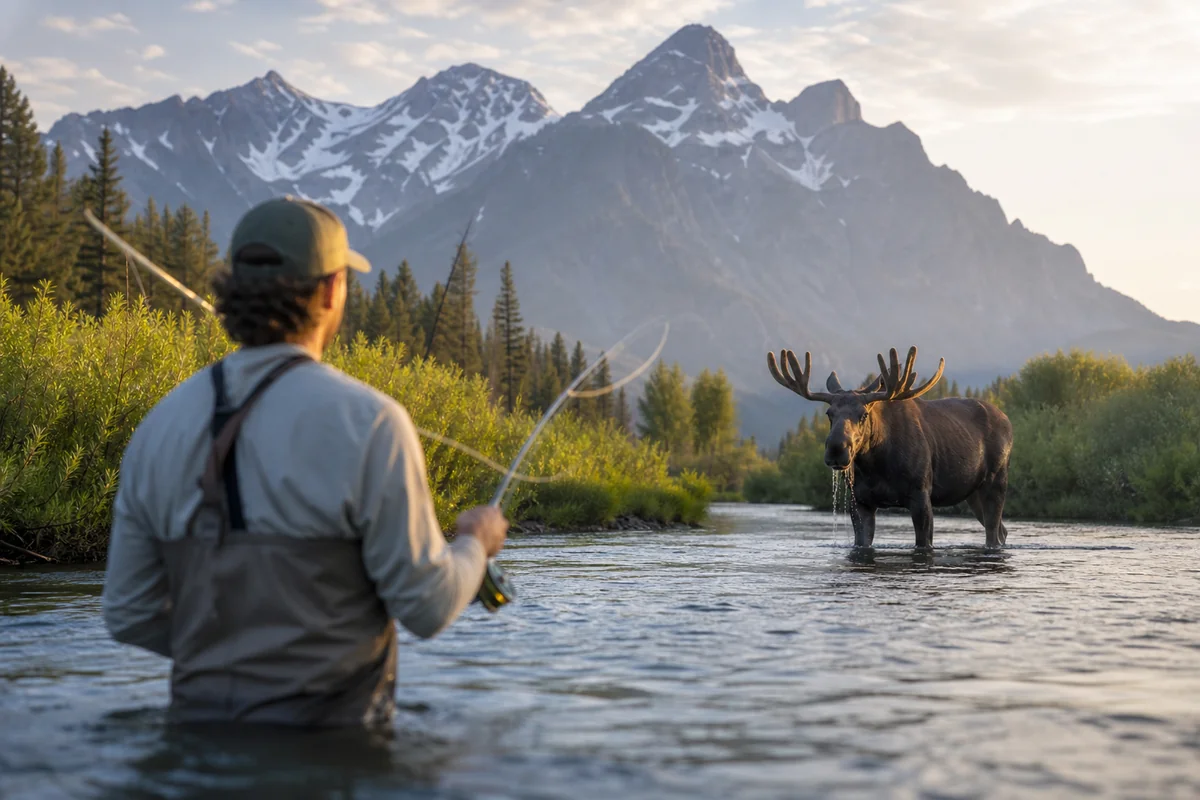
I had my best Yaak fishing on a Tuesday in late July when a light rain was falling and a #14 elk hair caddis was producing strikes every few casts in the riffles below a small cedar grove. No one else on the river. The whole experience felt like something that shouldn’t still exist.
Access: Forest roads parallel much of the Yaak River drainage. The USFS MVUM shows public access points — not all road-adjacent water has public fishing access, so confirm before you wade.
Regulations: Bull trout are catch-and-release only; check current Montana FWP regulations for any additional restrictions on the Yaak. [Verify at montanafwp.gov]
Montana fishing license required.
The Dirty Shame Saloon
Every place like the Yaak needs a place like the Dirty Shame Saloon. The Yaak’s only bar is a one-room log structure in the community of Yaak (population approximately 100) that has been serving locals, loggers, and occasional visitors for decades.
The beer is cold, the locals are genuine, and the bar is one of those places that exists entirely outside the Montana tourism machine.
I stopped there my second day in the valley. I had a beer and talked to a man who’d been logging the Yaak for 35 years about what the forest used to look like.
He wasn’t nostalgic about it — just matter-of-fact. That conversation taught me more about the Yaak Valley than I could have learned from any website.
Camping in the Yaak
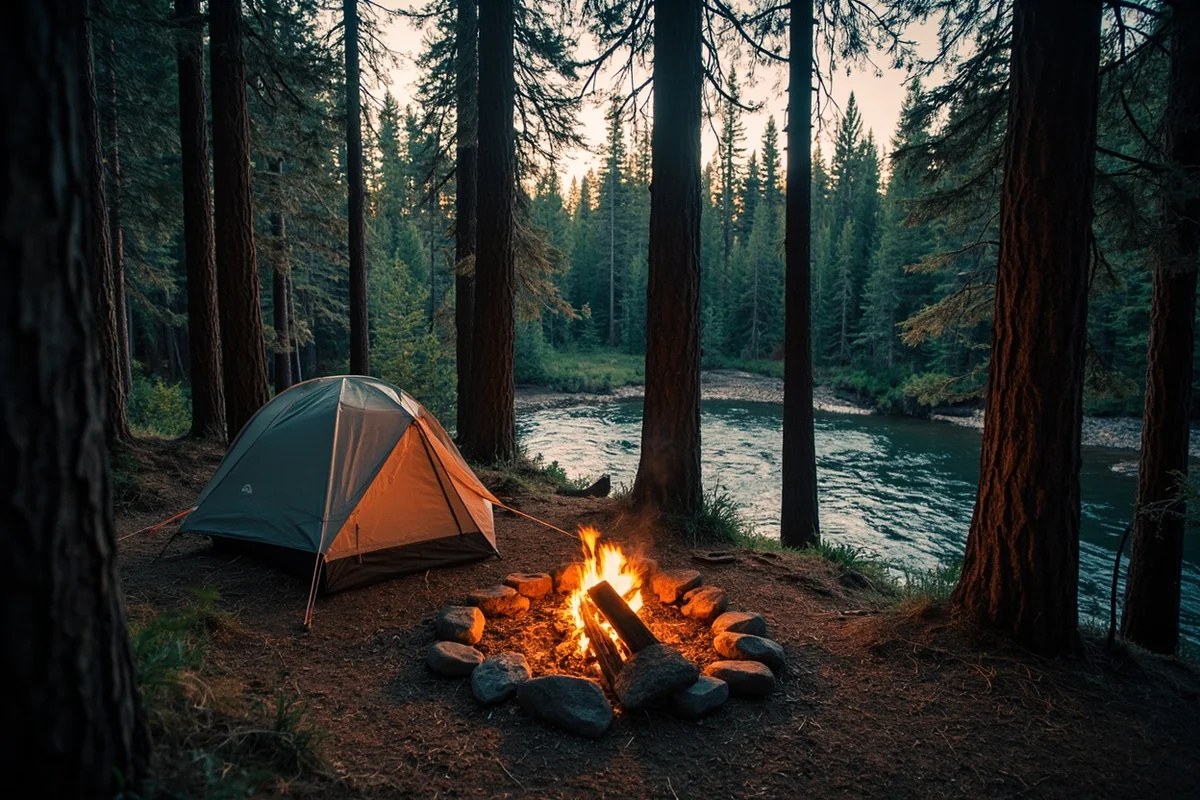
Camping in the Yaak is primarily dispersed — park on a forest road pull-off along a creek or river, set up camp, leave it clean when you go. The Kootenai NF’s extensive free dispersed camping is on full display here.
A few developed campgrounds exist:
- Big Creek Campground — primitive sites along the Yaak River; free; no water; basic toilet facilities
- Yaak River Campground — small developed area with some amenities; [verify current status and fees with USFS Kootenai]
USFS rental cabins are available in the Yaak River Ranger District area through Recreation.gov — historic ranger stations that sleep 4-8 people and feel authentically remote. [Verify current availability at recreation.gov]
Dispersed camping rules: 200 feet from water and trails, 14-day stay limit, pack out everything. These are enforced here as they are throughout the Kootenai NF.
Getting to the Yaak Valley
The Yaak is not on the way to anything. You go there intentionally.
From Libby (~45 miles): Drive north on Highway 2 to Troy, then north on Route 508 (Yaak River Road) through the valley. This is the most common approach.
From Eureka (~55 miles): Drive west on County Road 114 (Grave Creek Road) to Route 92, then south through the northern Yaak.
Neither approach is technically difficult — paved roads for most of the route — but once you’re in the valley itself, services are effectively absent. The nearest gas station is in Troy or Libby. There is no cell service in the valley. Download your maps before you arrive.
What to Expect: A Realistic Preview
The Yaak Valley is not for everyone, and I mean that as a compliment to both the place and the visitors who self-select for it.
There are no interpretive centers. No marked viewpoints. No visitor shuttle or concession-run tours. What there is: a river, an old forest, animals that don’t know you’re there until you’re close, and the peculiar cognitive effect of spending 48 hours without cell service in old-growth timber.
If your metric is Instagram-optimized overlooks with paved pullouts, the Yaak is going to disappoint. If your metric is genuine encounter with a landscape that is still, provisionally, wild — it will be exactly right.
Practical Info
| Category | Details |
|---|---|
| Location | NW Montana, Lincoln County; Kootenai National Forest |
| Access | Yaak River Road from Troy; Grave Creek Road from Eureka |
| Cell service | None |
| Gas | Libby or Troy; no services in the valley |
| Camping | Primarily dispersed (free); limited developed sites |
| Bear spray | Essential; Cabinet-Yaak grizzly recovery zone |
| Best season | July–September |
| Nearest town | Troy (~30 min); Libby (~45 min) |
| USFS contact | Kootenai NF, Libby: (406) 293-6211 |
FAQs: Yaak Valley Montana
Is the Yaak Valley a national park or wilderness area?
Neither. The Yaak Valley is within the Kootenai National Forest and is administered by the USFS as a multiple-use national forest area. Wilderness designation for portions of the Yaak has been proposed by conservation groups but not enacted as of 2026.
How do I get to the Yaak Valley?
From Libby, drive north on Highway 2 to Troy, then north on Route 508 (Yaak River Road). From Eureka, drive west on Grave Creek Road. Allow about 45 minutes from Libby, 55 minutes from Eureka.
Are grizzly bears common in the Yaak Valley?
The Yaak Valley is within the Cabinet-Yaak grizzly recovery zone. Grizzly bears are present but rarely encountered directly by visitors. Carry bear spray, store food properly, and be alert on trails. An encounter is possible; you should be prepared.
Is there any lodging in the Yaak Valley?
Very limited. Some dispersed camping is available on Kootenai NF land. A few USFS rental cabins may be available through Recreation.gov. The nearest lodging options are in Troy or Libby.
Wildlife in the Yaak Valley
The Yaak supports a wildlife community whose composition reflects the old-growth forest character of the drainage. The species here are indicators of ecological integrity — their presence signals that the forest is functioning as something more than a timber source.
Fishers and martens: These small forest carnivores require the structural complexity of old-growth — standing dead snags for denning, large downed logs for foraging, multi-layered canopy for cover. The Yaak holds some of the strongest fisher and American marten populations in the Northern Rockies precisely because it still has the forest structure they need.
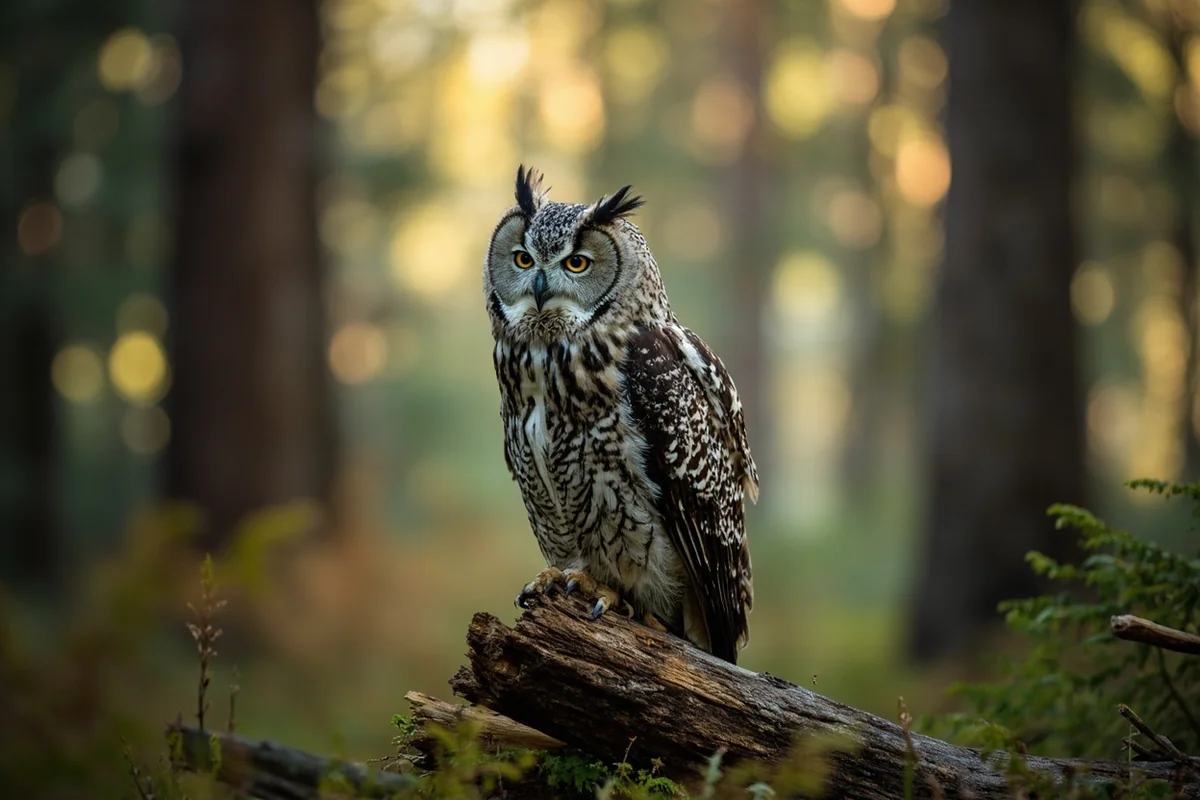
Great grey owls: Among the largest owls in North America, great greys nest in old-growth and hunt meadow edges for voles and other small mammals. The Yaak’s mix of mature forest and small meadow openings is close to ideal. I heard one calling at dusk my second night in the valley — a low, resonant series of notes that travels surprisingly far through still air.
Northern goshawks: The apex raptor of interior forest ecosystems, goshawks require large territories of intact mature forest. They’re present in the Yaak, though encounters are uncommon. If you flush one off a nest tree on a trail, you’ll know it immediately — they’re fierce and direct in a way that smaller raptors aren’t.
Bull trout: The Yaak River system holds bull trout — a federally threatened species that serves as an indicator of cold, clean water and intact riparian function. Their presence in the Yaak’s tributaries is evidence that the watershed’s headwaters remain largely undisturbed.
Grizzly bears: As noted in the section above, the Cabinet-Yaak recovery zone includes the entire Yaak drainage. Carry bear spray. Store food properly. Be alert. The grizzlies here are part of a fragile and ecologically critical population.
What I Wish I Knew Before My First Yaak Trip
Don’t assume you’ll have cell service for navigation. Cell service disappears somewhere between Troy and the Yaak River valley and doesn’t reappear until you leave. Download your maps in advance, understand your route on paper, and have a GPS device as a backup. I know people who’ve driven confidently into the Yaak on Google Maps and spent two hours on the wrong drainage road.
The weather can change dramatically, even in July. The Kootenai country receives more precipitation than anywhere else in Montana, and the Yaak gets its share. I’ve had a clear morning turn to steady rain by noon with no warning and no cell service to check a forecast. Waterproof layers are not optional here.
The Dirty Shame Saloon keeps its own hours. Don’t drive four hours to the Yaak planning to stop at the bar and find it closed because it’s a Tuesday afternoon. Call ahead if you can get signal before the valley, or accept that you might arrive at a closed door. This is not a place organized around tourist convenience.
Firewood and fire restrictions. The Yaak’s old-growth character means downed wood is ecologically significant — it’s habitat, not fuel. Bring your own firewood or use a camp stove. Follow current fire restrictions, which can be issued quickly in dry stretches even in this wetter-than-average corner of the state.
Go slow on forest roads. The Yaak’s drainage roads are used by logging trucks on active sale areas, and the roads are often narrow with limited sight lines on curves. Drive at a pace that lets you stop in your visible distance. I’ve had a logging truck materialize around a bend faster than expected more than once.
The Yaak in Its Own Words
The best description of the Yaak Valley I’ve encountered isn’t in a guidebook. It’s in Rick Bass’s writing — essays and books that describe a landscape and a community under constant pressure, trying to maintain the kind of wildness that used to be common in the inland Northwest and is now rare almost everywhere.
Reading Bass before your first trip doesn’t ruin the Yaak. It clarifies it. It tells you what you’re looking at when you see an old-growth cedar tree that’s been there since before European contact, or a bull trout holding in the shadow of a cutbank, or a set of grizzly tracks in the mud of a forest road.
It gives you a frame for understanding why the specific qualities of this place — its oldness, its wetness, its difficulty of access, its resistance to easy consumption — are worth protecting.
The Yaak isn’t spectacular in the way that Montana’s more famous places are spectacular. It’s significant. And significance, in landscapes as in people, is something you learn to read over time.
The Yaak Is Worth the Drive
I drove four hours from Missoula to get to the Yaak Valley on my first visit, not entirely certain it would be worth the commitment. By the end of the second day, I was mentally rearranging my schedule to figure out when I could come back.
There’s something about this valley that doesn’t transfer through a screen. Photographs catch the cedar groves adequately, the river adequately.
They don’t catch the silence, or the specific smell of wet cedar and fern after rain, or the way the old-growth forest compresses sound and light in a way that newer forests don’t. You have to be there to understand what the fuss is about.
Plan two days at minimum. Bring rain gear. Download your maps. Leave your itinerary with someone who knows where you’re going. And when you get to the Dirty Shame Saloon, have a beer and talk to whoever is there. They’ll know this valley better than anything I can put in a post.
Our Montana national forests guide gives the full picture of the Kootenai National Forest system that contains the Yaak. And for logistics in the nearest real town, our Libby, Montana guide covers what to find there.
Have questions about visiting the Yaak Valley? Leave them in the comments — or save this post for your northwest Montana research.
Related Posts in This Series
← Back to Kootenai National Forest
← Back to the Montana national forests guide
Also in this series: