Only one person was ever hanged at the building that now houses Montana’s largest contemporary art museum. That’s the kind of detail Yellowstone Art Museum doesn’t hide from — the old cell blocks are still visible if you know where to look.
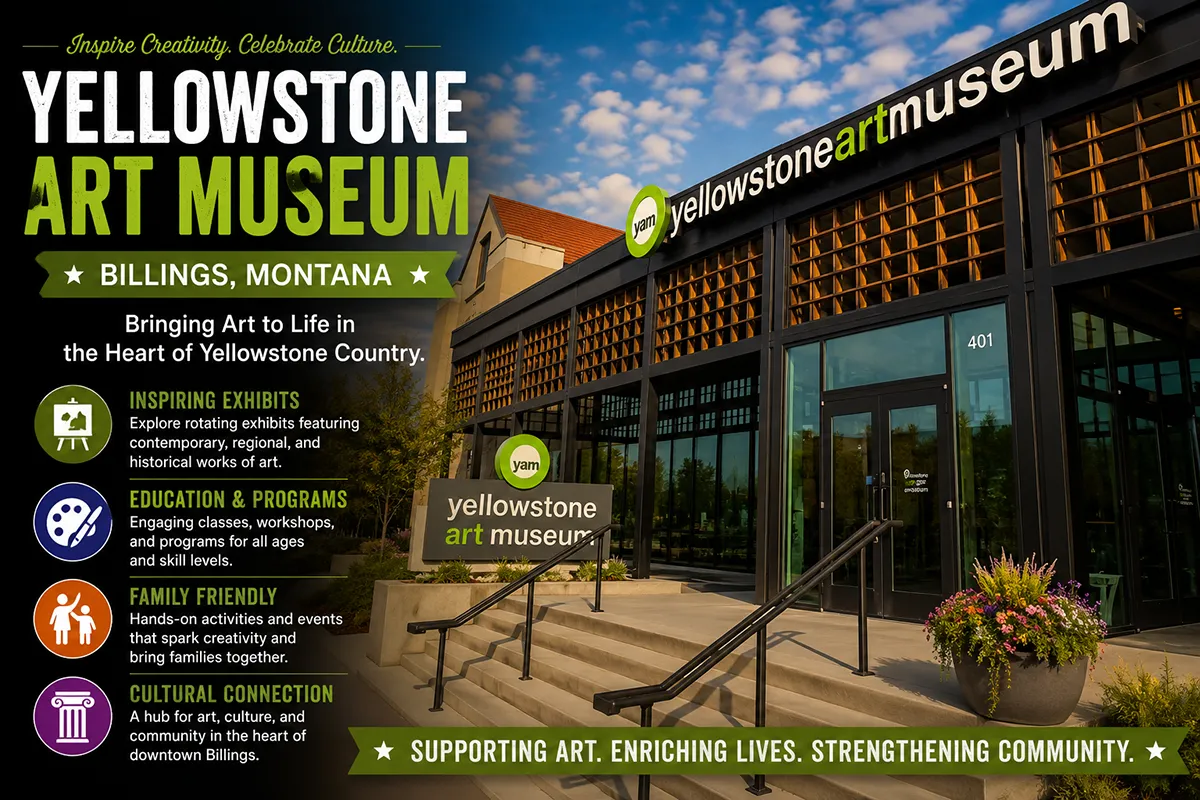
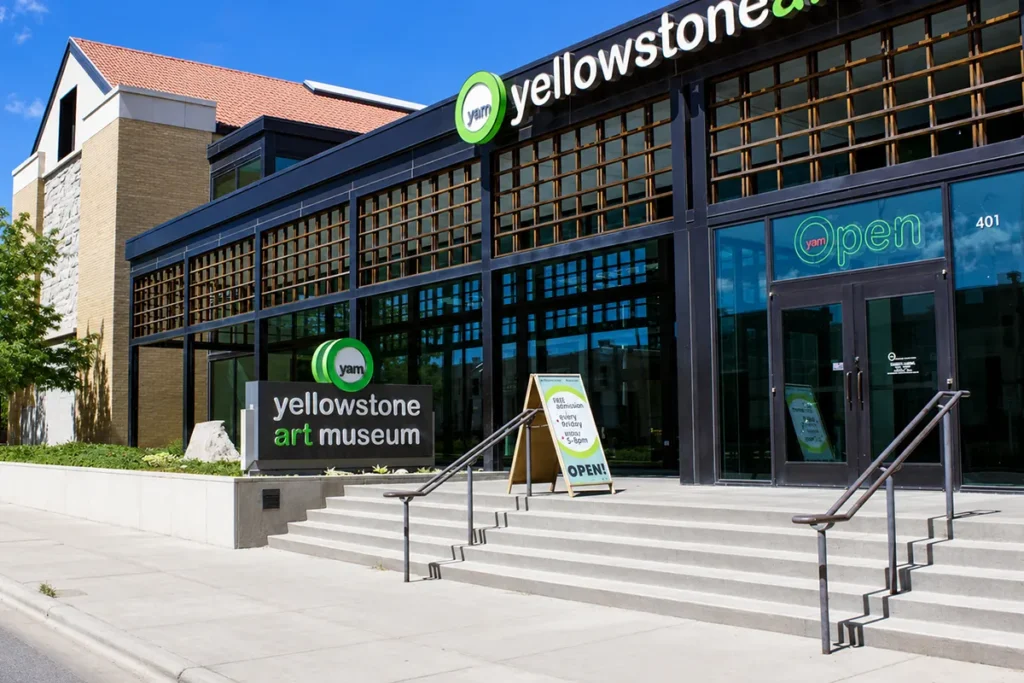
- Yellowstone Art Museum (YAM) occupies the former Yellowstone County Jail, built in 1884, in downtown Billings
- It’s Montana’s largest contemporary art museum, with more than 7,300 works in the permanent collection
- The Visible Vault, a separate publicly accessible storage building, lets you watch real collection work happen behind the scenes
- Admission is free for Yellowstone County residents and just $8 for everyone else
- This is one of the best museums in Montana for anyone who assumes the state’s art scene starts and ends with cowboy paintings
Liked this article?
Add Roaming Montana as a preferred source so you see more of our articles and guides on Google.
From County Jail to Art Museum
Yellowstone County’s government built its first jail in 1884. It was the very first official act the newly formed county government took.
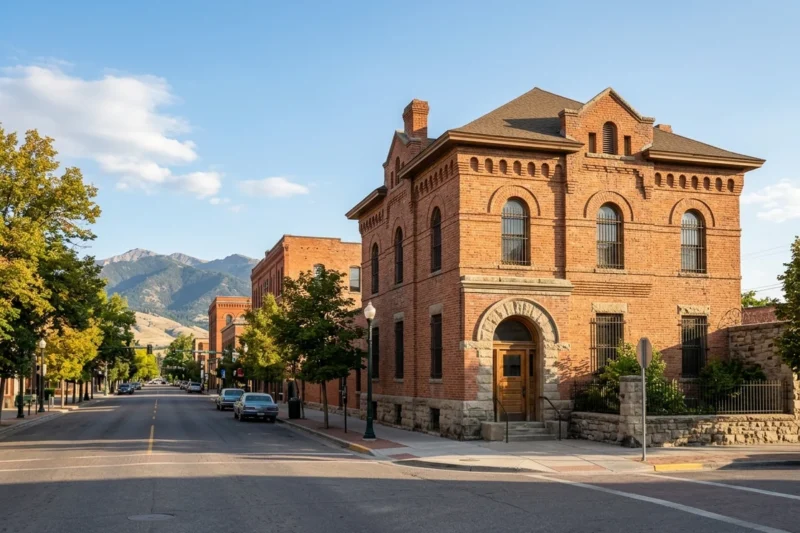
The original structure was small and functional: a red brick building with a partial basement for storage and two upper floors of cell blocks. The county expanded it in 1916 with additions to the west and north.
Despite Montana’s Wild West reputation, the jail’s history is surprisingly quiet. Records show only one hanging ever took place there, in 1918. By the mid-20th century, the building had outlived its original purpose.
In October 1964, the Yellowstone Art Center opened inside that same former jail. It’s been growing in that building, and the buildings around it, ever since.
A Collection That Started From Almost Nothing
When YAM began collecting seriously in 1984, backed by a grant from Montana’s coal tax fund, the permanent collection held zero significant contemporary regional works. By 1991, that number had grown to 609 objects.
Today, the collection holds more than 7,300 works. That’s a genuinely remarkable growth curve for a regional museum, and it happened because YAM made a deliberate choice other Montana museums weren’t making at the time.
Most Montana art institutions historically emphasized Western genre painting and historic artifacts — the C.M. Russell tradition.
YAM chose a different lane entirely, building what became known as the “Montana Collection”: contemporary regional art that captured the West as it actually looks and feels today, not the frontier-era version.
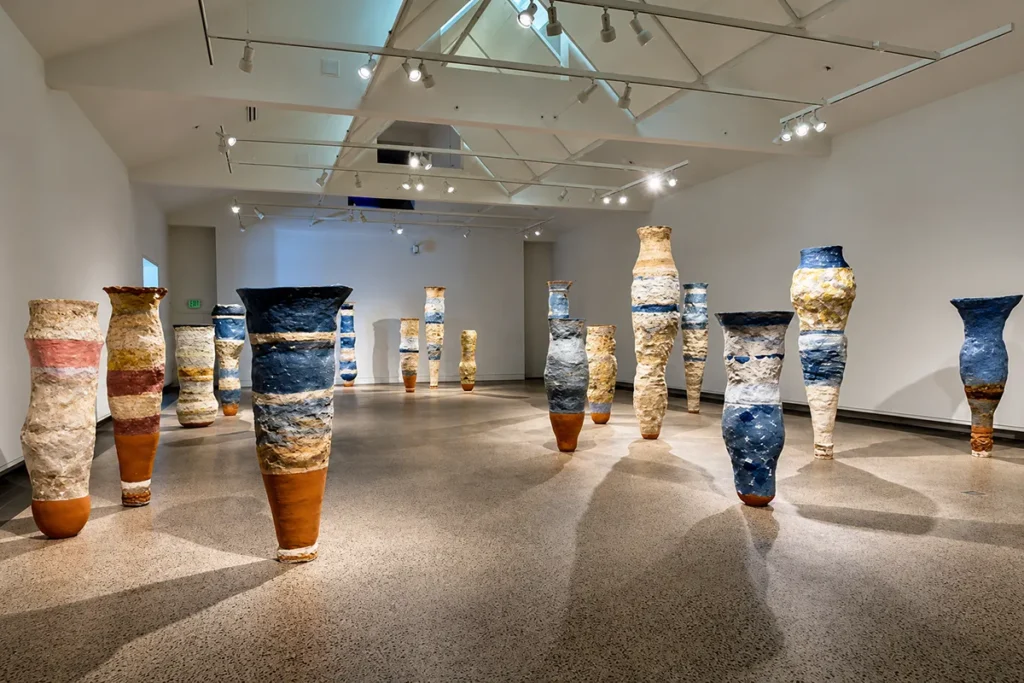
That decision brought in artists who weren’t represented as a group anywhere else in the state: Rudy Autio, John Buck, Deborah Butterfield, Isabelle Johnson, Richard Notkin, Jaune Quick-to-See Smith, Ted Waddell, and Patrick Zentz among them.
Several have gone on to genuinely international recognition, and seeing their early or formative regional work here, in the state where they built their careers, hits differently than encountering the same names in a coastal museum survey show.
The pace of that growth also says something about regional demand. Museum staff have described the collection’s popularity as exceeding their own expectations at nearly every stage of its development, which is part of why the expansion campaigns that followed kept getting bigger rather than smaller.
National-Level Gifts Landed in Billings
A few specific acquisitions are worth knowing before your visit, because they explain why a museum in a mid-sized Montana city holds work you’d otherwise expect to find only in a major coastal city.
In 2009, YAM was selected as Montana’s recipient in the National Gallery of Art’s “50 Works for 50 States” initiative.
Herbert and Dorothy Vogel, whose personal collecting built one of the most significant private art collections in American history, donated 50 minimalist and conceptual works — one museum per state, nationwide.
The Peter Norton Family Christmas Project Collection brought internationally recognized artists like Yinka Shonibare and Takashi Murakami into the permanent collection as well.
Neither name is who you’d expect to find in a former Montana county jail, and that contrast is part of what makes a YAM visit genuinely surprising.
The museum also holds the Virginia Snook Collection, the largest gathering anywhere of work by Will James, the cowboy writer and illustrator whose books shaped how generations of readers pictured the American West.
The Visible Vault: Storage You Can Actually Walk Into
This is the single most distinctive thing about YAM, and it’s genuinely rare nationwide.
The Visible Vault opened in August 2010 as part of a two-phase, $17 million expansion campaign. It’s a separate, publicly accessible building at 505 North 26th Street, just behind the main museum.
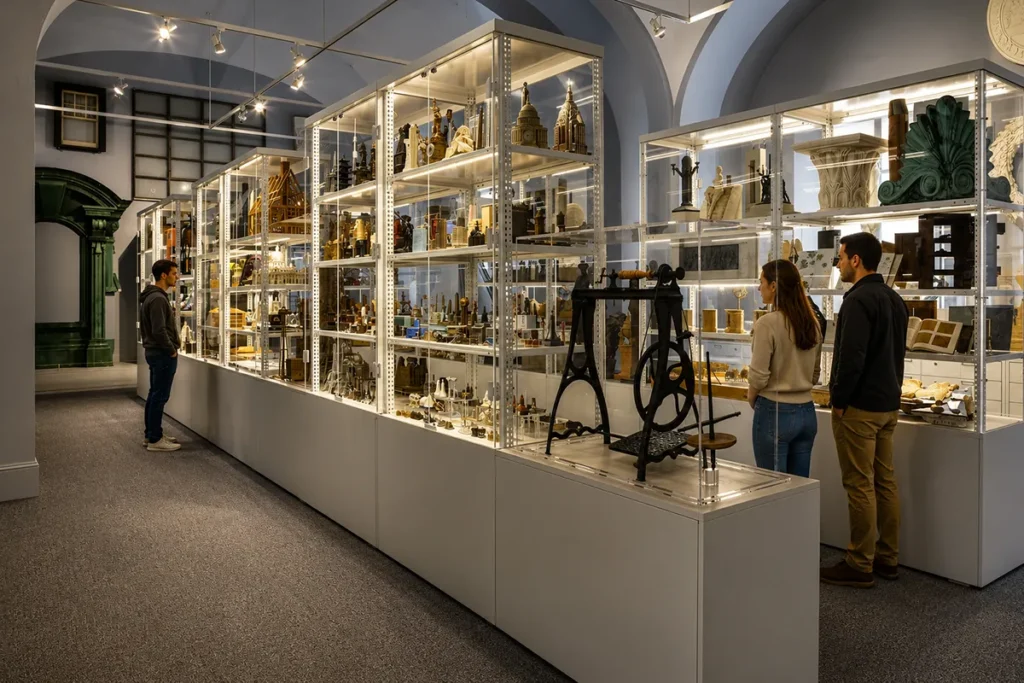
Pick up a key card at the YAM front desk, and you can walk into the actual storage space where roughly 3,500 works of art live when they’re not on gallery display. You’ll also see thousands of sketches, photographs, and archival materials.
Whatever behind-the-scenes work happens to be underway shows up in real time. That might mean objects being prepped for an upcoming exhibition, new acquisitions being photographed and cataloged, or active conservation treatment on a piece.
The Vault also houses the Gary & Melissa Oakland Artist in Residence Studio. If you want to study a specific object closely, the museum’s associate curator can schedule a private appointment — a level of access most museums simply don’t offer casual visitors.
The Outdoor Sculpture Garden
Don’t rush straight inside on a nice day. YAM’s outdoor sculpture garden is worth walking through first.
The garden sets contemporary sculpture against Montana’s natural backdrop, which changes the way each piece reads compared to seeing it indoors under gallery lighting. It’s a small but genuinely pleasant space, and it’s free to walk through even if you decide to skip the paid galleries.
Billings’ downtown setting means you get a mix of city and open-sky Montana views from the garden at the same time. That combination is part of what makes YAM feel distinct from a typical big-city contemporary art museum.
Visiting With Kids
YAM leans more toward adult and teen visitors than a hands-on children’s museum, but it’s not without family appeal.
The museum runs children’s classes and camps throughout the year, along with a dedicated Young Artists Gallery space for emerging young talent. One Yelp reviewer specifically mentioned stumbling into a LEGO exhibit during a family visit — a reminder that programming rotates and occasionally leans more playful than the permanent collection suggests.
If your kids are younger and less interested in contemporary art specifically, I’d pair a YAM stop with something more physically active nearby rather than expecting the museum alone to hold their attention for hours. The Visible Vault, with its behind-the-scenes, almost lab-like feel, tends to hold older kids’ curiosity better than the traditional gallery spaces do.
Quick Questions I Get Asked
Is this the same as the Yellowstone County Museum?
No, and this trips people up regularly. Yellowstone Art Museum focuses on contemporary and historic regional art. Yellowstone County Museum, located near the airport, is a separate nonprofit covering pioneer history, firearms, and military history. They share a similar name and nothing else.
Do we need a reservation for the Visible Vault?
No reservation is required for general access — just pick up a key card at the front desk during your visit. A private appointment is only needed if you want to study a specific object closely with curatorial staff.
Is photography allowed inside the galleries?
Policies can vary by exhibition, particularly for loaned or copyrighted contemporary work, so it’s worth asking at the front desk when you arrive rather than assuming blanket permission.
How does YAM compare to the C.M. Russell Museum in Great Falls?
They’re genuinely different experiences built around different eras of Western art. C.M. Russell Museum centers frontier-era, representational Western art from one specific artist’s life and work. YAM centers contemporary and modern regional art from dozens of artists working today and over the past several decades. Visiting both gives you a much fuller picture of Montana’s art identity than either alone.
Most Billings travel content mentions YAM in a single line about “contemporary art” without conveying any of what actually makes it distinctive. A few specific gaps:
- The building’s history as a county jail rarely gets mentioned, even though it’s a genuinely striking detail that shapes the whole visit.
- The Visible Vault is almost never explained clearly. Most guides don’t mention that it’s a separate building you need a key card for, leaving visitors unaware it even exists.
- The national significance of the Vogel and Norton gifts gets flattened into generic “great art collection” language, losing the actual story of how this work ended up in Montana.
- The contrast with Western/frontier art museums like C.M. Russell Museum rarely gets drawn out, even though understanding that contrast helps visitors decide which kind of Montana art experience they actually want.
Personal Tips: What I Wish I Knew
- Don’t skip the Visible Vault. It’s easy to see the main galleries and assume you’ve seen everything, but the Vault is genuinely the most memorable part of a visit.
- Thursday evenings are the best time to go. Extended hours until 8 p.m. mean fewer crowds and a more relaxed pace than a busy Saturday afternoon.
- Yellowstone County residents get in free. If you’re staying anywhere in the county, bring ID and skip the admission fee entirely.
- Raven’s Cafe d’Art inside the museum is a legitimate lunch stop, open Tuesday through Friday, 11 a.m. to 2 p.m. — plan your visit around it if you want a sit-down meal.
- Don’t confuse this with Yellowstone County Museum. They’re two entirely separate institutions; the county museum, near the airport, covers regional pioneer and military history rather than contemporary art.
How This Fits a Billings Visit
Billings is Montana’s largest city, and its downtown art and history scene is genuinely underrated compared to Bozeman or Missoula.
YAM sits close enough to Western Heritage Center and Moss Mansion to combine all three into one downtown culture day. If you’ve already spent time with Charlie Russell’s traditional Western art at the C.M. Russell Museum in Great Falls, YAM gives you a genuinely different, contemporary counterpoint from the same broad regional art tradition.
Our Billings guide covers the rest of what’s worth doing in the city, and our Montana museums guide maps how this stop fits into the state’s wider art and history scene.
Practical Info
| Address | 401 North 27th Street, Billings, MT 59101 |
| Phone | (406) 256-6804 |
| Hours | Wed–Sat 10 a.m.–5 p.m., Thu 10 a.m.–8 p.m.; special extended hours every first Friday [verify current hours] |
| Admission | Free for Yellowstone County residents; $8 adults / $6 seniors for others; free for 18 and under and student ID holders [verify current pricing] |
| Time needed | 1.5–2.5 hours, longer with a Visible Vault visit |
| Good for | Contemporary art enthusiasts, anyone wanting a break from Western-genre art, downtown Billings day trips |
| Nearby pairing | Western Heritage Center, Moss Mansion, rest of our Billings guide |
Final Thoughts
Yellowstone Art Museum is proof that Montana’s art identity is bigger than cowboy paintings and bronze sculpture, as much as I love those too.
A former county jail now holds work by internationally significant artists, and you can watch real museum conservation happen through a window most institutions keep locked.
What stays with me most isn’t any single piece in the permanent collection — it’s the building itself. Standing in a gallery space that used to be a cell block, looking at contemporary sculpture where prisoners once served time, is the kind of layered Montana history you don’t get from a museum built from scratch.
Few institutions anywhere manage to hold both stories, the old and the new, this comfortably in the same walls.
Pin this for your Billings trip planning. If you’ve picked up a Visible Vault key card, I’d love to hear what you caught being worked on in the comments.