![17+ Best Things to Do in Livingston, Montana [+ Free Activities]](https://roamingmontana.com/wp-content/uploads/2026/06/Best-things-to-do-in-Livingston-Montana.webp)
I pulled into Livingston expecting a quick gas-and-go stop between Bozeman and Yellowstone. Three hours later I was still there — eating the best burger I’d had in months, flipping through fly tying books in a shop that’s been open since 1938, and watching the Absaroka Mountains turn violet-pink as the sun set behind them. Livingston has a way of doing that to people.
- Livingston is Montana’s original Yellowstone gateway — a small railroad town with an outsized personality.
- Top activities range from hiking Pine Creek Falls (free, 2.5 miles) to world-class fly fishing on DePuy Spring Creek.
- The Livingston Roundup Rodeo (held every July 1–4) is one of Montana’s oldest PRCA rodeos — don’t skip it if your timing lines up.
- Downtown Park Street is free to walk, with vintage neon signs, art galleries, independent bookshops, and two excellent breweries.
- Livingston is windy — genuinely, legendarily windy. Pack a layer you can actually zip up.
Liked this article?
Add Roaming Montana as a preferred source so you see more of our articles and guides on Google.
Why Livingston Deserves More Than a Glance
Most travelers drive through Livingston on I-90 with Yellowstone already filling their GPS and their minds. I get it — Yellowstone is 56 miles south and the pull is real.
But here’s the thing: Livingston is the rare Montana town where the history, the food, the outdoor access, and the sheer atmosphere all punch above the town’s 8,000-person weight class in every direction.
This is the place where Brad Pitt learned to fly cast on a Los Angeles rooftop before Robert Redford brought him here to film A River Runs Through It — and where Dan Bailey’s son John was literally the “fish” on the other end of the line in one of the movie’s most famous scenes.
It’s a town where Calamity Jane lived for two decades, where Sam Peckinpah had a permanent suite at the Murray Hotel (complete with bullet holes he put there himself), and where Robert Redford apparently treated the Murray Bar like his personal Cheers. The layers in this place run deep.
This post covers every significant activity in Livingston — ranked, honest, and clearly labeled with which ones are free.
I’ve been here in June when the spring winds nearly knocked my truck door off its hinges, and in late August when the farmers market was in full swing and the Yellowstone River was low, clear, and absolutely full of trout. Here’s what’s actually worth your time.
Outdoor & Nature Activities
1. Hike Pine Creek Falls — FREE
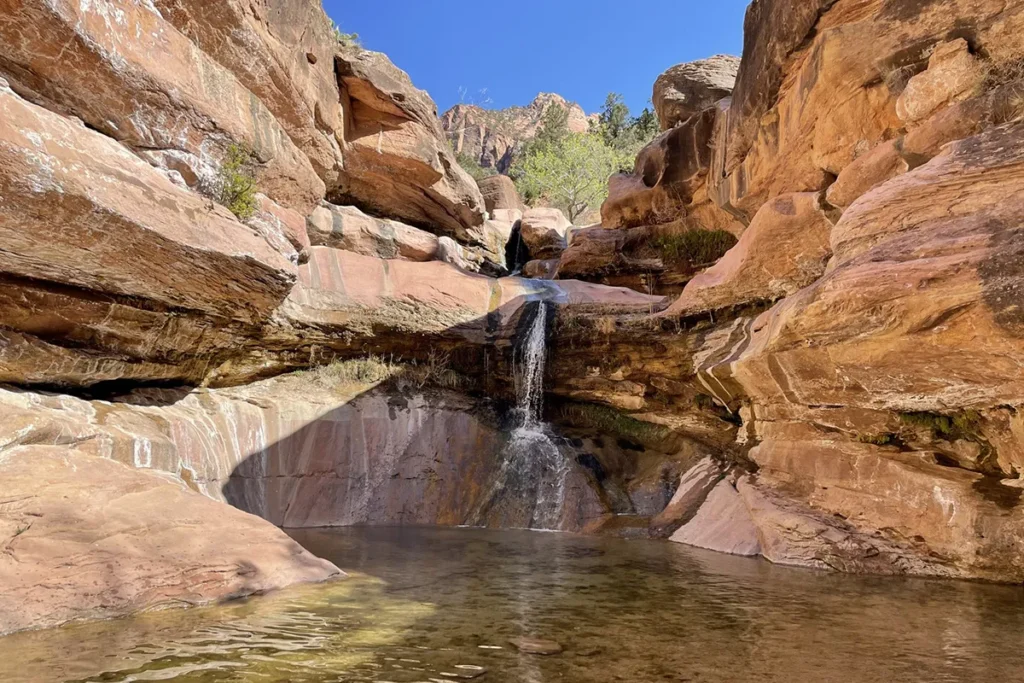
If you do only one outdoor activity in Livingston, make it Pine Creek Falls. The trailhead sits about 10 miles south of town in Paradise Valley, and the hike itself is 3.2 miles out and back with roughly 460 feet of elevation gain — manageable for most fitness levels in about 90 minutes round-trip.
The payoff is a 100-foot, multi-tiered waterfall that looks wildly out of proportion to the effort it took to reach it.
The trail winds through lodgepole pine forest alongside Pine Creek the entire way, so there’s plenty of shade and the sound of rushing water keeps you company.
The first time I hiked it, I hit the trail at 8 a.m. on a weekday in mid-July and had the lower section almost entirely to myself. Come later in the day on a summer weekend and you’ll be sharing the trail with everyone staying within 60 miles — it’s that popular. Go early.
One thing competitors don’t mention: if you cross the bridge at the base of the falls, there’s a second, smaller waterfall just beyond it that most casual hikers skip entirely. It takes about three more minutes and it’s genuinely beautiful.
Ambitious hikers: Pine Creek Falls is only the beginning. Keep going past the falls and the trail turns steep and serious, climbing 3,000 more feet over the next four miles to reach Pine Creek Lake — a glacial cirque lake at 9,200 feet. It’s an 11-mile round trip total, and the lake is stunningly remote. Bring bear spray regardless of which version you attempt.
Getting there: Drive south from Livingston on Hwy 89 toward Gardiner. Turn left on East River Road (Hwy 540), drive about 9 miles, then turn left onto Luccock Park Road at the Pine Creek Campground sign. The trailhead is at the far end of the campground. Allow extra time for the narrow, winding access road.
Best season: July through September. Muddy and potentially dangerous in snow. Water flow is highest and most dramatic in late May and June.
2. Stroll Sacajawea Park Along the Yellowstone River — FREE
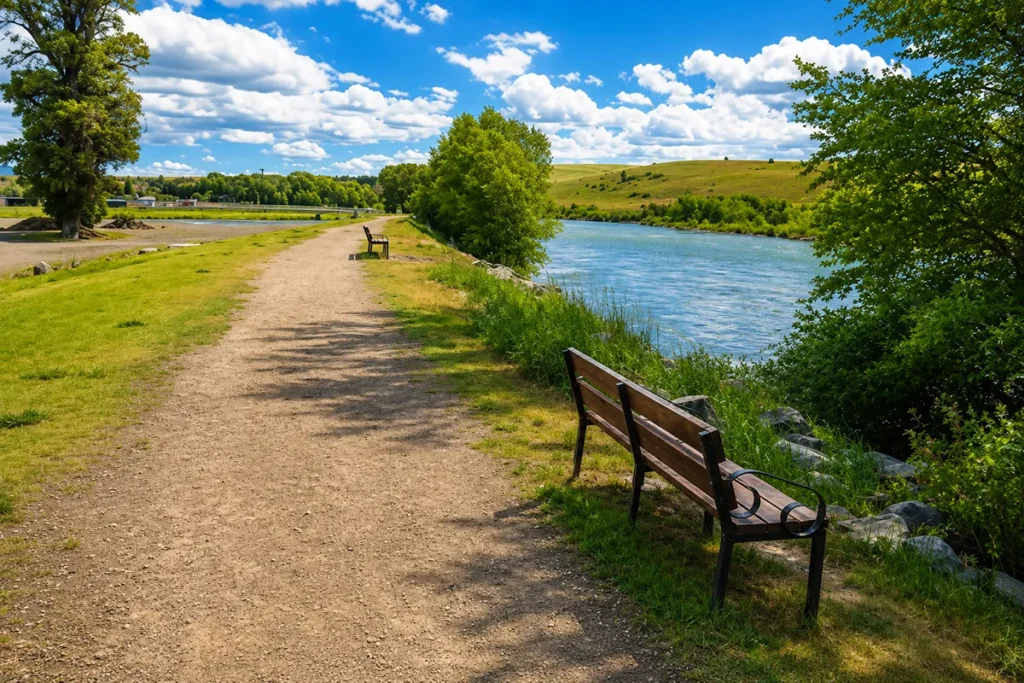
Sacajawea Park is Livingston’s community park on the banks of the Yellowstone River and it’s genuinely beautiful in a way that municipal parks rarely are.
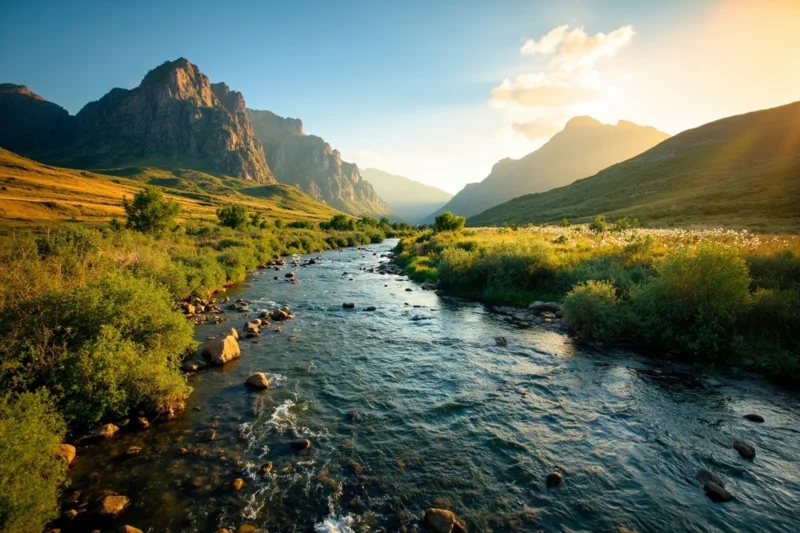
Stand at the river’s edge and you’ve got the full Absaroka Range rising directly in front of you, with the pointed summit of Livingston Peak anchoring the view to the south.
I’ve stood in this exact spot watching osprey dive into the Yellowstone and thought: this is a better view than most people pay $200/night to see.
The park has a playground (great for kids), wide riverside paths for walking or running, and multiple spots to sit right at the waterline.
The Livingston Farmers Market sets up here every Wednesday from June through September, which transforms the park into a genuinely excellent community gathering with live music, local produce, craft beer, baked goods, and locally made art.
Practical note: Water levels on the Yellowstone fluctuate significantly by season. Late spring can see fast, high, muddy flows from snowmelt. By August the river calms considerably, making it much more inviting for families.
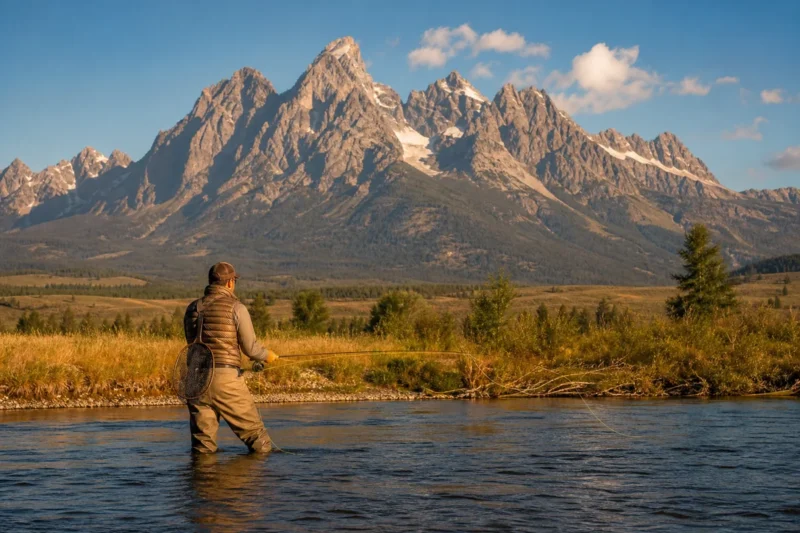
3. Fly Fish the Yellowstone River and Paradise Valley Spring Creeks
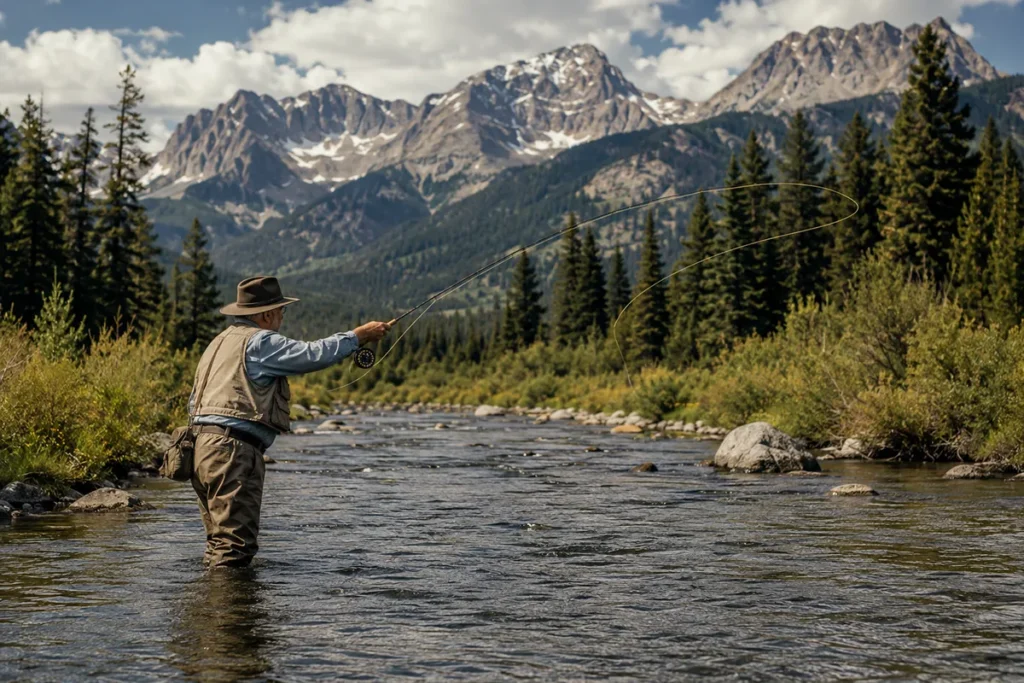
Livingston is arguably Montana’s fly fishing capital, and that’s not hyperbole. The Yellowstone River runs right through town — one of the last undammed stretches of major river in the lower 48 — and the Paradise Valley section south of town is world-famous for its trout populations.
Brown and rainbow trout are the primary targets, and hatches here are prolific and predictable from late May through October.
For gear, equipment, and local knowledge, Dan Bailey’s Fly Shop on Second Street is the standard. John Bailey’s father Dan founded the shop in 1938 and it’s been the hub of Livingston’s fly fishing culture ever since. (Film history note: John Bailey was the guy hiding behind a rock in A River Runs Through It, pulling the fishing line to simulate a fighting trout while Brad Pitt played out the scene.)
DePuy Spring Creek is the step-up experience for serious anglers. Located about 5 miles south of town on Hwy 89, this privately managed 2.8-mile spring creek flows with wild brown, cutthroat, and rainbow trout against an Absaroka mountain backdrop that looks almost theatrical.
It’s one of the most technically demanding dry-fly fisheries in Montana — thin tippet, precise presentations, and fish that have seen every pattern in the book. Access is fee-based [verify current daily rod fee], and reservations are strongly recommended.
Average trout run 12–16 inches, but 20+ inch fish are legitimate possibilities. Even novices catch fish here with a guide.
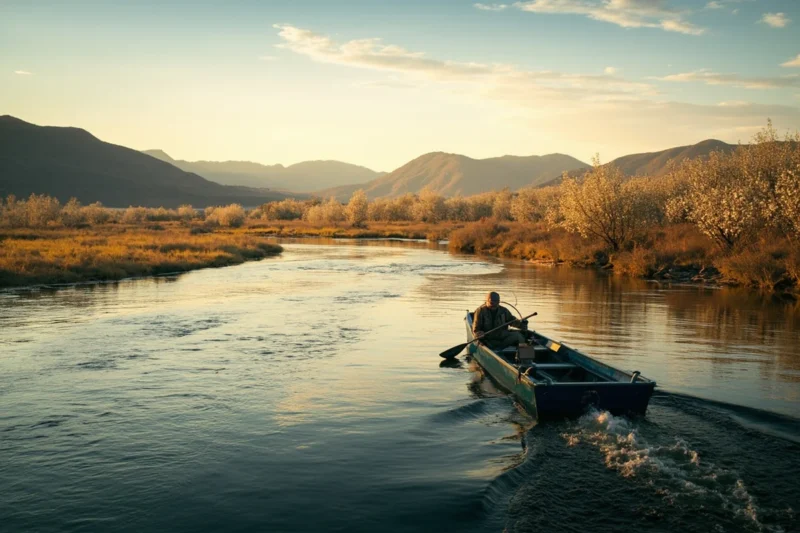
Float fishing: For the most rewarding experience on the river itself, floating from access point to access point is the local standard. Outfitters like Yellowstone River Outfitters and Rubber Ducky River Rentals handle everything from guided float trips to simple raft rentals for experienced boaters. The views from the water through Paradise Valley — with Emigrant Peak rising to the east — are among the best in Montana.
4. Raft or Float the Yellowstone Through Paradise Valley
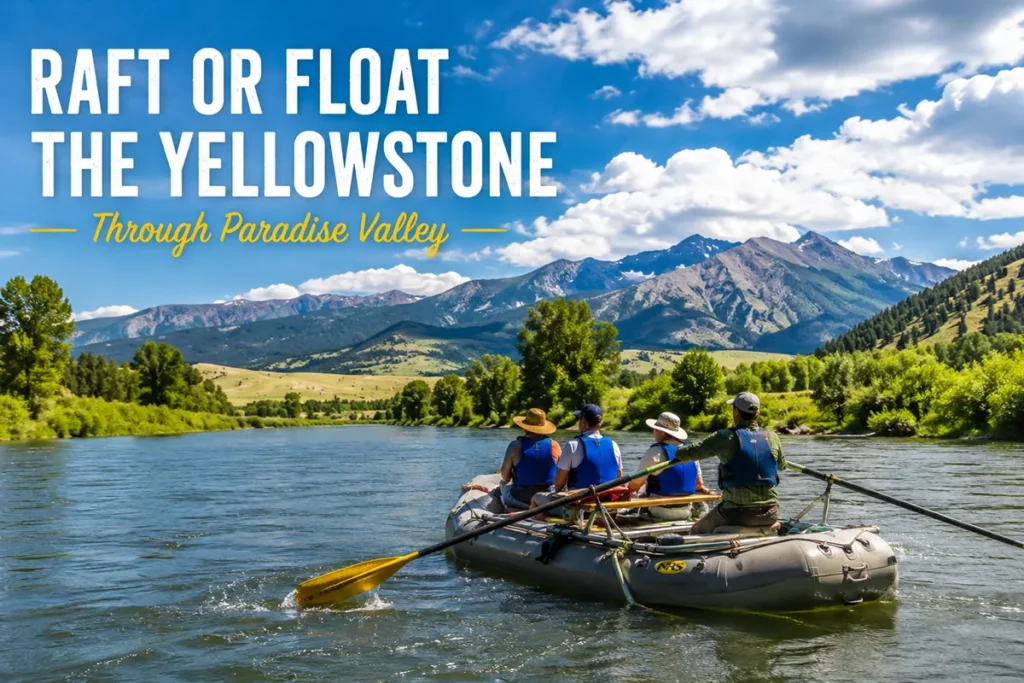
You don’t have to have a fly rod in your hand to enjoy time on the Yellowstone. A summer float through Paradise Valley — with the Absaroka Mountains on one side and the Gallatin Range on the other, osprey working the shallows, and the occasional bald eagle overhead — is one of those experiences that makes you understand why people move to Montana and never leave.
Multiple put-in and take-out points along the river let you customize the length of your float. The stretch from Carter’s Bridge south to Mayor’s Landing is a particularly scenic option. If you’re going self-guided, Rubber Ducky River Rentals handles shuttles and equipment.
If you want a guided experience with interpretation of the river, local ecology, and wildlife, Paradise Scenic River Tours gets consistently strong reviews from visitors new to the river.
Best season: Summer through early fall. The river runs fast and cold in May–June; by July it mellows out significantly for a safer, more relaxed float. Always check river levels before launching — the Yellowstone can spike quickly after storms in the mountains.
5. Hike Palisade Falls (A Less-Crowded Alternative)
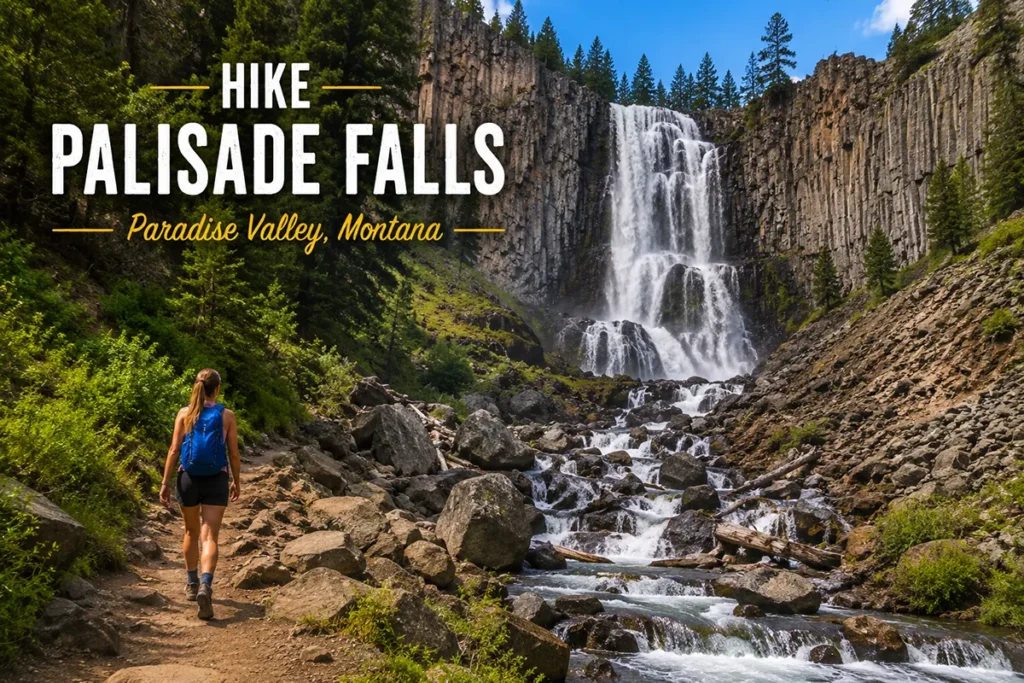
Not every visitor mentions this one, but I’ve heard enough people come back from Pine Creek Falls and say “Palisade Falls was actually my favorite” that it deserves its own entry.
Palisade Falls is located near Bozeman — technically a short drive from Livingston but easily combined into a Paradise Valley day — and offers a different vibe: a basalt-framed waterfall that feels dramatic and powerful year-round.
The trail is shorter than Pine Creek Falls (roughly 1.4 miles round trip) and generally less crowded. If you’re traveling with young kids or want a quicker payoff, this is worth considering as an alternative.
History & Culture
6. Tour the Livingston Depot Center
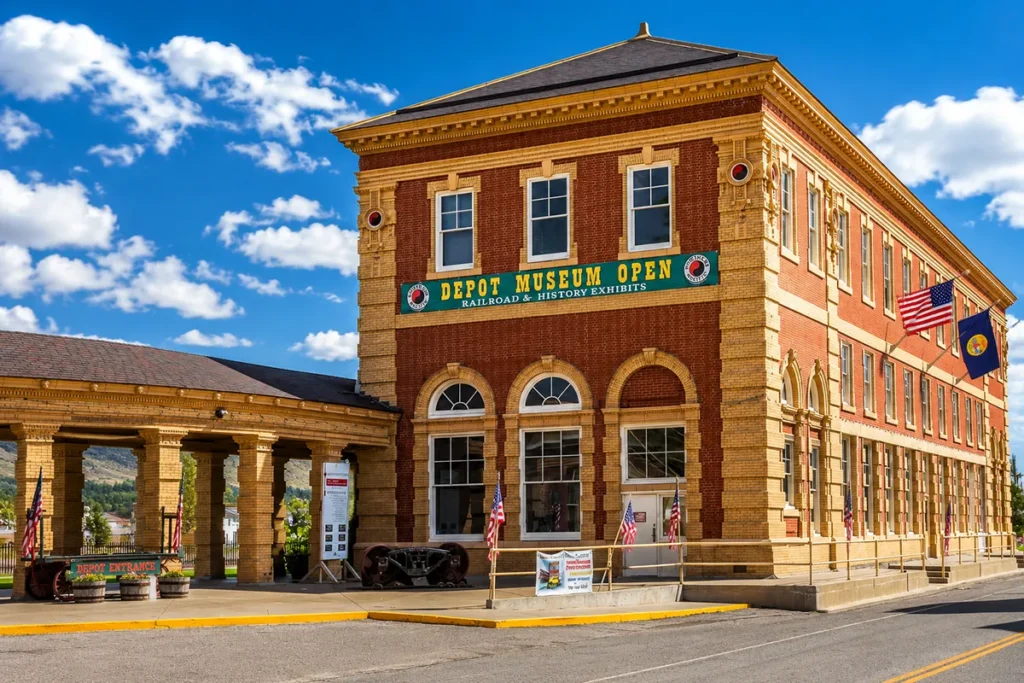
The Livingston Depot isn’t just a museum — it’s a legitimately stunning piece of architecture that most people drive past without realizing what they’re looking at.
Built in 1902 as the Northern Pacific Railroad’s launching point for Yellowstone National Park, it was designed by the same architectural firm responsible for New York’s Grand Central Terminal.
The Italianate red-and-yellow brick building cost $75,000 to construct at the time — an enormous investment in a small Montana railroad town.
Today it operates as both a community center and a seasonal museum. Current exhibits include Rails Across the Rockies (railroad history through the region), Remarkable Migrations (wildlife patterns), and rotating film and photography exhibits.
The Film in Montana exhibit is particularly interesting for anyone curious about Livingston’s unexpected Hollywood connections — there’s a Model T Ford used in A River Runs Through It among the memorabilia.
Hours & access: Open mid-May through mid-September [verify current hours and entry fee]. The courtyard hosts outdoor concerts and events throughout the summer — if your visit aligns with one, check the schedule before you go.
7. Explore the Yellowstone Gateway Museum — FREE (suggested donation)
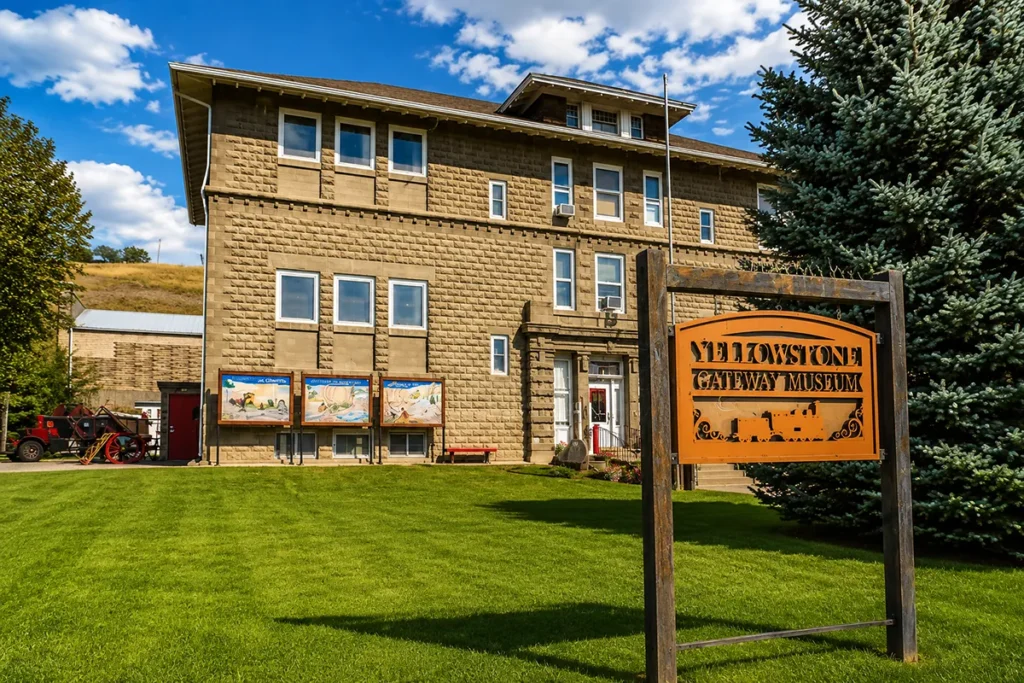
Tucked into an older building on Chinatown Street, the Yellowstone Gateway Museum covers serious ground: Lewis and Clark’s 1806 passage through the area (William Clark crossed the Yellowstone River here on his return journey), the deep pre-contact history of the Crow, Blackfeet, and Shoshone peoples who used this valley for thousands of years, and the explosive growth of the railroad town in the 1880s.
The Native Culture Room is one of the more respectful and substantive museum treatments of Plains Indian material culture I’ve seen in a small Montana institution.
The Lewis and Clark connection here is specific and meaningful: Clark’s party camped near present-day Livingston in late July 1806, and his journals contain detailed observations of the area’s game and geography that historians still reference. This museum makes that moment concrete rather than abstract.
Practical note: This museum rewards slow visitors. Budget at least an hour if history genuinely interests you. The research library is accessible for genealogical and historical deep-dives by appointment.
8. Visit the International Fly Fishing Museum — FREE
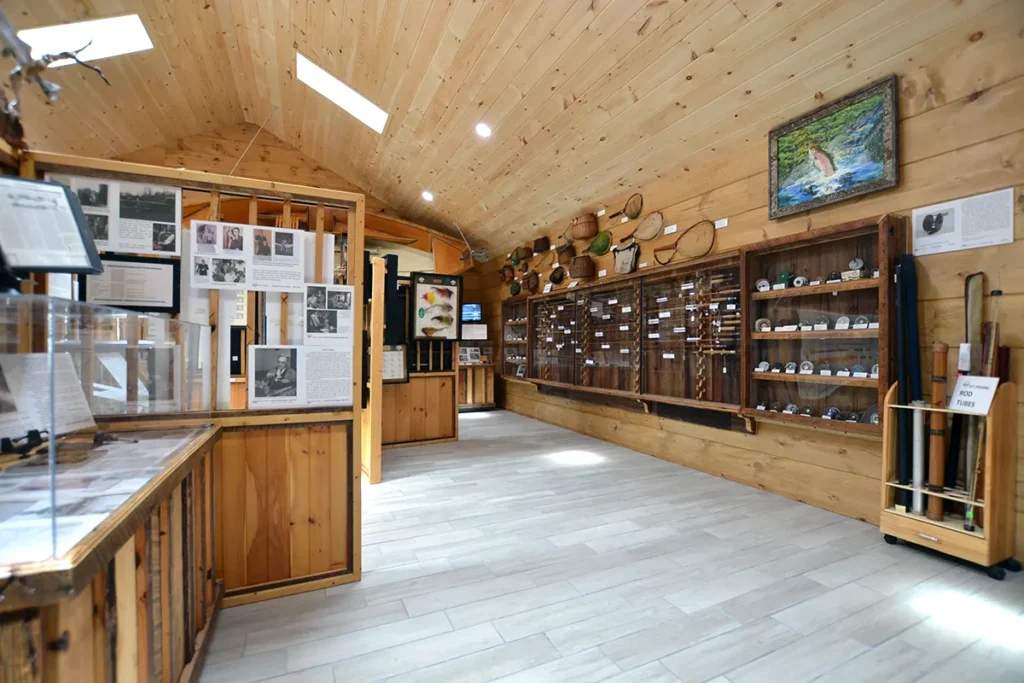
This one gets glossed over in most “things to do” roundups, which is a mistake. The International Fly Fishing Center is essentially a museum of fly fishing as art form, sport, and cultural phenomenon.
It holds a collection of over 10,000 individually tied flies — patterns from across history and the world — alongside rods, reels, artwork, and photography documenting the sport’s evolution.
It sits along the Lewis and Clark National Historic Trail designation, which adds a layer of context about why this specific river and valley became synonymous with trout fishing in the American imagination.
If you’re a fly fisher, this is a must. If you’re not, it’s still a fascinating window into the level of craft, obsession, and beauty that the sport inspires.
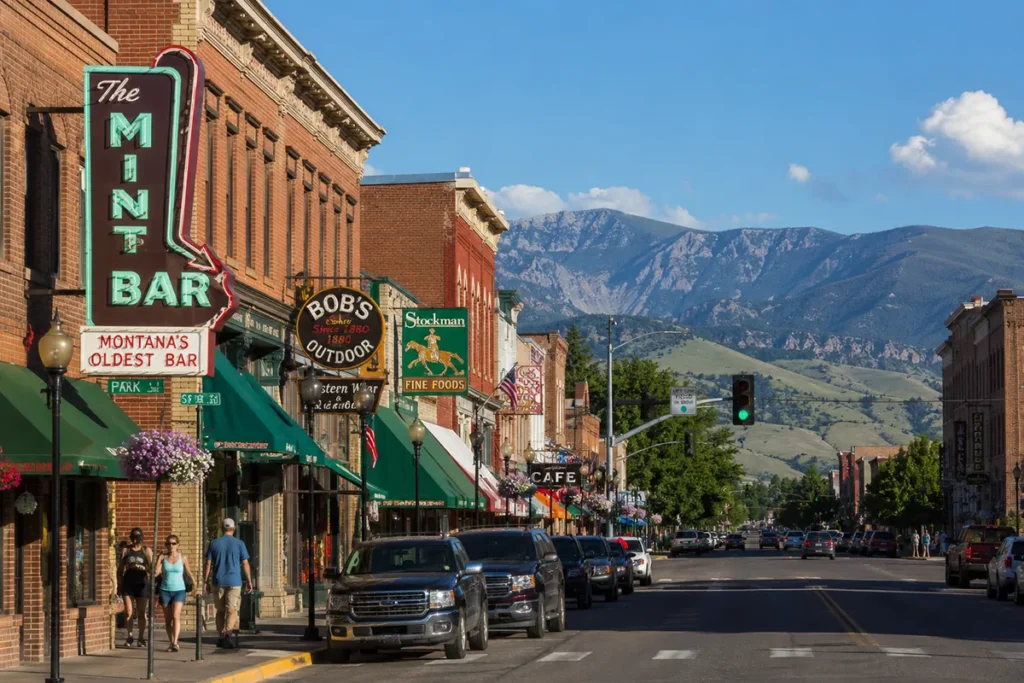
9. Walk the Historic Downtown and Soak in the Neon — FREE
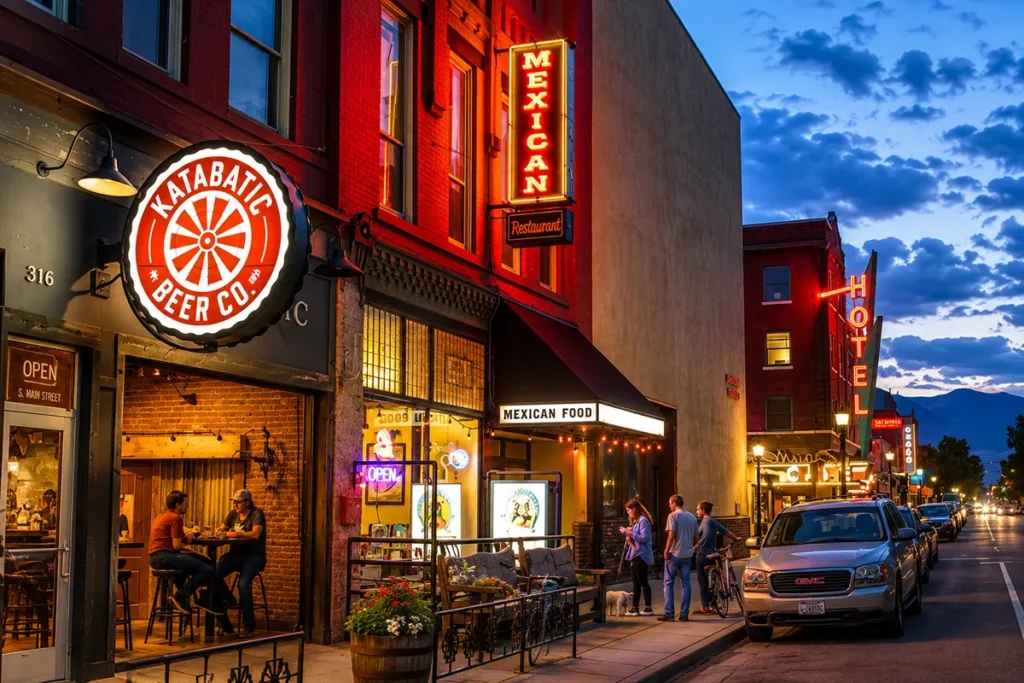
Livingston’s main commercial street is officially called Park Street but most locals say “downtown” or “Main Street.”
Walk it any time of day and you’ll see what makes this town different: Western wear shops and fly fishing outfitters sit next to upscale boutiques and art galleries; a 130-year-old dive bar shares a block with a farm-to-table restaurant; and the whole corridor is still lit at night by one of the most intact collections of vintage neon signs in Montana.
Watching those signs blink to life at dusk — the Murray Hotel, the Owl Lounge, the Mint Bar, the old movie theater — is genuinely one of the more transportive experiences in small-town Montana. Bring a camera.
While you’re walking, look up at the Murray Hotel building itself. Open since 1904, it’s had a guest list that includes Calamity Jane (who lived in Livingston for roughly two decades — a fact that shockingly few guides mention), Whoopi Goldberg, Anthony Bourdain, the Queen of Denmark, and filmmaker Sam Peckinpah, who once had a permanent suite here and whose bullet holes the current owners had to plaster over. The hotel is as much a museum as it is a lodging option.
Hidden detail: Look for the Murray Bar Flies wall inside the Murray Bar — a dedicated installation of fly fishing photos, stories, and artifacts from the local guiding community. It’s free to walk in, look around, and have a pint.
Food, Drink & Entertainment
10. Hit Both Local Breweries — Moderate Cost
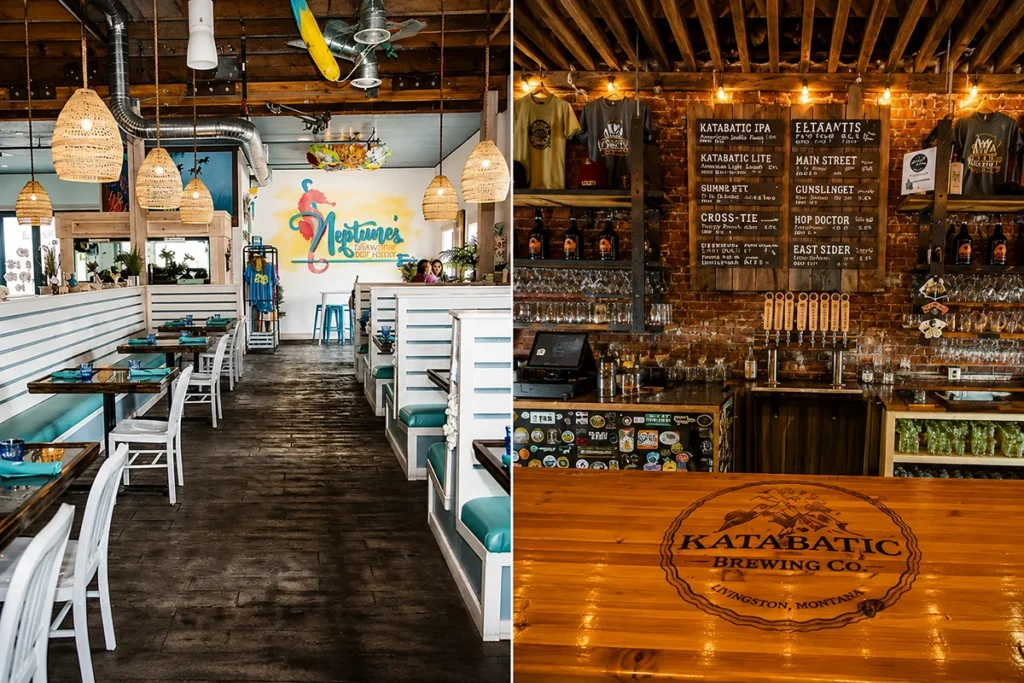
For a town of 8,000, Livingston has an embarrassment of craft beer riches. Two breweries within easy walking distance of each other, and both worth your time:
Katabatic Brewing Company (named for the downslope winds that define Livingston’s climate) is on Park Street and makes a clean, well-balanced lineup of ales and lagers.
The outdoor patio gets lively on summer evenings, and the food menu is more serious than most taprooms. On a warm night with the mountains in the background, it’s hard to leave.
Neptune’s Brewery has a slightly different vibe — more laid-back, with a great aquarium bar setup and a large outdoor seating area. Neptune’s Taphouse is the sister restaurant next door, which does something genuinely unexpected for this part of Montana: sushi.
The rooftop deck has good views and good cocktails. If you’re only doing one brewery, I’d send you to Katabatic for the beer and Neptune’s Taphouse for the full evening experience.
11. Eat at Marks In & Out — Budget-Friendly
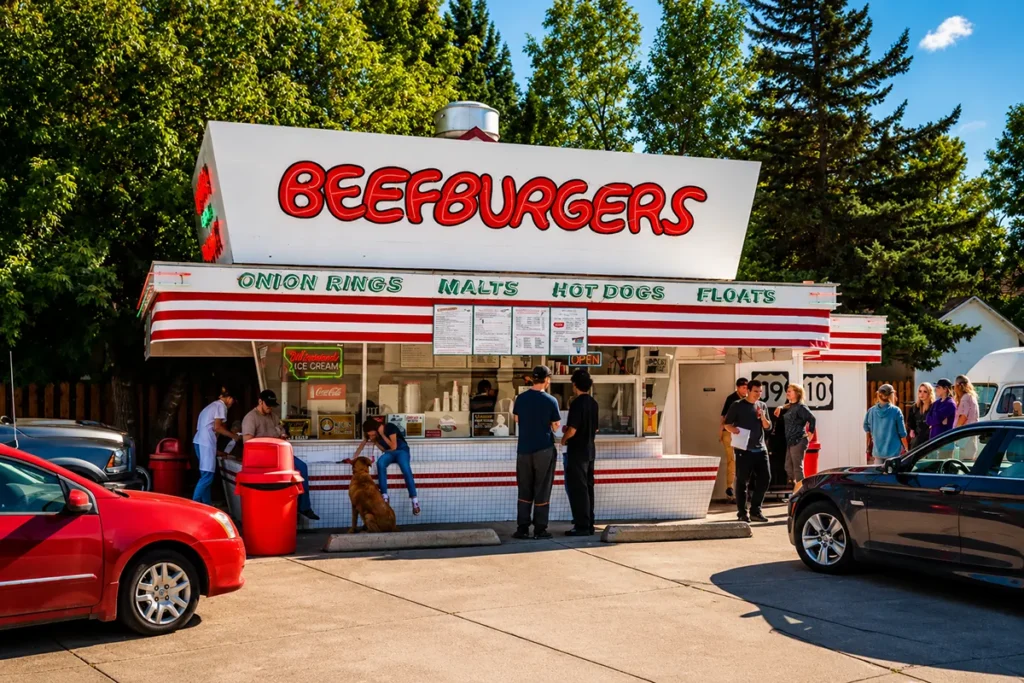
This one’s non-negotiable. Marks In & Out has been serving burgers from the same location since 1954. It’s a retro drive-up window (no indoor seating) with a line out front almost any time it’s open.
The burgers are made with Montana beef, the fries are hot and salty, and the whole experience costs less than $15.
If you’re passing through Livingston on a road trip and only have 20 minutes, this is where you spend it.
The line is the line — don’t fight it. It moves faster than it looks.
12. The Murray Bar for Live Music and History — FREE to enter
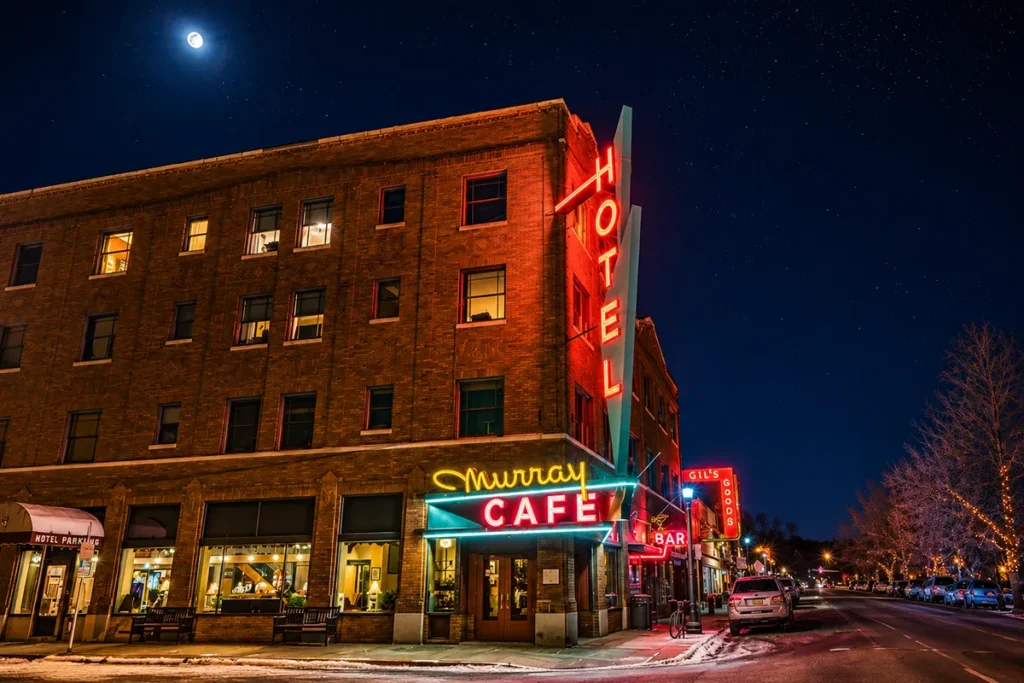
The Murray Bar is Livingston’s most storied watering hole and it earns the reputation. Housed in the historic Murray Hotel on Park Street, it’s a genuine dive bar that happens to also be elegant, which is a very specific and very Montana thing to pull off.
On weekends it fills up with a mix of locals, visiting anglers, and the occasional celebrity who wandered over from wherever they’ve rented a property in Paradise Valley.
The live music calendar is worth checking before your visit — local bands play regularly and the quality is consistently above average.
When Robert Redford was filming in Paradise Valley, this was reportedly where he ended most evenings. Whether that’s entirely true or partly myth, the bar does nothing to discourage the story.
13. Attend the Livingston Farmers Market (Wednesdays, June–September) — FREE
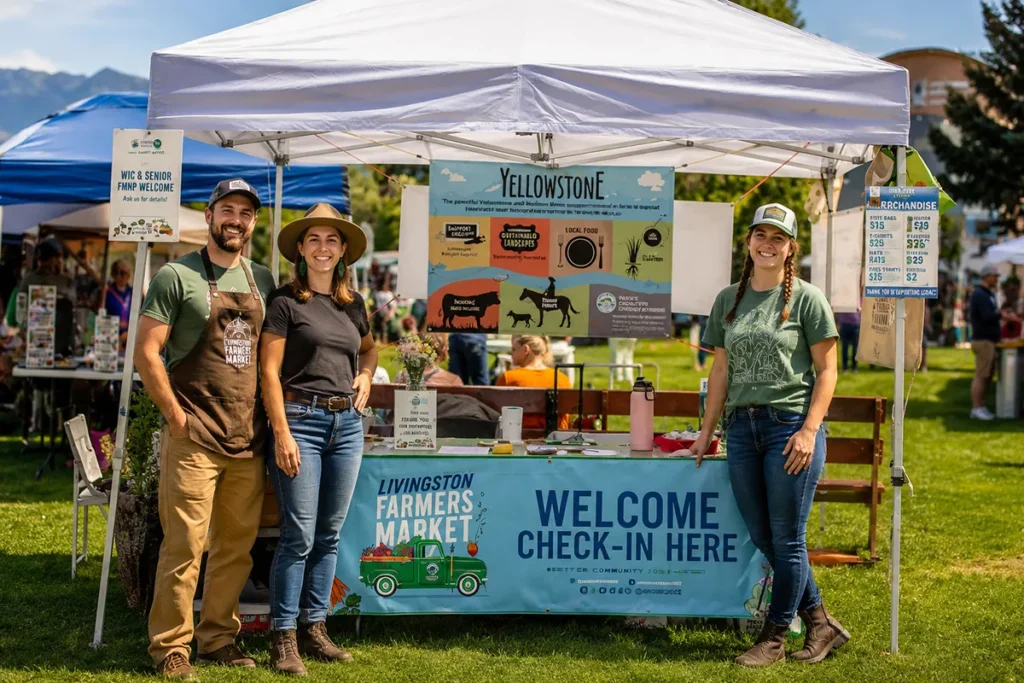
Every Wednesday from June through September, the banks of the Yellowstone River at Sacajawea Park come alive with vendors selling fresh local produce, Montana-made goods, craft beer, baked goods from the Livingston Community Bakery, and hand-crafted art.
Live music runs throughout and there’s usually something happening that draws the whole community together.
This is genuinely the best version of itself on a warm June evening when the mountains are still snowcapped and the farmers are just getting their summer crops rolling. Go hungry.
Events & Seasonal Highlights
14. The Livingston Roundup Rodeo (July 1–4) — Ticketed
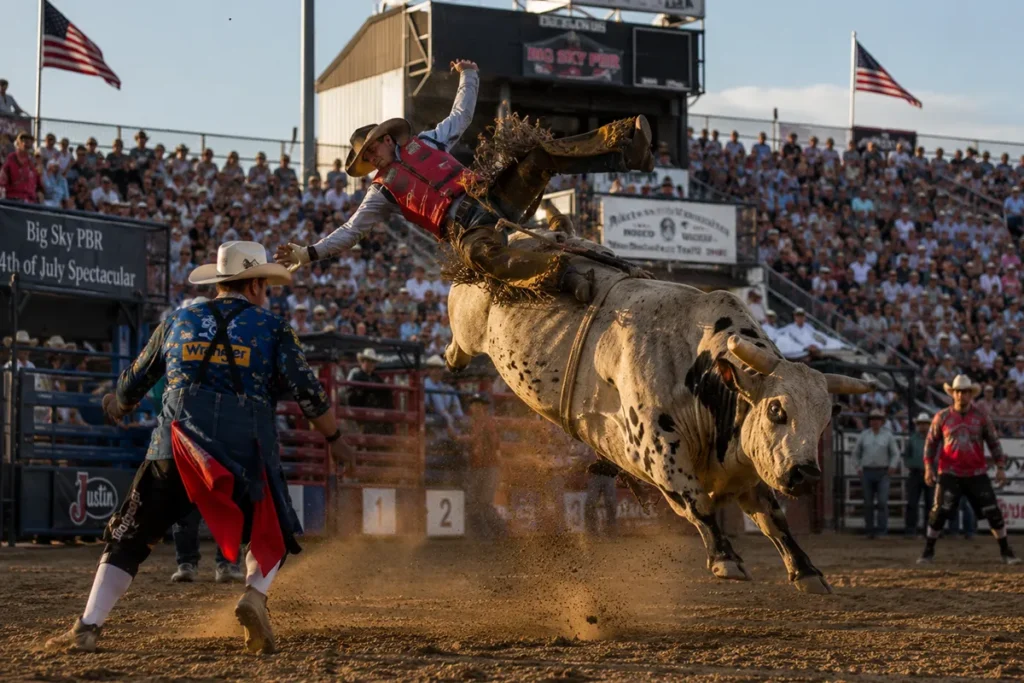
The Livingston Roundup has been running continuously since 1924, making it Montana’s oldest PRCA-sanctioned rodeo.
It runs four nights every year from July 1 through July 4 at the Park County Fairgrounds and draws a serious caliber of professional competitors — bull riders, barrel racers, saddle bronc riders, steer wrestlers — many of whom are competing on the broader Cowboy Christmas circuit and positioning themselves for the National Finals Rodeo in December.
What separates the Livingston Roundup from your average small-town rodeo: nightly fireworks after every performance, an 100-year track record of producing top-tier competition, and a genuinely electric crowd that’s equal parts local ranchers, visiting tourists, and rodeo professionals. The fairgrounds are small enough that every seat is close to the action.
Practical notes: Buy tickets early — the event regularly sells out. [Verify current ticket pricing and purchase link at livingstonroundup.com.] Outside food, coolers, large bags, and dogs are not permitted inside the gates. Arrive early to find parking and get settled before the opening ceremonies.
This is also one of the best times to be in downtown Livingston generally — the week around July 4th brings the Depot Festival of the Arts, extra live music, and the highest energy the town sees all year.
15. The Depot Festival of the Arts (July 2–4) — FREE admission
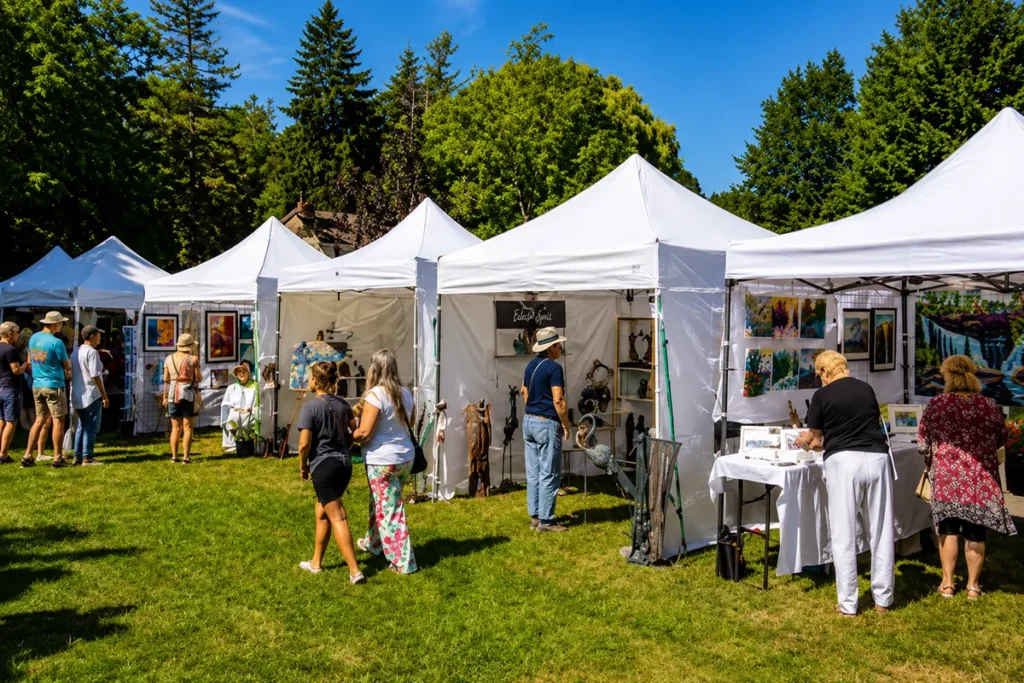
Running concurrently with the Roundup Rodeo, the Depot Festival of the Arts at the Livingston Depot Center is a three-day juried art show featuring fine artists, artisans, and craftspeople from Montana and the broader western region.
Expect oil paintings, photography, woodwork, ceramics, jewelry, metalwork, apparel, and handmade items ranging from genuinely decorative to genuinely useful.
It’s one of the better small-town art fairs in Montana, and the Depot courtyard provides a setting that makes everything look better than it already does.
Shopping, Galleries & Bookshops
16. Browse the Art Galleries on Park Street — FREE to browse
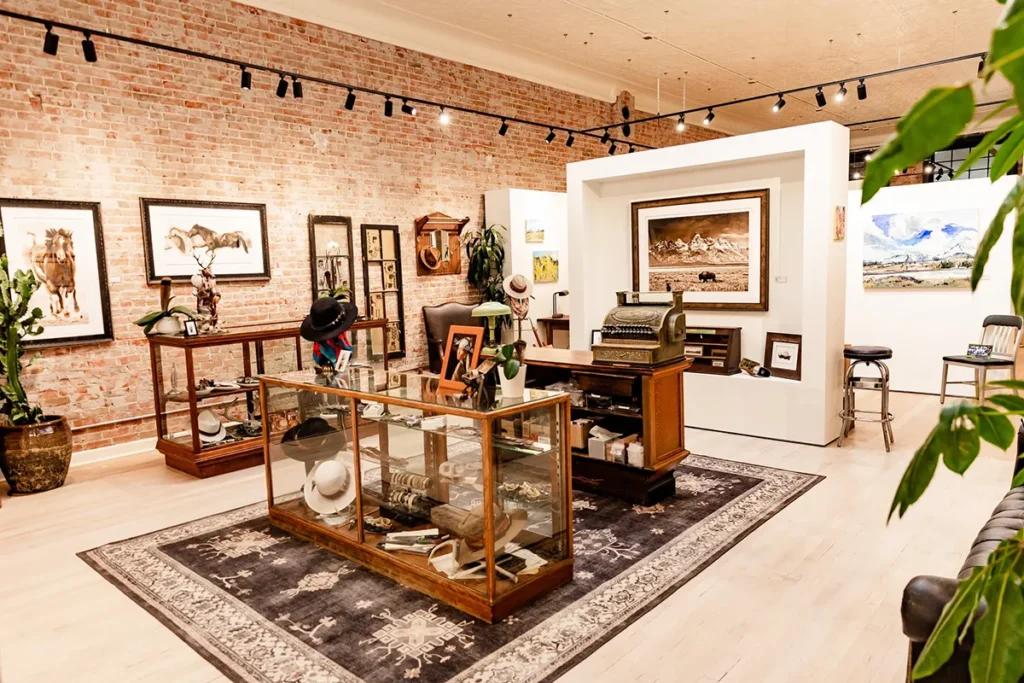
Livingston has more art galleries per capita than almost any comparably-sized city in Montana, and the quality is high enough that several have national reputations. A few worth seeking out:
Parks Reece Gallery — Surreal nature paintings from one of Montana’s most distinctive working artists. The work is recognizably Montana but filtered through an imaginative, almost psychedelic lens.
Visions West Contemporary — Probably the most broadly known gallery in town. Specializes in Western narratives, nature, and the evolving story of the American West. Major artists from across the region show here regularly.
10 Gallery — A smaller, rotating space highlighting local and emerging Montana artists.
Cactus Blossom Collective — Handcrafted vintage goods and locally made objects. A good spot for actual souvenirs that aren’t made in China.
Allow at least an hour to work your way through the Park Street gallery circuit. Nobody will pressure you to buy anything.
17. Elk River Books — FREE to browse
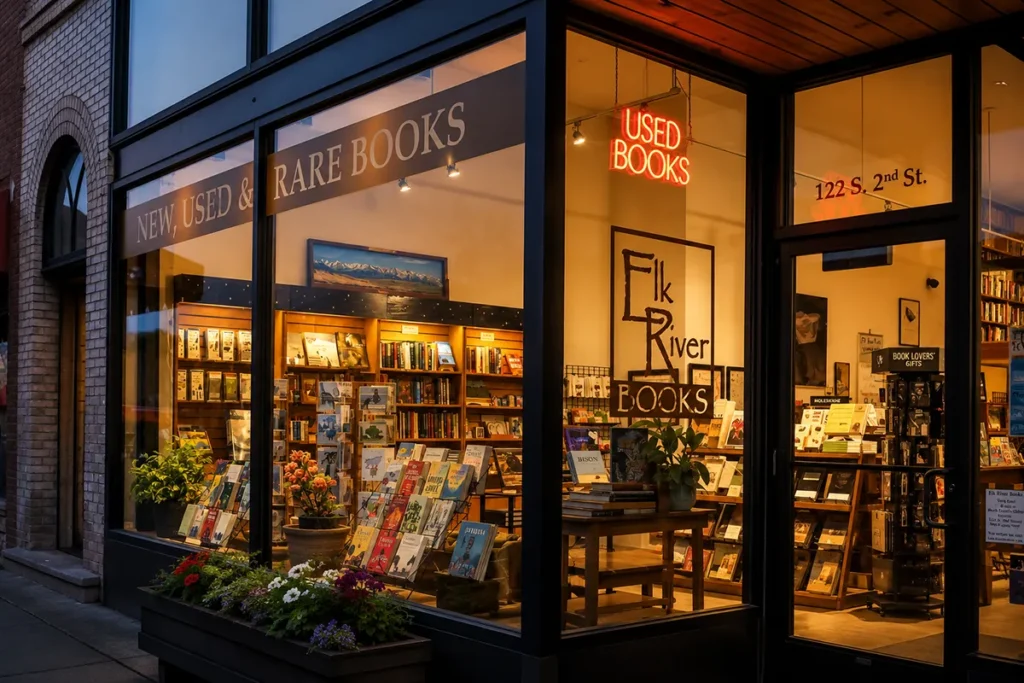
An independent bookshop in a railroad town with a literary history — Livingston has been home to a disproportionate number of serious writers over the decades — is almost too fitting.
Elk River Books carries a strong regional fiction and nonfiction section, serious fly fishing and outdoor titles, and the kind of curated general selection that exists only in shops where the owners actually read.
If you have any interest in Montana literature or want to find a travel read for the next leg of your road trip, stop in.
Day Trip: Chico Hot Springs (22 Miles South)
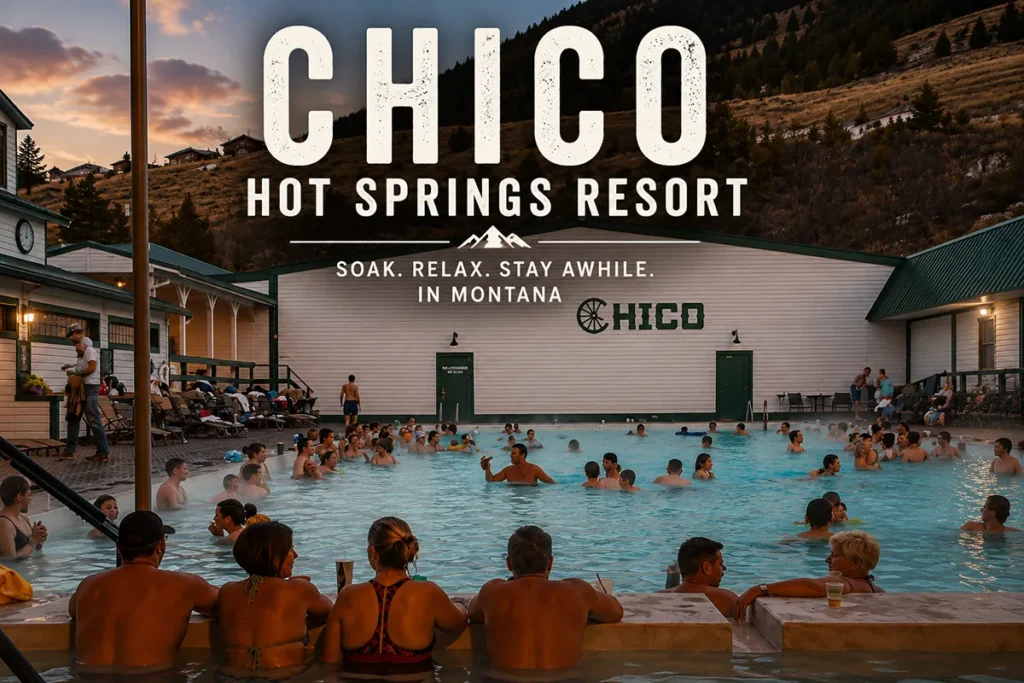
No list of Livingston things to do is complete without mentioning Chico Hot Springs, just 22 miles south.
The resort sits in the heart of Paradise Valley on a setting that borders on absurd — natural mineral pools, original 1900s resort buildings, a working saloon, and a dining room that’s been feeding celebrities, ranchers, and passing travelers for over a century.
Harrison Ford reportedly flies into the valley just to eat dinner here. Whether or not that’s literally true, the food is excellent by any standard.
You can visit Chico for a day soak without booking a room. Combine it with a float on the Yellowstone or a hike to Pine Creek Falls for a genuinely full and varied day out of Livingston.
Personal Tips: What I Wish I’d Known Before My First Visit
Pack a windbreaker. Actually, pack it at the top of your bag. Livingston is officially one of the windiest cities in the United States — recorded wind speeds here regularly hit 30–40 mph, and gusts can go well beyond that. The town sits at the mouth of the Paradise Valley, which essentially funnels cold air from the mountains directly through the downtown corridor. Locals are so used to it they barely notice. First-time visitors regularly get blindsided. A zip-up layer and a hat with a chin strap or brim that doesn’t fly off are non-negotiable in any season.
Go to Marks In & Out before anything else. You’ll thank me later.
Don’t treat Livingston as a one-night stop. The town reveals itself slowly. The first afternoon you explore the main street and eat well. The second morning you get on the river early and everything clicks. Two nights minimum to actually feel it.
Timing matters if you’re coming for the rodeo. July 1–4 is the highest-energy weekend of the year and the Roundup brings in significant crowds from across the region. Book lodging in advance — sometimes well in advance. The flip side is that early July is also when Paradise Valley is at its most vivid, the wildflowers are peaking, and everything is running at full tilt.
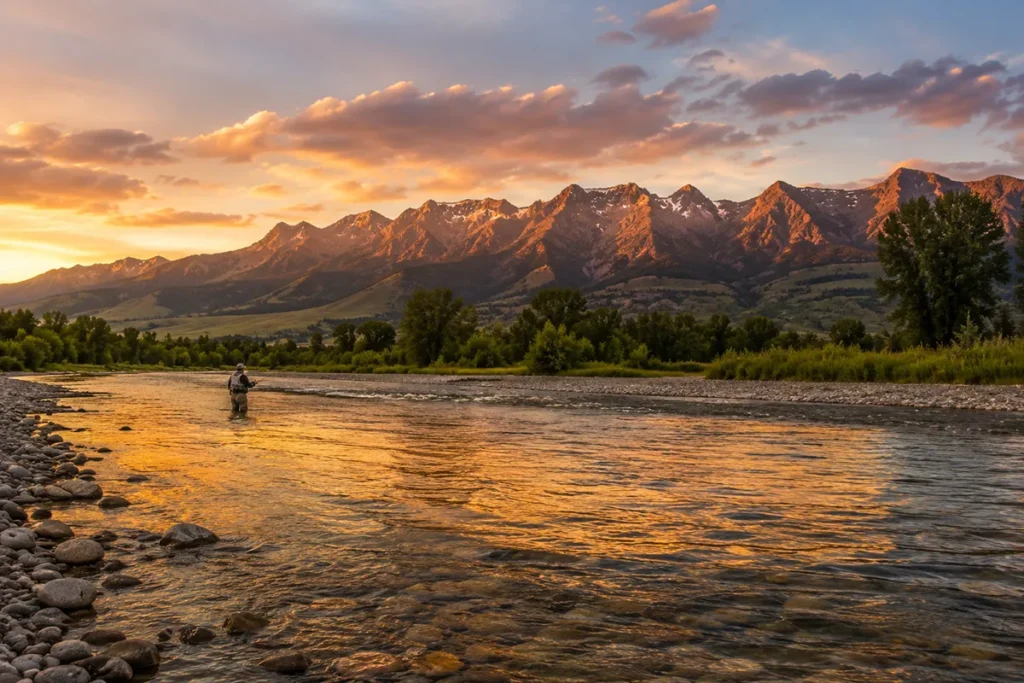
The wind that was harassing you all day? At sunset it tends to calm slightly, and the Absaroka Mountains catch alpenglow that turns the peaks pink-orange-gold in a way that makes you forgive every gust. Be somewhere with a western view — even just the end of Park Street — around 8 p.m. on a clear evening.
Always carry bear spray when hiking out of town. Brown bears have been spotted on the Pine Creek trail. This is not theoretical wildlife safety advice — it’s the practical reality of hiking in the Absaroka-Beartooth corridor. Brush up on grizzly bear safety in Montana before heading into the backcountry.
Practical Information
| Detail | Info |
|---|---|
| Location | Park County, southwest Montana; 30 min east of Bozeman on I-90 |
| Distance to Yellowstone (North Entrance via Gardiner) | ~56 miles, approx. 55 min |
| Distance to Bozeman | ~26 miles, approx. 30 min |
| Nearest Airport | Bozeman Yellowstone International (BZN), ~40 miles |
| Best Season | June–September for outdoor activities; July 1–4 for Roundup Rodeo |
| Year-Round Activities | Downtown walk, Murray Bar, Katabatic Brewing, fly fishing (with appropriate gear) |
| Bear Country? | Yes — carry bear spray on any trail in Paradise Valley |
| Wind Warning | Livingston is among the windiest cities in the US — always bring a windproof layer |
| Getting Around Town | Very walkable downtown; car needed for Pine Creek, DePuy, and Paradise Valley |
| Farmers Market | Wednesdays, June–September, Sacajawea Park |
| Livingston Roundup Rodeo | July 1–4 annually; Park County Fairgrounds; buy tickets early |
| Cell Service | Good in town; no service on Pine Creek Trail |
Explore More Montana Cities
Livingston is a great home base, but Montana rewards those who keep moving. If you’re building out a longer road trip itinerary — or just curious what other cities in the state have to offer — here are the Montana city guides we’ve written so far:
- Things to Do in Bozeman, Montana — Livingston’s closest neighbor and Montana’s fastest-growing city; great for restaurants, museums, and access to Gallatin Canyon.
- Things to Do in Livingston, Montana — The original Yellowstone gateway; a fly fishing capital with a surprising arts scene, vintage neon downtown, and the Absaroka Mountains as a backdrop.
- Things to Do in Whitefish, Montana — The gateway to Glacier National Park, with a vibrant downtown, ski resort access, and Whitefish Lake right at the edge of town.
- Things to Do in Kalispell, Montana — The commercial hub of the Flathead Valley, close to Glacier, Flathead Lake, and some of the best drives in the state.
- Things to Do in Bigfork, Montana — A small arts village on Flathead Lake that punches well above its size with galleries, theater, and excellent waterfront dining.
- Things to Do in Butte, Montana — One of Montana’s most historically layered cities; mining history, Victorian architecture, and a working-class grit that’s entirely its own.
- Things to Do in Helena, Montana — Montana’s capital is compact, walkable, and full of history — the state capitol, Last Chance Gulch, and the Cathedral of Saint Helena are all downtown.
- Things to Do in Dillon, Montana — A quiet southwestern Montana town with serious fishing access, the Beaverhead River, and a relaxed pace that feels miles from the tourist trail.
- Things to Do in Polebridge, Montana — Glacier’s remote northwest corner; no cell service, no electricity grid, a legendary bakery, and some of the most untouched backcountry in the park.
- Things to Do in Miles City, Montana — Eastern Montana’s cowboy capital, home to the Bucking Horse Sale and a stretch of historic downtown that hasn’t changed much since the cattle drives.
- Libby, Montana Guide — A timber town in the far northwest corner of the state, tucked along the Kootenai River with Kootenai Falls and Cabinet Mountains Wilderness on its doorstep.
Final Thoughts
Livingston is one of those Montana towns that rewards people who slow down for it. It’s not trying to be Bozeman and it’s not trying to be a theme-park version of the West.
It’s just itself — a railroad town that became a fly fishing capital and a film location and an artist colony, all while staying genuinely, stubbornly Montanan.
Come for the river. Stay for the neon. Go home with a book from Elk River and a cooler full of leftovers from Marks In & Out.
If you found this helpful, pin it for your planning — and drop your questions in the comments. I check them regularly and genuinely love hearing what other people discover in the places I write about.
Frequently Asked Questions
Is Livingston Montana worth visiting?
Yes — Livingston is one of the most genuinely interesting small towns in Montana, with history, outdoor access, restaurants, and cultural depth that far exceed what its population would suggest. Even a half-day stop reveals layers that most comparable towns don’t have.
What is Livingston Montana known for?
Livingston is known as the original gateway to Yellowstone National Park, as a world-class fly fishing destination on the Yellowstone River, as a filming location for A River Runs Through It, and as a surprisingly vibrant arts town with galleries, live music, and a strong literary tradition.
How windy is Livingston Montana?
Very. Livingston regularly appears among the windiest cities in the United States due to its position at the mouth of Paradise Valley, which channels mountain air directly through town. Average wind speeds routinely hit 20–30 mph; gusts above 50 mph are not uncommon. Always bring a windproof jacket.
Is Livingston Montana close to Yellowstone National Park?
The Gardiner entrance to Yellowstone National Park is approximately 56 miles south of Livingston — about a 55-minute drive. This makes Livingston an excellent base for Yellowstone day trips, particularly for accessing the northern sections of the park including Mammoth Hot Springs and Lamar Valley.
Is there good fly fishing in Livingston Montana?
Some of the best in the country. The Yellowstone River runs through town and the surrounding Paradise Valley offers both river float fishing and private spring creek access (DePuy Spring Creek, Armstrong Spring Creek). Dan Bailey’s Fly Shop on Second Street has been outfitting anglers here since 1938.
What are free things to do in Livingston Montana?
The top free activities include: walking Sacajawea Park along the Yellowstone River, hiking Pine Creek Falls, walking the historic downtown and visiting art galleries, browsing Elk River Books, attending the Wednesday Farmers Market in summer, and watching the neon signs on Park Street come alive at dusk.