You are currently viewing Salamander Falls Montana: Ultimate Guide to Hiking, Camping, and Wildlife

Salamander Falls Montana: Ultimate Guide to Hiking, Camping, and Wildlife

Have you ever dreamed of standing before a majestic waterfall, surrounded by pristine wilderness and breathtaking mountain vistas? Nestled within the rugged beauty of Glacier National Park, Salamander Falls offers just such an experience – and so much more.

This hidden gem in Montana’s crown jewel national park beckons adventurers, nature lovers, and photographers alike to discover its cascading waters and the wealth of outdoor activities that surround it.

From family-friendly nature walks to challenging backcountry treks, from tranquil lakeside paddling to thrilling wildlife encounters, the Many Glacier area surrounding Salamander Falls promises unforgettable experiences for visitors of all interests and abilities.

In this comprehensive guide, we’ll take you on a journey through the best hiking trails, camping spots, and scenic wonders near Salamander Falls, equipping you with essential knowledge to plan your perfect Montana adventure. Get ready to explore one of America’s most spectacular natural landscapes and create memories that will last a lifetime.

How to Get to Salamander Falls: Access Points and Directions

Salamander Falls remains one of Montana’s less crowded natural attractions partly due to its somewhat secluded location. However, with proper directions, reaching this cascading wonder is straightforward and well worth the journey.

From Nearby Towns

From Missoula (approximately 65 miles):
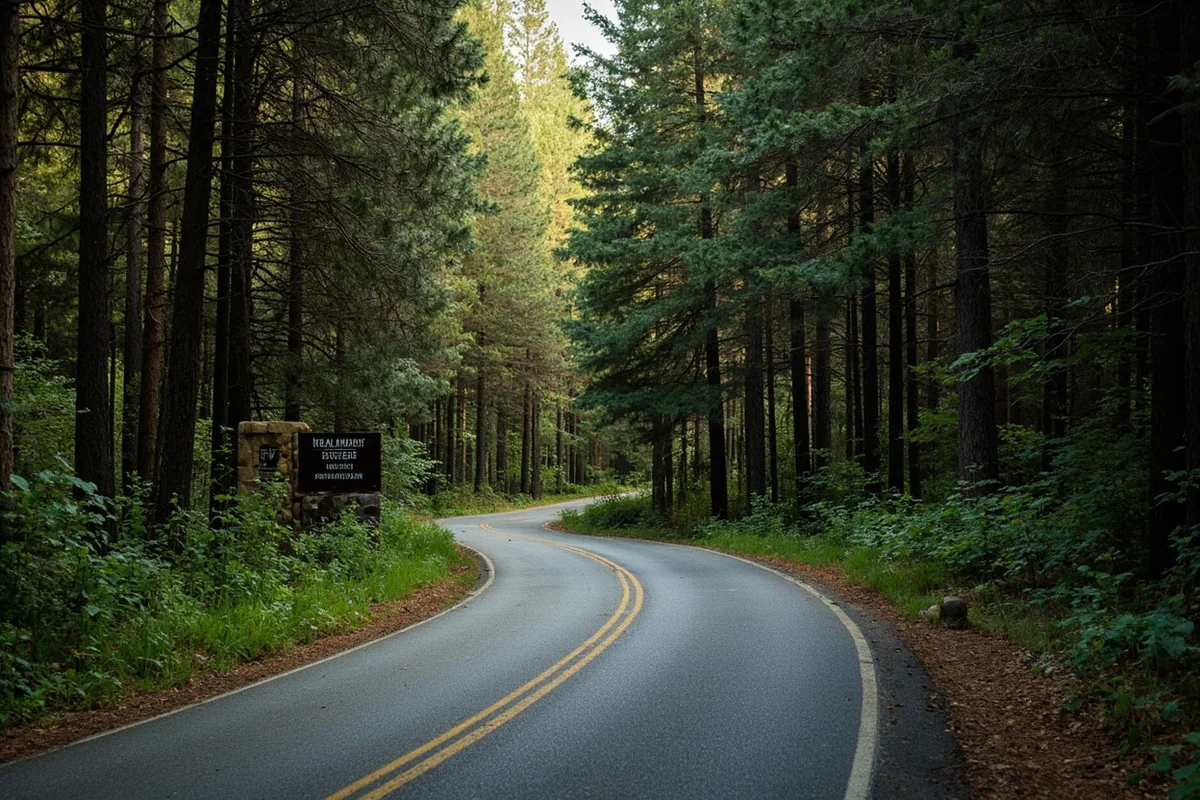
Take Highway 200 east for about 45 miles until you reach the small community of Clearwater. From there, turn north onto Forest Road 4381 and continue for 12 miles until you reach the Salamander Falls trailhead parking area. The road transitions from paved to gravel about halfway, so allow extra time during your journey.

From Helena (approximately 90 miles):
Head northwest on Highway 12 for about 60 miles, then turn onto Highway 200 westbound. Continue for approximately 20 miles until you reach the Clearwater Junction, then follow the same directions as from Missoula to Forest Road 4381.

From Kalispell (approximately 110 miles):
Travel south on Highway 83 through the Seeley-Swan Valley. After passing through Seeley Lake, continue south for about 15 miles until you intersect with Highway 200. Turn east and drive for approximately 5 miles, then turn north onto Forest Road 4381.

Parking Information

The Salamander Falls trailhead features a designated parking area that accommodates approximately 25 vehicles. During peak summer weekends (July-August), this lot can fill by mid-morning, so arriving early is recommended. There is no parking fee, but a Northwest Forest Pass or America the Beautiful Pass should be displayed in your vehicle.

A small overflow parking area located a quarter-mile before the main lot can accommodate an additional 8-10 vehicles. If both lots are full, avoid parking along the narrow forest road as this can block emergency access.

Best Access Points

Main Trailhead Access: The primary access point begins at the well-marked Salamander Falls trailhead parking area. This trail is 2.4 miles one-way with moderate elevation gain and is the most direct route to the falls.

North Ridge Access: For more experienced hikers, a secondary access point begins from the North Ridge Trailhead, located 3 miles further up Forest Road 4381. This route is more strenuous (3.8 miles one-way) but offers spectacular valley views before connecting with the main trail above the falls.

Clearwater River Route: During low water (late summer), experienced hikers can access the falls by following the Clearwater River upstream from the Lower Clearwater Campground. This unmaintained route requires river crossings and should only be attempted by those with backcountry experience.

Seasonal Road Conditions

Summer (June-September): Forest Road 4381 is typically fully accessible with standard vehicles, though the last 3 miles feature washboard conditions and occasional potholes.

Spring/Fall (April-May, October-November): Expect muddy conditions, especially after rain. A vehicle with higher clearance is recommended, though 4WD is generally not necessary.

Winter (December-March): The road is not maintained for winter travel. The last 5 miles are typically impassable due to snow. Winter visitors often park at the winter closure gate and snowshoe or cross-country ski the remaining distance (adding 5 miles each way to the journey).

GPS Coordinates and Digital Navigation

Salamander Falls Trailhead: 47.1523° N, 113.7865° W
Salamander Falls (actual location): 47.1687° N, 113.8042° W

Most GPS and mapping applications can navigate to “Salamander Falls Trailhead, Montana,” though cell service becomes spotty about 10 miles before reaching the trailhead. Downloading offline maps is highly recommended.

For those using physical maps, the falls are located in the Lolo National Forest on USGS Quadrangle “Salmon Lake.”

Remember that the journey to Explore Salamander Falls in Montana is part of the adventure. The remote setting ensures a more intimate experience with nature than many of the state’s more famous waterfalls, making the extra planning well worth the effort.

The Enchanting Salamander Falls: Nature’s Hidden Gem in Montana

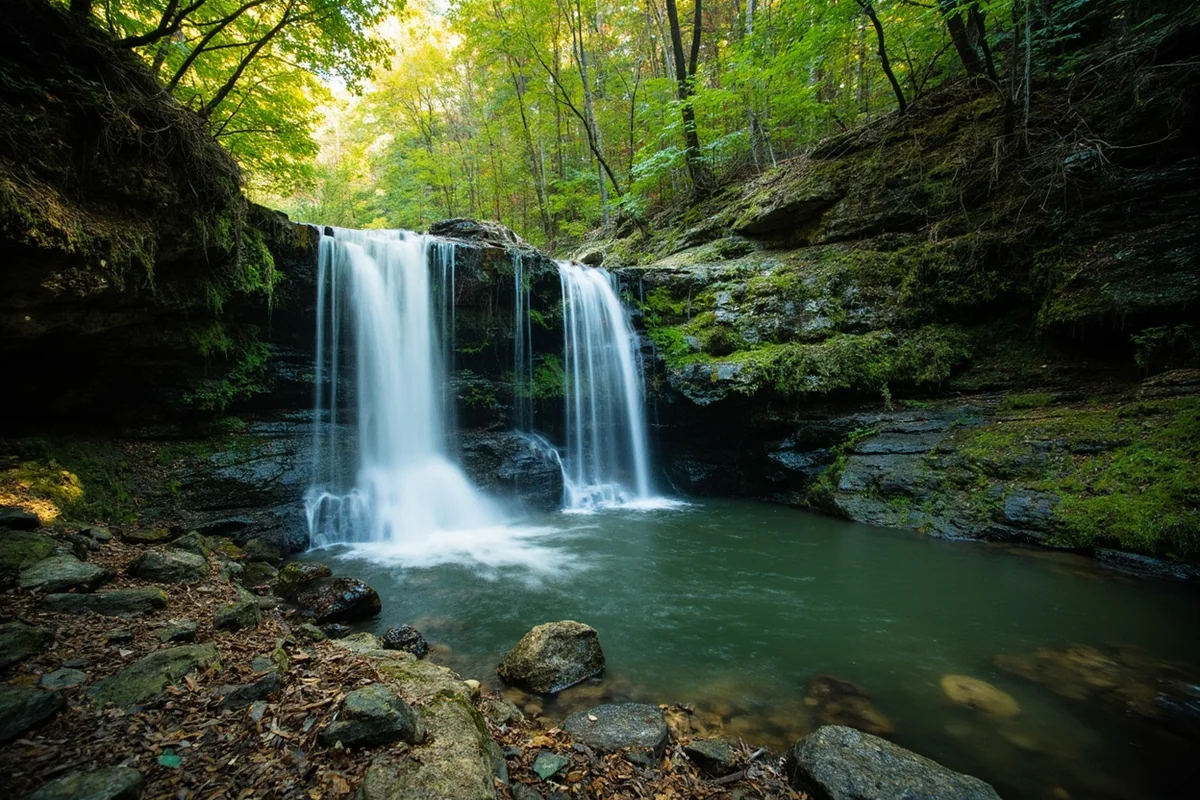
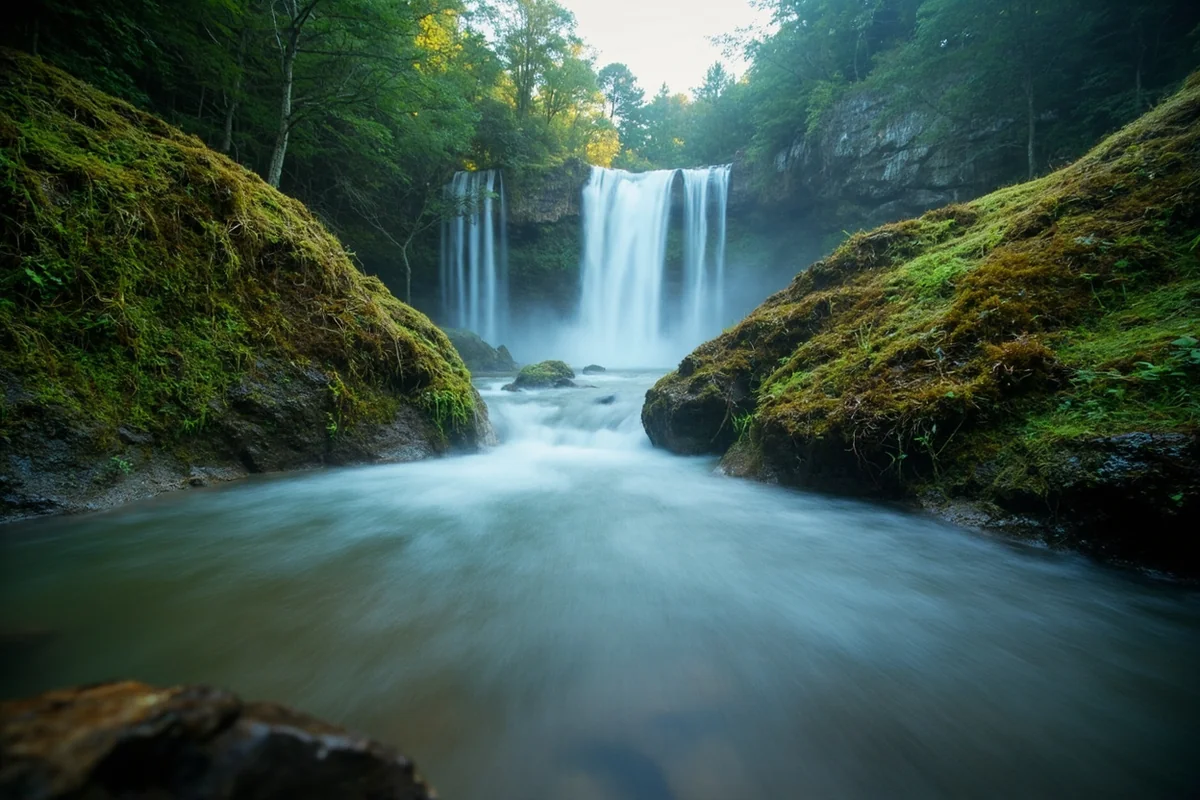
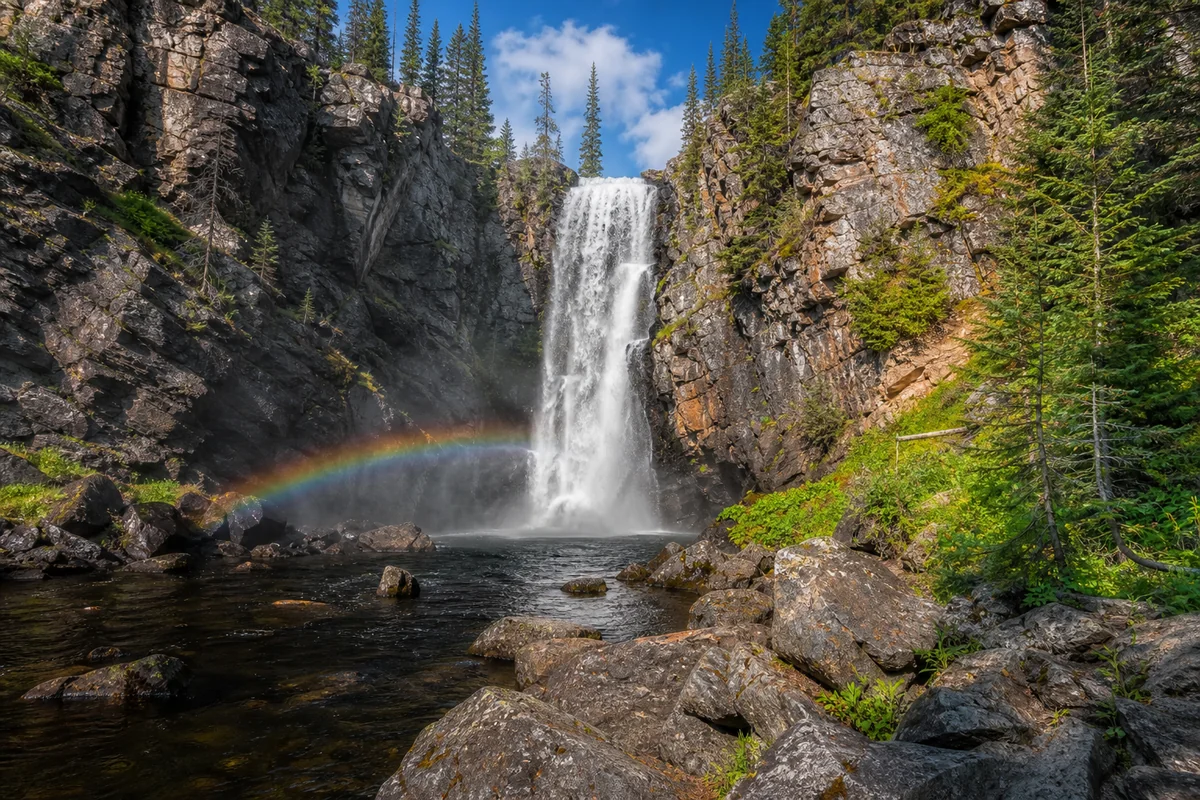
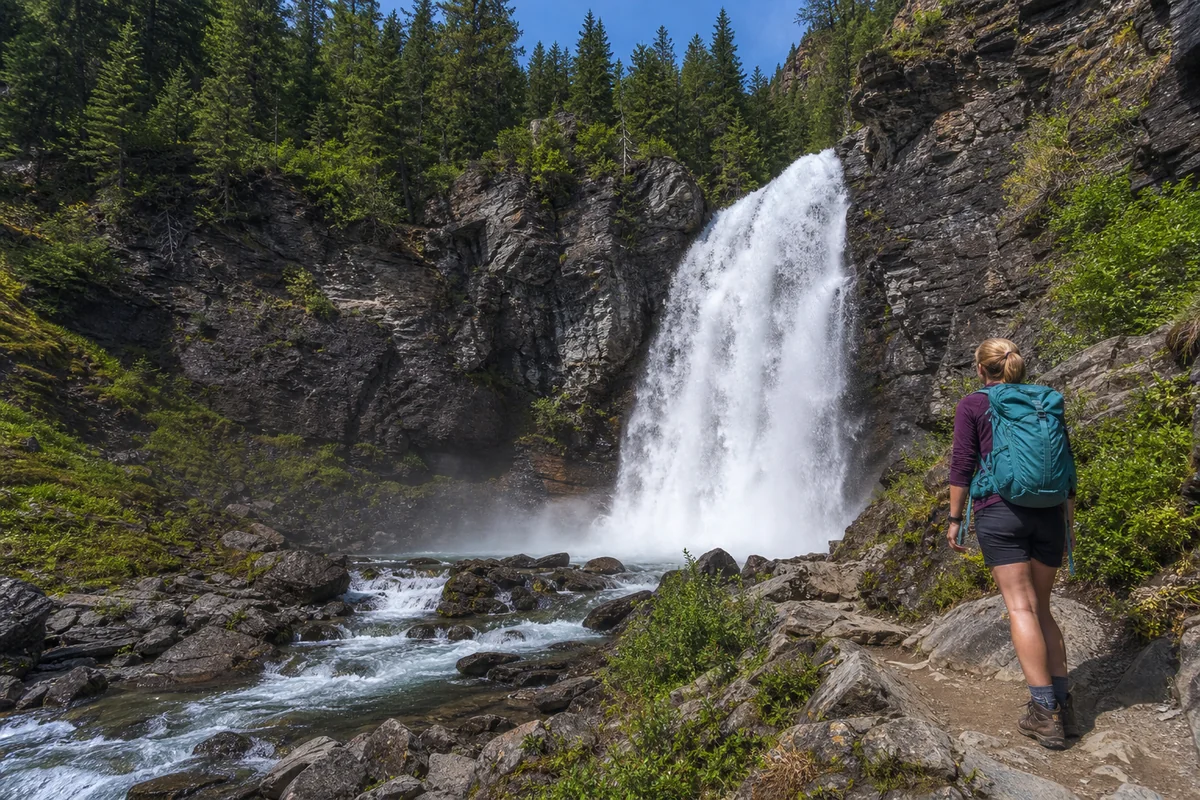
Nestled within the rugged wilderness of Glacier National Park, Salamander Falls stands as one of Montana’s most captivating natural wonders. This cascading waterfall, though less famous than some of its counterparts in the park, offers visitors a breathtaking display of nature’s artistry and power.

Salamander Falls derives its unique name from its distinctive shape. When viewed from certain angles, particularly during the peak flow seasons of late spring and early summer, the waterfall resembles a salamander clinging to the mountainside. The narrow, elongated flow of water creates the body, while smaller rivulets branching off form what appear to be legs and a tail of this “salamander” made of rushing water.

The geological formation of Salamander Falls is a testament to the dramatic forces that shaped Glacier National Park over millions of years. The falls formed through a combination of glacial activity and erosion. During the last ice age, massive glaciers carved out the valley below, and as they receded, they left behind the hanging valley where Salamander Falls now flows. The waterfall cascades over ancient sedimentary rock layers that were formed over 1.6 billion years ago when this region was once an inland sea. These rock layers, primarily composed of limestone and argillite, create the distinctive stair-step pattern that gives the falls their character.

The ecosystem surrounding Salamander Falls represents a delicate alpine environment that supports a diverse array of plant and animal life. The moisture from the falls creates a microclimate that allows certain species to thrive. Alpine wildflowers carpet the area in summer months, including glacier lilies, Indian paintbrush, and beargrass. The coniferous forest surrounding the falls consists primarily of subalpine fir, Engelmann spruce, and whitebark pine, many of which have adapted to the harsh winter conditions and short growing season.

Wildlife enthusiasts visiting Salamander Falls may be rewarded with sightings of some of Montana’s most iconic species. Mountain goats often traverse the steep cliffs near the falls with remarkable agility, while bighorn sheep may be spotted on nearby ridges. The area is home to both black and grizzly bears, though encounters are relatively rare. Smaller mammals including marmots, pikas, and red squirrels are common sights, particularly in the warmer months. Birdwatchers should keep their eyes peeled for golden eagles, Clark’s nutcrackers, and the occasional peregrine falcon soaring above the falls.

The conservation status of Salamander Falls and its surrounding ecosystem remains relatively secure due to its location within Glacier National Park, which provides federal protection. However, the area faces several environmental challenges. Climate change poses perhaps the most significant threat, as warming temperatures have accelerated glacial melt throughout the park. Scientists estimate that if current warming trends continue, the glaciers feeding Salamander Falls could disappear entirely within the next few decades, potentially altering the flow and character of the falls.

Despite these challenges, Salamander Falls continues to enchant visitors with its natural beauty and serves as a powerful reminder of the importance of preserving these pristine wilderness areas for future generations.

Best Time to Visit Salamander Falls

Salamander Falls offers a different experience with each passing season, making it a year-round destination for nature enthusiasts. However, timing your visit strategically can significantly enhance your experience at this hidden gem in Montana’s Glacier National Park.

Spring (Late May to June)

Spring brings renewal to Salamander Falls as winter’s grip loosens. As temperatures rise, snowmelt accelerates, creating the most dramatic water flow of the year. By late May to early June, the falls transform into a thundering spectacle, with water cascading down with impressive force. This period offers photographers exceptional opportunities to capture the raw power of nature, with the added bonus of emerging wildflowers beginning to dot the landscape.

However, spring visitors should be prepared for unpredictable weather conditions. Trails may still have snow patches, and sudden rain showers are common. The Many Glacier area, where Salamander Falls is located, typically opens in late May or early June, depending on snow conditions. Crowd levels remain relatively low during this shoulder season, allowing for a more intimate experience with nature.

Summer (July to August)

Summer represents peak season at Salamander Falls. By July, snow has typically melted from all but the highest elevations, and trails are fully accessible. Water flow remains strong through early summer before gradually decreasing as the season progresses. Daytime temperatures average a pleasant 70-80°F (21-27°C), creating ideal hiking conditions.

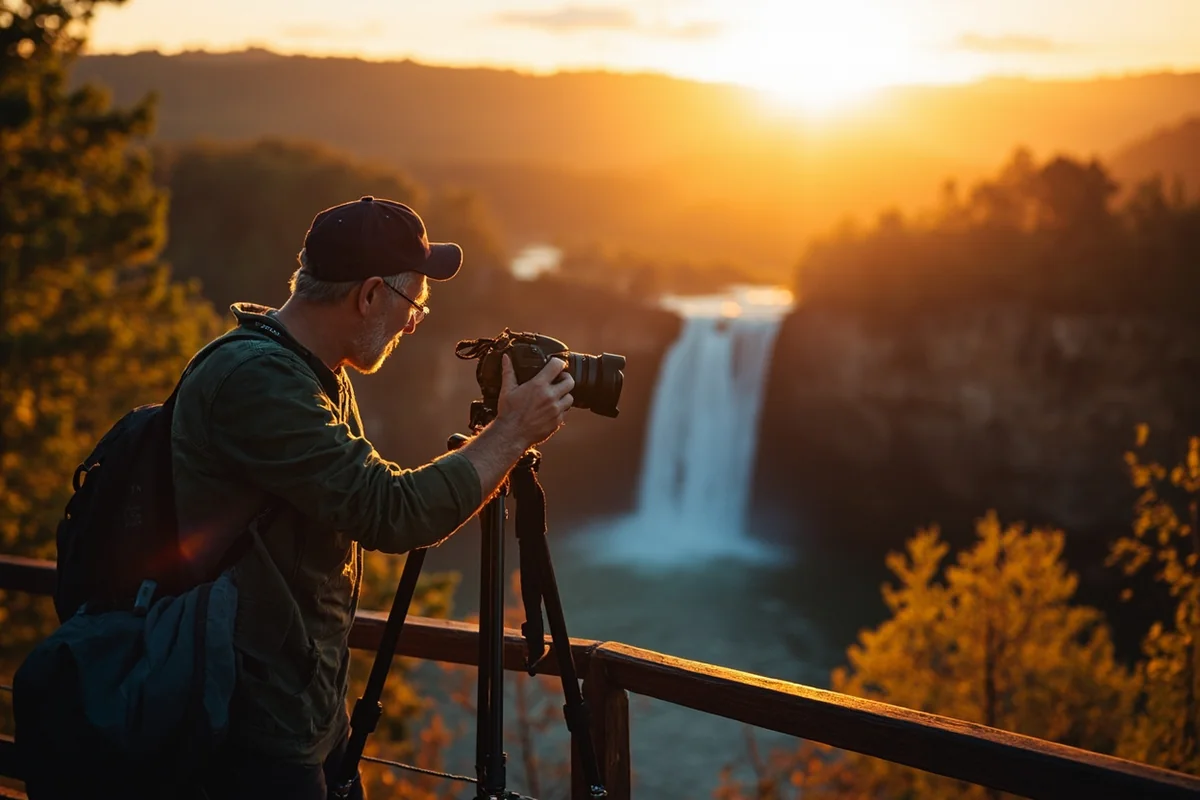
This period also brings the densest crowds, particularly from mid-July through August. The parking lots at popular trailheads like Grinnell Glacier fill early, often by 8:00 AM. For photographers, early morning visits offer the best lighting conditions and fewer people in your shots. Summer also brings spectacular wildflower displays, with vibrant colors providing stunning foreground elements for waterfall photography.

Fall (September to mid-October)

Fall brings a magical transformation to the landscape surrounding Salamander Falls. By September, crowds thin considerably as schools resume and temperatures cool. Water flow decreases to its annual minimum, but the falls remain active. What this season lacks in water volume, it makes up for with breathtaking autumn colors as aspens and cottonwoods turn brilliant shades of gold and orange.

Photographers prize this season for its rich color palette and soft, golden light. Wildlife becomes more active and visible during autumn, with elk and moose often spotted near water sources. Weather becomes more variable, with cool mornings and comfortable afternoons. By October, temperatures drop significantly, and the first snow can arrive at higher elevations.

Winter (Mid-October to May)

Winter transforms Salamander Falls into a frozen wonderland, though accessing it becomes challenging. The Many Glacier Road typically closes in mid-October and remains shut until late spring. The most adventurous visitors might access the area via cross-country skiing or snowshoeing, but this requires advanced winter wilderness skills and proper equipment.

Those who make the journey will be rewarded with a pristine winter landscape few ever witness. The falls partially freeze, creating stunning ice formations that change throughout the winter. Photography opportunities are unparalleled for those seeking unique ice and snow compositions, though specialized cold-weather camera gear is essential.

For most visitors, planning a trip during the July-September window provides the optimal balance of accessibility, weather conditions, and natural beauty. Early June and late September offer particularly good combinations of reasonable crowds and impressive scenery. Whatever season you choose, Salamander Falls delivers a memorable Montana wilderness experience that captures the essence of Glacier National Park’s majestic beauty.

Where to Go Hiking Near Salamander Falls

Salamander Falls serves as a stunning focal point within Glacier National Park’s Many Glacier region, but it’s just one of many natural wonders waiting to be discovered. The area surrounding this cascading waterfall offers some of Montana’s most spectacular hiking opportunities, with trails suitable for every experience level. From family-friendly nature walks to challenging alpine adventures, the hiking networks near Salamander Falls provide access to pristine lakes, towering mountains, abundant wildlife, and of course, magnificent waterfalls.

Each trail in this region tells its own story of Glacier’s geological history and ecological diversity. Whether you’re planning a quick morning hike or a full-day excursion, the following trails offer the best opportunities to experience the magic of Salamander Falls and the surrounding Many Glacier area. Before setting out, remember that weather conditions can change rapidly in mountain environments, so always check current trail conditions at the Many Glacier Ranger Station and come prepared with appropriate gear, plenty of water, and bear spray—this is prime grizzly country.

1. Swiftcurrent Nature Trail – Hiking With Family

The Swiftcurrent Nature Trail offers one of the most family-friendly hiking experiences in the Many Glacier area near Salamander Falls. This accessible 2.5-mile loop trail features minimal elevation gain (only about 200 feet), making it perfect for hikers of all ages and abilities, including young children and older adults.

What makes this trail particularly ideal for families is its well-maintained path and abundant wildlife viewing opportunities. Children will delight in spotting deer, marmots, and occasionally even moose along the trail edges or near Swiftcurrent Lake. The trail also features several interpretive signs that explain the local flora, fauna, and geological features in kid-friendly language—turning your hike into an educational adventure.

The trail begins near the Swiftcurrent Motor Inn and loops around Swiftcurrent Lake, offering spectacular views of Mount Grinnell and the surrounding peaks that will captivate even the shortest attention spans. Several spots along the way provide perfect photo opportunities where families can take memorable pictures with stunning mountain backdrops.

For safety, the trail stays relatively close to facilities throughout its length, meaning you’re never too far from restrooms or shelter if weather changes suddenly—a common occurrence in Glacier National Park. The path is wide enough in most sections for children to walk alongside adults, and there are no steep drop-offs that might pose dangers to curious youngsters.

Facilities at the trailhead include restrooms, water fountains, and picnic areas, making it easy to prepare for your hike or relax afterward. The nearby Swiftcurrent Motor Inn also offers a restaurant and small store where you can purchase snacks, drinks, or forgotten supplies.

For the best family experience, hike the trail in the early morning when wildlife is most active and the crowds are thinner. Pack plenty of water, snacks, and sun protection, as parts of the trail offer limited shade. With its combination of natural beauty, educational opportunities, and manageable terrain, the Swiftcurrent Nature Trail provides the perfect introduction to Glacier National Park for hikers of all ages.

2. Cracker Lake Trail – Hiking With Panoramic Views

The Cracker Lake Trail stands as one of Glacier National Park’s most rewarding hiking experiences near Salamander Falls. This 12.6-mile round-trip journey takes hikers through diverse terrain that culminates in some of the most spectacular panoramic vistas in the park.

The trail begins at the Many Glacier Hotel parking area and immediately immerses you in Montana’s pristine wilderness. For the first two miles, you’ll share the path with horses from the nearby corral, making the initial section somewhat muddy depending on recent weather conditions. However, once you pass this section, the trail transforms dramatically.

As you continue your ascent, the landscape opens up to reveal sweeping views of the surrounding mountains. The middle section of the trail features a moderate climb through pine forests before emerging into open meadows where wildflowers bloom in profusion during summer months. Here, the panoramic vistas begin to unfold, with Canyon Creek carving its way through the valley below.

The trail’s difficulty is rated as moderate to strenuous, not because of technical challenges but due to its length and a total elevation gain of approximately 1,400 feet. Most hikers complete the journey in 6-8 hours, making it an ideal day hike with an early start.

The true magic of Cracker Lake Trail reveals itself in the final miles as you approach the lake itself. The path opens to a basin surrounded by towering peaks, including Mount Siyeh and Allen Mountain. Cracker Lake’s milky turquoise waters—a result of glacial silt—create a surreal centerpiece to the panoramic amphitheater of mountains.

For photographers, the best viewpoints include:

  • The first glimpse of Cracker Lake from the ridge approach
  • The northeastern shore offering reflections of surrounding peaks
  • The rocky outcrop on the southern edge providing elevated perspectives

Photography tips for capturing this landscape:

  • Visit during early morning or late afternoon for the best light
  • Bring a polarizing filter to manage reflections on the lake
  • Include hikers or natural elements for scale against the massive landscape
  • Use a wide-angle lens to capture the expansive mountain panoramas

What makes this trail truly special is the remarkable solitude it offers despite its breathtaking beauty. Because of its length, Cracker Lake receives fewer visitors than some shorter trails in the area, allowing hikers to experience moments of quiet contemplation amidst Montana’s grandeur. The dramatic color contrast between the turquoise lake, green forests, and gray mountain peaks creates a visual symphony that remains etched in memory long after leaving the park.

For the most rewarding experience, start early in the day to avoid afternoon thunderstorms common in summer months, and pack plenty of water as there are limited reliable sources along the trail. The panoramic payoff at Cracker Lake makes every step of this journey worthwhile.

3. Redrock Falls/Swiftcurrent Pass – Easy Hike for Beginners

The Redrock Falls/Swiftcurrent Pass trail offers one of the most accessible and rewarding hiking experiences in the Many Glacier area, making it perfect for beginners and families. This gentle trail combines stunning scenery with minimal physical demands, creating an ideal introduction to the beauty of Glacier National Park.

Trail Characteristics

The trail to Redrock Falls follows a well-maintained, relatively flat path that extends approximately 3.6 miles round trip from the Swiftcurrent Motor Inn. With minimal elevation gain (less than 300 feet), this hike avoids the steep climbs that can challenge novice hikers. The wide, clear pathway makes navigation straightforward, and frequent benches along the route provide ample opportunities to rest and enjoy the scenery.

Most hikers complete the journey to the falls in about 1-1.5 hours each way, allowing for a leisurely half-day excursion. The trail remains accessible from late spring through early fall, with summer offering the most reliable conditions.

Key Attractions Along the Way

The journey to Redrock Falls is as rewarding as the destination itself. Hikers pass through meadows bursting with wildflowers in summer and skirt the edges of Fishercap Lake and Redrock Lake, both offering excellent wildlife viewing opportunities. Keep your eyes peeled for moose, which frequently visit these lakes, particularly in the early morning or evening hours.

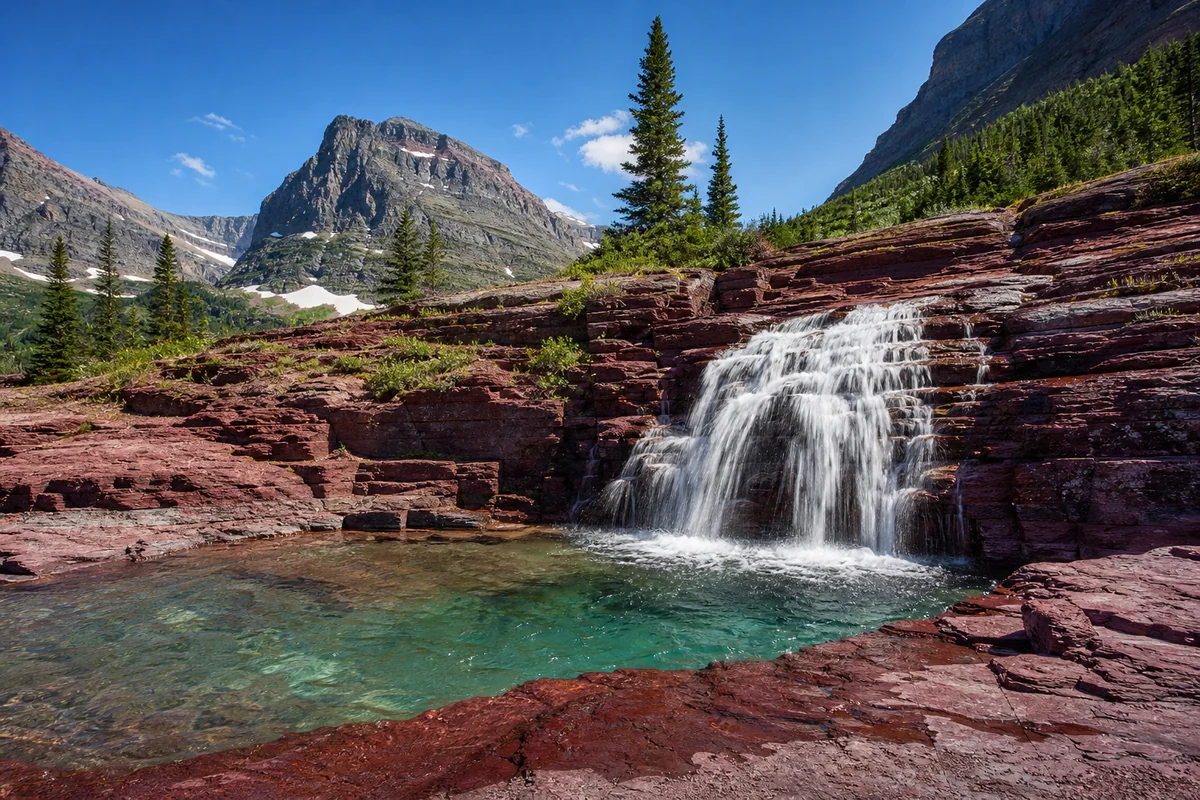
The trail’s highlight is undoubtedly Redrock Falls itself—a series of cascading waterfalls tumbling over rust-colored rocks. The multiple tiers create a picturesque scene perfect for photography and a great spot to enjoy a packed lunch.

Required Fitness Level

One of the most appealing aspects of this trail is its accessibility to hikers of all fitness levels. The gentle grade and modest distance make it manageable for:

  • First-time hikers with no previous experience
  • Families with young children
  • Older adults
  • Those recovering from injuries or with minor mobility issues

Even if you lead a primarily sedentary lifestyle, this trail should pose no significant challenges. The ability to walk continuously for 1-2 hours on relatively flat ground is sufficient preparation.

Gear Recommendations for First-Time Hikers

While the trail is beginner-friendly, proper preparation ensures a comfortable and safe experience:

  • Footwear: Comfortable walking shoes or light hiking boots with good traction; full hiking boots aren’t necessary but provide ankle support
  • Water: At least one liter per person, more on hot days
  • Sun protection: Hat, sunglasses, and sunscreen (parts of the trail are exposed)
  • Insect repellent: Particularly important in early summer
  • Snacks/lunch: Energy-boosting foods for a picnic at the falls
  • Camera: For wildlife sightings and waterfall photos
  • Binoculars: Optional but useful for spotting distant wildlife
  • Bear spray: Essential in bear country (available for rent at many local outfitters)
  • Light rain jacket: Weather can change quickly in the mountains

The Redrock Falls trail offers the perfect balance of natural beauty and accessibility, making it an ideal introduction to hiking in Glacier National Park. First-time hikers will gain confidence while experiencing some of the park’s signature landscapes without the intimidation factor of more challenging routes.

4. Grinnell Overlook Trail – Trail for Adventurous Hikers

The Grinnell Overlook Trail stands as one of the most rewarding yet challenging hiking experiences near Salamander Falls. This trail isn’t for the faint of heart, but for those willing to push their limits, the payoff is nothing short of spectacular.

Challenge Level

This trail demands respect with its 7.6-mile round trip distance and approximately 1,840 feet of elevation gain. The path features steep switchbacks, exposed sections along ridgelines, and terrain that can be slippery, especially after rainfall. Most hikers complete this journey in 5-7 hours, depending on pace and how long they linger at the breathtaking viewpoints.

What Makes It Adventurous

What sets the Grinnell Overlook Trail apart is its combination of technical hiking segments and dramatic landscapes. As you ascend, you’ll navigate through dense forest before emerging onto more exposed terrain. The trail includes several narrow passages along cliff edges that deliver an exhilarating sense of exposure without crossing into dangerous territory (when proper precautions are taken).

The trail’s final approach requires a steep climb up the Garden Wall via the Highline Trail spur, where hikers use built-in handholds and navigate across loose scree. This section delivers a genuine alpine climbing experience that feels earned with every step.

Required Preparation

Before attempting the Grinnell Overlook Trail, hikers should:

  • Wear sturdy hiking boots with ankle support and good traction
  • Pack at least 3 liters of water per person (there are limited water sources)
  • Bring high-energy snacks and a proper meal for the summit
  • Dress in layers, as temperatures can vary dramatically with elevation
  • Carry trekking poles to assist with balance on steep sections
  • Pack a detailed map and compass (don’t rely solely on electronic devices)
  • Start early (before 8 AM) to avoid afternoon thunderstorms

Safety Considerations

The trail’s exposure to elements makes weather awareness crucial. Afternoon thunderstorms are common in summer months, bringing lightning risks at higher elevations. The trail can become treacherous in wet conditions, particularly along the Garden Wall section.

Wildlife encounters, including grizzly bears, are possible. Carrying bear spray, making noise while hiking, and knowing proper wildlife safety protocols are essential. Cell service is spotty at best, so hikers should inform someone of their plans before departing.

Rewards of Completing This Trail

Few hiking experiences deliver rewards as magnificent as the Grinnell Overlook Trail. Upon reaching the overlook point, hikers are treated to a panoramic vista that encompasses Grinnell Glacier, Upper Grinnell Lake, and the crown jewel—Salamander Falls cascading from the melting Salamander Glacier above.

The perspective from this vantage point allows you to appreciate the full scale of Salamander Falls as it plunges approximately 100 feet from the glacier’s edge into the turquoise waters below. The falls appear as a delicate white ribbon against the dramatic backdrop of Mount Gould’s imposing cliff face.

Views of Salamander Falls

From the Grinnell Overlook, you’ll witness Salamander Falls in its complete context—from source to splash. The falls derive their name from the Salamander Glacier, which resembles the amphibian when viewed from certain angles. The overlook provides the perfect perspective to photograph this optical illusion while capturing the falls in the same frame.

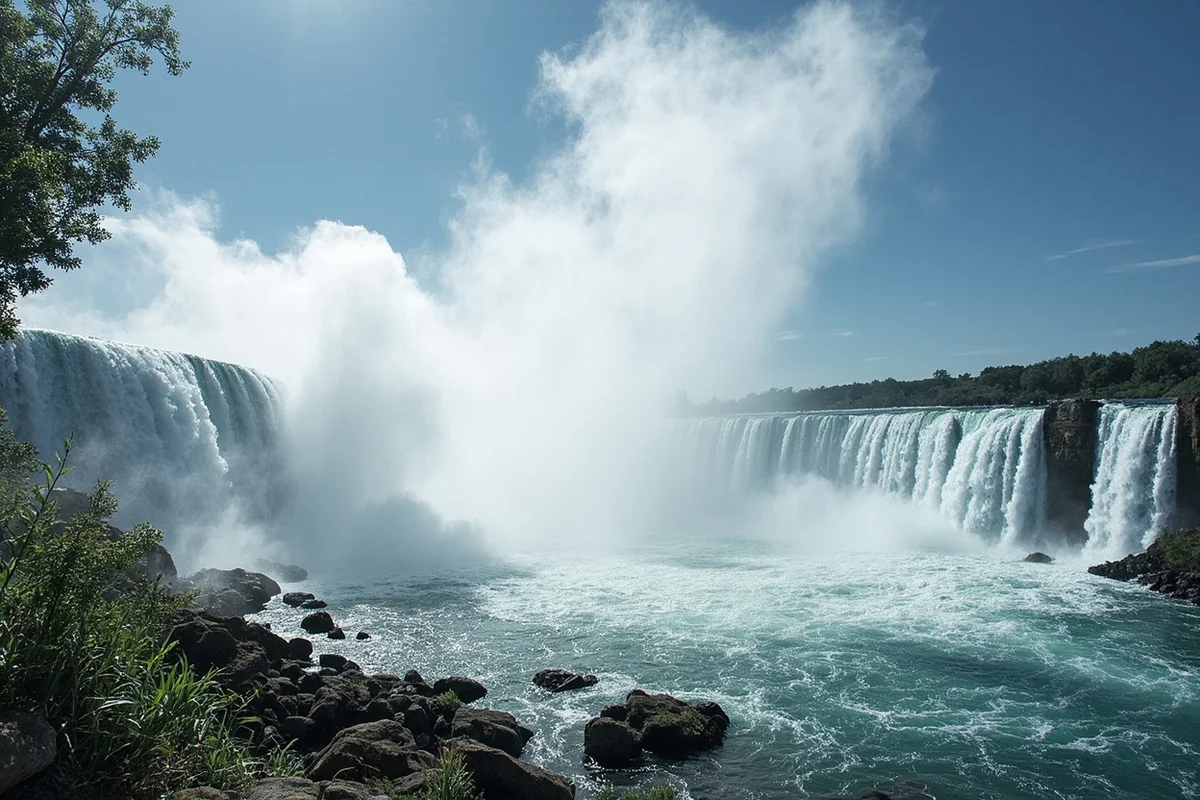
The viewpoint offers an unobstructed sight line to watch the glacier meltwater create the falls, which are most impressive in late spring and early summer when snowmelt increases the water volume. During this period, the falls roar with intensity, sending mist high into the air that sometimes creates rainbows when caught by the sunlight.

For photographers, the morning light casts the most flattering glow on Salamander Falls, highlighting the white water against the red and gray rock formations of the surrounding mountains. This perspective simply cannot be matched by any other trail in the area.

What to Pack for Your Salamander Falls Adventure

When preparing for a trip to Salamander Falls in Montana, proper packing is essential for both comfort and safety. The alpine environment of Glacier National Park demands thoughtful preparation regardless of when you visit.

Recommended Clothing:

  • Layering system: Pack moisture-wicking base layers, insulating mid-layers, and a waterproof/windproof outer shell
  • Hiking pants: Lightweight, quick-dry pants (convertible pants with zip-off legs are versatile)
  • Moisture-wicking shirts: Both short and long-sleeved options
  • Warm hat and sun hat: Protection for varying conditions
  • Gloves: Lightweight for summer, insulated for spring/fall
  • Extra socks: Always carry spare dry socks to prevent blisters

Footwear Essentials:

  • Hiking boots: Waterproof with ankle support and good traction
  • Trail runners: For less technical trails in dry conditions
  • Camp shoes: Lightweight sandals or slip-ons for after hiking
  • Gaiters: Optional but helpful for muddy trails or snow

Safety Equipment:

  • First aid kit: Include blister treatment, bandages, pain relievers
  • Bear spray: Essential in Glacier National Park
  • Headlamp or flashlight: With extra batteries
  • Whistle: For emergency signaling
  • Navigation tools: Map, compass, and/or GPS device
  • Emergency shelter: Lightweight emergency bivy or space blanket
  • Trekking poles: For stability on steep or slippery terrain

Water and Food Considerations:

  • Water bottles or hydration reservoir: Capacity for at least 2-3 liters
  • Water filter or purification tablets: For refilling from streams
  • High-energy snacks: Trail mix, energy bars, dried fruit
  • Lunch items: Sandwiches, wraps, or other portable meals
  • Electrolyte packets: To add to water, especially on hot days

Photography Gear:

  • Camera: Weather-resistant if possible
  • Extra batteries and memory cards: Cold weather drains batteries faster
  • Lightweight tripod: For waterfall long-exposure shots
  • Lens cloth: For misty conditions near the falls
  • Protective case: To shield gear from water and impacts
  • Polarizing filter: Reduces glare on water surfaces

Seasonal Gear Variations:

Summer (July-August):

  • Sunscreen (SPF 30+ minimum)
  • Sunglasses with UV protection
  • Insect repellent
  • Light rain jacket
  • Sun hat with brim

Spring/Fall (May-June, September-October):

  • Warmer insulating layers
  • Light gloves and beanie
  • Rain pants
  • Microspikes for possible ice or snow
  • Waterproof backpack cover

Winter (November-April):

  • Heavy insulated jacket
  • Waterproof snow pants
  • Insulated waterproof boots
  • Snow gaiters
  • Snowshoes or microspikes
  • Hand/toe warmers
  • Insulated water bottle or thermos

Remember that mountain weather can change rapidly at any time of year. Even in summer, be prepared for sudden temperature drops, wind, and precipitation. Always check current trail conditions and weather forecasts before setting out on your Salamander Falls adventure.

Glacier National Park’s Many Glacier area offers an intricate network of trails that extend far beyond the popular paths leading to Salamander Falls. This interconnected system allows hikers to create customized adventures ranging from brief excursions to multi-day treks through some of Montana’s most breathtaking landscapes.

The trail system in the Many Glacier area is thoughtfully designed, with numerous junction points allowing hikers to combine different routes. For instance, the Swiftcurrent Pass Trail connects with the Highline Trail, which in turn links to the Loop and Granite Park Chalet. This connectivity means adventurous hikers can start at Many Glacier Hotel, hike past Redrock and Bullhead Lakes, climb over Swiftcurrent Pass, and eventually make their way to the west side of the park without ever retracing their steps.

Several lesser-known trails deserve mention for those seeking solitude. The Ptarmigan Tunnel Trail branches off from the Iceberg Lake Trail and leads through a 240-foot hand-carved tunnel to stunning views of the Belly River Valley. The Morning Eagle Falls Trail, accessible from the Piegan Pass Trail, offers a secluded waterfall experience that few visitors discover. For those willing to venture further, the Cracker Flats Trail provides access to pristine alpine meadows with minimal foot traffic even during peak season.

The National Park Service offers ranger-led hikes throughout the summer months, providing educational experiences about the area’s geology, wildlife, and plant life. These guided walks range from easy two-hour nature walks around Swiftcurrent Lake to more challenging day hikes to destinations like Iceberg Lake. Rangers share insights about bear safety, glacier formation, and the delicate alpine ecosystem that would be difficult to learn independently.

For backpackers interested in multi-day adventures, the Many Glacier area serves as an excellent starting point for backcountry exploration. The Ptarmigan-Highline Loop is a popular 3-4 day circuit that includes camping at designated backcountry sites like Fifty Mountain and Granite Park. The Northern Circle Route is a more challenging 5-7 day trek that circumnavigates the Many Glacier Valley, offering views of numerous glaciers and alpine lakes. These extended journeys require backcountry permits, which can be reserved in advance or obtained on a first-come, first-served basis at the Many Glacier Ranger Station.

Winter transforms the trail network into a wonderland for cross-country skiing and snowshoeing, though access becomes significantly more challenging as the Many Glacier Road closes seasonally. The dedicated few who make the journey in winter are rewarded with pristine snow-covered landscapes and the rare opportunity to experience Salamander Falls in its partially frozen state.

Camping at the Many Glacier Campground

The Many Glacier Campground offers one of the most scenic camping experiences in Glacier National Park, situated just a short distance from Salamander Falls. This popular campground serves as an excellent base for exploring the region’s natural wonders, including the magnificent falls.

Campground Facilities

Many Glacier Campground features 109 sites nestled among towering trees and stunning mountain views. Facilities include:

  • Clean flush toilets and running water
  • Dishwashing stations
  • Food storage lockers (essential for bear safety)
  • Accessible sites for visitors with disabilities
  • Ranger-led evening programs at the campground amphitheater
  • Access to potable water
  • Picnic tables and fire rings at each site

While the campground doesn’t offer showers or electrical hookups, the Swiftcurrent Motor Inn nearby provides coin-operated showers and laundry facilities for campers.

Reservation Process

Due to its popularity, securing a spot at Many Glacier Campground requires planning ahead:

  • Reservations open 6 months in advance through recreation.gov
  • The booking window typically begins in January for summer stays
  • A limited number of first-come, first-served sites are available, but these fill extremely early (often before 7 AM)
  • Reservation fees are approximately $23 per night
  • Maximum stay is typically 7 consecutive nights during peak season

For the best chance of securing a site, book as soon as the reservation window opens or plan to arrive very early in the morning to claim a first-come, first-served spot.

Best Campsites

While all sites at Many Glacier offer beautiful surroundings, certain spots stand out:

  • Sites 61-73 provide the most privacy with natural separation
  • Sites 85-102 offer partial views of the surrounding mountains
  • Loop A (sites 1-41) is closest to Swiftcurrent Lake
  • Sites 48-60 are generally flatter and more accommodating for larger tents

For families, Loop B (sites 42-87) tends to be quieter and more spacious, while those seeking proximity to trailheads might prefer Loop A.

Proximity to Trails

One of the campground’s greatest advantages is its strategic location near several spectacular trails:

  • Swiftcurrent Nature Trail begins directly from the campground
  • Grinnell Glacier trailhead is just a 5-minute drive away
  • Iceberg Lake Trail starts approximately 1 mile from the campground
  • Redrock Falls is accessible via a trail beginning near the campground entrance
  • The boat dock for Swiftcurrent Lake tours is within walking distance

This proximity allows campers to hit the trails early, maximizing hiking time and avoiding afternoon crowds.

Bear Safety

The Many Glacier area is known for its active bear population, making proper precautions essential:

  • All food, toiletries, and scented items must be stored in the provided bear lockers
  • Cooking and eating should be done away from your tent
  • Rangers provide bear safety orientation for all campers
  • Bear spray is strongly recommended for all hiking activities
  • Report any bear sightings to park rangers immediately

The campground enforces strict food storage regulations, with rangers conducting regular inspections to ensure compliance.

Seasonal Availability

The campground typically operates from early June through mid-September, weather permitting:

  • Peak season runs from mid-July through August
  • Early June may see snow lingering on some sites
  • Late September brings cooler temperatures but fewer crowds
  • Weather can be unpredictable throughout the season
  • Fall colors typically emerge in early September

For those seeking a quieter experience with reasonable weather, early September offers a sweet spot between summer crowds and winter closure.

Camping at Many Glacier provides an immersive experience in one of America’s most spectacular national parks, with Salamander Falls and numerous other natural wonders just a short journey away. The campground’s pristine setting and excellent trail access make it worth the advance planning required to secure a spot.

Canoeing/Kayaking in the Many Glacier Area

The Many Glacier area offers some of Montana’s most spectacular water activities with its pristine alpine lakes set against dramatic mountain backdrops. Paddling these glacial waters provides a unique perspective of Glacier National Park that hikers never experience.

Lake Options for Water Activities

Several lakes in the Many Glacier area are perfect for canoeing and kayaking:

  • Swiftcurrent Lake: The most accessible option, located directly in front of the historic Many Glacier Hotel. Its relatively calm waters make it ideal for beginners and families.
  • Lake Josephine: Connected to Swiftcurrent Lake and accessible via a short portage. This lake offers more seclusion and stunning views of Mount Gould and Grinnell Point.
  • Lake Sherburne: A larger reservoir just outside the Many Glacier entrance that provides more open water for extended paddling adventures.

Rental Information

The Many Glacier Hotel operates a boat rental facility during the summer season (typically mid-June through mid-September):

  • Canoe rentals: Approximately $25-30 per hour or $70-90 per day
  • Kayak rentals: Approximately $20-25 per hour or $65-85 per day
  • Life jackets and basic instruction included
  • Reservations recommended during peak season (July-August)

For those staying outside the park, several outfitters in nearby towns like St. Mary and Babb also offer rental equipment with advance reservations.

Guided Tours

If you prefer a guided experience:

  • Glacier Park Boat Company: Offers guided boat tours on Swiftcurrent Lake and Lake Josephine, with options to combine boating with hiking.
  • Guided Kayak Tours: Available through authorized park concessionaires, providing expert interpretation of the area’s geology, wildlife, and history.
  • Sunrise Paddle Tours: Special early morning guided experiences that offer spectacular lighting for photography and increased wildlife viewing opportunities.

Best Times for Water Activities

  • Early Morning (6-9 AM): The water is typically calmest, offering mirror-like reflections of the surrounding mountains. Wildlife sightings are more common.
  • Late Afternoon/Evening: After the typical afternoon winds die down, usually around 5-7 PM.
  • Season: Mid-July through August offers the warmest water temperatures and most reliable weather.
  • Avoid: Mid-day (11 AM-3 PM) when afternoon winds frequently create choppy conditions.

Safety Considerations

  • Weather Changes: Mountain weather can change rapidly. Always check the forecast and be prepared to return to shore quickly.
  • Water Temperature: Even in summer, these glacial lakes remain very cold (typically 50-60°F). Hypothermia is a risk if capsized.
  • Life Jackets: Required by park regulations and should be worn at all times.
  • Wildlife Awareness: Maintain a safe distance from moose, which sometimes feed in shallow waters, and be aware of bears near shorelines.
  • Boating Permits: Not required for non-motorized craft, but all boats must be inspected for aquatic invasive species before entering park waters.

Paddling through the Many Glacier area offers an intimate connection with this spectacular wilderness that can’t be matched by any other activity. The silence of gliding across these crystal-clear waters, with only the sound of your paddle and perhaps a distant loon call, creates memories that will last a lifetime.

Wildlife Watching at Salamander Falls: A Nature Lover’s Guide

The Many Glacier region surrounding Salamander Falls is renowned for its incredible wildlife viewing opportunities. This pristine wilderness area serves as home to some of Glacier National Park’s most iconic species, making it a paradise for nature enthusiasts and photographers alike.

Common Wildlife Species

The ecosystem around Salamander Falls supports a diverse array of wildlife. Mountain goats are frequently spotted navigating the steep cliffs near the falls, their white coats standing out against the rocky terrain. Bighorn sheep can also be observed in the higher elevations, particularly in early morning hours.

The area is known for its healthy population of grizzly and black bears. Bears are commonly seen foraging in meadows during spring and early summer when they emerge from hibernation. The berry patches near Swiftcurrent Lake attract bears in late summer.

Other mammals include moose, which prefer wetland areas around the lakes, elk herds that graze in open meadows, and the elusive wolverine. Smaller creatures like marmots, pikas, and ground squirrels are abundant along hiking trails.

Birdwatchers will delight in spotting golden eagles, osprey, and the park’s symbol—the ptarmigan. The wetlands around Swiftcurrent Lake are excellent for observing waterfowl including mergansers and harlequin ducks.

Best Viewing Locations and Times

Swiftcurrent Nature Trail: This accessible trail offers excellent opportunities to spot moose in the marshy areas and bears foraging along the hillsides. The relatively flat terrain makes it perfect for patient wildlife observation.

Grinnell Glacier Overlook: The higher elevation provides advantageous viewpoints for spotting mountain goats and bighorn sheep. Bring binoculars to scan the distant ridgelines.

Many Glacier Hotel Area: The shores of Swiftcurrent Lake near the hotel are perfect for early morning wildlife viewing, particularly for moose and waterfowl.

Fishercap Lake: A short walk from the Swiftcurrent Motor Inn, this small lake is one of the best places to spot moose, especially at dawn and dusk.

The golden hours of early morning (5:30-8:00 AM) and evening (7:00-9:00 PM in summer) provide the best wildlife viewing opportunities. Animals are most active during these cooler periods, and the soft light creates ideal conditions for observation and photography.

Ethical Wildlife Viewing Practices

When enjoying wildlife near Salamander Falls, remember to:

  • Maintain a minimum distance of 100 yards from bears and wolves, and 25 yards from all other wildlife
  • Never feed any animals, as this alters their natural behaviors and can be dangerous
  • Use binoculars or telephoto lenses instead of approaching animals
  • Keep voices low and movements slow to avoid disturbing wildlife
  • Stay on designated trails to minimize habitat disruption
  • If an animal changes its behavior due to your presence, you’re too close

Remember that you are a visitor in their home. Respecting wildlife ensures these animals maintain their natural behaviors and remain wild.

Photography Tips

Capturing wildlife around Salamander Falls requires patience, preparation, and respect. Consider these tips:

  • Bring a telephoto lens (at least 300mm) to photograph animals from a safe distance
  • Use a tripod to stabilize longer lenses, especially in low light conditions
  • Set your camera to a fast shutter speed (at least 1/500s) to freeze animal movement
  • Shoot during golden hours for warm, flattering light
  • Focus on capturing natural behaviors rather than posed shots
  • Include environmental context to tell a more complete story
  • Pack extra batteries and memory cards—wildlife photography opportunities can be unpredictable

The best wildlife photographs often come after hours of patient waiting. Find a comfortable spot with good visibility, settle in, and be ready when opportunities present themselves.

Ranger Programs

The Many Glacier area offers several ranger-led programs focused on wildlife:

Wildlife Walks: Join park rangers for guided walks specifically designed to maximize wildlife viewing opportunities. These typically occur in early morning or evening hours.

Evening Programs: The Many Glacier Hotel and campground host evening presentations that often focus on the park’s wildlife, their behaviors, and conservation efforts.

Junior Ranger Wildlife Detective: Children can participate in this educational program to learn about animal tracks, signs, and habitats.

Ranger-led programs provide invaluable insights into animal behaviors and ecology while ensuring participants observe wildlife responsibly. Check the current schedule at the Many Glacier Ranger Station, as offerings change seasonally.

By approaching wildlife viewing with patience, respect, and knowledge, visitors to Salamander Falls can enjoy meaningful encounters with some of North America’s most magnificent creatures in their natural habitat.

Planning Your Trip to Salamander Falls: Essential Information

Planning a successful trip to Salamander Falls in Glacier National Park requires some preparation. This stunning natural attraction deserves thoughtful planning to ensure you have the best possible experience. Here’s everything you need to know before setting out on your adventure.

Accommodation Options

Glacier National Park offers various accommodation options to suit different preferences and budgets:

  • Many Glacier Hotel: The closest lodging to Salamander Falls, this historic hotel provides rustic charm with modern amenities and spectacular views of Swiftcurrent Lake. Reservations are recommended 6-12 months in advance.
  • Swiftcurrent Motor Inn: A more budget-friendly option in the Many Glacier area with simple rooms and cabins. The proximity to trailheads makes it popular among hikers.
  • Many Glacier Campground: For those who prefer camping, this campground offers 109 sites that can accommodate tents and RVs. Sites can be reserved in advance during peak season (late June through early September).
  • St. Mary and East Glacier: Alternative lodging options outside the park, approximately 30-45 minutes drive from the Many Glacier area.

Transportation to the Park

Getting to Salamander Falls requires planning your transportation carefully:

  • Personal Vehicle: The most flexible option. The Many Glacier entrance is located on the east side of Glacier National Park, accessible via Highway 89 and Route 3.
  • Shuttle Services: The park operates a free shuttle system during summer months, but it doesn’t reach the Many Glacier area. Private shuttle services are available from nearby towns.
  • Rental Cars: Available at Kalispell, Great Falls, and Missoula airports.
  • Air Travel: The closest major airport is Glacier Park International Airport (FCA) near Kalispell, approximately 2.5 hours from the Many Glacier area.

Park Entrance Fees and Passes

Glacier National Park charges entrance fees that help maintain and protect the park:

  • 7-day Vehicle Pass: $35 (admits one private vehicle and all occupants)
  • 7-day Per Person Pass: $20 (for visitors entering by foot, bicycle, etc.)
  • Glacier National Park Annual Pass: $70 (valid for 12 months)
  • America the Beautiful Pass: $80 (covers entrance to all national parks for one year)

Permits Needed

Depending on your activities, you may need specific permits:

  • Day Hiking: No permits required for day hikes to Salamander Falls.
  • Backcountry Camping: If you plan to camp in the backcountry, permits are required and can be reserved in advance through the park’s reservation system.
  • Fishing: A Montana fishing license is required if you plan to fish in the park.
  • Boating/Paddling: Permits are required for all watercraft and are available at visitor centers after a mandatory aquatic invasive species inspection.

Trip Planning Timeline

For the best experience, follow this planning timeline:

  • 12+ months ahead: Research the best time to visit (mid-July through September offers the most reliable access).
  • 6-12 months ahead: Book accommodations at Many Glacier Hotel or other park lodges.
  • 3-6 months ahead: Reserve campground sites if camping (available on a 6-month rolling basis).
  • 2-3 months ahead: Plan your hiking routes and activities.
  • 1 month ahead: Check current trail conditions and any park alerts.
  • 1-2 weeks ahead: Confirm reservations and check weather forecasts.
  • Day before: Pack appropriate gear, including layers, rain protection, bear spray, and plenty of water.

Emergency Services and Safety

Safety should be your top priority when visiting remote areas like Salamander Falls:

  • Ranger Stations: The Many Glacier Ranger Station provides information, assistance, and emergency services.
  • Cell Service: Cell phone coverage is limited in the park. Don’t rely on it for emergencies.
  • Medical Facilities: The nearest medical facilities are in Browning (27 miles) and Cut Bank (48 miles).
  • Wildlife Safety: Carry bear spray and know how to use it. Make noise while hiking to avoid surprising wildlife.
  • Weather Preparedness: Mountain weather can change rapidly. Bring layers and rain gear regardless of the forecast.
  • Emergency Contacts: Program the park emergency number (406-888-7800) into your phone before losing service.

With proper planning, your trip to Salamander Falls can be a safe and memorable adventure in one of America’s most spectacular national parks.

FAQs About Visiting Salamander Falls

Visitors planning their trip to Salamander Falls often have numerous questions about what to expect. Here are answers to the most common inquiries to help you prepare for your adventure.

How difficult is the hike to Salamander Falls?

The main trail to Salamander Falls is moderately difficult, spanning approximately 3.2 miles round-trip with an elevation gain of about 600 feet. Most hikers with average fitness can complete the journey in 2-3 hours. The trail includes some rocky sections and moderate inclines but doesn’t require technical climbing skills.

Do I need a permit to visit Salamander Falls?

No special hiking permit is required for day use at Salamander Falls. However, if you’re planning to camp overnight in the surrounding wilderness areas, you’ll need to obtain a backcountry camping permit from the local ranger station.

Are dogs allowed on the Salamander Falls trail?

Yes, dogs are allowed on the trail but must be kept on a leash at all times. Remember to bring waste bags and pack out all pet waste to maintain the pristine environment.

Is Salamander Falls wheelchair accessible?

Unfortunately, the main trail to Salamander Falls is not wheelchair accessible due to its natural terrain, including rocky sections, narrow paths, and elevation changes. The initial viewing area at the trailhead offers limited views but is more accessible for those with mobility concerns.

Is swimming safe at Salamander Falls?

Swimming is possible during summer months when water levels are lower, but caution is strongly advised. The pool at the base of the falls can have strong currents, especially after rainfall. Never swim alone, avoid diving due to hidden underwater hazards, and keep children closely supervised at all times.

How dangerous is the hike?

When staying on marked trails, the hike is relatively safe for prepared visitors. The main hazards include slippery rocks near the waterfall, potential for changing weather conditions, and the usual wilderness concerns like wildlife encounters. Exercise caution near cliff edges and water features.

Is there cell phone service at Salamander Falls?

Cell service is spotty to non-existent throughout most of the trail and at the falls. Plan communications accordingly and don’t rely on your phone for navigation or emergency contact. Consider bringing a satellite communicator for remote hiking safety.

What should I do in case of an emergency?

The nearest ranger station is about 7 miles from the trailhead. In case of emergency, if you can’t hike out, send someone for help while others stay with the injured person. The closest medical facilities are in the town of Hamilton, approximately 25 miles away. Consider carrying a basic first aid kit and emergency signaling device.

Are there restroom facilities available?

There are vault toilets at the main trailhead parking area, but no facilities along the trail or at the falls. Practice proper backcountry bathroom etiquette by going at least 200 feet from water sources and trails, and packing out all toilet paper and hygiene products.

Can I visit Salamander Falls as a day trip?

Yes, Salamander Falls makes an excellent day trip destination. Most visitors can complete the hike and enjoy time at the falls within 4-6 hours. Starting early in the morning will give you the best chance of experiencing the falls with fewer crowds and optimal lighting for photography.

Sources:

Olivia Reynolds

I create content about hiking trails in Montana, including trail overviews, terrain details, and planning tips. My writing prioritizes accuracy, safety awareness, and clarity, offering readers dependable information to better prepare for hikes across Montana’s varied landscapes.

Leave a Reply