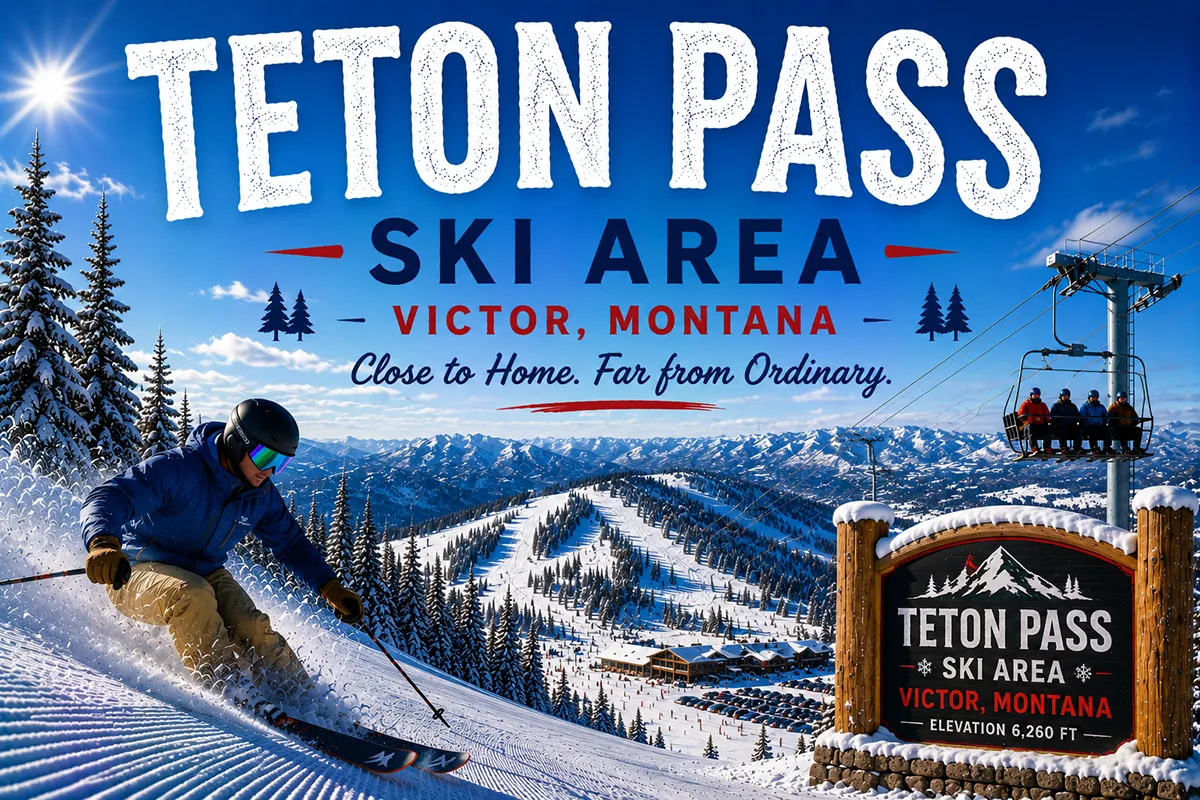
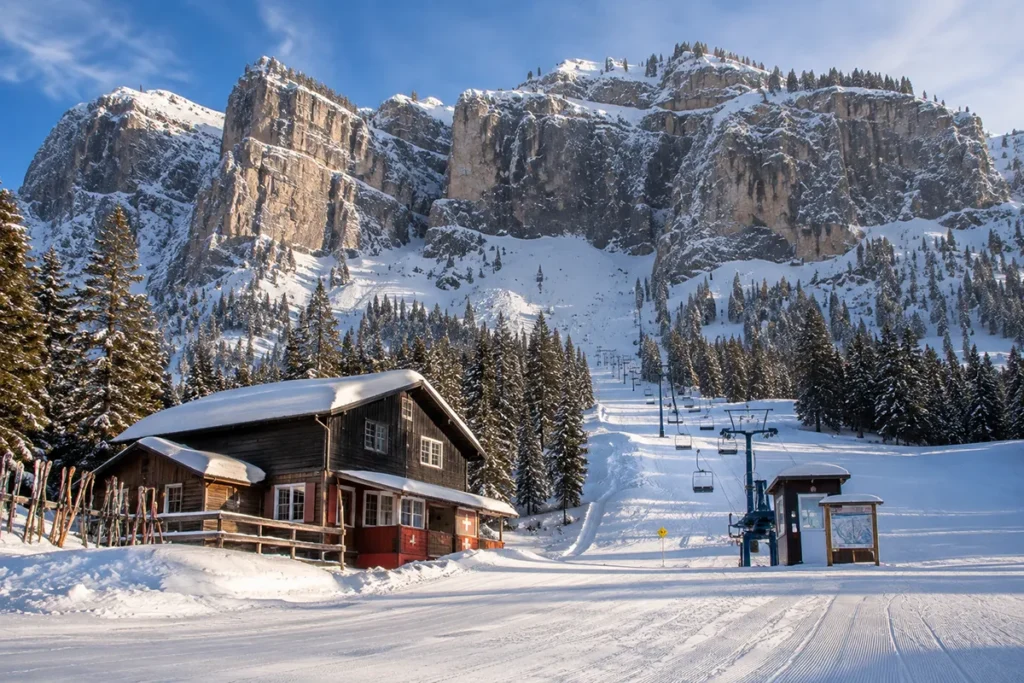
I parked at Teton Pass on a Friday morning to find roughly eight other cars in the lot, the lift attendant warming his hands over a fire pit, and the Rocky Mountain Front rising vertically out of the plains directly behind the double chair.
By 10 AM, I had untracked turns. By 2 PM, I had untracked turns. There were five people on the entire mountain.
- Teton Pass Ski Area sits on the Rocky Mountain Front in Lewis and Clark National Forest, 30 miles west of Choteau, Montana
- One of Montana’s smallest commercial ski areas: roughly 114–400 acres depending on source, 1,010-foot lift-served vertical drop, 26+ named trails, one double chair plus a tow lift
- Approximately 250–300 inches of natural snowfall annually — generous for the size
- Operates Friday through Monday typically (verify before driving) — the schedule is variable based on the year
- Independent — not on the Ikon, Epic, or Indy Pass
- Survival story: Reopened in 2019 after multiple closures (2011-12, 2017-18) when local resident Charles Hlavac purchased the resort for $345,000 (originally listed at $3M)
- Closed early in 2023–24 due to low snow — only 4 operating days all season
- Direct adjacency to Bob Marshall Wilderness for backcountry skiing
- The right trip if you want raw uncrowded Montana skiing with Rocky Mountain Front views; the wrong trip if you need reliable operations or modern amenities
Liked this article?
Add Roaming Montana as a preferred source so you see more of our articles and guides on Google.
Why Teton Pass Is the Underdog That Keeps Coming Back
Most of the 18 ski areas in Montana have a fairly stable story: family ownership, decades of consistent operations, gradual improvement and growth, occasional infrastructure upgrades. Teton Pass has a different story entirely.
Originally called Rocky Mountain Hi in the 1990s, the resort was purchased by New Zealand native Nick Wood in July 2010. For the 2011–12 season, the resort was unable to obtain liability insurance and did not open at all.
The resort closed again in 2017 and remained closed until 2019, when its former manager and Choteau resident Charles Hlavac purchased it for $345,000 — dramatically less than its original $3 million listing price.
Then came 2023–24: warm temperatures and low snowfall meant the resort was only able to open for 4 days the entire season before closing early.
You might reasonably ask: why am I writing about this ski area? The answer is that when Teton Pass is open and operating, it delivers an experience that no other Montana ski area can match.
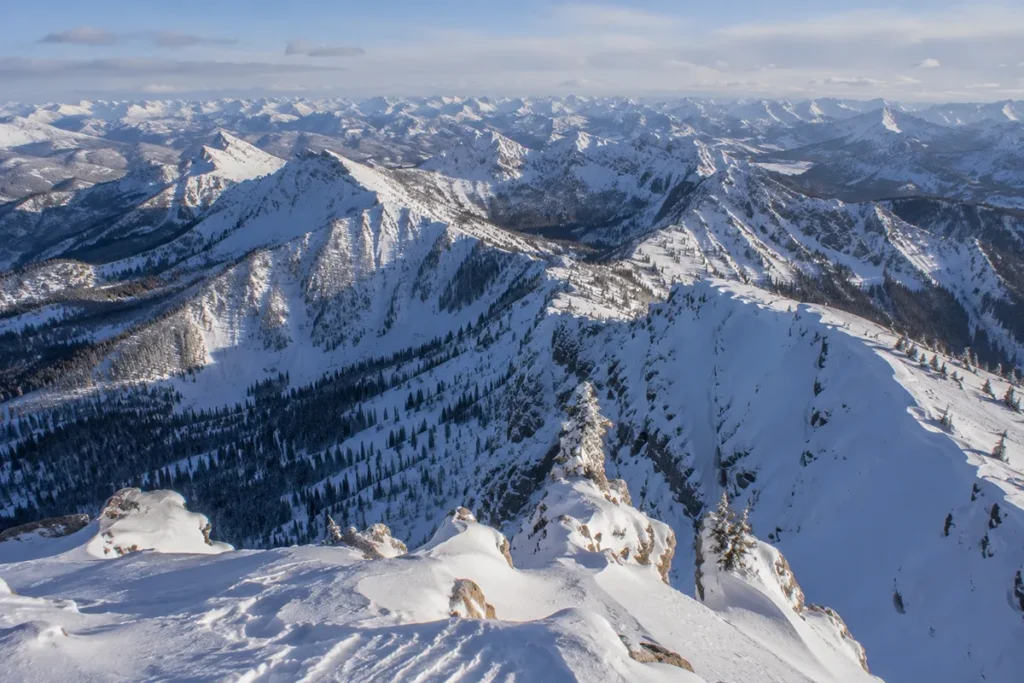
The Rocky Mountain Front rises vertically out of the plains directly behind the resort — a geological feature you cannot see anywhere else in the lower 48. The skiing is uncrowded to the point of feeling private.
The terrain has surprising variety on what is technically a small mountain. And the Bob Marshall Wilderness backcountry is literally accessible from the top of the chair.
This is part of our complete guide to Montana ski resorts — and Teton Pass is the answer for a specific kind of Montana ski adventurer who’s willing to roll the dice on the operating schedule for an experience that doesn’t exist anywhere else.
Where Teton Pass Actually Is
Teton Pass Ski Area sits in Teton County, Montana, in the Lewis and Clark National Forest at the edge of the Rocky Mountain Front. The resort is west of Choteau and east of the Continental Divide.
Getting there:
- From Choteau: 30 miles west on Teton Canyon Road
- From Great Falls International Airport (GTF): about 90 miles west (1.5 hours)
- From Helena: about 110 miles north (about 2 hours)
- From Glacier National Park (East Glacier): about 90 miles south (2 hours)
- From Bozeman: about 180 miles north (about 3.5 hours)
Great Falls International Airport (GTF) is the practical commercial airport. Direct flights from Salt Lake City, Minneapolis, Denver, and Seattle make GTF a viable option for this trip, though limited compared to BZN or FCA.
The Teton Canyon Road Drive
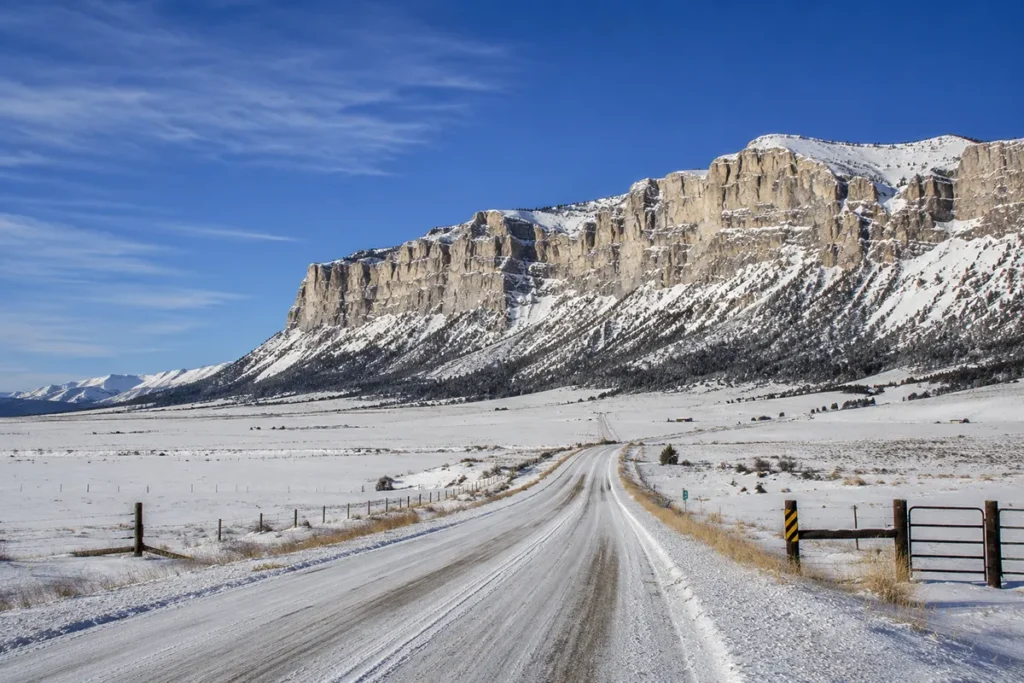
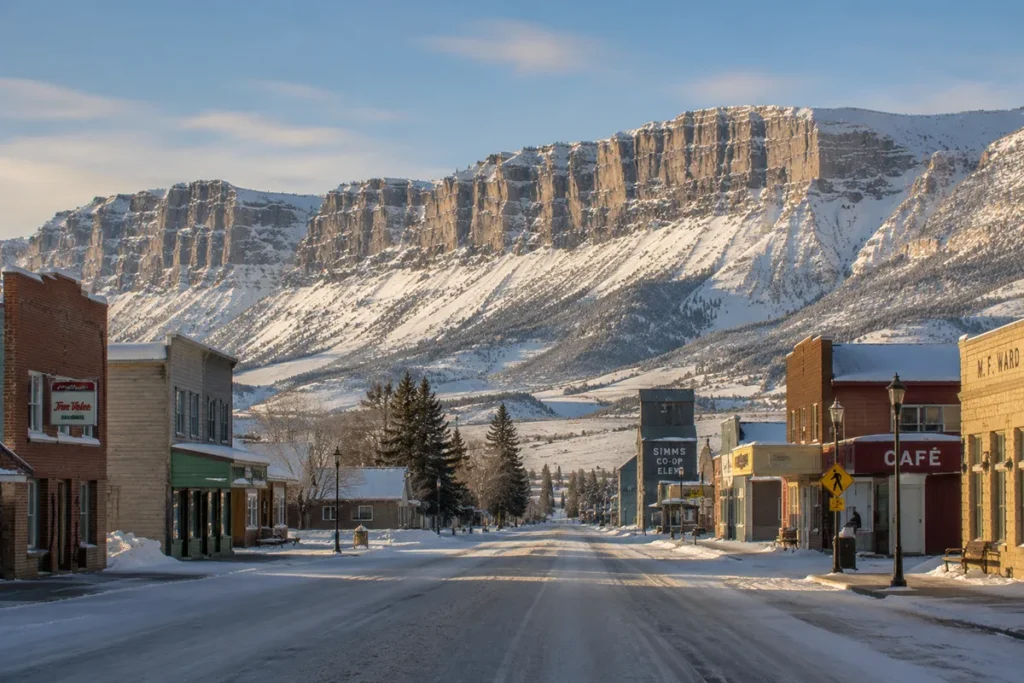
The drive west from Choteau on Teton Canyon Road takes you through one of Montana’s most dramatic geological transitions — from open prairie to vertical Rocky Mountain Front cliffs in the span of just 30 miles.
The road is paved but narrow and winding in places, and stays plowed reliably during the regular ski season.
Important notes for winter:
- Cell service drops out about 15 miles west of Choteau and doesn’t return until you head back east
- Snow tires and AWD/4WD are strongly recommended in winter conditions
- The Lewis and Clark National Forest road beyond Teton Pass is unmaintained in winter — don’t drive past the ski area expecting an easy return route
- Wildlife on the road is common, especially elk and deer in the lower canyon
See my Montana winter driving guide for general winter prep.
The Rocky Mountain Front: Why the Setting Matters
This is the section that distinguishes a Teton Pass trip from any other Montana ski experience. The Rocky Mountain Front is one of North America’s most dramatic landscape transitions — the abrupt boundary where the Great Plains meet the Rocky Mountains in a vertical wall that rises 4,000–5,000 feet above the surrounding prairie.
The Front extends from the Canadian border in the north south to roughly the Helena area, forming the eastern edge of the Bob Marshall Wilderness — over a million acres of designated wilderness that locals simply call “the Bob.” This is some of the most pristine, wildlife-rich, and roadless country in the lower 48.
Teton Pass Ski Area sits at the immediate eastern edge of this wilderness. From the top of the double chair, you can literally see the boundary of the Bob Marshall Wilderness.
Backcountry skiers can hike above the lift and access lines that drop into legitimate wilderness terrain. This kind of immediate access to capital-W wilderness from a lift-served ski area is genuinely rare in American skiing.
The combination of:
- The vertical Rocky Mountain Front as your skiing backdrop
- Bob Marshall Wilderness immediately behind you
- No other people on the mountain on most operating days
- Real natural-snow skiing without the manicured destination-resort feel
…is the package that defines a Teton Pass trip. When the resort is open and the snow is good, this experience doesn’t exist anywhere else in Montana.
The Terrain: How Teton Pass Skis
The terrain stats at Teton Pass are unusually inconsistent across sources. Wikipedia cites 114 acres; Visit Montana and Snow-Forecast cite 400 acres; the resort’s own communications have referenced 400-ish acres including backcountry.
The reality is that Teton Pass has perhaps 150–200 acres of designated, regularly-skiable inbounds terrain plus extensive backcountry-style options that aren’t formally part of the ski area but are accessible from the lifts.
Approximate terrain breakdown (based on consensus from multiple sources):
- Beginner: ~20%
- Intermediate: ~50%
- Advanced/Expert: ~30%
The intermediate-heavy distribution makes Teton Pass a meaningful family option when it’s operating, despite its small size.
The Lift System
Teton Pass operates with one double chair plus a platter/tow lift and a magic carpet for beginners.
The double chair climbs approximately 1,010 vertical feet from the 6,190-foot base to roughly 7,200 feet (the resort’s own marketing references higher summits — verify current published summit elevation).
The double chair is fixed-grip (not high-speed), with a ride time of about 8-10 minutes. The platter lift and magic carpet serve the beginner zone near the base.
The Skiing
Skiers consistently mention a few specific features:
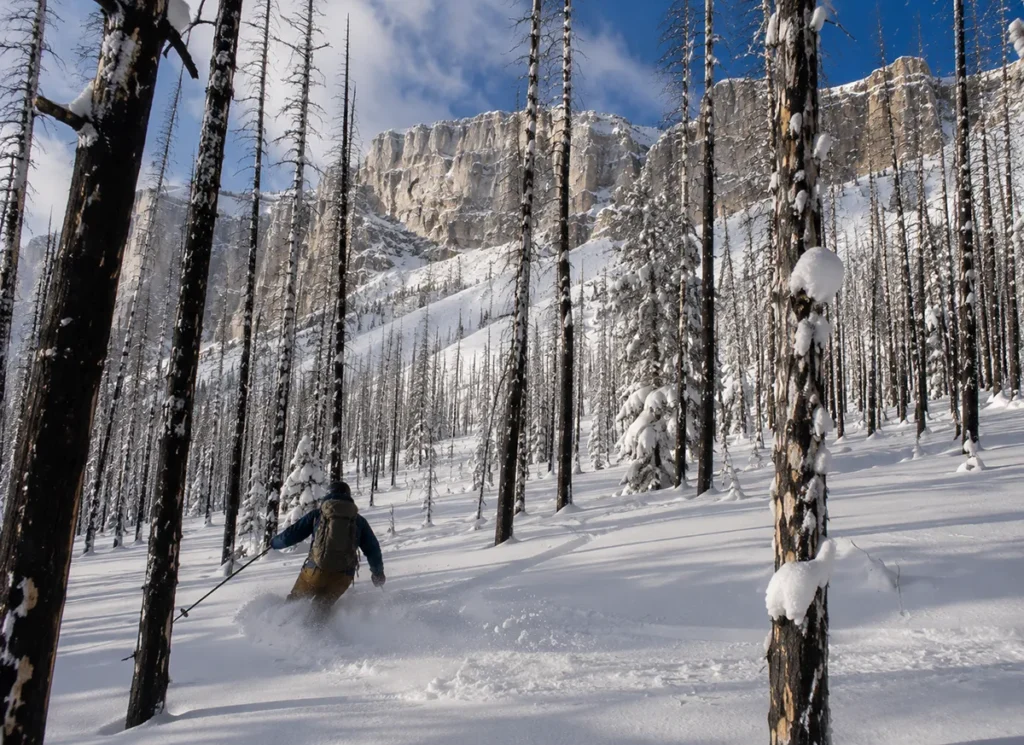
- The “No Name” zone — medium-angle powder skiing through burned trees, frequently cited as the best terrain on the mountain
- Tree skiing through burned timber — the result of past wildfires, creating perfect tree-skiing density
- Backcountry access from the top of the lift — for skiers with avalanche gear and training, the terrain above the lift accessing the Bob Marshall Wilderness is legitimate adventure skiing
- Cross-country trails in the area around the resort
- Long groomed cruisers — multiple intermediate runs that take advantage of the full 1,010-foot vertical
The 26 named trails punch above their weight in variety. The combination of inbounds skiing, accessible backcountry, and tree-zone glades means most strong skiers can spend a full day at Teton Pass without repeating terrain.
The Snow: Generous for the Size
Teton Pass receives approximately 250–300 inches of natural snowfall annually — modest by Montana destination-resort standards (Big Sky 400+, Whitefish 300, Lost Trail 350) but genuinely generous for a mountain this small.
What makes the snow story interesting:
- The Rocky Mountain Front orographic effect — moisture moving east from the Pacific gets squeezed up and over the Front, often dumping significant snow at Teton Pass while the plains a few miles east stay dry
- Continental snowpack character — light, dry powder rather than heavier coastal snow
- Low skier traffic means powder lasts dramatically longer than at more popular resorts
- No snowmaking — every flake on the slopes is natural
The challenge is that the snow situation also creates Teton Pass’s biggest vulnerability. Lean snow years can devastate the operation.
The 2023-24 season — only 4 operating days due to insufficient snowpack — illustrates how dependent the resort is on natural conditions. Good snow years produce excellent skiing; bad snow years can mean no skiing at all.
Lift Tickets, Passes, and the Operating Reality
Teton Pass pricing has historically been among the most affordable in Montana, reflecting the small-business operating model and the resort’s commitment to remaining accessible to local Choteau-area families.
Lift Tickets
Full-day adult lift tickets at Teton Pass have historically been in the $25–$45 range in recent years — but pricing has varied. [Verify current pricing on skitetonmt.com.] Multi-day discounts, military rates, and college student discounts are typically available. Ages 6 and under ski free.
Pass Affiliations
Teton Pass is independent — not on the Ikon, Epic, or Indy Pass. The mountain sells day tickets and season passes directly. The independent stance reflects the small-business model rather than any deliberate philosophical positioning.
Operating Schedule
Teton Pass typically operates Friday through Monday during the regular season. Sources cite slightly varying schedules — verify current published days before driving.
The 2023-24 season’s early closure (only 4 days of operation) is a recent reminder that operations are weather-dependent. The resort has fortunately been more reliable in other recent seasons, but always check current conditions before planning a trip.
The season typically runs early December through early-to-mid March, depending entirely on natural snowfall.
What I Wish I Knew Before Skiing Teton Pass
A few things I’d tell my pre-Teton-Pass self.
Verify the resort is actually open before driving. Teton Pass has had multi-year closures (2011-12, 2017-18) and short seasons (2023-24). Always check the resort’s website or social media for current operational status before committing to the drive.
Verify the operating days. Friday-Monday is typical but not guaranteed. The resort schedule can shift based on season conditions and staffing.
Bring backup plans. If you’re driving from Great Falls or beyond, build flexibility into your trip. If Teton Pass is closed unexpectedly, you can pivot to Showdown Montana (about 2 hours southeast) or just enjoy the Choteau area without skiing.
Stay in Choteau. The town of Choteau is the closest substantial accommodation option, with motels, B&Bs, and the Stage Stop Inn (frequently recommended by Teton Pass visitors). It’s 30 miles east of the resort, about 45 minutes drive.
The cell service blackout is real. Plan accordingly. Tell someone your plans, download offline maps, and don’t expect to make work calls from the parking lot.
Backcountry skiing requires real preparation. The terrain above the lift accessing the Bob Marshall Wilderness is legitimate avalanche terrain. Don’t go without proper training, partners, transceiver, shovel, probe, and knowledge of current conditions. The Bob Marshall is real wilderness — there is no ski patrol and no rescue infrastructure.
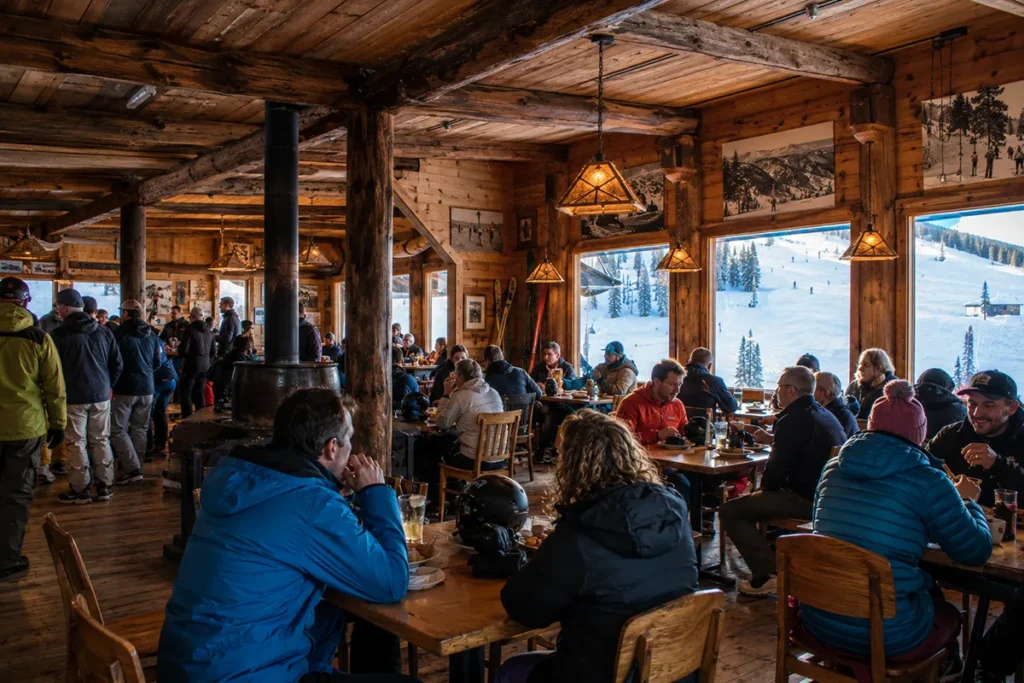
The food is unexpectedly good. Multiple reviewers consistently note the quality of food and beverage at the base lodge. Plan to eat at the lodge rather than packing in.
Wildlife is part of the experience. The Rocky Mountain Front is some of the best wildlife country in the lower 48. On the drive in or out, you may see elk, deer, mule deer, bighorn sheep, and occasionally grizzly bears (in early or late season). Drive cautiously and enjoy the experience.
Don’t go expecting destination amenities. This is a small, scrappy, intermittently-operating community ski area. The drive is part of the experience. The view is part of the experience. The uncrowded skiing is part of the experience. The lack of modern amenities is part of the deal.
Teton Pass Compared to the Other 17 Montana Ski Areas
Quick honest comparisons.
Vs. Showdown Montana: Both are small central/north-central Montana ski areas with affordable pricing. Showdown is larger (640 vs. ~150-200 acres), older (1936 vs. ~1990s as Rocky Mountain Hi), and more reliable operationally. Teton Pass has more dramatic scenery (Rocky Mountain Front) and Bob Marshall Wilderness backcountry access. Both serve their regional communities. For reliable operations, Showdown. For unique scenery and adventure, Teton Pass.
Vs. Great Divide Ski Area: Great Divide is significantly larger (1,600 vs. ~150-200 acres), more reliable, has snowmaking, and operates daily. Teton Pass is smaller, less reliable, but has the Rocky Mountain Front geographic distinction. For Helena travelers, Great Divide. For Rocky Mountain Front adventurers, Teton Pass.
Vs. Bear Paw Ski Bowl: Both are tiny, community-spirit Montana mountains. Bear Paw is on the Hi-Line near Havre; Teton Pass is on the Rocky Mountain Front near Choteau. Bear Paw is volunteer-run nonprofit, cash-only, weekend-only. Teton Pass is small-business operated. Both have their own distinct regional character.
Vs. Maverick Mountain Ski Area: Both are small, family/individual-owned, weekend-emphasis mountains. Maverick has more vertical drop (2,020 vs. 1,010 ft) and is more reliable operationally. Teton Pass has more dramatic scenery and immediate Bob Marshall Wilderness access. Both are uniquely Montana experiences.
Vs. Bridger Bowl or Big Sky Resort: Different products entirely. These are destination-quality ski areas. Teton Pass is a small community mountain with extraordinary surroundings. Choose based on what kind of trip you want.
For the full picture, see the Montana ski resorts pillar guide.
Teton Pass Ski Area: At-a-Glance
| Vertical Drop | ~1,010 ft lift-served |
|---|---|
| Skiable Acres | 114–400 (sources vary; ~150-200 acres designated + extensive backcountry) |
| Top Elevation | ~7,200 ft (some sources cite higher) |
| Base Elevation | 6,190 ft |
| Annual Snowfall | ~250–300 inches |
| Terrain Breakdown | ~20% Beginner, ~50% Intermediate, ~30% Advanced/Expert |
| Trails | 26 named runs (some sources cite up to 43) |
| Longest Run | ~0.95 miles |
| Lifts | 1 double chair + 1 platter/tow + magic carpet |
| Lift Ticket | Historically $25–$45 [verify current price] |
| Ages 6 & Under | Ski FREE |
| Pass Affiliation | Independent — not on Ikon, Epic, or Indy |
| Operating Days | Friday–Monday (verify current schedule) |
| Hours | ~9:30am–4:00pm |
| Season | December through early-mid March (snow dependent) |
| Snowmaking | None |
| Owner | Charles Hlavac (since 2019; purchased for $345,000) |
| Founded | 1990s as Rocky Mountain Hi |
| Backcountry Access | Bob Marshall Wilderness from top of chair |
| Nearest Town | Choteau, 30 miles east |
| Nearest Airport | Great Falls International (GTF), ~90 miles |
| Operational Stability | Variable — closed 2011-12, 2017-18; only 4 days in 2023-24 |
Lift ticket prices, operating schedule, exact skiable acreage, and operational status change annually — verify current information on skitetonmt.com before booking. Teton Pass has had multi-year closures in the past; confirm the resort is operating before driving.
Things to Do in the Choteau Area When You’re Not Skiing
The Choteau area is a working ranching community with some genuinely interesting non-ski attractions:
- Choteau — small ranching town with motels, restaurants, and the Stage Stop Inn
- Old Trail Museum — Choteau’s regional history museum
- Egg Mountain / Two Medicine Dinosaur Center — Montana’s famous paleontological site, with summer-mainly access
- Bob Marshall Wilderness — vast wilderness area accessible (with proper preparation) from various trailheads west of Choteau
- Rocky Mountain Front — driving and viewing along the Front
- Day trip to Great Falls — about 90 miles east, with the C.M. Russell Museum, restaurants, and amenities
- Glacier National Park (East Glacier entrance) — about 90 miles north (winter access varies)
For winter Airbnb planning, see winter Airbnbs in Montana.
Final Thoughts on Teton Pass
Teton Pass is the Montana ski mountain that asks the most of its visitors and rewards the willingness to take a chance. The resort has closed and reopened multiple times.
The 2023-24 season was effectively a lost season. The operating schedule is variable. There are no destination-resort amenities. The drive from any major airport is long.
In exchange for accepting these realities, you get a ski experience that genuinely doesn’t exist anywhere else: the Rocky Mountain Front rising vertically behind you, the Bob Marshall Wilderness immediately accessible above the lift, no crowds, real wilderness, and the most dramatic ski-area geographical setting in Montana — possibly in the lower 48.
This is not the right answer for a first-time Montana ski visitor planning a destination trip. For those visitors, anchor at Big Sky or Whitefish and add other resorts as supporting cast.
Teton Pass is the right answer for the Montana ski-curious traveler willing to roll the dice for a uniquely-Montana experience, for adventurous skiers who want immediate access to Bob Marshall Wilderness backcountry, and for anyone with a flexible itinerary who specifically wants to ski Montana’s smallest and most idiosyncratic operations.
The Hlavac family ownership since 2019 has stabilized the operation considerably from the pre-2019 chaos. The 2023-24 weather-driven closure was outside anyone’s control. The mountain has shown itself capable of operating well when conditions allow.
If you find yourself in northwest Montana with a few flexible days and the resort is open with good snow, drive out.
The experience justifies the effort. Pin this guide for your trip planning, and drop your questions in the comments below — I read every one and will happily help you decide if Teton Pass fits your itinerary, when it’s operating, and how to combine it with broader Rocky Mountain Front exploration.
Frequently Asked Questions
Where is Teton Pass Ski Area?
Teton Pass Ski Area is located in Teton County, Montana, in the Lewis and Clark National Forest, 30 miles west of Choteau. The resort sits on the Rocky Mountain Front at the eastern edge of the Bob Marshall Wilderness. Great Falls International Airport (GTF) is the closest commercial airport, about 90 miles east.
Is Teton Pass Ski Area actually open?
Teton Pass has had multi-year closures in its history (2011-12, 2017-18). It reopened in 2019 after Charles Hlavac purchased the resort. The 2023-24 season was effectively lost (only 4 days of operation) due to insufficient snowpack. Always verify current operational status on skitetonmt.com or the resort’s social media before driving.
How much does a lift ticket at Teton Pass cost?
Lift tickets at Teton Pass have historically been in the $25–$45 range, making it one of Montana’s most affordable ski areas. Ages 6 and under ski free. Military and college student discounts are typically available. [Verify current pricing on skitetonmt.com.]
Is Teton Pass on the Ikon, Epic, or Indy Pass?
No. Teton Pass is independent and does not participate in any major mega-pass system. The small operation sells day tickets and season passes directly.
How big is Teton Pass Ski Area?
Sources vary significantly on Teton Pass’s size — Wikipedia cites 114 acres, the resort’s marketing and Visit Montana cite 400 acres. The reality is approximately 150-200 acres of designated skiable terrain plus extensive backcountry options accessible from the lifts. The resort has 26 named trails, a 1,010-foot lift-served vertical drop, and one double chairlift plus surface lifts.
Can I access the Bob Marshall Wilderness from Teton Pass?
Yes — the Bob Marshall Wilderness boundary is immediately above the ski area, and backcountry skiers can hike above the lift to access wilderness terrain. This is legitimate avalanche terrain and should only be skied by skiers with proper avalanche training, partners, transceiver, shovel, probe, and current snowpack knowledge. There is no ski patrol or rescue infrastructure in the wilderness.
When does Teton Pass open and close?
Teton Pass typically operates from early December through early-to-mid March, with the season depending entirely on natural snowfall (no snowmaking). The resort typically operates Friday through Monday during the regular season. Season opening and closing dates can shift significantly based on snow conditions. Always verify current schedule.
Who owns Teton Pass Ski Area?
Teton Pass is owned by Charles Hlavac, a former Teton Pass manager and Choteau resident who purchased the resort in 2019 for $345,000 (down from its original $3 million listing price). The Hlavac ownership has been the most stable period in the resort’s recent history.
What is the closest town to Teton Pass?
Choteau, Montana — a small ranching town 30 miles east of the resort. Choteau has motels, restaurants, and the Stage Stop Inn (frequently recommended by Teton Pass visitors). Allow about 45 minutes for the drive in winter conditions.
Is Teton Pass good for beginners?
Yes, on the operating days when the resort is open. About 20% of terrain is rated beginner, served by the platter/tow lift and magic carpet near the base. The family-friendly atmosphere and patient instructors make it a reasonable place for kids learning to ski — provided the resort is operating reliably for your trip window.
Is Teton Pass good for advanced skiers?
Yes — particularly skiers interested in backcountry-style adventure skiing rather than groomer-focused destination skiing. The “No Name” zone, burned-timber tree skiing, and Bob Marshall Wilderness access above the lift offer legitimate advanced terrain. The 30% advanced/expert designation is real.
How does Teton Pass compare to Showdown Montana?
Both are small north-central Montana ski areas with affordable pricing and independent operations. Showdown is larger (640 vs. ~150-200 acres), older (1936 vs. ~1990s), and more reliable operationally. Teton Pass has more dramatic scenery (Rocky Mountain Front) and Bob Marshall Wilderness backcountry access. For reliable operations and historic Montana skiing, Showdown. For unique scenery and adventure-skiing potential, Teton Pass.