I’ll admit it: I didn’t expect to spend three hours at a zoo in Billings, Montana. I budgeted ninety minutes, the way you do for a regional zoo you’ve never heard of.
What I didn’t expect was to stand transfixed in front of a Takin — a goat-antelope from the Eastern Himalayas that I had never seen outside of a nature documentary — while a ZooMontana keeper explained why this animal, whose home range includes Bhutan and southwestern China, shares more climate DNA with Billings, Montana than you’d ever guess.
That’s the ZooMontana story in miniature: it keeps surprising you with what it is, why it exists, and how thoughtfully it’s been built.
Quick Answer — ZooMontana Billings MT
ZooMontana is Montana’s only AZA-accredited zoo, botanical garden, and accredited arboretum — a 70-acre natural park in Billings housing 80–100+ animals across 56+ species, almost all rescues. Highlights: Amur tigers, grizzly bears, red pandas, wolverine, Takin, river otters, wolves, bald eagles, and Canada lynx. Open year-round (closed Thanksgiving, Christmas, New Year’s Day, Easter). Summer hours: 10am–5pm; winter: 10am–4pm. Address: 2100 S Shiloh Rd, Billings, MT 59106. Phone: (406) 652-8100.
- Montana’s only zoo AND botanical garden AND AZA-accredited arboretum — three institutions in one 70-acre park
- Unique scientific mission: the 45th Parallel — animals chosen from similar climates as Billings along this global latitude line
- Almost every animal is a rescue with a named story: tigers, eagles, grizzlies, and even a pet-surrender Canada lynx
- The Takin alone is worth visiting — one of the rarest large mammals in American zoos
- Annual visitors: 80,000–100,000+; 12,000+ students served by education programs per year
- Wild Wine Walk (monthly adult event) and Zoofari (annual dinner/auction) are the events no travel guide covers
- Best visited weekday mornings; ZooMembers enter at 9:30am in summer while general admission opens at 10am
- For the full ZooMontana events calendar, see our dedicated ZooMontana events guide
Liked this article?
Add Roaming Montana as a preferred source so you see more of our articles and guides on Google.
What ZooMontana Actually Is (Most Visitors Don’t Know)
Here’s what distinguishes ZooMontana from a standard regional zoo — and what no competitor explains properly:
ZooMontana is simultaneously three accredited institutions:
1. An AZA-Accredited Zoological Park — accredited by the Association of Zoos and Aquariums, the gold standard for animal welfare and conservation programs. Accreditation means regular rigorous inspections covering animal care, veterinary programs, conservation, education, and safety.
2. A Botanical Garden — housing plants from Montana, the northern Rockies, and crucially, from similar latitudes in northern Europe and Asia. The plant collections aren’t background landscaping — they’re an intentional part of the scientific mission.
3. An Accredited Arboretum — the only one in Montana. The tree collection on ZooMontana’s 70 acres is a significant horticultural resource for the region.
Running all three simultaneously gives ZooMontana a depth that “regional zoo” doesn’t capture. It’s why 100,000 people visit annually and why 12,000 students per year come through educational programs — this is a genuine natural history institution, not just an animal attraction.
For the complete Montana family attractions picture, see my Montana family attractions guide.
The 45th Parallel: The Concept Every Visitor Should Understand ⭐
This is what no travel guide has explained — and it’s the most intellectually distinctive thing about ZooMontana.
The 45th Parallel of latitude runs through Billings, Montana. It also runs through Bordeaux, France. Through Torino, Italy. Through Belgrade, Serbia. Through the steppes of Kazakhstan. Through the high mountain forests of Mongolia. Through the Manchurian plains of northeastern China.
ZooMontana is dedicated to the conservation of wildlife along this specific latitude — the band of Earth where climate, temperature ranges, and ecological conditions create a family of environments that Billings belongs to.
This means the Amur tigers at ZooMontana are here not merely because tigers are impressive (they are), but because Amur tigers come from the Russian Far East and northeastern China at the 45th parallel — the same latitude as Billings.
The grizzly bears are here because they represent the apex predator of the Northern Rockies ecosystem at this latitude. The Takin comes from high-altitude bamboo forests in Bhutan and China — also at similar temperate latitudes.
When you walk through ZooMontana’s exhibits, you’re not experiencing a random collection of animals that survived the acquisition process. You’re walking through a curated survey of what 45th-parallel Earth looks like, from Montana to Mongolia.
No travel blog covers this. No competitor explains why these specific animals are here. It’s the core of ZooMontana’s identity and the reason a 70-acre zoo in Billings houses one of the most coherent wildlife collections in the Mountain West.
The Rescue Story: Meet the Animals by Name
The second defining truth of ZooMontana: almost every animal here is a rescue. The official ZooMontana website states it plainly — “most of which are rescues.”
These aren’t animals bred in captivity for exhibition. They are animals who couldn’t survive in the wild and needed a permanent home.
This matters because it changes how you experience the zoo. You’re not watching animals perform. You’re meeting individuals with specific histories.
Amur Tigers: Dahlia and Sydney
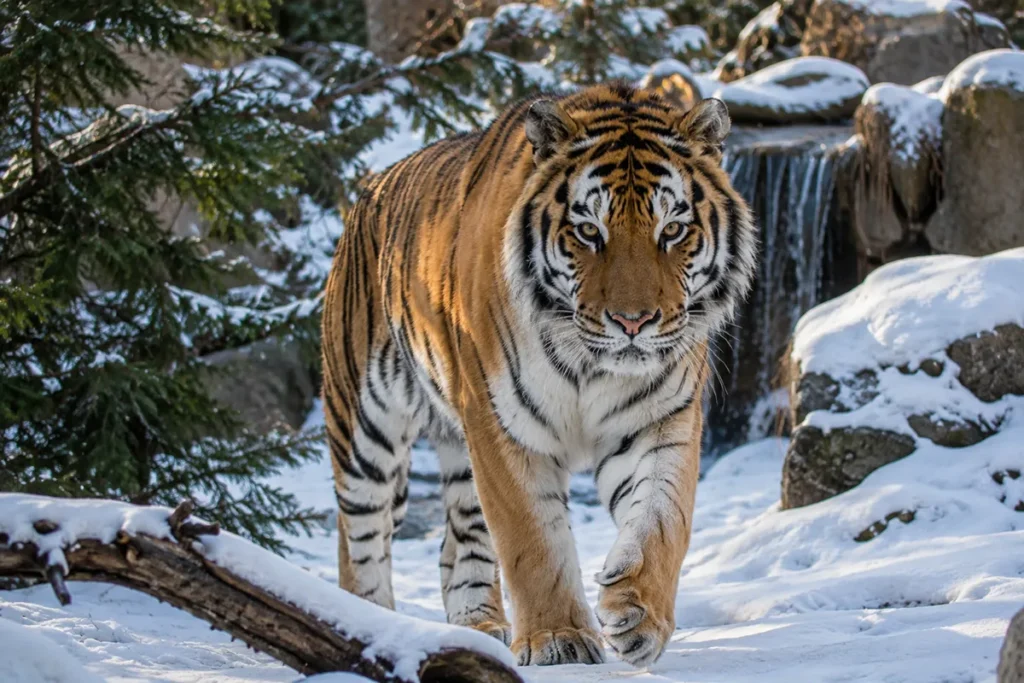
Dahlia arrived at ZooMontana in late 2022. The Amur tiger — also called the Siberian tiger — is the world’s largest wild cat, adapted to the harsh winters of the Russian Far East and northeastern China. ZooMontana’s tigers are among the most visually arresting animals on the grounds; on a cold day, watching Dahlia move through the snow is extraordinary.
Sydney came to ZooMontana from a facility in Georgia. Her calm disposition compared to Dahlia’s more active personality creates interesting animal dynamics that keepers discuss openly with visitors who ask.
Amur tigers are critically endangered in the wild — fewer than 500 individuals remain. ZooMontana’s tiger program is part of a broader species survival effort.
Grizzly Bears
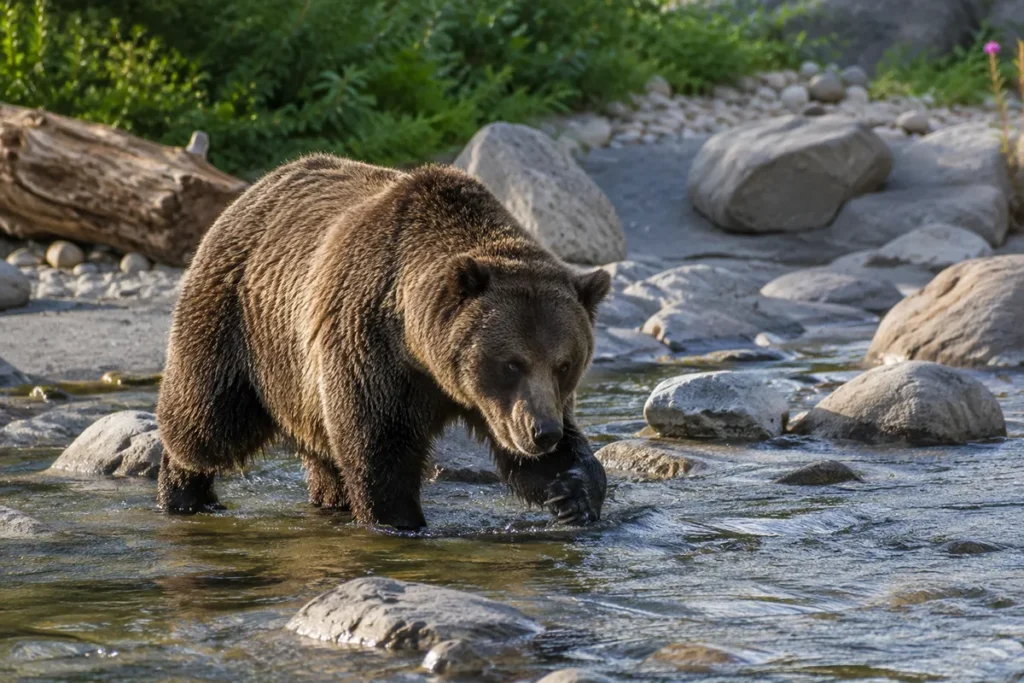
ZooMontana’s grizzly program has produced genuine bonds between keepers and individual bears. Krystal, a long-tenured keeper, has worked primarily with the North America area since 2002, developing what the zoo describes as “quite a bond with our Grizzly Bears.”
Watching a keeper interact with an animal that large and that intelligent is one of those moments that recalibrates your sense of what’s possible between species.
Red Pandas
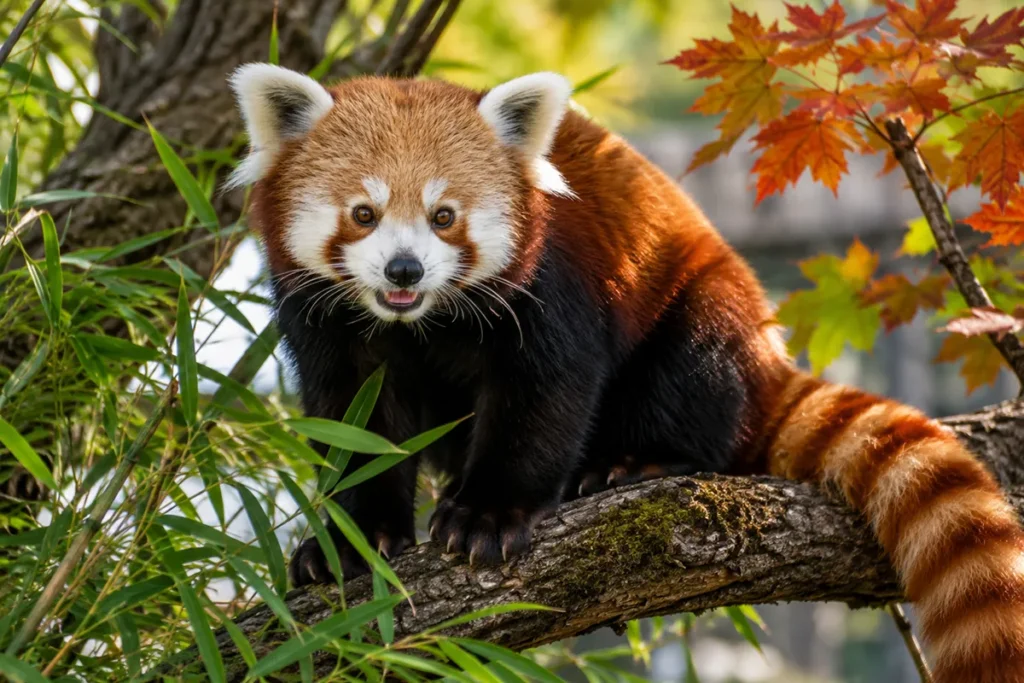
Red pandas are ZooMontana’s most immediately charming residents. At roughly the size of a house cat, these raccoon relatives (not actually pandas) from the temperate forests of the eastern Himalayas and southwestern China are also at the 45th-parallel latitude — connecting directly to the zoo’s core mission.
Watching red pandas — which move with a deliberate, almost contemplative grace — navigate their exhibit is consistently the longest single stop for most visitors.
Wolverine
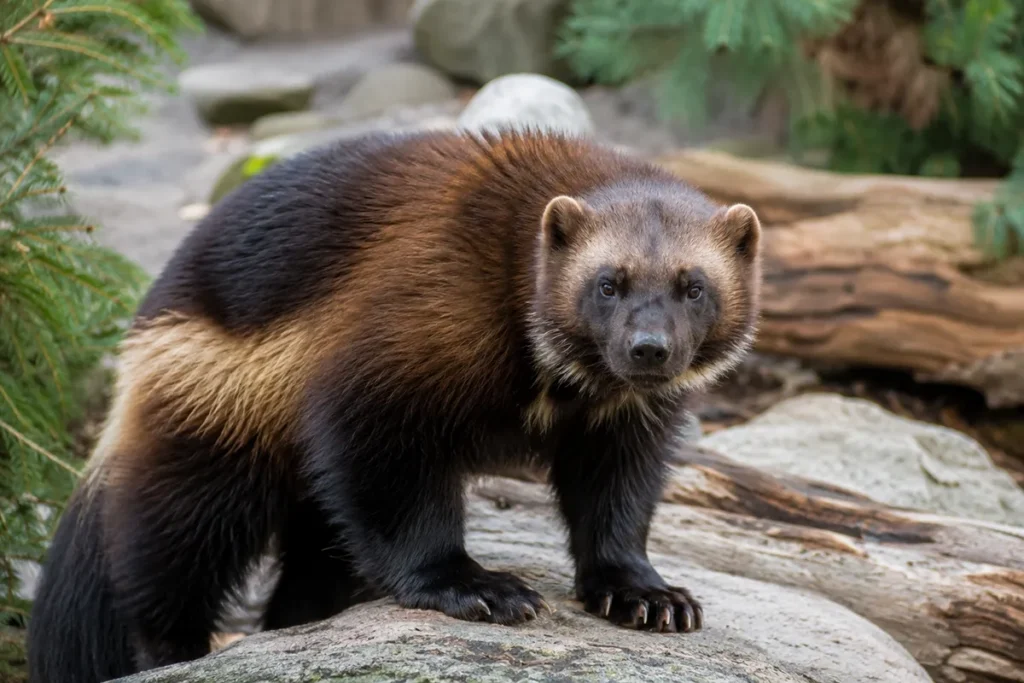
The wolverine is Montana’s most mythologized native animal and one of the hardest to observe in the wild. ZooMontana’s wolverine provides close viewing that essentially no wilderness experience can replicate.
The animal’s reputation for ferocity is largely accurate — watching one work through an enrichment puzzle is genuinely impressive.
Takin — The Animal No One Expected ⭐
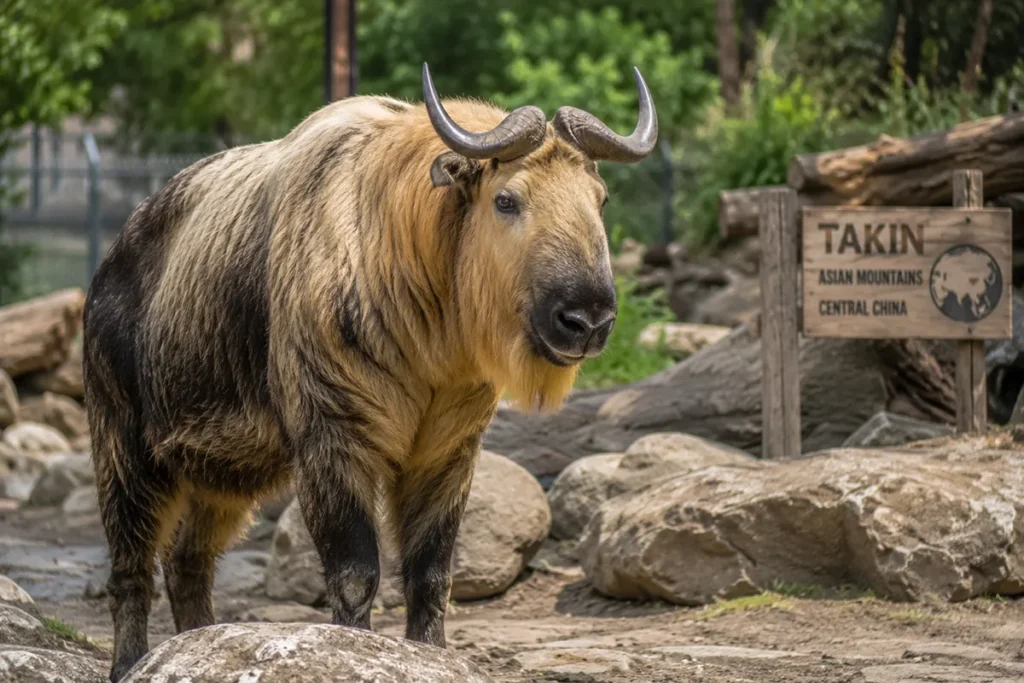
The Takin is ZooMontana’s most unusual resident and the one that produces the most surprised reactions from visitors. A large goat-antelope from the high-altitude bamboo and rhododendron forests of Bhutan, Tibet, and southwestern China, the Takin is:
- The national animal of Bhutan
- So genetically unusual it occupies its own genus (Budorcas)
- Covered in a distinctive shaggy coat with a gold or dark coloration depending on subspecies
- Associated in Bhutanese folklore with the “Divine Madman” Drukpa Kunley, who supposedly created it from a goat skull and a cow carcass
The eastern Himalayan environment the Takin comes from sits at similar latitudes and elevations to Montana’s mountain ecosystems — which is exactly why ZooMontana chose to house one.
There are very few Takin in American zoos. Walking up to one and reading the interpretive signage is the kind of moment that justifies the entire visit for anyone with even passing interest in natural history.
River Otters
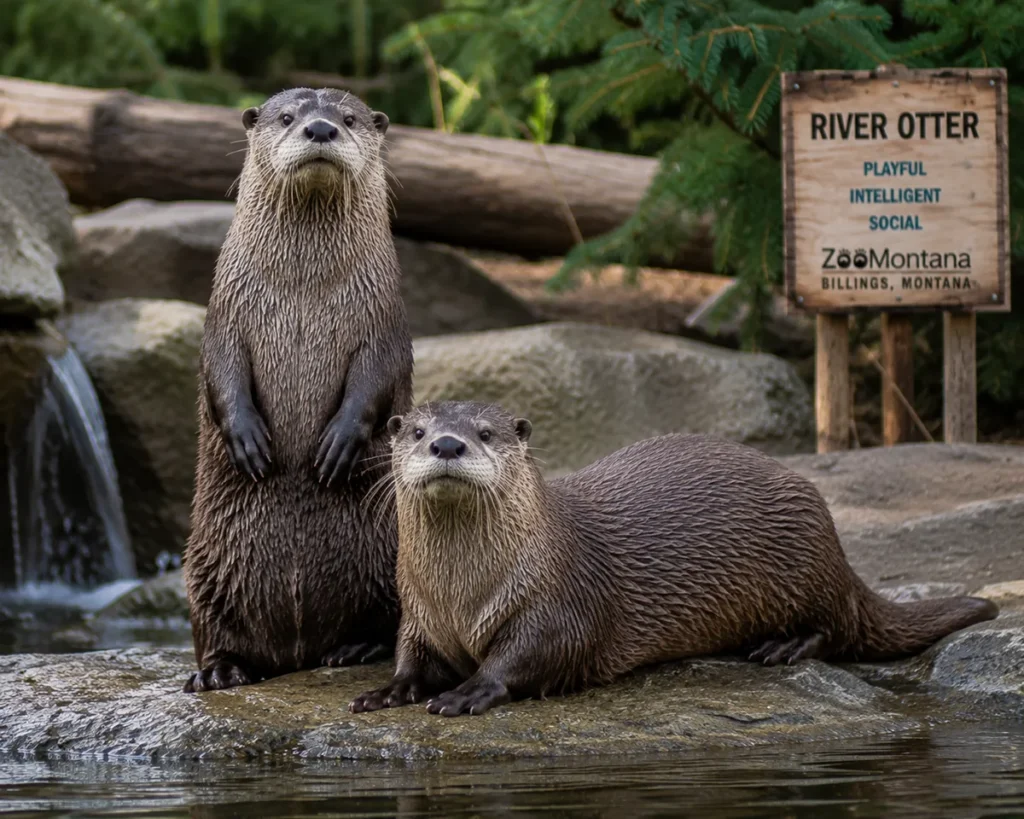
ZooMontana’s river otters are perpetually in motion — swimming, diving, wrestling — in an exhibit designed to show off their aquatic agility.
They reliably produce the most visitor-noise, particularly from children. The exhibit timing means there’s almost always active behavior during open hours.
Wolves
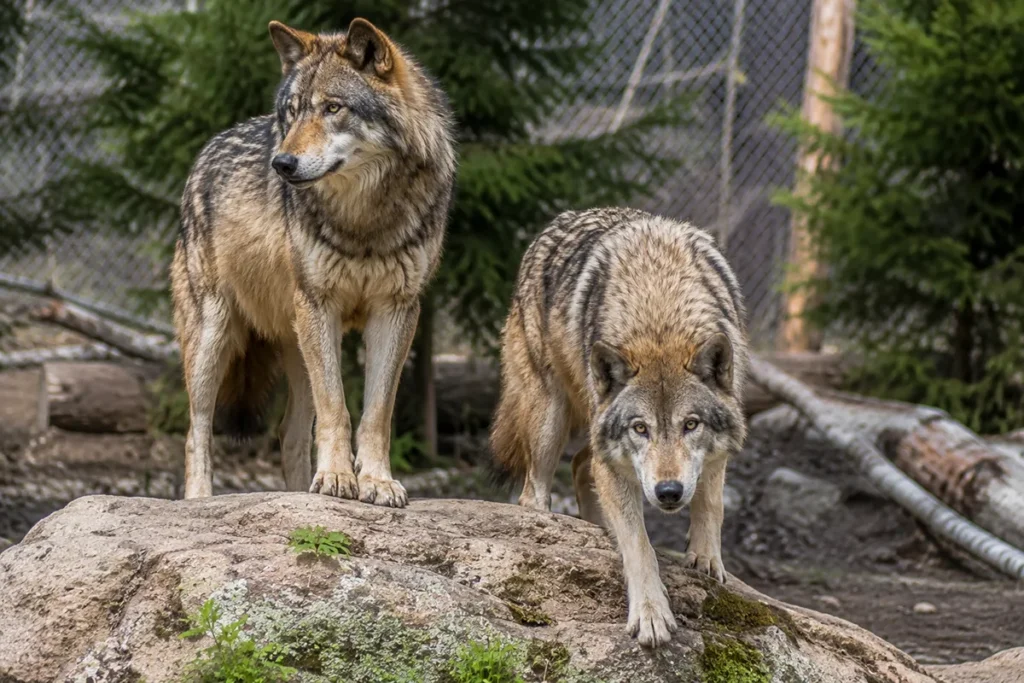
The wolf exhibit at ZooMontana carries particular weight in Montana, where the reintroduction of wolves to Yellowstone in 1995 remains one of the most ecologically significant (and politically contentious) conservation events in American history.
ZooMontana’s wolves provide close observation of animals that Montana residents interact with as a political reality without often seeing as a physical one.
Bald Eagles: Emelio and Tokata
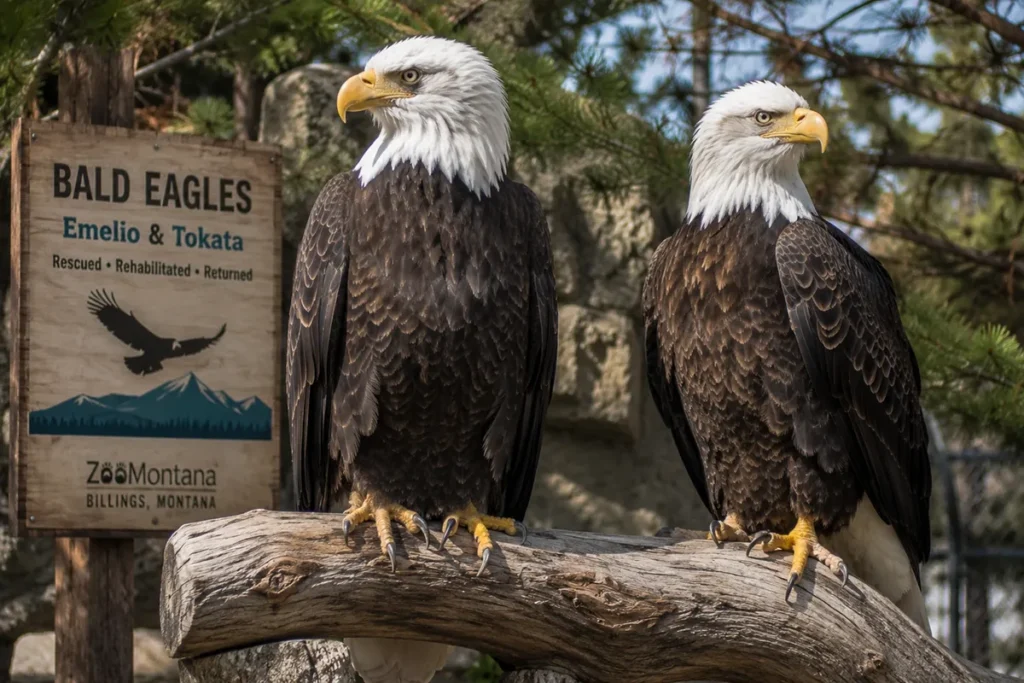
Emelio and Tokata came to ZooMontana from a wildlife treatment center after being treated for wing injuries. Unable to survive in the wild with compromised flight capability, they found permanent residence at ZooMontana.
The eagles are named — which matters, because names create relationship and relationship creates advocacy.
Bald eagles are apex predators and ecological indicators of watershed health. The presence of healthy eagles in ZooMontana’s exhibits reflects the zoo’s commitment to native Montana species.
Canada Lynx
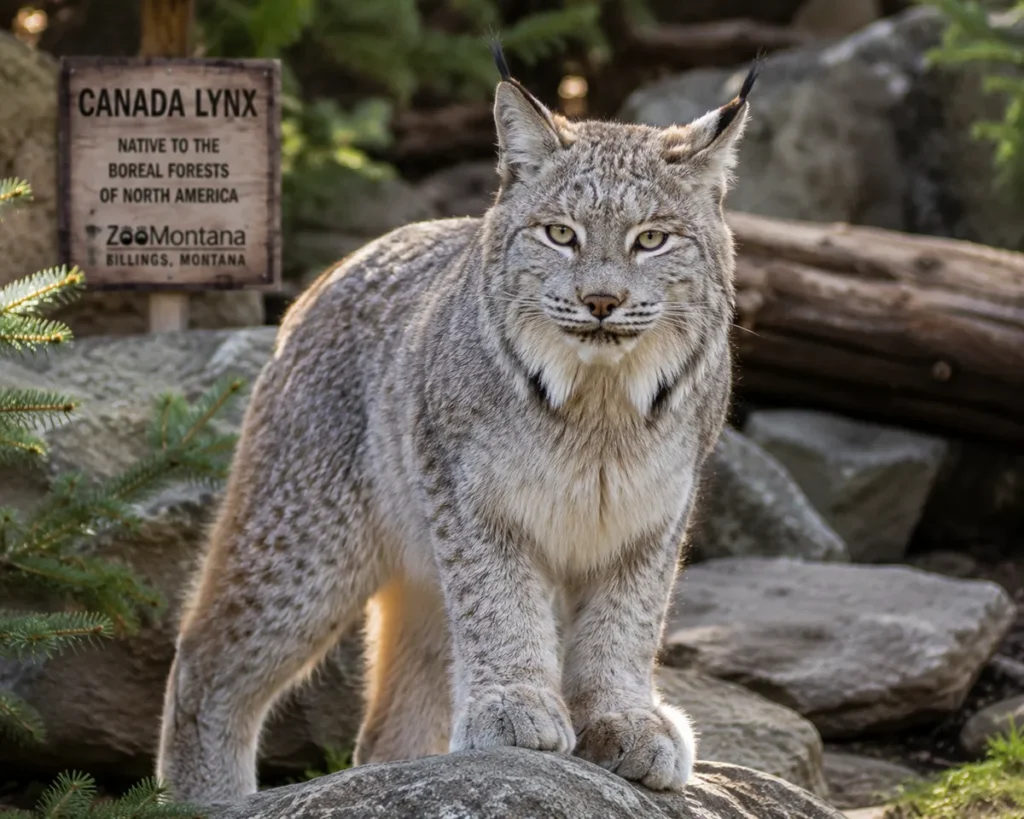
Taco is a Canada lynx who arrived as a pet surrender in 2018 and now serves as an educational ambassador. The backstory is worth knowing: someone attempted to keep a Canada lynx as a pet — a genuinely hazardous and illegal situation — and Taco ended up at ZooMontana.
He’s now used in educational programs where the story of what it means to try to “own” a wild predator is part of the curriculum.
Other Residents
ZooMontana’s full population includes wolves, bighorn sheep, beavers, a koi pond with 70 individual fish, Walter (an educational ambassador who arrived from Michigan in 2020), Uki (orphaned and raised by a rehabilitation center), and a cockroach colony of 50+ individuals used in educational programming.
The Two Main Regions of ZooMontana
Walking ZooMontana’s 70 acres is organized around two primary geographical zones — a structure that reinforces the 45th parallel mission.
Asia Region
The Asia Region begins near the wolf exhibit and follows a paved path through a cottonwood forest.
This area houses the animals originating from Asian 45th-parallel habitats: Amur tigers, red pandas, Takin, and related species. The paved path makes this section accessible year-round and fully accessible for visitors with mobility limitations.
The cottonwood forest canopy along the Asia Region path creates one of ZooMontana’s most distinctive atmospheres — dappled light through large trees, the sound of Canyon Creek nearby, and periodic animal exhibits appearing through the vegetation.
North America Region
The North America Region houses the continent’s native 45th-parallel species: wolves, grizzly bears, river otters, beavers, bald eagles, bighorn sheep, and Canada lynx. This section tends to feel more open, reflecting the wider spaces and habitat scales of North American ecosystems.
The grizzly bear habitat in the North America Region is one of the exhibit designs that receives the most consistent positive feedback — naturalistic, spacious, and designed to allow genuine behavioral expression.
Canyon Creek: The Zoo’s Scenic Spine ⭐
A feature almost no travel guide mentions: Canyon Creek runs through the center of ZooMontana’s grounds, creating a natural stream corridor that shapes the park’s atmosphere entirely.
The creek is the reason ZooMontana feels like a park rather than a zoo — the sound of running water, the riparian vegetation, the birds drawn to the streamside habitat, all create something more tranquil than a standard zoo visit.
Visitors who identify the creek as a landscape feature rather than incidental background tend to linger longer. Finding a bench near the Creek and sitting quietly while animals move through their exhibits nearby is one of the zoo’s less-advertised experiences.
The Botanical Garden and Arboretum ⭐
Here is what every competing travel guide misses: ZooMontana’s plants are as curated as its animals.
The botanical garden component houses plants from Montana and the northern Rockies alongside plants from similar latitudes in northern Europe and Asia — the same 45th-parallel concept applied to the plant kingdom.
Walking through ZooMontana, you’re moving through a living map of temperate ecosystems across the latitude.
The accredited arboretum — the only one in Montana — is a significant horticultural resource. The tree collection on ZooMontana’s 70 acres includes specimens that have grown for decades, creating the mature canopy that makes the zoo feel like a forest walk rather than a concrete facility.
Most visitors don’t consciously engage with the botanical collections because they’re focused on the animals.
But the plantings are the reason the grizzly bears have actual vegetation in their habitat, the reason the cottonwood forest in the Asia Region feels authentic, and the reason Canyon Creek’s banks look like natural riparian habitat.
Ask at the front gate about any available botanical garden self-guided tour maps — the zoo periodically produces materials for visitors specifically interested in the plant collections.
ZooMontana Events ⭐
For the complete and current ZooMontana events calendar — including specific dates, pricing, and booking — see our dedicated ZooMontana events guide.
Wild Wine Walk — Monthly (The Event No Travel Blog Covers)
The Wild Wine Walk is ZooMontana’s recurring adult-oriented event — an evening walk through the zoo with wine available at stations along the route. For adults who feel that their zoo experiences are primarily organized around children’s attention spans, the Wild Wine Walk provides a fundamentally different atmosphere: quieter, slower, more contemplative.
allredlodge.com is the only travel source that mentions it — and only in passing. For local Billings residents and visitors staying multiple nights, a Wild Wine Walk evening turns ZooMontana into a recurring destination rather than a single-visit attraction.
[Verify current schedule and pricing at zoomontana.org or call (406) 652-8100.]
Zoofari — Annual Dinner and Auction
Zoofari is ZooMontana’s annual fundraising dinner and auction — the primary community-supported fundraising event for the zoo’s operations. Proceeds support animal care, educational programming, and conservation efforts.
For visitors interested in ZooMontana beyond a tourist visit, Zoofari is the primary way community members demonstrate ongoing support.
[Verify current Zoofari dates at zoomontana.org.]
Education Programs and Summer Camps
ZooMontana serves 12,000+ students annually through educational programming — school groups, summer camps, and curriculum-aligned field visits. Summer camps for children run through the peak season.
If you’re a parent planning a Billings visit with school-age children, the education department’s programming is worth inquiring about directly.
Contact the education department at (406) 652-8100 for current program schedules.
Zooper Tours: The Guided Experience
allredlodge.com mentions Zooper Tours as an available upgrade to the standard ZooMontana visit. These guided tours of the grounds provide keeper-level narration about the animals, their individual histories, the conservation programs connected to each species, and the 45th-parallel concept that ties the collection together.
For first-time visitors who want more than exhibit-reading, a Zooper Tour delivers the ZooMontana story in a way that self-guided walking doesn’t. For families with children, having a knowledgeable guide maintain engagement throughout the visit is worth the additional cost.
[Verify current Zooper Tour availability and pricing at zoomontana.org or (406) 652-8100.]
Practical Information: Hours, Pricing, Directions
| Detail | Information |
|---|---|
| Address | 2100 S Shiloh Rd, Billings, MT 59106 |
| Phone | (406) 652-8100 |
| Website | zoomontana.org |
| Summer hours (May 1–Sept 30) | 10:00 AM – 5:00 PM daily |
| Winter hours (Oct 1–April 30) | 10:00 AM – 4:00 PM daily |
| ZooMembers early entry | 9:30 AM (summer only) |
| Admissions close | 1 hour before grounds close |
| Stay after close | Guests may remain 1 hour after closing |
| Closed | Thanksgiving, Christmas, New Year’s Day, Easter Day |
| Zoo size | 70 acres |
| Animals | 80–100+ across 56+ species |
| Annual visitors | 80,000–100,000+ |
| Admission pricing | [Verify current at zoomontana.org] |
| Military discount | Available — confirm at front gate |
| Membership | Available — ZooMembers get early summer entry |
| Gift Shop | Proceeds support ZooMontana operations |
| Picnic areas | Available on grounds |
| Concessions | Available seasonally |
| Amphitheater | On-site |
| Playground | On-site |
| Nature Shop | Available |
Inclement weather advisory: Zoo hours are dependent on current weather and trail conditions. If weather is questionable, call (406) 652-8100 before visiting — this is the zoo’s own recommendation on their Plan Your Visit page.
Getting There
By car from I-90: Take Exit 443 (Zoo Drive). Turn left onto Zoo Drive and follow it less than a mile, then take the second exit onto S Shiloh Rd. ZooMontana will be on your right. Free parking is available.
By Billings MET bus: Take the MET bus toward the West End. Disembark at the Shiloh Road stop, then walk north on Shiloh Road approximately 5 minutes to ZooMontana’s entrance.
By bike from downtown: Head west on 1st Avenue North to Shiloh Road, then south approximately 3 miles. The zoo is on your right. Helmet required.
Walking from downtown: Approximately 1.5 miles from the city center. A pleasant walk in good weather.
For RV travelers visiting Billings, see our Billings RV parks guide for sites near the zoo.
Tips From Experienced Visitors
Visit weekday mornings. The zoo opens at 10am; arriving at opening means optimal animal activity (before midday heat reduces movement) and minimal crowds. Animals are consistently most active in the cooler morning hours.
ZooMembers enter at 9:30am in summer. If you’re staying multiple days in Billings — or planning a return visit — a ZooMontana membership pays back quickly with the early entry window alone, before general crowds arrive.
Admissions close one hour before the grounds close. This catches visitors off guard. If the zoo closes at 5pm, the last admission is at 4pm. Plan accordingly, especially for afternoon visits in summer.
Ask about animal feeding and enrichment times at the front gate. ZooMontana’s keepers schedule enrichment activities throughout the day. Watching a keeper deliver puzzle feeders to the tigers or enrichment items to the wolverine is one of the most engaging experiences the zoo offers — and not all visitors know to ask about it.
The Gift Shop profits support ZooMontana operations. If you’re going to buy souvenirs in Billings, buying at the ZooMontana gift shop puts money directly into animal care rather than into a retailer’s margin. They carry plush animals, magnets, Montana souvenirs, keychains, and postcards.
Don’t rush Canyon Creek. Find a bench near the creek, stop checking your phone, and watch the habitat for five minutes. The animals don’t perform on cue — patience is rewarded.
Weather changes. Billings sits at the edge of the high plains and weather can shift rapidly. Bring a layer even on sunny summer days, and check the weather before morning visits.
Ask about the Takin. Many visitors walk past the Takin exhibit without recognizing what they’re looking at. The interpretive signage is excellent, but asking any nearby keeper about the 45th parallel connection turns the exhibit visit into a five-minute natural history lesson that’s genuinely memorable.
ZooMontana With Kids
ZooMontana works exceptionally well for children and is one of the better-designed regional zoo experiences for family visits:
Manageable scale. At 70 acres, ZooMontana is large enough to feel substantial but small enough that children don’t fatigue before seeing everything. A full visit runs 2–3 hours for most families with young children.
Playground on grounds. The on-site playground allows children to decompress between animal exhibits without leaving the zoo.
Accessible exhibits. The paved path through the Asia Region and Canyon Creek area accommodates strollers and wheelchairs throughout the primary exhibits.
Educational programming. ZooMontana’s education department runs school-year programs and summer camps specifically designed for children at different grade levels. Call (406) 652-8100 to ask about programs available during your visit window.
The “rescue zoo” conversation. ZooMontana’s rescue-focused collection gives parents an easy, meaningful conversation starter about conservation and wildlife: “All these animals needed help. ZooMontana gives them a permanent home.” For children, meeting Taco the Canada lynx (a pet surrender) or the eagles (with wing injuries) creates empathy connections that standard zoo visits don’t.
For the full Montana family attractions landscape, see my Montana family attractions guide. For other Montana wildlife experiences, see my Montana wildlife refuges guide.
Combining ZooMontana With Other Billings Activities
ZooMontana is best experienced as part of a Billings day rather than an isolated destination. The zoo’s southwest Billings location near I-90 Exit 443 makes it easy to pair with other city attractions.
Before the zoo (morning): The Rimrocks — Billings’ defining geographic feature, sandstone cliffs rising 400 feet north of downtown — are best visited in morning light. A 30-minute Rimrocks viewpoint stop before the zoo’s 10am opening makes efficient use of early hours.
After the zoo (afternoon/evening): Downtown Billings is approximately 15 minutes east. The Yellowstone Art Museum, the Western Heritage Center, and the historic downtown district make for an easy afternoon followup. Yellowstone Cellars & Winery is a short drive for adults who want a wine tasting after the zoo.
For a complete Billings picture, see my Billings, Montana guide.
For the full Billings zoo and family attractions picture, see my Montana zoos guide and my Montana family attractions guide.
For seasonal planning — when to visit Billings specifically, how ZooMontana looks in different seasons, and weather expectations — see my best time to visit Montana guide.
What Competitors Get Wrong (or Miss Entirely)
After reviewing every competing page for this keyword, here’s what’s genuinely absent from the landscape:
The 45th parallel concept. Every competitor describes ZooMontana as a “zoo in Billings.” None explain the scientific reasoning behind the animal collection — that the specific species were chosen because their native habitats share climate conditions with Billings at the 45th parallel. This is the most compelling and distinctive thing about ZooMontana.
The rescue narratives. TripAdvisor has 100+ visitor reviews that mention the animals. The official site names individual animals (Dahlia, Sydney, Taco, Walter, Uki, Emelio, Tokata). No competitor builds out the individual animal stories that make ZooMontana feel like a community of individuals rather than an exhibit.
The Takin. The Takin is mentioned by the official site. No travel blog names it, describes what it is, or explains why it’s rare in American zoos.
The botanical garden and arboretum. Every competitor says “zoo.” The site is simultaneously a botanical garden and Montana’s only accredited arboretum. This distinction matters for visitors who care about plants as much as animals.
The Wild Wine Walk. A monthly adult event that turns ZooMontana into an evening social destination. One travel guide mentions it in a single sentence. It deserves a proper guide.
Canyon Creek. The stream running through the zoo is the reason it feels like a park. One museum directory mentions it. No travel blog uses it as a reason to visit.
Final Thoughts
ZooMontana earned my three hours by being exactly what it promises — and considerably more than I expected. The takin encounter alone was worth the drive. The grizzly bears are better observed here than anywhere outside the wild. The red pandas haven’t stopped occupying my phone’s camera roll.
But the part I keep returning to in conversation is the 45th parallel concept — the idea that this specific zoo in this specific Montana city was built around a coherent scientific philosophy about latitude, climate, and the family of ecosystems that Billings belongs to. Most zoos are collections. ZooMontana is an argument.
Come for the tigers. Stay for the takin. Leave knowing what the 45th parallel is and why your next trip might route through Bordeaux, France, or Ulaanbaatar, Mongolia, to see what else lives on the same line of latitude as your Billings afternoon.
For the full ZooMontana events calendar including Wild Wine Walk dates, Zoofari, and seasonal programming, see our ZooMontana events guide.
Planning your full Billings visit? See our Billings, Montana guide for lodging, dining, and the complete city experience.
Frequently Asked Questions
What is ZooMontana in Billings?
ZooMontana is Montana’s only AZA-accredited zoological park, botanical garden, and accredited arboretum — three institutions in one 70-acre natural park in Billings. It’s dedicated to the conservation of wildlife along the 45th parallel of Earth (the latitude of Billings, which also runs through southern France, northern Italy, and Mongolia), housing animals from similar climates at these latitudes. Almost all animals are rescues. Annual visitors: 80,000–100,000+.
What are ZooMontana’s hours?
Summer hours (May 1–September 30): 10:00 AM – 5:00 PM daily. Winter hours (October 1–April 30): 10:00 AM – 4:00 PM daily. Admissions close 1 hour before grounds close. ZooMembers enter at 9:30 AM during summer. Closed Thanksgiving, Christmas, New Year’s Day, and Easter. Always call (406) 652-8100 before visiting in uncertain weather — the zoo’s own recommendation.
How much does ZooMontana cost?
[Verify current 2026 pricing at zoomontana.org — admission pricing changes periodically.] A military discount is available — confirm at the front gate. ZooMontana membership provides early summer entry (9:30 AM vs 10 AM general) and recurring visit benefits.
What animals are at ZooMontana Billings?
ZooMontana houses 80–100+ animals across 56+ species, including: Amur tigers (Dahlia and Sydney), grizzly bears, red pandas, wolverine, Takin (extremely rare Eastern Himalayan goat-antelope), river otters, wolves, Canada lynx, bald eagles, bighorn sheep, beavers, and a 70-fish koi pond. Almost all animals are rescues who could not survive in the wild.
What is the 45th Parallel at ZooMontana?
The 45th Parallel is ZooMontana’s scientific mission concept. The zoo is dedicated to wildlife conservation along the 45th parallel of Earth — the latitude running through Billings, Montana. This same latitude also runs through southern France, northern Italy, Mongolia, and northeastern China. ZooMontana chooses animals (and plants in its botanical garden) from similar climates at these latitudes, making the collection a curated survey of 45th-parallel ecosystems worldwide. No other American zoo has built its collection around this specific geographic concept.
What is the Wild Wine Walk at ZooMontana?
The Wild Wine Walk is ZooMontana’s monthly adult-oriented evening event — a wine-in-hand walk through the zoo grounds after general hours. It’s the most underreported ZooMontana experience in travel media, offering an entirely different atmosphere from daytime family visits: quieter, slower, and oriented toward adults who want to experience the zoo without coordinating around children’s attention spans. [Verify current schedule and pricing at zoomontana.org or (406) 652-8100.] For all ZooMontana events, see our ZooMontana events guide.
Is ZooMontana good for young children?
Yes — ZooMontana works exceptionally well for families with young children. The scale (70 acres) is large enough to feel substantial but manageable for younger children in 2–3 hours. An on-site playground allows energy release between exhibits. The paved path through the Asia Region accommodates strollers and wheelchairs. The rescue animal stories give parents meaningful conversation material for children about conservation and wildlife. Summer educational camps are available — call (406) 652-8100 for current schedules.
What makes ZooMontana unique?
Three things distinguish ZooMontana from standard regional zoos: (1) The 45th parallel scientific mission — animals chosen from similar climate ecosystems worldwide at Billings’ latitude, from Montana to Mongolia. (2) Almost every animal is a named rescue with a specific story — not bred for exhibition but given a permanent home. (3) ZooMontana is simultaneously Montana’s only AZA-accredited zoo, a botanical garden housing plants from similar global latitudes, and an accredited arboretum — the only one in Montana. Canyon Creek running through the grounds creates a park-like setting unlike standard zoo facilities.
What other Montana zoos exist?
ZooMontana is Montana’s only AZA-accredited zoological park and the only combined zoo and botanical garden in the state. For the full Montana zoo landscape, see my Montana zoos guide.