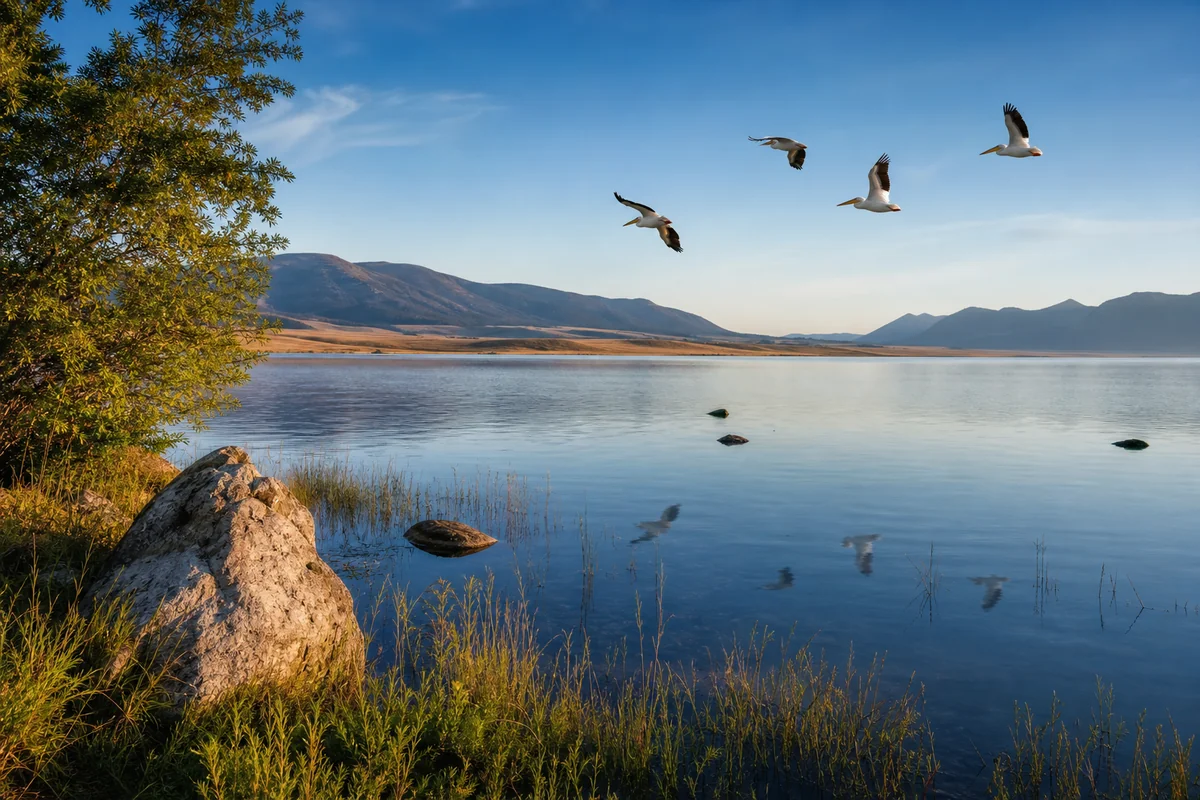
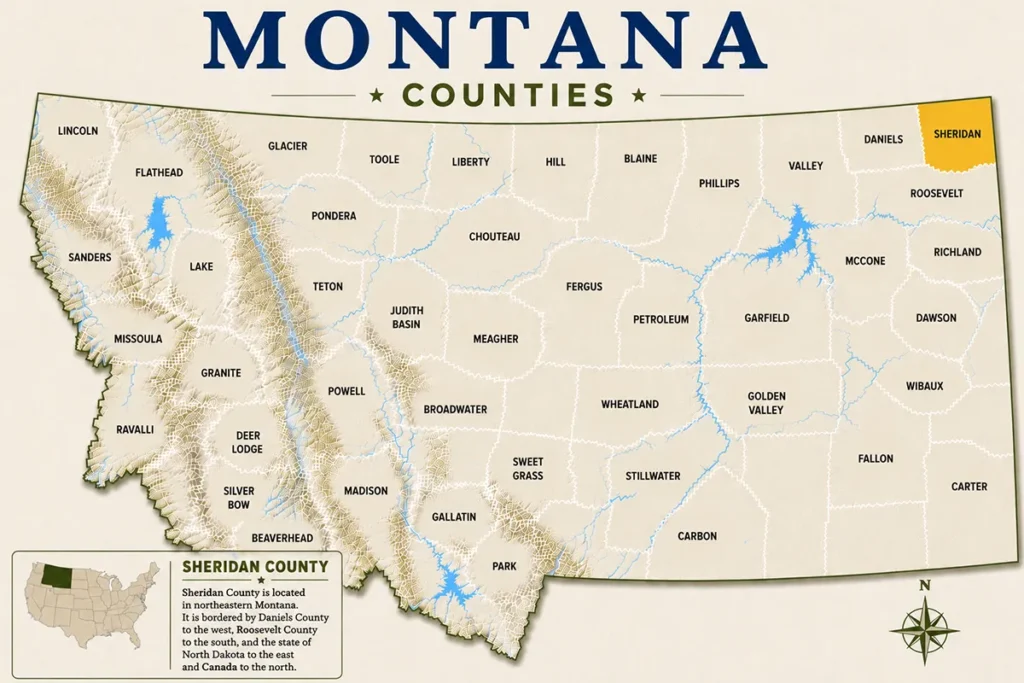
Standing at the edge of Medicine Lake on a still September morning, with pelicans circling overhead and not another soul in sight, it’s hard to believe this corner of Montana exists at all. Sheridan County sits in the absolute northeastern tip of the state — one of the 56 Montana Counties that most travelers skip entirely, and one of the most rewarding to visit precisely because of that.
- Sheridan County is Montana’s northeastern-most county, bordering North Dakota and Canada
- Home to Medicine Lake National Wildlife Refuge — a world-class birding destination
- Plentiful antelope, deer, and upland bird hunting on wide-open plains
- Plentys Coups and Lewis and Clark history run deep through this region
- Scobey is the county seat and largest town — plan for limited services and bring supplies
- Best visited late spring through early fall; winters are harsh and services are minimal
- Genuinely off-the-beaten-path — ideal for travelers seeking solitude and authenticity
Liked this article?
Add Roaming Montana as a preferred source so you see more of our articles and guides on Google.
Where Is Sheridan County?
Sheridan County occupies the far northeastern corner of Montana, sharing borders with North Dakota to the east and Saskatchewan, Canada, to the north. It covers roughly 2,520 square miles of high plains terrain — open, treeless in many stretches, and defined by the Poplar River drainage and scattered prairie wetlands.
The county seat is Plentywood, a small town of fewer than 2,000 residents that punches well above its weight in terms of local character. Scobey, the other main town, sits about 35 miles to the west and is actually home to the famous Dirty Shame Show — more on that shortly.
Getting here requires commitment. Plentywood is roughly 340 miles northeast of Billings and about 130 miles northeast of Wolf Point. Highway 16 and Montana Highway 5 are the main routes in — two-lane roads through wide-open country that feel genuinely remote.
A Bit of History Worth Knowing
Sheridan County was created in 1913, carved from the northern portion of Valley County. It was named for General Philip Sheridan, the Civil War and frontier army commander who played a complex and often controversial role in the settlement of the American West.
What surprised me most during my first visit was learning just how politically charged this region’s past really is. In the 1920s and 1930s, Plentywood was known as the “Red Corner” of Montana — a hotbed of socialist and communist political activity fueled by drought, economic hardship, and frustrated farmers. The Producers News, a local paper, openly promoted left-wing politics for years. It’s a slice of American history you won’t find in any mainstream travel brochure.
The area also sits near the edge of traditional Nakoda (Assiniboine) and Sioux territory. Fort Peck Indian Reservation lies to the southwest, and that Indigenous heritage shapes the cultural landscape of the entire region.
Medicine Lake National Wildlife Refuge
If you visit Sheridan County for just one reason, make it Medicine Lake. Established in 1935 and managed by the U.S. Fish and Wildlife Service, Medicine Lake National Wildlife Refuge protects over 31,000 acres of prairie lakes, wetlands, and native grassland.
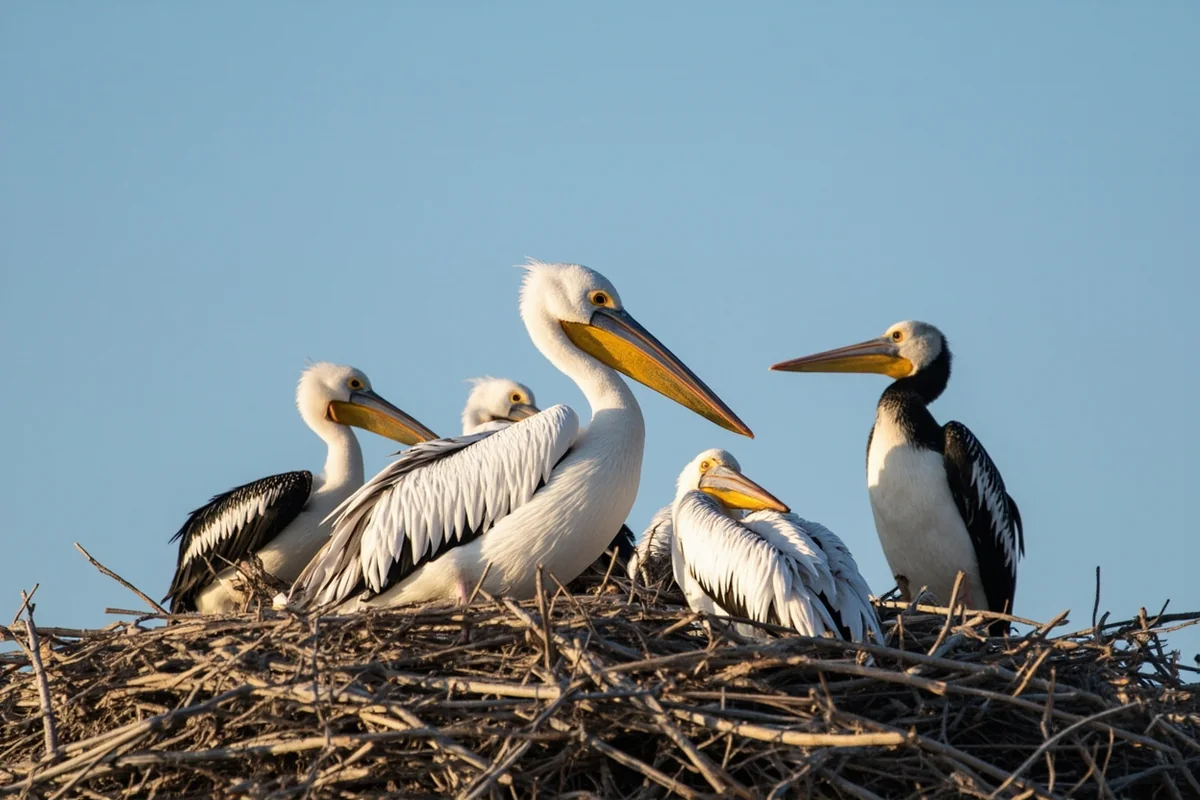
During the peak migration periods — roughly late April through May, and again in September and October — the refuge hosts staggering numbers of birds. According to the U.S. Fish and Wildlife Service, Medicine Lake is one of the most significant white pelican nesting colonies in North America, with thousands of birds using the lake during the breeding season.
What most guides skip is how to time your visit to catch the best activity. Arriving early morning, before 8 a.m., puts you on the auto tour route when light is soft and birds are most active. On a recent September visit, the tour loop delivered sharp-tailed grouse, American avocets, white-faced ibis, and a bald eagle — all within the first two miles.
The auto tour road is a 14-mile gravel loop accessible to most vehicles in dry conditions. After significant rain, it turns slick quickly — what caught me off guard was how fast the gumbo clay can go from firm to genuinely impassable. Check conditions before you leave Plentywood.
There is also a small wilderness area within the refuge — one of the few designated wilderness areas on a national wildlife refuge in the country. Hiking is permitted, but there are no marked trails; navigation skills and awareness of nesting season closures (typically April through July in sensitive zones) are essential.
Bird Checklist Highlights
- American white pelican (nesting colony, spring–summer)
- Double-crested cormorant
- Great blue heron
- White-faced ibis
- Sharp-tailed grouse
- Bald and golden eagles
- Tundra swans and snow geese (fall migration)
- Sandhill cranes
- Various shorebirds during spring and fall
The Dirty Shame Show in Scobey
Every year in late June, Scobey hosts one of Montana’s most beloved — and most genuinely unique — community events: the Dirty Shame Show. Named after a legendary local saloon from the homesteading era, the event is a weekend-long celebration of pioneer heritage, complete with historical reenactments, a melodrama performance, a parade, live music, and a street dance.
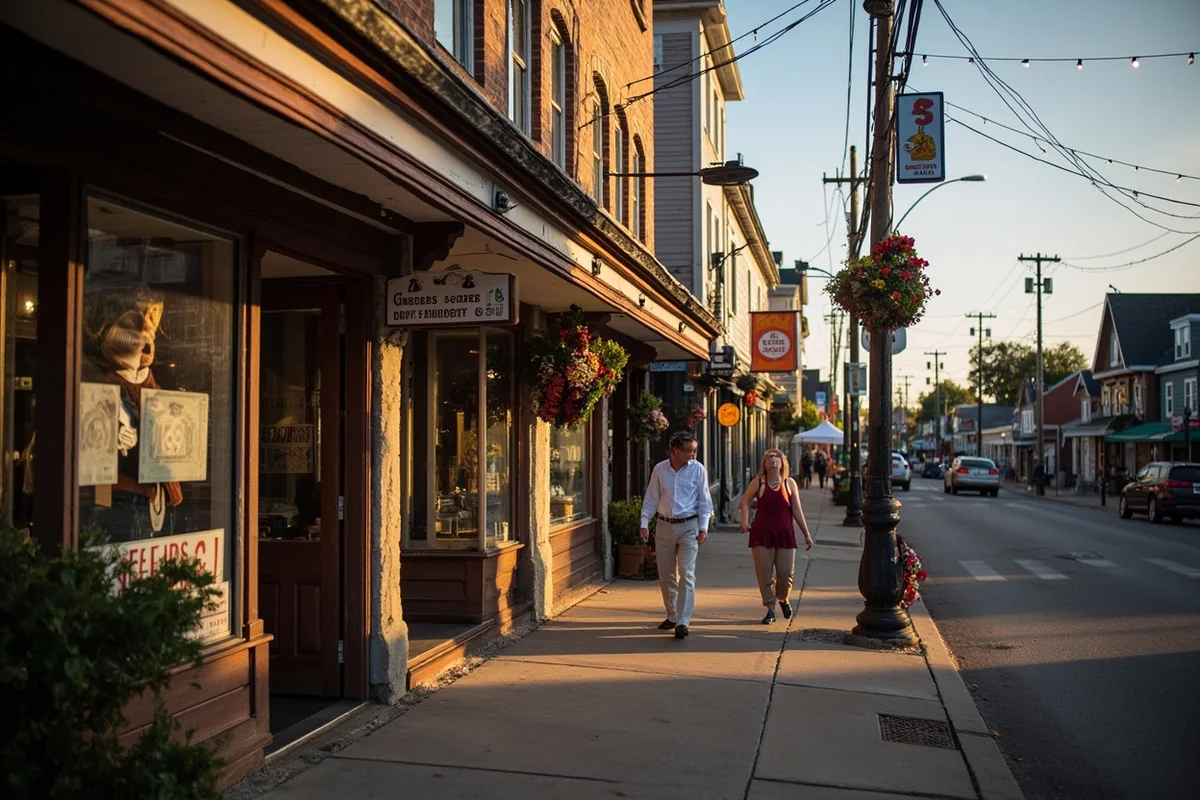
What makes it special is the authenticity. This isn’t a manufactured tourist attraction — it’s a community event that locals throw for each other, and visitors are welcomed warmly as guests rather than customers. The melodrama, performed by local volunteers at the Danielson Theatre, draws a crowd that genuinely heckles the villain and cheers the hero.
The Pioneer Town museum complex adjacent to the event is worth a full hour of your time. It preserves over 35 original and reconstructed buildings from Sheridan County’s homesteading period, along with one of the best collections of working antique farm machinery in northeastern Montana.
Outdoor Recreation: Hunting and Fishing
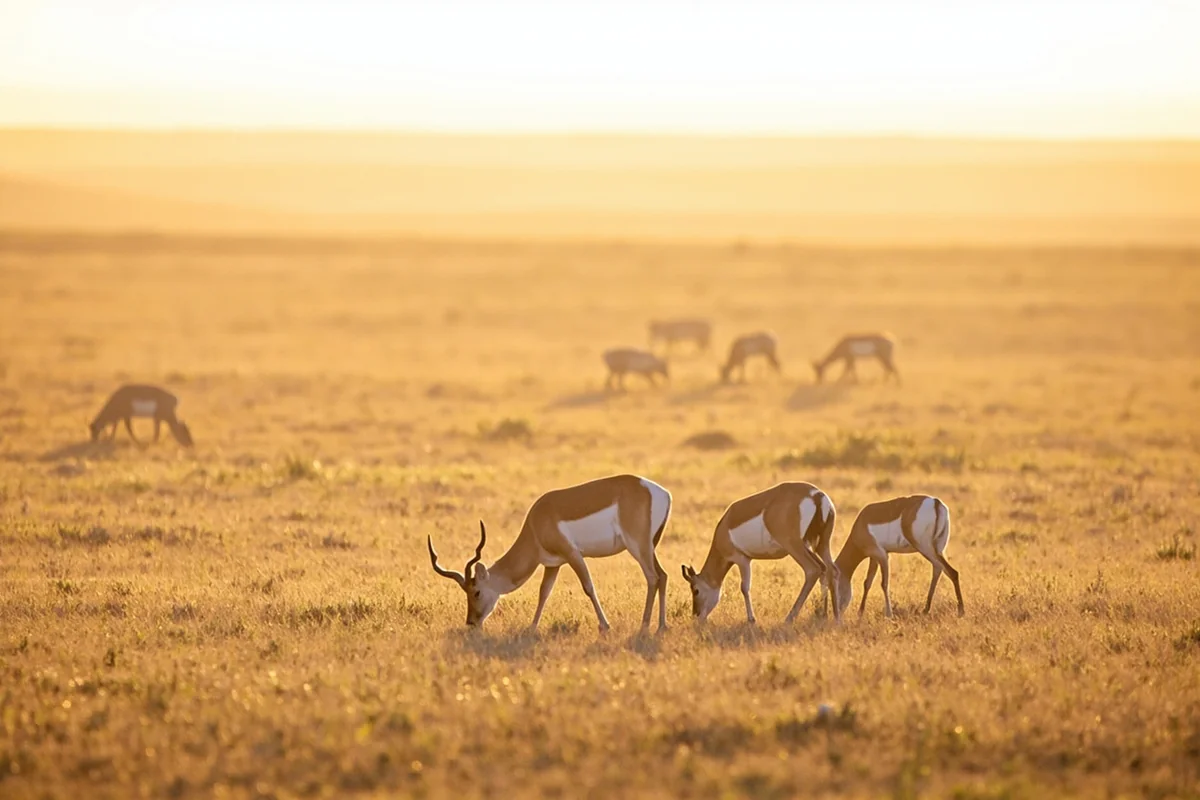
Sheridan County is serious hunting country. Pronghorn antelope numbers across the northeastern Montana plains are consistently strong, and the area supports healthy populations of white-tailed deer, mule deer, and upland birds including pheasant, Hungarian partridge, and sharp-tailed grouse.
According to Montana Fish, Wildlife & Parks, northeastern Montana — including Sheridan County — is among the most productive regions in the state for pronghorn hunting, with tag availability typically higher than in more pressured western districts. Licenses and tags are managed through FWP’s licensing system, and hunters should verify current season dates and quotas directly at myfwp.mt.gov.
Fishing opportunities exist at several locations. Medicine Lake itself supports northern pike, yellow perch, and white bass. The Poplar River and smaller prairie reservoirs scattered around the county offer additional access, though water levels can vary significantly depending on seasonal rainfall.
One practical note from experience: if you’re hunting or fishing in Sheridan County for the first time, stop into a local sporting goods or hardware store in Plentywood or Scobey before heading out. Staff there know current conditions, access road status, and private land boundaries better than any app — and they’re genuinely helpful.
Exploring Plentywood
Plentywood is a working agricultural town, not a tourist destination — and that’s precisely what makes it interesting. The downtown strip along Highway 16 has a handful of restaurants, a grocery store, a hardware store, and a few bars that feel straight out of a 1970s Montana photograph.
The Sheridan County town of Plentywood has a small museum — the Sheridan County Museum — that covers both the area’s homesteading history and that unusual socialist political chapter of the 1920s and 30s. It’s not a large collection, but the context it provides transforms a drive through the county into something much richer.
One thing that caught me off guard was how good the food was at a couple of local diners. Breakfast at a small spot on the main strip delivered eggs from local farms and portions that could fuel a full day of driving back roads. Don’t arrive expecting farm-to-table menus or specialty coffee — but do expect honest, filling food at prices that feel almost nostalgically affordable.
Practical Information for Visitors
| Category | Details |
|---|---|
| County Seat | Plentywood |
| Other Towns | Scobey, Medicine Lake |
| Area | Approximately 2,520 square miles |
| Nearest City | Wolf Point (~130 miles SW), Williston, ND (~90 miles E) |
| Main Highways | MT-16, MT-5 |
| Best Season to Visit | May–October |
| Key Attraction | Medicine Lake National Wildlife Refuge |
| Annual Event | Dirty Shame Show (late June, Scobey) |
| Cell Coverage | Spotty; Verizon generally best in rural areas |
| Fuel | Available in Plentywood and Scobey — fill up before back roads |
When to Visit Sheridan County
Late spring (May–early June) is spectacular for birding at Medicine Lake, with peak nesting activity and large pelican colonies visible from the auto tour road. Wildflowers also bloom across the prairie at this time, turning roadsides into something unexpectedly vivid.
Summer (July–August) brings warm to hot days — temperatures regularly reach the mid-to-upper 80s°F, with occasional spikes above 90°F. Thunderstorms build fast in the afternoons and can drop hail or bring brief tornadoes. This is also when the Dirty Shame Show takes place in Scobey.
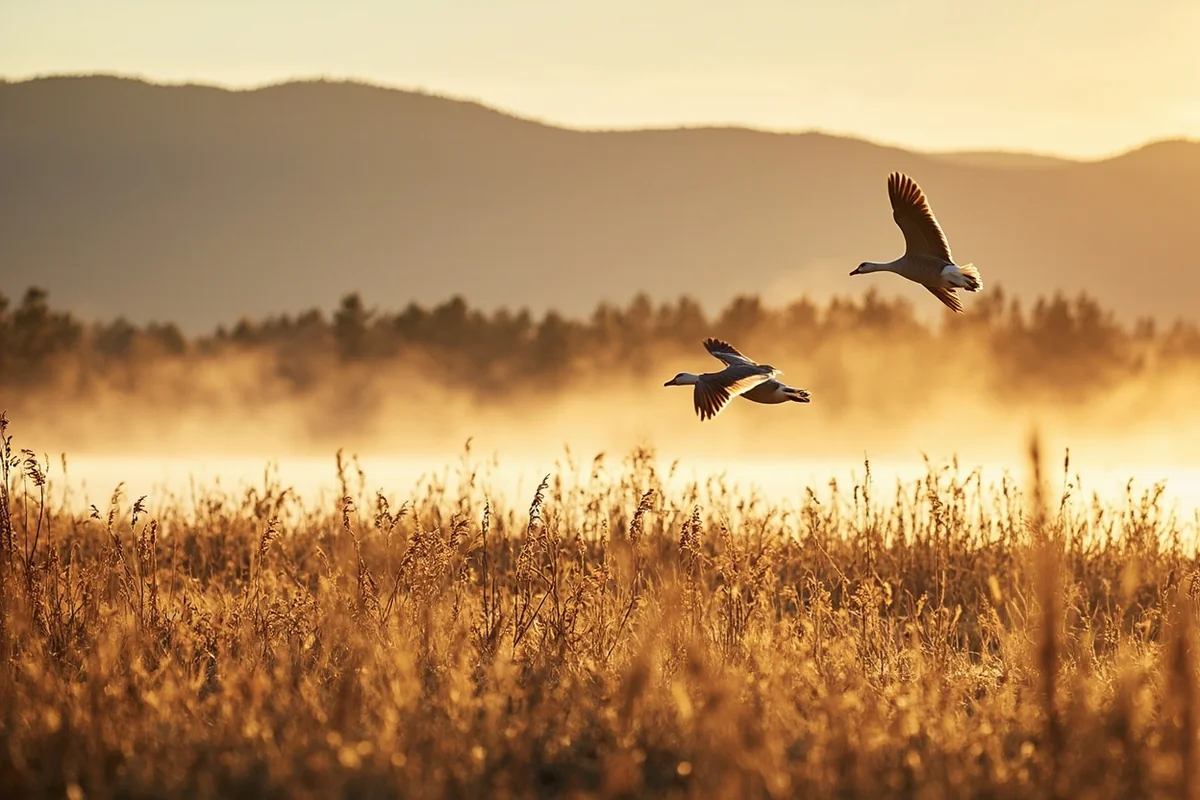
Fall is arguably the finest season. September and October bring crisp air, golden prairie grasses, and the incredible spectacle of snow geese and tundra swans moving through Medicine Lake during their southward migration. Hunting seasons open through this period, and the county feels quietly alive with activity.
Winter is genuinely harsh. Blizzards can close roads for days, temperatures regularly drop well below zero, and services become even more limited. Unless you’re an experienced cold-weather traveler with a fully equipped vehicle, mid-October through April is best avoided.
Where to Stay in Sheridan County
Accommodation options are limited but functional. Plentywood has a couple of small motels that offer clean, basic rooms — expect to pay roughly in the range typical for rural Montana budget lodging, generally well under what you’d pay in a gateway town near a national park.
Scobey has similar options, typically a motel or two that cater primarily to hunters and traveling workers. Booking ahead is essential if you’re visiting during the Dirty Shame Show weekend — rooms in Plentywood and Scobey fill up, and the next closest options are over an hour’s drive away.
Camping is available at Medicine Lake campground (managed by the U.S. Fish and Wildlife Service), which offers basic facilities. It’s a quiet, uncrowded spot — on a recent overnight stay, there were only two other campsites occupied on a summer Friday, which felt like a genuine luxury compared to more popular Montana destinations.
Getting Around Sheridan County
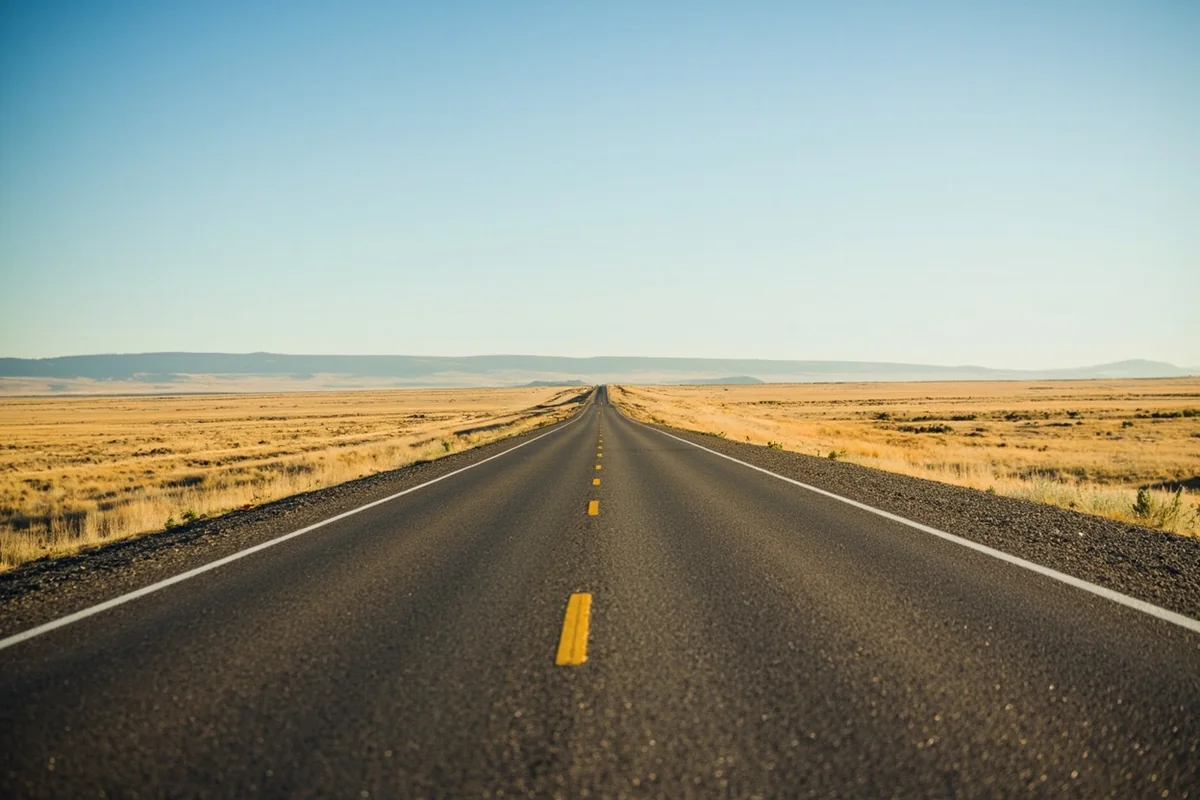
A personal vehicle is non-negotiable here. There is no public transit, no ride-share service, and no bike rental. Roads are mostly two-lane paved highways with gravel county roads branching off to farms, refuges, and recreation areas.
GPS is generally reliable along the main highways, but cell signal disappears on back roads. Downloading offline maps (Google Maps and onX work well for this) before leaving Plentywood is genuinely important — not just a suggestion.
Road conditions matter more here than almost anywhere else in Montana. Spring thaw and heavy rain can make unpaved county roads impassable even for high-clearance vehicles. The Montana Department of Transportation road condition line (511) and the MDT website are useful for checking conditions before heading out on gravel.
Suggested Itinerary
Day 1: Arriving and Settling In
Arrive in Plentywood via Highway 16 from Wolf Point or via Highway 5 from the west. Stop at the Sheridan County Museum in the afternoon — it sets the context for everything else you’ll see. Spend an hour there, then walk the short downtown strip.
For dinner, one of the local diners on the main street is your best bet — portions are generous and the food is consistently good. If you arrive in late June, check whether the Dirty Shame Show is running in Scobey, about 35 miles west; the evening street dance and melodrama are well worth the drive.
Day 2: Medicine Lake Refuge
Make an early start — on the road by 6:30 a.m. for the best light and most wildlife activity. Medicine Lake is about 25 miles southeast of Plentywood via Highway 16, then south on Highway 357.
Drive the 14-mile auto tour loop slowly. Budget two to three hours if you stop frequently to watch and photograph birds. Bring binoculars — a good mid-range pair makes an enormous difference at this refuge.
In the afternoon, walk the short trails near the lake edge or simply sit and watch. The light in late afternoon is extraordinary here — flat prairie light with no obstacles between you and the horizon. Return to Plentywood for a second night, or push west toward Scobey if you haven’t yet explored that side of the county.
Day 3: Scobey and Pioneer Town
Drive west on Highway 5 to Scobey (roughly 35 miles). Spend the morning at the Pioneer Town complex — allow at least 90 minutes to walk the grounds properly. The collection of historic buildings and farm equipment is genuinely impressive for a town this size.
Have lunch in Scobey, then use the afternoon to explore back roads south of town toward the Poplar River drainage. This area holds good pronghorn populations and some pleasant river bottom scenery. Head back toward Plentywood or continue east toward North Dakota, depending on your onward route.
What Most Visitors Get Wrong
The single most common mistake is underestimating distances and overestimating services. Sheridan County covers a vast area, and the distances between towns — and between towns and attractions — are longer than they look on a map at a national scale.
Fuel is the most immediate concern. Fill up every time you pass through Plentywood or Scobey, especially before driving gravel roads to Medicine Lake or exploring back country areas. Running low on fuel 30 miles from town on a Sunday afternoon in a county with almost no population is a situation worth avoiding by habit.
The second mistake is arriving without binoculars for Medicine Lake. This came up in conversations with other visitors at the refuge — several had driven hours specifically for the birds and were frustrated at not being able to see the pelican colony clearly from the road. A quality pair of 8×42 or 10×42 binoculars transforms the experience entirely.
Finally, many visitors don’t account for weather. Afternoon thunderstorms build fast in summer, and what starts as a clear morning can turn into a severe weather situation by 3 p.m. Keep an eye on weather apps, but understand that cell signal is unreliable — check forecasts before leaving your accommodation each morning.
Sheridan County in Context: Northeastern Montana
Sheridan County shares its remote, agricultural character with several neighboring counties worth knowing about. To the south, Daniels County and Roosevelt County offer similar plains landscapes and access to the Fort Peck Indian Reservation. To the west, Valley County anchors the Fort Peck Dam and reservoir — one of the largest earthen dams in the world and a major recreation destination.
For travelers building a broader northeastern Montana road trip, Sheridan County makes an excellent anchor point. A loop that takes in Phillips County to the west, with its access to the Upper Missouri River Breaks National Monument, and drops south through McCone County before returning east hits some of the most dramatic and least-visited landscapes in the entire state.
It’s also worth noting that northeastern Montana as a whole is one of the least populated regions in the contiguous United States. If Montana’s fastest-growing areas — detailed in our look at Montana’s fastest-growing cities and counties — represent one face of the state, Sheridan County represents something almost opposite: a place where the population has been slowly declining for decades, and where the land itself has more presence than any human development.
That’s not a negative. It’s precisely why the birds return to Medicine Lake every spring, why the pronghorn still roam the open plains, and why a visitor willing to slow down and pay attention finds something genuinely rare here.
Wildlife Beyond the Refuge
Medicine Lake gets most of the attention, but Sheridan County’s wildlife extends well beyond the refuge boundaries. Driving Highway 5 or back roads south of Plentywood in early morning, it’s common to see pronghorn antelope in groups of 10 to 30 animals grazing within a hundred yards of the road.
White-tailed deer are abundant in river bottom areas and shelter belts — the strips of trees planted along property lines that break the wind and provide habitat. Mule deer tend to occupy drier, more open terrain. Both species can be seen regularly with minimal effort.
Raptors are a constant presence on the open plains. Red-tailed hawks, rough-legged hawks (in winter and shoulder seasons), Swainson’s hawks, and ferruginous hawks all use the county. Golden eagles are year-round residents. The tall wooden utility poles along county roads serve as convenient hunting perches, making close views relatively easy.
Coyotes are extremely common and often visible during daylight, especially in the morning. Badgers are regular inhabitants of prairie dog towns, though spotting one requires patience and luck. Prairie dog colonies themselves are scattered throughout the county and worth stopping to observe.
Final Thoughts
Sheridan County rewards travelers who arrive with genuine curiosity and low expectations of infrastructure. It won’t give you luxury, crowds, or Instagram-famous overlooks. What it gives you instead is something increasingly rare: space, silence, wildlife, and a window into an America that most travelers never see.
Medicine Lake alone is worth the journey for any serious birder or wildlife photographer. But the county’s value goes beyond that single refuge — it’s in the honest towns, the deep-roots history, and the humbling scale of the open plains stretching toward Canada.
If northeastern Montana sounds like your kind of travel, don’t stop at Sheridan County — build the full circuit. Counties like Blaine County, Chouteau County, and Garfield County each add their own distinct character to a region that remains genuinely one of the least-visited and most authentic parts of the American West.
How We Researched This Guide
This guide is based on multiple visits to Sheridan County across different seasons, including spring birding trips to Medicine Lake and a late summer visit during the Dirty Shame Show period in Scobey.
Firsthand exploration covered the Medicine Lake auto tour route, Pioneer Town, downtown Plentywood, and back roads throughout the county.
Information was verified with the U.S. Fish and Wildlife Service (Medicine Lake National Wildlife Refuge), Montana Fish, Wildlife & Parks, the Montana Department of Transportation, and the Sheridan County Museum.
Local conversations with staff at the refuge, Plentywood businesses, and Scobey residents also informed the practical details in this guide.
Frequently Asked Questions
What is the best time of year to visit Sheridan County, Montana?
The best time to visit Sheridan County is late spring through early fall, roughly May through September, when temperatures are mild and the northeastern Montana plains are at their most scenic. Summer months bring long daylight hours perfect for exploring Medicine Lake National Wildlife Refuge, though July and August can see temperatures climbing into the 90s°F, so early morning wildlife viewing is ideal.
How far is Sheridan County, Montana from major US cities?
Sheridan County sits in the far northeastern corner of Montana, making it a genuine remote destination — it’s roughly 750 miles from Denver, about 500 miles from Billings, and around 350 miles from Bismarck, North Dakota. Most visitors fly into Williston, ND (about 80 miles away) or Billings and then make the scenic drive north along Highway 16.
What are the top things to do in Sheridan County, Montana for first-time visitors?
First-time visitors should prioritize Medicine Lake National Wildlife Refuge, one of the best spots in the country for seeing pelicans, shorebirds, and pronghorn on the open prairie. The town of Plentywood serves as the county seat and offers local history at the Sheridan County Museum, while hunters and anglers come specifically for the world-class upland game bird hunting and fishing in the area’s reservoirs and prairie potholes.
What should I budget for a trip to Sheridan County, Montana?
Sheridan County is one of Montana’s more budget-friendly destinations since it’s off the tourist trail — expect to pay $80–$130 per night for motel accommodations in Plentywood, with meals at local diners running $10–$20 per person. If you’re hunting or fishing, factor in Montana non-resident license fees, which range from around $15 for a fishing license to $628 for a combination deer and elk hunting license.
Is Sheridan County, Montana worth visiting if I’m not a hunter or wildlife enthusiast?
Absolutely — Sheridan County offers a rare look at authentic small-town Montana life and wide-open Hi-Line prairie landscapes that feel worlds away from crowded tourist destinations like Glacier or Yellowstone. History buffs will appreciate the area’s connection to homesteading-era history and its proximity to the Missouri River Breaks region, making it a meaningful road trip stop for travelers seeking off-the-beaten-path experiences.
What should I pack for a road trip to Sheridan County, Montana?
Pack layers regardless of the season — northeastern Montana weather can swing dramatically, with summer afternoons hitting the 90s°F and evenings dropping into the 50s°F. Because services are sparse across the county, I’d recommend carrying extra water, a full spare tire, a paper map as a backup, sunscreen, and insect repellent, especially if you plan to spend time near Medicine Lake where mosquitoes can be heavy in June and July.
Are there any campgrounds or outdoor lodging options in Sheridan County, Montana?
Camping options in Sheridan County are limited but exist — Medicine Lake National Wildlife Refuge has basic camping facilities, and there are primitive camping spots along several of the county’s reservoirs popular with anglers. For those who prefer more comfort, Plentywood has small motels and there are a handful of ranch-style lodges in the region, particularly catering to hunting parties in fall, so booking well ahead for September and October is strongly recommended.